 Beyond Nuclear International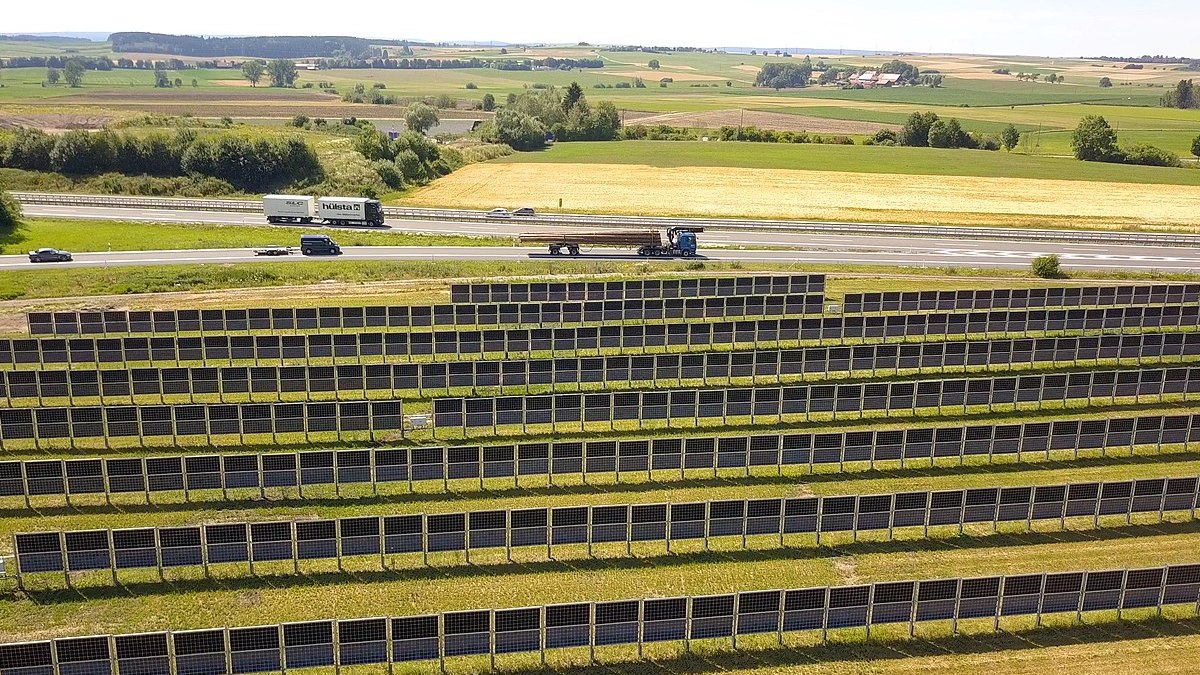
Technology will be a key power source going forward
News from Clean Energy Wire
In a bid to greatly improve the roll-out of solar power in the next years, Germany’s government has put a strategy on the table aimed at simplifying regulation, unlocking new locations, and incentivizing investments in the technology.
At a press conference after the government’s second ‘Solar PV-Summit’ this year, economy and climate action minister Robert Habeck said the technology will be one of the key power sources of the future and greatly contribute to the goal of a share of 80 percent renewables in Germany’s electricity mix by 2030. Total capacity is planned to then be 215 gigawatts (GW), from about 63 GW in 2022.
“We see that the buildout is gaining traction,” Habeck said, adding that the 2023 goal of adding 9 GW capacity could well be surpassed by the end of the year and reach more than 10 GW. In the first three months of this year the solar industry already marked its most busy quarter ever by installing 2.7 GW of new capacity. The expansion target by 2026 is 22 GW per year.
“With the strategy we presented today we intend to greatly increase expansion speed once more and remove all brakes that so far have hindered a faster pace,” the Green Party politician added.
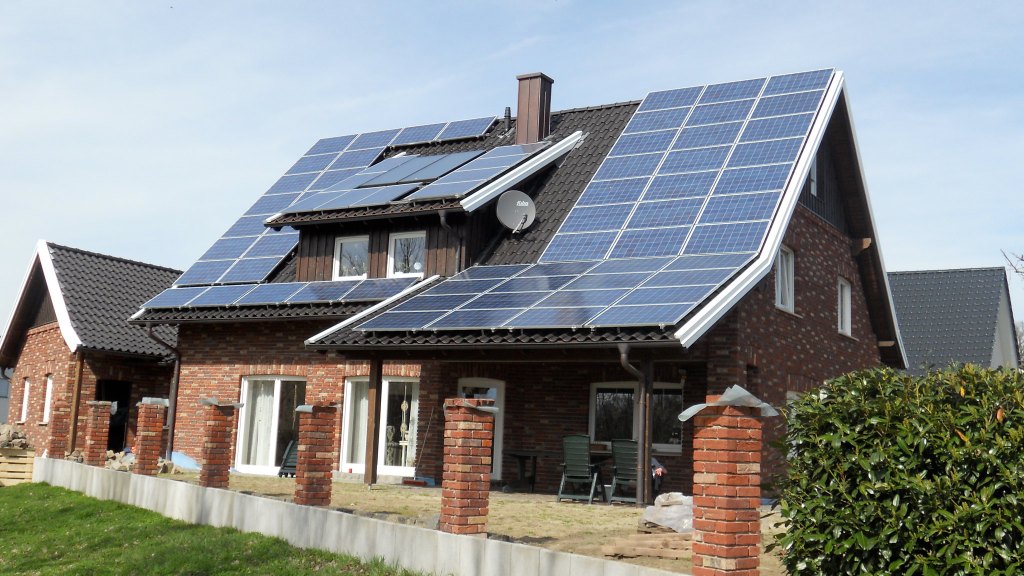
Carsten Körnig, head of industry lobby group BSW Solar, said the push by private homeowners in the energy crisis to become more independent regarding electricity supply had greatly helped boost expansion to record levels. Given the challenges arising from inflation and higher interest rates, it would now be necessary to also incentivise corporate users to invest in solar PV installations to uphold the positive trend.
At a first summit in March, the framework for expansion volumes, support rates, and regulations had been prepared, Habeck said. The task now would be to go into the details of licensing and implementation and work on additional challenges, such as establishing European production capacities and securing enough skilled workers to carry out installations.
Key aspects of the strategy include:
- Annual expansion of 11 GW ground-mounted installations by 2026; securing sufficient land area, reducing planning and licensing barriers and implement “innovative concepts” such as Agri-PV on farmland or Floating-PV on waterbodies
- Annual expansion of 11 GW roof-mounted installations by 2026; improve installations on large commercial buildings
- Increase the use of tenant electricity schemes and expand installed capacities on apartment buildings; simplify rules for so-called ‘balcony power plants’ with small solar PV installations
- Achieve greater public acceptance by offering participation for municipalities and citizen initiatives
- Enable Germany and Europe to cover most demand with domestic production by building up production capacities in the entire manufacturing process
The number of household solar power storage installations has grown exponentially over the past four years, with a year-on-year growth of 52 percent in 2022, Germany’s Solar Power Association BSW Solar has said.
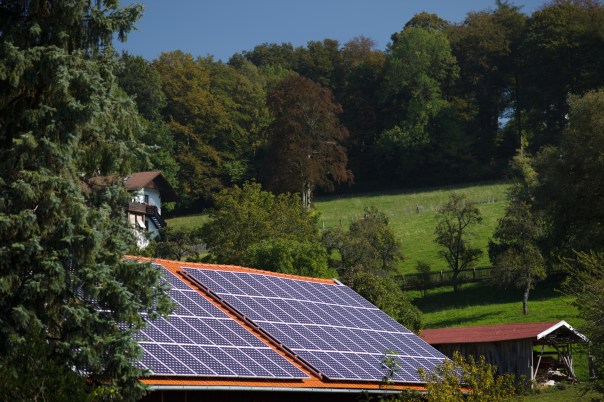
“Half of private home owners say they would consider storing their homemade solar power,” a survey commissioned by the lobby group found. About 630,000 home storage units have already been installed in Germany. Nearly 30 percent of surveyed company managers said they planned to install solar power batteries in the next three years.
“Installing a battery increasingly becomes the standard when new solar power arrays are mounted,” BSW head Carsten Körnig said. “This not only benefits the installations‘ operators, but also supports the entire power system’s flexibility and security,” Körnig said, calling storage units in private homes and commercial buildings “indispensable building blocks” for the energy transition.
Storage units for solar power greatly increase the availability of generated electricity. Installations of solar power arrays on private homes had grown fast in the past year as a result of the energy crisis.
According to BSW Solar, storage capacity in the country should increase from about 6.7 gigawatt hours in early 2023 to 55 gigawatt hours by 2030 to compensate for the generation fluctuations of weather-dependent renewables.
For regular updates, subscribe to news from CLEW (Clean Energy Wire).
Headline photo: Agrivoltaics solar plant, developed by Next2Sun, with walls of vertical bifacial modules near Aasen, Donaueschingen, Germany. By Tobi Kellner/Wikimedia Commons.
The opinions expressed in articles by outside contributors and published on the Beyond Nuclear International website, are their own, and do not necessarily reflect the views or positions of Beyond Nuclear. However, we try to offer a broad variety of viewpoints and perspectives as part of our mission “to educate and activate the public about the connections between nuclear power and nuclear weapons and the need to abandon both to safeguard our future”.
 Beyond Nuclear International