 Beyond Nuclear International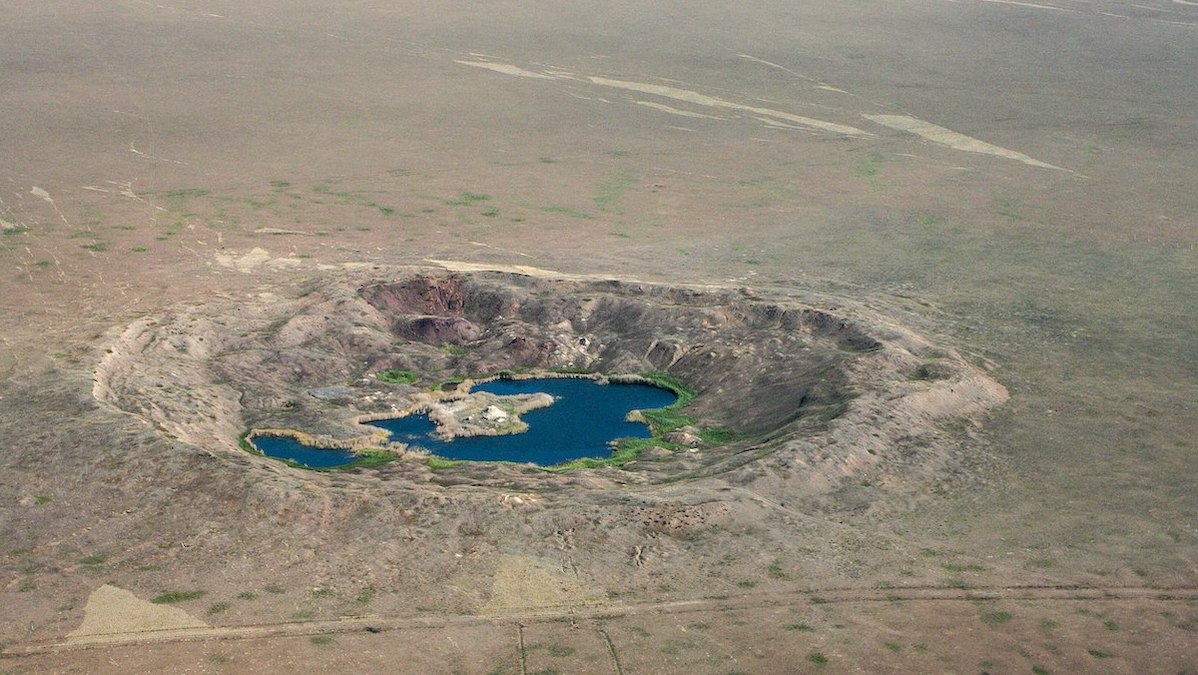
A look at the studies of professor Masaharu Hoshi
From Impact
The risks of radiation exposure are better understood today thanks to researchers dedicated to working with the victims of exposure, understanding their symptoms, identifying treatments and developing safety protocols. This article looks at the work of one such researcher, Dr. Masaharu Hoshi.
Harnessing atomic particles and radiation led to powerful and world changing technologies. The field of medical imaging has saved countless lives and continues to push the boundaries of medical interventions and research, which would have been impossible without the first x-ray machines. Unfortunately, not all inventions have been so altruistic.
The advent of nuclear weapons showed the world the destructive potential possible via scientific inquiry. While the dangerous effects of radiation exposure were documented from the inception of this technology, catastrophic events like the bombing of Hiroshima and Nagasaki and nuclear disasters at Chernobyl, Semipalatinsk or Fukushima provide a real-time glimpse into the long-term effects of exposure.
Investigating the causes of this exposure in order to prevent future accidents is essential, but so too is cataloguing the rates and types of exposure among the victims. With this information, correlations between exposure and health effects, both short- and long-term, can be assessed. This data is crucial for understanding the mechanisms behind radiation effects on living creatures and in assessing risks, safety protocols and treatment. Since the 1980s, Dr Masaharu Hoshi, Professor Emeritus at Hiroshima University, has been traveling around the world, visiting the sites of nuclear disasters in an effort to fully comprehend the risks. In doing so he is also revealing that there is still much we need to learn regarding the effects of radiation exposure.
Quantifying the risks
“I started my research with the people exposed to radiation in Hiroshima and Nagasaki in the year 1980,” says Hoshi. “Before that I completed my dissertation on nuclear physics with a specialty in radiation measurement.” This graduate training positioned him to become an expert on the effects of radiation.
The work that commenced in Hiroshima and Nagasaki right after the blast showed that with higher doses of radiation, the greater the effect on the human body, in the form of symptoms like carcinogenesis. The ratio between exposure and effects is termed risk. This measure of risk is useful in treating people exposed to radiation and it can quantify how much risk individuals face depending on the dose of exposure.
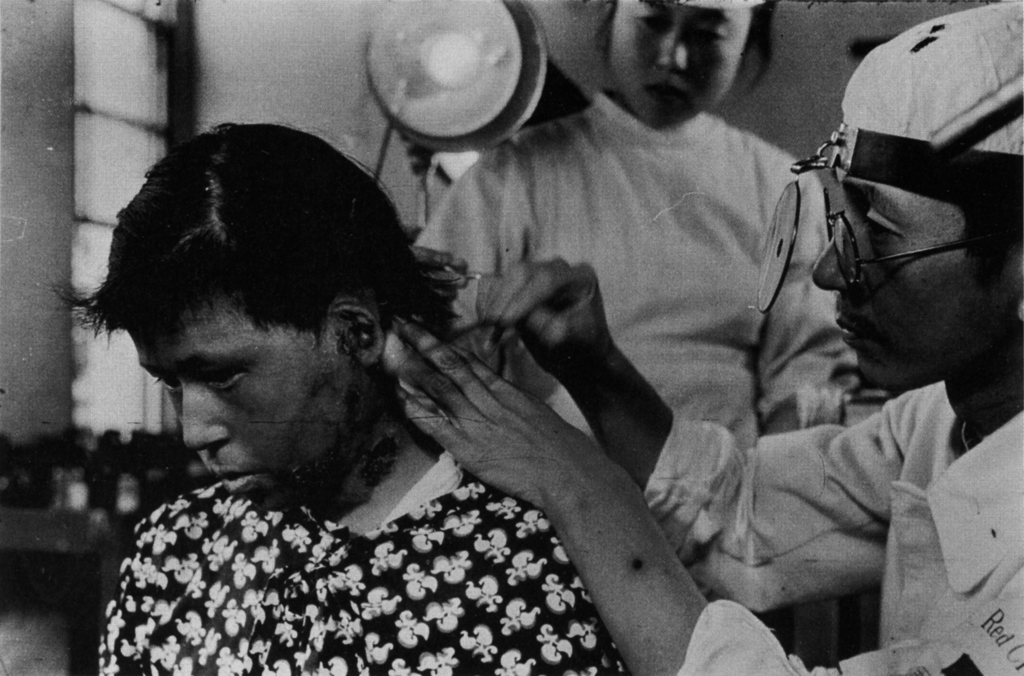
“This work can inform us whether a medical check-up is required every two years depending on the degree of exposure, or if hospitalization is necessary if there has been too much exposure,” explains Hoshi.
He says that the work done in Japan has informed laws regarding radiation exposure safety and protocols in countries around the world, but this is only one scenario in which a person can come into contact with the deadly rays.
“The people exposed to radiation in Hiroshima and Nagasaki from the atomic bomb were exposed to gamma rays, including a few neutrons, in a short instant,” outlines Hoshi. “From 1 microsecond to about 1 minute which is quite different from the gradual exposure of actual workers in the radiation industry.”
In the case of Semipalatinsk, the former Soviet Union’s nuclear testing grounds, the exposure was due to the passage of radioactive clouds. The area and the people were exposed gradually not only during the passage of the cloud but also from the subsequent contamination of the area. “Therefore, the risk is considered to be different from that of the atomic bomb survivors of Hiroshima and Nagasaki,” confirms Hoshi.
“Because of that, we started our study on the radiation dose and the health effects occurring in Semipalatinsk, which has been going on since 1994.”
Over the course of these studies over decades he has worked with colleagues to amass databases of over 300,000 cases of exposure and long-term follow-up. It was among these cases, spread out in different locations, that a pattern emerged, revealing yet another variable to consider during an exposure event, being radioactive microparticles.
Radiation detectives
Initially in Japan, research started on people who came to the area right after the explosion to help their families and were not the direct victims of the bombing. For these individuals the calculated radiation exposure dose was less than 10 mSv which, according to Hoshi, is usually not a problem.
“Using the Hiroshima University database of people who were exposed to the bombing incident, we found that the mortality rate was higher for those who came to the vicinity directly after the explosion and the cause for this was unknown,” he states.
Furthermore, Hoshi began to see a similar pattern of exposure and symptoms in other places. In Semipalatinsk it was called Kainal Syndrome and again there was no explanation. Many of the survivors of Chernobyl, Gulf War and Hiroshima Nagasaki who entered after the bombing also suffered from hair loss, severe malaise, which can lead to an inability to work, bleeding, diarrhea and more.
“It was then that I understood I would have to use epidemiological ideas to uncover what all of these victims had in common,” he says. Eventually, he realised that commonality was radioactive dust.
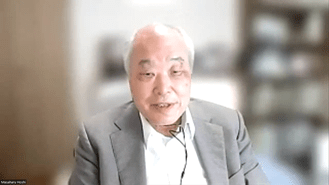
Dr. Masaharu Hoshi has studied the impacts of radiation exposure in affected populations all over the world. His was some of the first work to study the effect of deadly dust, containing radioactive microparticles.
Hoshi and his team began investigating the potential for radioactive microparticles to cause internal exposure in all organs of the rats, especially in the lung. They found the effects are 20 times more dangerous than usual external exposure according to the animal experiments.
“With regards to the effects of radioactive particles, some experts have previously pointed it out,” says Hoshi. “However, since there was no supporting research, it has been ignored by public institutions.”
His was some of the first work to study the effects of the deadly dust. Since it began this work has achieved more results and expanded as a research area faster than all other fields of radiation exposure study. “This success led to the acquisition of our current research fund and to collaborations with other researchers, not only in Japan but also around the world.”
Global team
The effects of radiation exposure are the same for every person on the planet, no one country or group of people are immune. Furthermore, when disaster strikes it is usually not contained to one spot. Contamination of air and water can spread over vast distances, bringing with them their deadly side effects. Hoshi and his collaborators are acutely aware of this and are working hard to share their data as far and as wide as possible.
Furthermore, Hoshi stresses that due to the need for a variety of expertise, collaboration is absolutely essential.
“For example, these results are not possible without the input from reactor physicists, radiation and medical physicists, epidemiologists, thyroid specialists, pathologists, medical doctors, as well as statistics and computer database experts,” he highlights.
Hoshi is grateful for all of the hard work this diverse group has done and will continue to do for the benefit of victims and potential victims. Along with further research on progressive treatment and protection, Hoshi plans to continually develop this field. Their work will carry on studying the effects of radioactive dust and ways to protect against it as well as tackling the big problem of evaluating dose exposure from radioactive dust.
This article first appeared on impact.pub whose content is available under a creative commons license.
Dr Masaharu Hoshi is Professor Emeritus at Hiroshima University’s Peace Center. You can read his studies here and here.
Headline photo of the Semipalatinsk atomic test site, by The Official CTBTO Photostream/Wikimedia Commons.
The opinions expressed in articles by outside contributors and published on the Beyond Nuclear International website, are their own, and do not necessarily reflect the views or positions of Beyond Nuclear. However, we try to offer a broad variety of viewpoints and perspectives as part of our mission “to educate and activate the public about the connections between nuclear power and nuclear weapons and the need to abandon both to safeguard our future”.
 Beyond Nuclear International
Pingback: Nuclear news in this week of genocide « Antinuclear
Pingback: Nuclear news in this week of genocide « nuclear-news
Pingback: Deadly radioactive dust « nuclear-news