 Beyond Nuclear International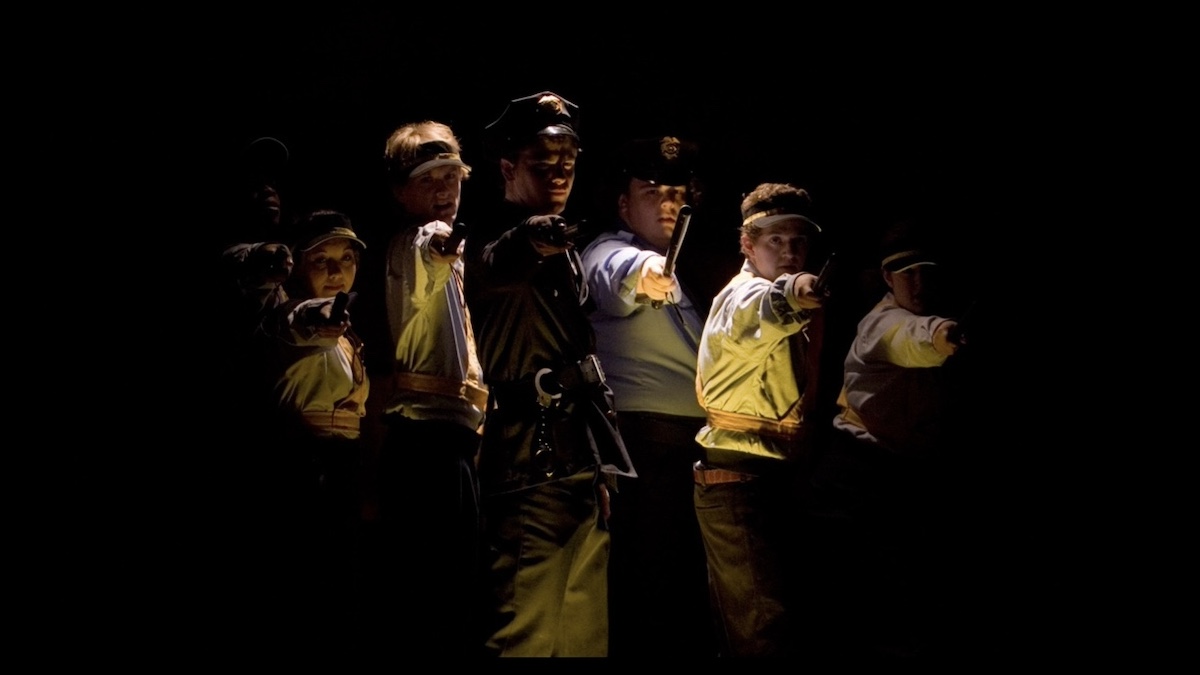
Theater can be effective in delivering important environmental messages, writes Jack Sanitate
Growing up performing in plays and musicals, I’ve been aware of how theater can convey powerful messages by immersing audiences in stories that create empathy and understanding. Through live performances, theater transforms complex issues into relatable experiences, prompting audiences to reflect on social and political themes. This powerful art form can create awareness and a call to action. One critical topic that has been adeptly addressed in contemporary (21st Century) theater is environmental awareness.
Although there has been a notable increase in recent years, environmental issues have been present in theater since at least the early modern period. In Henrik Ibsen’s An Enemy of the People (premiered in 1882-1883), Ibsen addresses the clash between economic interests and public health, as the idealistic character, Dr. Stockmann, naively exposes the contamination of a town’s water supply that feeds its spa and faces backlash from the community and the Mayor, his own brother.
One prime example of twenty-first century environmental drama is The Children by Lucy Kirkwood. It explores environmental justice through the aftermath of a nuclear disaster caused by an earthquake and flooding. The play features three retired nuclear scientists who grapple with the consequences of their past actions. The disaster serves as a metaphor for global environmental crises, emphasizing the need for long-term sustainability, while subtly encouraging moral responsibility toward future generations.
But what particularly interests me (and what I love to perform in) are musicals. Arguably more mainstream than plays are nowadays, musicals keep the audience engaged (and attract an audience to come see the show), by telling a clear story through song and acting. As I think about environmental justice in musicals, a few post-2000s offerings immediately come to mind. Foremost is Urinetown.
Although highly comedic and full of many potty jokes referencing the title, Urinetown is actually a satire commenting on the themes of water scarcity and corporate greed. It depicts a dystopian future where water is strictly rationed and everyone has to pay even to use the bathroom. As a result, it is the poor who suffer under the control of a monopolistic corporation. The musical works so well because behind the silly name and premise that draws in an audience, there is a scary truth. If we proceed along our current path of constant consumption and failure to take care of our bodies of water, or delay in addressing climate change, Urinetown’s dystopian scenes could actually become our reality.
In 2019 on Broadway, I got to see the popular and powerful musical Hadestown, a musical retelling of the Greek myth of Orpheus and Eurydice. In Hadestown, the underworld workers’ monotonous and grueling labor (overseen by Hades) represents industrial exploitation and environmental injustice. Workers tirelessly build an endless wall, showing the dehumanizing effects of a system prioritizing productivity over sustainability. Their labor also underscores the broader issues of resource extraction and environmental degradation. This literal hell contrasts sharply with the world above and highlights the consequences of unchecked industrialization and resource consumption.
This is achingly clear during Eurydice’s song “Flowers,” which contrasts the vibrant, natural world above with the bleak, industrial underworld as she longs for the beauty and life that once surrounded her. When I saw and heard Eva Noblezada perform this song, its themes of environmental loss moved me deeply. We have all seen the world constantly suffering from the effects of unsustainable industrialization and production. For me, “Flowers” represented profound loss.
Right now, there are still musicals about environmental justice being created. The new musical Redwood – which just had a run at La Jolla Playhouse in California and is hoping to transfer to Broadway – stars Tony award-winning actress Idina Menzel and tells the story of Jesse, a woman who has just experienced a devastating loss. She leaves her life behind to drive to California’s redwood forests.

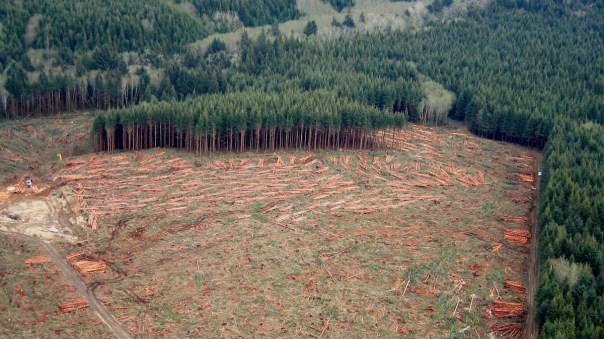
Redwood is based on the story of environmental activist Julia Butterfly Hill, who lived 738 days in a California redwood in the late 1990s to protest the logging of the old-growth trees. Clear-cutting old-growth trees (which can be seen in the wood pellet biomass industry) is especially harmful, because they store more carbon from the atmosphere than younger, less mature trees. Logging, especially clear-cutting, contributes to rapid deforestation.
Although it is in its very early stages of previews and initial run, I am excited to see what the next step for Redwood will be, and I’m hoping it makes it to New York City. Based on what I have seen and researched so far (with limited access since it is a new work), this play is an accurate representation about how nature has healing properties and inspires us in a spiritual way. Redwood shows why Julia Butterfly Hill’s dramatic and deeply committed activism is important to protect our magnificent old-growth trees and forests.
But, if so, drama enthusiasts like me also need to ask if the environmental awareness and advocacy these shows promote compensates for some of the adverse effects the theatrical production process itself can have on the environment and our climate?
For some theatrical productions, for instance, large amounts of timber are needed for set construction. At the end of the show’s run, there is a large amount of waste from all the resources consumed to create the set. However, there has been a movement in the past decade to try to create more sustainable set design and construction. Many theaters have been transitioning to sourcing their building materials from recycled materials which can also contribute to a unique and symbolic set.
For example, I was in a production of Spongebob the Musical in 2022 that used recycled trash and plastic materials to make the set. This included recycled pool noodles reshaped to make clusters of coral and seaweed, repurposed plastic bottles, and old tires. This transformation not only served a purpose to show that the story takes place underwater in the ocean, but at the same time it was clear that these set pieces were trash, directly representing the plastic pollution that plagues our oceans. So, while all the fun was happening onstage (and it’s such a silly show), audiences were immersed in the very problematic presence of plastic pollution.
With actions like this on the production side of things, we can make sure theater not only advocates for environmental justice but is sustainable while doing so. Moving forward, I hope that writers continue to consider putting environmental themes on stage. We desperately need new ways of communicating our environmental dilemmas and to imagine and feel them if we are to change. The vitality and vibrancy of live theater has already shown us that possibility. As Rachel Carson has said in A Sense of Wonder, “it is not half so important to know as to feel.”
Jack Sanitate is a rising senior at Duke University double majoring in Public Policy and Theater Studies, with a minor in Environmental Sciences & Policy. His article was originally written for the Rachel Carson Council and is republished with permission.
Headline photo of University Theater’s production of Urinetown, directed by Jonathan Berry, by Sharat Ganapati/Creative Commons.
The opinions expressed in articles by outside contributors and published on the Beyond Nuclear International website, are their own, and do not necessarily reflect the views or positions of Beyond Nuclear. However, we try to offer a broad variety of viewpoints and perspectives as part of our mission “to educate and activate the public about the connections between nuclear power and nuclear weapons and the need to abandon both to safeguard our future”.
 Beyond Nuclear International
