 Beyond Nuclear International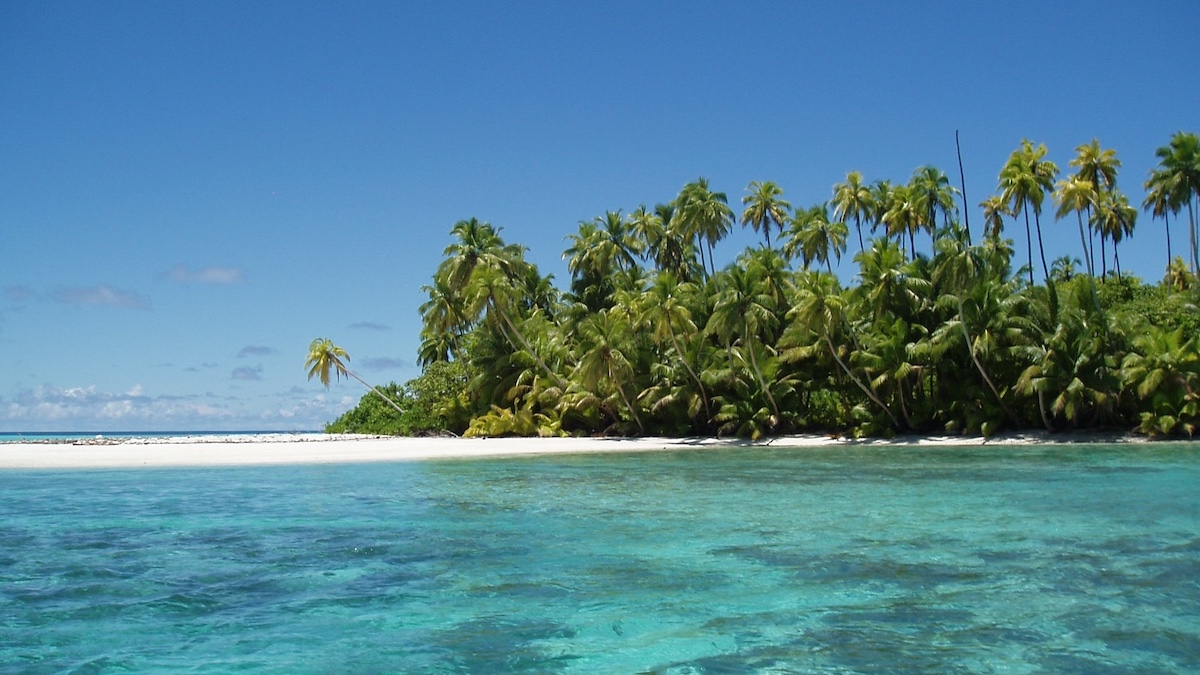
Decolonization of the British Indian Ocean Territory poses new challenges for Africa’s nuclear weapons-free zone, writes David Fig
On 3 October 2024, the recently elected British government announced that it would be dismantling its colony, the British Indian Ocean Territory (BIOT), which is comprised of the Chagos Islands, and returning its sovereignty to the Republic of Mauritius.
In March 1968 Mauritius won its independence from Britain, but in the run up to this event, Britain decided to detach the Chagos Islands from Mauritian jurisdiction, in exchange for a compensation settlement of 3 million pounds, worth 65.2 million pounds today. Its rationale was to turn one of the islands, Diego Garcia into a strategic military base, which it rented to the United States. From Diego Garcia, US fighter jets could reach both the Gulf region and China.
During the Gulf Wars, the base was used for the ‘rendition’ of Iraqi prisoners, and it became a waystation for their secret delivery to Guantanamo and other prisons.
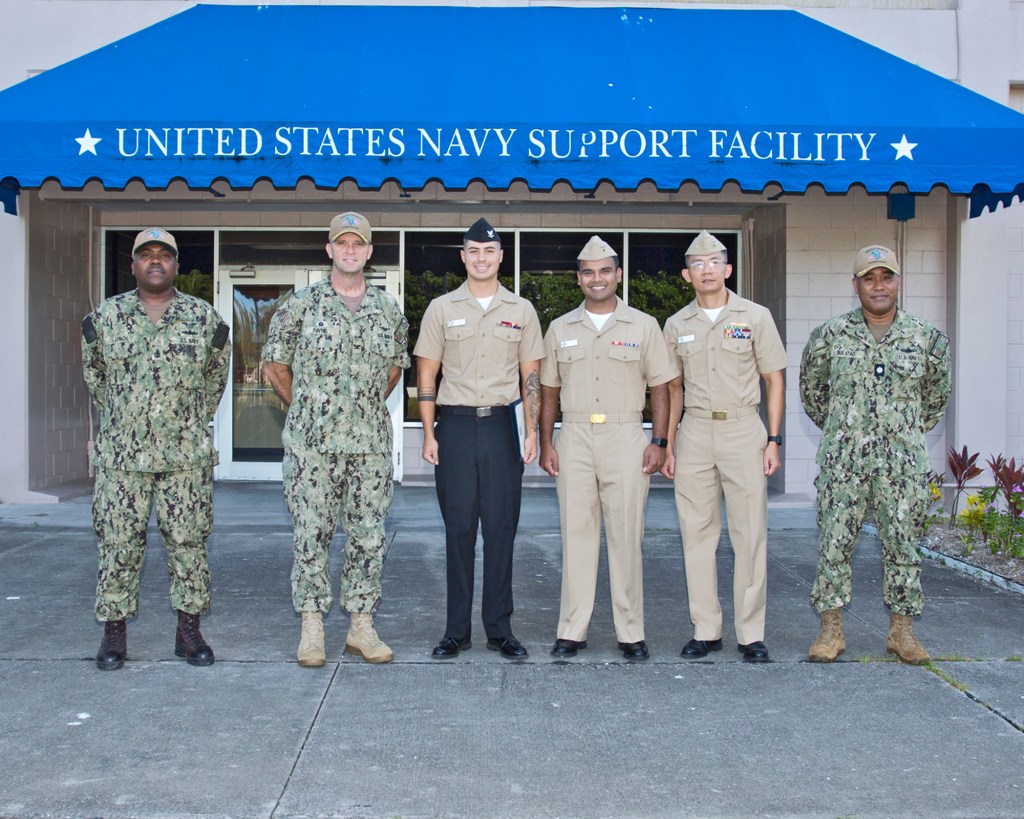
As a precondition for the creation of the base, the US insisted that Britain remove all the inhabitants of the archipelago. The depopulation resulted in the dumping of the Chagossians as refugees on Mauritius, the Seychelles and the UK.
For many years, the islanders, with the backing of Mauritius and many African countries, have been challenging the illegalities of creating the BIOT, deporting its population, and preventing a just return. The case reached the General Assembly of the UN, and the UN’s International Court of Justice. In both fora, Britain’s behavior was declared illegal. This was also confirmed in domestic cases brought by the islanders. Each time Britain lost, it invoked ‘royal prerogative’ to claim that its national security interests overrode the judgments of the courts.
But after Brexit, even the EU countries could no longer continue to support Britain’s illegal control of the BIOT. Britain could no longer honestly urge other nations to respect the rule of law. These and other pressures began to take their toll. Britain’s Foreign Office began to recognize the imperative to relinquish its “last colony” on African soil. The quid pro quo for doing this was to insist that Mauritius, as the sovereign power, agrees that the Diego Garcia base can continue under UK control for 99 years.
On the surface of things, Britain’s relinquishment of sovereignty over the BIOT results in the restoration of justice and the international rule of law. Mauritius regains its legal rights of sovereignty over the Chagos Islands. Britain receives some kudos for its efforts at decolonization. Most of the islanders can go home and re-establish their lives and livelihoods. Africa as a whole sees the end of formal colonial control by the powers that signed the 1885 Berlin treaty which divided the continent among themselves. Shouldn’t these things be celebrated?
To some extent, yes, but there are also some remaining problems. One of the key questions is that all the diplomatic deals have been made over the heads of the islanders. How will it be just for the former inhabitants of Diego Garcia to forego their right of return? Will those who had settled elsewhere be obliged to return or must they forfeit other forms of compensation offered as restitution for the earlier forced removals? And do the Chagossians accept Mauritian jurisdiction over their islands?
While the UK relinquishes sovereignty over the BIOT, will it not be contradictory if Mauritius reinstates UK sovereignty over the base on Diego Garcia?
International law may challenge this reversal of intent, and set in motion a new wave of cases. But there is another conundrum that needs to be raised, particularly in these pages. This arises from the fact that Mauritius is a full signatory of the Treaty of Pelindaba.
This Treaty obliges its members to ensure that no nuclear weapons will be tolerated on their soil. How will Mauritius square its tolerance of a foreign base on African soil with its duties under Pelindaba to refuse nuclear weapons on Diego Garcia?
It is likely that the operators of the base, the US and UK, may not wish to be restricted in this way. If Mauritius insists, will the US and UK resist?
After all, Mauritius is a small and relatively weak country, which probably sees the income from the base as welcome. Will Mauritius allow the US and UK to have free reign or will it acknowledge its overriding responsibility to the letter and the spirit of Pelindaba?
Pelindaba is one of the regional treaties of the United Nations, which creates and oversees the nuclear weapons-free status of its Africa-based signatories. Its counterparts include Latin America and the Caribbean (Tlatelolco), South-East Asia (Bangkok), the South Pacific (Rarotonga) and Central Asia (Semipalatinsk). Under other treaties, it is illegal to send nuclear weapons into outer space or to store them on the sea bed.
Under article 12 of Pelindaba, administration and implementation of the treaty falls under a body created specifically for this purpose, the African Commission on Nuclear Energy (AfCONE), which is made up of representatives of the signatory nations. AfCONE, based in Pretoria, South Africa, also possesses some disciplinary powers. In practice, AfCONE has focused more on exploring nuclear energy issues and its reports indicate that it is a rather bureaucratic body. It is not clear whether African countries would use AfCONE as a disciplinary instrument to ensure appropriate compliance on the part of Mauritius.
Of course, Mauritius could also exercise the option to exit from the Treaty of Pelindaba. This would, however, be seen as a slap in the face by the other African members, who supported Mauritius’s rights throughout the Chagos debacle.
In forthcoming weeks, the arrangements over the Chagos Islands will be formalized. It will become important for Mauritius to address its new found responsibilities. These will include a decision on whether the Diego Garcia base should be allowed to house nuclear weapons. Bringing the Chagos Islands under Mauritian control recognizes that they have become part of Africa. Mauritius’s prior commitment to Africa as a nuclear weapons-free zone needs to be acknowledged by the US and UK.
The alternative is that the operators of the base seek to extra-territorialize it, making the transfer of sovereignty a farce. Will the rest of Africa stand by and allow this to occur?
David Fig is a Johannesburg-based researcher on nuclear and other matters. He is the author of Uranium Road: Questioning South Africa’s Nuclear Direction (Jacana, 2006).
Headline photo of Salomons Atoll in the Chagos by Charles and Anne Sheppard, University of Warwick/Creative Commons.
The opinions expressed in articles by outside contributors and published on the Beyond Nuclear International website, are their own, and do not necessarily reflect the views or positions of Beyond Nuclear. However, we try to offer a broad variety of viewpoints and perspectives as part of our mission “to educate and activate the public about the connections between nuclear power and nuclear weapons and the need to abandon both to safeguard our future”.
 Beyond Nuclear International