 Beyond Nuclear International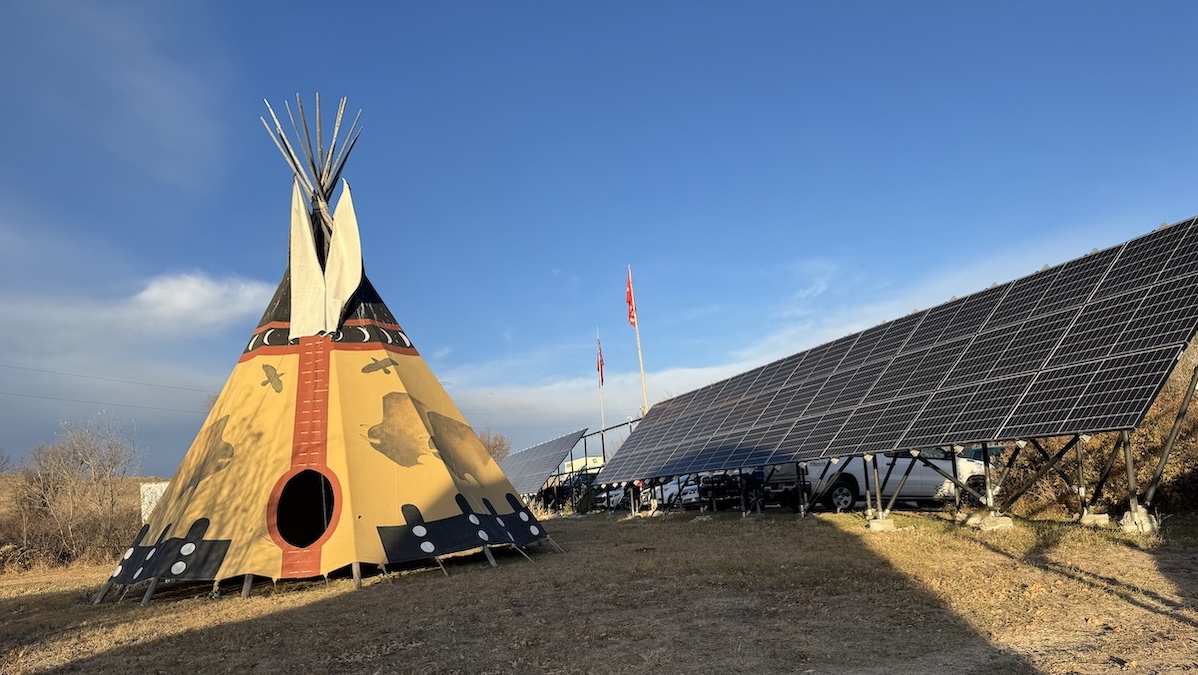
An EPA decision to cancel a solar grant to tribal nations is a hard hit, writes Cody Two Bears
The EPA’s decision to cancel its Solar for All grant to our coalition of tribal nations is more than a policy reversal—it’s a gut punch to communities that believed they were finally being seen.
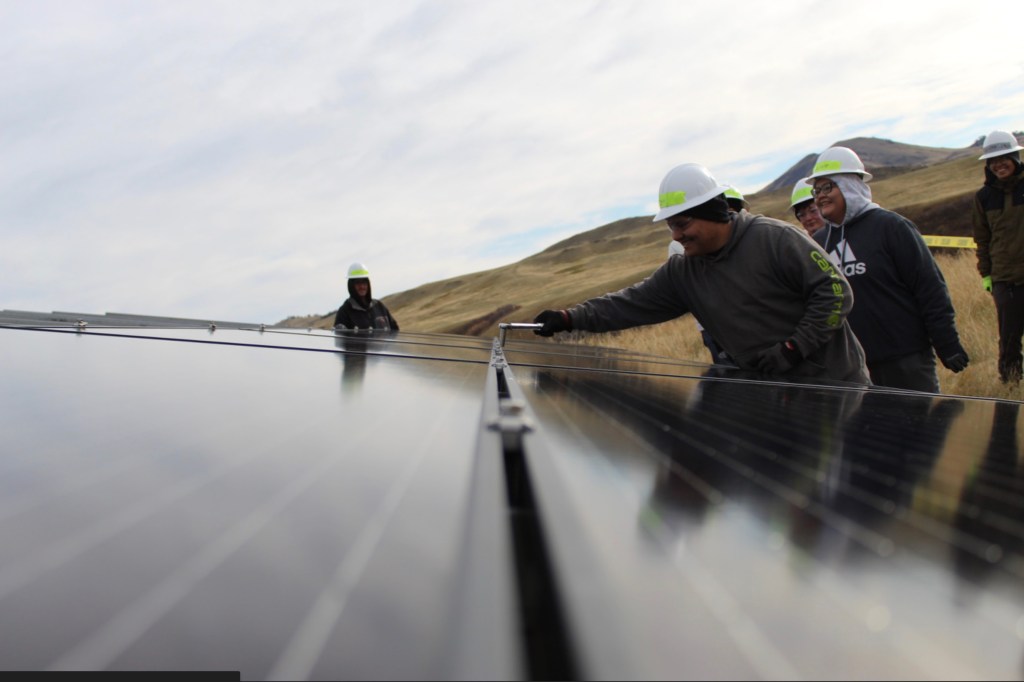
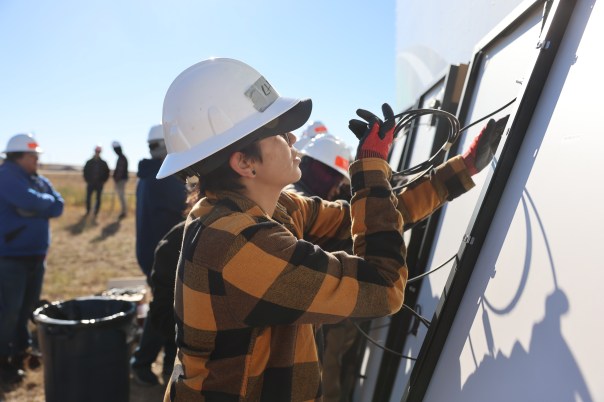
Our coalition of 14 tribal governments spanning North Dakota, South Dakota, Montana, Wisconsin, and Wyoming came together around a once-in-a-generation opportunity: to deploy $100 million in solar infrastructure to more than 3,500 tribal homes, while training Native youth and veterans in a clean energy workforce that could serve their own communities.
That promise is now gone. And we are not alone.
This past month, dozens of other states, cities, and communities—red and blue alike learned that their own Solar for All awards contracts will be terminated. Across the country, tens of thousands of low-income households are being told that the solar systems they were promised won’t be installed. That the jobs and training they applied for may not materialize. That another chance to turn energy burden into energy security has slipped away.
In Indian Country, the pain is particularly deep. We’ve been here before. Our communities are used to being promised opportunities that never arrive. But that doesn’t make this one hurt any less.
Solar for All wasn’t just about installing solar. It was about building a future that Native communities have been fighting for—one where we control our own energy, reduce crushing utility bills, and create jobs that allow our youth to stay and serve their people.
It was about growing Native-owned solar businesses, launching the first tribally led operations and maintenance teams in the Northern Plains, and helping each other stand up community-driven energy programs built to last.
Our coalition’s plan would have installed thousands of solar and battery systems and saved Native households over $300 million over the next 25 years. Those savings matter.
Many tribal households already pay double or even triple what the average U.S. household pays for energy. And just like the rest of the country, we’re bracing for steep increases in electricity rates in the years ahead. In communities where winter electric heating bills can exceed $600, solar isn’t just smart policy—it’s a matter of survival. We knew this wouldn’t be easy. But we showed up anyway. Tribal councils passed resolutions. Apprenticeship programs were designed. Community outreach had already begun. In some communities, program managers had been hired and work was underway.
Now, much of that momentum has been lost.
To say we’re disappointed is an understatement. But we’re not giving up. As tribal nations, we have always walked a harder path—but never without purpose. We remain grounded in our values: self-determination, stewardship, and the belief that our communities deserve to lead in this transition—not be left behind by it.
And we will lead. Solar for All gave us a platform to organize, build relationships, and design solutions tailored to our communities. We are keeping that vision alive—with or without this federal funding. But we won’t pretend this isn’t a major setback.
And we want to be clear: we are doing this anyway.
Because no matter what anyone says about solar, we have the laws of physics and economics on our side. The sun will keep shining. Panels will keep getting cheaper. And every kilowatt we produce locally is one less dollar sent off the reservation. The long-term math is in our favor—and we’re building for that future, even when the politics fall short.
Now is the time for philanthropic partners, private investors, and aligned institutions to step forward and help us carry this work forward. We have the plans, the partnerships, and the people. What we need is support—and the courage from others to believe in this vision, even when Washington doesn’t follow through.
Tribes don’t need handouts. We need the means to build what we’ve already envisioned.
Solar for All was supposed to be just that—for all. For red states and blue, for tribal communities and rural towns, for people who’ve too often been left behind in the energy transition. With its cancellation, a lot of doors just slammed shut.
But we’ll keep knocking. Because this is what leadership looks like in Indian Country: standing up, standing together, and staying the course—especially when the promises are broken.
Cody Two Bears is the Founder and CEO of Indigenized Energy and a member of the Standing Rock Sioux Tribe. He is a nationally recognized leader in the movement for tribal energy sovereignty, combining Indigenous knowledge with Western science to bring renewable energy solutions to Native communities. In response to the 2016 #NoDAPL movement, Cody launched Indigenized Energy and led the development of North Dakota’s largest solar project on Standing Rock. A shorter version of this article was published as a letter to the editor in The Washington Post.
Headline photo of Oglala Sioux Solar For All project courtesy of Indigenized Energy.
The opinions expressed in articles by outside contributors and published on the Beyond Nuclear International website, are their own, and do not necessarily reflect the views or positions of Beyond Nuclear. However, we try to offer a broad variety of viewpoints and perspectives as part of our mission “to educate and activate the public about the connections between nuclear power and nuclear weapons and the need to abandon both to safeguard our future”.
 Beyond Nuclear International
Pingback: News that’s not from the nuclear-military-industrial-political-complex « nuclear-news
Pingback: News that’s not from the nuclear-military-industrial-political-complex « Antinuclear
Pingback: ‘Solar for All’ should mean just that. « nuclear-news