 Beyond Nuclear International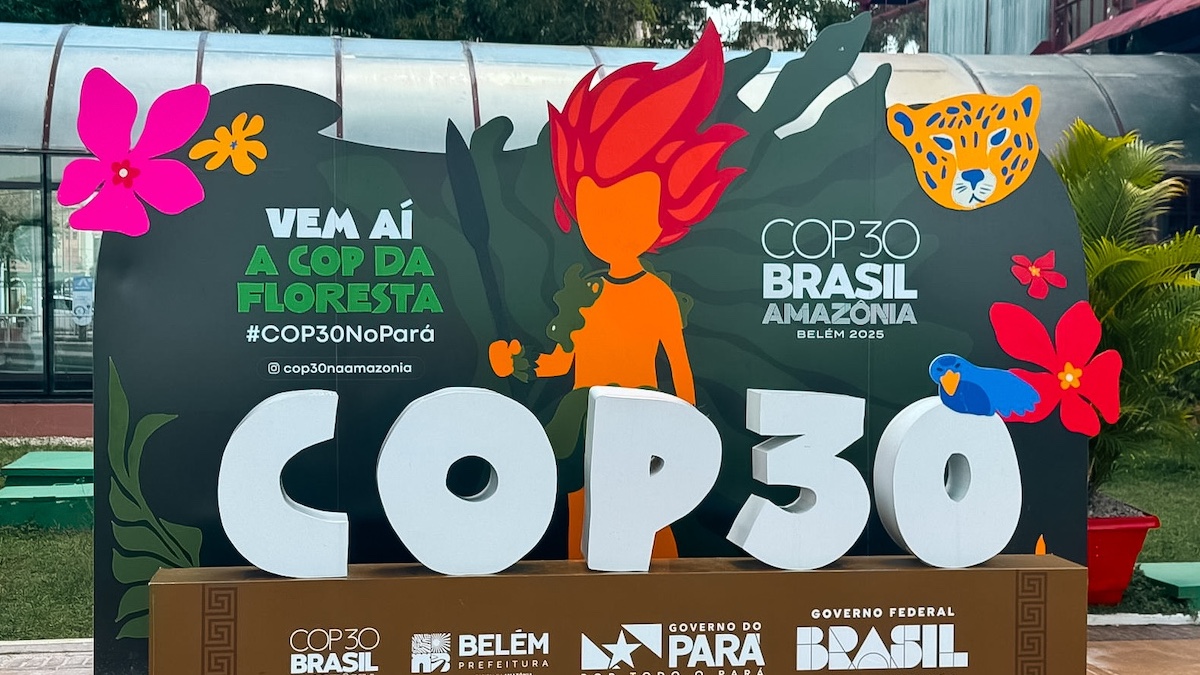
The COP30 climate summit is about more than carbon, it’s about conscience, writes Dr. Ghassan Shahrour
Health professionals have long warned that climate change is a public health emergency. But it is also a moral emergency. At COP30, we must demand that climate action include disarmament, equity, and protection for the most vulnerable. As a physician and humanitarian, I have witnessed how environmental degradation and human suffering are inseparable — from war-torn landscapes to drought-stricken communities. This is not just about carbon. It is about conscience.
A personal journey toward environmental conscience
My relationship with the environment didn’t begin with declarations or data. It grew through lived experience and shared struggle. I first encountered the environmental toll of war not in theory, but in the field: the long- and short-term damage caused by landmines, cluster munitions, and other remnants of conflict. These realities were central to the discussions I joined in Damascus, Sharjah, the Dead Sea, Cartagena, and Beirut. Each meeting deepened my conviction that environmental justice is inseparable from human dignity.
In 2012, while coordinating the Arab Human Security Network, I participated in the National Meeting of Environmental Societies in Syria. There, I proposed that our active local organizations be part of the global environmental movement — one that began in earnest with the 1972 Stockholm Conference, the first to place the environment at the heart of international concern. I do not speak as an expert above others, but as someone who has witnessed how human suffering and environmental neglect are one and the same. In conflict zones, the air is poisoned not only by smoke but by silence. The soil is not only depleted but denied its right to renewal.
Belém: A test of global conscience
On November 10, 2025, COP30 opened in Belém, Brazil — the beating heart of the Amazon. This is not just a symbolic location; it is a living reminder of what’s at stake. A decade after the Paris Agreement, and amid worsening climate disasters and broken promises, we must recognize that this moment is not merely environmental. It is ethical. It is human.
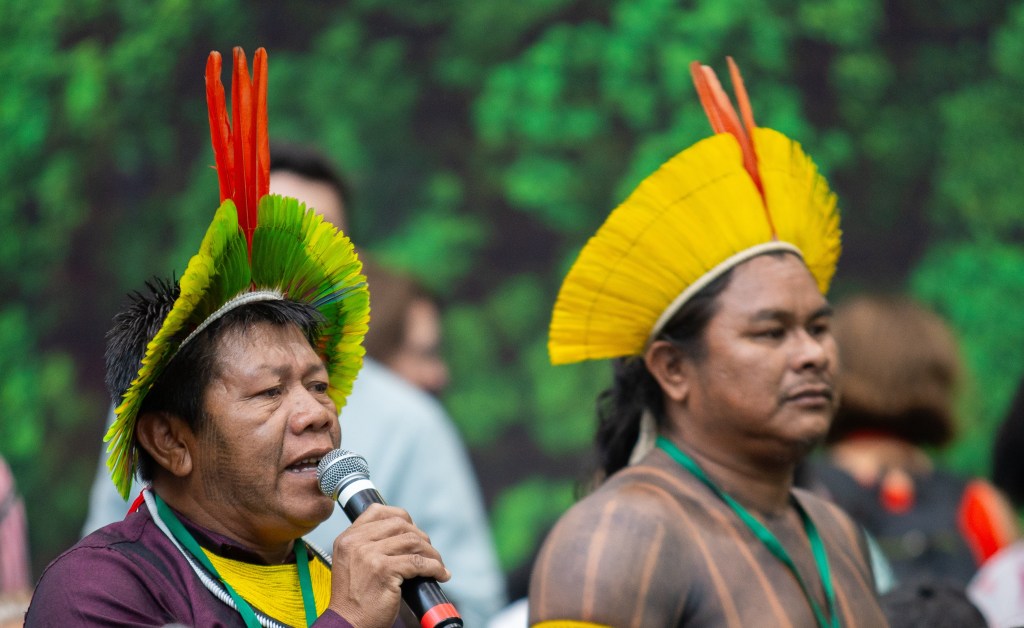
Human security is not a technical term — it is a mother searching for clean water, a farmer watching his soil crack, a child displaced by a storm that never used to come. Climate change threatens the right to life, food, shelter, health, and dignity. And we cannot speak of peace or development while ignoring militarization — especially nuclear and other destructive weapons that consume resources and corrode trust.
As Mother Teresa said, “If we have no peace, it is because we have forgotten that we belong to each other.” Belém must remind us of that belonging.
From civil society, a call for moral realignment
We must link climate action to peacebuilding and disarmament. There can be no climate justice without halting wars. No human security without reducing militarization. No sustainable development without inclusive peace.
It must be said clearly:
• No to major powers withdrawing from climate commitments.
• No to sabotaging cooperation in the name of sovereignty or profit.
• No to elite silence in the face of fossil fuel lobbying.
• No to arms races that devour resources and deepen suffering.
And we must say:
• Yes to supporting Brazil’s leadership in making Belém a turning point.
• Yes to a just energy transition that uplifts the Global South.
• Yes to turning climate finance pledges into real action.
• Yes to integrating disarmament into climate and development agendas.
• Yes to fulfilling past commitments to support developing countries — through financing, technology transfer, and capacity building.
• Yes to achieving the Sustainable Development Goals as a unified framework for justice.
These are not slogans. They are survival strategies.
A bold call to those who withdrew or delayed
To those governments and institutions that have withdrawn from climate conferences, delayed their pledges, or diluted their responsibilities: This is not the time for absence — or excuses. It is the time for action.
The climate does not wait. The vulnerable do not wait. History will not forget who stood aside while the planet burned. Accountability must be more than a footnote. It must be a headline.
Justice must begin with the most vulnerable
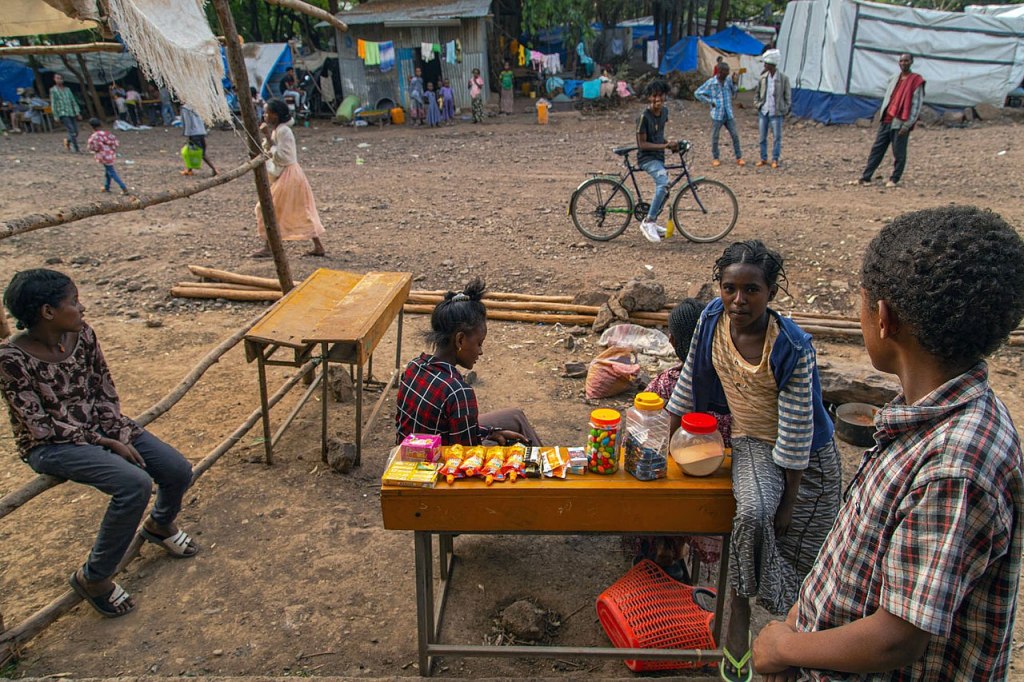
Climate impacts do not strike evenly. They hit the weakest first: women in rural areas, children in displacement camps, Indigenous communities losing their lands, and persons with disabilities excluded from emergency planning. Climate justice is incomplete without their inclusion.
I call for transparent international mechanisms to hold governments and corporations accountable — with regular reporting, penalties for obstruction, and civil society oversight. I also call for protecting environmental defenders and guaranteeing the right to climate information and public participation.
Free environmental and health journalism, inclusive decision-making, and grassroots mobilization must be safeguarded. These are the lungs of democratic climate action.
We must invest in education, resilient cities, infrastructure, and technology that protect lives and empower communities. And yes — we must invest in ethical Artificial Intelligence applications for environmental monitoring, disaster prediction, peacebuilding, and sustainable development — not for warfare or surveillance. AI must serve life, not control it.
A message to those who shape public conscience
To intellectuals, journalists, and civil society organizations: You are the witnesses of this era, its memory, and its moral compass. Do not let words remain confined to salons, nor images reduced to entertainment, nor action buried in reports. Make Belém a platform for awareness, a space for solidarity, and a bridge toward action. Culture is resistance. Media is responsibility. Civil society is a living conscience.
Belém is not far. It lives in your poems, your articles, your campaigns, and in the hearts of those who believe in their right to a safe future and a living planet. It lives in every child who asks, “Why didn’t you protect my air?” and every elder who says, “I no longer recognize the seasons.”
What we’re watching for
We — the people — are watching closely to see whether COP30 will advance the “Baku to Belém” roadmap and scale climate finance to $1.3 trillion annually by 2035. This is not a technical detail. It is a lifeline.
We must prioritize:
• Climate Finance: transparency, equity, and scaling commitments from COP29
• Adaptation and Resilience: support for developing countries and vulnerable communities
• Nature-Based Solutions: forest protection, biodiversity, and Indigenous rights
• Disarmament and Peacebuilding: linking climate justice to global security and human rights
• Technology, Innovation, and AI: harnessing science for sustainability and solidarity — not for militarization
Belém is not just a conference. It is a moral test — a chance to remember that we belong to one another, and that protecting the Earth is the highest form of peace.
Dr. Ghassan Shahrour is a medical doctor, humanitarian campaigner, and editorial advocate. Dr. Shahrour coordinated the Arab Human Security Network and has led regional and international initiatives linking disability rights, disarmament, and environmental justice. He writes at the intersection of health, dignity, and collective memory. This article appeared on Countercurrents and a number of different outlets and is republished with permission of the author.
Headline photo: COP30 in Brazil. (Photo: UN Trade and Development (UNCTAD))
The opinions expressed in articles by outside contributors and published on the Beyond Nuclear International website, are their own, and do not necessarily reflect the views or positions of Beyond Nuclear. However, we try to offer a broad variety of viewpoints and perspectives as part of our mission “to educate and activate the public about the connections between nuclear power and nuclear weapons and the need to abandon both to safeguard our future.”
 Beyond Nuclear International