 Beyond Nuclear International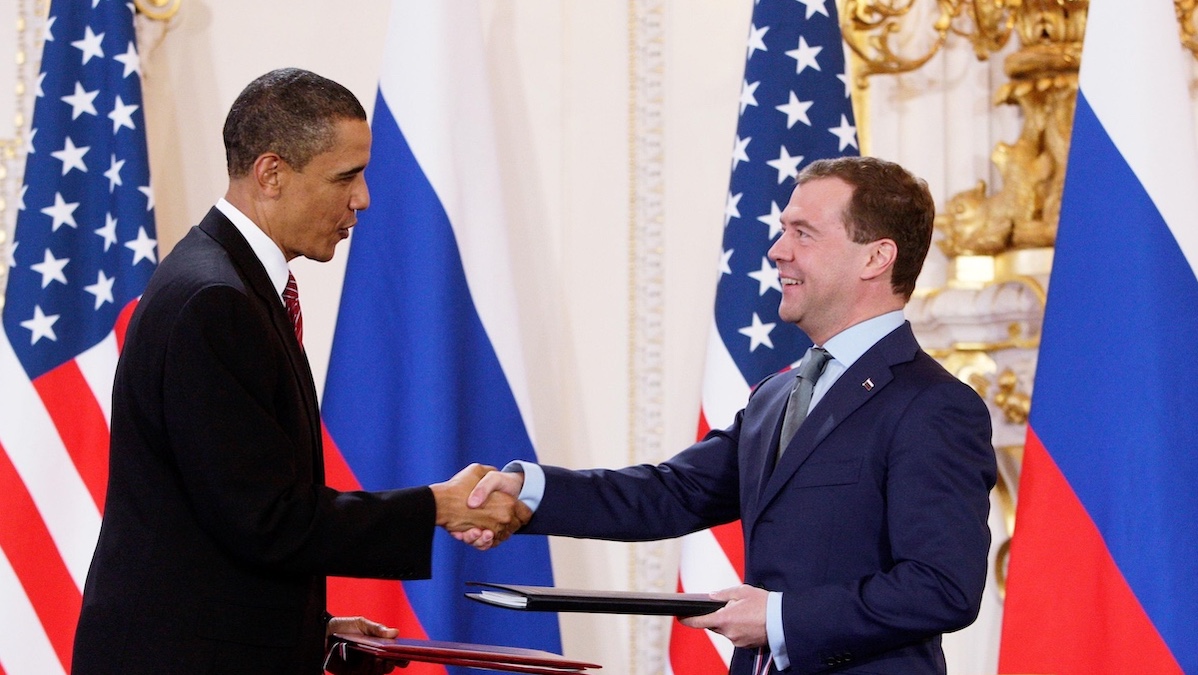
A dangerous nuclear escalation could follow, spelling doom, warns IPPNW and other groups
Nuclear weapons abolition groups around the world have expressed their alarm at the expiration of the New START Treaty between the US and Russia this week. It marks the first time since 1971 that there are no legally binding constraints on the U.S. and Russian nuclear arsenals following the expiration of New START.
A statement released by the 1985 Nobel Peace Prize winning group, International Physicians for the Prevention of Nuclear War reads:
The U.S. and Russia possess roughly 90 percent of the world’s nuclear weapons, giving their decisions catastrophic global consequences. A full-scale nuclear war between the U.S. and Russia would kill an estimated 5 billion people worldwide. No leader has the right to place humanity in such danger.
IPPNW and our global affiliate network have been pushing back in public and private measures against this reckless and short-sighted development.
More than 50 prominent individuals and organizations across the United States, including IPPNW and Physicians for Social Responsibility (IPPNW’s US affiliate), came together to express disappointment “that, since taking office for a second time, President Trump has failed to engage Russia (or China) in what he has called ‘denuclearization’ talks.” The letter continues:
Without new nuclear restraints, Russia and the United States could increase the size of their deployed arsenals (limited by New START to no more than 1,550 warheads) by uploading additional warheads on their existing long-range missiles. This would mark the first increase in the sizes of their deployed nuclear arsenals in more than 35 years. According to independent estimates, Moscow and Washington could double the number of strategic deployed warheads after New START.
Many members of the nuclear-weapons establishment, some of whom would stand to benefit financially or who are funded by those who would, are lobbying for such a buildup.
“Increases in Russian and U.S. strategic forces would further destabilize the mutual balance of nuclear terror, push China to accelerate its ongoing nuclear buildup, and open the door to an unconstrained, three-way arms race no one can win. Contrary to hype, deploying additional U.S. nuclear weapons would not change President Xi Jinping’s or Vladimir Putin’s fundamental deterrence calculus in a future war.
The letter was sent to House and Senate offices on Monday.
This dangerous development born of a lack of dialogue and cooperation among nuclear-armed states casts an alarming shadow over the future of arms control, namely in relation to the upcoming Nuclear Non-Proliferation Treaty (NPT) Review Conference. In the lead-up to and during the Review Conference, IPPNW will continue to raise the alarm and call for immediate action by the P-5, centering the humanitarian impacts of these indiscriminate weapons.
Headline photo: Barack Obama and Dmitry Medvedev after signing the “New START” treaty in Prague in 2010. By Kremlin.ru/Wikimedia Commons.
 Beyond Nuclear International
Pingback: The non-corporate nuclear-related news this week « nuclear-news
Pingback: The non-corporate nuclear-related news this week « Antinuclear
Pingback: Last arms control treaty expires « nuclear-news