 Beyond Nuclear International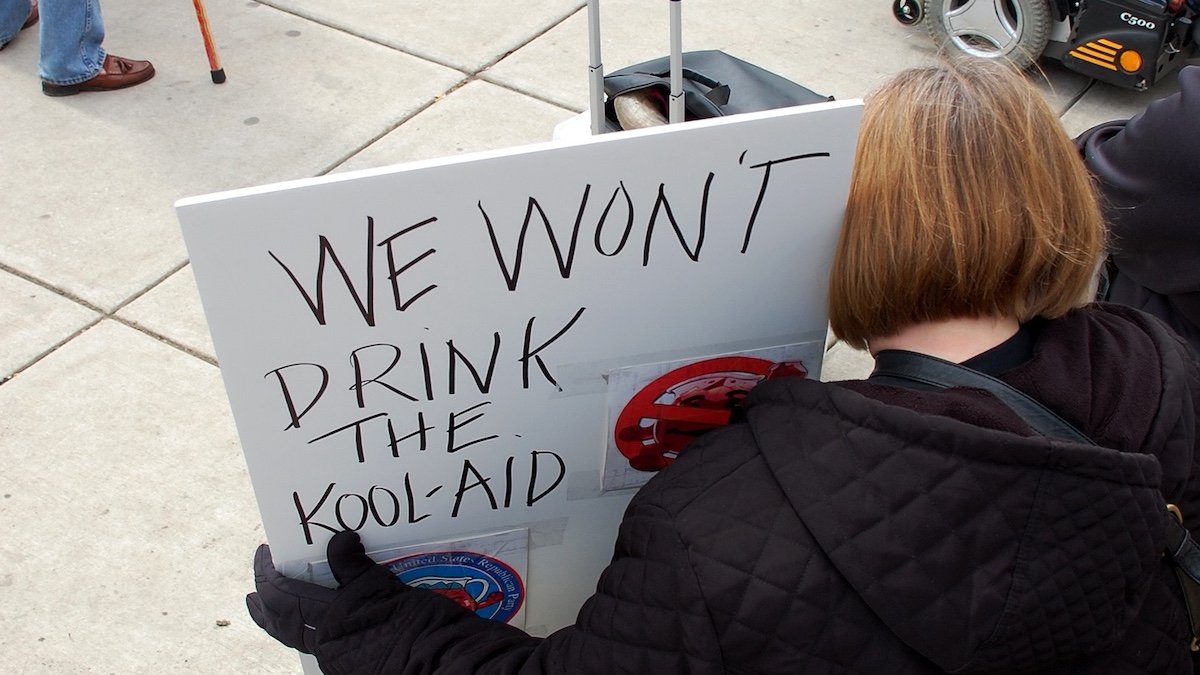
New York governor Kathy Hochul is betting on nuclear power but her numbers simply don’t add up, writes the The Nuclear Skeptic
New York Governor Kathy Hochul’s desire to build 5GW of new nuclear power in order to keep New York’s electric bills affordable and meet future energy demand has one pesky problem: the numbers simply don’t add up. That’s the overarching conclusion of a new report authored by the University of Pennsylvania’s Dr. Joseph Romm, which was presented in New York last week.
Echoing the Trump administration’s desire to revive the nuclear energy industry from its global downturn over the past few decades, Governor Hochul and President Trump appear to be in lock-step in their shared desire to build new nuclear reactors, despite the economic reality that cheaper and faster power alternatives exist and are already being utilized across the globe to meet growing electricity needs.
There are a myriad of possible reasons why both politicians believe new nuclear generation is a viable option moving forward, but it’s clear neither are paying attention to what just happened in Georgia – when two incumbent Republican Public Service Commission (PSC) members were removed from office by voters following massive increases in consumer electric bills. To be fair, neither Hochul nor Trump will be around to face the music if their plans are realized and New York starts the decades-long process to build 5GW worth of the world’s most expensive source of energy.
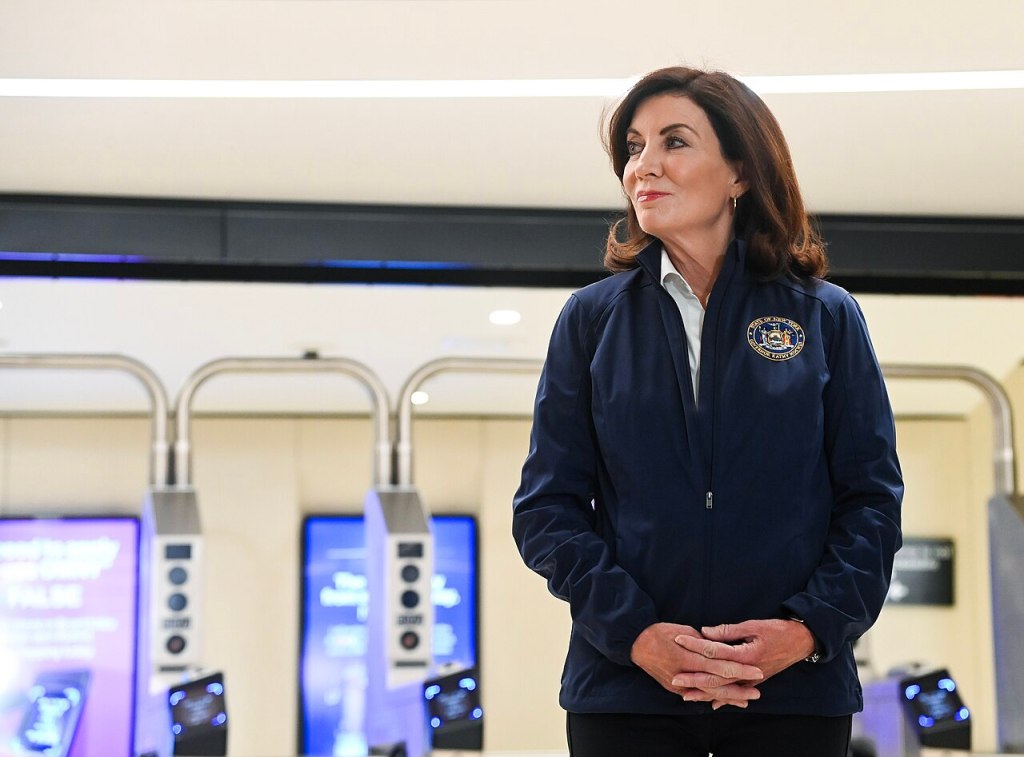
Keeping the lights on and affordable should be a top priority for any politician in the current economic landscape but there is a clear disconnect between major decisions about our future energy grid being made today and the future ramifications of those decisions both economically and electorally.
New sources of affordable and clean electricity are needed to power data centers, vehicle electrification and other sources of new demand, but it’s unclear how much electricity is truly needed and how fast. According to AI proponents, New York and the U.S. at large are going to need massive amounts of new electric power and fast. For example, New York’s Master Energy Plan anticipates nearly 40GW of new power needed by 2040, therefore doubling New York’s current energy supply in the next 15 years.
Setting aside the (very real) possibility of the AI data center bubble bursting far before 2040, Hochul and Trump are calling for more nuclear generation to meet energy demand predictions and both have cited nuclear’s “affordability” as reason why. Well, as Romm’s recent report concludes, this is pure fantasy.
Romm notes that Georgia’s two new reactors at Plant Vogtle, which went online in 2024 after nearly two decades of construction and delays, resulted in a 25% percent increase in consumer electric bills. The ~2GW from the twin Vogtle reactors cost more than $36 billion, 2.5+ times more than original estimates! But that sudden spike in electric bills is just the tip of the iceberg.
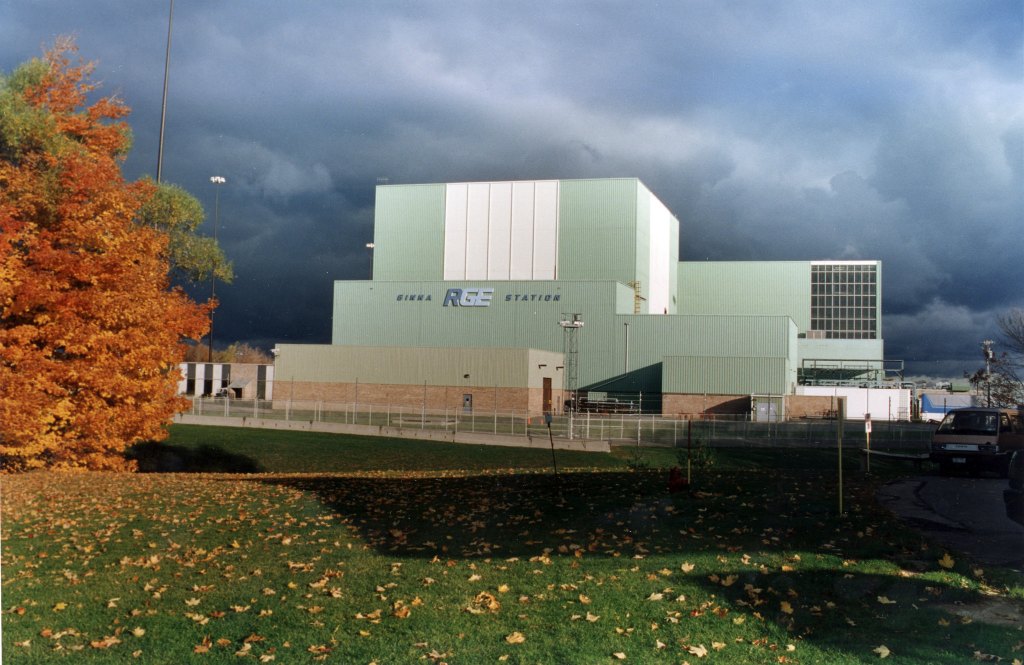
The recent spike doesn’t account for the billions of taxpayer dollars currently subsidizing the plant, the billions in loans from the Department of Energy used to build it, nor does it account for the high cost of servicing debt and ongoing operations into the future which will inevitably require further subsidization – similar to New York’s $33 billion in state subsidies going towards the existing reactors at Ginna, Nine Mile Point, and FitzPatrick accounting for 5.4GW in capacity.
Simply put, Georgia’s two new reactors are the most expensive electricity on the planet and for a myriad of reasons not related to “affordability,” both Trump and Hochul want to recreate that terrible recipe.
But the most disturbing finding in Romm’s report is what was buried in the middle of the NY Master Energy Plan. The plan inexplicably does not include cost or cost overrun figures, instead references a separate analysis used to inform the state’s approach. Hochul’s team, in Trump-like fashion, has decided to ignore its own experts, relying on financial figures included in a separate report by a NYSERDA ‘contractor’ that begins with the unprecedented disclaimer:
“NYSERDA, the State of New York, and the contractor make no warranties or representations, expressed or implied, as to … the usefulness, completeness, or accuracy of any processes, methods, or other information contained, described, disclosed, or referred to in this report. NYSERDA, the State of New York, and the contractor … will assume no liability for any loss, injury, or damage resulting from, or occurring in connection with, the use of information contained, described, disclosed, or referred to in this report.”
To sum it up, the plan to build 5GW of new nuclear generation in New York is based on an economic analysis that might as well be a science fiction novel. The basic assumption of the “contractors’” economic analysis is that the cost to build reactors in New York, notorious for its cheap construction costs, will be cheaper than at Plant Vogtle in Georgia. Did anyone on Hochul’s team ask Plant Vogtle’s construction monitor if this was achievable? Apparently not.
Anyone who claims new nuclear power plants in New York will lower your electric bill is lying. We should ask why? Why is Hochul drinking the nuclear Kool-aid? I don’t believe New York will actually build and operate a new nuclear reactor any time soon, but like the cancelled-after-spending-$9-billion-dollars twin reactors at South Carolina’s VC Summer, or the abandoned-after-spending-$6-billion dollars reactor at Shoreham which Long Islanders are still paying for, there’s a lot of money still on the table. Our money.
The Nuclear Skeptic is a project of: Georgians for Affordable Energy, HEAL Utah, Snake River Alliance, and other organizations committed to ensuring a safe, affordable energy future. This article was republished from The Nuclear Skeptic blog.
Headline photo by Lena/Wikimedia Commons.
The opinions expressed in articles by outside contributors and published on the Beyond Nuclear International website, are their own, and do not necessarily reflect the views or positions of Beyond Nuclear. However, we try to offer a broad variety of viewpoints and perspectives as part of our mission “to educate and activate the public about the connections between nuclear power and nuclear weapons and the need to abandon both to safeguard our future.”
 Beyond Nuclear International
Pingback: The non-corporate nuclear news this week « nuclear-news
Pingback: The priciest electricity in the world « nuclear-news