 Beyond Nuclear International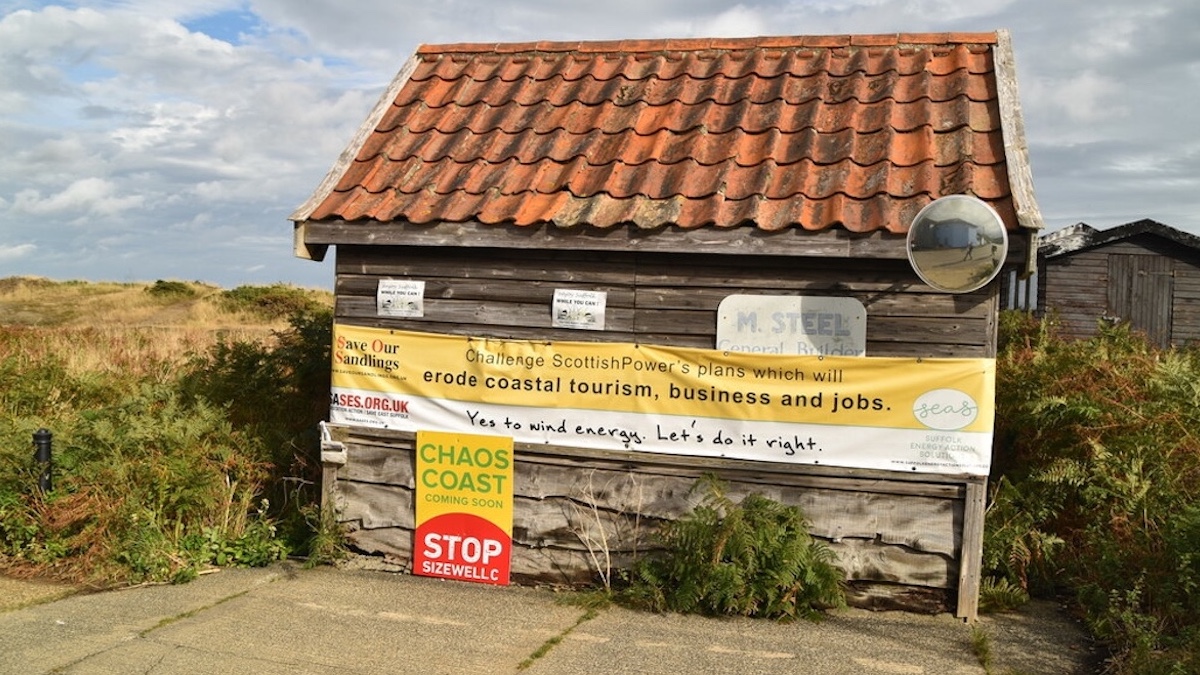
A new nuclear review will ignore the obvious perils of new reactors on a UK beach, warns Together Against Sizewell C
The following is a statement from Together Against Sizewell C (TASC) in response to the “Fingleton Nuclear Review” adopted by the UK government, entirely influenced by the nuclear power industry and its lobbyists in a frantic effort to copycat the US model of accelerating approval of dangerous, expensive and entirely unnecessary nuclear power projects.
Together Against Sizewell C (TASC) is appalled that the UK government plans to adopt all 47 recommendations of the ‘Fingleton Nuclear Review’. This review is based on a false premise that nuclear is ‘clean energy’ [see Note 1] and ‘needed to power Britain’s future’[see Note 2]. Neither of these assertions stand up to public scrutiny, the review being driven by the nuclear industry, big business and lobbyists for commercial and ideological reasons. Claims that nuclear is ‘homegrown power’ conveniently overlook the fact that the UK do not have any indigenous supplies of uranium needed to fuel the reactors, that market currently being dominated by Russia.
Those trying to convey a false impression of nuclear as clean are merely gaslighting the British public. While nuclear may be able to claim relatively low carbon production during the operational period, the long deployment times for new gigawatt nuclear reactors such as Hinkley and Sizewell C means a lot of additional carbon is produced from burning more fossil fuels while we must wait for new nuclear to become operational when compared with far cheaper, quicker to deploy renewables and energy storage.
The review makes unsubstantiated claims that nature will benefit from adopting these recommendations but in TASC’s view this is an irresponsible assumption for this government to accept, especially as environmental experts were excluded from the review team. The UK is already one of the most nature depleted nations on the planet – we cannot afford to degrade our environmental protections any further.
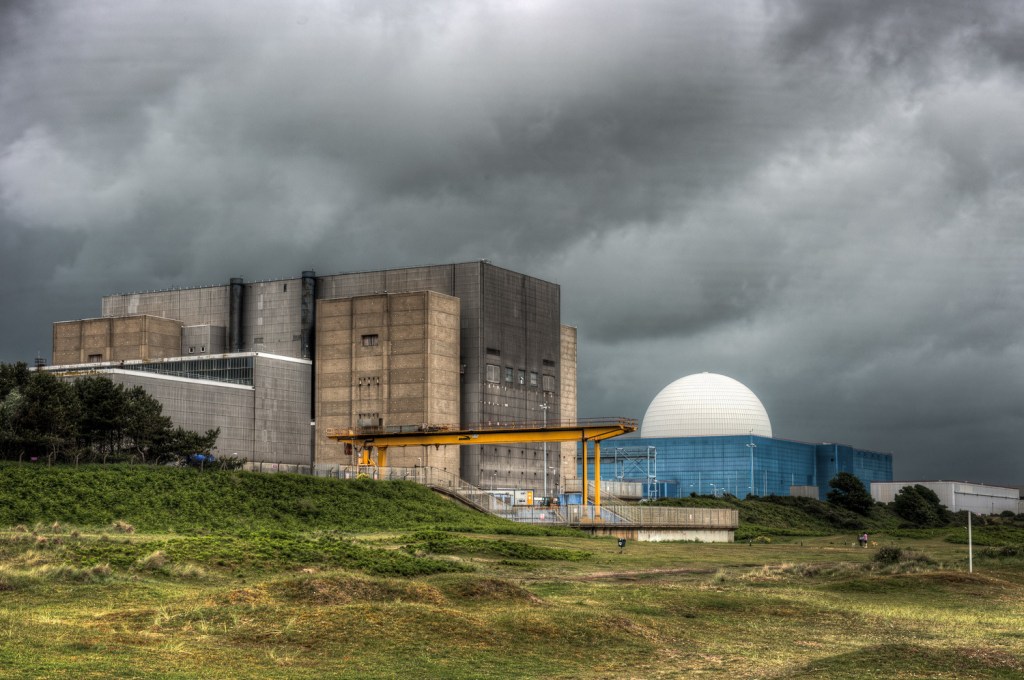
In TASC’s opinion, Sizewell C demonstrates that regulations need to be strengthened, not weakened – Sizewell C is sited in a National Landscape, surrounded by designated wildlife sites, in the UK’s most drought-prone region and on one of Europe’s fastest eroding coastlines. Despite this, it received DCO approval from the Secretary of State against the recommendation of the 5 independent planning experts.
£40 billion Sizewell C is proceeding at pace, even though the project has still not secured a guaranteed sustainable supply of potable water essential for its 60 years of operation. Nor has it demonstrated that the site can be kept safe for its full lifetime in a credible maximum sea level rise scenario – after DCO approval TASC discovered that Sizewell C have committed to install two huge additional sea defences in an extreme climate change scenario, the need for which EDF knew about since 2015 yet chose not to include them in their DCO application, meaning the additional sea defences have had no public scrutiny or impact assessment on the receiving environment.
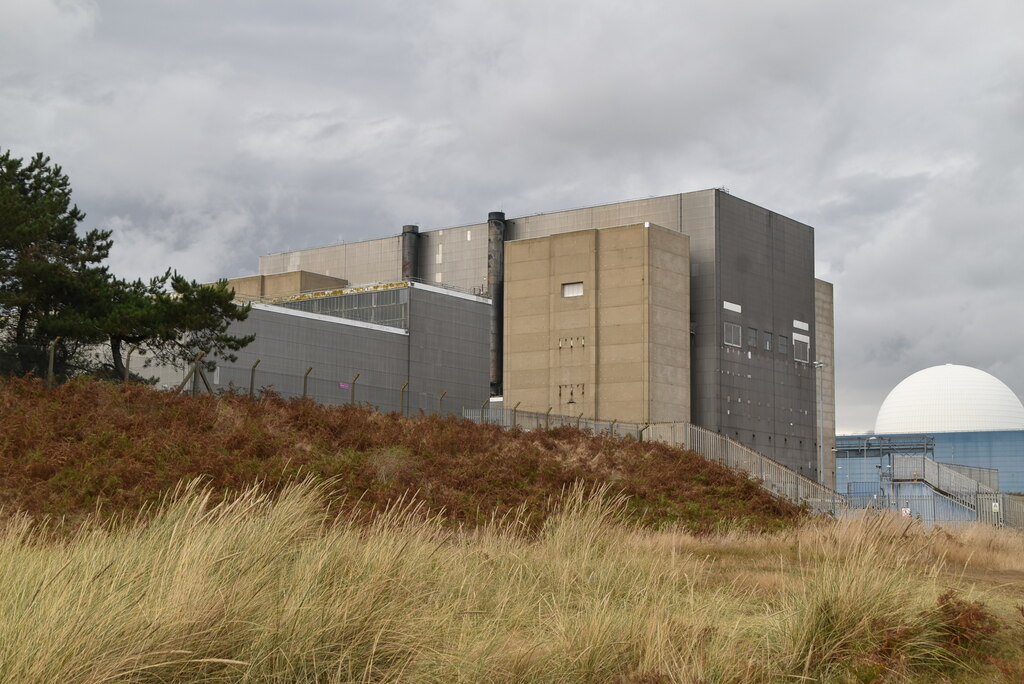
TASC fear for the safety of our descendants and the precious, rapidly eroding Suffolk coastline because future generations have been left to rely on the developer’s unassessed sea defences to protect Sizewell C and its 3,900 tonnes of spent nuclear fuel from flooding in an extreme sea level rise scenario over the next 150 years or longer if a geological disposal facility is not available [see Note 3]. Hardly responsible ancestry from this government.
Notes:-
1. The myth that nuclear is ‘clean energy’ In TASC’s view, the reasons why nuclear power can’t be legitimately labelled as ‘clean’ include:-
a) The pollution generated from the mining, milling, fabrication and enrichment to produce the nuclear fuel which mainly affects indigenous peoples in producer countries,
b) The pollutants discharged to air and water from an operational nuclear power station, including the thousands of tonnes of dead fish, heavy metals, chlorine and the cocktail of other pollutants that will be discharged to the sea annually from the plant’s cooling water system, and
c) The legacy of highly radioactive spent fuel and other radioactive waste from nuclear power plants currently has no universally agreed management programme, nor any waste repository and which will be an environmental, as well as financial, burden for future generations for thousands of years – see N Scarr Report, ‘Plutonium—the complex and ‘forever’ radiotoxic element of nuclear waste. How exactly should we manage its containment?’
2. Various reports have demonstrated that the UK can fulfil its low carbon energy requirements without new nuclear, and at lower cost than new nuclear e.g. the January 2023 report by LUT University, Finland, ‘100% Renewable Energy for the United Kingdom’ and the 2022 UCL report ‘The role of new nuclear power in the UK’s net-zero emissions energy system’. Regarding national security, events in Ukraine have demonstrated that nuclear plants and their associated infrastructure are both a target and a weapon (see iNews article, ‘Attacks on nuclear plants are being normalised – and the consequences could be disastrous’ and the recent direct drone attacks on Zaporizhzhya NPP which have led to fires at the plant) so are a threat to national scrutiny. Scattering SMRs throughout the country will only increase the risk of a malicious attack (or accident).
3. TASC press release 12.01.26, ‘Escalating Erosion on East Suffolk Coast should be a huge worry for Sizewell C’
Headline photo by Neil Chadwick/Geograph Britain and Ireland/Wikimedia Commons.
The opinions expressed in articles by outside contributors and published on the Beyond Nuclear International website, are their own, and do not necessarily reflect the views or positions of Beyond Nuclear. However, we try to offer a broad variety of viewpoints and perspectives as part of our mission “to educate and activate the public about the connections between nuclear power and nuclear weapons and the need to abandon both to safeguard our future”.
 Beyond Nuclear International
