 Beyond Nuclear International
Senator Strangelove
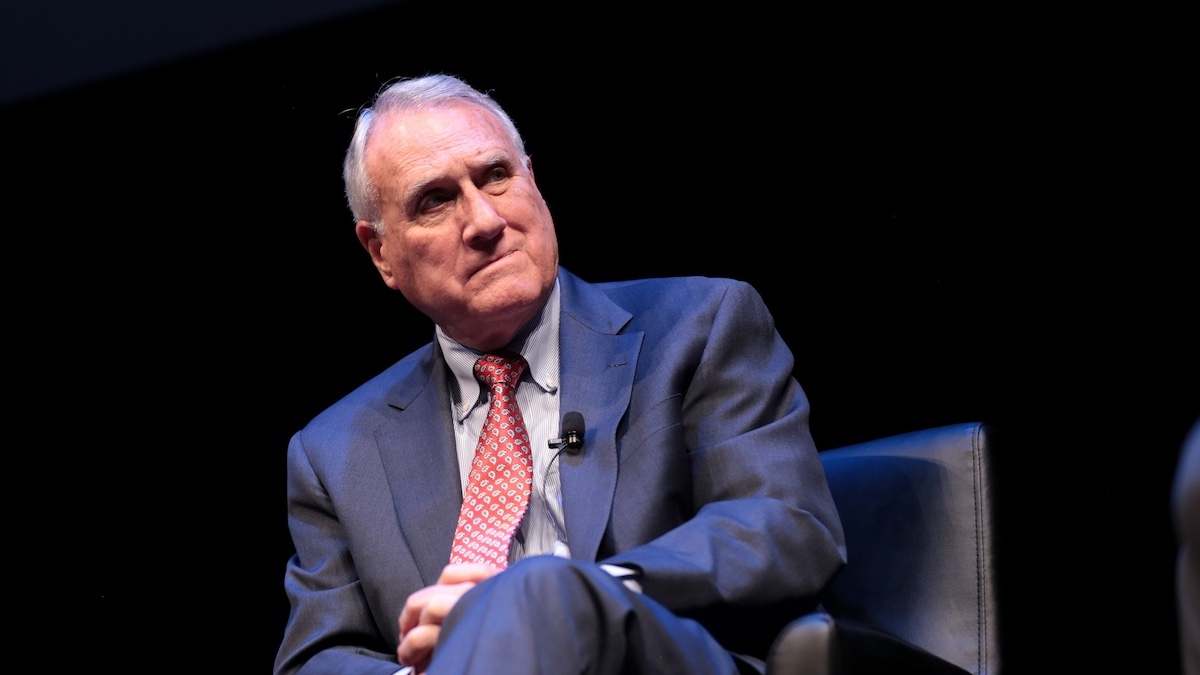
Like the ghost of Armageddon Future, former Senator Jon Kyl keeps reappearing in nuclear debates, writes William Hartung
A primary responsibility of the government is, of course, to keep us safe. Given that obligation, you might think that the Washington establishment would be hard at work trying to prevent the ultimate catastrophe—a nuclear war. But you would be wrong.
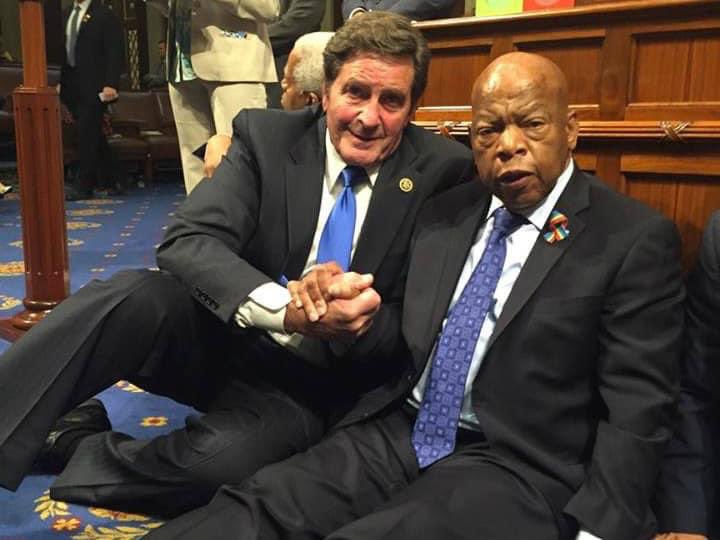
A small, hardworking contingent of elected officials is indeed trying to roll back the nuclear arms race and make it harder for such world-ending weaponry ever to be used again, including stalwarts like Sen. Ed Markey (D-Mass.), Rep. John Garamendi (D-Calif.), and other members of the Congressional Nuclear Weapons and Arms Control Working Group. But they face ever stiffer headwinds from a resurgent network of nuclear hawks who want to build more kinds of nuclear weapons and ever more of them. And mind you, that would all be in addition to the Pentagon’s current plans for spending up to $2 trillion over the next three decades to create a whole new generation of nuclear weapons, stoking a dangerous new nuclear arms race.
There are many drivers of this push for a larger, more dangerous arsenal—from the misguided notion that more nuclear weapons will make us safer to an entrenched network of companies, governmental institutions, members of Congress, and policy pundits who will profit (directly or indirectly) from an accelerated nuclear arms race. One indicator of the current state of affairs is the resurgence of former Arizona Sen. Jon Kyl, who spent 18 years in Congress opposing even the most modest efforts to control nuclear weapons before he went on to work as a lobbyist and policy advocate for the nuclear weapons complex.
Read MoreBack from the dead?
Trump is trying to rebuild the Iran nuclear deal he destroyed, then declare personal triumph, writes Linda Pentz Gunter
There is deep irony in the current efforts by the Trump administration to secure a nuclear deal with Iran, given it was the previous Trump administration that broke a fully functioning agreement already in place to ensure Iran did not develop nuclear weapons.
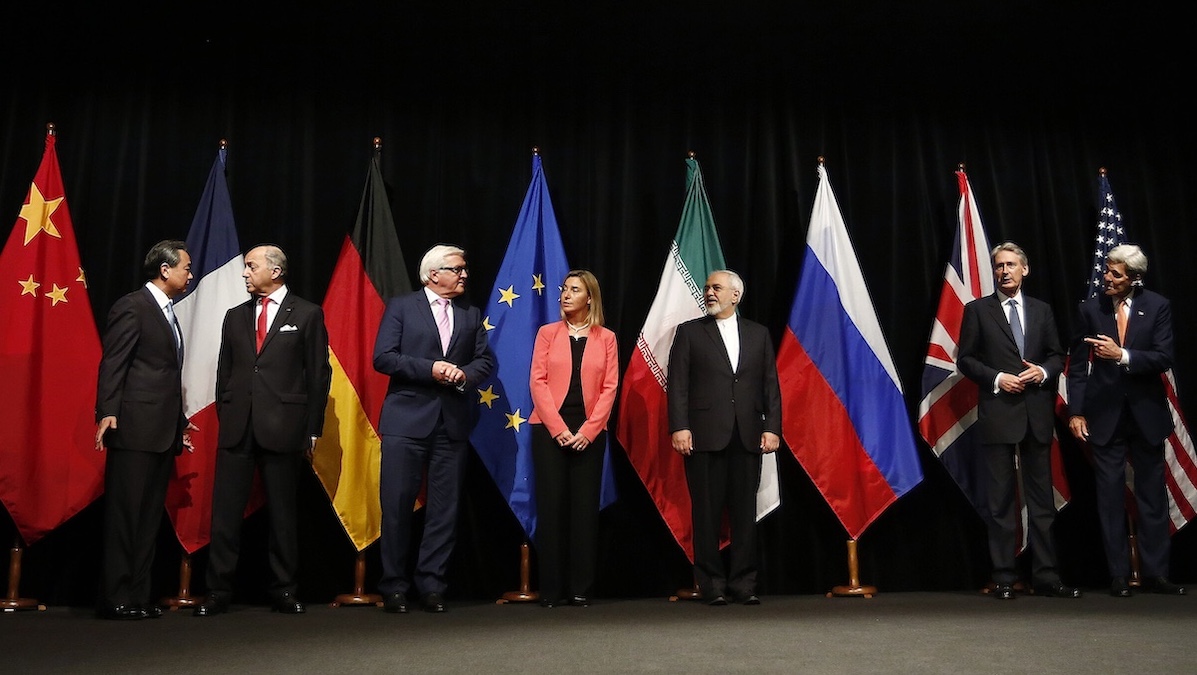
The JCPOA — or Joint Comprehensive Plan of Action — also known colloquially as the Iran nuclear deal — was agreed in Vienna in June 2015 between Iran and China, France, Germany, the Russian Federation, the United Kingdom and the United States. It involved significant monitoring and verification of Iran’s nuclear enrichment activities to ensure it remained within the confines of commercial grade. It also lifted UN Security Council sanctions on Iran as well as multilateral and national sanctions related to its nuclear program.
But under the first Donald Trump presidency, the White House effectively tore up the agreement, rendering it worthless when the US withdrew in May 2018. In his classically hyperbolic style, Trump labeled the JCPOA “one of the worst and most one-sided transactions the United States has ever entered into.”

The JCPOA was agreed in Vienna in June 2015 between Iran and China, France, Germany, the Russian Federation, the United Kingdom and the United States. It involved significant monitoring and verification of Iran’s uranium enrichment activities to ensure it remained within the confines of commercial grade. It also lifted UN Security Council sanctions on Iran as well as multilateral and national sanctions related to its nuclear program.
But Trump withdrew the US from the agreement in 2018, effectively ending it, and calling it at the time “one of the worst and most one-sided transactions the United States has ever entered into.”
Read MoreAwash in AI propaganda
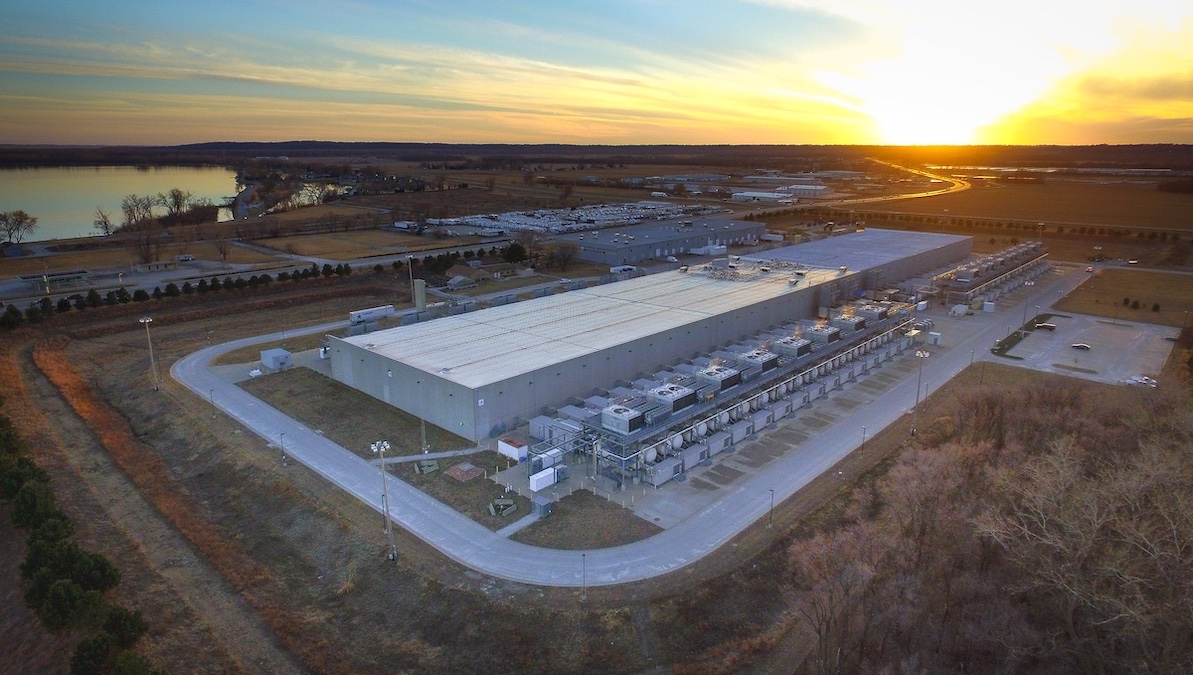
The hype about massive data centers delivered by nuclear companies eager to power them, is probably just that, writes M.V. Ramana
One bright spot amidst all the terrible news the last couple of months was the market’s reaction to DeepSeek, with BigTech firms like Nvidia and Microsoft and Google taking major hits in their capitalizations. Billionaires Nvidia’s Jensen Huang and Oracle’s Larry Ellison—who had, just a few days back, been part of Donald Trump’s first news conference—lost a combined 48 billion dollars in paper money. As a good friend of mine, who shall go unnamed because of their use of an expletive, said “I hate all AI, but it’s hard to not feel joy that these asshats are losing a lot of money.”
Another set of companies lost large fractions of their stock valuations: U.S. power, utility and natural gas companies. Electric utilities like Constellation, Vistra and Talen had gained stock value on the basis of the argument that there would be a major increase in demand for energy due to data centers and AI, allowing them to invest in new power plants and expensive nuclear projects (such as small modular reactors), and profit from this process. [The other source of revenue, at least in the case of Constellation, was government largesse.] The much lower energy demand from DeepSeek, at least as reported, renders these plans questionable at best.
Remembering Past Fanfare
But we have been here before. Consider, for example, the arguments made for building the V. C. Summer nuclear project in South Carolina. That project came out of the hype cycle during the first decade of this century, during one of the many so-called nuclear renaissances that have been regularly announced since the 1980s. [In 1985, for example, Oak Ridge National Laboratory Director Alvin Weinberg predicted such a renaissance and a second nuclear era—that is yet to materialize.] During the hype cycle in the first decade of this century, utility companies proposed constructing more than 30 reactors, of which only four proceeded to construction. Two of these reactors were in South Carolina.
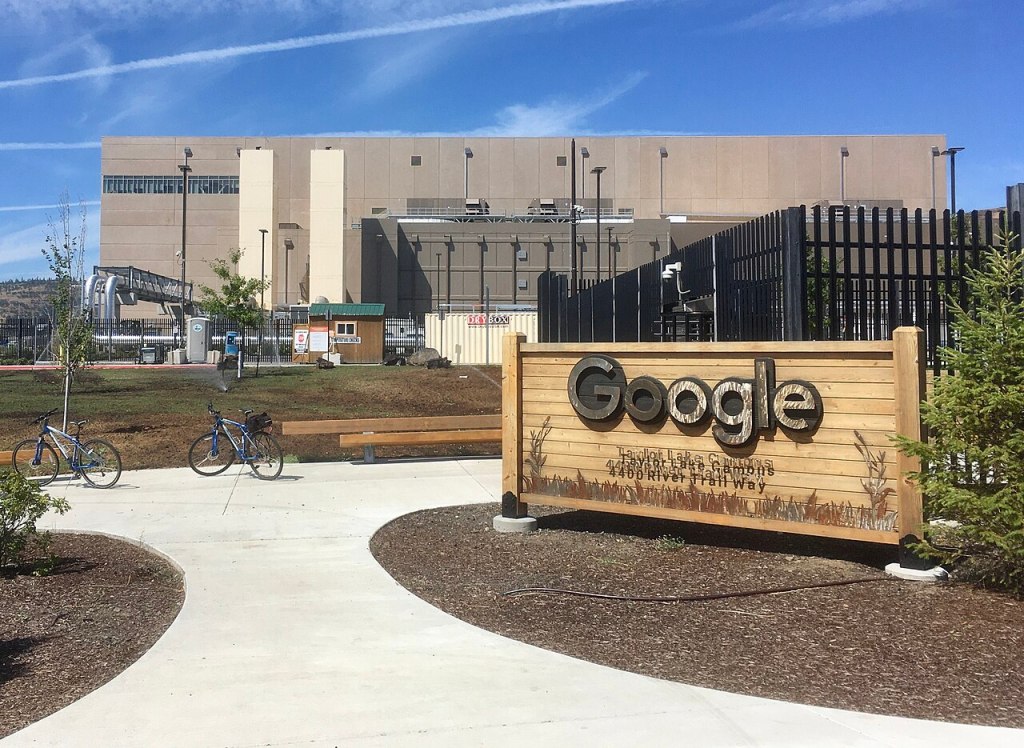
As with most nuclear projects, public funding was critical. The funding came through the 2005 Energy Policy Act, the main legislative outcome from President George W. Bush’s push for nuclear power, which offered several incentives, including production tax credits that were valued at approximately $2.2 billion for the South Carolina nuclear plant project at V. C. Summer.
The justification offered by the CEO of the South Carolina Electric & Gas Company to the state’s Public Service Commission was the expectation that the company’s energy sales would increase by 22 percent between 2006 and 2016, and by nearly 30 percent by 2019.
Read MoreAttacked, demonized and forced into hiding
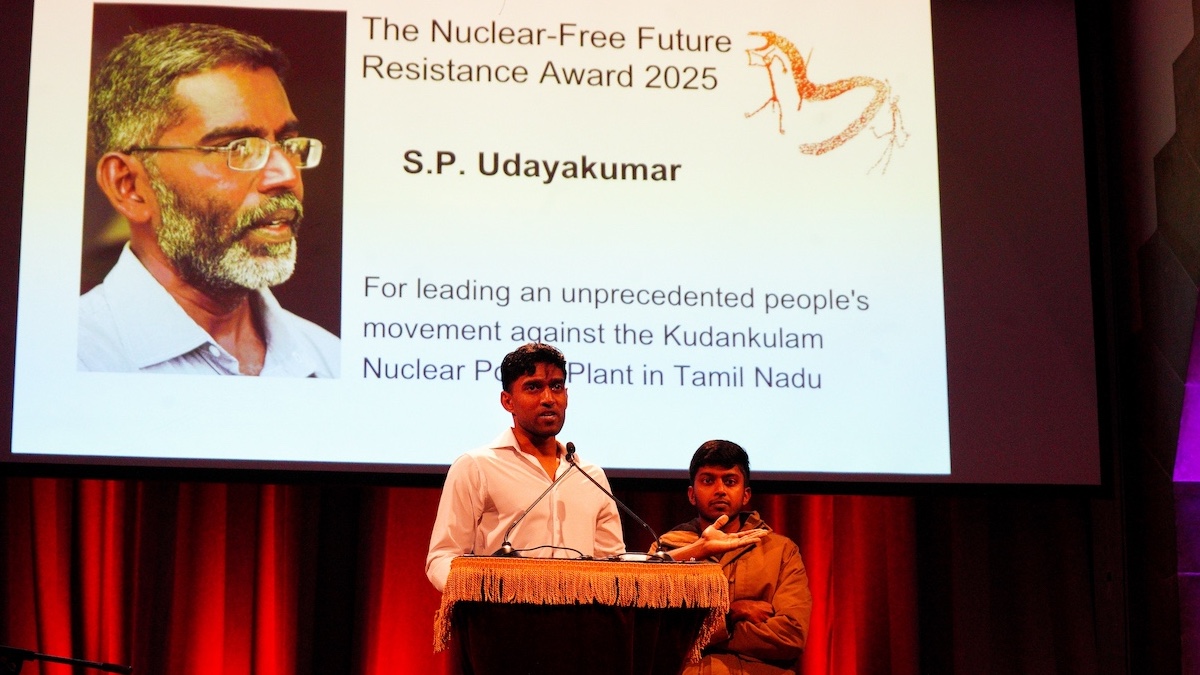
S.P. Udayakumar and thousands of other Indian activists challenged a Russian nuclear plant
S.P. Udayakumar was awarded the 2025 Nuclear-Free Future Award for resistance. Owing to visa constraints he was not able to be present in New York City, where the Awards ceremony was held, to accept his prize in person. He delivered these remarks via a video recording, which was met with prolonged applause. We reproduce his speech here. (A report and photos of the 2025 Nuclear-Free Future Awards ceremony, was published last week.)
I am extremely happy and immensely grateful that the Nuclear-Free Future Awards family that includes Beyond Nuclear, IPPNW and the international jury have chosen me and our struggle for the 2025 “Nuclear-Free Future” Award in the resistance category.
Tens of thousands of people including children, youth, women and men are struggling against the Russian-supplied Koodankulam Nuclear Power Project near the southernmost tip of India. Several people have sacrificed their lives, scores of people have gone to prison, so many of us have braved police harassment, State surveillance, court cases, property losses, income deprivation, and umpteen number of various difficulties.
Lots and lots of religious leaders, community leaders, political leaders, lawyers, film personalities, intellectuals, writers, publishers, poets, artists, media persons, international human rights activists, even some conscientious government officials, police officers and the general public from all over Tamil Nadu and the larger India have contributed significantly to this 2011-2014 phase of a much longer struggle.
I know that you cannot honor all the people who have taken part in our struggle and that I have been chosen as a representative of all of them. On behalf of all those thousands and thousands of fellow protesters, I humbly accept this great award. Thank you!
Read MoreThe 2025 Nuclear-Free Future Awards
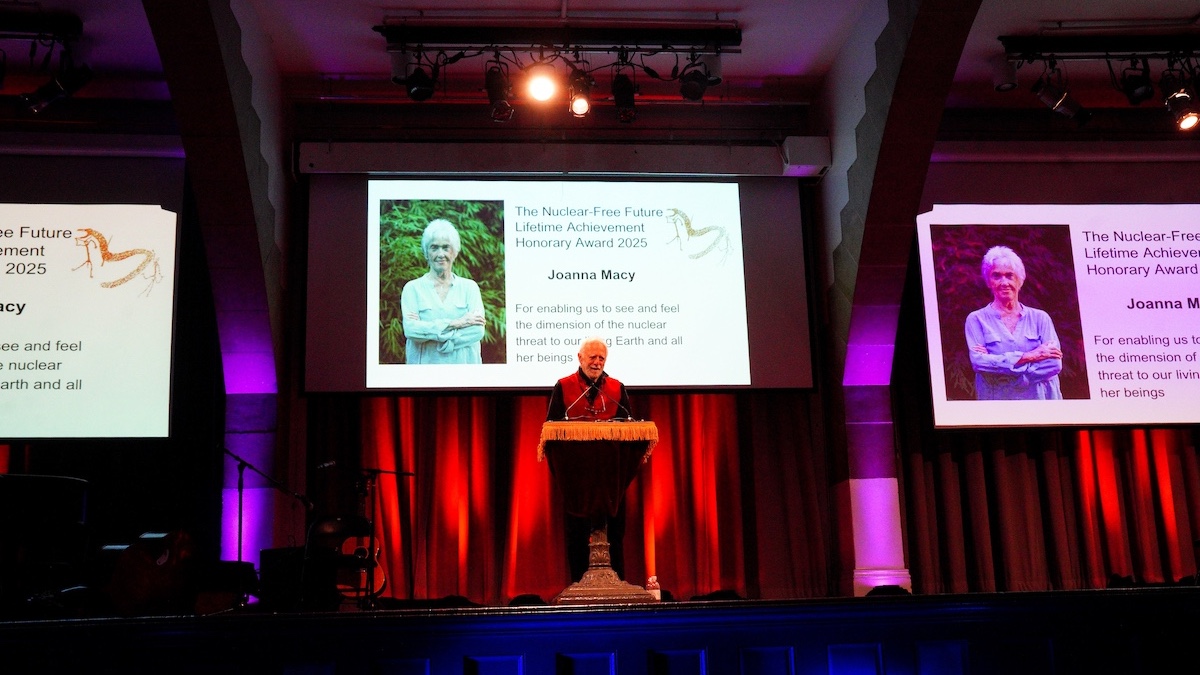
Rainbow serpent magic filled the air at the Great Hall at Cooper Union, writes Linda Pentz Gunter
The Rainbow Serpent has been the symbol of the Nuclear-Free Future Awards (NFFA) since the event first began in 1998. In Indigenous cultures, the serpent offers an ominous warning to be left undisturbed in the ground rather than unleash its vengeful powers. This has been taken to mean, in particular, uranium. But the NFFA’s friendlier serpent also seems to release a certain magic into the air, enveloping those who breathe it in joy and optimism when they attend an NFFA ceremony as it travels to different cities around the world.
In 2025, the Awards were held in the Great Hall at Cooper Union, in New York City, a historic and atmospheric venue where a certain candidate for US president, Abraham Lincoln, made what would remain not only his longest speech but arguably his most important and one that would send him on his way to winning the White House.
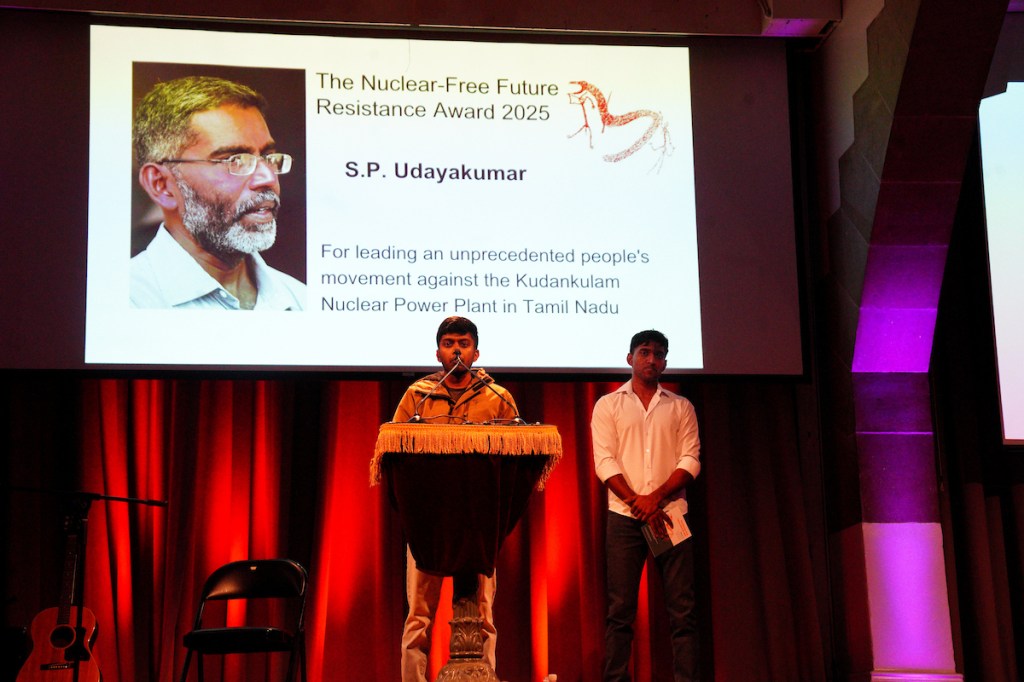
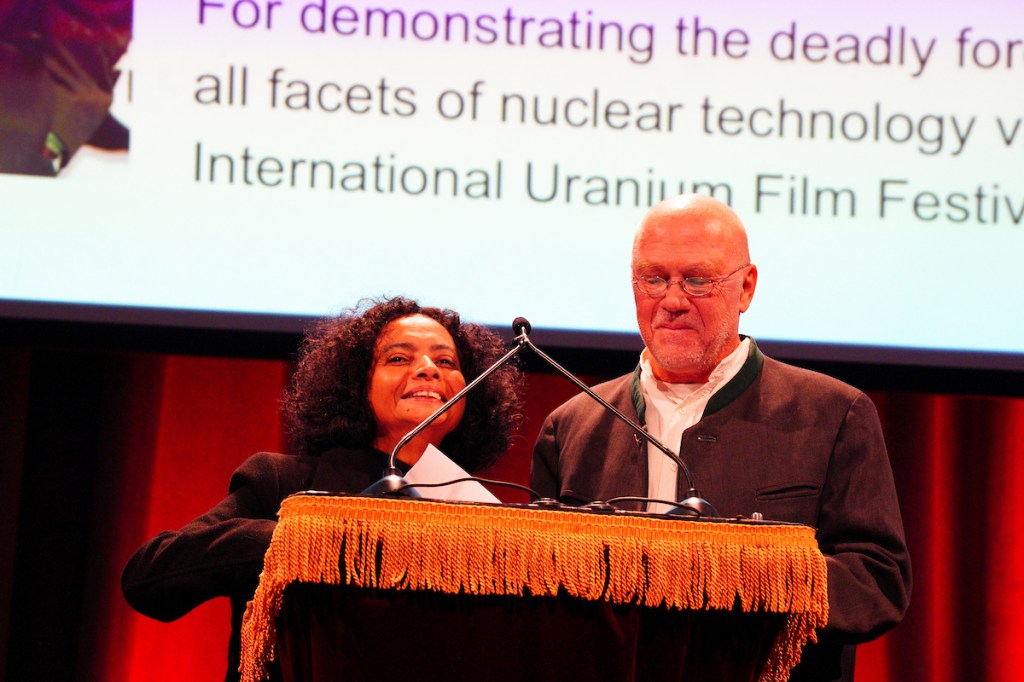
Lincoln’s lectern still stands on the Cooper Union stage and at the 2025 Nuclear-Free Future Awards it was graced by a series of remarkable activists. Some were there to receive the Awards, others to present it or honor recipients who could not be with us. Many in the audience had come to participate also in the Third Meeting of States Parties to the Treaty on the Prohibition of Nuclear Weapons at the United Nations.
The Awards were founded by Claus Biegert, a Munich-based journalist who serves both as the event’s visionary and its emcee. And the event is now supported by my organization, Beyond Nuclear, and by International Physicians for the Prevention of Nuclear War, Germany, as effectively “co-owners”, although the hard work on the IPPNW end comes from Chuck Johnson and Jenny Cole at the Geneva Liaison Office.
Courage is the first word that comes to mind when describing the 2025 recipient in the category of Resistance. For standing up to the Indian authorities in opposition to the construction of the massive Russian nuclear power plant at Kudankulam in Tamil Nadu, S.P. Udayakumar and thousands of other villagers, farmers and fisherfolk, the majority of them women, have been hounded, persecuted, arrested and prosecuted.
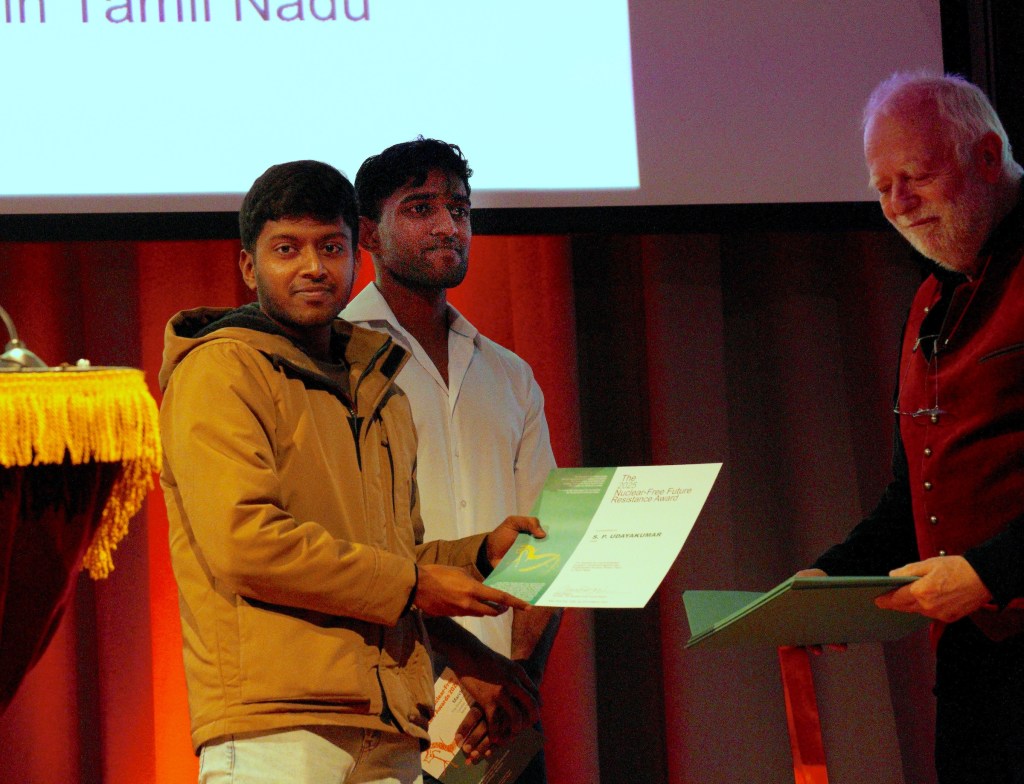
Udayakumar could not travel to the US to receive his award, but his sons Surya and Satya, both of whom live in Maryland, were able to come to New York to honor their father. The video recorded by Uday, as everyone knows him, moved the audience to prolonged applause and even tears, given all he and his family have endured, including two years in hiding when he could not see his sons at all.
Read MoreA long walk for justice
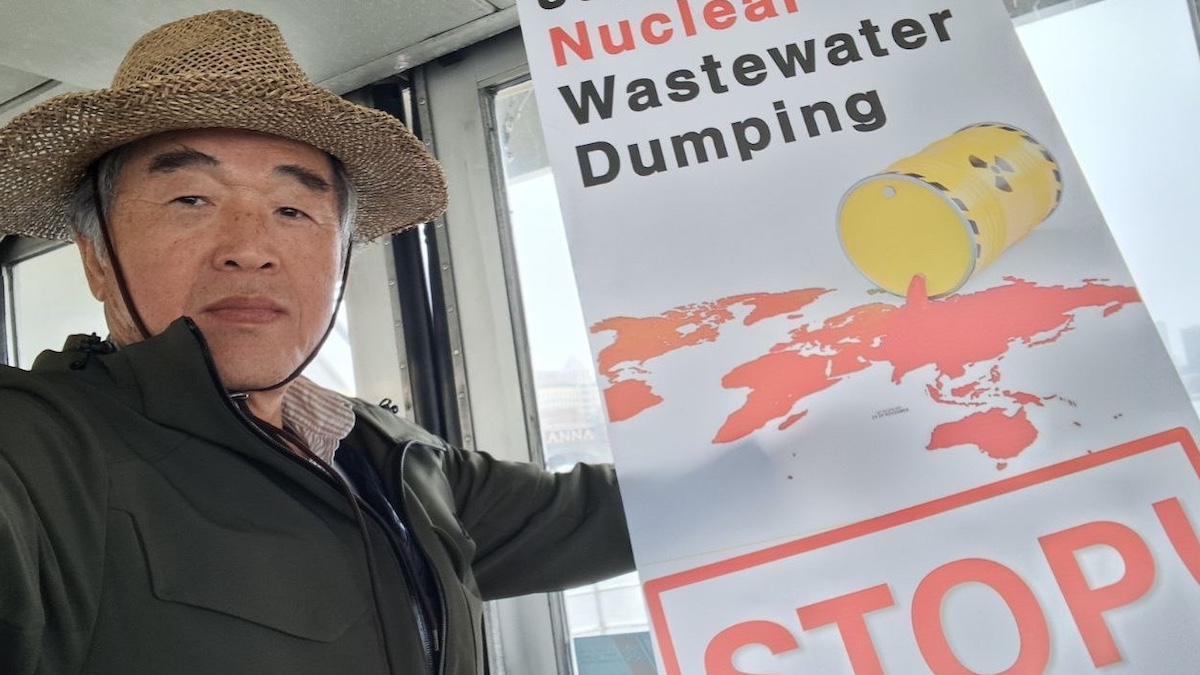
Won-Young Lee has walked from his homeland in South Korea to Tokyo. Now he’s on the march in the US, writes Linda Pentz Gunter
How far would you walk for a cause? In the case of South Korean anti-nuclear activist, Won-Young Lee, that distance has no limit.
Lee, 67, and the director of the Korea Land Future Research Institute and the Public Reporting Center for the Dangers of Nuclear Power Plants (PRCDN), will arrive in Washington, DC on April 8, having walked there from the United Nations in New York City, a journey he began on March 19. The distance is about 260 miles.
His cause this time is to draw attention to the continued dumping of highly radioactive waste water from the stricken Fukushima Daiichi nuclear power plant in Japan into the Pacific Ocean. This is not Mr. Lee’s first walk, but he chose the dates deliberately to span the time between the 2011 Fukushima nuclear disaster that began on March 11 and the April 26, 1986 Chornobyl reactor explosion in Ukraine.
This latest walk falls under the umbrella of what Lee has titled the “New Silk Road for Life and No-Nukes. Walking Planet Earth With Joy.” Together, the walks constitute a marathon that have taken Lee and other walkers through vast areas of the Asian continent, including Vietnam, Laos, Thailand, Malaysia, India and Nepal and on through Uzbekistan, Azerbaijan, and Georgia and through numerous countries in Europe. Lee himself has traversed 6,125 miles on foot.
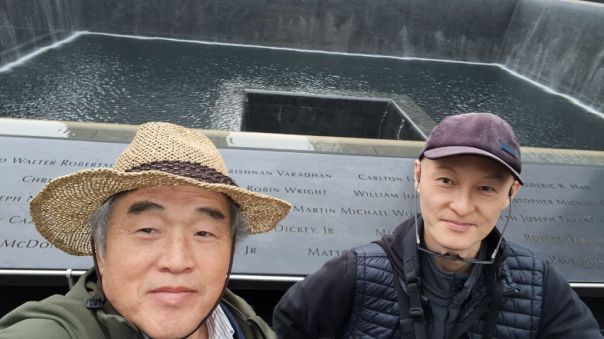
He has been inspired, he says, by Gandhi’s ‘Salt March’ “that led to India’s independence,” and was also started, Lee says, “by a small number of people,” that grew into ever greater numbers.
Read More Beyond Nuclear International