 Beyond Nuclear International
A missed chance for real peace

Robert Dodge, in an article for Common Dreams, recalls the fateful meeting in Reykjavík 40 years ago when a chance for nuclear disarmament was squandered
Forty years ago, President Ronald Reagan and Secretary General Mikhail Gorbachev met from October 11-12 in Reykjavík, Iceland in a hastily organized summit that came closer to the complete elimination of all nuclear weapons than at any point in our nuclear age.
This was a time at the peak of the Cold War, when there were roughly 70,000 nuclear weapons in the global arsenals and the Bulletin of Atomic Scientists Doomsday Clock was set at three minutes till midnight.
Meeting in Geneva in November 1985, the year before, the two leaders made their joint declaration that “a nuclear war cannot be won and must never be fought.” The two Cold Warriors shared an understanding of the horror of nuclear weapons.
The Icelandic summit between the two leaders came together quickly after Reagan gave a speech to the United Nations General Assembly in September 1986 calling for a nuclear arms reduction accord. This was followed closely by Secretary General Gorbachev extending an offer to meet in October culminating in the Icelandic Summit.
Nuclear war is a real and present danger. It is not a future that must be. But it is the future that will be if we do not act.
At Reykjavík, Gorbachev argued for a 50% reduction in strategic nuclear weapons and total elimination of all intermediate range missiles deployed in Europe. Back-and-forth discussions continued throughout the summit, and in the final hours, Reagan proposed the complete elimination of ALL nuclear arms.
The caveat was his unwavering commitment to the flawed Strategic Defense Initiative or so-called “Star Wars,” a protective shield over the planet to protect from nuclear attack. He wanted testing and development to be allowed in space.
In the final hours, Gorbachev insisted that testing be limited to the labs and not in space. And thus the talks collapsed and humanity lost its greatest chance to date to eliminate these weapons.
Read MoreNot Now, VOYGR
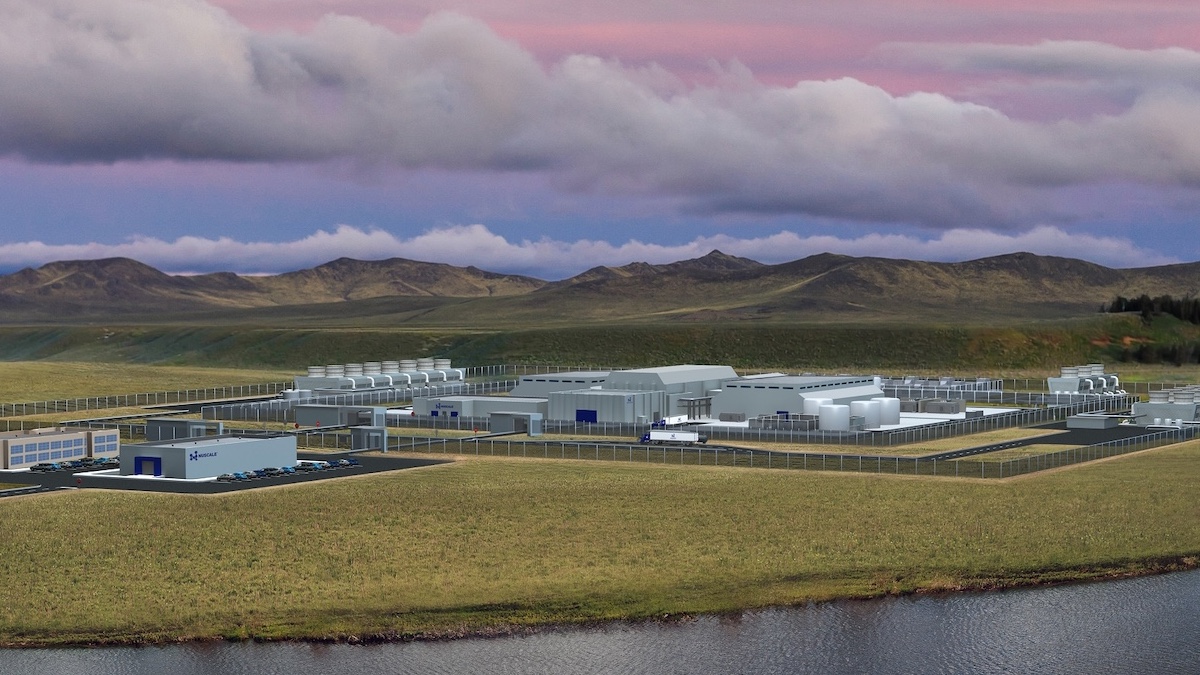
NuScale’s foundering flagship could sink without leaving port, writes Linda Pentz Gunter
As most of us immersed in the nuclear issue know well, there is little else so far that quite so starkly illustrates the fool’s errand that is the stubborn pursuit of small modular reactors than the sorry tale of NuScale.
As dramas go, it’s hard to know whether to list it under tragedies or comedies.
Founded in 2007 as a project at Oregon State University, NuScale announced around 2013 that it had established a demonstration SMR project in partnership with the Utah Associated Municipal Power Systems and Energy Northwest, a consortium of publicly-owned utilities across seven states that would purchase shares in the power to be delivered by 12 50 megawatt (MW) reactors built at Idaho National Laboratory and expected to be completed by 2030.
By the time the whole scheme collapsed in 2023, with construction costs ballooning from an estimated $3 billion to $9.3 billion, its customers were running for the exits. By then, NuScale had sold just a 21% share of its planned electricity output, and the costs for that electricity had risen from an expected $58 a megawatt hour (MWh) to $89 MWh.

At the eleventh hour, NuScale had quickly scaled the project down to six 77MW reactors — known as VOYGR — but it was too late. Instead, the company had spent sixteen years and at least $800 million and had nothing to show for it. Its shares promptly plummeted by 37%.
The United States’s widely proclaimed “flagship” SMR project had sunk in choppy seas without even leaving port.
Read MoreGovernors take a nuclear wrong turn
Connecticut’s reckless drive for more nuclear power
by Stanley Heller, CT Mirror
September 30, 2026
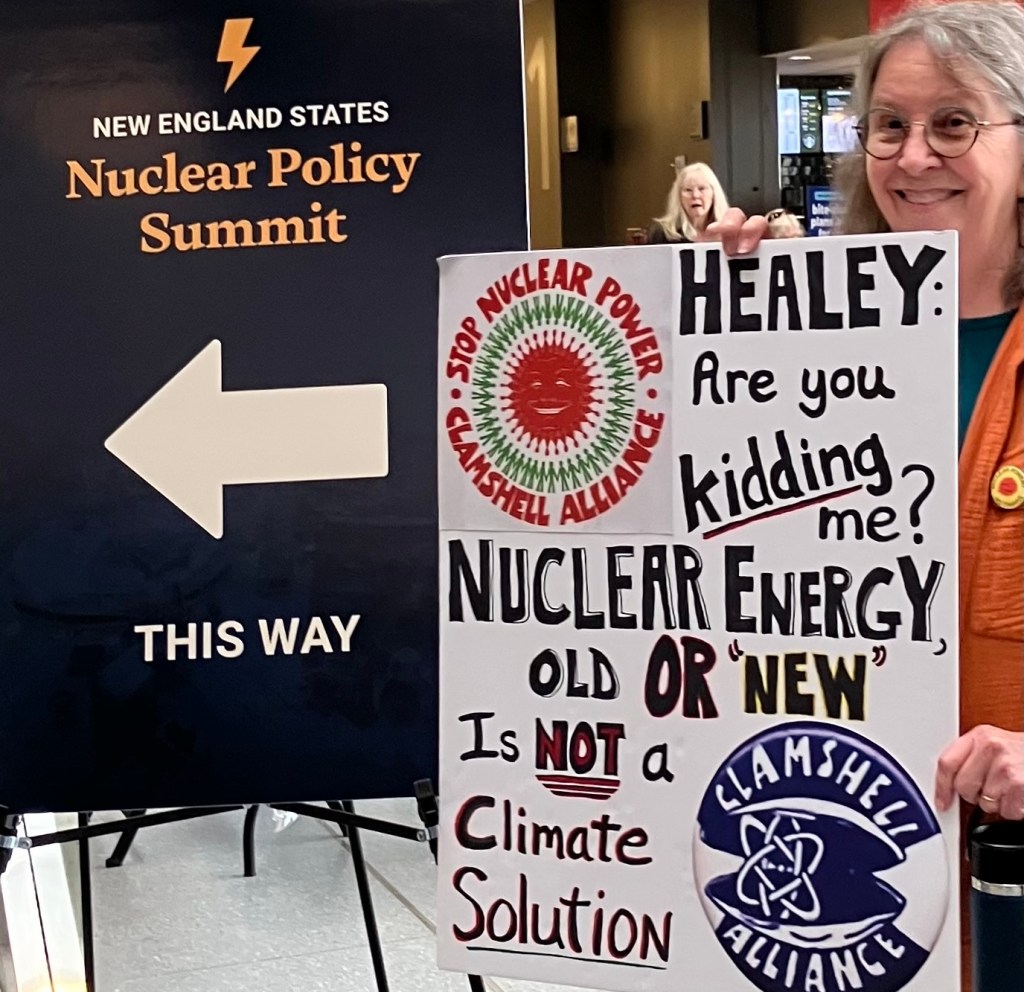
Connecticut’s governor joined other New England governors in a “summit” on September 30 to push for more nuclear power. Supposedly there’s a crisis, a need for lots more electricity for data centers so they can embrace the wonders of AI.
There’s a crisis, all right, but it’s not some desperate need for AI. Instead, it’s the fires, droughts, glacier breakdowns and extreme weather all over the world –symptoms of collapsing climates.
Over the last year the CT Department of Energy and Environmental Protection held four webinars to encourage building nuclear power plants in Connecticut. Their pitch was that new “advanced” reactors are much safer, that smaller ones can be built rapidly and that nuclear waste is not an immediate problem. The legislature set aside $5 million to foster sites all over Connecticut.
The supposed advance is the SMR, the “small modular reactor,” a uranium-power fission plant that is lots smaller than giants like Millstone or the closed Indian Point facility. SMR boosters say assembly line construction of SMRs will save lots of money and that they are so fail-safe they need little or no safety areas around them.
Read MoreWhat is the Saudi nuclear deal really about?
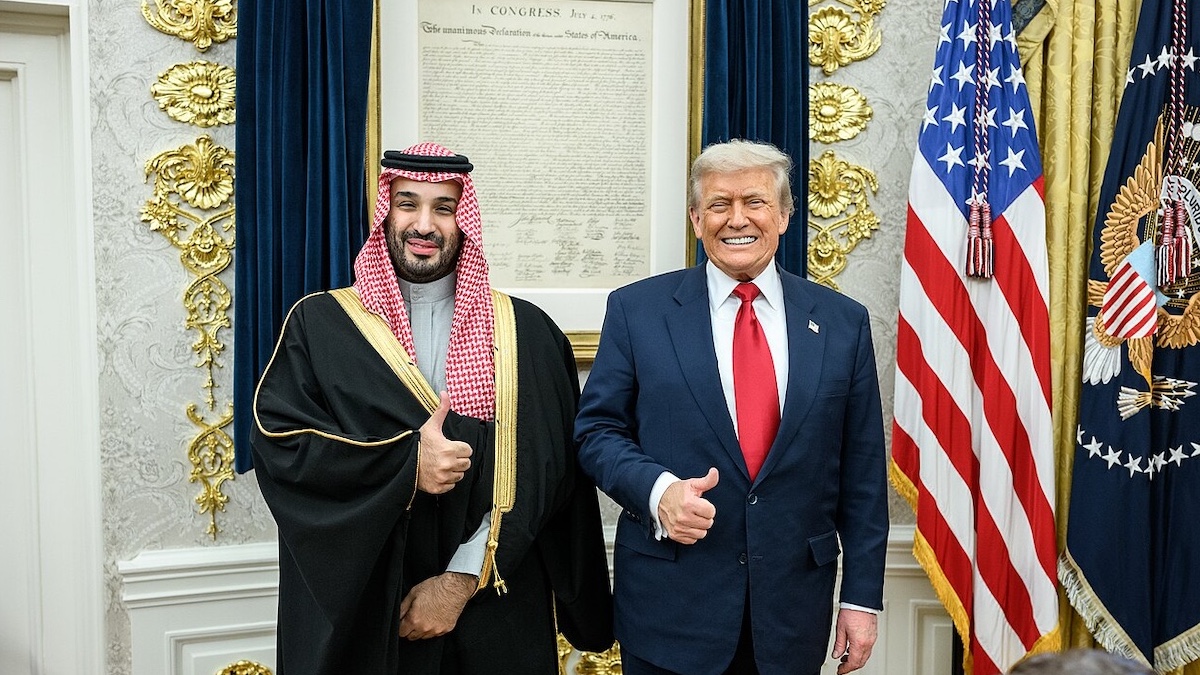
Is it actually a boon for US companies, or another scheme to enrich Trump, his family and cabinet colleagues, asks Linda Pentz Gunter
On August 25, Trump sent his nuclear deal with Saudi Arabia to the US Senate for consideration. This started a 90-day clock during which time the Senate could choose to accept or reject the proposal.
But what exactly was in it? The usual Trump White House opacity — which often includes word not matching deed — prompted a letter on September 16 from 18 US senators, including two Republicans and one independent, asking for more details.
”Access to the full text is required for the Senate and the public to have a clear understanding of the commitments being made on the nation’s behalf and those being made by Saudi Arabia to the United States,” said the letter, led by Senators Ed Markey (D-MA) and Jeff Merkley (D-OR) and addressed to Secretary of State Marco Rubio and Energy Secretary Chris Wright
By September 25, six of the Democrats who had signed the first letter wrote again to Rubio and Wright.
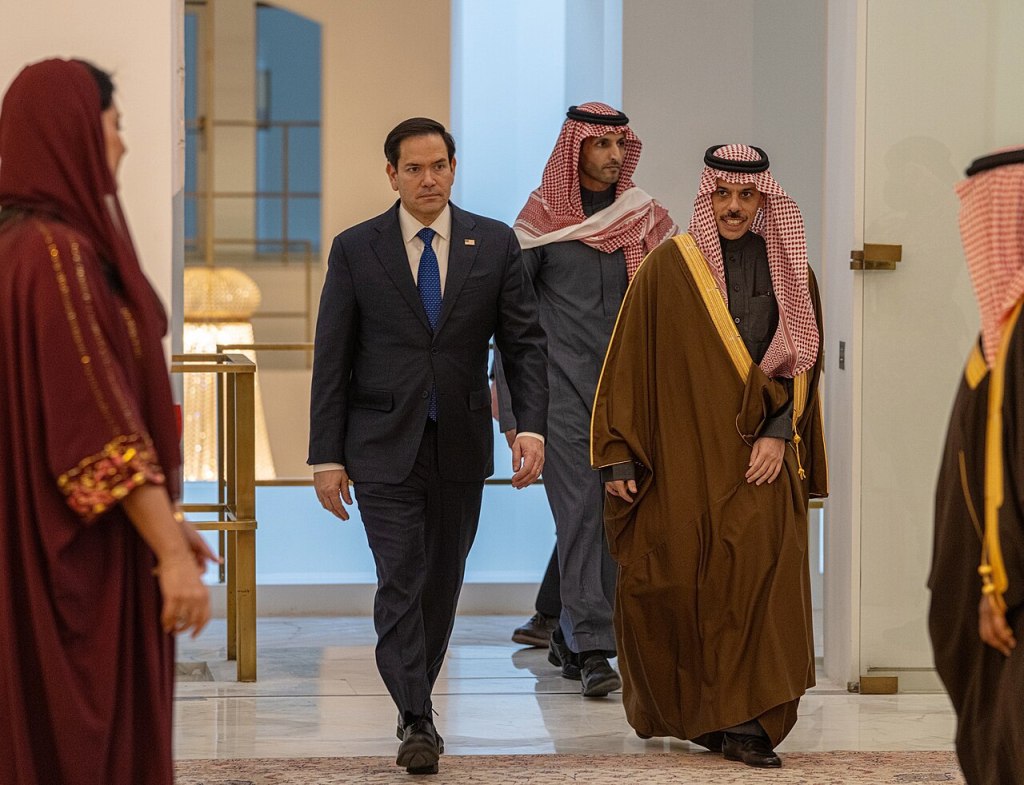
“We are gravely disappointed to see the Trump Administration enter a deal to provide nuclear technology to Saudi Arabia that fails the Gold Standard nonproliferation test. The Gold Standard has longstanding bipartisan support and reflects internationally recognized best practices. By abandoning it the agreement would allow Riyadh to acquire the means to potentially produce weapons-grade nuclear materials without the strictest nonproliferation safeguards the U.S. has long championed as a condition of such cooperation.
“The U.S.-Saudi nuclear deal calls for a study lasting up to two years on uranium enrichment in Saudi Arabia. After that, the United States could build a uranium enrichment plant on Saudi soil. The United States has never directly transferred an enrichment plant to a non-nuclear-weapon state, let alone one whose leaders have threatened to pursue nuclear weapons. The recklessness of this arrangement underscores the importance of utilizing the most stringent safeguards and protections, as reflected by the Gold Standard.”
Read MoreWe’re not stuck with nuclear weapons
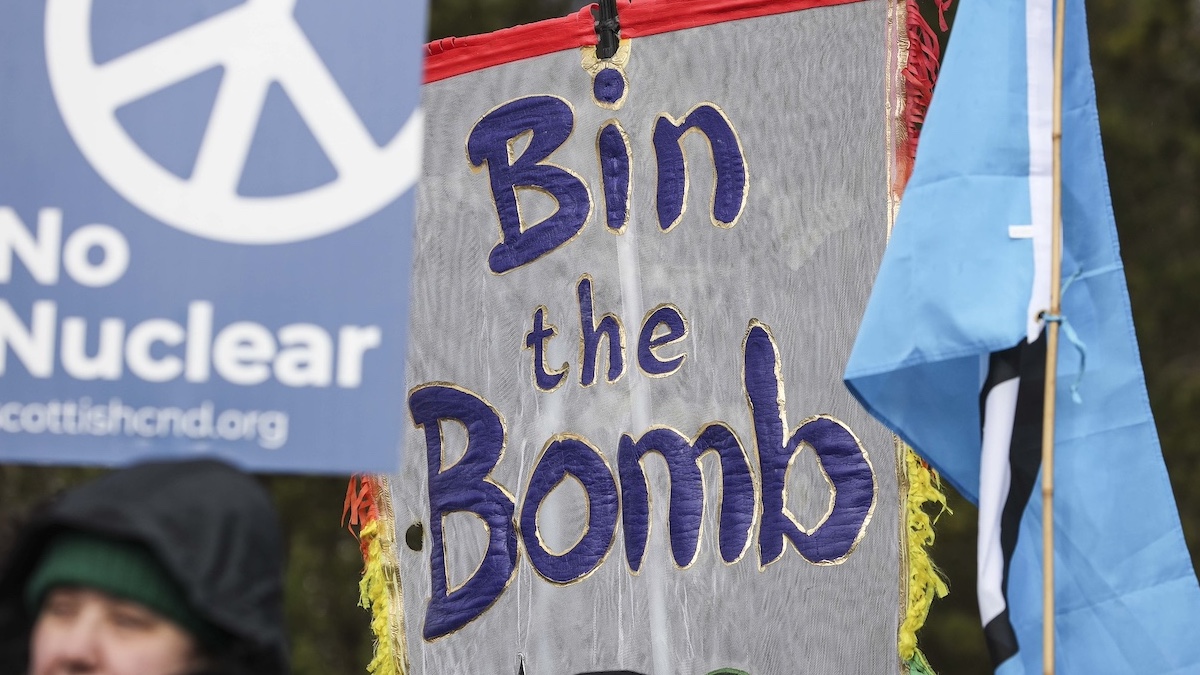
The nuclear genie might not go back in the bottle but it could still go extinct, write David P. Barash and Ward Wilson in Common Dreams
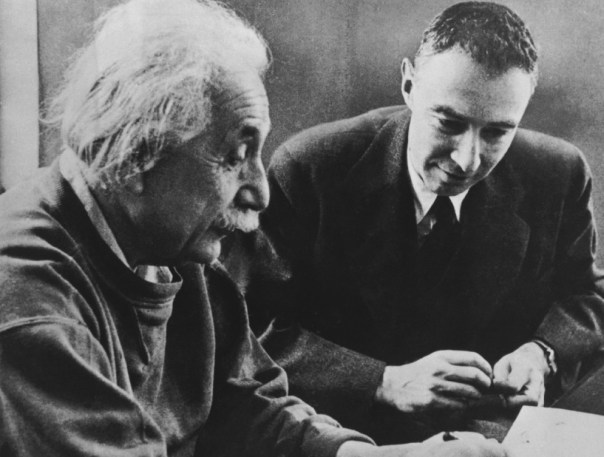
After seeing the movie Oppenheimer, a friend glumly commented, “I certainly don’t like them [nuclear weapons], but what can we do? We can’t put that genie back in its bottle.”
Those of us eager to get rid of nukes hear this a lot and at first glance it seems true; common sense suggests that we’re stuck with J. Robert Oppenheimer’s genie because after all, it can’t be disinvented. But this “common sense” is uncommonly wrong. Technologies have appeared throughout human history, and just as the great majority of plant and animal species have eventually gone extinct, ditto for the great majority of technological genies. Only rarely have they been actively erased. Nearly always they’ve simply been abandoned once people recognized they were inefficient, unsafe, outmoded, or sometimes just plain silly.
Don’t be bamboozled, therefore, by the oft-repeated claim by defense intellectuals that we can’t put the nuclear genie back in its bottle. We don’t have to. Plenty of lousy technologies have simply been forsaken. It’s their usual fate. (Dear readers, please don’t misunderstand. Our argument is NOT that nuclear weapons shouldn’t be actively restricted and eventually abolished. They should. Indeed, doing so is a major goal for basic planetary hygiene.
Our point is that we, as a society and as antinuclear activists, shouldn’t be buffaloed by the widespread, influential claim that we are stuck with nukes simply because “that genie is out of the bottle.” Our argument isn’t, in itself, a profound case against nuclear weapons; we have made that point in other contexts, and we intend to keep doing so. Rather, we write to dispute one of the troublesome arguments that, for some people, has inhibited discussion about the necessity of nuclear abolition.)
Now, back to our thesis: that we’re not necessarily stuck with bad genies simply because they have somehow gotten out of their bottles. There are many instructive examples. The earliest high-wheel bicycles, called penny-farthings in England because their huge front wheel and tiny rear one resembled a penny alongside a farthing, were very popular in the 1870s and 1880s. They were not only difficult to ride, but dangerous to fall off.
Read MoreA dump, not a future
The “innovation” pitch for Idaho doesn’t match the radioactive reality, writes Leigh Ford
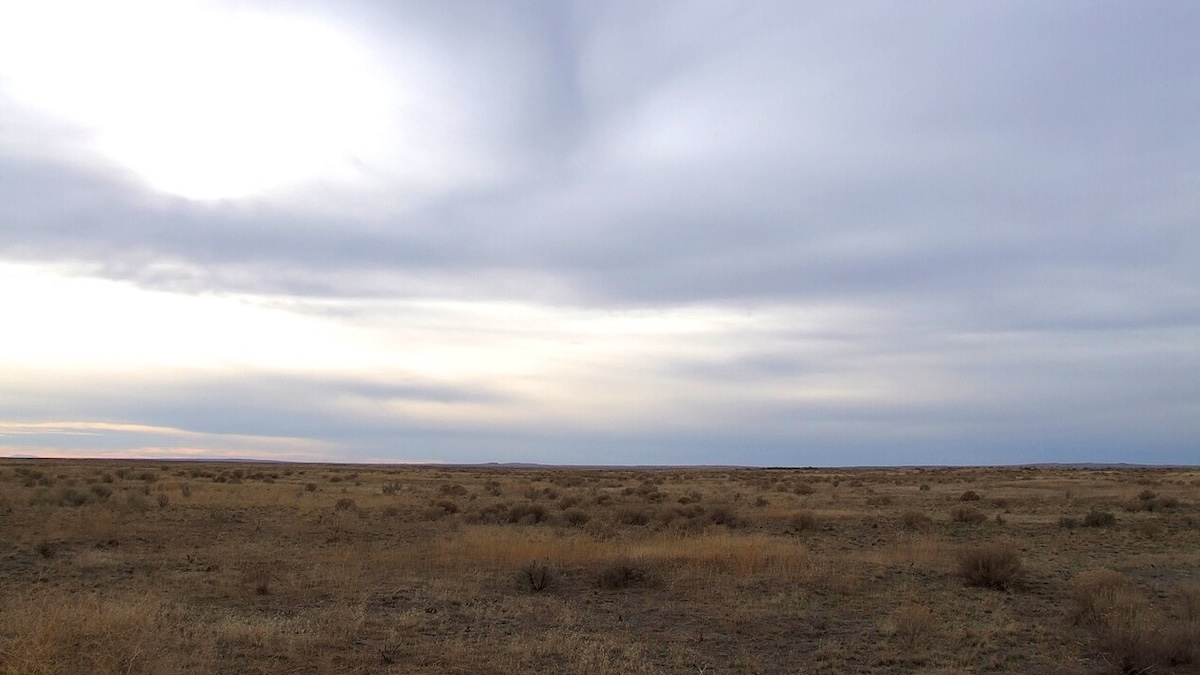
The Department of Energy (DOE) has a problem. They have a nuclear addiction and a growing mountain of toxic, radioactive waste. To solve it, they are eyeing Idaho once again. Governor Little recently signed a Memorandum of Understanding (MOU) with the DOE, and they are trying to sell it to us as a “Nuclear Lifecycle Innovation Hub.”
We’re not buying it. This is a nuclear dump dressed up as an “innovation campus,” and DOE is simply hoping that the temptation of jobs and billions of dollars will convince us to turn Idaho into America’s nuclear waste dump.
Recently, I sat down with Roland Beres, who wanted to get the Snake River Alliance’s reaction to the governor’s signing the MOU with DOE. Roland has a lot of experience following nuclear issues.
Notably, he covered events leading up to the Idaho Settlement Agreement, when Govenors Batt and Andrus were fighting the feds for sending out-of-state radioactive waste into Idaho. That history matters, because it tells us this isn’t a new fight — it’s the same fight, with slicker marketing.
Today’s political machinery is quickly paving the way for Manhattan Project 2.0, endangering our health and silencing local opposition. Per Executive Order 14300, the Nuclear Regulatory Commission is revising radiation standards and reducing protections for workers and communities. Idaho’s Senate passed SCR 120 to claim that reprocessing nuclear waste fits into the Idaho Settlement Agreement framework. Not to be left out, Idaho’s House passed HB 714, which prohibits local governments from saying “NO” to these dumps and reprocessing facilities in their communities.
The Nuclear Myths
The first myth is money. The DOE isn’t handing Idaho billions of dollars. According to their own request for proposals, they are looking for projects that *prioritize private and state capital*. They offer “targeted, conditional, and time‑limited federal support.” In other words, Idaho taxpayers are on the hook for the cost, while the feds offer a loan and a promise to protect themselves from “open-ended liabilities.”
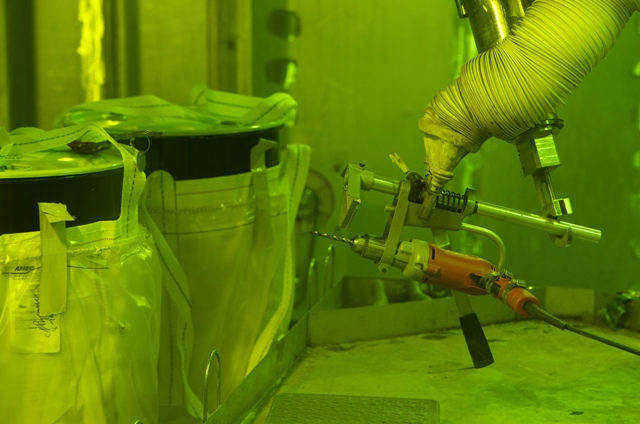
The second myth is the jobs. Idaho’s response to DOE’s request states we already have the infrastructure and can start fast. That translates to fewer construction jobs. And while the Tech bros designing these untested reactors are boasting that they “practically run themselves,” that means they aren’t going to hire many permanent workers. The promise of “thousands of jobs” is a mirage. We might fix a few roads, but beyond that, thousands of long-term jobs are far-fetched.
Read More
