 Beyond Nuclear International
The growing arsenals
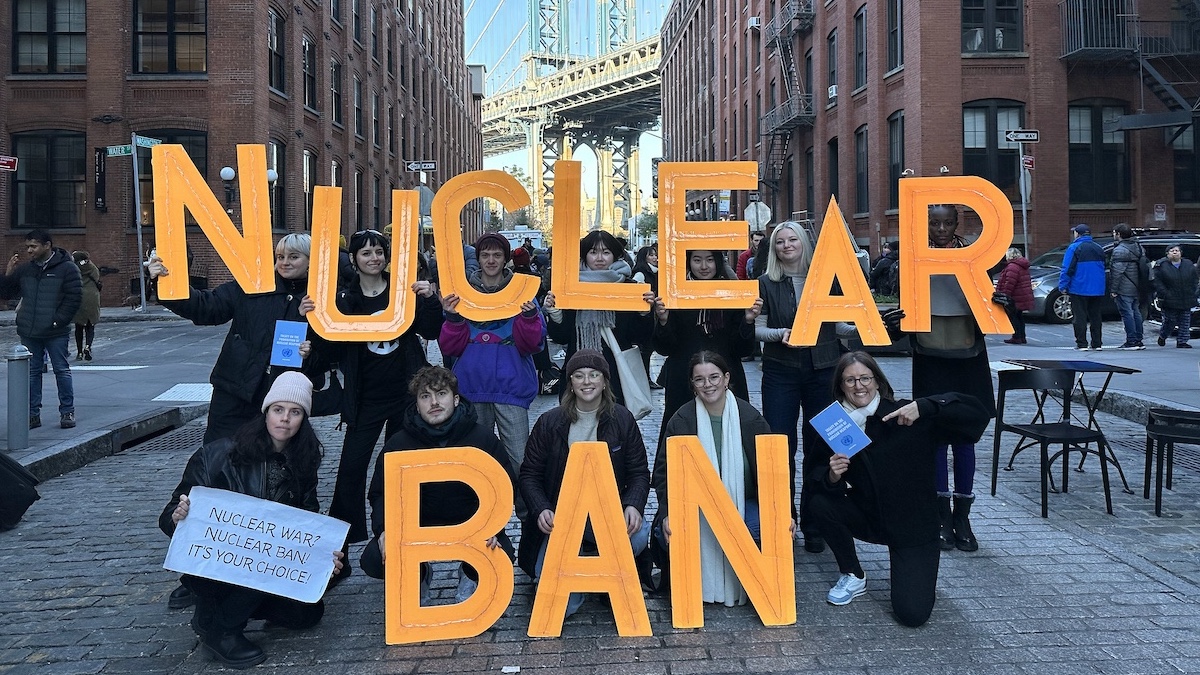
We must quickly realign priorities before nuclear weapons are used, writes M.V. Ramana
The relationship between nuclear weapons and human security is similar to that of the relationship between economic inequalities and social justice: if you have the first, the second is very difficult to obtain. Jacqueline Cabassso and Ray Acheson.
For the vast majority of the world’s people, the most important impact of the possession of nuclear arsenals by some of the most powerful countries has been the danger of instant and painful death. In the words of psychologist Robert Jay Lifton: “The central existential fact of the nuclear age is vulnerability.”
This vulnerability has become more apparent in recent years. In the last 16 months, the world has witnessed government officials from Russia (Dmitry Medvedev) and Israel (Amihai Eliyahu) threatening to use, or calling for the use of, nuclear weapons against the people of Ukraine and Gaza respectively. The rulers of these countries have already shown the willingness to kill tens of thousands of civilians.
The ‘uses’ of nuclear weapons
What these recent invocations of nuclear threats illustrate is that nuclear weapons are most ‘useful’ to nuclear-armed aggressors to intimidate those they attack and all who might aid them. All countries possessing nuclear weapons make plans for using nuclear weapons under some contingency or the other. As British historian E. P. Thompson once noted, “It has never been true that nuclear war is ‘unthinkable’. It has been thought and the thought has been put into effect.”
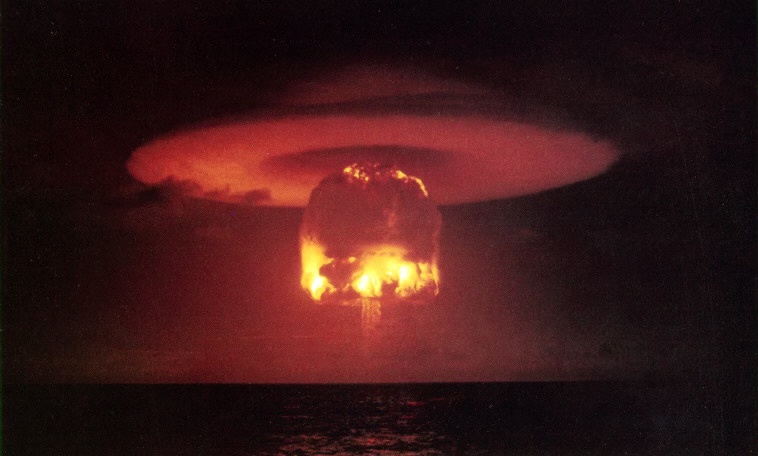
There are other uses for nuclear weapons. In his book, The Doomsday Machine, Daniel Ellsberg, best known for sharing the secret study of the U.S. Department of Defense on the Vietnam War – the Pentagon Papers – with the media, documents twenty-five instances when U.S. presidents have repeatedly used their nuclear weapons to coerce other governments into acting in ways they do not want to. This, Ellsberg argued, was also use of nuclear weapons in the same way “that a gun is used when you point it at someone’s head … whether or not the trigger is pulled.”
Despite countries trying to justify their nuclear weapons by claiming that they are for deterrence, the beneficiaries of any such property are not the people. When the World Court was deliberating on the question of the legality of nuclear weapons in the 1990s, India – before it declared itself to be a nuclear weapon state in 1998 – described the practice of nuclear deterrence as being “abhorrent to human sentiment since it implies that a state if required to defend its own existence will act with pitiless disregard for the consequences to its own and adversary’s people.”
This statement, besides stating how India once upon a time viewed nuclear deterrence, also points to a deeper reality: It is not threats to the people of a country that may result in the use of nuclear weapons; it is threats to the State. And the statement makes it clear that the interests of the State are not the same as that of the people; people can be sacrificed for the State.
Read MoreListening to Indigenous views

Our new study highlights Indigenous nations’ opposition to nuclear projects, write Susan O’Donnell and Robert Atwin
The global nuclear industry has been in decline for almost three decades. Almost every year, more reactors shut down than start up. This year, nuclear energy’s share of global commercial gross electricity generation is less than half it was in 1996.
One reason for the industry’s decline is the high cost of nuclear energy compared to the low cost of alternative sources of energy generation. Another reason is the risk and lack of permanent solutions to the long-lived radioactive waste produced by nuclear reactors. Around the world, Indigenous people are disproportionately affected by radioactive pollution and are at the forefront of resistance to nuclear waste dumps.
A new study released in New Brunswick this week analyzed statements about nuclear energy and radioactive waste by Indigenous communities in New Brunswick, Quebec and Ontario, the only provinces with nuclear power reactors. The 18 power reactors in Ontario and the one in New Brunswick, as well as the one in Quebec shut down in 2012, have all produced hundreds of tons of radioactive waste.
The study found that overall, Indigenous nations and communities do not support the production of more nuclear waste or the transport and storage of nuclear waste on their homelands. They have made their opposition known through dozens of public statements and more than 100 submissions to the regulator, the Canadian Nuclear Safety Commission.
At the same time, the federal government positions nuclear energy as a strategic asset to Canada now and into the future. The government recently launched a policy to get nuclear projects approved more quickly, with fewer regulations. The government’s position has created an obvious conflict with Indigenous rights-holders.
Read MoreA pie we’re not thankful for

Obscene amounts are spent on US nuclear weapons, but hardly anything to help the people they harmed, writes Linda Pentz Gunter
It’s pie season in America with Thanksgiving fast approaching and pumpkins ready to be pureed into pulp and baked into a delicious confection topped with whipped cream.
But there are other kinds of pies, ones we savor far less happily and that leave a bitter taste in taxpayers’ mouths.
Let’s start with the military pie. Each year, the National Priorities Project (NPP) publishes a US discretionary budget pie for us to sample — sourced from the Office of Management and Budget — and it’s not a pretty sight.
Its most recent version — entitled Militarization of the federal budget in FY 2023 — delivers us a pie guaranteed to cause heartburn if not heartache. A hefty 62% of the pie is sliced off before we even begin to digest the rest, all of it going to militarism to the tune of $1.14 trillion.
You might need a magnifying glass to scrutinize the remaining slices, more accurately described as slivers. If your grandma served you up this meager portion at the Thanksgiving table you would have something to say about it. And yet, the majority of Americans swallow this disproportionate deprivation of essential services with nary a murmur.
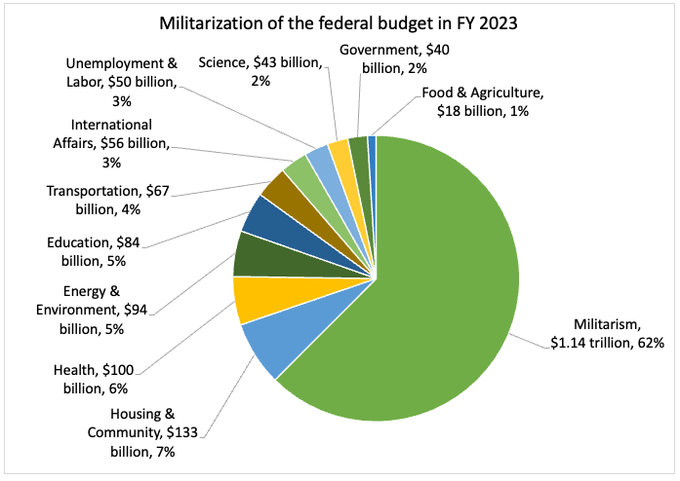
Some of the tiniest wedges are allocated to the services we need the most — food and agriculture, unemployment and labor, and transportation. Education, energy and environment, and health and housing are handled slightly more generously, but it’s all relative. The biggest non-military slice — for housing and community — comprises just 7% of the entire budget and totaling $133 billion, a pittance relative to the funding of weaponry and war.
At the bottom end of the spending spectrum is food and agriculture, with $18 billion allocated in 2023, just 1% of the total budget.
Read MoreA Nobel in the nick of time

Japan’s Hibakusha are aging and diminishing, but they were finally awarded the Nobel Peace Prize, writes Elizabeth Chappell
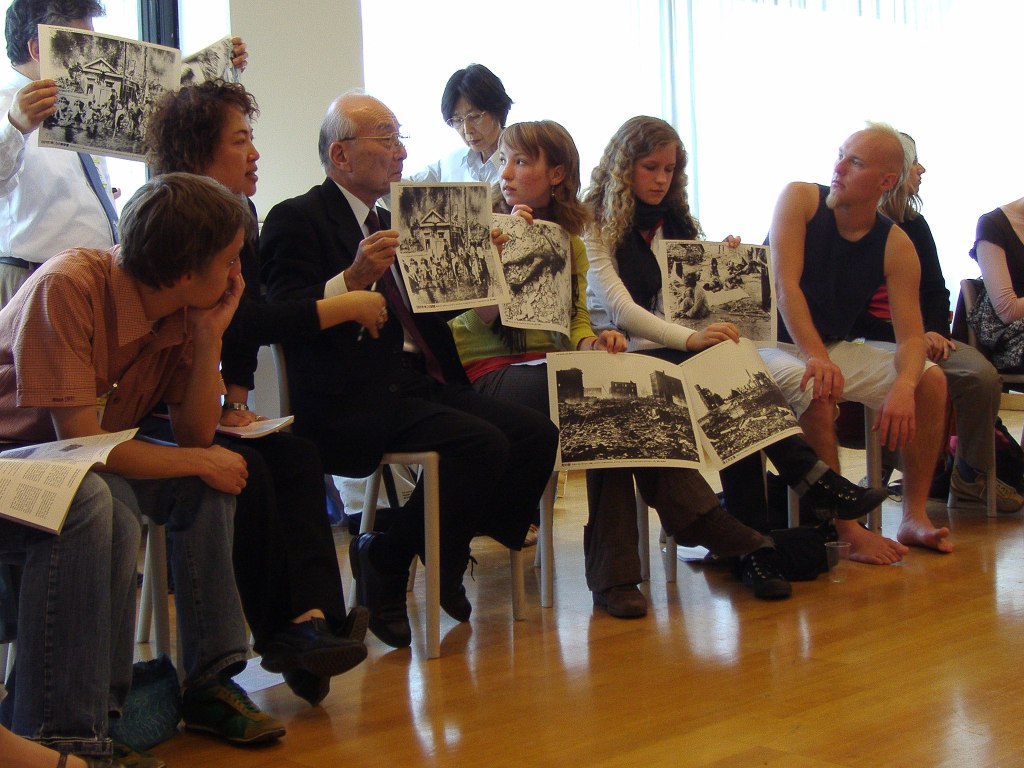
The 2024 Nobel peace prize has been awarded to Nihon Hidankyo, a Japanese grassroots organisation created by survivors of the US atomic bombings of Hiroshima and Nagasaki in 1945. Nihon Hidankyo has provided thousands of witness accounts and public appeals by survivors, who are known as hibakusha, and has sent annual delegations to the UN.
Their work was commended by the Nobel committee, who decided to award the prize to Nihon Hidankyo “for its efforts to achieve a world free of nuclear weapons and for demonstrating that nuclear weapons must never be used again”.
Nihon Hidankyo’s co-chair, Toshiyuki Mimaki, said: “I never expected we would win the Nobel peace prize. Now we want to go further and appeal to the world to achieve lasting peace. We are old, but we never give up.”
There are an estimated 106,000 hibakusha still living in Japan, with many more alive around the world. There are also survivors – and their descendants – of the more than 2,000 nuclear tests that have taken place worldwide since 1945. Some of these people use the term hibakusha to describe themselves.
This was not the first time the prize had been awarded to a nominee for their efforts towards nuclear disarmament. And it probably won’t be the last.
In 1985, the prize was awarded to an organisation called the International Physicians for the Prevention of Nuclear War. And then, in 1995, the prize was won by Joseph Rotblat, the only scientist to have left the Manhattan Project – the US government’s research project to produce the first atomic bomb – on moral grounds.
Barack Obama was next in 2009, for his “vision of and work for a world without nuclear weapons”. His administration made efforts to renew the strategic arms reduction treaty with Russia, and Obama became the first US president to visit one of the atomic bombed cities when he made a special trip to Hiroshima in 2016.
The following year, the prize was won by the International Campaign to Abolish Nuclear Weapons (ICAN) for its “groundbreaking efforts to achieve a treaty-based prohibition of nuclear weapons”. This was a reference to the UN treaty on the prohibition of nuclear weapons, which from 2017 has outlawed states from participating in any nuclear weapon activities.
Read MoreBritain to hand back Chagos

Decolonization of the British Indian Ocean Territory poses new challenges for Africa’s nuclear weapons-free zone, writes David Fig
On 3 October 2024, the recently elected British government announced that it would be dismantling its colony, the British Indian Ocean Territory (BIOT), which is comprised of the Chagos Islands, and returning its sovereignty to the Republic of Mauritius.
In March 1968 Mauritius won its independence from Britain, but in the run up to this event, Britain decided to detach the Chagos Islands from Mauritian jurisdiction, in exchange for a compensation settlement of 3 million pounds, worth 65.2 million pounds today. Its rationale was to turn one of the islands, Diego Garcia into a strategic military base, which it rented to the United States. From Diego Garcia, US fighter jets could reach both the Gulf region and China.
During the Gulf Wars, the base was used for the ‘rendition’ of Iraqi prisoners, and it became a waystation for their secret delivery to Guantanamo and other prisons.
As a precondition for the creation of the base, the US insisted that Britain remove all the inhabitants of the archipelago. The depopulation resulted in the dumping of the Chagossians as refugees on Mauritius, the Seychelles and the UK.
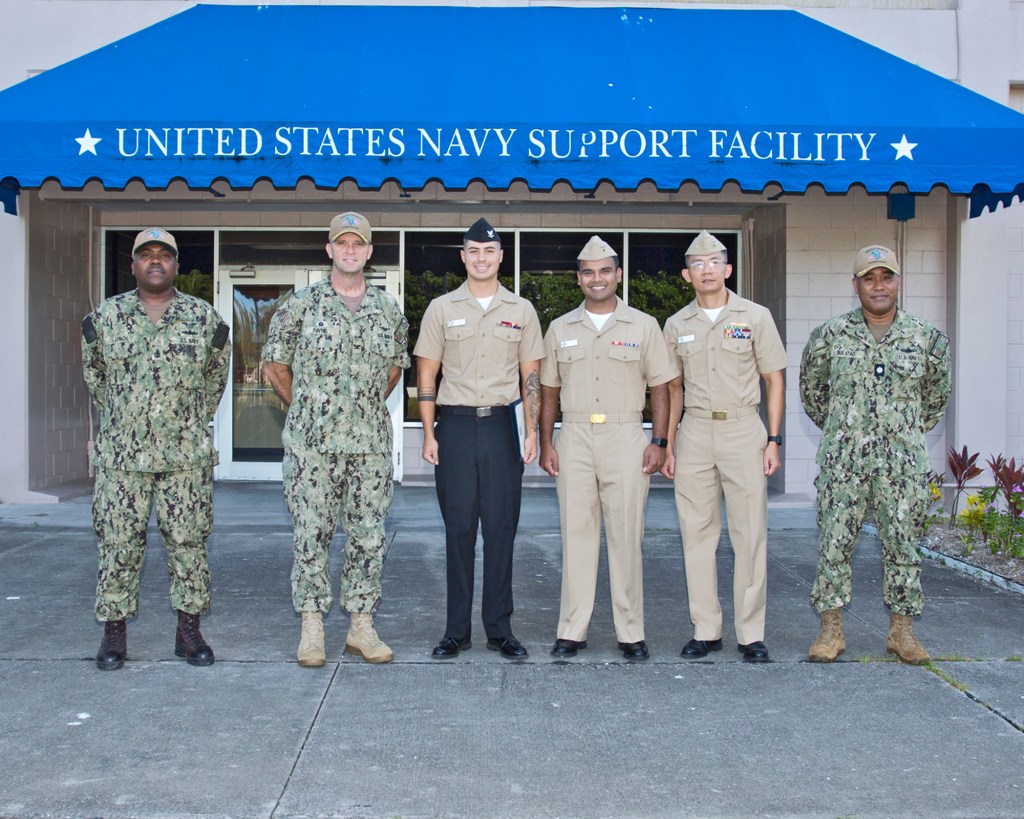
For many years, the islanders, with the backing of Mauritius and many African countries, have been challenging the illegalities of creating the BIOT, deporting its population, and preventing a just return. The case reached the General Assembly of the UN, and the UN’s International Court of Justice. In both fora, Britain’s behavior was declared illegal. This was also confirmed in domestic cases brought by the islanders. Each time Britain lost, it invoked ‘royal prerogative’ to claim that its national security interests overrode the judgments of the courts.
Read MoreLeaked tritium reached the Mississippi
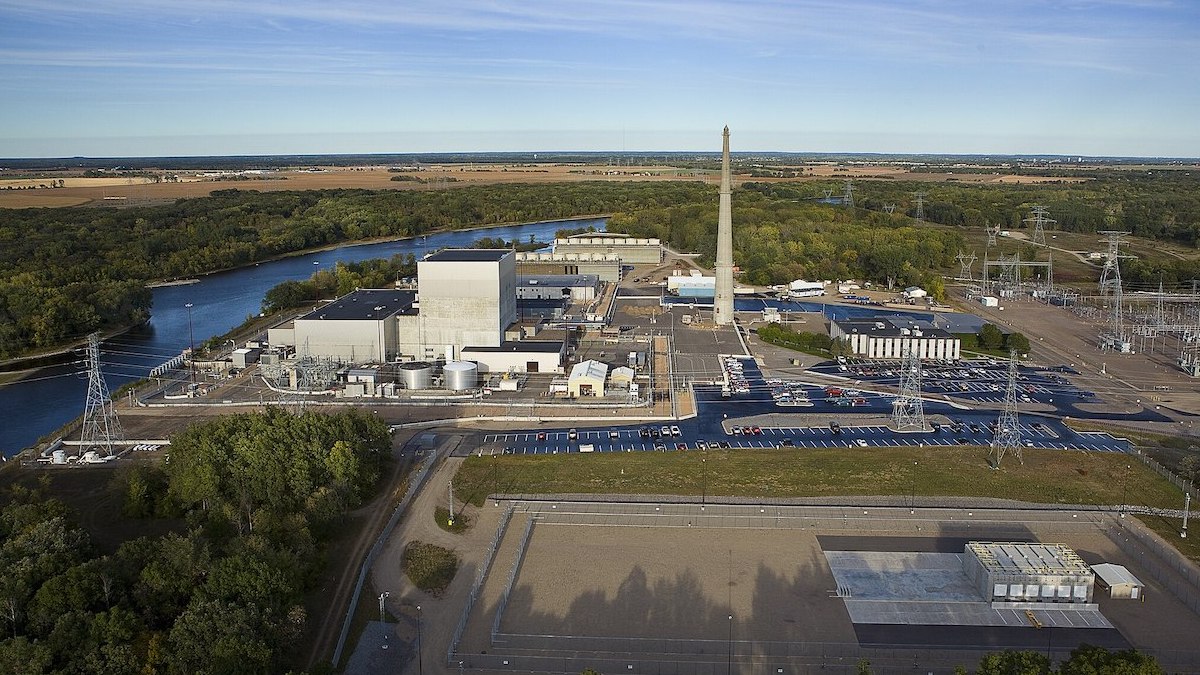
False assurances by Xcel Energy and the Nuclear Regulatory Commission have now been retracted by the regulator, reports John LaForge
In April, I reported on false assurances made by Xcel Energy and the Nuclear Regulatory Commission (NRC) regarding the November 2022 leak from the Monticello, Minnesota nuclear reactor of some 829,000 gallons of cooling water containing a huge concentration of radioactive tritium (technically, 5.2 million picocuries per liter).
In eye-opening remarks at the Monticello Community Center on May 15, NRC Senior Environmental Project Manager, Stephen J. Koenick, apologized for the commission staff’s often-repeated claims that leaked tritium from the 53-year-old reactor had not reached the Mississippi River — drinking water source for 20 million people, including the Minneapolis/St. Paul metro area.
In his underreported apology, Koenick said, “I would like to take a moment to address and clarify some miscommunication regarding the presence of detectable tritium in the Mississippi River. I know we … reported there were no indication[s] of [a] tritium leak [which] made it to the Mississippi.
“However, … in our Draft Environmental Impact Statement, we … conclude there were some very low concentrations of tritium in the Mississippi River.” Koenick went on to say, “So we apologize for this miscommunication.”
The weekly Monticello Times reported on the vanishingly rare public confession and its crucial admission that radioactive tritium from the massive 2022 leak had contaminated the Mississippi. The paper published a report on the front-page on Jun. 6, under the headline: “NRC apologizes, changes its stance on tritium leak: Now says low concentrations got into Mississippi River.”
What Koenick meant by “miscommunication” were false assurances made to the press that no tritium had been found by Xcel’s testing of the river. On Mar. 18, 2023, NRC spokesperson Viktoria Mitlyng even told the press, “There is no pathway for the tritium to get into drinking water.”

As recently as May 7, 2024, NRC presenters at a separate NRC-sponsored public hearing, also held in Monticello, said that Xcel had found “no detectable levels” of tritium in the river.
Read More Beyond Nuclear International