 Beyond Nuclear International
A magic reactor killed by environmentalists?

On the contrary, a “nuclear waste-eating reactor” does not exist
By Stéphane Lhomme
Appearing as a guest on several TV channels (BFM, Cnews, etc.), a certain Fabien Bouglé managed to fool both viewers and journalists (most of whom are totally ignorant about nuclear power) with a series of fibs, each more enormous than the last. Here are a few clarifications.
There is no such thing as a “nuclear waste-eating” reactor
The smooth-talking Bouglé left his ignorant interlocutors stunned and bewildered as he talked about “waste-eating” reactors that would have already solved the radioactive waste issue if an infamous green lobby, “betraying France to Germany” (sic!), hadn’t “prevented” the advent of such reactors.
So, like throwing a log on the fire, all you have to do is put the radioactive waste produced by today’s power plants into a “magic” reactor, and the waste will disappear.
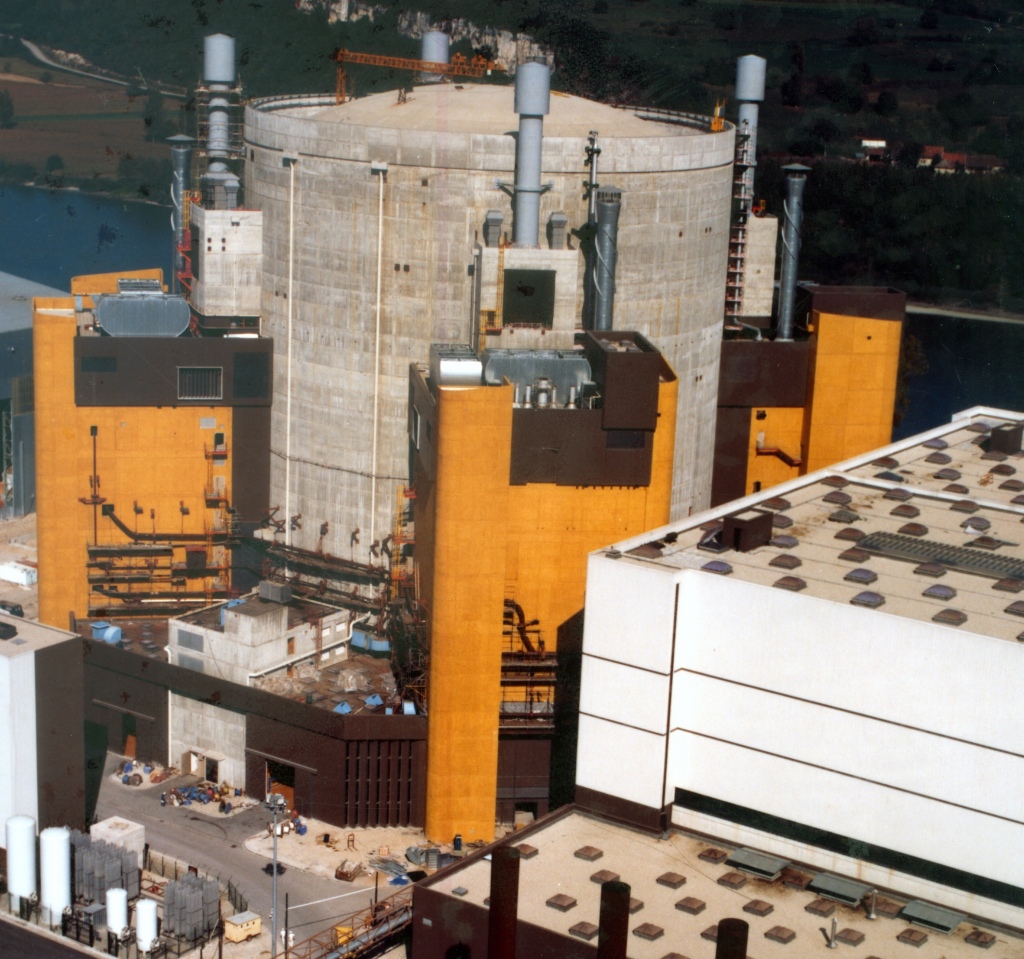
Mr. Bouglé finally divulged his “secret”: the so-called “waste-eating” reactors are simply… breeder reactors: a type of reactor that the global nuclear industry has failed to operate for 70 years, like Superphénix in France! And, even if it did work, it would in no way eliminate radioactive waste. What’s more, less than 1% of nuclear fuel (the most radioactive waste) could theoretically have its lifespan reduced, but without disappearing and while becoming even more radioactive! In the nuclear industry, as elsewhere, miracles do not exist.
Read MoreUn réacteur “magique” tué par les écolos?
Au contraire, il n’existe pas de réacteur “mangeur de déchets nucléaires”
Par Stéphane Lhomme
Invité sur différents plateaux de télévision (BFM, Cnews, etc), un certain Fabien Bouglé parvient à abuser téléspectateurs mais aussi journalistes (pour la plupart totalement ignorants concernant le nucléaire) avec une série de balivernes plus énormes les unes que les autres. Voici quelques mises au point.
– Il n’existe pas de réacteur “mangeur de déchets nucléaires”
Le bonimenteur Bouglé laisse pantois et subjugués ses interlocuteurs ignorants en leur parlant de réacteurs “mangeurs de déchets” qui auraient déjà réglé la question des déchets radioactifs si un infâme lobby écolo, “trahissant la France au profit de l’Allemagne” (sic !), n’avait pas “empêché” l’avènement de tels réacteurs.
Ainsi, comme on jette une bûche dans une cheminée, il suffirait de mettre les déchets radioactifs produits par les centrales actuelles dans un réacteur “magique” pour que ces déchets disparaissent.
M. Bouglé finit par livrer son “secret” : les réacteurs prétendus “mangeurs de déchets” sont tout simplement… les surgénérateurs : un type de réacteur que l’industrie nucléaire mondiale échoue à faire fonctionner depuis 70 ans, comme Superphénix en France ! Et, quand bien même cela marcherait, cela ne ferait en aucun cas disparaitre les déchets radioactifs. De plus, c’est moins de 1% des combustibles nucléaires (les déchets les plus radioactifs) qui pourraient théoriquement voir leur durée de vie réduite, mais sans pour autant disparaître et en devenant encore plus rayonnants ! Dans le nucléaire comme ailleurs, les miracles n’existent pas.
Read MoreMake (some) nukes history

Hollywood stars put their name to a good message, but it’s the messengers who are problematic
By Linda Pentz Gunter
A handful of Hollywood celebs, some highly recognizable including Jane Fonda, Barbra Streisand, Lily Tomlin, Emma Thompson and Michael Douglas, as well as musicians such as Jackson Brown and Graham Nash, just signed their names to a letter published in the LA Times urging that we “Make Nukes History”.
Hooray, right? Well, only half hooray.
The Hollywood letter was part of a quickly launched campaign to coincide with the Oscar buzz around the successful feature film, Oppenheimer, in order to leverage attention for the need to abolish nuclear weapons. The Make Nukes History campaign aims to raise public awareness about the civilization-ending risks posed by today’s nuclear arsenals. It reminds us that while Oppenheimer is a history lesson, nuclear weapons are very much still with us, but that we can put an end to what J. Robert Oppenheimer started.
So far, all so good. Far too few of us are thinking about nuclear weapons and the threat they pose, let alone doing something about getting rid of them. It’s an important message that needs reiterating.
Meanwhile, Oppenheimer duly swept seven Academy Awards on Sunday. We waited hopefully for one of the winners to say something about the effect of Oppenheimer’s bomb down the ages. It came only from Cillian Murphy at the end of his Best Actor acceptance speech. “We made a film about the man who created the atomic bomb and for better or for worse we are all living in Oppenheimer’s world so I would really like to dedicate this to the peacemakers, everywhere,” Murphy said.

The Make Nukes History message did not make it to the Oscar stage and the LA Times letter was surprisingly skimpy, failing to get at the heart of the two key takeaways missed in the Oppenheimer film: the unwilling, unrecognized and still uncompensated victims of Oppenheimer’s original Trinity bomb; and the on-going harm down generations to all peoples whose lands were seized and used for atomic tests.
Read MoreReflecting on Fukushima
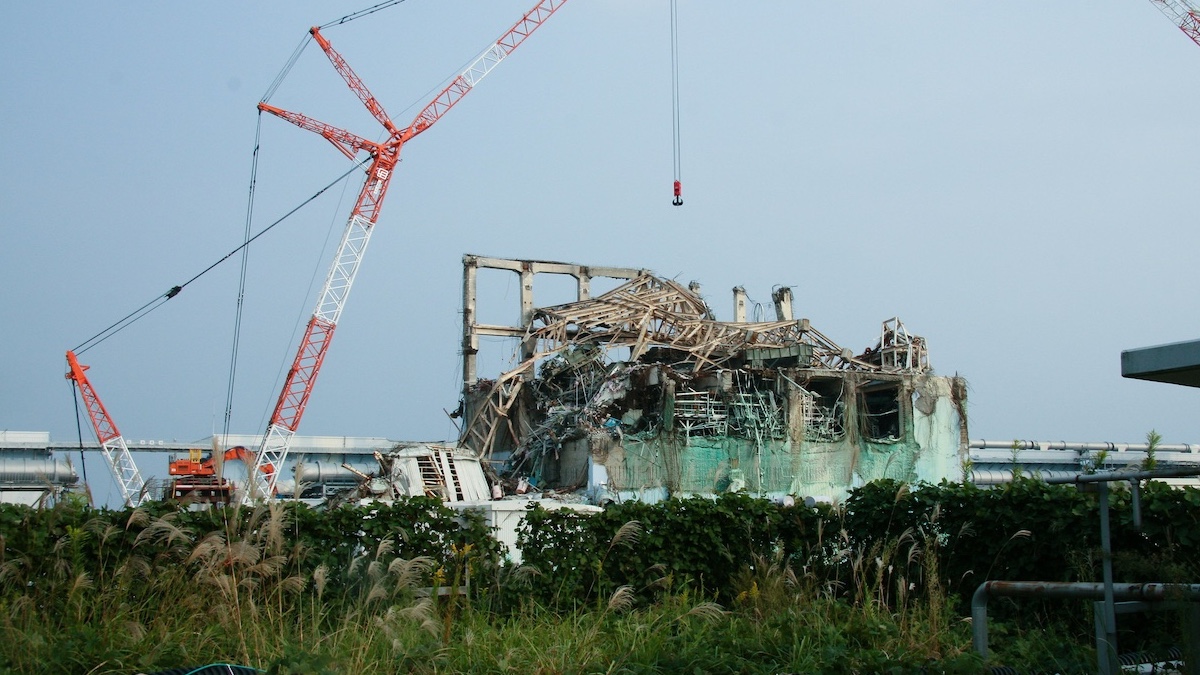
The lesson learned should be an end to nuclear power. Japan is going in the opposite direction
By Linda Pentz Gunter
On March 11 this year, and every year since 2011, we reflect on what happened on that day at the Fukushima-Daiichi nuclear power plant in Japan — and the impacts that continue. The never-ending tragedy.
The news cycle was 24/7 on the Fukushima nuclear disaster in March 2011. Gradually, the media lost interest. Fresh catastrophes — also human-caused — came to dominate the headlines.
The stories of ongoing harm, of physical and psychic pain, disease and death, displacement, family separation, and lawsuits dismissed or lost, are often told through the megaphones of desperate Japanese mothers, determined not to let such a fate befall another generation. They are the new Hibakusha, the Cassandras of Japan, sounding the warning but doomed to be disbelieved or ignored.
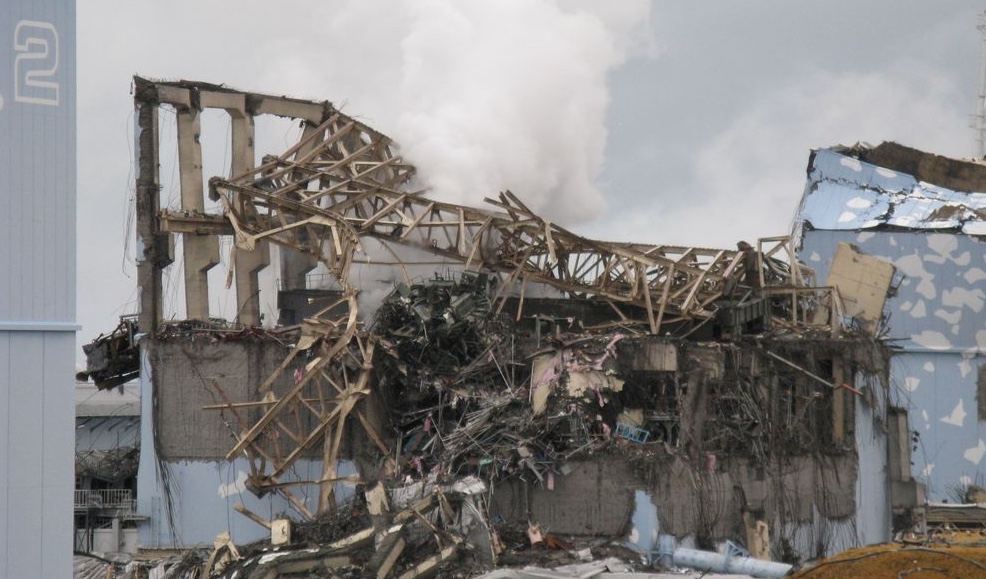
Because there will be another major nuclear disaster. And Japan, shockingly, is lining itself up to be a strong candidate. A country that has now experienced the second worst nuclear disaster of all time, and is heavily seismically active, is seeking not only to reopen its old reactors but to explore building new ones, including small modular reactors.
The only lesson from the Fukushima nuclear disaster that successive Japanese governments seem to have learned is how to minimize, cover-up and even dismiss and deny its devastating environmental and health effects.
It has done this by consistently whitewashing the Fukushima aftermath — holding the Summer Olympics (delayed a year only due to covid, not the unacceptable radiation levels); moving people back into still contaminated areas; ascribing the high thyroid cancer rates to increased testing; forbidding schools to teach children about the harms of radiation; and, of course, pouring radioactive water from the site into the Pacific Ocean so the unsightly waste water storage casks — a perpetual reminder of the continued build-up of radioactive water at the site — will vanish from view along with the bad PR.
Read MoreMore fusion hot air, literally!
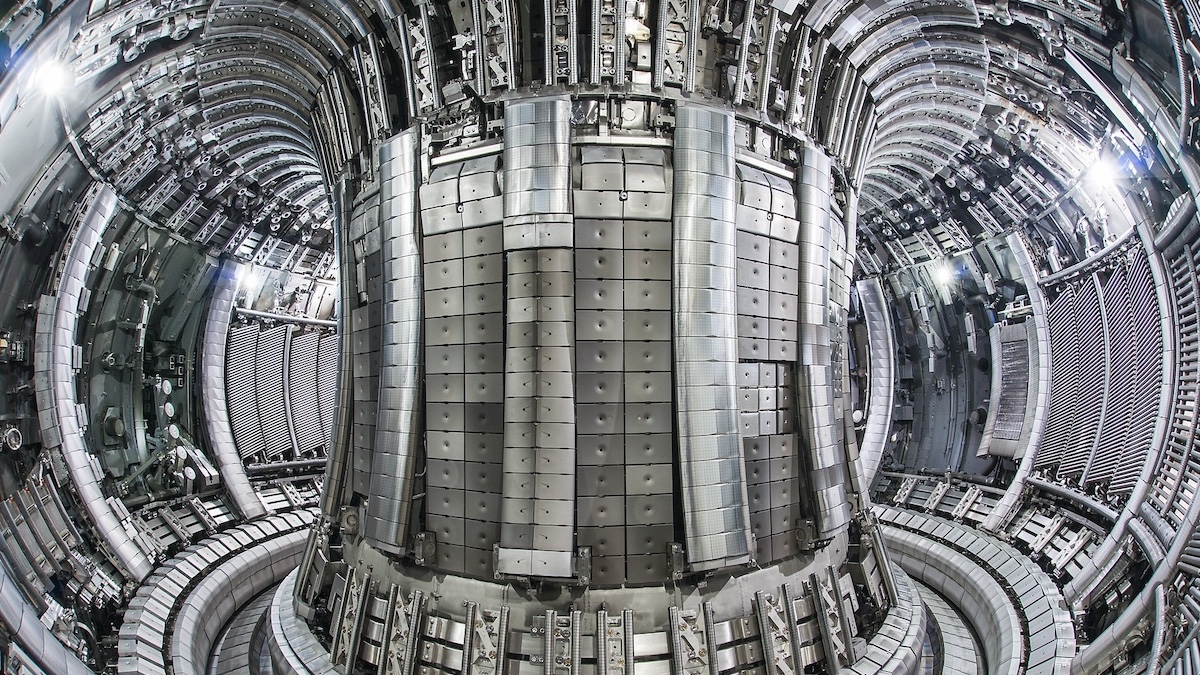
Megajoules and megaheadlines are all meganonsense
By Linda Pentz Gunter
Another week, more fusion news, cue another overblown headline, as the mainstream media once again paid homage to industry hype, digesting nuclear propaganda soundbites without even a hiccup.
On February 8, we learned that the Joint European Torus fusion project, also known as JET, had broken its own record in energy output during a last gasp attempt to make fusion work. The 40-year old project is now closed down for good.
The moment — and just a fleeting moment it truly was, lasting a mere 5.2 seconds — was duIy celebrated as another breakthrough for fusion.
“Nuclear fusion: new record brings dream of clean energy closer,” trumpeted the BBC who were especially smug since Torus is based in the UK.
“Nuclear Fusion World Record Smashed in Major Achievement”, said Science Alert.
“Scientists have made a record-setting fusion energy breakthrough,” blared the headline on Vice.
What actually happened? JET generated 69 megajoules of energy in those 5.2 seconds, breaking its previous record of 59 megajoules over 5 seconds in 2021.
For those of us who don’t go about measuring things in megajoules, I deferred to our colleague, physicist, M.V. Ramana, for an explanation.
What are they really talking about here and is it actually a breakthrough?
Read MoreThe lesson from the criminal Bravo “test”
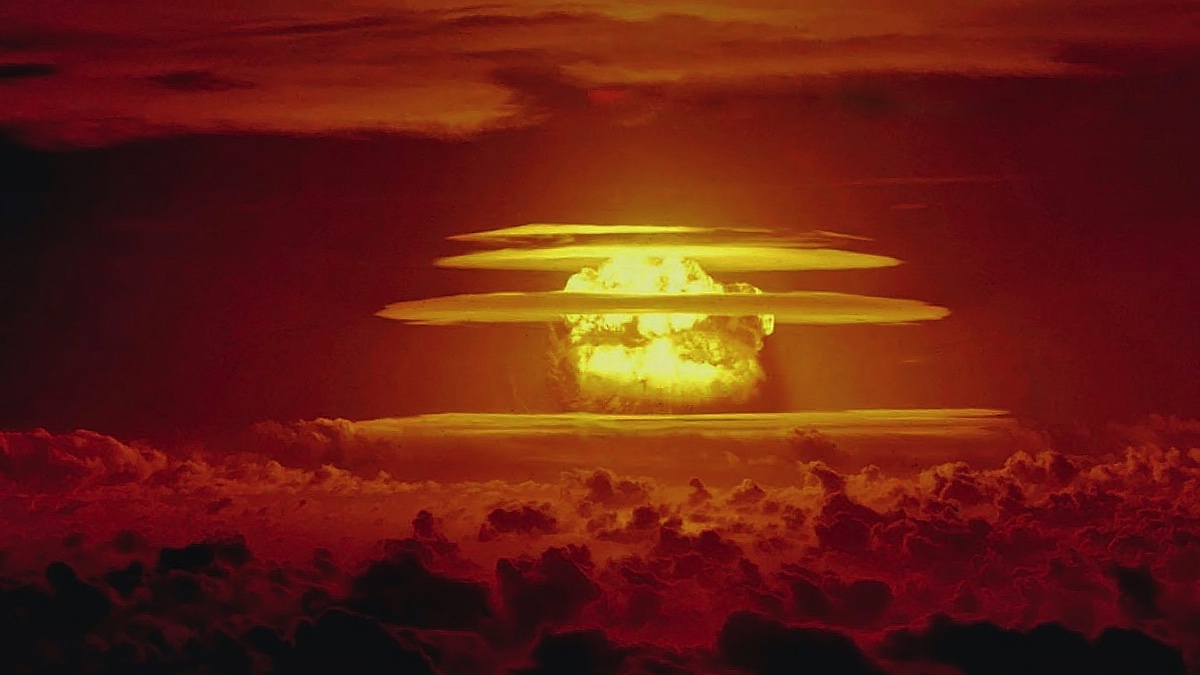
Hibakusha remind us just why a nuclear-free world is needed
By Joseph Gerson
Later this month I will return to Japan for the annual Bikini commemoration and the Gensuikyō, or Japan Council Against Atomic and Hydrogen Bombs, annual conference. There won’t be a bikini fashion show.
The commemoration of what can only be called the criminal U.S. Bravo H-bomb test on March 1, 1954, is one of two annual anchor events of the Japanese peace movement. Although Covid-19 is still with us, these events will play important roles in revitalizing the Japanese peace movement; one of the most effective in the world.
Over the years, this movement has played a major role in preventing Japan from becoming a nuclear weapons state, and the testimonies of Hibakusha (victims and witnesses of the A-bombings) have played critical roles in inspiring the nuclear disarmament diplomacy and the international negotiations that resulted in the 2017 United Nations Treaty on the Prohibition of Nuclear Weapons.

Although I initially met several Hiroshima and Nagasaki A-bomb survivors as early as the 1978 U.N. Second Session of Nuclear Disarmament, it wasn’t until I first traveled to Hiroshima in 1984 that I began what became a 40-year engagement with Hibakusha and the Japanese movement.
In an effort to compensate for his earlier support for the Nuclear Weapons Freeze campaign and to bring nonexistent jobs bacon to Boston, Senator Ted Kennedy (D-Mass.) and, following him, the Massachusetts congressional delegation and the city’s business establishment were suckered into Reagan-administration planning to transform Boston Harbor into a nuclear weapons base.
Knowing the Navy’s record of nuclear weapons accidents, the ways that the base would ratchet up tensions with Moscow and violate the freeze, and with knowledge of better economic and social uses for the waterfront property, several of us organized at the grassroots level to prevent construction of the base. We prevailed, and I was invited to give a brief inspirational speech at the World Conference against A- and H- Bombs. Needless to say, my first trip to Hiroshima was a transformative experience.
Read More Beyond Nuclear International