 Beyond Nuclear International
A $1 trillion defense budget would be madness
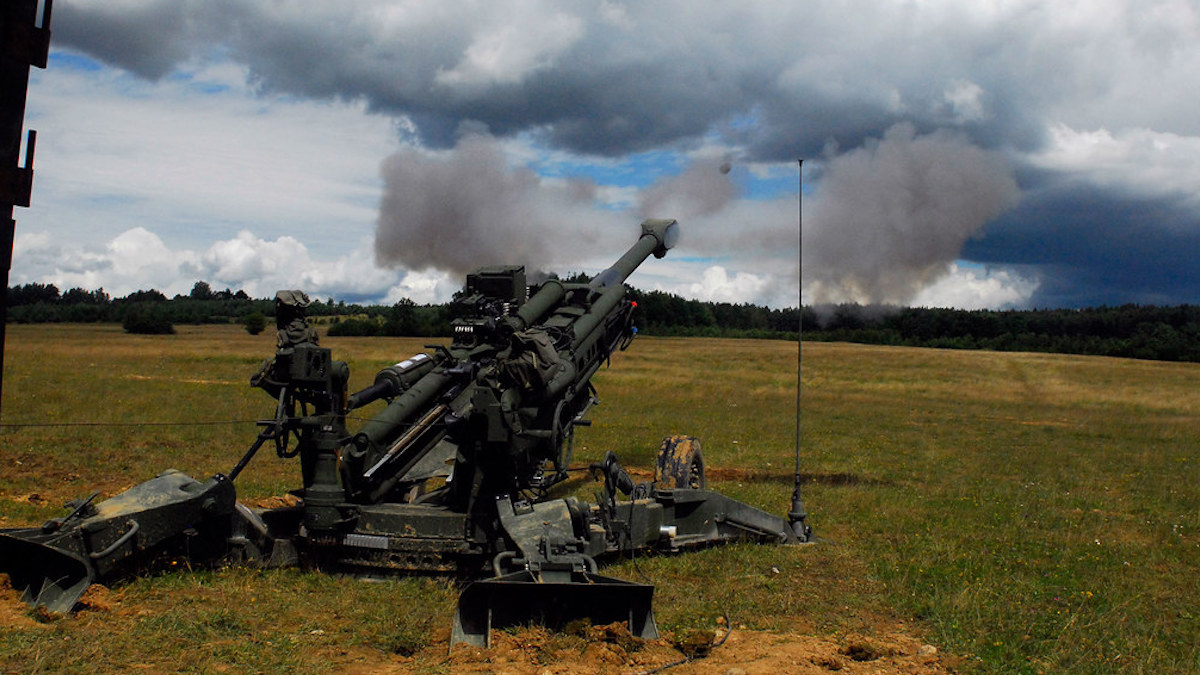
Biden has requested an obscene $886 billion for defense, but it could go higher
By William Hartung
The Pentagon has released its budget request for Fiscal Year 2024. The figure for the Pentagon alone is a hefty $842 billion. That’s $69 billion more than the $773 billion the department requested for Fiscal Year 2023.
Total spending on national defense — including work on nuclear weapons at the Department of Energy — comes in at $886 billion. Adding in likely emergency military aid packages for Ukraine later this year plus the potential tens of billions of dollars in Congressional add-ons could push total spending for national defense to as much as $950 billion or more for FY 2024. The result could be the highest military budget since World War II, far higher than at the peaks of the Korean or Vietnam Wars or the height of the Cold War.
The proposed budget is far more than is needed to provide an effective defense of the United States and its allies.
If past experience is any guide, more than half of the new Pentagon budget will go to contractors, with the biggest share going to the top five — Lockheed Martin, Boeing, Raytheon, General Dynamics, and Northrop Grumman — to build everything from howitzers and tanks to intercontinental ballistic missiles. Much of the funding for contractors will come from spending on buying, researching, and developing weapons, which accounts for $315 billion of the new budget request.

As suggested above, Congress will probably add a substantial amount to the Pentagon’s request, largely for systems and facilities located in the states and districts of key members. That’s no way to craft a budget — or defend a country. When it comes to defense, Congress should engage in careful oversight, not special interest politics.
Unfortunately, in recent years the House and Senate have accelerated the practice of jacking up the Pentagon’s budget request, adding $25 billion in FY 2022 and $45 billion in FY 2023. Given threat inflation with respect to China and the ongoing war in Ukraine, there is a danger that the $45 billion added for FY2023 could be the floor for what might be added by Congress in the course of this year’s budget debate.
Read MoreThe worst of plans
Dumping Fukushima contaminated water is a “cheap and dirty” approach that must be stopped
By Tilman Ruff
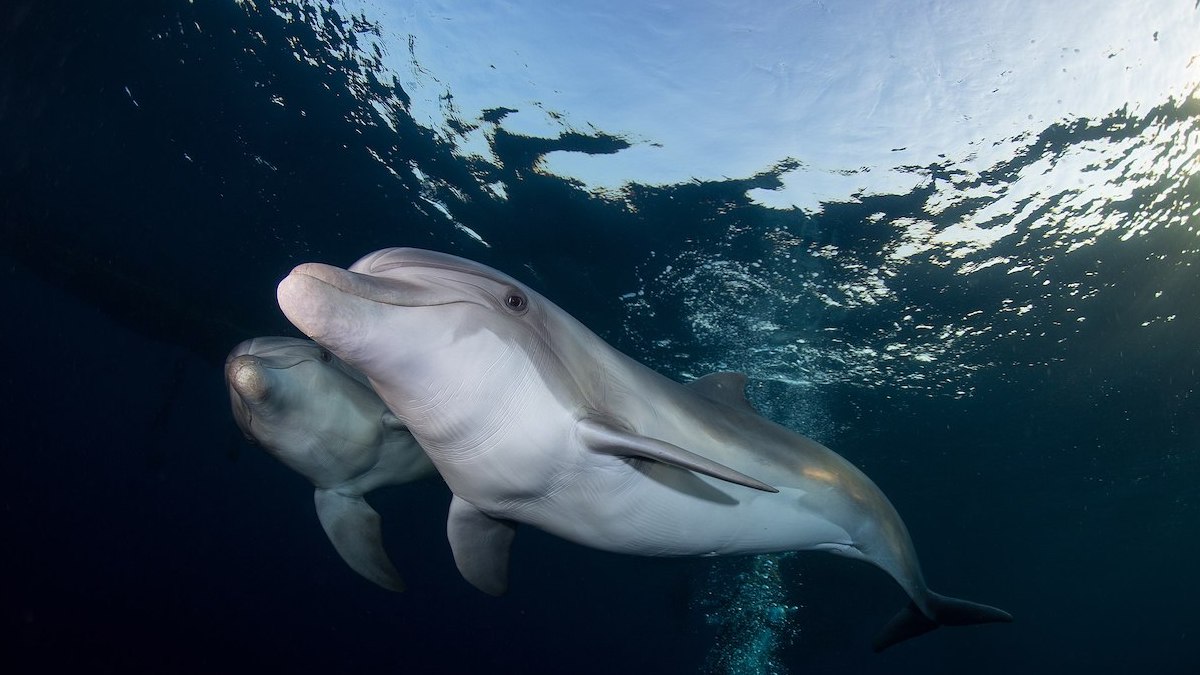
As soon as within a month or two, Japan could begin dumping into the Pacific Ocean 1.3 million tons of treated but still radioactively contaminated wastewater from the stricken Fukushima Daichi nuclear plant. Construction of the kilometer long undersea discharge tunnel and a complex of pipes feeding it commenced last August.
This cheap and dirty approach of ‘out of sight out of mind’ and ‘dilution is the solution to pollution’ belongs in a past century. It ignores the significant transboundary, transgenerational and human rights issues involved in this planned radioactive dumping, projected to continue over the next 40 years.
Concerns about Japan’s ocean dumping plans have been strongly voiced by China and South Korea, and by numerous Pacific island nations. Multiple UN Special Rapporteurs have severely criticised the plan, which has also been opposed by the United States National Association of Marine Laboratories and many regional and international health and environmental civil society organisations.

Australia bears a particular responsibility in relation to the aftermath of the ongoing Fukushima nuclear disaster, since fuel fabricated with uranium from Australia was in each of the Fukushima reactors which exploded. Yet my letters to the relevant Australian federal ministers on this matter have gone unanswered for 7 weeks, and no evidence is publicly available that the Australian government has supported our Pacific neighbours in raising concerns about the planned discharge with its Japanese counterparts.
We are in the UN Decade of Ocean Science for Sustainable Development (2021-30). As Pacific Islands Forum (PIF) Secretary-General Henry Puna reminded us in his piece in The Guardian on 4 January, in 1985, the Forum welcomed the then Japanese prime minister’s statement that “Japan had no intention of dumping radioactive waste in the Pacific Ocean in disregard of the concern expressed by the communities of the region”. The current plan is inconsistent with this commitment.
Read MorePermission to speak?

Who gets to talk about nuclear power should not be controlled by the nuclear lobby
By Linda Pentz Gunter
If you are not a fan of English soccer (football), you might not have been following the brouhaha over comments made recently by Gary Lineker, one of the UK’s most well known — and arguably well respected — former England football stars.
You might also be wondering why I am writing about it here. Hold that thought.
Lineker was responding to the Conservative UK government’s new “We must stop the boats” policy, designed to turn away so-called “illegal” asylum seekers fleeing for their lives and attempting to land on UK shores, something the government described as “a crisis” of numbers that the British people want solved.
Lineker, who has housed refugees in his home, wrote on his personal Twitter site: “There is no huge influx. We take far fewer refugees than other major European countries. This is just an immeasurably cruel policy directed at the most vulnerable people in language that is not dissimilar to that used in Germany in the 30s.”
The BBC duly suspended him from Match of the Day, one of the most popular shows on British television and which he has hosted since 1999. Athletes, they seemed to be saying, should stick to sport. Supporters of the government’s “let them sink” policy seemed to agree, loading up the vitriolic attacks on Lineker for stepping over the touch line. The same critics also used “othering” language toward asylum-seekers, calling them “these people” and “rapists and murders”, thus giving full credence to Lineker’s fears that the government rhetoric did indeed smack of the rise of Nazism. Which brings me to my point.
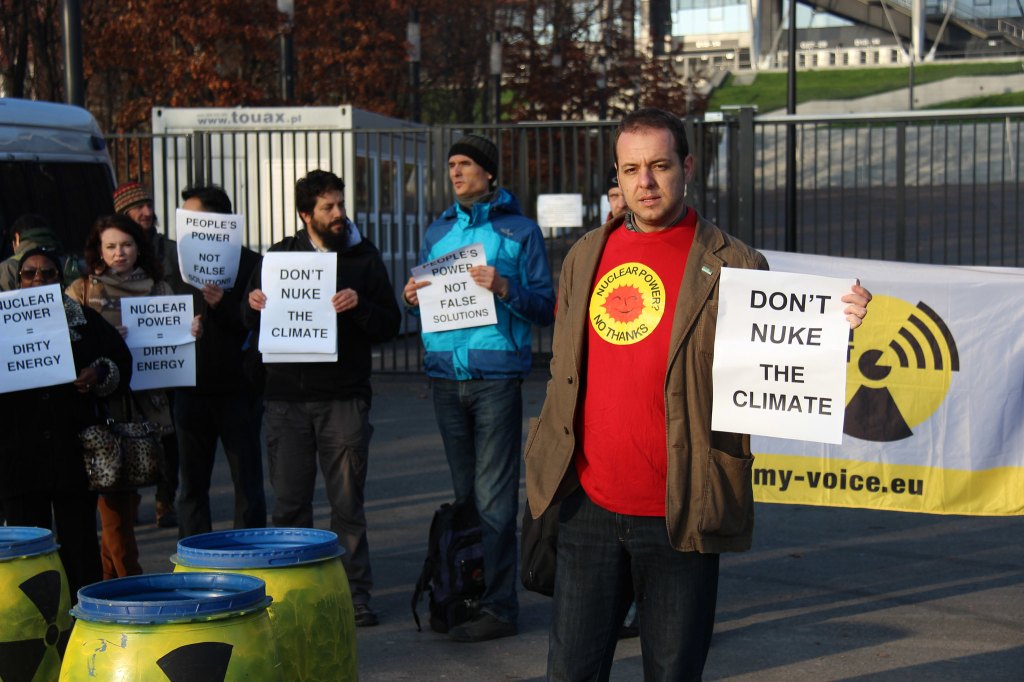
In our movement, we are routinely confronted by those who argue that if we don’t have a nuclear engineering degree, we have no scientific knowledge on which to base our opposition to nuclear power.
Read MoreWhy were studies canceled?
Federal agencies won’t look at cancer impacts of commercial nuclear facilities
By Cindy Folkers
If you thought the government of the United States, the country with the most nuclear power reactors in the world, might be interested in finding out the cancer impact of nuclear power on our children, you’d be wrong. But, our government is willing to give failed, uneconomic, decaying nuclear power reactors oodles of taxpayer money without first figuring out if and how they harm our children. Assessing potential health damage should be a prerequisite for reactor license renewal.
Citizens and lawmakers from California have been working to revivify a cancelled National Academy of Sciences (NAS) health study originally requested and funded by the U.S. Nuclear Regulatory Commission (NRC) in 2010. The study was to have been carried out in two phases. The first phase “identified scientifically sound approaches for carrying out an assessment of cancer risks” that would inform the study design(s) to be carried out in Phase 2.
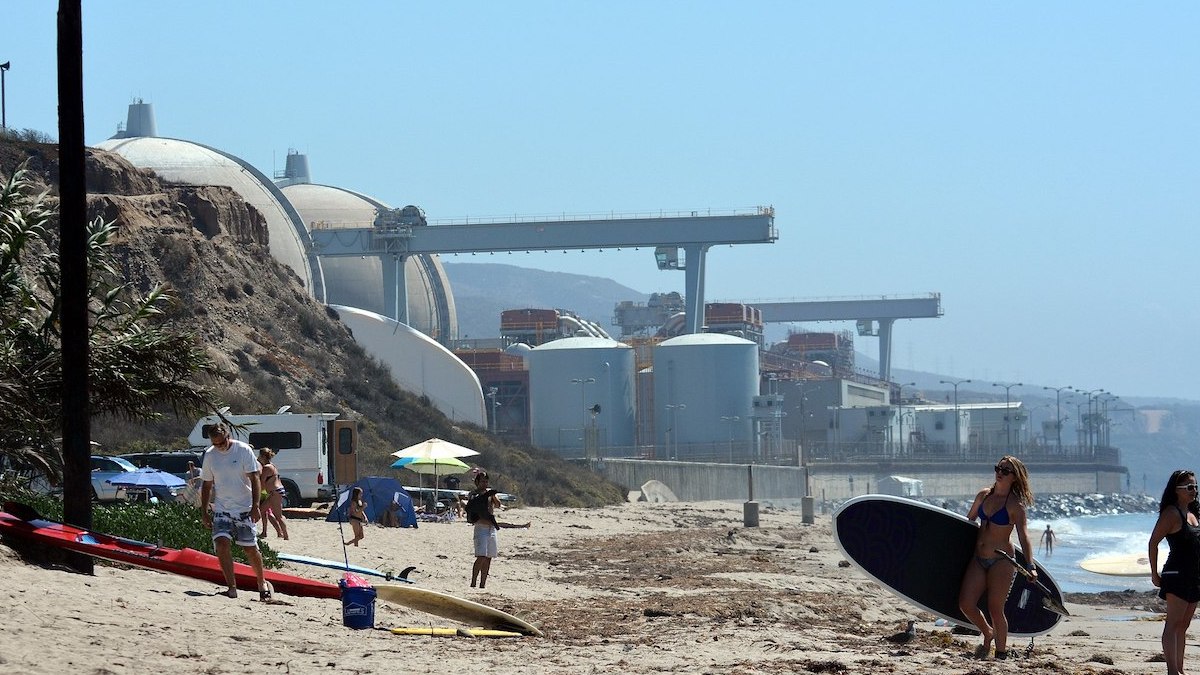
Phase 1 recommended examining seven pilot sites, six of which are operating or closed nuclear power plants: Big Rock Point (MI, closed), Dresden (IL), Haddam (CT, closed), Millstone (CT), Oyster Creek (NJ), and San Onofre (CA, closed). The seventh site, Nuclear Fuel Services (TN), is a fuel processing and stockpile conversion facility.
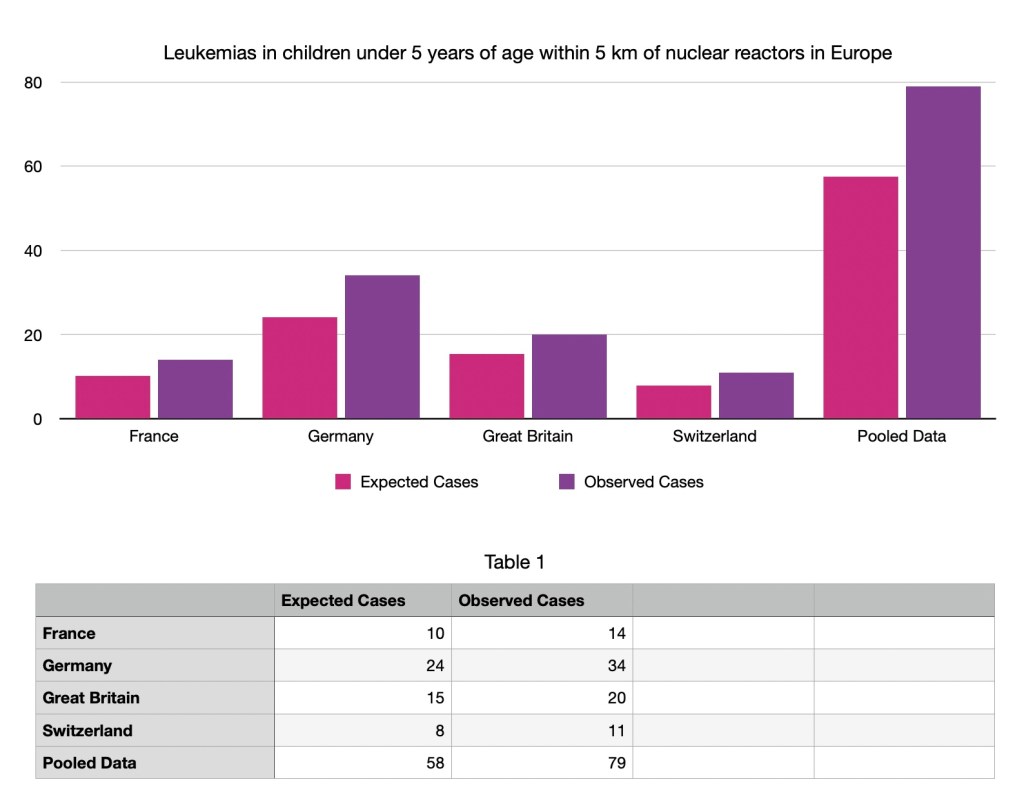
There were also two study designs recommended in the subsequent 2012 Phase 1 report: an ecologic study that would look at a variety of cancers among adults and children over the operational history of the facilities; and a record-linkage-based case-control study examining cancer risks for childhood exposures to radiation during more recent operating histories of the facilities. Because the case-control study would have focused on children, Beyond Nuclear supported this study type over the ecologic study recommendation.
The NAS was preparing to perform the pilot study at the seven sites in order to see which study type had the stronger methodology to be performed nationwide when it was scuttled by the NRC in 2015.
The NRC justified the cancelation by publicly contending that it would cost too much, take too long, and not be able to see any health impact — claims that are still disputed. The NAS health study would have cost an estimated $8 million at the time it was first proposed.
Read MoreThe voices of the victims
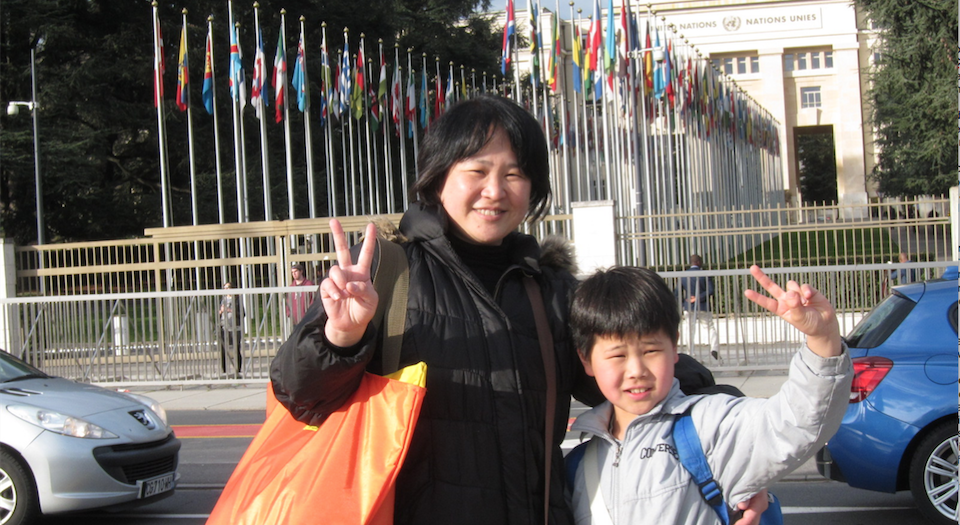
Firsthand accounts from Fukushima survivors and others afflicted by the nuclear sector
From Nos Voisins Lontains 3.11 (Our Faraway Neighbors 3.11)
Where are the voices of nuclear victims? It is becoming increasingly difficult to hear them. In denial of the harmful consequences of atomic plants, there is an attempt, for example, to downplay and minimize the damage caused by nuclear accidents and more generally the nuclear risk, limiting it merely to the number of deaths.
But there is a far wider web of suffering, especially because nuclear power accidents often do not cause instant, headline-grabbing deaths, but later ones, after a long latency period. This makes them harder to quantify and more easily dismissed.
In the context of the revival of nuclear power in France and Japan, it seems important to return to the field and listen to the voices of the victims. To that end, Nos Voisins Lontains 3.11 has created a new YouTube Channel — Voix des victimes du nucléaire (Voices of the nuclear victims).
In this series, the NGO Nos Voisins Lointains 3.11 (Our Faraway Neighbours 3.11) proposes to broadcast their voices with English subtitles. We are not presenting only the voices of the Fukushima nuclear accident victims, but also more widely the words of the victims of all nuclear uses, military or civil.
We hope that the courage and perseverance of these people will allow the warning voices of so many Cassandras to be heard far and wide, piercing the curse of the powerful nuclear industry and the political powers that support it.
The first video message is from Akiko Morimatsu. You can watch her testimony below. The transcript of her remarks follows.
Not gold mines but money pits
New reactor costs are exploding as delays stretch on indefinitely
By Linda Pentz Gunter
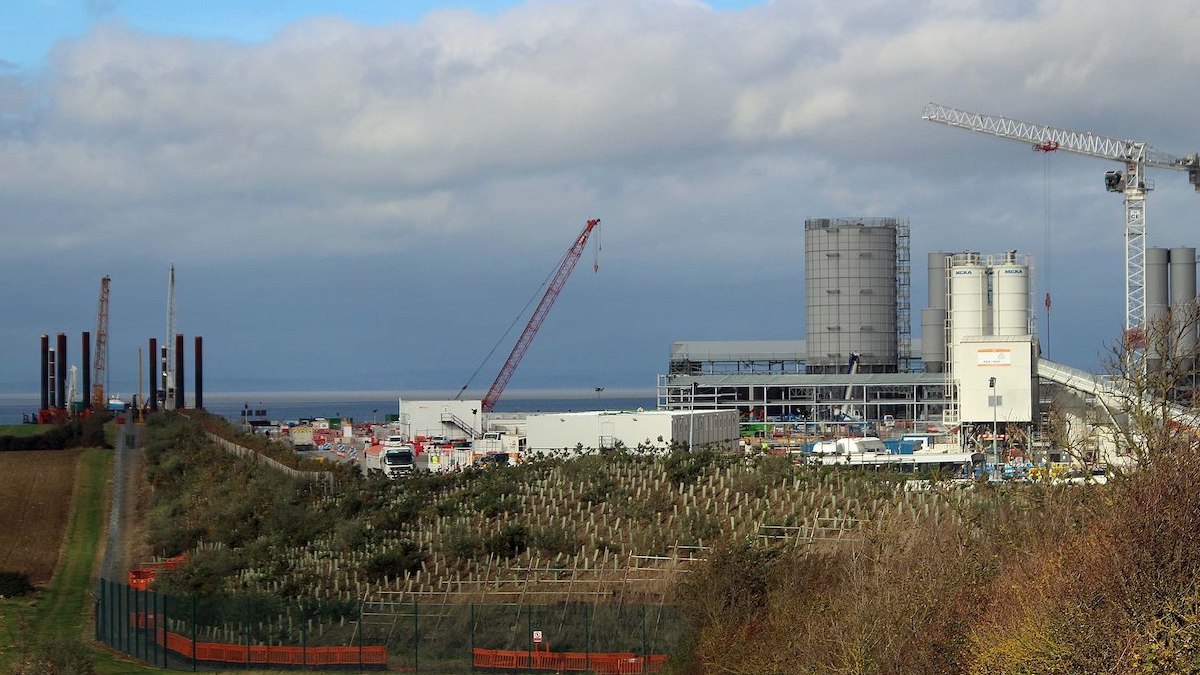
Oops sorry. That two-reactor nuclear power plant at Hinkley Point C you thought would cost $19 billion? It’s going to cost $26 billion now. Actually, make that $35 billion. Wait, sorry, no, the actual number is closer to $40 billion. When will it be ready for operation? Um, well, currently says French contractor, EDF, maybe 2027? Ish?
And those two American Westinghouse reactors in Georgia at the Plant Vogtle 3 and 4 site? $14 billion tops! That prediction came back in the good old days, ten years ago. Today, with neither reactor completed, the cost is at least $34 billion. Just last month, Southern Company said it would be adding another $200 million to the price tag and pushed the start date of the Vogtle-3 unit, the closest to completion, back to “May or June” of this year. And Unit 4? The company says late 2023. Others predict 2024. Or you could just roll some dice or stare into a crystal ball. All options are equally reliable.
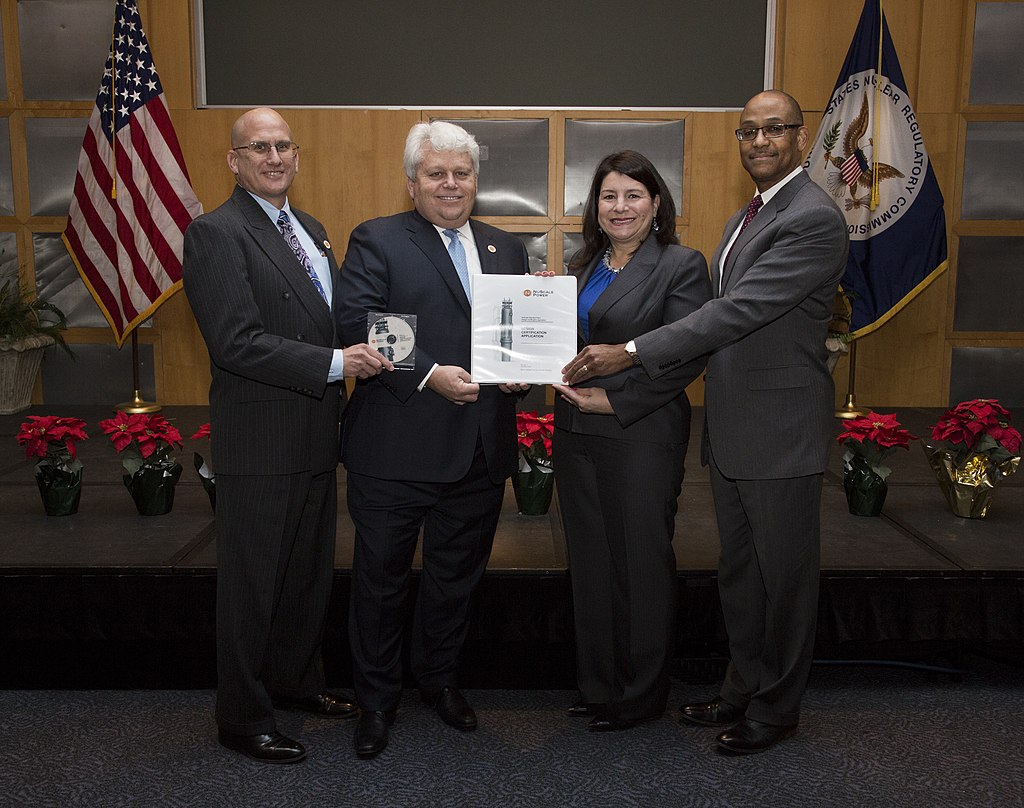
Let’s turn to Small Modular Reactors (SMR), which are supposed to solve everything. In 2008, the American company, NuScale, announced that its SMR would be delivering electricity by 2015-2016. It’s 2023 and there’s no reactor. But hey, says NuScale, we do have a design certification! For a 50 MW reactor. But they’re actually planning to build a 77 MW model. And not 12 of them anymore as originally planned. Just six, at a cost of $5.32 billion.
That price tag, in terms of the cost per installed kilowatt, “is around 80 percent higher than the corresponding figure for the Vogtle twin AP1000 project in Georgia—and this is before the Vogtle costs exploded from US$14 billion to over US$30 billion once construction started,” explains M.V. Ramana in the 2022 World Nuclear Industry Status Report (WNISR).
But even those numbers have changed since the WNISR was published back in October 2022. Since then, the cost projections for a NuScale-SMR six-pack have further skyrocketed to $9.3 billion.
Read More
