 Beyond Nuclear International
Radioactivity under the sand
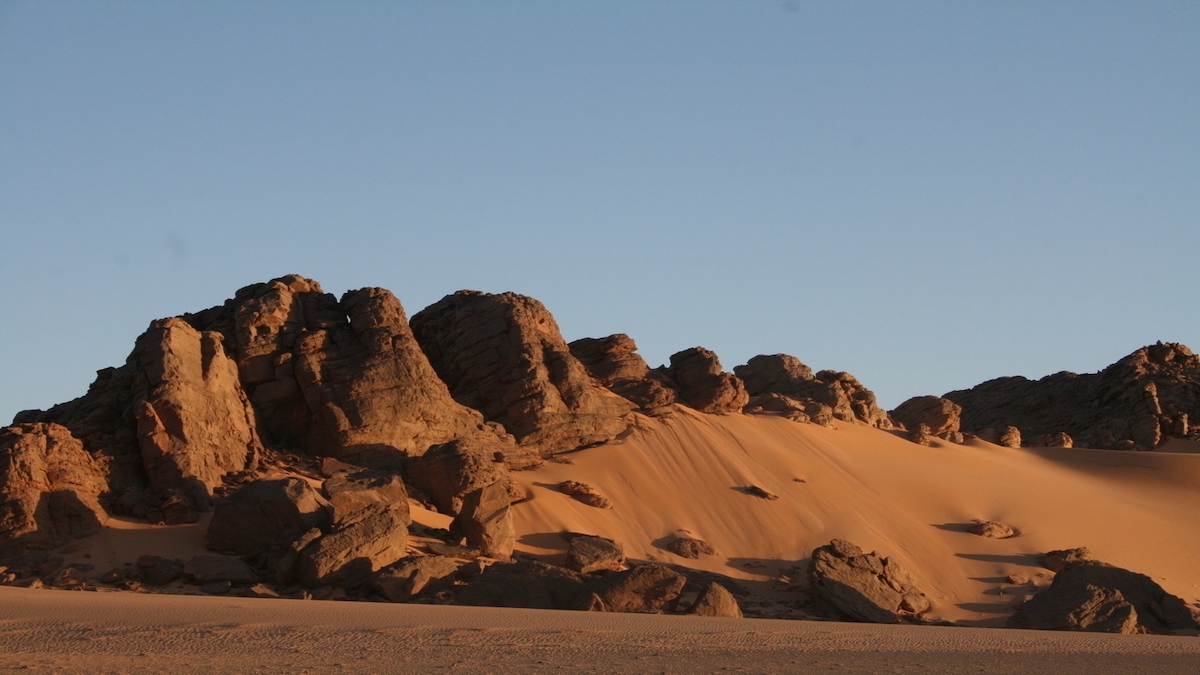
The buried waste from French nuclear tests in Algeria
By Jean-Marie Collin and Patrice Bouveret
The following is the summary from the longer report, which can be read here.
The Hoggar massif is located in the west of the Algerian Sahara. Prehistoric men have left stunning rock carvings there. The men of the 20th century left nuclear waste.
Between 1960 and 1996, France carried out 17 nuclear tests in Algeria and 193 in French Polynesia. In Algeria, atmospheric and underground tests were carried out at the Reggane and In Ekker sites, in an atmosphere of secrecy and conflict between an Algerian nation under construction and a colonial power seeking strategic autonomy. A majority of the tests – 11 – were carried out after the Evian agreements (18 March 1962), which established Algeria’s independence.
It was not until the 1990s that the first independent studies relating to some of the dark events of that period finally became available. Disclosure about accidents that happened during some of the tests, about the risk that populations and soldiers were exposed to, in Algeria and in Polynesia alike, led to the implementation of the law “on 5 January 2010, granting recognition and compensation for the victims of French nuclear testings“. But this law does not take into account any environmental consequences.
In French Polynesia, the strong mobilization of many associations has enabled the environmental consequences to be taken into account and the first remediation steps to be put in place. For Algeria, the situation is different. Due to a tumultuous Franco-Algerian relationship, the absence of archives, and the absence of registers of local workers who participated in the tests, the data on the consequences of the tests remains patchy and incomplete. It was only in 2010, thanks to independent expertise, that a map from the Ministry of Defense was revealed, showing that the European continent was also affected by fallout from the nuclear tests carried out in the south of the Sahara.
Even if today we have better knowledge of nuclear test accidents and their consequences, there is still a lack of key information as to the existence of large quantities of nuclear and non-nuclear waste to ensure the safety of populations and environmental remediation.
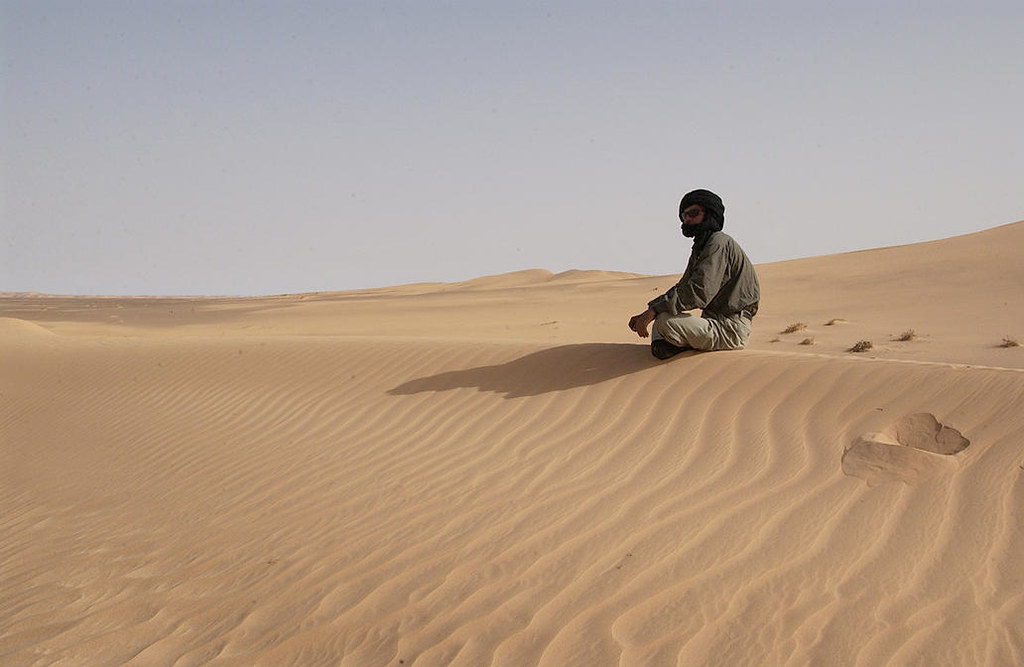
From the beginning of nuclear tests, France set up a policy of burying all waste in the sands. The desert is seen as an “ocean”, from a common screwdriver – as it is shown in the study by “Secret Defense” documents and photos – to planes and tanks: everything that may have been contaminated by radioactivity had to be buried. France has never revealed where exactly this waste was buried, or how much of it was buried. In addition to these contaminated materials, voluntarily left on site to future generations, there are two other categories: non-radioactive waste (resulting from the operation and dismantling of the sites and the presence of the Algerian army since 1966) and radioactive materials emitted by nuclear explosions (vitrified sand, radioactive slabs and rocks). Most of this waste is left in the open, without being secured in any way, and is accessible to the local population, creating a high risk for health and environmental damage.
Read MoreLucro em tempo de guerra?
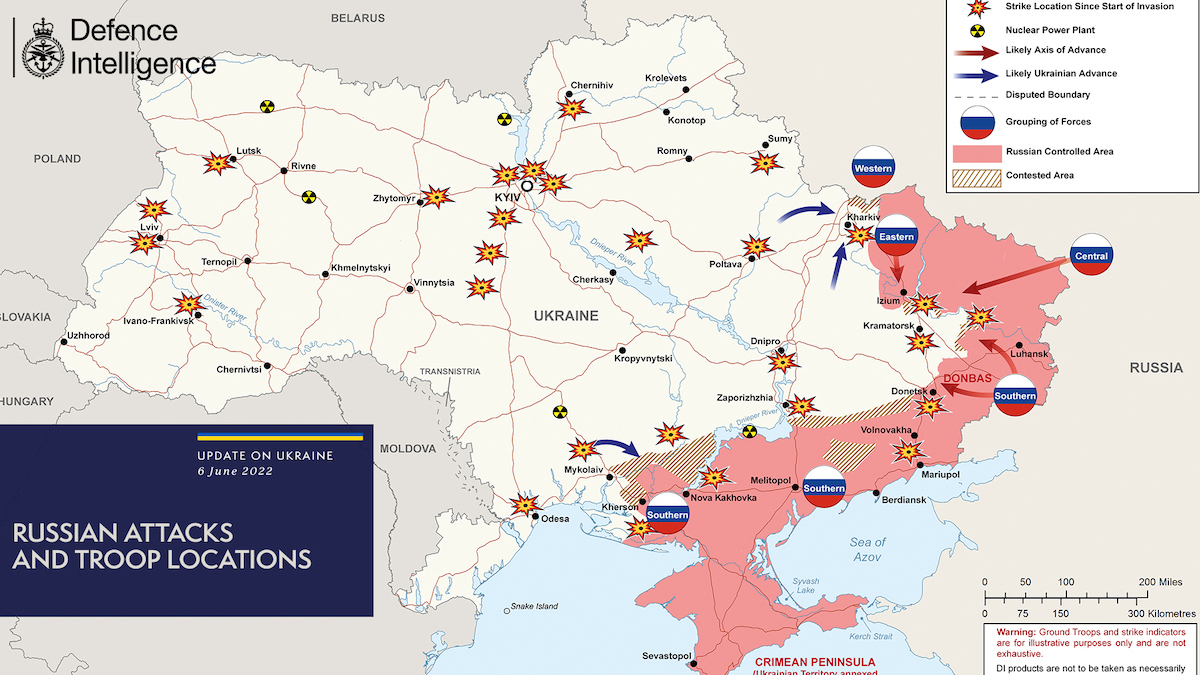
Em meio à guerra, Ucrânia está ocupada em fazer acordos de negócios com uma empresa nuclear falida dos EUA para construir mais usinas nucleares
Por Linda Pentz Gunter, Brasil 247
Você poderia pensar que, estando no meio de uma guerra, a última coisa que você contemplaria seria construir mais usinas nucleares. Mas isto não parou a Energoatom – a operadora nuclear estatal ucraniana.
No início deste mês, a Energoatom assinou um novo acordo com a Westinghouse – dentre todas as empresas, é a corporação estadunidense que foi à falência ao tentar construir quatro dos seus reatores AP1000 nos estados da Carolina do Sul e da Georgia. Os dois na Carolina do Sul foram cancelados em plena construção, enquanto os dois na Georgia estão atrasados em anos no cronograma e custaram bilhões de dólares além do seu orçamento.
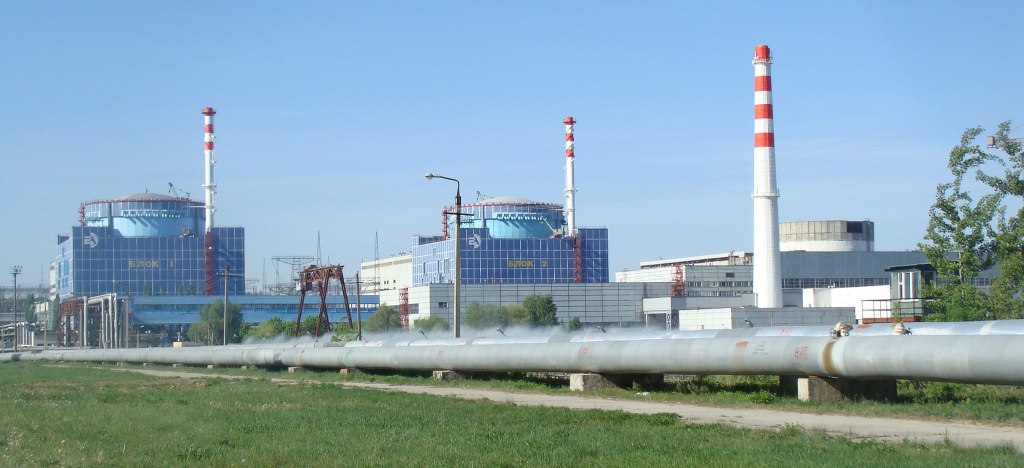
Porém, como um bom abutre corporativo, a Westinghouse mergulhou na Ucrânia para agarrar uma oportunidade de ouro. Já sendo a fornecedora de combustível nuclear para quase a metade dos reatores da Ucrânia, a empresa planeja aumentar aquele compromisso para cobrir todas as 15 usinas, substituindo a Rosatom russa; para estabelecer um Centro Técnico e de Engenharia; e, a coisa mais louca de todas, para construir nove novos reatores AP1000 lá.
Read MoreWhat happened at Santa Susana?
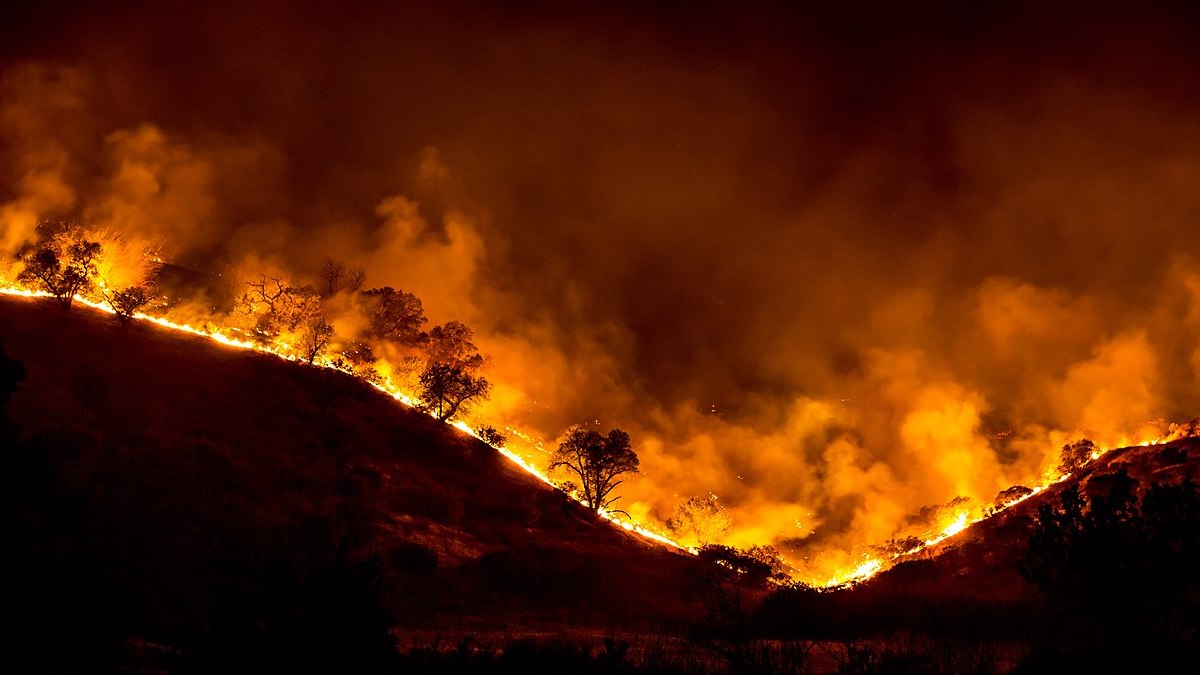
A 1959 meltdown and a 2018 fire compounded a tragedy
By Carmi Orenstein
When the United Nations Human Rights Council officially recognized access to “a safe, clean, healthy and sustainable environment” as a basic human right earlier last October, it was an acknowledgement fifty years in the making. It was backed by an international grassroots effort, with the journey to the final vote including the voices of more than 100,000 children around the world and multiple generations of allies pushing against powerful corporate opposition.
Just about the time that this half-century-long campaign to enshrine the right to a safe environment kicked off, a story about the horrific violation of this same human right and its cover-up emerged in a community near my own childhood home in Southern California. In 1979, a UCLA student named Michael Rose uncovered evidence of a partial nuclear meltdown at the Santa Susana Field Lab (SSFL) in the Simi Hills outside of Los Angeles. The SSFL, formerly known as Rocketdyne, played key government roles throughout the Cold War, developing and testing rocket engines and conducting experiments with nuclear reactors. Today, as the result of a recently published peer-reviewed study that represents the dogged efforts of both professional researchers and a team of specially trained citizens, we have solid evidence of the spread of dangerous contamination from that site.
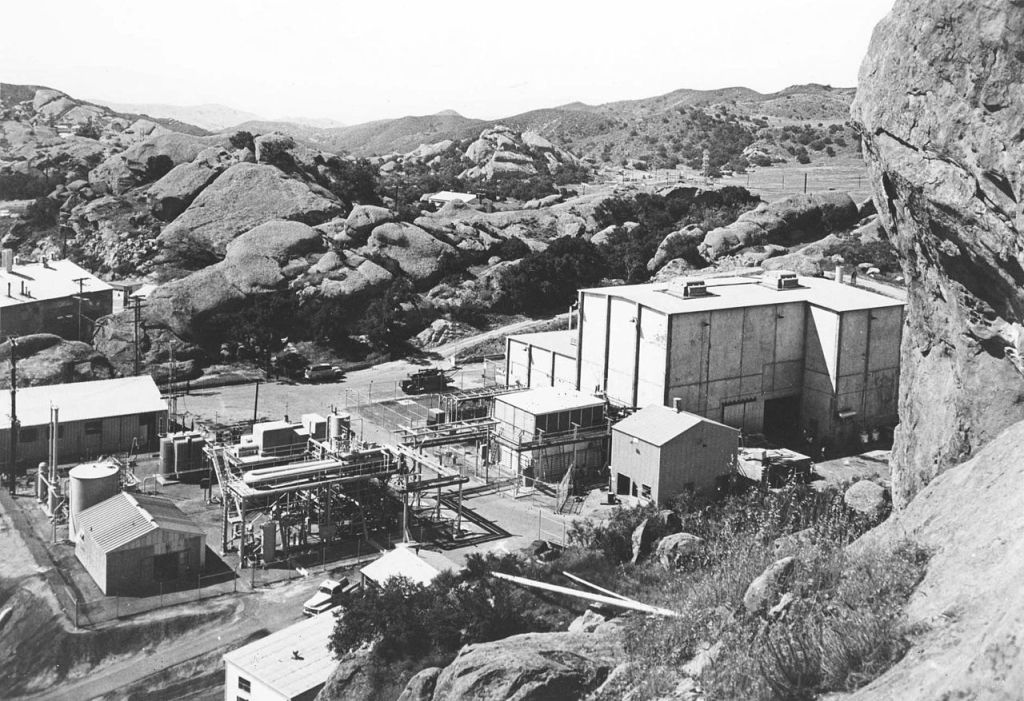
Working with nuclear safety expert and then-UCLA professor Daniel Hirsch, Rose discovered documentation that the partial nuclear meltdown had occurred at SSFL twenty years earlier in 1959, releasing up to 459 times more radiation into the environment than the infamous meltdown at the Three Mile Island nuclear reactor in Pennsylvania. Unlike the Three Mile Island facility, the SSFL reactors lacked containment structures—those tell-tale concrete domes that surround commercial nuclear power plants to prevent radiation spread in case of a nuclear accident.
In addition to the 1959 meltdown, at least three of the site’s other nuclear reactors experienced accidents (in 1957, 1964 and 1969), and radioactive and chemical wastes burned in open-air pits as a matter of practice. A “hot lab,” which may have been the nation’s largest, was also located at SSFL, and, in 1957, it burned and was known to have spread radioactivity throughout the site. A progress report from the period states, “Because such massive contamination was not anticipated, the planned logistics of cleanup were not adequate for the situation.”
Read MoreA big win for Yeelirrie
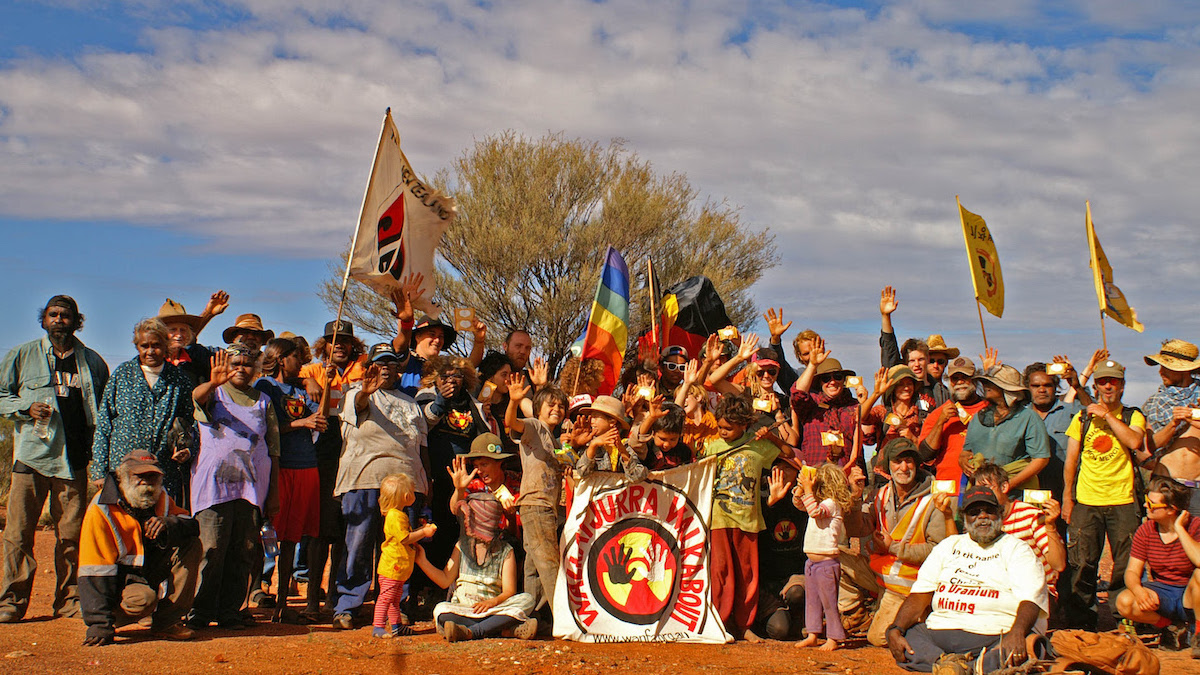
Cameco delays mean uranium mining permit not extended
By Maggie Wood, Acting Executive Director, Conservation Council of Western Australia
On April 6, we celebrated a huge step forward in our sustained campaign to keep the door closed to uranium mining in Yeelirrie.
The Minister for Environment has rejected an application by the Canadian mining company Cameco to extend their environmental approval for the Yeelirrie uranium mine.
The approval was controversially granted in 2017 in the dying days of the Barnett government and required Cameco to commence mining within five years. They have failed to do this and now they have failed in their bid to have this time extended.
This is a huge win for the local area, the communities nearby and for life itself. The special and unique lives of the smallest of creatures, endemic subterranean fauna found nowhere else on earth, would have most likely been made extinct had this project gone ahead, according to the WA EPA.
For over five decades Traditional Custodians from the Yeelirrie area have fought to protect their Country and community from uranium mining. Over this time they have stood up and overcome three major multinational mining companies – WMC, BHP and now Cameco.
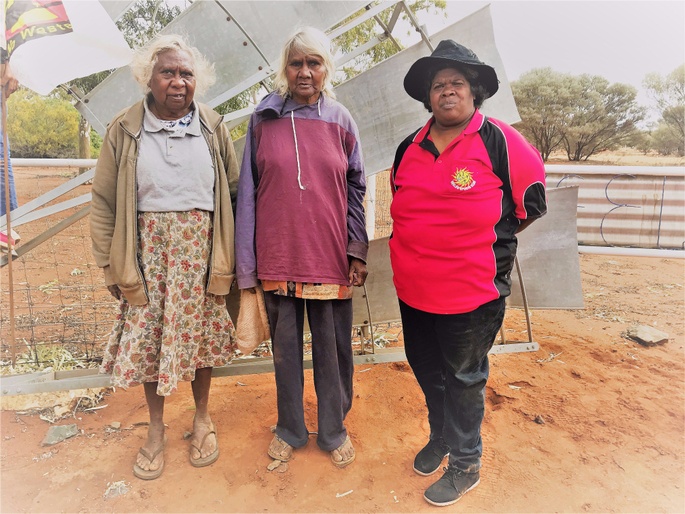
We have stood united with communities to say no to uranium mining and this consistent rejection of the nuclear industry in WA has helped secure the sensible decision to not extend the approval.
“It is possible to stand up to multinational companies and stop major mining projects from destroying sacred lands and environments – we do that from a base of strength in unity and purpose, from persistent and consistent actions and most of all perseverance against all odds to stand up for what is right …” – Kado Muir, Tjiwarl Traditional Custodian.
Read MoreExtreme torture
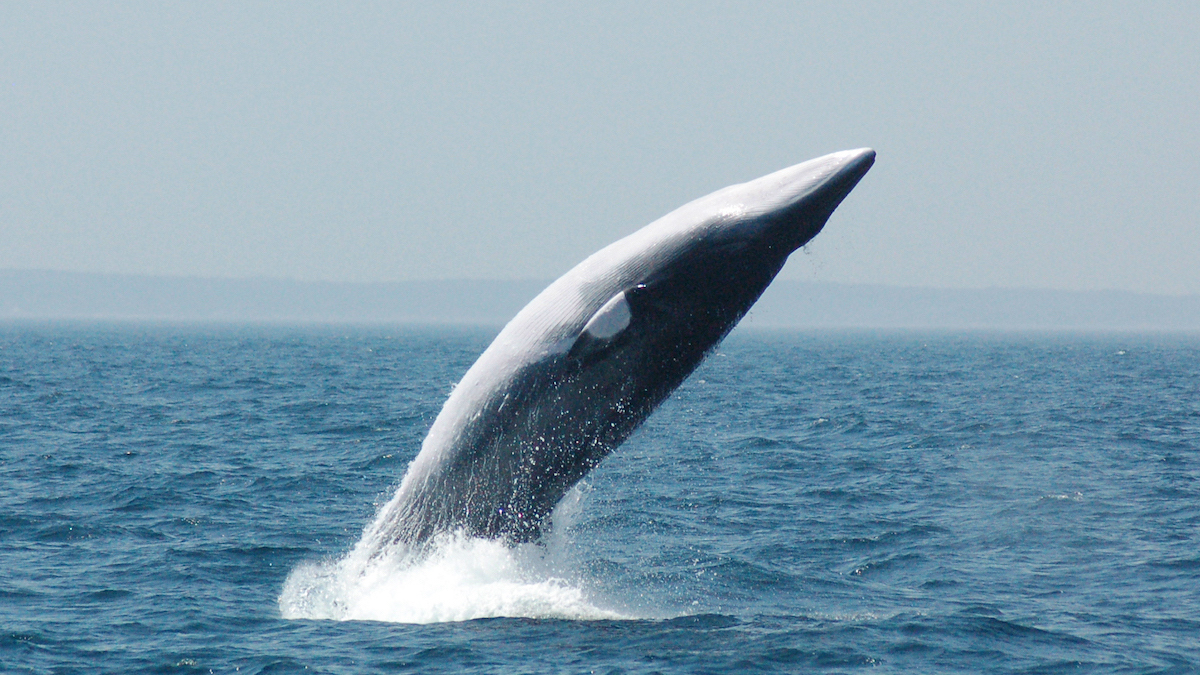
Irish Sea to be site of seismic blasting at cost of sea life
By Linda Pentz Gunter
Imagine being subjected to ear-shattering blasts every ten seconds, twenty four hours a day for four straight weeks? By any metric, that would qualify as the most appalling form of torture.
But that is exactly what is about to be inflicted on whales, dolphins, seals and other marine creatures in the Irish Sea if a new wave of opposition cannot stop it.
The Irish Sea is already the most radioactive sea in the world, in large part a result of decades of radioactive discharges from the Sellafield reprocessing facility on the Cumbrian shoreline.
Now, Nuclear Waste Services (NWS) has contracted a company called Shearwater Geosciences to blast its undersea seismic airguns off the Cumbria coast this summer, calling it “scientific research”.
NWS, a division of the Nuclear Decommissioning Authority, is tasked with finding a Geological Disposal Facility (GDF) to accommodate the millions of tons of radioactive waste left over from Britain’s commercial nuclear power program.
Estimates put the cost of the project — paid by taxpayers of course — at between 20 billion to 53 billion pounds.
NWS has been exploring sites exclusively in Cumbria, either close to the coast or extending up to the 22km outer limit of UK territorial waters. The seismic blasting is designed to test the geology beneath the seabed for suitability for an undersea nuclear waste dump.
Read MoreProfit in a time of war?
Westinghouse lands in Ukraine to ink new nuclear deal
By Linda Pentz Gunter
You might think that being in the middle of a war, the last thing you would be contemplating is building more nuclear power plants. But that hasn’t stopped Energoatom, the Ukrainian state nuclear operator.
Earlier this month, Energoatom inked a new agreement with Westinghouse of all companies, the American corporation that went bankrupt trying to build four of its AP1000 reactors in South Carolina and Georgia. The two in South Carolina were canceled mid-construction, while the pair in Georgia are years behind schedule and billions of dollars over-budget.
But like a good corporate vulture, Westinghouse has swooped into Ukraine, to grab a golden opportunity. Already the supplier of nuclear fuel to almost half of Ukraine’s reactors, the company now plans to increase that commitment to all 15, replacing Russia’s Rosatom; to establish a Westinghouse Engineering and Technical Center; and, craziest of all, build nine new AP1000 reactors there.
Westinghouse already has the contract to build more reactors at the 2-reactor Khmelnytsky nuclear power plant, which remain partially complete. Under the deal, Westinghouse will work first on Khmelnitsky 3, which is 75% complete, before taking on the 25% complete unit 4. Talks this month also evaluated Westinghouse building two more reactors at the site.
Fifteen operational reactors in a war zone — seven of them are apparently still running in Ukraine — is already risk enough. If even one of those reactors were fully breached, or its fuel pool caught fire or suffered an explosion — whether from an attack, accident, or meltdown due to gird failure — the amount of radioactivity released would dwarf the 1986 Chornobyl disaster.
Read More
