 Beyond Nuclear International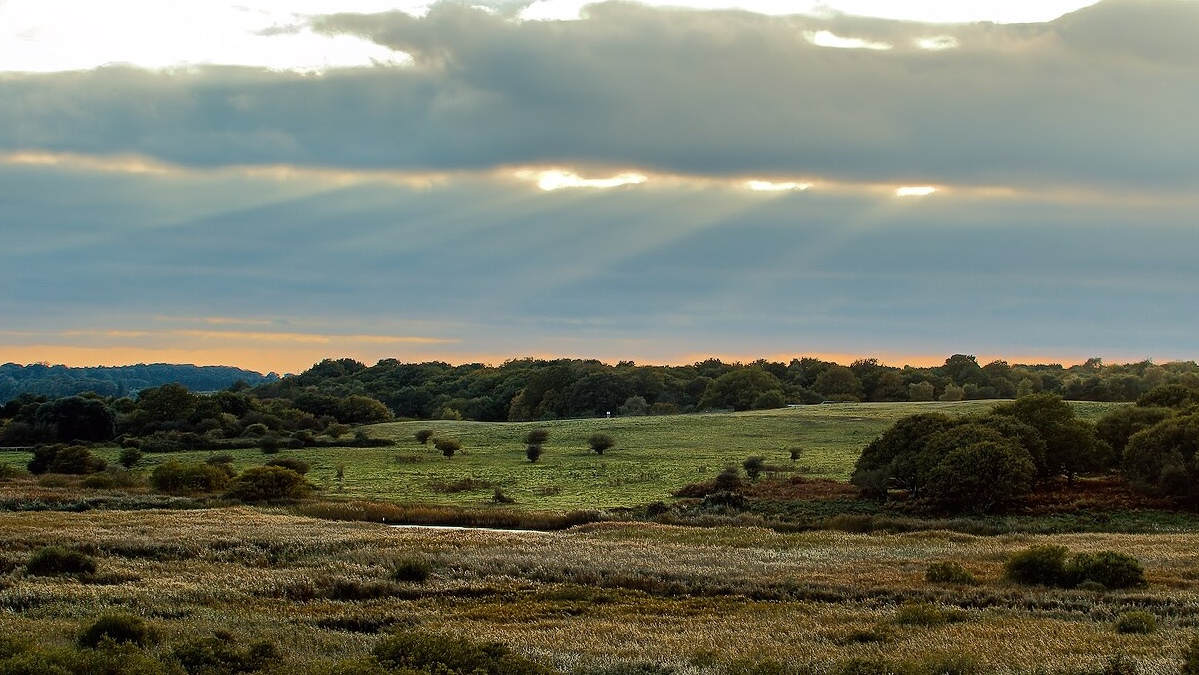
UK Nuclear regulations will destroy havens for wildlife. This needs to be stopped, argues The Wildlife Trusts
The following is a position statement put out by The Wildlife Trusts in Britain, after the UK government published its response to the Nuclear Regulatory Review 2025. (Note: Ed Miliband is no longer the the Secretary of State for Energy Security and Net Zero since the departure of Prime Minister Keir Starmer.) After a massive public outcry, the most environmentally damaging proposals have been watered down. However, the Labour government has committed to new guidance about how to apply nature rules. This tinkering with protections could still lead to damage to nature-rich spaces. Writes the The Wildlife Trusts, “Resistance to this dismissive approach to nature is growing and we’ll keep sticking up for nature.” Their statement:
Recommendations in the Nuclear Regulatory Review put nature at risk
Wildlife and natural places need more protection, not less. But the UK Government is thinking about making it even easier and cheaper for developers to destroy our last few natural spaces.
A report called the Nuclear Regulatory Review is suggesting that protections for nature should be weakened. It says these protections result in unnecessary costs for developers. This is not true. We can’t afford to destroy the few havens we have for wildlife.
This isn’t policy yet – there’s still time to stop this from happening. That’s why we encouraged our supporters to take our simple action to send an email to Ed Miliband, the Secretary of State for Energy Security and Net Zero, and help us to stop this in its tracks.
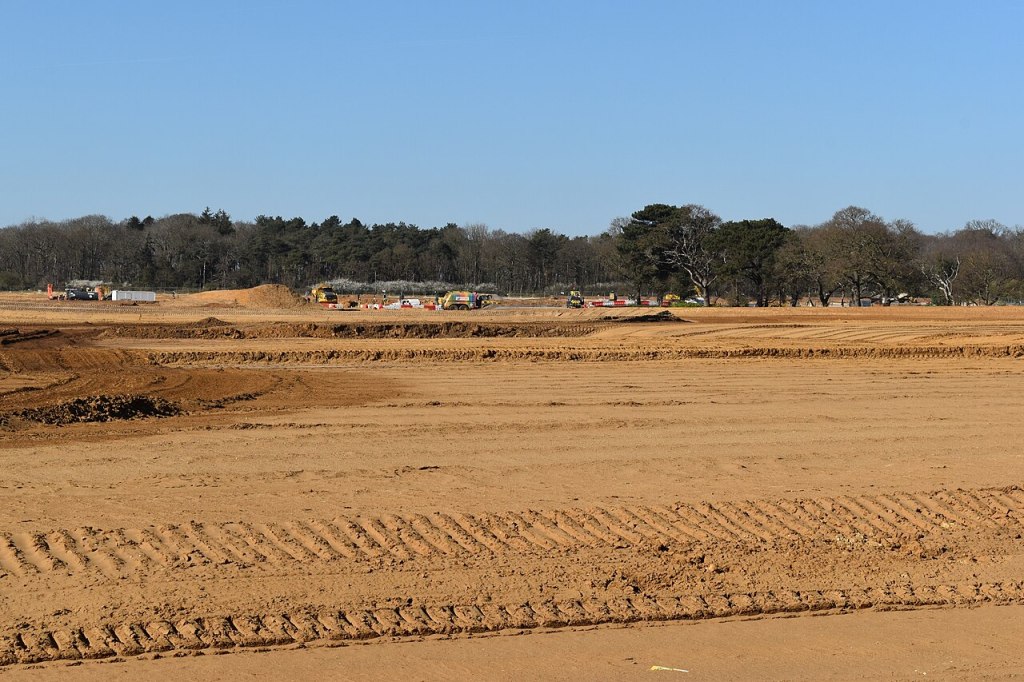
The Nuclear Regulatory Review proposes weakening the Habitat Regulations
The Review proposes amending the Habitats Regulations so that developers don’t have to worry about avoiding harm to nature sites when they build nuclear plants. It also proposes removing a duty on public bodies to further the conservation and public access purpose of National Parks and National Landscapes.
Nature cannot afford this. Evidence continues to show that nature is in decline, and damage to nature is also damage to climate.
The Prime Minister previously suggested he wants the proposals to apply beyond the nuclear sector
In a speech on 1st December, the [then] Prime Minister said he agreed with all recommendations in the Nuclear Regulatory Review and also asked the Business Secretary to apply them to sectors beyond nuclear in the upcoming Industrial Strategy. This means the harmful recommendations could be extended beyond potential new nuclear energy sites.
If Department for Energy Security and Net Zero (DESNZ) gives the green light for the harmful Nuclear Regulatory Review recommendations, it makes a second damaging Planning Bill inevitable. This will slam the door on nature’s recovery and make net zero even harder to achieve.
If those proposals go ahead, people will suffer as well as wildlife
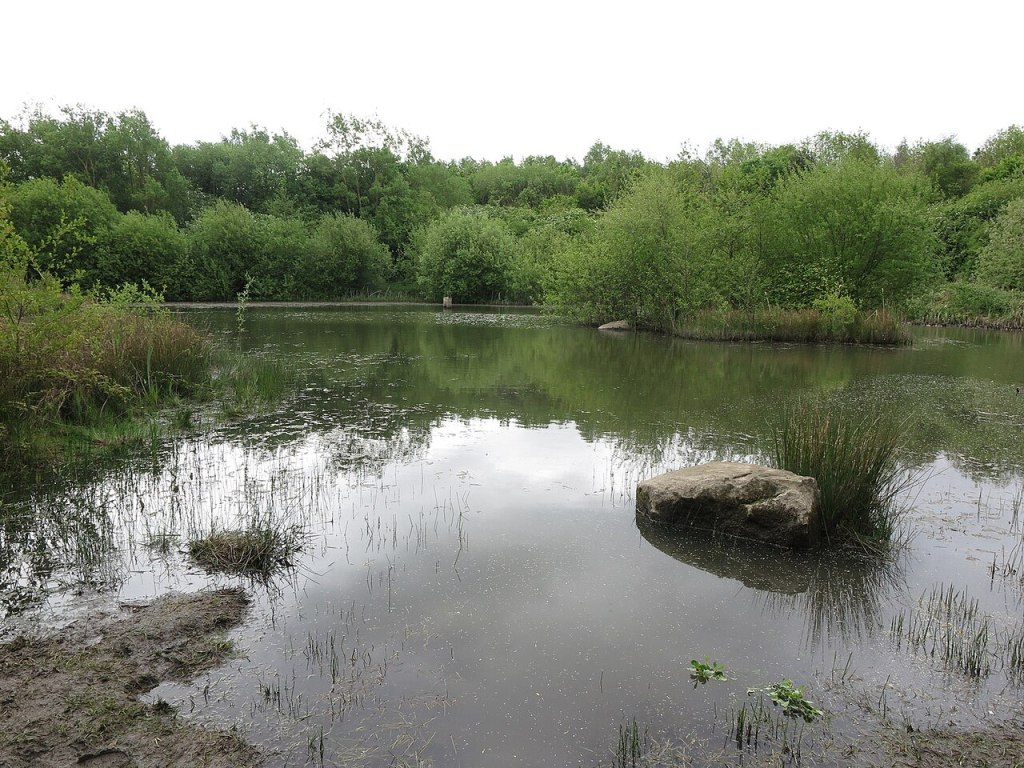
The recommendations in the Review will make natural spaces less safe from development and more vulnerable to damage and loss. These spaces might be close to where you live, or special landscapes that you visit and care about. The UK has already lost more biodiversity than any other country over the last few decades.
The risks of environmental damage through these recommendations will also have knock-on impacts for economic stability, which affects everyone through the cost of living.
Allowing the natural world to be neglected in this way will only benefit a handful of developers who can cut costs by bending the rules in future.
In the last year, the UK Government has targeted nature and wildlife, calling spiders and bats and newts ‘blockers’ and deliberately getting rid of legal safeguards and policies that are supposed to help nature recover. This goes against all evidence, and the public’s views that nature is necessary to everyone. Evidence shows a healthy environment underpins our economy and our wellbeing, and that building with nature in mind helps to ensure development is high quality and sustainable.
The original published statement can be read here on The Wildlife Trusts website.
Headline photo: RSPB Minsmere by Airwolfhound/Wikimedia Commons.
The opinions expressed in articles by outside contributors and published on the Beyond Nuclear International website, are their own, and do not necessarily reflect the views or positions of Beyond Nuclear. However, we try to offer a broad variety of viewpoints and perspectives as part of our mission “to educate and activate the public about the connections between nuclear power and nuclear weapons and the need to abandon both to safeguard our future”.


Pingback: Nature at risk « nuclear-news