 Beyond Nuclear International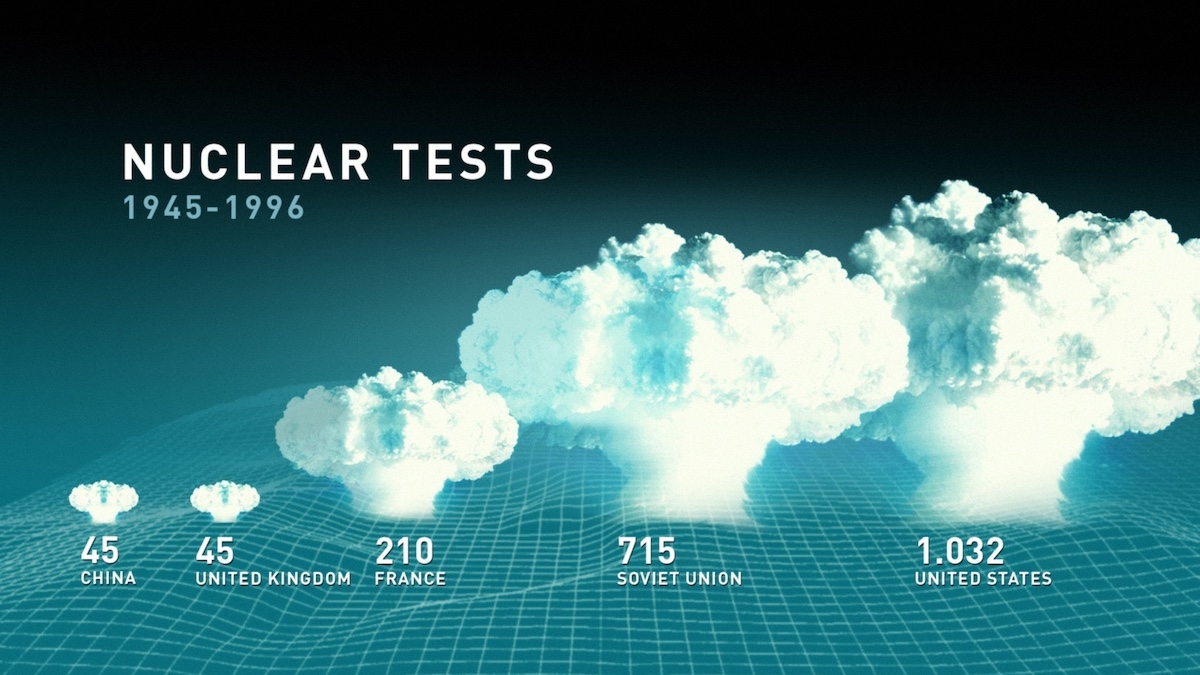
The International Day Against Nuclear tests should never be treated as merely symbolic but as a moment to pause before a human memory that remains painfully alive, writes Dr. Ghassan Shahrour
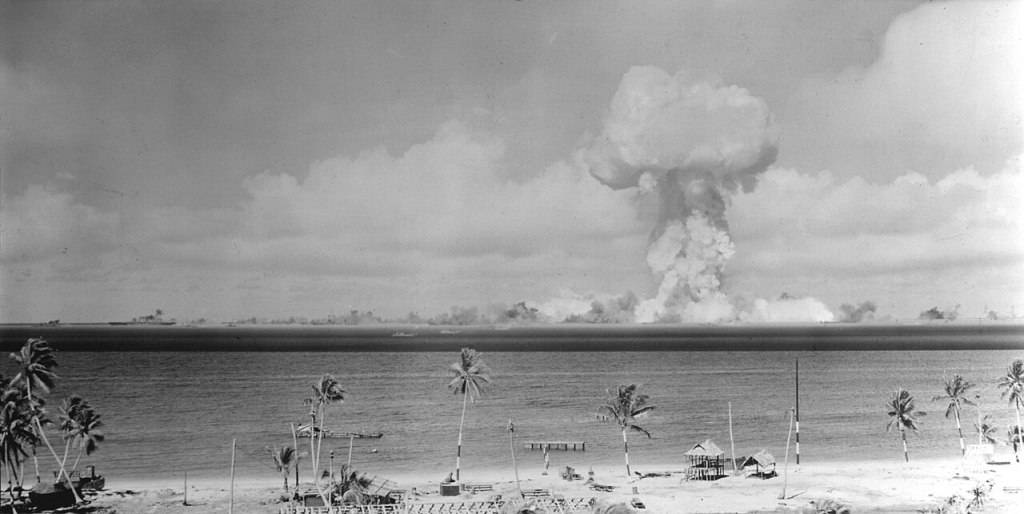
Every year on 29 August, the world marks the International Day Against Nuclear Tests. It should never be treated as merely a symbolic entry on the global calendar. It is a moment to pause before a human memory that remains painfully alive. Since the first nuclear explosion in 1945, more than two thousand nuclear tests have been conducted across different regions of the world. Behind these numbers and locations are human stories: people exposed to radiation, families who lost loved ones, and communities forced to live with health and environmental consequences that have stretched across generations.
From the plains of Kazakhstan to the islands of the Pacific, and from former Soviet test sites to American testing grounds, nuclear tests were never merely technical experiments. They left deep marks on human lives and ecosystems. The last confirmed nuclear explosive test was conducted by North Korea in 2017, a reminder that the prohibition against nuclear testing cannot be treated as a settled achievement.
From Memory of Harm to a Culture of Responsibility
Remembering the victims of nuclear tests is not a return to the past for its own sake. Memory, when joined with responsibility, becomes a force for preventing the repetition of harm. Years of discussions and seminars on nuclear disarmament and human security have shown that the challenge is not only to keep the danger of nuclear weapons visible, but also to ensure that the voices of those harmed do not disappear behind technical and strategic language. Behind every test site there is a human life. Behind every number there is a family, a community, and a memory.
This is why a human-centered culture of disarmament is needed. Such a culture does not view weapons solely through their technical capabilities, nor does it measure security by the size of arsenals or the strength of deterrence. It asks a more fundamental question: What happens to human beings when military power becomes a permanent source of danger?
Nuclear weapons may be described in terms of strategy, deterrence, and balance, but nuclear tests reveal another side of the story: bodies exposed to radiation, environments damaged, and communities forced to live with consequences they never chose. When we restore this memory, disarmament becomes a human issue before it becomes a technical one.
From General Calls to Specific Responsibility
The Comprehensive Nuclear-Test-Ban Treaty CTBT has not yet entered into force, decades after its adoption. Its incomplete entry into force is a reminder that the global norm against nuclear testing is still unfinished. In a world where strategic competition is intensifying and nuclear arsenals are being modernized, calls for the treaty to enter into force cannot remain general. They must become more focused political and civic efforts.
This is where responsibility for the remaining Annex 2 states whose ratification is still required becomes central. The international community, civil society, parliaments, media, and scientific and medical institutions should intensify their calls for these states to take the necessary steps. The goal is not condemnation, but clear and sustained encouragement to fulfill their responsibility toward a global system that prevents the return of nuclear testing.
The CTBT is not merely a technical treaty. Its verification system is essential, but its significance is broader: it is a central pillar of the international effort to prevent nuclear testing and advance nuclear disarmament. Its entry into force would strengthen a vital international norm and reinforce confidence that nuclear testing must not return.
Every year that passes without the treaty entering into force is a missed opportunity to strengthen a norm that protects people, the environment, and future generations.
Civil Society: Turning Memory into Action
This is where civil society plays a decisive role. Survivors, affected communities, humanitarian and medical organizations, and peace advocates do not offer mere testimonies about the past. They carry human knowledge that must inform decision-making. When the story of a person who lived through radiation exposure becomes a heard testimony, and when the memory of an affected community becomes part of public debate, the nature of the issue changes. Nuclear tests are no longer numbers in reports or points on maps. They become human lives with names, memories, and rights.
This is the power of humanization in disarmament: restoring the human face to issues that technical language can obscure. Policy does not change through statements alone. It changes when human harm becomes visible, understandable, and impossible to ignore.
From 29 August: From Memory to Action
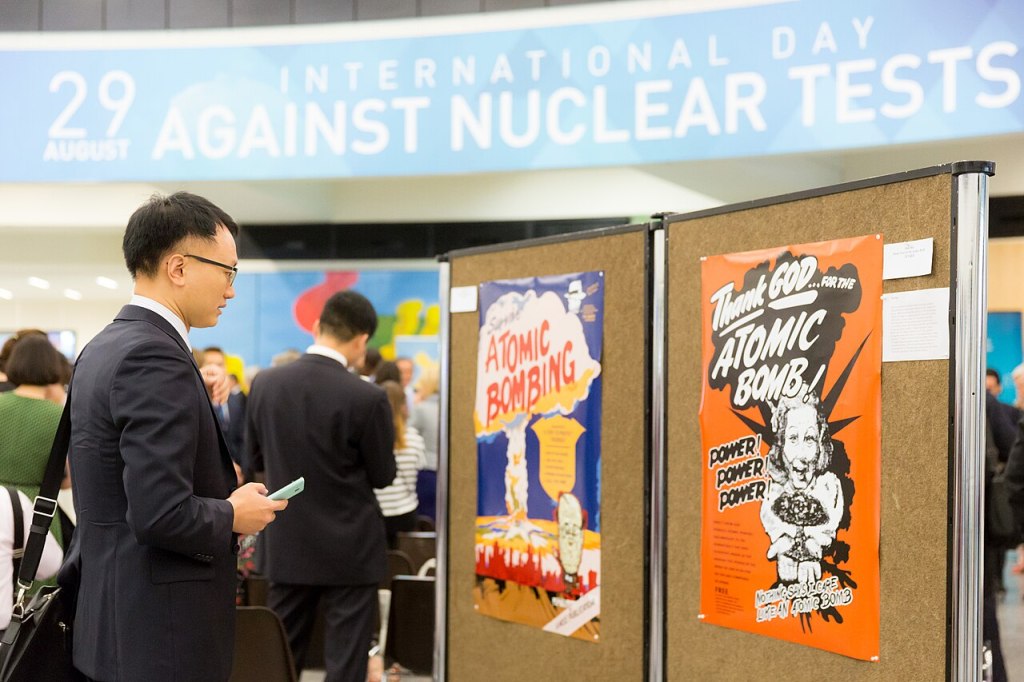
The International Day Against Nuclear Tests must be more than a day of remembrance. It should become a yearly point of mobilization for action: raising awareness, supporting survivors, strengthening education, and increasing civic and diplomatic pressure for the completion of the treaty ratification requirements. Media should bring the issue back into public debate. Education should help new generations understand the link between past tests and future risks. Civil society should keep the voices of affected communities at the heart of the campaign and sustain focused pressure on governments whose decisions are necessary for the treaty to enter into force.
Memory alone is not enough. What protects the future is the action that grows from memory. Preventing nuclear tests is not only a matter of treaty law. It is an expression of a culture that says human life is not a field for experimentation, the environment is not a space for sacrifice, and the security of future generations cannot rest on risks they may be forced to pay for.
On 29 August, we do not only remember what happened. We remember the human beings who paid the price. We turn memory into responsibility, responsibility into action, and action into a norm that protects the future. A culture of disarmament begins when human life becomes the starting point.
Dr. Ghassan Shahrour, coordinator of Arab Human Security Network, is a medical doctor, prolific writer, and human rights advocate specializing in health, disability, disarmament, and human security. He has contributed to global campaigns for peace, disarmament, and the rights of persons with disabilities. This article first appeared on the Arab Human Security Network website and in multiple other outlets.
Headline photo: Atomic testing tally, The Official CTBTO Photostream/Wikimedia Commons.
The opinions expressed in articles by outside contributors and published on the Beyond Nuclear International website, are their own, and do not necessarily reflect the views or positions of Beyond Nuclear. However, we try to offer a broad variety of viewpoints and perspectives as part of our mission to educate and activate the public about the connections between nuclear power and nuclear weapons and the need to abandon both to safeguard our future.


Pingback: From memory of harm to culture of responsibility « nuclear-news