 Beyond Nuclear International
Space “superiority” should alarm us all
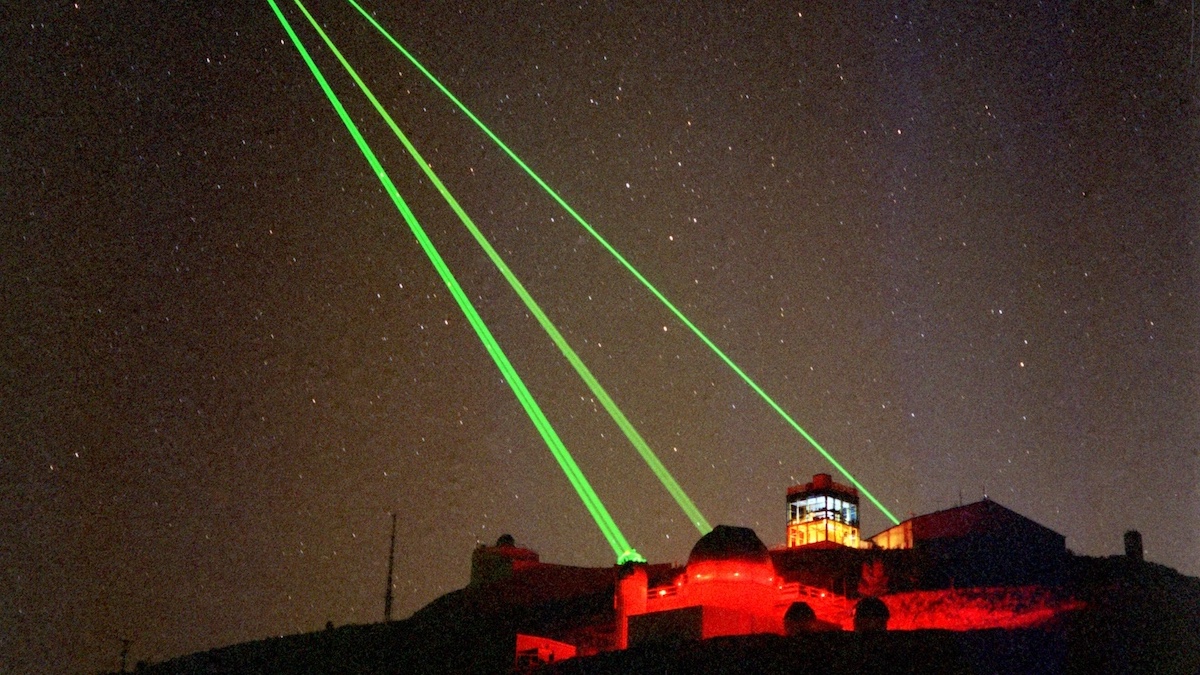
In a domain long guided by restraint, Trump’s space rhetoric is ominous, writes Dr. Ghassan Shahrour
On December 18, 2025, the White House issued an executive order titled “Ensuring American Space Superiority.” Framed as a strategy for exploration, innovation, and national security, it mandates a rapid expansion of U.S. military, commercial, and technological capabilities in outer space. But the very notion of “superiority” should alarm the international community. In a domain long guided by restraint and shared stewardship, this language signals a shift from cooperative security to strategic competition—with profound consequences for global human security.
Space is not an abstract arena for power projection. Satellites sustain modern life: communications, navigation, climate monitoring, disaster response, food security, humanitarian operations, and scientific research all depend on stable space systems. Once these systems are woven into military planning, they become entangled in rivalry. In any crisis, they risk becoming targets, collateral damage, or triggers for escalation. The fallout would not be limited to states in conflict; it would reach civilians everywhere.
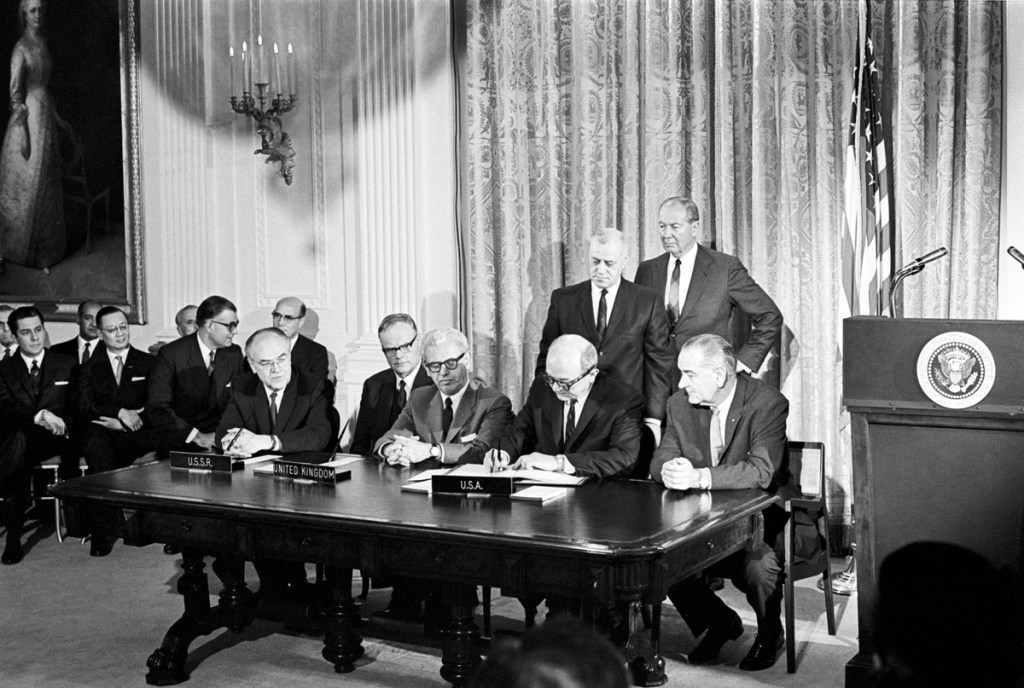
International space law was built precisely to prevent such dangers. The 1967 Outer Space Treaty established space as a global commons, banned nuclear weapons in orbit, and rejected national appropriation of celestial bodies. Its logic is preventive: security in space is preserved through restraint, transparency, and collective responsibility before competition hardens into confrontation. While the new order may not violate the letter of existing treaties, it departs from their spirit by normalizing military preparedness and competitive dominance as the organizing principles of space governance. History is clear: when one state elevates superiority as a strategic goal, others follow—fueling arms racing, mistrust, and shrinking margins for error.
Read MoreThe priciest electricity in the world

New York governor Kathy Hochul is betting on nuclear power but her numbers simply don’t add up, writes the The Nuclear Skeptic
New York Governor Kathy Hochul’s desire to build 5GW of new nuclear power in order to keep New York’s electric bills affordable and meet future energy demand has one pesky problem: the numbers simply don’t add up. That’s the overarching conclusion of a new report authored by the University of Pennsylvania’s Dr. Joseph Romm, which was presented in New York last week.
Echoing the Trump administration’s desire to revive the nuclear energy industry from its global downturn over the past few decades, Governor Hochul and President Trump appear to be in lock-step in their shared desire to build new nuclear reactors, despite the economic reality that cheaper and faster power alternatives exist and are already being utilized across the globe to meet growing electricity needs.
There are a myriad of possible reasons why both politicians believe new nuclear generation is a viable option moving forward, but it’s clear neither are paying attention to what just happened in Georgia – when two incumbent Republican Public Service Commission (PSC) members were removed from office by voters following massive increases in consumer electric bills. To be fair, neither Hochul nor Trump will be around to face the music if their plans are realized and New York starts the decades-long process to build 5GW worth of the world’s most expensive source of energy.

Keeping the lights on and affordable should be a top priority for any politician in the current economic landscape but there is a clear disconnect between major decisions about our future energy grid being made today and the future ramifications of those decisions both economically and electorally.
Read MoreNon-proliferation without disarmament doesn’t work
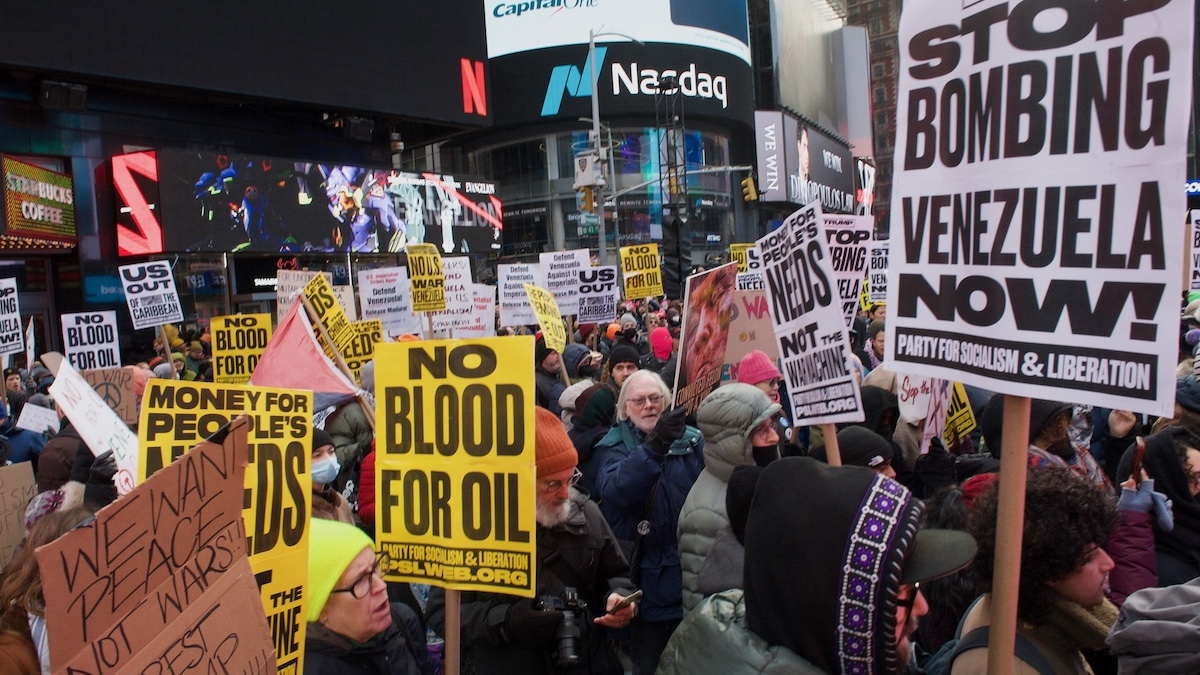
As Trump’s menacing of Venezuela shows, the premier non-proliferation treaty has eroded and risks becoming irrelevant, write Ivana Nikolić Hughes and Peter Kuznick
Note: This article first appeared on Responsible Statecraft on January 20, 2026, before the expiration of the New START Treaty.
In May of his first year as president, John F. Kennedy met with Israeli President David Ben-Gurion to discuss Israel’s nuclear program and the new nuclear power plant at Dimona.
Writing about the so-called “nuclear summit” in “A State at Any Cost: The Life of David Ben-Gurion,” Israeli historian Tom Segev states that during this meeting, “Ben-Gurion did not get much from the president, who left no doubt that he would not permit Israel to develop nuclear weapons.”
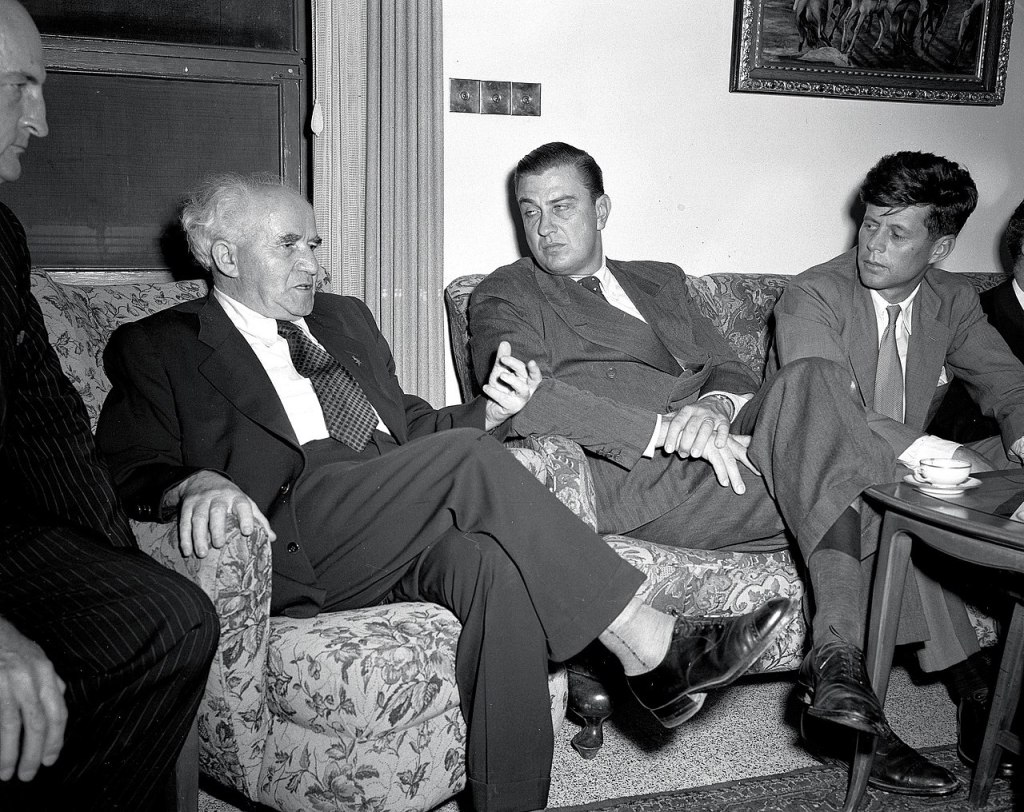
President Kennedy was alarmed by the prospect of a world in which more states came to possess nuclear weapons and saw Israel’s acquisition of nuclear arms as particularly problematic. He reasoned that if we could not convince our allies not to develop these weapons, there was little hope of convincing those with whom we had less friendly relations.
Kennedy’s fear of nuclear proliferation only grew after the terrifying events of the Cuban Missile Crisis in October 1962, which demonstrated to him just how easily human civilization could end should nuclear weapons be used in a war between the U.S. and the Soviet Union. A world with “15 or 20 or 25 nations” that are nuclear armed would necessarily become ever more dangerous, Kennedy stated in his famous 1963 American University commencement address. This diagnosis would become the fundamental rationale for the Nuclear Non-Proliferation Treaty (NPT), which was negotiated in the years after Kennedy’s death and signed by key states in 1968, entering into force in 1970.
Read MoreThe right to have nukes

No country should have nuclear weapons, but the ones that do should disarm first before telling others they can’t have them, writes Linda Pentz Gunter
The trouble with telling Iran it can’t have nuclear weapons is, look who’s doing the talking. The United States, which, with more than 5,000 nuclear weapons, has the second largest inventory in the world behind Russia. And Israel, an undeclared nuclear weapons nation with anywhere from 80 to 200 bombs. Israel is actually allowed to maintain the disingenuous position of “nuclear opacity” within the UN, neither confirming nor denying its nuclear arsenal.
This is despite the fact that the UN General Assembly adopts a resolution every year calling on Israel to renounce possession of nuclear weapons and to place its nuclear facilities under international supervision, something the Jerusalem Center for Security and Foreign Affairs, equally disingenuously describes as “the annual three-month ‘Israel-bashing’ festival”.
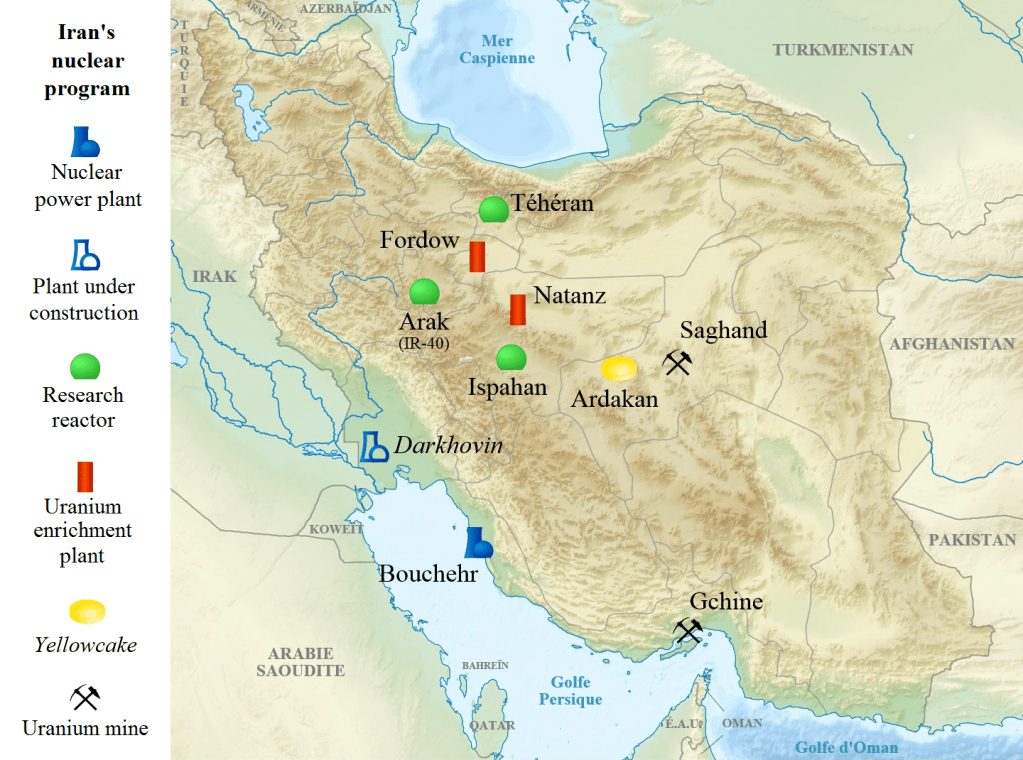
Since we know that US President Trump doesn’t actually care whether or not the Iran government is shooting demonstrators in the streets, especially given he is quite happy for his own Homeland Security to do it here —albeit in not nearly as high numbers, or not yet — we must reckon with the other motivations for continuing to threaten Iran. And one of those is absolutely about stopping Iran from developing the bomb.
There is further irony here, because, unlike nuclear-armed Israel, non-nuclear armed Iran is a signatory to the nuclear Non-Proliferation Treaty (NPT). And unlike the US, Iran so far appears to have abided by its terms. Article IV — one of the major flaws of the treaty as Iran perfectly exemplifies — gives signatories the “inalienable right” to develop nuclear power as long as they don’t transition to nuclear weapons development. Article VI demands that the nuclear-armed nations pursue negotiations in good faith on effective measures relating to cessation of the nuclear arms race at an early date and to nuclear disarmament.
Iran could argue that it is abiding by Article IV. The US clearly cannot make the case that it is abiding in any way by Article VI. On the contrary, with the collapse last week of the New START Treaty, the last surviving nuclear arms reduction treaty between the US and Russia, both countries could now significantly ramp up their respective arsenals.
Read MoreLast arms control treaty expires
A dangerous nuclear escalation could follow, spelling doom, warns IPPNW and other groups
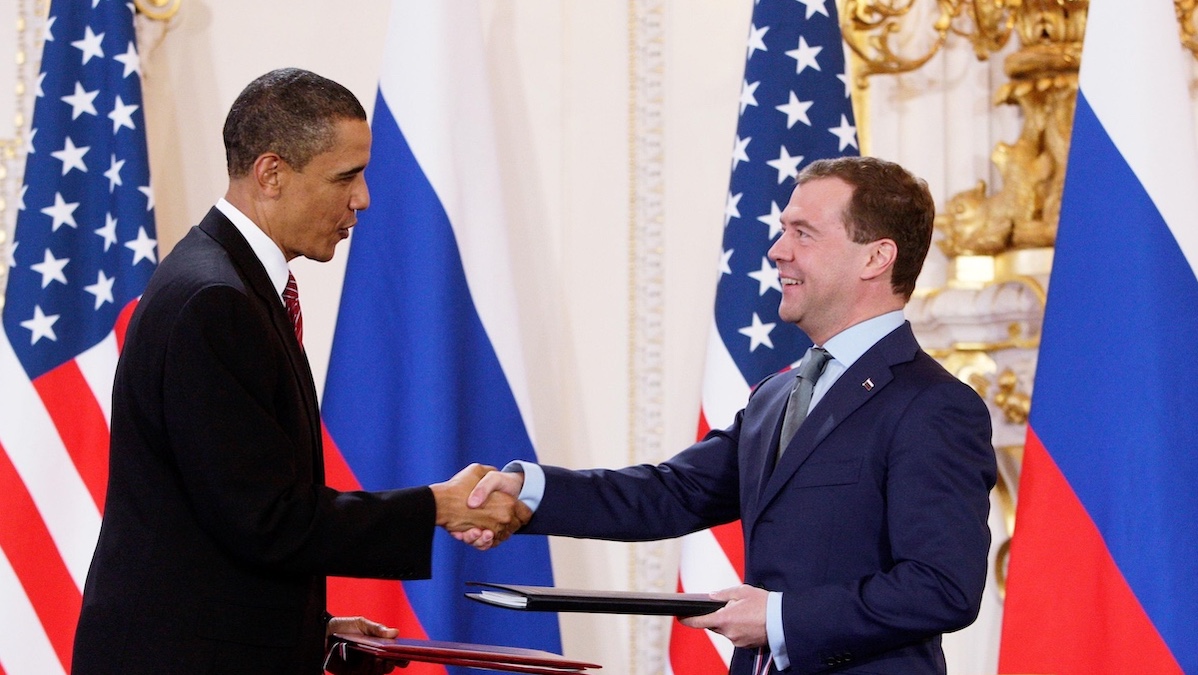
Nuclear weapons abolition groups around the world have expressed their alarm at the expiration of the New START Treaty between the US and Russia this week. It marks the first time since 1971 that there are no legally binding constraints on the U.S. and Russian nuclear arsenals following the expiration of New START.
A statement released by the 1985 Nobel Peace Prize winning group, International Physicians for the Prevention of Nuclear War reads:
The U.S. and Russia possess roughly 90 percent of the world’s nuclear weapons, giving their decisions catastrophic global consequences. A full-scale nuclear war between the U.S. and Russia would kill an estimated 5 billion people worldwide. No leader has the right to place humanity in such danger.
IPPNW and our global affiliate network have been pushing back in public and private measures against this reckless and short-sighted development.
Read MoreWithout START, everything could end

Ignoring this last nuclear treaty comes at great peril, writes Carol Wolman
A key nuclear treaty, the START (Strategic Arms Reduction Treaty) expires on Feb 4th 2026. This bilateral treaty between the US and Russia caps the number of nuclear weapons each side may legally possess. It also mandates bilateral inspections to ensure the treaty is respected on both sides.
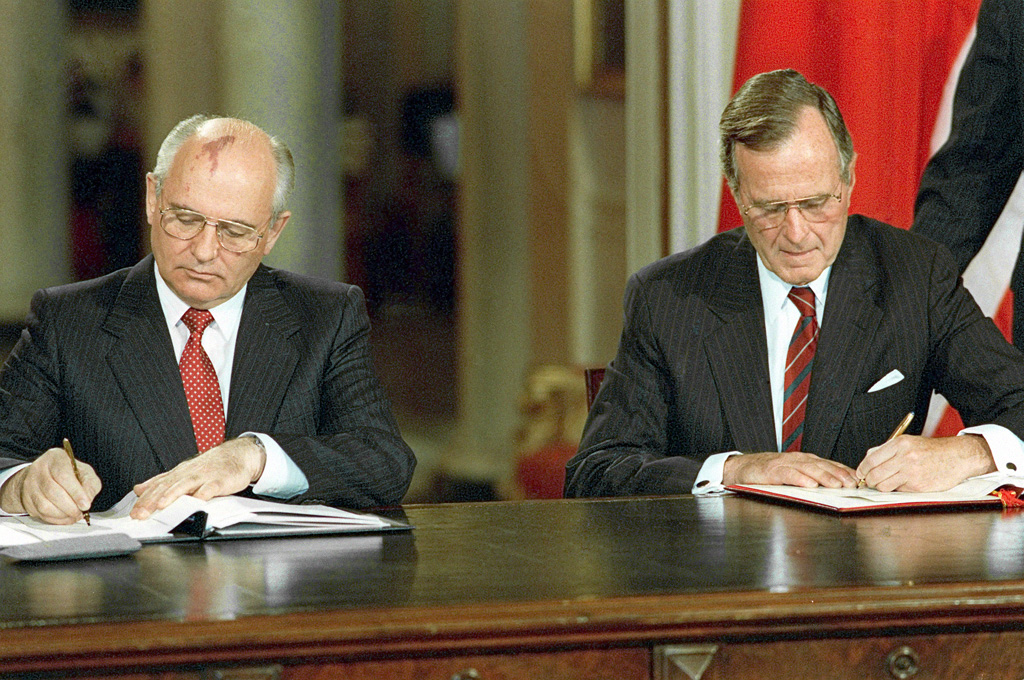
Originally signed in 1991 by then Soviet premier Mikhail Gorbachev and US President H. W. Bush, it successfully reduced the nuclear weapons stockpiles on each side by 80%. This essentially put an end to the nuclear arms race between the US and the Soviet Union, which broke up later that year.
In 2010, a revised New START treaty was negotiated by US President Clinton and Russian President Medvedev. This further reduced stockpiles to about 2000 nuclear warheads apiece. Ratified by both sides in 2011, it had a ten-year term and was renewed for another 5 years in 2021 under President Biden.
Russia’s President Putin has offered to extend the treaty for another year, if the US reciprocates. President Trump said on January 8, 2026: “If it expires, it expires”. Expiration of New START would remove all constraints on expansion of nuclear stockpiles and delivery systems, as well as abolishing bilateral inspections.
By way of background: the first nuclear weapons were used on August 6th and 9th 1945, when the US dropped atomic bombs on the Japanese cities of Hiroshima and Nagasaki. Over the next 20 years, Russia, England, France and China also developed these weapons of mass destruction.
Read More Beyond Nuclear International