 Beyond Nuclear International
Rosatom: A company at war

Nuclear state entity is on the ground in Ukraine and smoothing the way for new atomic tests, writes Charles Digges
If Russia’s state nuclear corporation Rosatom is to be believed, 2024 was a banner year.
It is expanding its footprint in new markets in Africa, Asia and the Middle East, as well as in Central Asian post-Soviet states. It is running an expansive development program along the Northern Sea Route, the 6,000-kilometer Arctic shipping corridor uniting Europe and Asia, and is responsible for everything from nuclear icebreaker construction to port infrastructure along its reach. It is powering the mining of rare earth minerals essential for renewable energy and electronics in operations from the Kola Peninsula to Siberia. It is acquiring domestic energy firms and making forays into transport, housing and utilities. And, of course, it is building nuclear power plants in foreign markets — including in some NATO members — at a pace unmatched by any other country or corporation.
But the slick commercial rhetoric belies the fact that Rosatom is a company that is literally at war.
As one of the Kremlin’s prize state industries, Rosatom has reoriented its practices to align with Moscow’s war economy as the invasion of Ukraine drags on. For this, it receives lavish state support and is overseen by members of President Vladimir Putin’s inner circle. Yet, unlike other energy producers in Russia’s oil and gas sectors, Rosatom has thus far managed to sidestep any serious sanctions from the West, attesting to the dependence it has fostered on the international nuclear market.
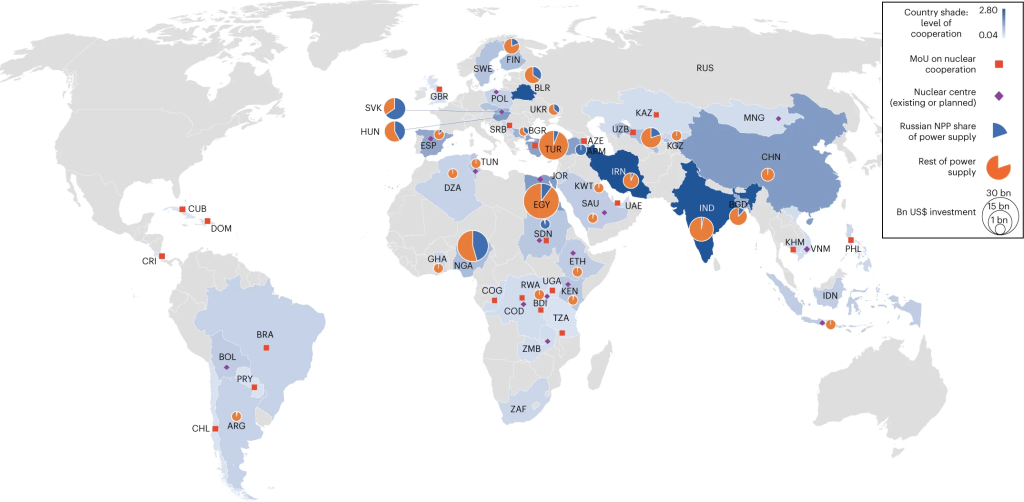
Recently, Western markets have begun to challenge Rosatom’s dominance as they attempt to shift their dependence away from Russian-produced nuclear fuels and other technologies. But our new report suggests that Rosatom is preparing for such shortfalls by changing customers and expanding its operations into industries beyond the nuclear — including further enmeshing itself in Moscow’s war as an active military participant. These are the corporate achievements that are less likely to appear in the company’s glossy public relations materials.
Read MoreA Mar-a-Lago in the sky?
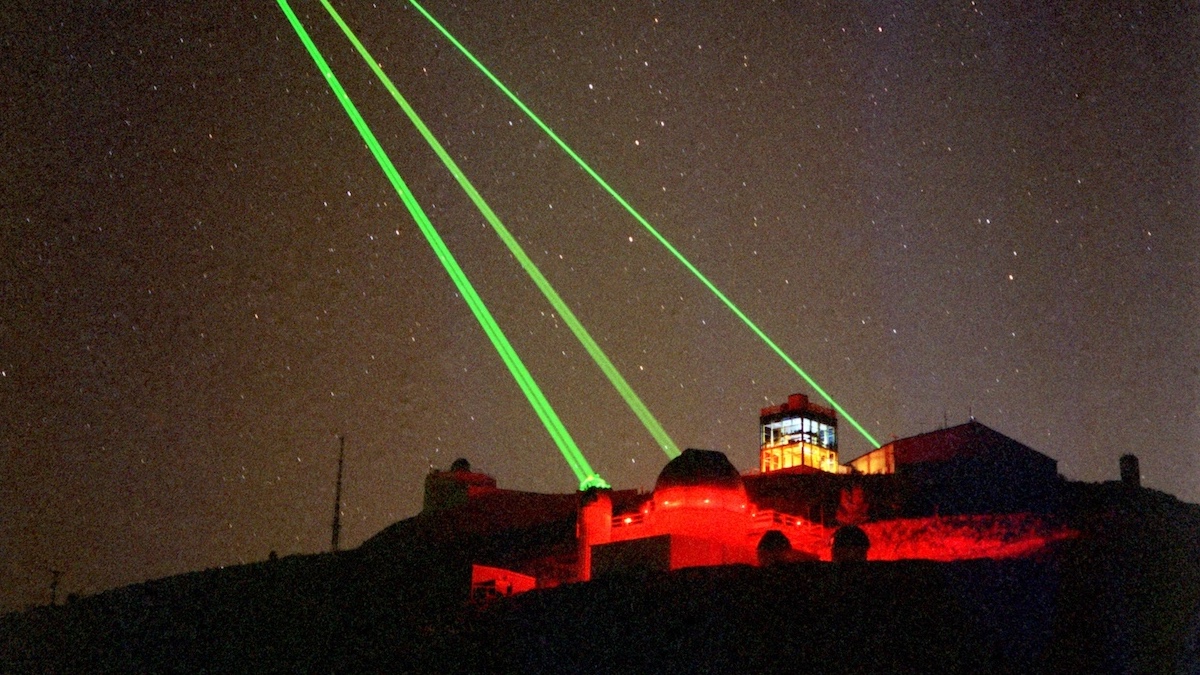
US taxpayers are about to get golden fleeced, again, writes Linda Pentz Gunter
Last week we reported on the White House executive orders that would lay waste to the US Nuclear Regulatory Commission and put an end to any meaningful safety oversight of the US commercial nuclear sector.
Not that there was a whole lot to begin with. None of us will be standing outside the agency’s Rockville Maryland headquarters any time soon holding “Save the NRC” signs.
I mentioned last week that there were five orders affecting the nuclear sector. Technically, the fifth – Restoring Gold Standard Science — didn’t mention nuclear, but its overarching mission— to do the opposite of what its title says — will most certainly negatively affect the integrity of any evaluation of new reactor designs, with the stamp of approval given to the Department of Energy and even the Department of Defense, rather than the NRC.

The Gold Standard order served to remind us of Trump’s perennial obsession with everything gold and golden, also reflected, as it were, in his cheap bordello-style aesthetic on display at Trump Tower and Mar-a-Lago.
The wannabe king boasted during his January 20 inaugural address that “The Golden Age of America begins right now,” then reminded us six weeks later, during his March 4 Joint Address to Congress, that his Golden Age truly was coming. “Get ready for an incredible future,” he said. “The Golden Age of America has only just begun. It will be like nothing that has ever been seen before.”
That last part was certainly true.
Read MoreA superhighway to nuclear hell

Trump’s reckless and accelerated nuclear orders would destroy safety oversight and endanger the public, writes Linda Pentz Gunter
On May 23rd, with several strokes of his pen, President Trump issued orders that would roll back US energy policy about 50 years.
On that day, Trump signed five Executive Orders (EOs): Restoring Gold Standard Science; Ordering the Reform of the Nuclear Regulatory Commission; Reinvigorating the Nuclear Industrial Base; Reforming Nuclear Reactor Testing at the Department of Energy; and Deploying Advanced Nuclear Reactor Technologies for National Security. (This page keeps a running tally of all the White House executive orders.)
All of this madness was announced in a press release headlined “President Trump Signs Executive Orders to Usher in a Nuclear Renaissance, Restore Gold Standard Science.” Just in case there was any confusion about what this meant, the press release included an explanation that read: “Gold Standard Science is just that—science that meets the Gold Standard.”
Collectively, the four orders that focused on the nuclear sector would: reduce and undermine the already inadequate safety oversight authority of the US Nuclear Regulatory Commission (NRC); fast-track unproven new reactor projects without regard for safety, health or environmental impacts; curtail or possibly even end public intervention; weaken already insufficient radiation exposure standards; and reopen the pathway between the civil and military sectors, all while “unleashing” (Trump’s favorite verb) nuclear power expansion on a dangerous and utterly unrealistic accelerated timeline.

The precursive warning shot to all this had been fired on February 5th with Energy Secretary Chris Wright’s own Executive Order: Unleashing the Golden Era of American Energy Dominance, ‘dominance’ being another of Trump’s favorite big beautiful words, along with ‘big’ and ‘beautiful’ (—see his One Big Beautiful Bill Act.) “It’s time for nuclear, and we’re going to do it very big,” Trump told industry executives when he signed the orders.
Perhaps it’s no surprise to find that ‘dominance’ appears 35 times in the Heritage Foundation’s 2023 handbook, Authoritarianism for Dummies, officially known as Project 2025. Variations on the word ‘unleash’ appear 19 times. ‘Tremendous’ shows up 11 times. So does ‘gold standard’.
Read MoreDoes Tehran want the bomb?
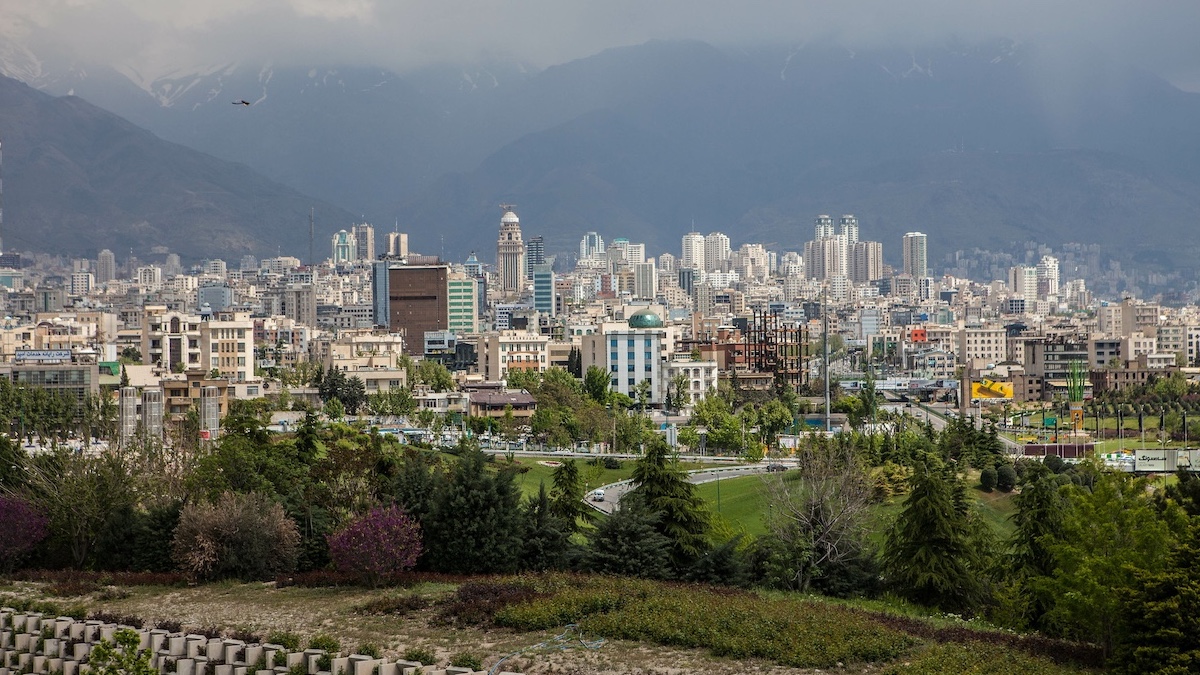
Is Iran’s nuclear power program a tactical threat or purely commercial, asks Linda Pentz Gunter
“As a party to the Non-Proliferation Treaty (NPT), the Islamic Republic of Iran, based on its religious and ethical principles, has never sought nuclear weapons and remains committed to the principle of non-production and non-use of weapons of mass destruction.”
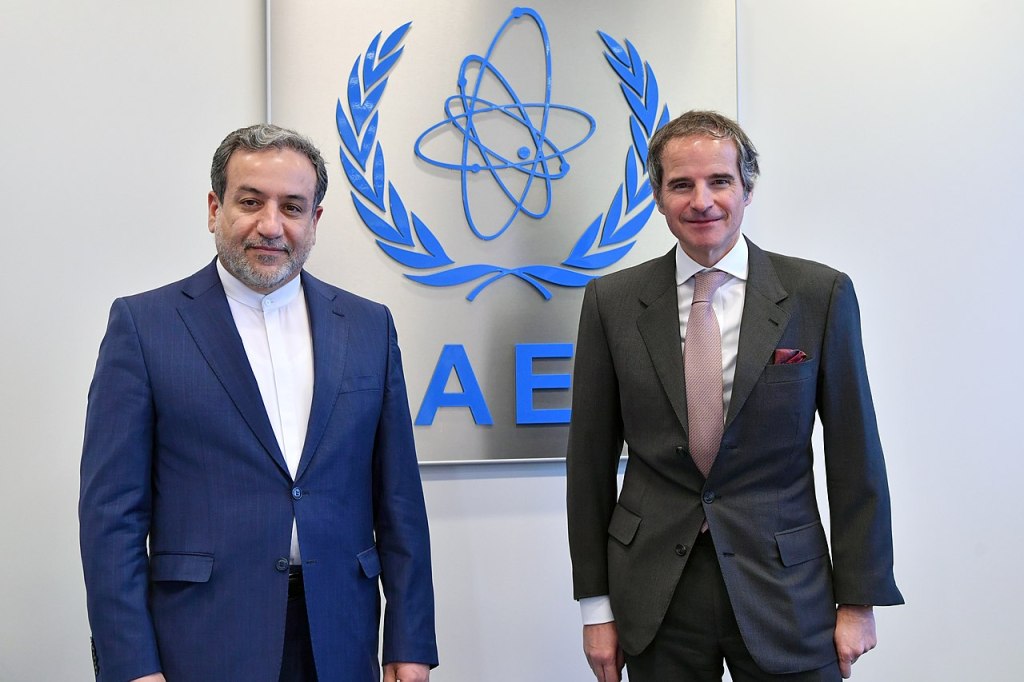
That was the reassurance given by Iran’s foreign minister, Seyyed Abbas Araghchi, during the Tehran Dialogue Forum hosted earlier this month by the Center for Political and International Studies of Iran’s Foreign Ministry.
It’s a familiar refrain. Iran has consistently argued that it is exercising its “inalienable right” as a signatory to the NPT “to develop research, production and use of nuclear energy for peaceful purposes” as allowed under Article IV of the treaty.
But is it?
Iran has freely admitted that it has enriched uranium-235 up to 60% — considered at least “weapons usable” (higher than 90% is considered weapons-grade.) Why would it choose to — or need to — do this if it has no intention of seeking nuclear weapons production, as Araghchi and others before him have claimed?
The answer to that question seems obvious and one we have repeated ad infinitum when exposing the flaw in the NPT which, in granting the development of civilian nuclear programs to signatories, ensures the pathway to the bomb is left permanently clear.
Even should Iran never actually develop nuclear weapons, it can use its civil program as a threat to do so. It is no idle threat. The possession of a civilian nuclear program affords Iran the materials, equipment, personnel and know-how to transition to nuclear weapons should it so choose.
Read MoreDon’t vent tritium gas
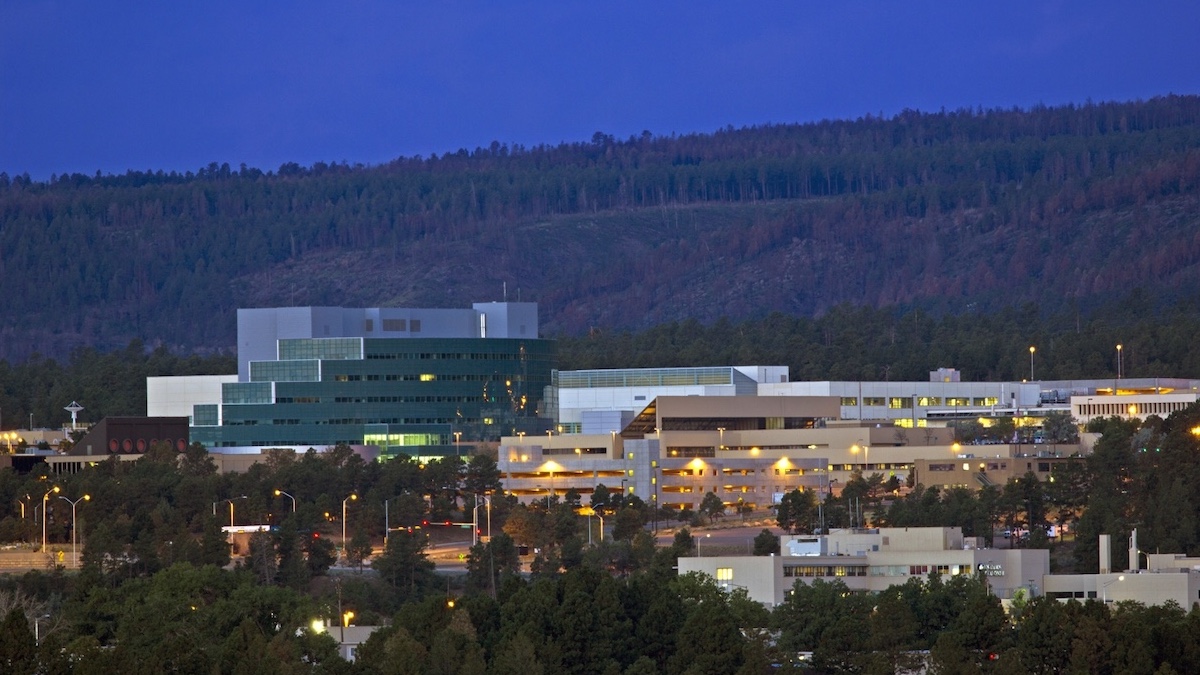
Lab should explore credible alternatives say Nuclear Watch New Mexico and Tewa Women United
The Los Alamos National Laboratory plans to begin large releases of radioactive tritium gas any time after June 2, 2025. The only roadblock to the Lab’s plans is that it needs a “Temporary Authorization” from the New Mexico Environment Department to do so.
Reasons why the New Mexico Environment Department should deny LANL’s request are:
1. The state Environment Department has a duty to protect the New Mexican public. As it states, “Our mission is to protect and restore the environment and to foster a healthy and prosperous New Mexico for present and future generations.”
2. Why the rush? LANL explicitly admits there is no urgency. According to the Lab’s publicly-released “Questions and Answers” in response to “What is the urgency for this project?” “There is no urgency for this project beyond the broader mission goals to reduce onsite waste liabilities.”
3. In addition, the National Nuclear Security Administration (NNSA) admits that the end time frame for action is 2028, not 2025. Therefore, there is time for deliberate consideration.
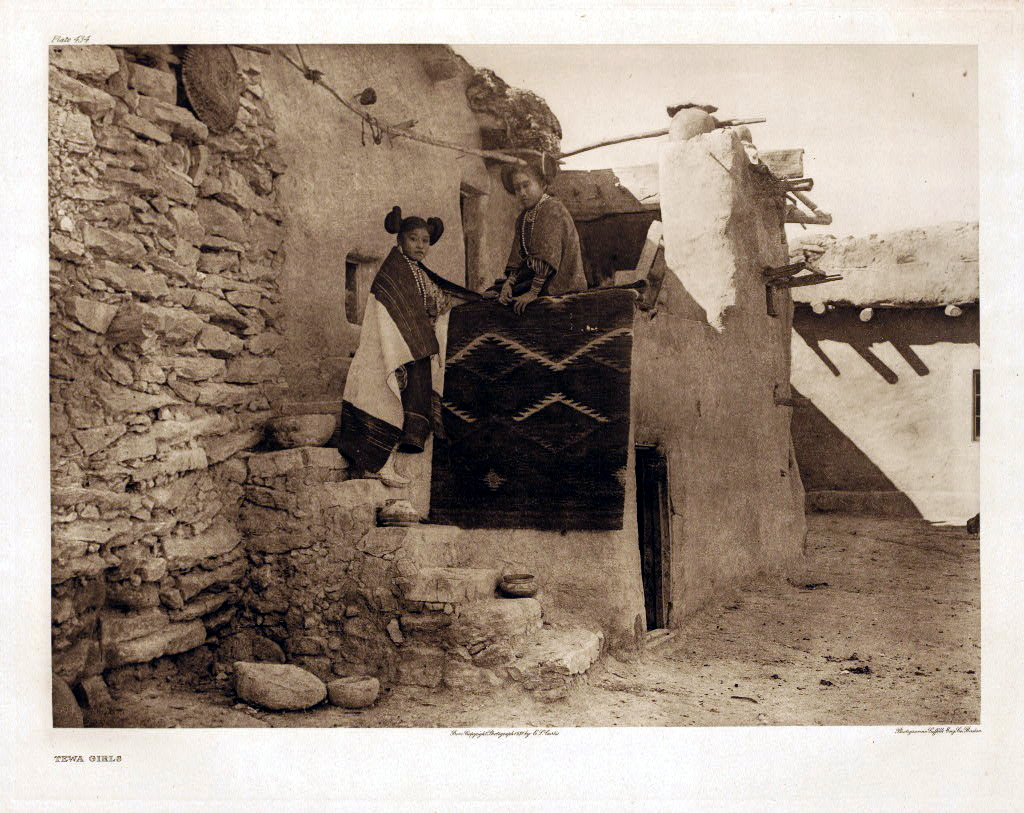
4. Contrary to NMED’s Resource Conservation and Recovery Act permit for LANL, the Lab has not fulfilled its duty to inform the public via NMED of possible alternatives to its planned tritium releases. According to Tewa Women United, “LANL has told EPA there are 53 alternatives; that list of alternatives, initially requested in 2022, has not yet been disclosed. Tewa Women United has repeatedly asked LANL to provide the public with that list.”
Read MoreResuscitation at Zaporizhzhia?
Why would the US, Ukraine and Russia contemplate this when renewables could answer energy needs faster and more safely, writes Linda Pentz Gunter
The Trump administration has been dangling all sorts of offers before the embattled (literally) Ukrainian government lately. These include a US grab for Ukraine’s minerals in exchange for continued support of its war with Russia, and asking Ukraine to serve as an overseas prison for those residents of the US deemed “illegals” and “criminals” by Trump’s (in)justice department.
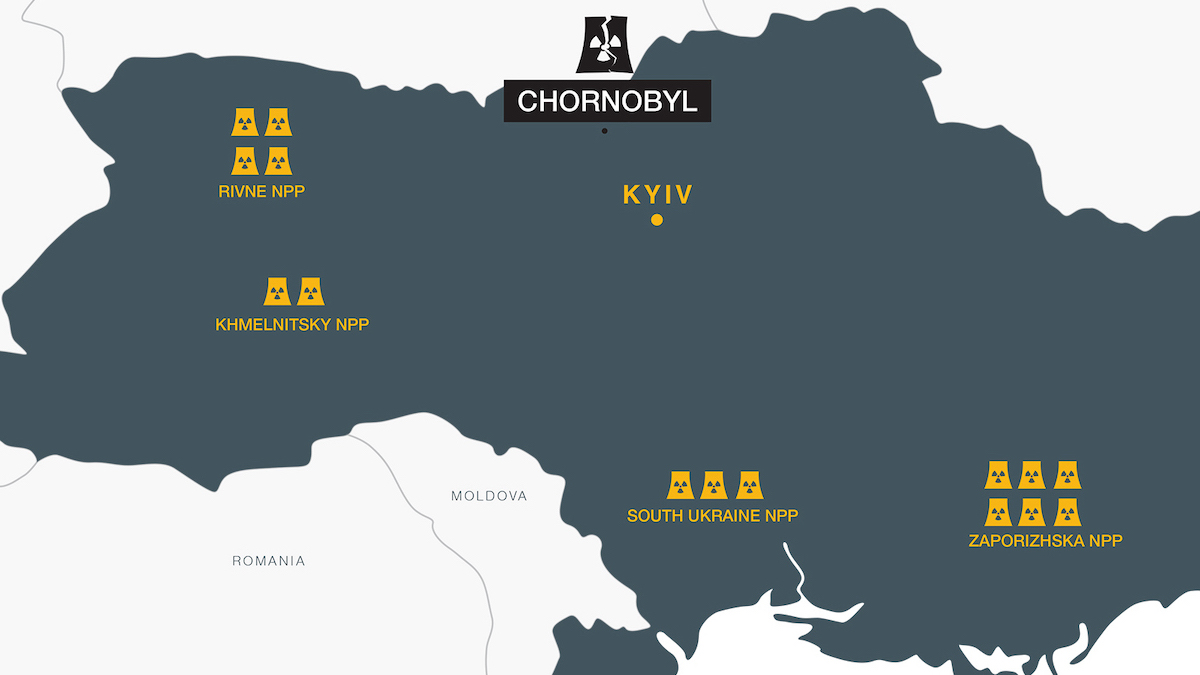
Now, the White House is apparently suggesting that the US should first rebuild and then operate the damaged six-reactor Zaporizhzhia nuclear plant in the southeast of Ukraine, the area of some of the most intense fighting between Ukrainian and Russian forces.
This bizarre proposal is detailed in a new column by the director of the Nonproliferation Policy Education Center, Henry Sokolski, in the May 6, 2025 edition of The Bulletin of the Atomic Scientists. Along with the question of whose nuclear plant Zaporizhzhia actually is, or who damaged it, Sokolski also asks just how complex and expensive restoring the plant would be and whether it is even needed?
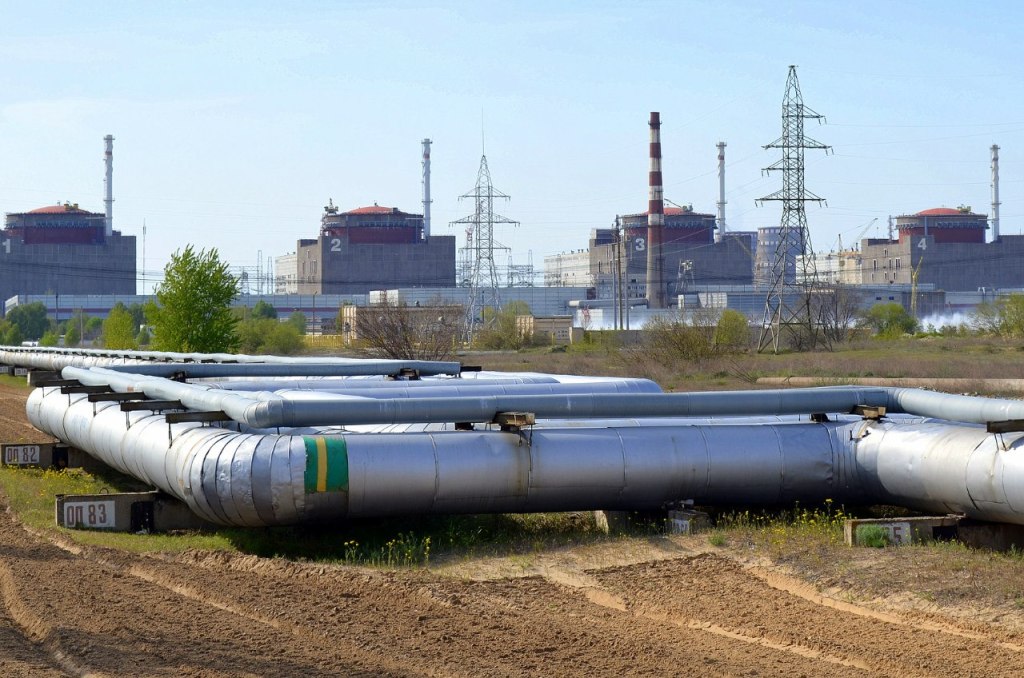
In reading through the list of challenges to a restart that Sokolski outlines, the answer to that last question becomes increasingly more obvious: No. It is glaringly evident that nuclear power is the wrong choice for Ukraine at this point (and, we would argue, always has been).
Renewable energy can take a couple of years — and in some cases just a few months — to build and bring into operation. Given Ukraine’s previous reliance on nuclear energy for around 55% of the country’s electricity (before the war interrupted the flow), developing an energy supplier that can come on fast and doesn’t present a safety risk (under war conditions or at any other time) is, as they say here, a “no brainer”.
Read More Beyond Nuclear International