 Beyond Nuclear International
Keir Starmer’s nuclear con

The UK government’s nuclear power expansion plan is a hollow betrayal of working people that panders to wealthy corporations and will rip off consumers, writes LINDA PENTZ GUNTER
Is Keir Starmer really so desperate to bask in the orange glow of omnipotence radiating from the monomaniacal US president that he feels compelled to parrot Donald Trump’s catchphrases?
Apparently yes. Starmer really did say “build, baby build.”
The context for this abhorrent utterance was his announcement that mini-nuclear power plants — known as small modular reactors — would proliferate across Britain until they are “commonplace.”
According to Starmer, they would be smaller and cheaper than current nuclear power plants. Those living near nuclear construction sites could be compensated for this inconvenience with lowered electricity rates. New reactors would be in place by 2032.
All of this is completely unsubstantiated by any shred of empirical evidence, but more on that in a moment.
Starmer’s “fast forward on nuclear” would, he claims, deliver a supply of good jobs as well as “homegrown power.” (If you are searching a UK map for the “homegrown” uranium mines that would supply the fuel for these reactors, keep looking.)
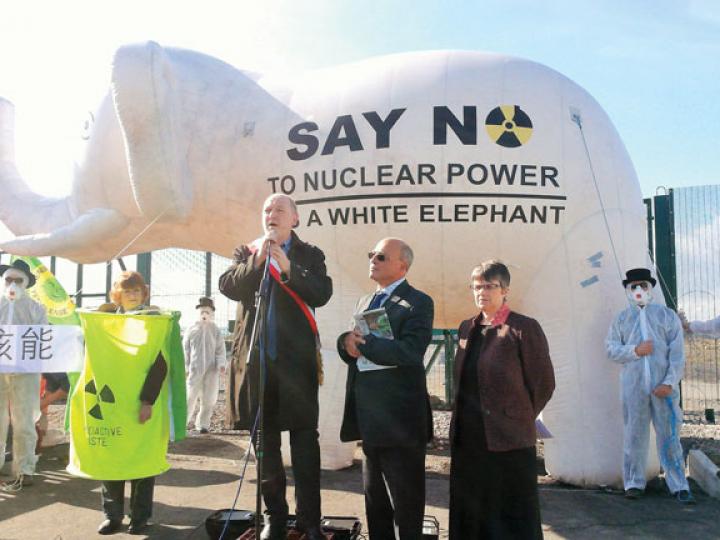
The restriction on building new reactors on existing nuclear sites is to be lifted so they could be built anywhere and everywhere and people who “hadn’t thought there’s going to be anything nuclear near me” will simply “get used to the idea of it,” Starmer said.
Oddly, the first new site doesn’t appear to be adjacent to Number 10 Downing Street.
Read MoreNo comedic caper

We are surely living in a mad, mad, mad, mad world, but four “mads” aren’t enough to describe our current dystopia, writes Linda Pentz Gunter
Remember that 1963 comedic caper movie, “It’s A Mad, Mad, Mad, Mad World”? Okay, maybe not. It was director Stanley Kramer’s escape from his more traditionally dark subject matter — Judgment at Nuremberg, The Defiant Ones, Inherit the Wind. The bridge from those more sober productions to “Mad” was his favorite and perennial lead actor, Spencer Tracy.
We’ve crossed that bridge now, into a world so mad, and decidedly not funny, that we’ll need a whole lot more “mads” in the title for the dystopian 2025 version.
In the space of just a few days, a slew of truly insane news broke — and I’m not even talking here about anything emanating from the Trump regime.
US Intelligence, if any such thing still exists, announced it foresaw an attack on Iran’s nuclear centers by Israel in the next six months. By ‘attack’, they mean ‘bomb’.
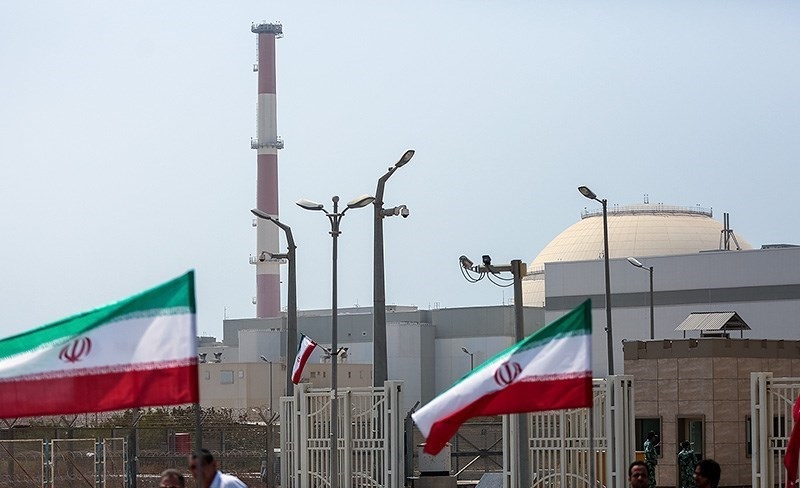
The Iranian government immediately barked back with an announcement that for every hundred such facilities destroyed they would “build a thousand other ones.”
This is no idle threat from either side. Just last October, according to US and Israeli officials, Israel reportedly destroyed a secret Iranian nuclear weapons research facility. (Iran continues to deny it is developing nuclear weapons.)
In 2010, the Stuxnet computer virus, a cyber attack likely launched by Israel and the United States, infected computers at Iran’s Bushehr nuclear power plant before spreading across other facilities including to the Natanz uranium enrichment complex. Israel has also assassinated at least five of Iran’s nuclear scientists, between 2010 and 2024.
No one really knows what if anything got destroyed by Israel (and the US) in Iran and what has been rebuilt at least once, if perhaps not one thousand times.
Read MoreWill U.S. resume nuclear testing?
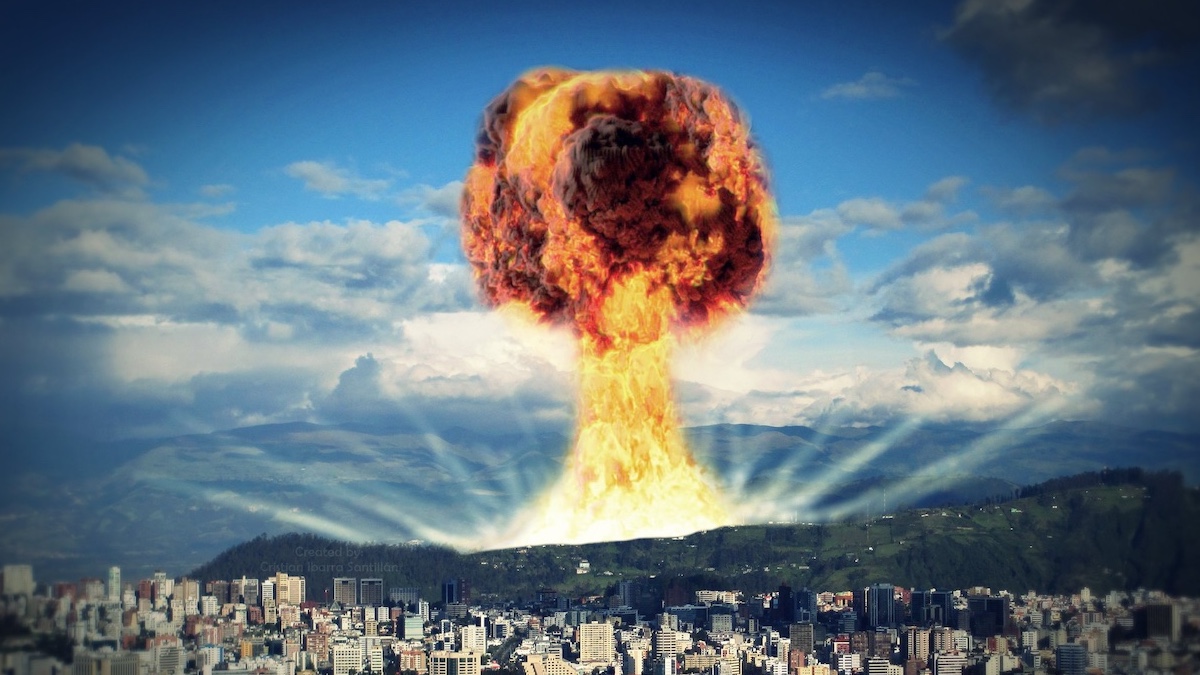
Experts warn of catastrophic fallout should atomic testing restart, writes Karl Grossman
“The United States may need to restart explosive nuclear weapons testing,” declared Robert Peters, research fellow for nuclear deterrence and missile defense at The Heritage Foundation, the right-wing organization close to the Trump administration, in a lengthy report last month. Issued on January 15, it was titled: “America Must Prepare to Test Nuclear Weapons.”
Peters stated that “the President may order the above-ground testing of a nuclear weapon….And while the United States leaving the [Nuclear] Test Ban Treaty may not be optimal and may indeed have negative downstream effects, doing so may be necessary to stave off further adversary escalation.”
There has not been a nuclear weapon tested above-ground in the United States since 1962, Peters said. That was a year before the Nuclear Test Ban Treaty of 1963 was signed by the U.S., Soviet Union and United Kingdom. It prohibits nuclear weapons tests in the atmosphere, underwater or in outer space. It allowed underground tests as long as they didn’t result in “radioactive debris to be present outside the territorial limits of the state under whose jurisdiction or control” the test was conducted.
“Resuming atmospheric testing of nuclear weapons would be disastrous,” says Joseph Mangano, executive director of the Radiation and Public Health Project. He cited the “lessons learned from above-ground nuclear weapons testing—the radioactive fall-out that harmed many people, especially infants and children.”
Testimony by a co-founder of the Radiation and Public Health Project, the late Dr. Ernest Sternglass, a physicist, before the then Congressional Joint Committee on Atomic Energy, was instrumental in President John F. Kennedy signing the Nuclear Test Ban Treaty of 1963.
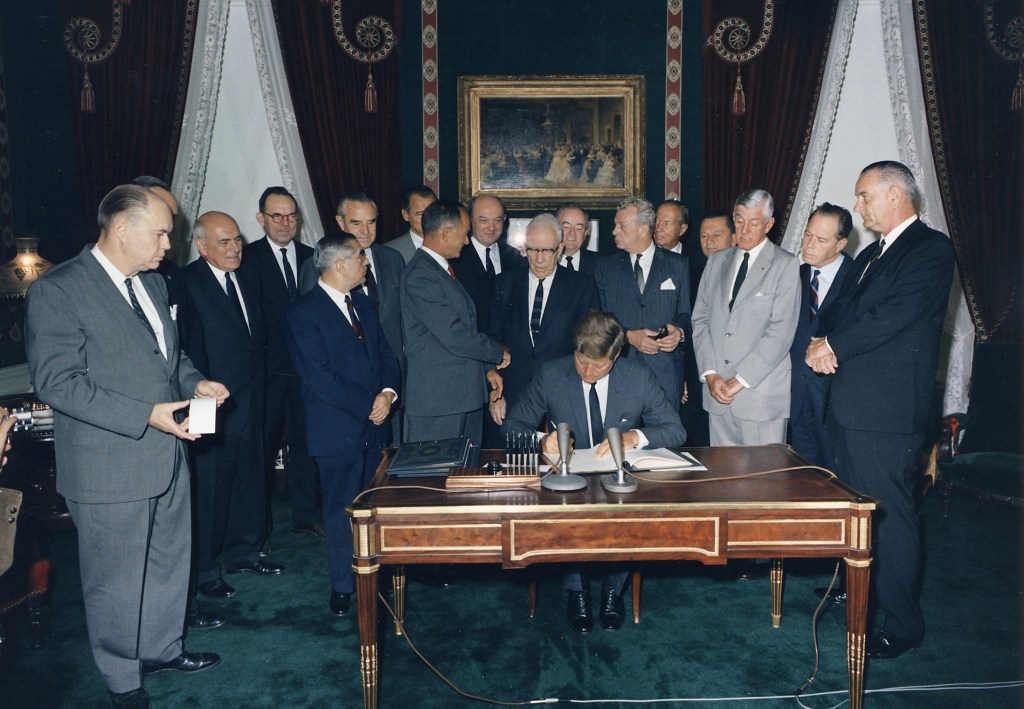
As President Kennedy said in a 1963 national address: “This treaty can be a step towards freeing the world from the fears and dangers of radioactive fallout.” He said that “over the years the number and the yield of weapons tested have rapidly increased and so have the radioactive hazards from such testing. Continued unrestricted testing by the nuclear powers, joined in time by other nations which may be less adept in limiting pollution, will increasingly contaminate the air that all of us must breathe.” Kennedy spoke of “children and grandchildren with cancer in their bones, with leukemia in their blood, or with poison in their lungs” as a result.
Read MoreA night not to miss

An evening with heroes of our movement is a moment to savor as we celebrate the 2025 recipients of the Nuclear-Free Future Awards, writes Linda Pentz Gunter
The 2025 Nuclear-Free Future Awards honor the largely unsung heroes of the Nuclear Age who work to end uranium mining and rid the world of nuclear weapons, nuclear power and uranium munitions. At the ceremony to celebrate these achievements there is always a special magic in the room. Without the laureates of the Nuclear-Free Future Awards — and without each other — the world can never become the safe, beautiful and nurturing place it should be for all of us.
The 2025 Nuclear-Free Future Awards will be held on Tuesday, March 4, 2025 at The Great Hall at Cooper Union in New York City (7 E 7th St. NY NY.) A reception at 6pm will be followed by the awards ceremony starting at 7pm. Both events are free admission and open to the public.
The Awards are being held in conjunction with the Third Meeting of States Parties to the Treaty on the Prohibition of Nuclear Weapons March 3-7 at the United Nations. We encourage all those in attendance to take the short subway ride down to Cooper Union for the Awards.
For those of you around the world who cannot be there, the event will be video recorded and available later on YouTube. You can watch the previous awards ceremony in full here or a short 15-minute version here.
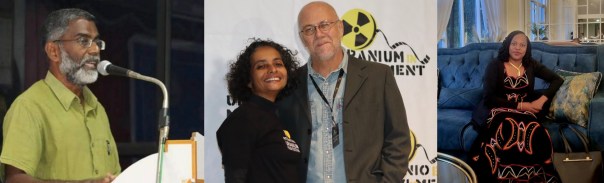
This year we honor individuals from Brazil, Germany, India, Navajo country, the United States and Zimbabwe for their achievements in working for a nuclear-free world. The Award laureates are chosen by an international jury of their peers and are offered in three categories: Resistance, Education and Solution.
The 2025 laureates are: S.P. Udayakumar (India) for Resistance; Márcia Gomes de Oliveira and Norbert Suchanek (Brazil) for Education; and Edwick Madzimure (Zimbabwe) for Solution.
Honorary Lifetime Achievement awards will be given to teacher, author and anti-nuclear activist, Joanna Macy, and posthumously to Native American activist and musician, Klee Benally (headline photo).
Read MoreA responsibility to civic groups
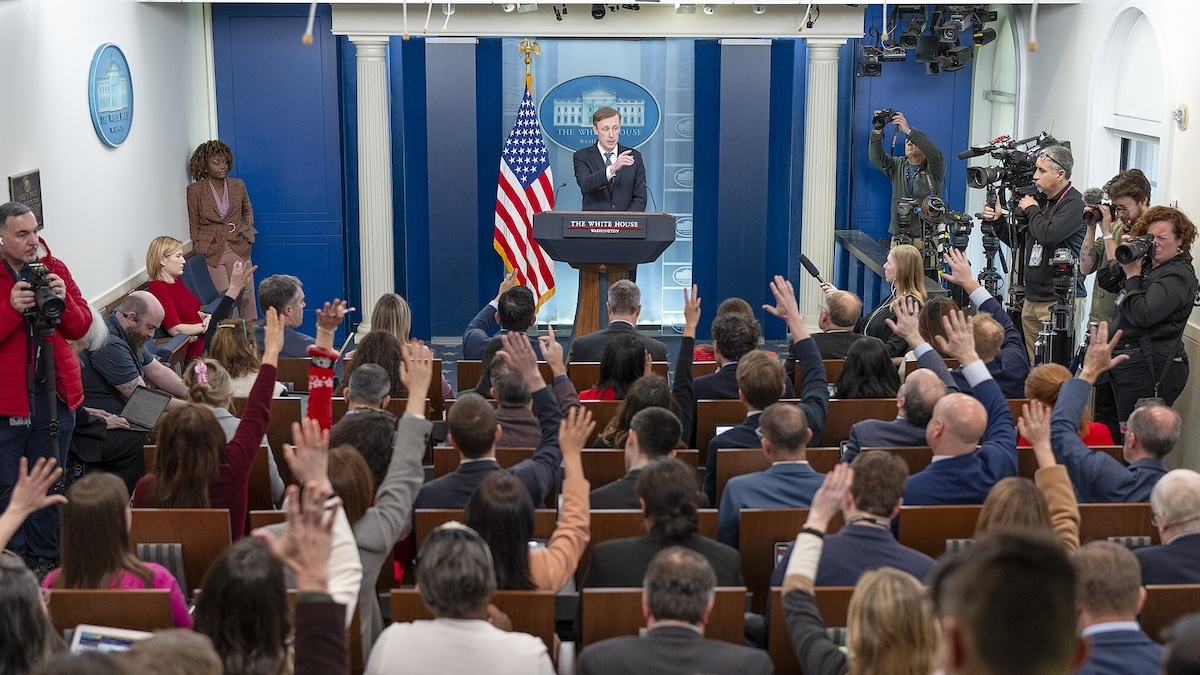
The corporate media needs to step it up in giving voice to grassroots activism, writes Ralph Nader
This article does not specifically address anti-nuclear groups or campaigns but fully reflects the perpetual struggle for coverage we — like legions of other civic groups — encounter in the mainstream press. The corporate media routinely ignores our messages about the futility and danger of all things nuclear, while obediently and unquestioningly parroting the industry propaganda. Consequently, this clarion call from Ralph Nader, himself a tireless anti-nuclear campaigner among many causes, is an important document we felt needed wider reading.
A lawless madman, with cunning political skills, is at large in our White House. After less than five days in office, he has set a record for flamboyantly issued executive orders, many violative of federal statutes and the Constitution.

A partial list: he has withdrawn the U.S. from the World Health Organization (e.g., damaging international coordination regarding pandemics), quit the Paris Climate Accords (e.g., nations working together against climate violence), selected corporate ideologues to run regulatory agencies (the purpose of which is to save lives, prevent injuries and stop consumer rip-offs), unleashed ICE to crash schools looking for undocumented kids to take away, threatened the media, readied more tax cuts for the super-rich and big companies, and halted the hiring of I.R.S. staff needed to stop massive tax evasions by the plutocracy.
He has moved to make massive cuts in spending for programs protecting children and the sick (e.g., slashing Medicaid), lifting controls over oil & gas drilling, reducing support for solar and wind energy, and gutting the civil service. Meanwhile he, a convicted felon, is pardoning hundreds of convicted jailed felons who assaulted Capitol Hill police on Jan. 6, 2021, who will now be vengefully on the streets. The terrifying list goes on. (See the Brookings Institution tracking of regulatory changes in the second Trump administration.
Read MoreSole control
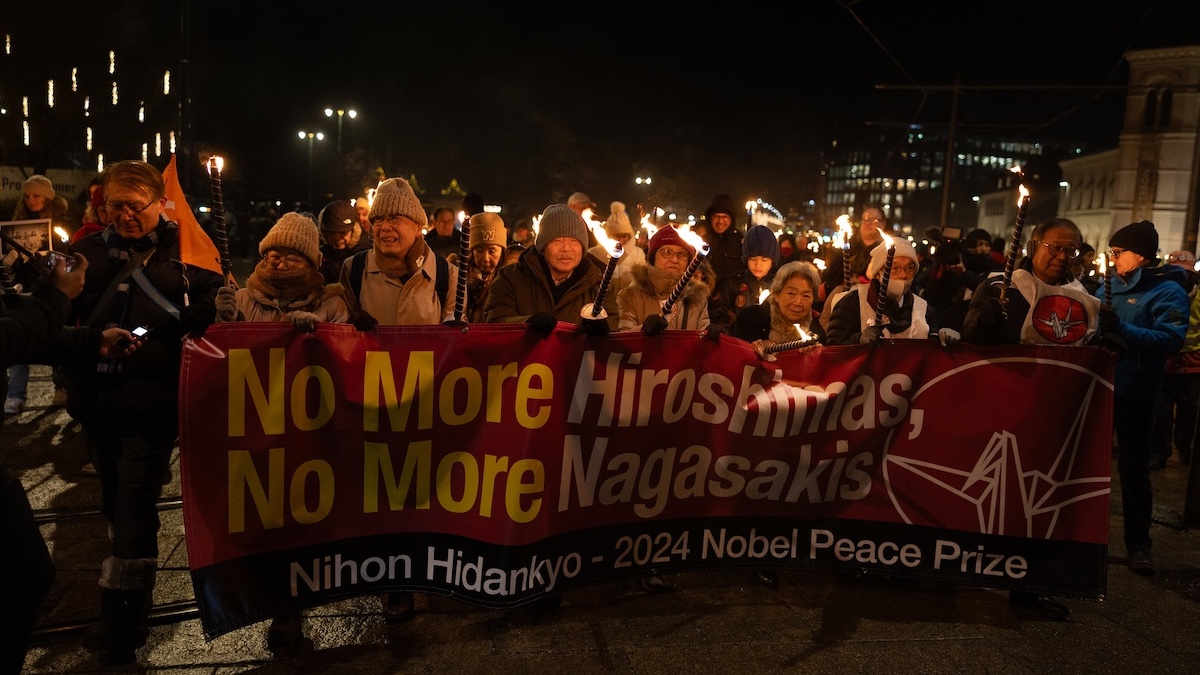
No US president should be allowed to unilaterally authorize a first strike of nuclear weapons, writes Linda Pentz Gunter
President Trump once again has sole authority to make a decision to launch the U.S. nuclear arsenal. He can do so unilaterally, without consulting, getting permission from or even informing his defense secretary or Congress.
We are back on very thin atomic ice.
Not that anyone should ever launch nuclear weapons, whether they are allowed to or not, and no matter who approves it. Under what circumstances would there by any point in doing so? If it’s in retaliation, it’s already too late. If it’s a first strike, our own extinction is 15 minutes away.
But a trigger happy US president, whether literal or metaphorical, does not instill confidence that in a moment of who knows what kind of impulsive petulance, the nuclear button won’t get pushed. Despite Trump’s pronouncements in Davos last month that he wants to work with the leaders of Russia and China to “see if we can denuclearize,” something Trump says he thinks is “very possible,” there is no reason to be confident that a man who lied more than 30,000 times last time he was US president, really means what he says.

Anticipating that chaos is more likely to be Trump’s preferred modus operandi, Senator Ed Markey of Massachusetts and his fellow Democrat in the House, Ted Lieu of California, wrote to then president Joe Biden last December 12, to urge him to make the change himself and mandate that a president must obtain authorization from Congress before initiating a nuclear first strike. No one individual, including the US president, should be able to start a nuclear war without congressional approval they said. They described current U.S. nuclear launch policy as “terrifying, dangerous, and unconstitutional”.
”As Donald Trump prepares to return to the Oval Office, it is more important than ever to take the power to start a nuclear war out of the hands of a single individual and ensure that Congress’s constitutional role is respected and fulfilled,” wrote Markey and Lieu in their letter to Biden. But Biden did not act.
Read More Beyond Nuclear International