 Beyond Nuclear International
Big tech, bigger lies
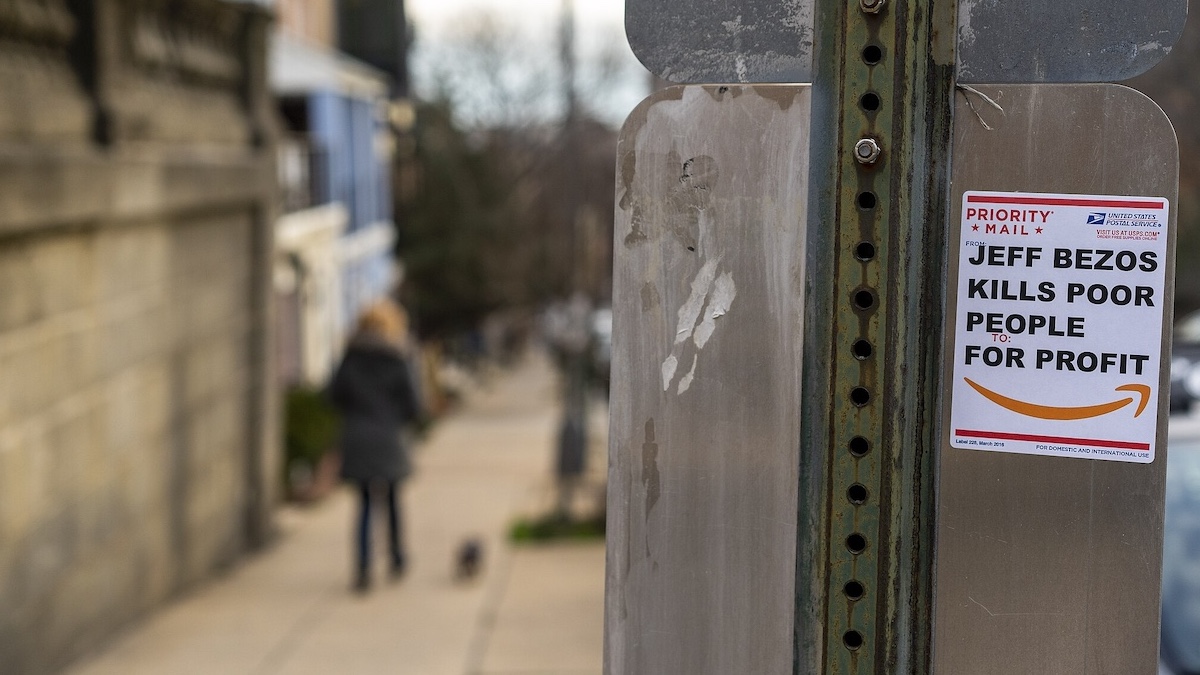
Microsoft, Google and Amazon are bragging they will use nuclear energy to power their energy needs, but it’s mainly hype or worse, writes M.V. Ramana
In the last couple of months, Microsoft, Google, and Amazon, in that order, made announcements about using nuclear power for their energy needs. Describing nuclear energy using questionable adjectives like “reliable,” “safe,” “clean,” and “affordable,” all of which are belied by the technology’s seventy-year history, these tech behemoths were clearly interested in hyping up their environmental credentials and nuclear power, which is being kept alive mostly using public subsidies.
Both these business conglomerations—the nuclear industry and its friends and these ultra-wealthy corporations and their friends—have their own interests in such hype. In the aftermath of catastrophic accidents like Chernobyl and Fukushima, and in the face of its inability to demonstrate a safe solution to the radioactive wastes produced in all reactors, the nuclear industry has been using its political and economic clout to mount public relations campaigns to persuade the public that nuclear energy is an environmentally friendly source of power.
Tech giants like Microsoft, Amazon, and Google, too, have attempted to convince the public they genuinely cared for the environment and really wanted to do their bit to mitigate climate change. In 2020, for example, Amazon pledged to reach net zero by 2040. Google went one better when its CEO declared that “Google is aiming to run our business on carbon-free energy everywhere, at all times” by 2030. Not that they are on any actual trajectory to meeting these targets.

Why are they making such announcements?
Read MorePoodles and puppet masters
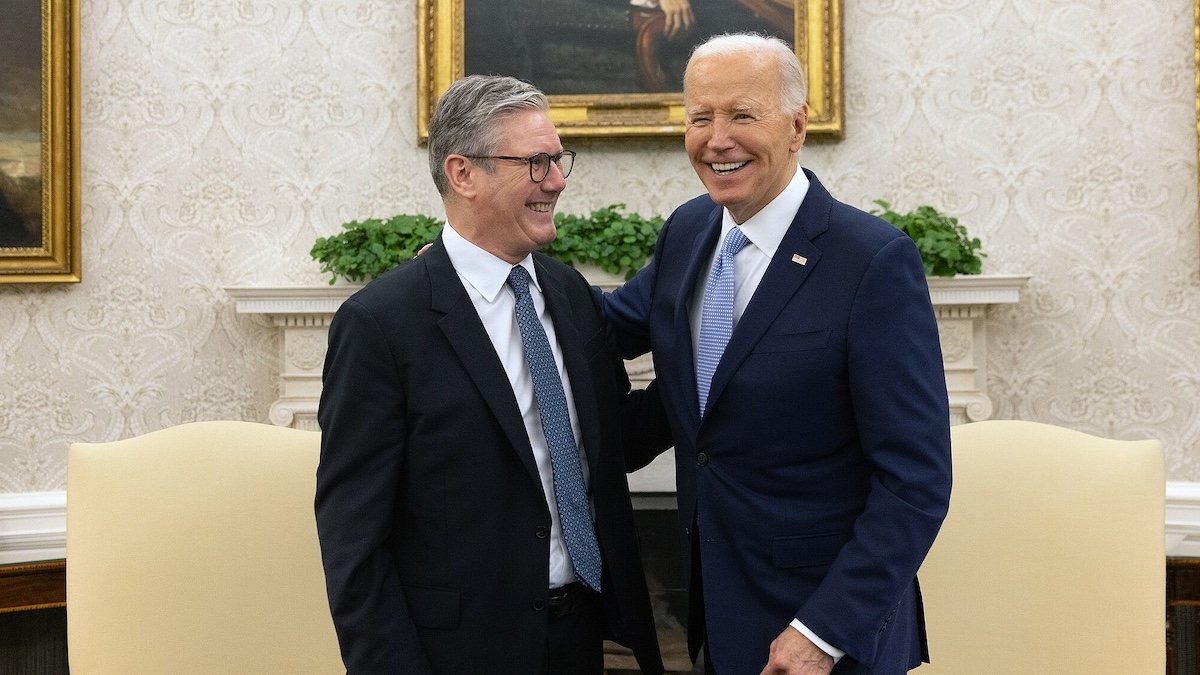
The Mutual Defence Agreement now permanently ties British nuclear weapon dependency to the United States, writes Linda Pentz Gunter
Remember the pet poodle that used to belong to US President George W. Bush? “I must correct you,” I hear you say. It was Scottish terriers that W had, not poodles.
Yes, but I refer here not to Barney and Beazley but to Bush’s third dutiful dog, Blair, as in Tony Blair, the contemporaneous British prime minister, who was routinely featured in cartoons as the compliant canine — specifically a poodle — glued to W’s side.
“I will be with you, whatever,” Blair had written to Bush in a confidential note eight months before the ill-fated invasion of Iraq, launched on the basis of exaggerated and downright false information.That declaration and other professions of poodlish loyalty, were revealed in the 2016 report issued by the Chilcot Commission examining events around the ensuing Iraq war.

“I express more sorrow, regret, and apology than you can ever believe,” was Blair’s response to the report’s findings. Based on his activities since then —which include serving as a well-paid advisor to corporate financial institutions, charging speaking fees as high as $300,000 a pop, and amassing a net worth of at least $60 million — no, we won’t ever believe it.
Perhaps Sir Keir Starmer, whose popularity continues to plummet, is also eagerly awaiting such post-prime ministerial plentitude. At least then, he will be able to pay for his own suitable suits.
But after winning the UK general election in July and duly ascending to US poodlehood, Starmer knew he needed to quickly mark some territory before the departure of the gray-muzzled mutt then occupying both the dog house and the White House.
Read MoreIn a progressive US state, more nukes?
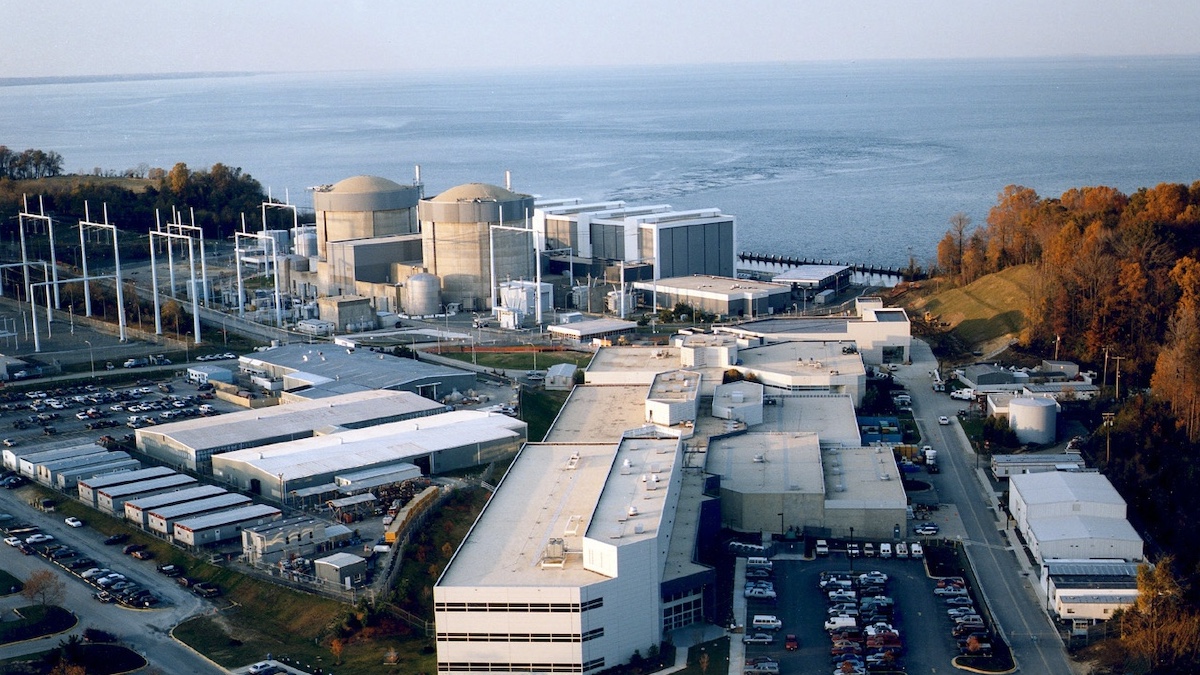
Maryland must not incentivize more nuclear power, write Jorge Aguilar and Tim Judson
In the next few weeks, Maryland officials are expected to deliver comprehensive plans for how state agencies will tackle the growing climate crisis and deliver on Gov. Wes Moore’s promise to achieve zero emissions across all of the state’s key sectors in the next two decades.
In June, Moore issued an executive order that set a Nov. 1 deadline for these detailed implementation plans as the next phase of a 2023 report called the Climate Pollution and Reduction Plan (CPRP). From agriculture to building codes to transportation, the CPRP made hundreds of recommendations that now await the rollout of actionable plans by the governor and state leaders.

Unfortunately, the one idea that seems to be gaining the most traction in recent months is an expansion of dangerous nuclear power for electricity generation. News reports have indicated that state legislators and administration officials are warming up to the radioactive idea of bringing in expensive new nuclear reactors to Maryland.
Marylanders should be very wary of this push and the perverse notion that nuclear industry backers are using to siphon off taxpayer money for these reactors. They argue that, because nuclear power plants do not burn fossil fuels, they should be counted as “clean energy.”
Read MoreNew nukes not a plus for unions

Trades unions should oppose nuclear power as there would be far more jobs in renewables and related industries, argue activists
UK union leaders Mike Clancy of Prospect and Gary Smith of GMB recently appealed to British prime minister Sir Keir Starmer to commit to finalising financial arrangements for the Sizewell C nuclear project in order to ‘help the UK meet its net-zero targets, deliver sustainable energy, and strengthen the economy’.
In response, the activist group Together Against Sizewell C (TASC) has written to the unions’ general secretaries setting out why they need to think again regarding their support for Sizewell C.
What follows is the text of their letter, edited for context and clarity, which also debunks the myths that new nuclear power plants will provide long-term sustainable jobs for union workers. (Note: UK spellings in the original have been retained.)
We write in response to your recent appeals to Sir Keir Starmer to commit to finalising financial arrangements for the Sizewell C nuclear project in order to ‘help the UK meet its net-zero targets, deliver sustainable energy, and strengthen the economy.’
In the first instance, we refer you to two important documents. The first, written by Professors Andrew Blowers, OBE, a social scientist of impeccable pedigree and lecturer at the Open University, and Steve Thomas, Emeritus Professor of Energy Policy at the University of Greenwich, is entitled: It is time to expose the Great British Nuclear Fantasy once and for all.
The second document we are sending you — an open letter to the Labour Party on energy policy — submitted in June 2024 before the election, was written by members of this organisation, which has been fighting Sizewell C for more than a decade.
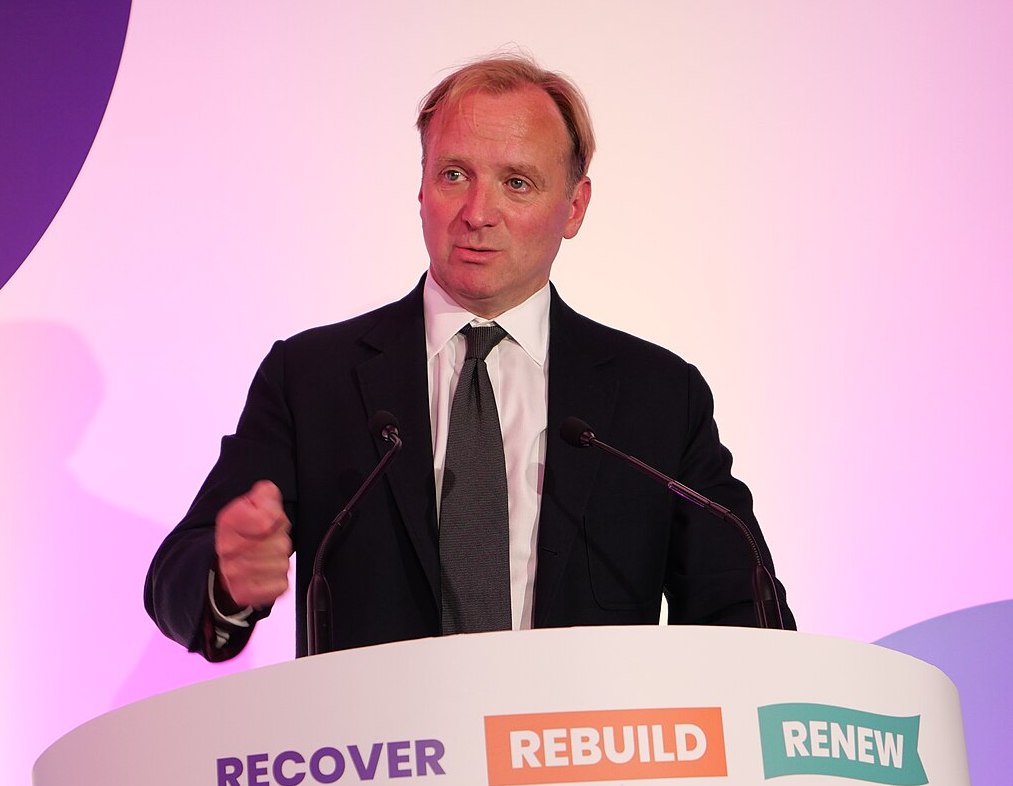
The truth is that the government nuclear energy policy which is most brazenly and shamelessly represented by Sizewell C is unattainable and a recipe for financial and environmental calamity. Keir Starmer, an apparent subscriber to the ‘duty of candour’, will, at some stage, be required to agree. It is noticeable that in all public statements since the election of the Labour administration, ‘nuclear’ is a word which has been studiously avoided. We don’t believe that’s coincidental.
Read MoreRemembering Randy Kehler

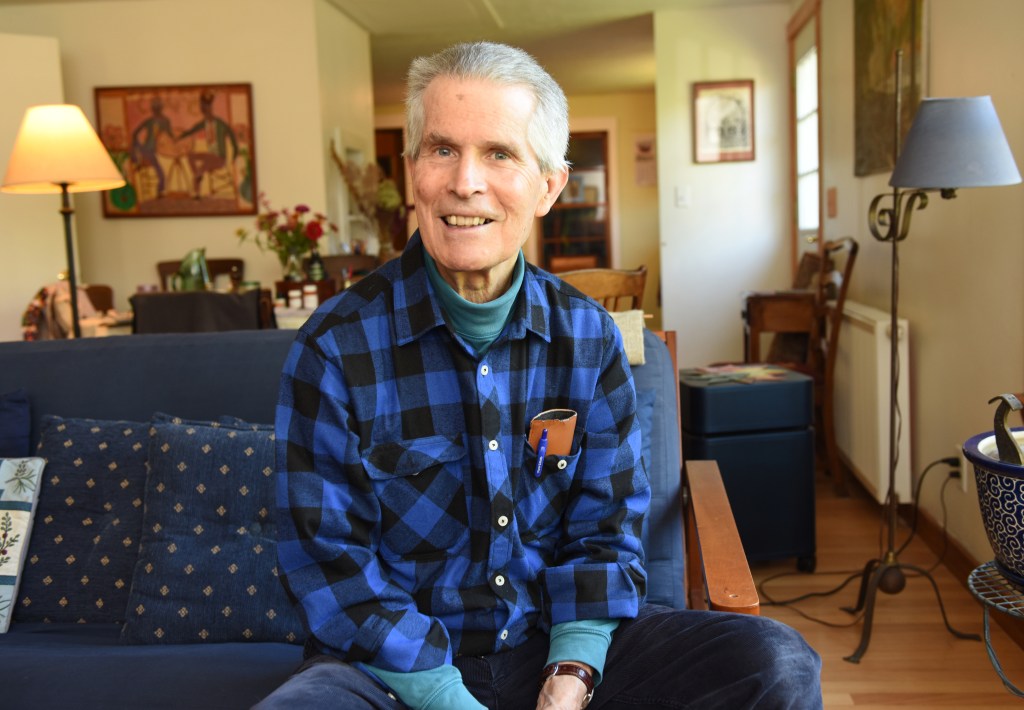
The activist, who died on July 21, 2024, was a humble humanitarian who was widely respected, writes Aaron Falbel
Randy Kehler was one of the most compassionate, kind, caring, and decent human beings I have ever known. Even those who disagreed with his politics — and there were many — could not help but like him personally. He was a person who radiated goodness, honesty, respectfulness, and integrity.
Some might say that he achieved few concrete results during his long career as an organizer and activist. We still live in a militaristic society that too frequently sees war as the answer, and we continue to be the world’s largest arms merchant. We still are armed to the teeth with nuclear weapons, and the Doomsday Clock ticks ever closer to midnight. We still do not have clean and fair elections, and things got worse after the infamous Citizens United decision. At times, Randy described himself as a Don Quixote figure, tilting at windmills and dreaming the impossible dream.
But that is not the whole story. Randy might not have achieved the concrete results he was after, but his actions had enormous ripple effects that penetrated far and wide. More than once, those ripples changed the course of history. Whistleblower Daniel Ellsberg once said point blank: “No Randy Kehler, no Pentagon Papers.”
His organizing around the nuclear weapons freeze, which included the largest political demonstration in this country’s history, on June 12, 1982, had ripple effects that penetrated the Reagan White House, and Reagan’s nuclear saber-rattling noticeably softened during his second term — a major shift. This paved the way for several landmark nuclear arms reduction agreements with the Soviets. It is not out of place to say, “No Randy Kehler, no INF or START treaties.” We were brought back from the brink.
Randy would have been the first one to admit that his life was not about achieving results. It was about taking a stand. He derived much comfort from this quote by Thomas Merton: “Do not depend on the hope of results. You may have to face the fact that your work will be apparently worthless and even achieve no result at all, if not perhaps results opposite to what you expect. As you get used to this idea, you start more and more to concentrate not on the results, but on the value, the rightness, the truth of the work itself. You gradually struggle less and less for an idea and more and more for specific people. In the end, it is the reality of personal relationships that saves everything.”
Read MoreNuclear weapons and children
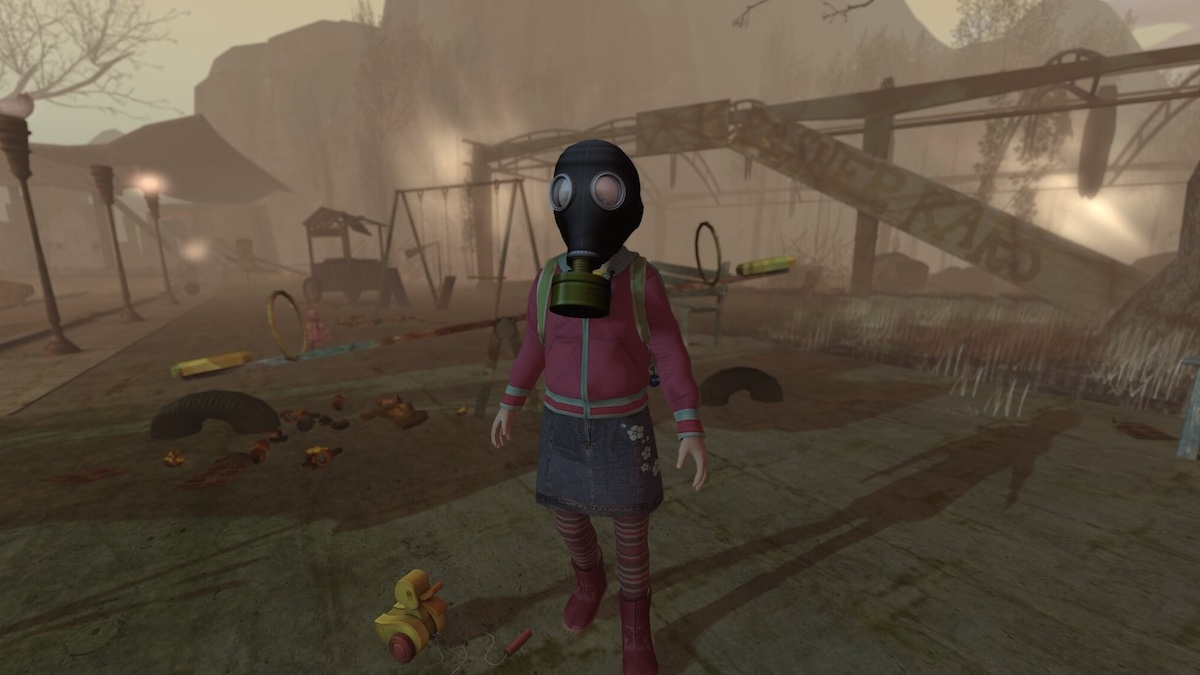
The main perpetrators of violence against children are states armed with nuclear weapons, writes Tim Wright.
Nuclear weapons are designed to destroy cities; to kill and maim whole populations, children among them.
In a nuclear attack, children are more likely than adults to die or suffer severe injuries, given their greater vulnerability to the effects of nuclear weapons: heat, blast and radiation. The fact that children depend on adults for their survival also places them at higher risk of death and hardship in the aftermath of a nuclear attack, with support systems destroyed.
Tens of thousands of children were killed when the United States detonated two relatively small nuclear weapons (by today’s standard) over the Japanese cities of Hiroshima and Nagasaki in 1945.
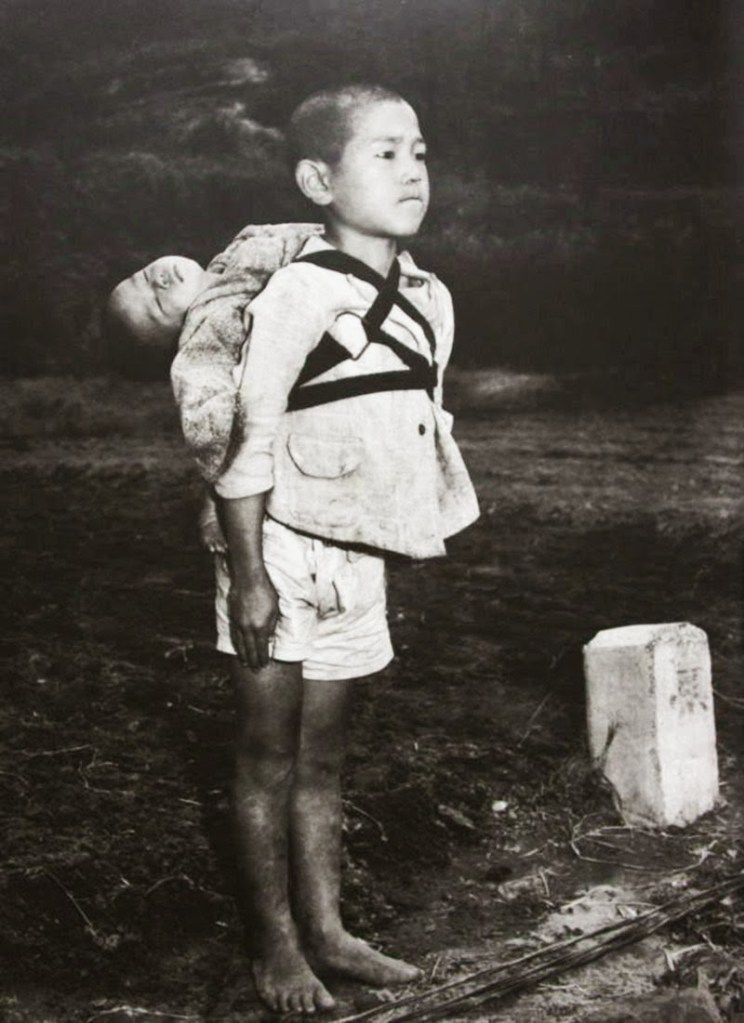
Many were instantly reduced to ash and vapour. Others died in agony minutes, hours, days or weeks after the attacks from burn and blast injuries or acute radiation sickness. Countless more died years or even decades later from radiation-related cancers and other illnesses. Leukaemia – cancer of the blood – was especially prevalent among the young.
In Hiroshima and Nagasaki, the scenes of devastation were apocalyptic: Playgrounds scattered with the dead bodies of young girls and boys. Mothers cradling their lifeless babies. Children with their intestines hanging out of their bellies and strips of skin dangling from their limbs.
At some of the schools close to ground zero, the entire student population of several hundred perished in an instant. At others, there were but a few survivors. In Hiroshima, thousands of school students were working outside to create firebreaks on the morning of the attack. Approximately 6,300 of them were killed.
Read More Beyond Nuclear International