 Beyond Nuclear International
A special (nuclear) relationship

A little known US-UK nuclear weapons agreement is up for renewal. It needs to end instead.
By Kate Hudson
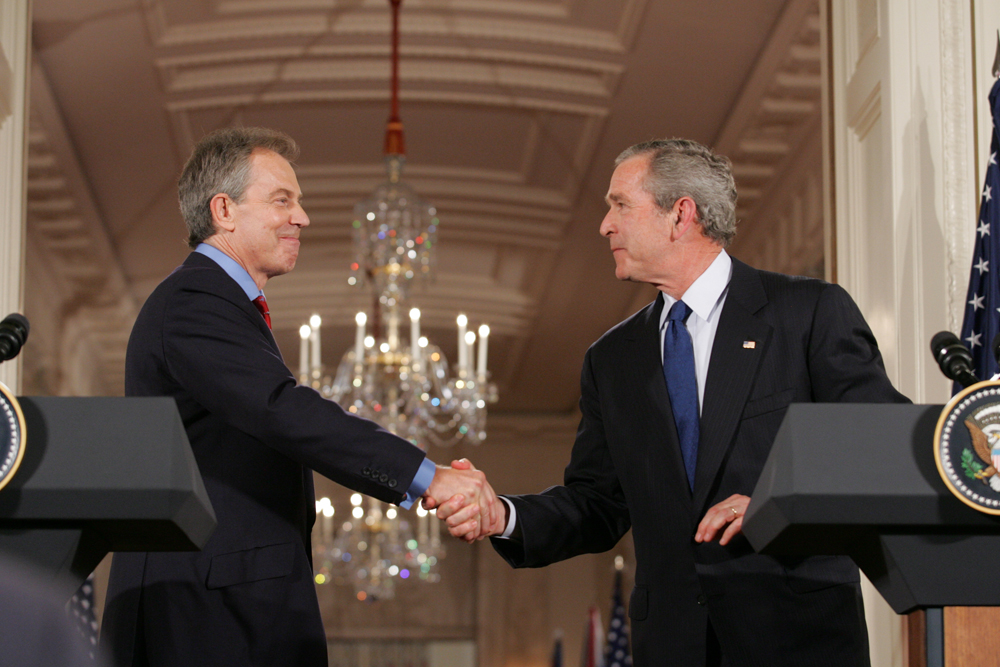
The “special relationship” is a longstanding refrain in British politics, used to justify so much that’s bad in UK foreign policy choices.
I recall in 2002 when Tony Blair agreed Britain had to pay a “blood price” to secure its special relationship with the US. We all know how that ended up.
But it wasn’t Blair who paid the blood price – it was 179 British service personnel, killed in an illegal war, and hundreds of thousands of Iraqis, and countless more injured, displaced and traumatised.
Much that feeds war can be notched up to the US/UK special relationship, but it goes far beyond providing diplomatic and military cover and assistance to US enterprises.
That relationship is also responsible for the development of the UK’s nuclear arsenal and its continued possession of these weapons of mass destruction.
The special nuclear relationship is facilitated by the US-UK Mutual Defence Agreement (MDA) – the world’s most extensive nuclear sharing agreement.
Even though it comes up for renewal in parliament every ten years, few seem to know of its existence.
Neither do many know the extent to which it makes us dependent on the US – or indeed that it underpins the wider relationship between the US and UK.
Read MoreThe Lying Piper of Nukeland
The IAEA’s nuclear fairy tales are leading nations — and all of us — into climate catastrophe
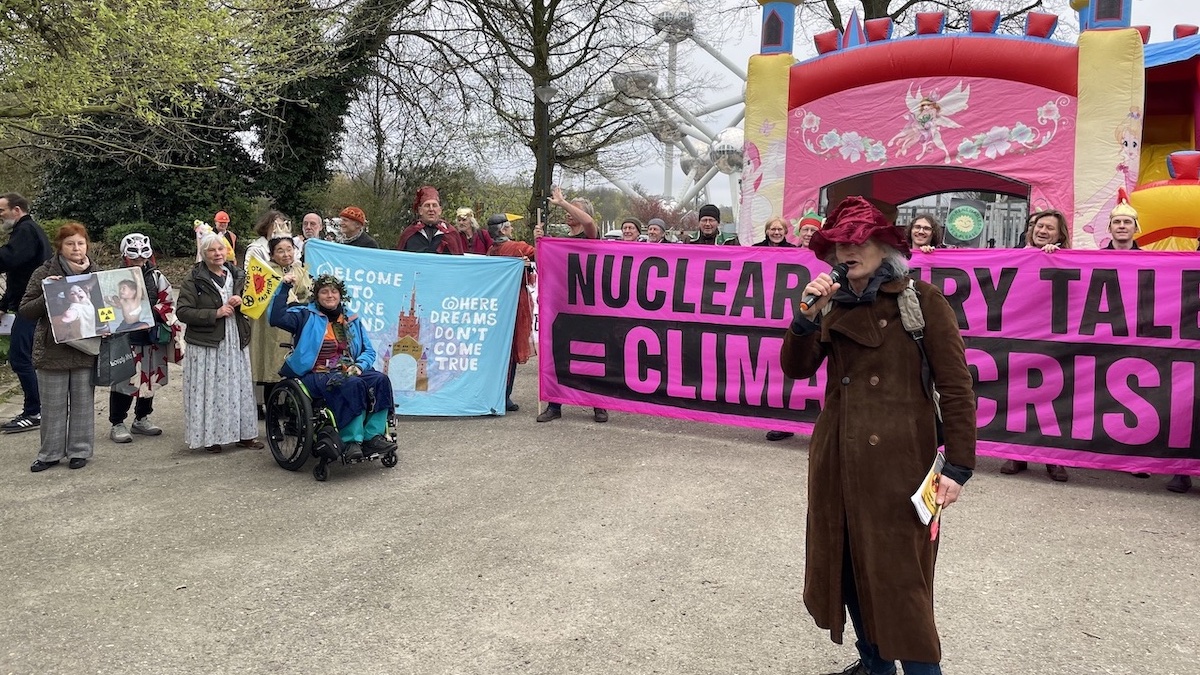
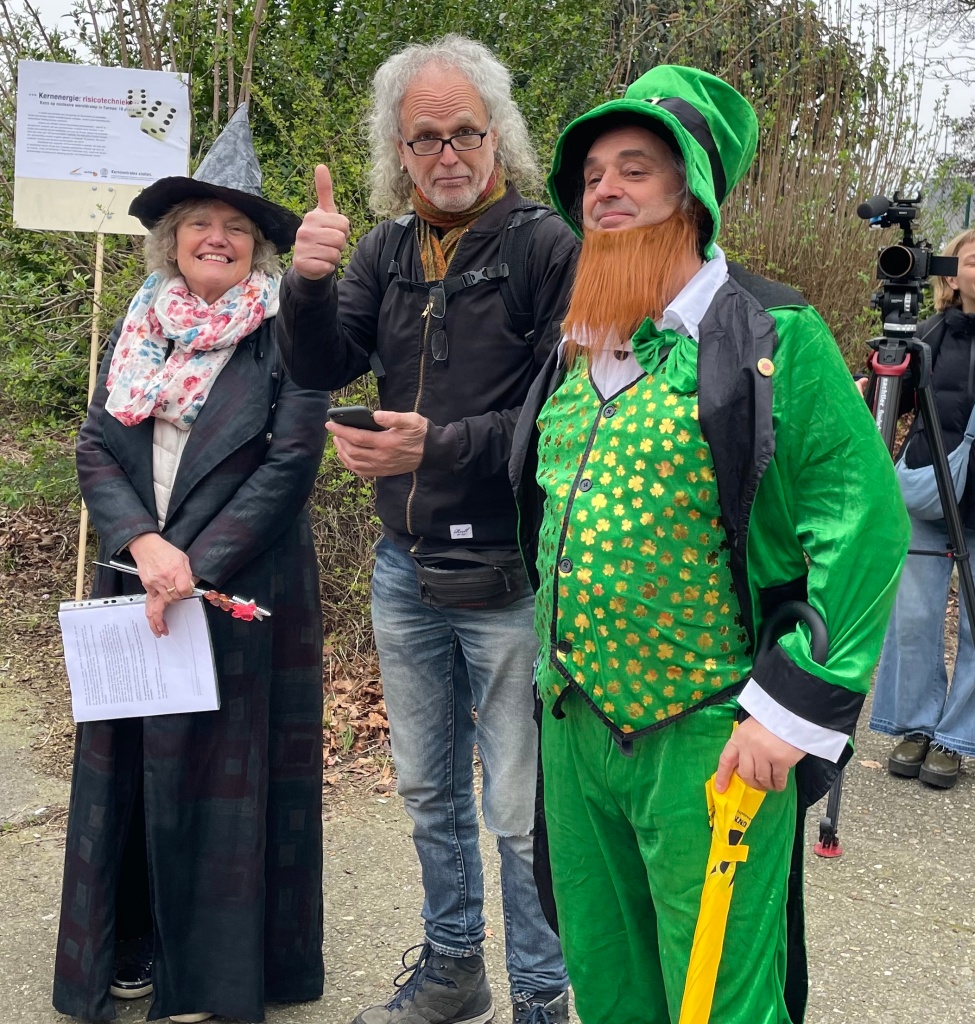
On March 21, more than 40 groups, mainly from Europe, protested the false promises and nuclear fairy tales being spun at the March 21 International Atomic Energy Agency’s Nuclear Energy Summit in Brussels. Prior to our fairy tale-themed rally close to the venue we issued a declaration signed by 621 organizations from across the world and issued a press release.
Our fairy tale handout parodied the story of nuclear power — see the text below. Beyond Nuclear also published a pamphlet exposing the hypocrisies and conflicts of interest of the IAEA. Feel free to download both and to distribute freely. The photos below are from our March 21 rally.
At the end of the one-day summit, the IAEA and 34 countries issued a pledge “to work to fully unlock the potential of nuclear energy“, code for taking taxpayer money and going with a begging bowl to the World Bank. That bubble quickly burst during the summit when a panel of bankers declared nuclear too financially risky and “last” on their list of lending priorities, preferring renewables instead. (A (slightly) more serious analysis follows next week.)
By Linda Pentz Gunter
Once upon a time… long ago, a Piper arrived in Carbonville. The people of Carbonville welcomed him warmly because they had heard that when he played his flute he had magical powers.
“Oh Piper!” they cried. “Here in Carbonville it is always dark and cold. It is smokey and polluted. Can you help us find a better way to create warmth and light?”
The Piper was happy to oblige. “I know just the answer,” he told them. “It’s called nuclear power! It’s safe, cheap and reliable. Very soon you will have warmth and light that is too cheap to meter!”
The people of Carbonville were so excited to get shiny new nuclear power plants that they took a vote and changed the name of their town to Nukeland.
The Piper began to play and very soon beautiful drawings of nuclear power plants started to appear for the people of Nukeland to admire. But several years passed and nothing else happened.
“What use are these drawings?” the people said. “We need warmth and light!”
“Be patient,” said the Piper. “I will bring you 15 nuclear power plants and you will have all the heat and light you need. I just need five gold coins to get them started.”
The people of Nukeland were very poor but they did without and saved up until they had five gold coins. They gave them to the Piper and once again he began to play.
Read MoreA spy in Vienna

The IAEA is recruiting, but it’s barking up all the wrong trees
By Linda Pentz Gunter
Note: On March 21st the International Atomic Energy Agency will be hosting what it bills as the “First Nuclear Energy Summit” in Brussels, Belgium, co-hosted with the Belgian government. We will have something to “show” and “tell” about that next week.
I have recently received three offers via LinkedIn to apply for different job openings at the International Atomic Energy Agency. Each time, the representative from the IAEA who pitched me wrote that: “I just came across your profile, and it caught my attention”, then described the job itself and why my skill set was ideally suited. Really?
Caught their attention, yes, although evidently they didn’t actually read what is on my LinkedIn page. Unless the IAEA is looking to “turn” me, because I presume what they don’t want is a dissenting mole in their midst. That would mean the IAEA had suddenly developed a conscience.
It was tempting, though, given the goodies thrown in.
“As this position is based in Vienna, Austria, we would support you with multiple benefits, including relocation, rental subsidy, visa support, education grant for your children, tax-free salary, health insurance, and many more,” read each invitation.
Wow, I am in the wrong job! But for all the right reasons.
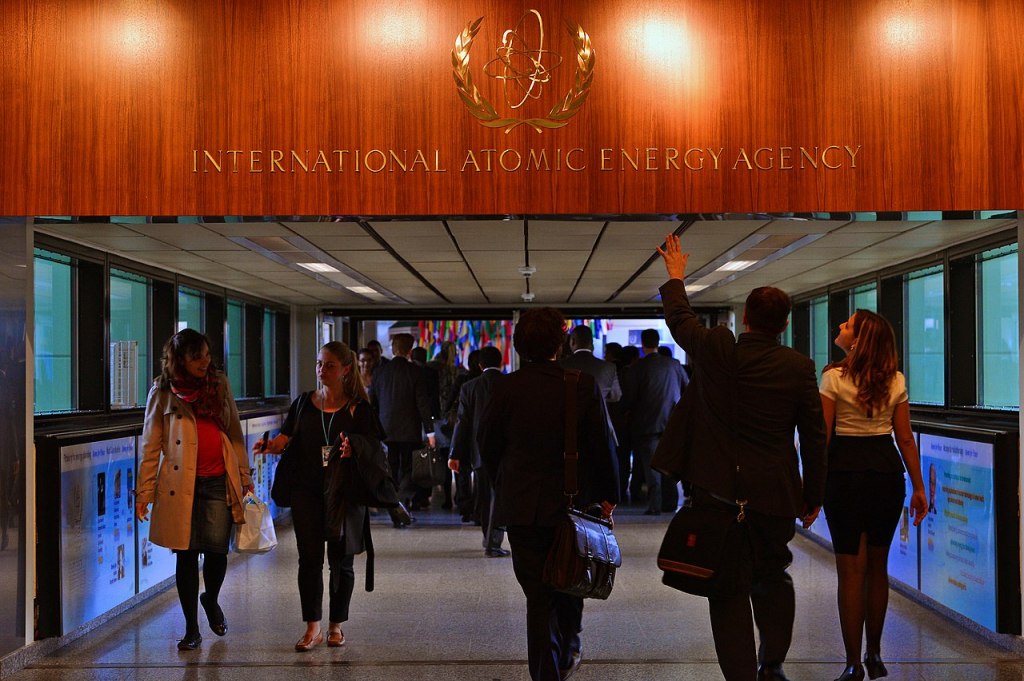
The official mission of the IAEA, an agency of the United Nations, is that it quote “seeks to promote the safe, secure and peaceful use of nuclear technologies.”
What it is actually seeking to promote, with unprecedented aggression, is a massive expansion of nuclear energy. This is the exact opposite of “peaceful” and presents some real proliferation problems the agency seems entirely willing to ignore.
Read MoreA magic reactor killed by environmentalists?

On the contrary, a “nuclear waste-eating reactor” does not exist
By Stéphane Lhomme
Appearing as a guest on several TV channels (BFM, Cnews, etc.), a certain Fabien Bouglé managed to fool both viewers and journalists (most of whom are totally ignorant about nuclear power) with a series of fibs, each more enormous than the last. Here are a few clarifications.
There is no such thing as a “nuclear waste-eating” reactor
The smooth-talking Bouglé left his ignorant interlocutors stunned and bewildered as he talked about “waste-eating” reactors that would have already solved the radioactive waste issue if an infamous green lobby, “betraying France to Germany” (sic!), hadn’t “prevented” the advent of such reactors.
So, like throwing a log on the fire, all you have to do is put the radioactive waste produced by today’s power plants into a “magic” reactor, and the waste will disappear.
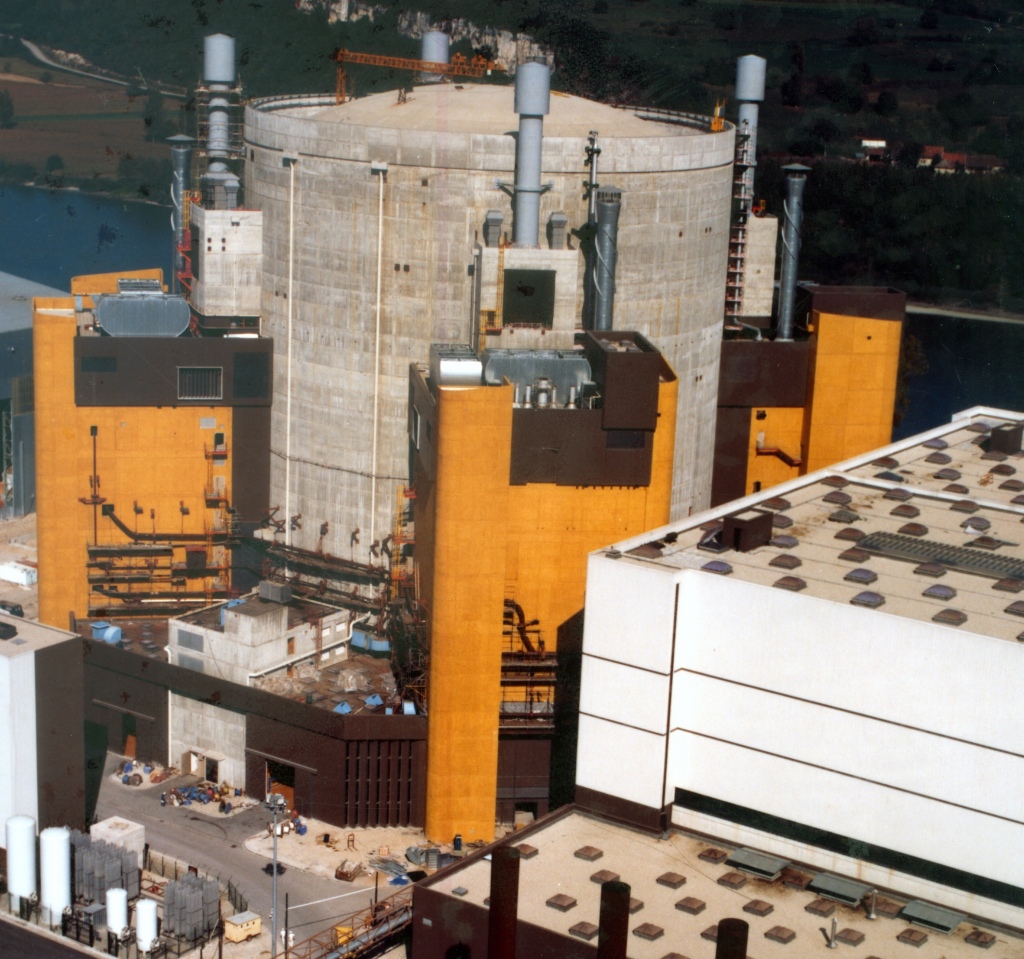
Mr. Bouglé finally divulged his “secret”: the so-called “waste-eating” reactors are simply… breeder reactors: a type of reactor that the global nuclear industry has failed to operate for 70 years, like Superphénix in France! And, even if it did work, it would in no way eliminate radioactive waste. What’s more, less than 1% of nuclear fuel (the most radioactive waste) could theoretically have its lifespan reduced, but without disappearing and while becoming even more radioactive! In the nuclear industry, as elsewhere, miracles do not exist.
Read MoreUn réacteur “magique” tué par les écolos?
Au contraire, il n’existe pas de réacteur “mangeur de déchets nucléaires”
Par Stéphane Lhomme
Invité sur différents plateaux de télévision (BFM, Cnews, etc), un certain Fabien Bouglé parvient à abuser téléspectateurs mais aussi journalistes (pour la plupart totalement ignorants concernant le nucléaire) avec une série de balivernes plus énormes les unes que les autres. Voici quelques mises au point.
– Il n’existe pas de réacteur “mangeur de déchets nucléaires”
Le bonimenteur Bouglé laisse pantois et subjugués ses interlocuteurs ignorants en leur parlant de réacteurs “mangeurs de déchets” qui auraient déjà réglé la question des déchets radioactifs si un infâme lobby écolo, “trahissant la France au profit de l’Allemagne” (sic !), n’avait pas “empêché” l’avènement de tels réacteurs.
Ainsi, comme on jette une bûche dans une cheminée, il suffirait de mettre les déchets radioactifs produits par les centrales actuelles dans un réacteur “magique” pour que ces déchets disparaissent.
M. Bouglé finit par livrer son “secret” : les réacteurs prétendus “mangeurs de déchets” sont tout simplement… les surgénérateurs : un type de réacteur que l’industrie nucléaire mondiale échoue à faire fonctionner depuis 70 ans, comme Superphénix en France ! Et, quand bien même cela marcherait, cela ne ferait en aucun cas disparaitre les déchets radioactifs. De plus, c’est moins de 1% des combustibles nucléaires (les déchets les plus radioactifs) qui pourraient théoriquement voir leur durée de vie réduite, mais sans pour autant disparaître et en devenant encore plus rayonnants ! Dans le nucléaire comme ailleurs, les miracles n’existent pas.
Read MoreMake (some) nukes history

Hollywood stars put their name to a good message, but it’s the messengers who are problematic
By Linda Pentz Gunter
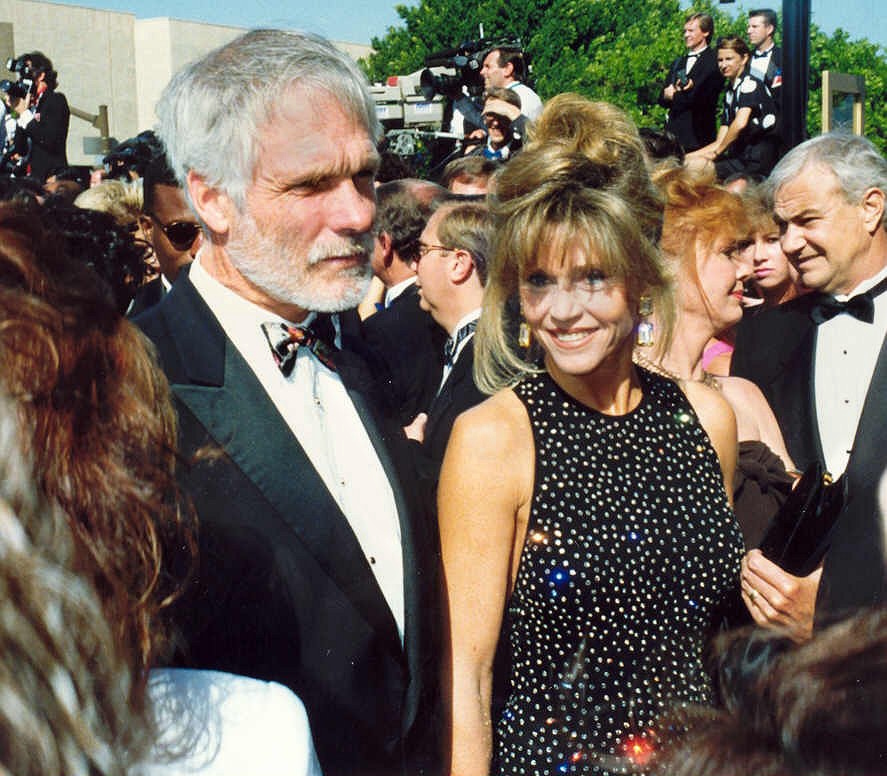
A handful of Hollywood celebs, some highly recognizable including Jane Fonda, Barbra Streisand, Lily Tomlin, Emma Thompson and Michael Douglas, as well as musicians such as Jackson Brown and Graham Nash, just signed their names to a letter published in the LA Times urging that we “Make Nukes History”.
Hooray, right? Well, only half hooray.
The Hollywood letter was part of a quickly launched campaign to coincide with the Oscar buzz around the successful feature film, Oppenheimer, in order to leverage attention for the need to abolish nuclear weapons. The Make Nukes History campaign aims to raise public awareness about the civilization-ending risks posed by today’s nuclear arsenals. It reminds us that while Oppenheimer is a history lesson, nuclear weapons are very much still with us, but that we can put an end to what J. Robert Oppenheimer started.
So far, all so good. Far too few of us are thinking about nuclear weapons and the threat they pose, let alone doing something about getting rid of them. It’s an important message that needs reiterating.
Meanwhile, Oppenheimer duly swept seven Academy Awards on Sunday. We waited hopefully for one of the winners to say something about the effect of Oppenheimer’s bomb down the ages. It came only from Cillian Murphy at the end of his Best Actor acceptance speech. “We made a film about the man who created the atomic bomb and for better or for worse we are all living in Oppenheimer’s world so I would really like to dedicate this to the peacemakers, everywhere,” Murphy said.
The Make Nukes History message did not make it to the Oscar stage and the LA Times letter was surprisingly skimpy, failing to get at the heart of the two key takeaways missed in the Oppenheimer film: the unwilling, unrecognized and still uncompensated victims of Oppenheimer’s original Trinity bomb; and the on-going harm down generations to all peoples whose lands were seized and used for atomic tests.
Read More Beyond Nuclear International