 Beyond Nuclear International
Joy and gratitude grounded in hope

Lack of fear was one of Daniel Ellsberg’s superpowers, son says
As we prepare to celebrate Daniel Ellsberg posthumously with the Nuclear-Free Future Award’s Lifetime Achievement honor, we reproduce the eulogy written by his son, Robert, and published on Common Dreams. Robert will accept the Nuclear-Free Future Award on his father’s behalf. It will be presented by Democracy Now! host, Amy Goodman. The three activist Nuclear-Free Future Awards go to Tina Cordova, Benetick Kabua Maddison and Hinamoeura Morgant-Cross (see our earlier article for details.) The Awards take place at the Blue Gallery in New York City on November 28, beginning with a reception at 6pm followed by the awards ceremony. Everyone is encouraged to attend. The event is free and open to the public.
By Robert Ellsberg
Peacemaker and whistleblower Daniel Ellsberg died on June 16, 2023, four months after his diagnosis with inoperable pancreatic cancer. In March, he shared news of his prognosis with friends and supporters in the peace movement in a letter posted on Common Dreams. On October 22 his family hosted an online Celebration of Life which featured testimonials by his wife, Patricia, his children, Robert, Mary, and Michael, his grandchildren, and a wide range of friends, fellow peacemakers, and whistleblowers, including Edward Snowden, Jane Fonda, Barbra Streisand, Rev. John Dear, Norman Soloman, Rep. Barbara Lee, Gov. Jerry Brown, Tom Reiffer, Richard Falk, and Randy Kehler. Dan’s son Robert, the Publisher of Orbis Books, delivered this opening eulogy:
During a phone call in February, Dad mentioned—almost as a side note—“If I had a potentially serious condition, would you want to know about it?” I answered with words to the effect: Hell yes! Thus, I learned of a possible mass on his pancreas, which was later confirmed to be pancreatic cancer and was deemed inoperable. He was told he had three to six months to live. He lived for four.
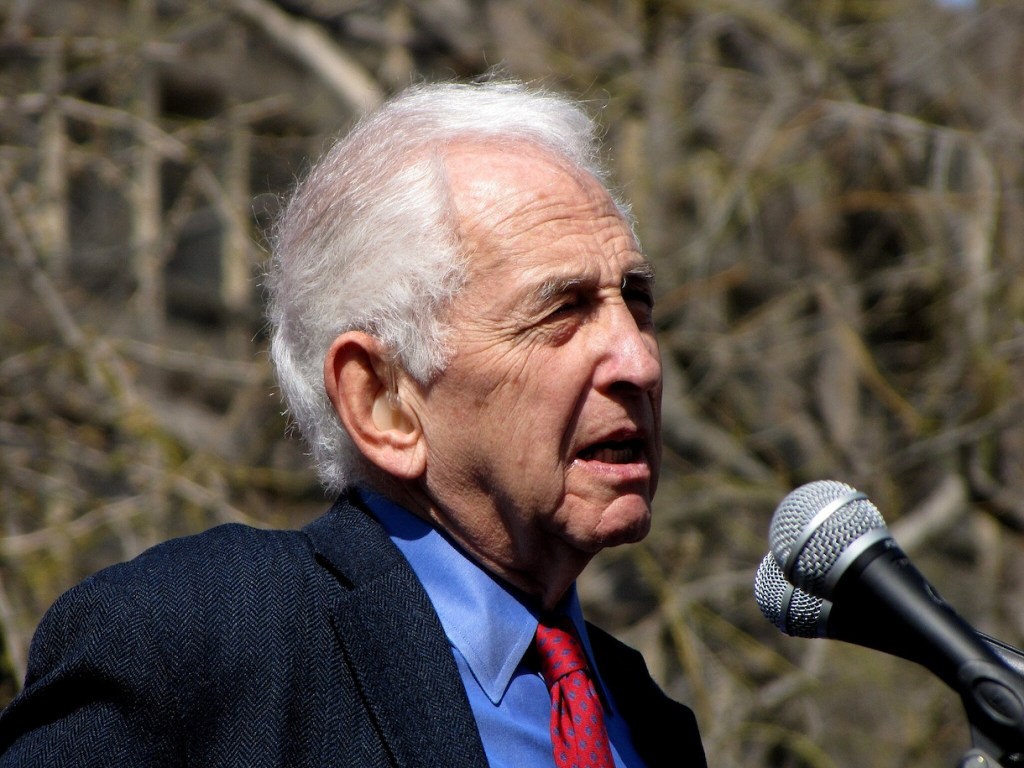
I had known that Dad was never particularly worried or anxious about the prospect of his own death. Since surviving the car accident that killed his mother and sister when he was 15, I think he had always felt he was living on borrowed time. He admitted to me that this probably accounted for his ability to take risks that others might have feared—some of them, arguably reckless, such as driving through the countryside of Vietnam in his Triumph Spitfire. Others, like his willingness to risk life in prison for releasing the Pentagon Papers, served a higher purpose. That lack of fear was one of his superpowers.
Classified! The secret radiation files
Health physicists fear lawsuits more than nuclear accidents
By Kate Brown
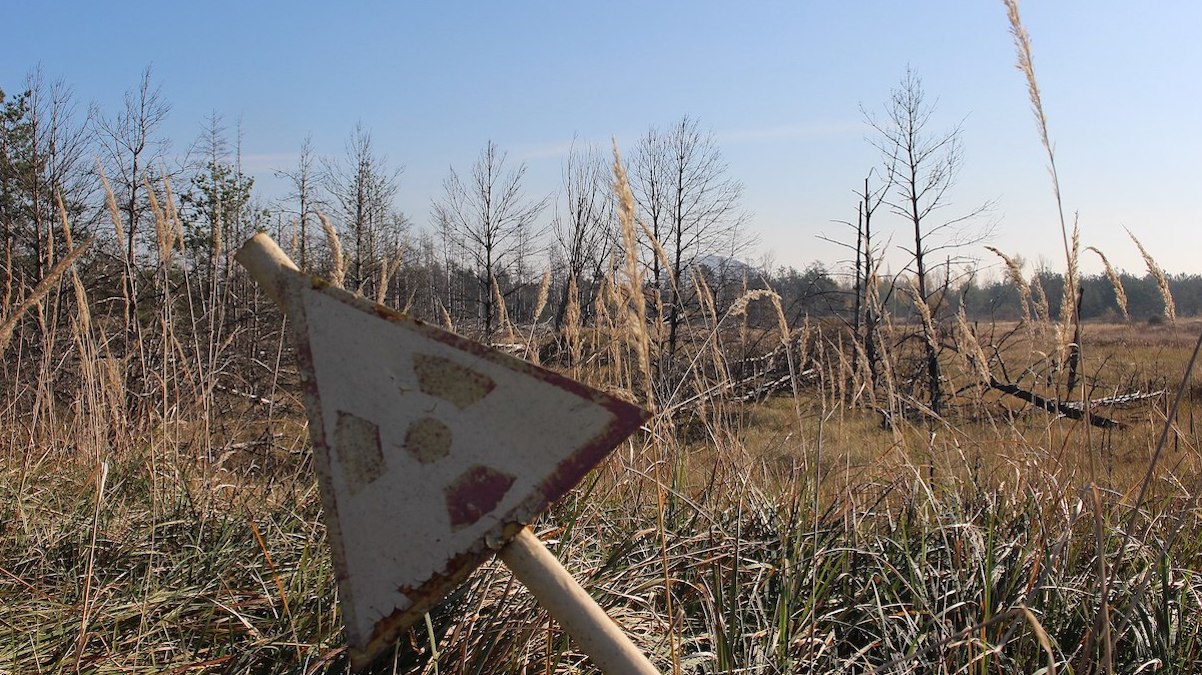
In 1987, a year after the Chernobyl accident, the US Health Physics Society met in Columbia, Maryland. Health physicists are scientists who are responsible for radiological protection at nuclear power plants, nuclear weapons plants, and hospitals. They are called on in cases of nuclear accidents. The conference’s keynote speaker came from the Department of Energy (DOE); the title of his talk drew on a sports analogy: “Radiation: The Offense and the Defense.” Switching metaphors to geopolitics, the speaker announced to the hall of nuclear professionals that his talk amounted to “the party line.” The biggest threat to nuclear industries, he told the gathered professionals, was not more disasters like Chernobyl and Three Mile Island but lawsuits.
After the address, lawyers from the Department of Justice (DOJ) met in break-out groups with the health physicists to prepare them to serve as “expert witnesses” against claimants suing the US government for alleged health problems due to exposure from radioactivity issued in the production and testing of nuclear weapons during the Cold War. That’s right: the DOE and the DOJ were preparing private citizens to defend the US government and its corporate contractors as they ostensibly served as “objective” scientific experts in US courts.
Health physics is an extremely important field for our everyday lives. Health physicists set standards for radiation protection and evaluate damage after nuclear emergencies. They determine where radiologists set the dial for CT scans and X-rays. They calculate how radioactive our food can be (and our food is often radioactive) and determine acceptable levels of radiation in our workplaces, environments, bodies of water, and air. Despite its importance, as it is practiced inside university labs and government organizations, health physics is far from an independent field engaged in the objective, open-ended pursuit of knowledge.
Compromised Science
The field of health physics emerged inside the Manhattan Project along with the development of the world’s first nuclear bombs. From the United States, it migrated abroad. For the past seventy-five years, the vast majority of health physicists have been employed in national nuclear agencies or in universities with research underwritten by national nuclear agencies. As much as we in the academy like to make distinctions between apolitical, academic research and politicized paid research outside the academy, during the Cold War those distinctions hardly made sense. From the end of World War II until the 1970s, federal grants paid for 70 percent of university research. The largest federal donors were the Department of Defense, the US Atomic Energy Agency, and a dozen federal security agencies.
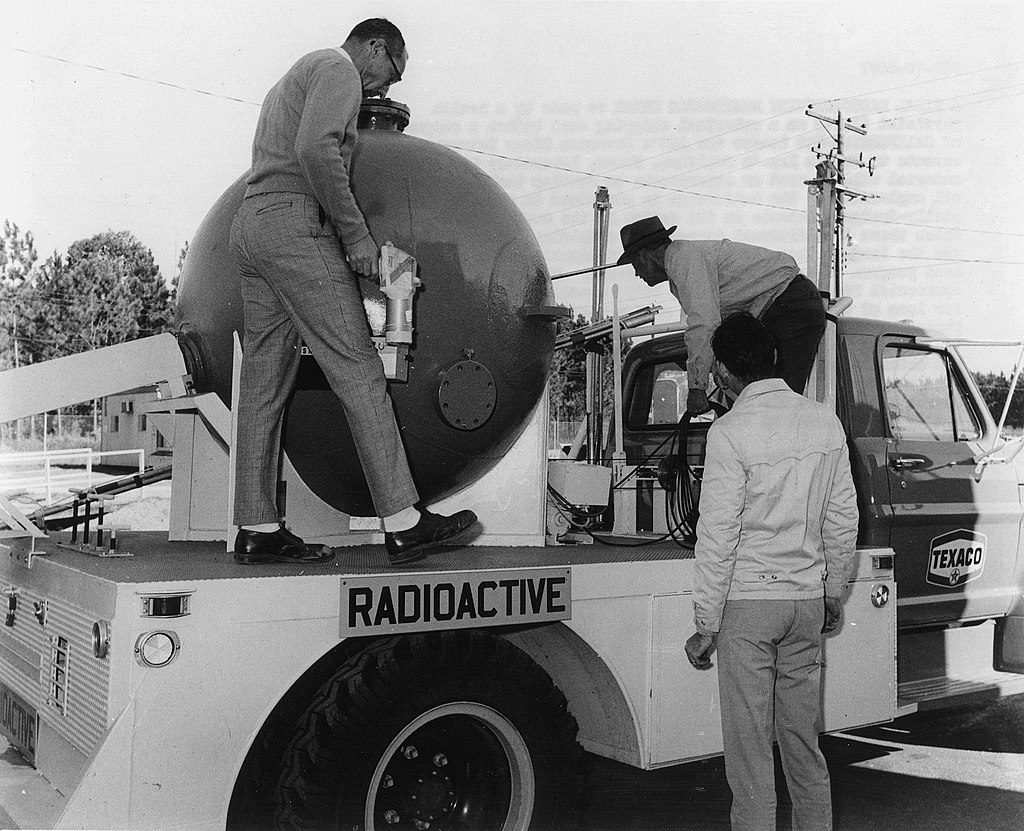
Historian Peter Galison estimated in 2004 that the volume of classified research surpassed open literature in American libraries by five to ten times. Put another way, for every article published by American academics in open journals, five to ten articles were filed in sealed repositories available only to the 4 million Americans with security clearances. Often, the same researchers penned both open and classified work. Health physics benefited from the largesse of the Pentagon and the Atomic Energy Commission, which produced nuclear weapons for US arsenals. Correspondingly, the field suffered from a closed circle of knowledge that has had a major impact on our abilities to assess and respond to both nuclear emergencies and quotidian radioactive contamination.
Read MoreThe Dann sisters blazed a trail
Right Livelihood Award winners stood up for Indigenous ways, their lands and their rights
By Linda Pentz Gunter
In the world of anti-nuclear activism — against both nuclear power and nuclear weapons — hope can sometimes feel illusory; victories almost impossible. A moment of glory, such as the passage of the Treaty on the Prohibition of Nuclear Weapons, is tempered by the recognition that the nuclear powers won’t sign it. Worse, they work actively to derail it.
We sound the warnings about the dire risks of a nuclear power plant embroiled in the war in Ukraine. Meanwhile, the UN watchdog agency seemingly intent on preventing a nuclear disaster there, is at the same time assuring its certainty, in Ukraine or elsewhere, by continuing to promote nuclear power.
Those battling the stubborn resistance to do the right thing on global warming must confront — and overcome — “climate despair”. We face a similar challenge to our wellbeing and psyche, perpetual Cassandras who can foresee the Armageddon of nuclear war or the looming catastrophe of another Chornobyl, but who are unable to shake our leaders awake to avert such outcomes.
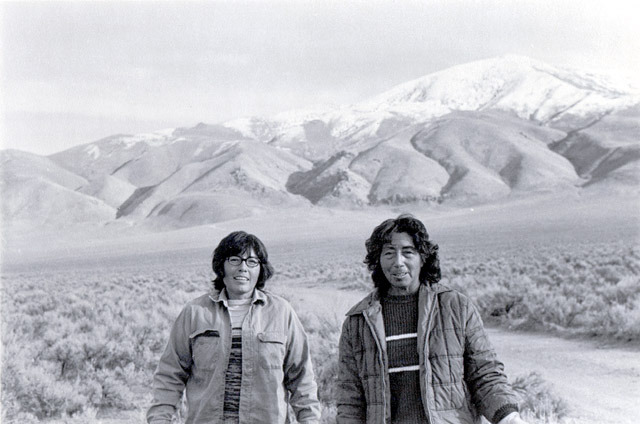
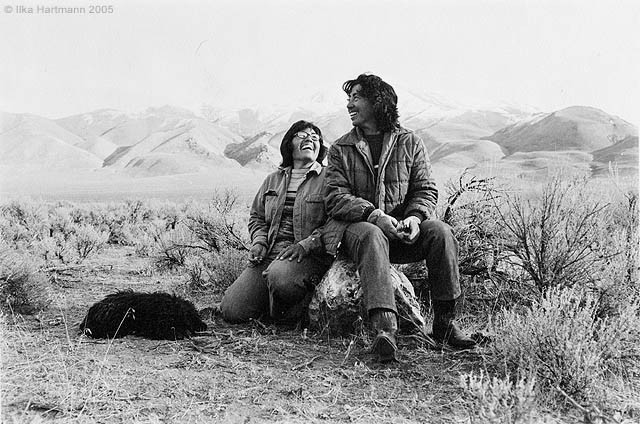
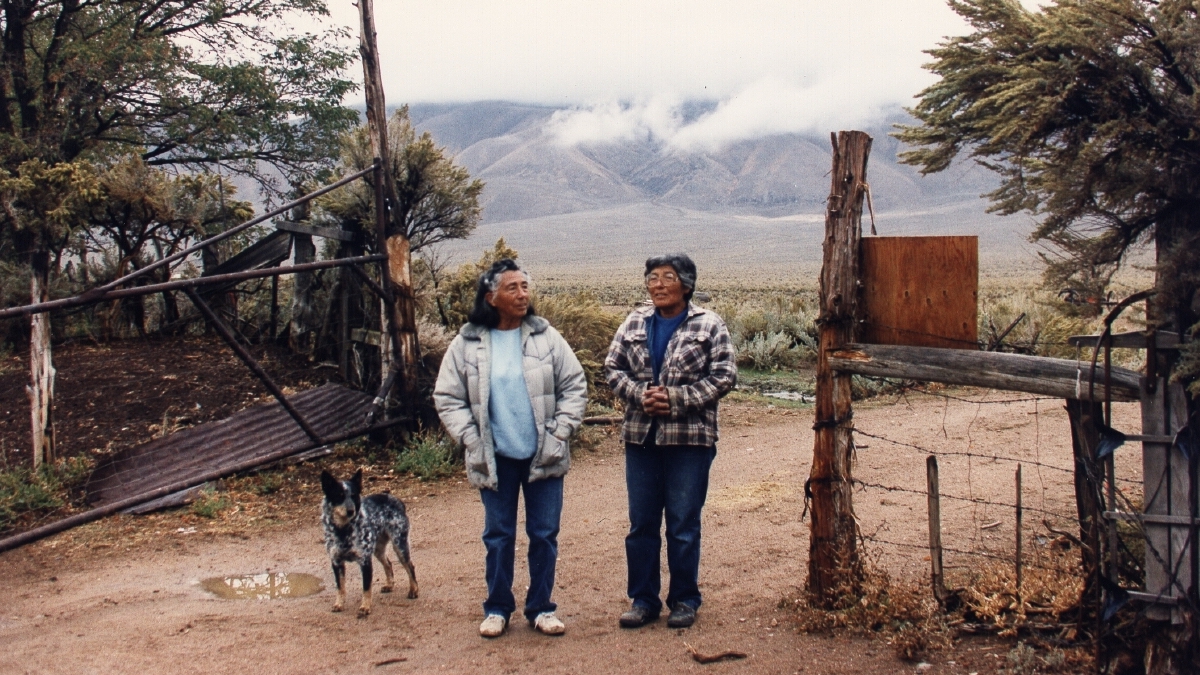
The Dann sisters on their ranch. Photos ©Ilka Hartmann/IlkaHartmann.com
But, miraculously, one thing remains immutable in our movement — the steadfast dedication of its members to avert the worst. We fail to mention them enough. When we do get a win, we sometimes forget to celebrate.
While our movement has won the Nobel Peace Prize, twice, (IPPNW in 1985, ICAN in 2017) we must also fete our own. So we have the Nuclear-Free Future Awards, established in 1998 and whose 2023 winners you can read about here.
Read MoreAtoms for Peace was never the plan
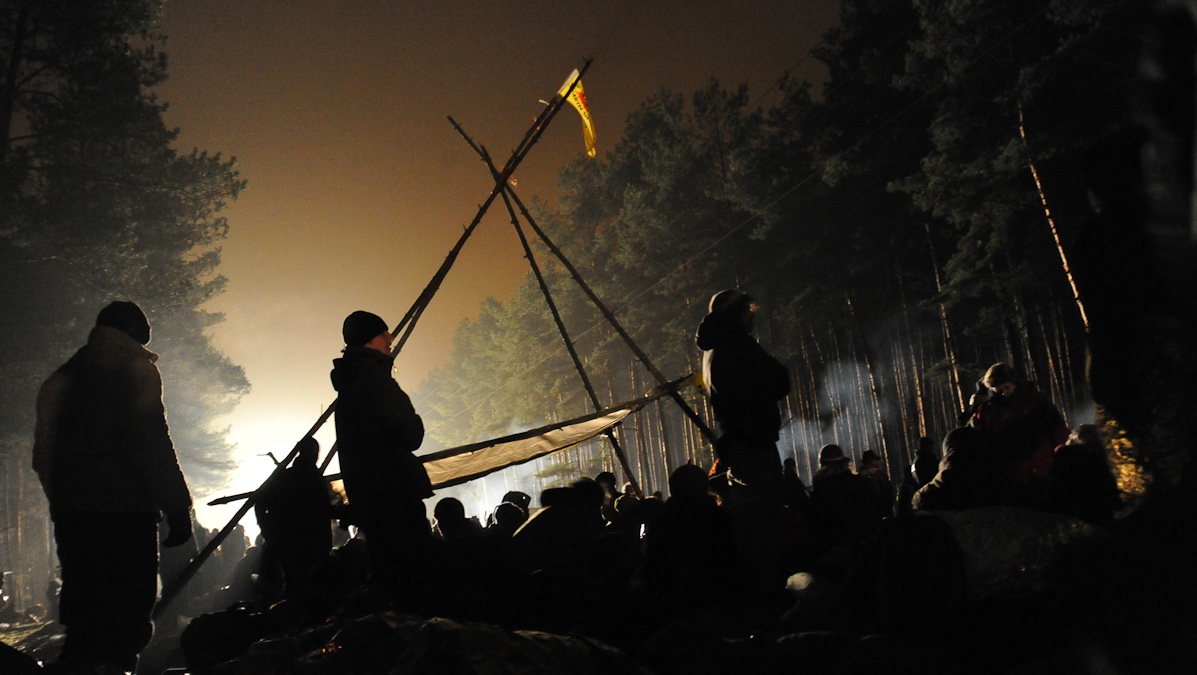
Early reactors were primarily intended as producers of plutonium
By Linda Pentz Gunter
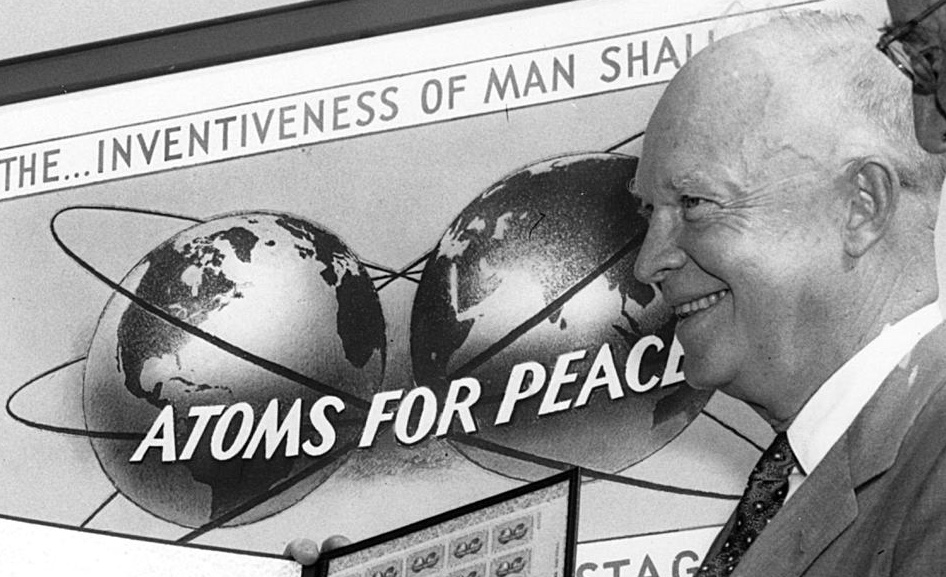
Atoms for Peace had a nice ring to it. But it was a fantasy at best, at worst, a lie. Atoms for Peace was never the intention. Atoms for war, as it turned out, was brewing in the background even before Dwight Eisenhower became president of the United States.
After summarily tossing aside the Paley Commission report delivered to his predecessor, President Truman, and which advocated the US choose the solar pathway for energy expansion, Eisenhower embraced a very different report. In 1953, the Atomic Energy Commission (AEC) delivered a series of studies on Nuclear Power Reactor Technology from four groups of private industry companies.
On the cover of the report is a familiar rogues’ gallery of corporations, including Dow, Monsanto, and Bechtel.
These reports, an initiative of the companies themselves, were designed to find a way to bring private industry into the nuclear power sector. Hitherto, the nuclear sector — almost entirely focused on weapons of course — was firmly under the control of government and the military.
Whose idea was it? Says the AEC:
“Accordingly, when Dr. Charles A. Thomas, of Monsanto Chemical Co., in the summer of 1950 proposed that industry might with its own capital design, construct and operate nuclear reactors for production of plutonium and power, the AEC gave the suggestion interested consideration.”
Plutonium and power. Note which came first.
Before long there were four groups all vying to come up with the best proposal for a dual-purpose reactor — and that’s what they called them — that would make plutonium for the nuclear weapons sector, and oh yes, as a by-product, also generate electricity.
Read More2023 Nuclear-Free Future Awards event and winners announced
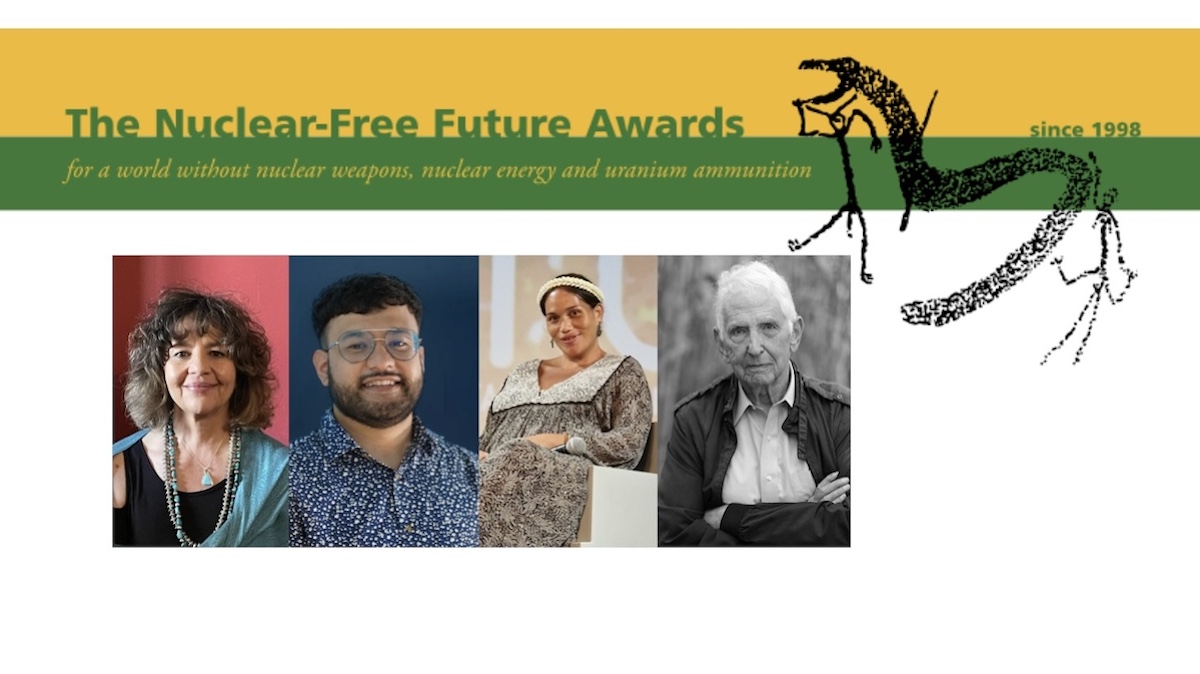
Prizes to be awarded at November 28 ceremony in New York City
UPDATE: The venue has changed! The Awards will now be held at the Blue Gallery, 222 E 46th St, New York, NY 10017. A reception at 6pm will be followed by the awards ceremony. All our welcome. The event is free and open to the public. The event is a joint presentation of Beyond Nuclear, International Physicians for the Prevention of Nuclear War, Nuclear Age Peace Foundation and Reverse the Trend.
The winners of the 2023 Nuclear-Free Future Awards, an annual event that honors the many heroes of the global anti-nuclear movement who work to rid the world of uranium mining, nuclear power and nuclear weapons, have now been announced.
They are:
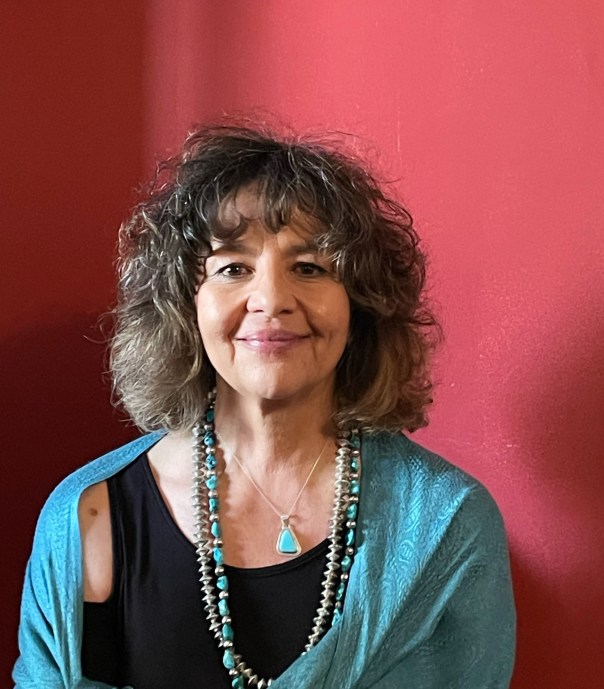
Tina Cordova, a seventh generation native New Mexican, cancer survivor and the co-founder of the Tularosa Basin Downwinders Consortium. She has campaigned for more than 18 years to bring attention to the negative health effects suffered by the unknowing, unwilling, uncompensated, innocent victims of the first nuclear blast on Earth that took place at the Trinity site in New Mexico. Shockingly, the Trinity victims were never classified as downwinders but Tina and her allies are making extraordinary progress to ensure they are included under the Radiation Exposure Compensation Act.

Benetick Kabua Maddison, a young US-based Marshallese activist who last year became the Executive Director of the Arkansas-based Marshallese Educational Initiative. He works to educate both US and international audiences about the terrible legacy of the 67 US atomic tests conducted in the Marshall Islands between 1946 and 1958 and the ongoing health, environmental, and cultural consequences that affect multiple generations with previously unknown epidemics of birth defects and cancers. Benetick works for justice and for a universal commitment to the Treaty on the Prohibition of Nuclear Weapons.
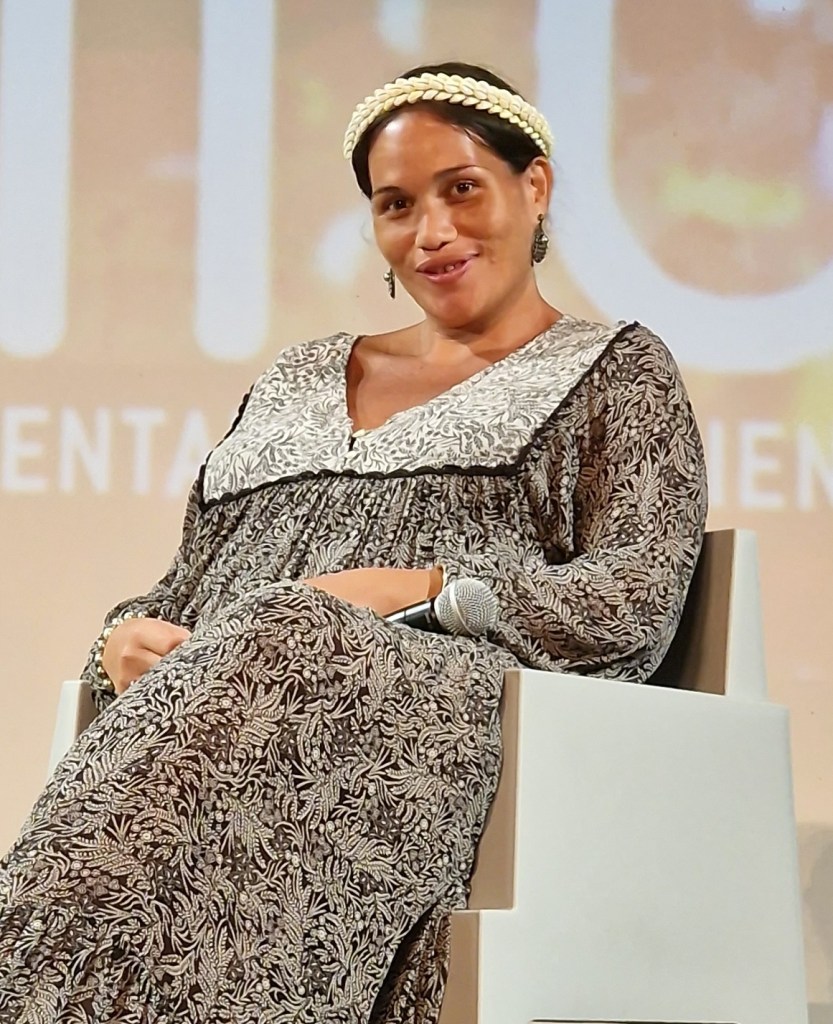
Hinamoeura Morgant-Cross, a French Polynesian in her mid thirties, whose realization that her own leukemia was a legacy of the French atomic tests in the South Pacific led her into activism. Hinamoeura works to ensure that the stories and experiences of the victims and their families will not be forgotten and to pressure the French government into both acknowledgement of responsibility and medical and financial support. She was elected to the Polynesian Assembly of Representatives last May and in September 2023 shepherded through a unanimous Assembly vote supporting the Treaty on the Prohibition of Nuclear Weapons.

Daniel Ellsberg for Lifetime Achievement, honored posthumously. (Ellsberg died earlier this year.) Ellsberg is best known for exposing US government decision-making about the Vietnam war when he leaked the Pentagon Papers. However, he was also a nuclear insider, a person who saw firsthand and even participated in planning for nuclear war, something he exposed in detail in his remarkable and chilling final book, The Doomsday Machine. Dan dedicated his life’s work to peace and the prevention of nuclear war.
Deadly dust
A look at the studies of professor Masaharu Hoshi
From Impact
The risks of radiation exposure are better understood today thanks to researchers dedicated to working with the victims of exposure, understanding their symptoms, identifying treatments and developing safety protocols. This article looks at the work of one such researcher, Dr. Masaharu Hoshi.
Harnessing atomic particles and radiation led to powerful and world changing technologies. The field of medical imaging has saved countless lives and continues to push the boundaries of medical interventions and research, which would have been impossible without the first x-ray machines. Unfortunately, not all inventions have been so altruistic.
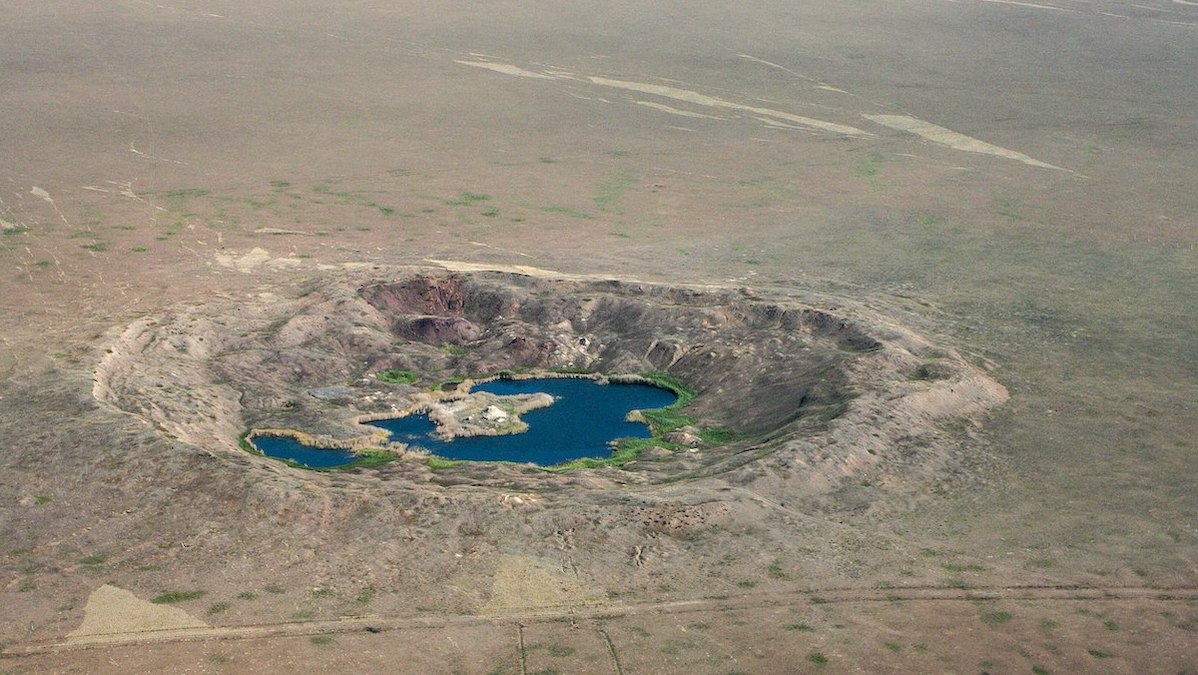
The advent of nuclear weapons showed the world the destructive potential possible via scientific inquiry. While the dangerous effects of radiation exposure were documented from the inception of this technology, catastrophic events like the bombing of Hiroshima and Nagasaki and nuclear disasters at Chernobyl, Semipalatinsk or Fukushima provide a real-time glimpse into the long-term effects of exposure.
Investigating the causes of this exposure in order to prevent future accidents is essential, but so too is cataloguing the rates and types of exposure among the victims. With this information, correlations between exposure and health effects, both short- and long-term, can be assessed. This data is crucial for understanding the mechanisms behind radiation effects on living creatures and in assessing risks, safety protocols and treatment. Since the 1980s, Dr Masaharu Hoshi, Professor Emeritus at Hiroshima University, has been traveling around the world, visiting the sites of nuclear disasters in an effort to fully comprehend the risks. In doing so he is also revealing that there is still much we need to learn regarding the effects of radiation exposure.
Quantifying the risks
“I started my research with the people exposed to radiation in Hiroshima and Nagasaki in the year 1980,” says Hoshi. “Before that I completed my dissertation on nuclear physics with a specialty in radiation measurement.” This graduate training positioned him to become an expert on the effects of radiation.
The work that commenced in Hiroshima and Nagasaki right after the blast showed that with higher doses of radiation, the greater the effect on the human body, in the form of symptoms like carcinogenesis. The ratio between exposure and effects is termed risk. This measure of risk is useful in treating people exposed to radiation and it can quantify how much risk individuals face depending on the dose of exposure.
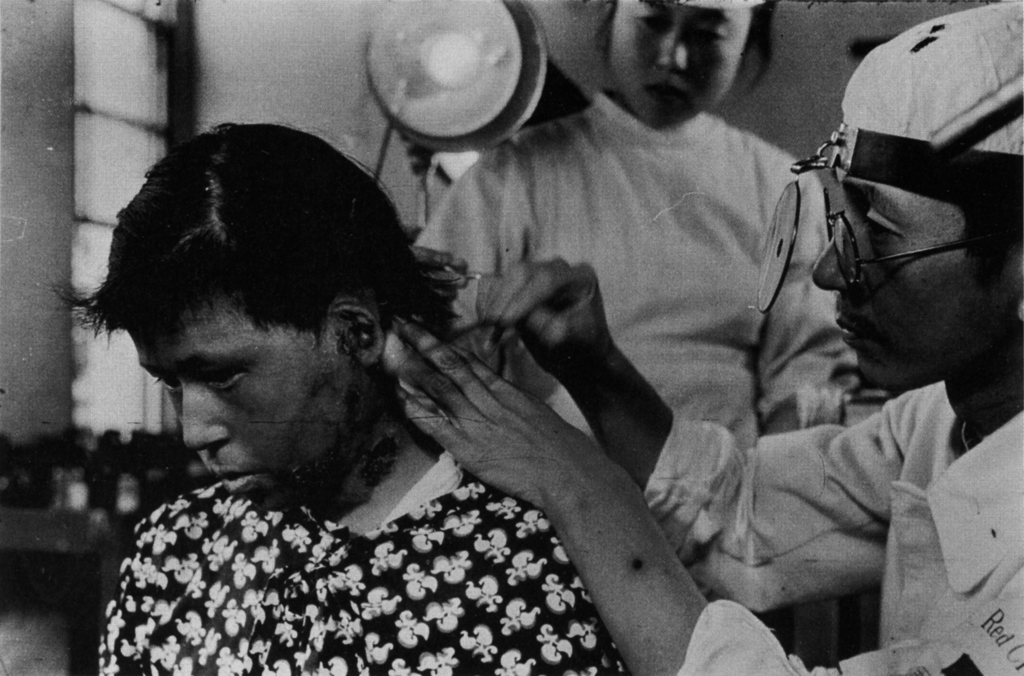
“This work can inform us whether a medical check-up is required every two years depending on the degree of exposure, or if hospitalization is necessary if there has been too much exposure,” explains Hoshi.
He says that the work done in Japan has informed laws regarding radiation exposure safety and protocols in countries around the world, but this is only one scenario in which a person can come into contact with the deadly rays.
“The people exposed to radiation in Hiroshima and Nagasaki from the atomic bomb were exposed to gamma rays, including a few neutrons, in a short instant,” outlines Hoshi. “From 1 microsecond to about 1 minute which is quite different from the gradual exposure of actual workers in the radiation industry.”
Read More Beyond Nuclear International