 Beyond Nuclear International
20 million tonnes of radioactive waste

Uranium tailings in Niger are blowing in the wind and poisoning the water
By Linda Pentz Gunter
Note: In late July, a military coup ousted Niger’s president, Mohamed Bazoum. Since then, those who have declared themselves in charge have announced a halt to uranium exports to France. France relies on Niger for around 17% of the uranium that fuels its troubled commercial reactor fleet (with Kazakhstan and Uzbekistan the main suppliers). Since Russia’s invasion of Ukraine, European countries have been wrestling with their uncomfortable dependence on Russian-sourced uranium supplies. The Russian mercenary group, Wagner, already has a strong presence in Africa, and one that is now growing.
The grey mountain looms, mirage-like, on the horizon of the uranium mining town of Arlit in Niger.
Except, this is the Sahel, and it’s not a real mountain. It’s a pile of radioactive uranium mine tailings, blowing around in the desert winds and dispersing into the air, soil, waterways and people’s bodies.
The “mountain” is part of a legacy of an estimated 20 million tonnes of radioactive waste left behind by the French mine owner, Areva, now known as Orano, which closed its Arlit uranium mines in March 2021.
A report on Radio France International described the situation this way: “Niger’s northern town of Arlit has been left wallowing in 20 million tonnes of radioactive waste after a uranium mine run by French company Orano (formerly Areva) closed down. People living in the area are exposed to levels of radiation above the limits recommended by health experts.”
This lethal legacy has been confirmed by the independent French radiological research laboratory — Commission de Recherche et d’Information Indépendantes sur la Radioactivité — known in international circles simply as CRIIRAD. The lab, and its director, Bruno Chareyron, have been studying the situation around uranium mines in Niger for years. In 2009 his lab measured the radioactive levels of the wastes at 450,000 Becquerels per kilogram.
In a recent video, CRIIRAD describes the waste pile— mostly radioactive sludges — as “a sword of Damocles hanging over the drinking water supply for more than 100,000 people.” (You can watch the video below, in French with English subtitles. If you understand French, you can also listen to the CRIIRAD podcast episodes on this topic on Spotify.)
A Tale of Two Directors
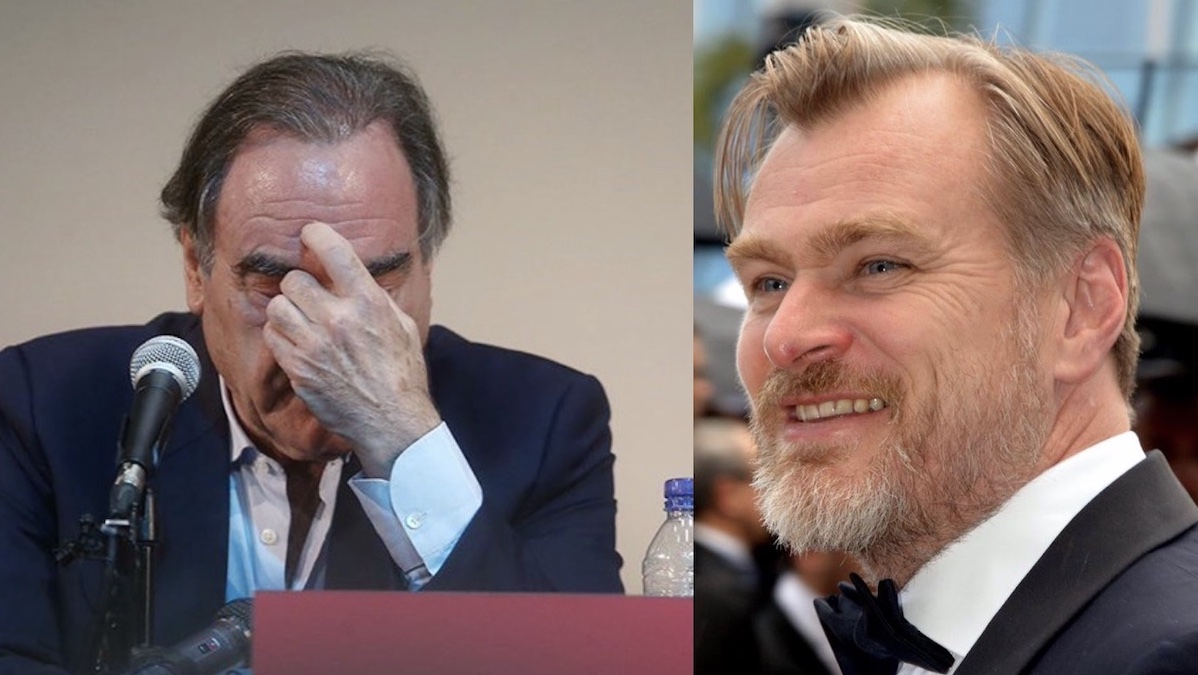
Nolan’s film soars but Stone’s is for the chop
By Linda Pentz Gunter
It’s A Tale of Two Directors. For one, it is certainly the best of times, for the other, probably the worst.
Each took a single book as their inspiration and adapted it into a film.
One film is about the bomb. The other is a bomb.
The first is a blockbuster drama that garnered unprecedented advance hype thanks to a weeks-long saturation publicity campaign. Now packing cinemas everywhere, it grossed $80.5 million in the US and Canada alone during its first weekend.
The other made a documentary that grossed, well, $9,814 in the US and Canada over its first weekend. The average audience size for that film is apparently between 6 to 8 people.
Both directors have bodies of work behind them that put them in the panoply of the greats. And both chose nuclear as their subject matter.
Unless you are living in a remote cave somewhere, you know by now that the first film is Oppenheimer, directed by Christopher Nolan. It’s essentially a dramatization of the life and career of J. Robert Oppenheimer, often referred to as the father of the atomic bomb.
Nolan’s film is based on the book American Prometheus: The Triumph and Tragedy of J. Robert Oppenheimer, a 2005 biography by Kai Bird and the late Martin J. Sherwin.
If you haven’t heard of the other film, you can be forgiven, as it’s clearly dying quietly in a corner. It’s a documentary called Nuclear Now, directed by Oliver Stone, and based on the book A Bright Future; How Some Countries Have Solved Climate Change and the Rest Can Follow, by Joshua S. Goldstein. (The fact that Goldstein suggests any country has “solved” climate change is your first clue as to its veracity.)
While the former film is a triumph of cinematic story telling and fine performances, the latter is by all accounts a dreary trudge along a well worn and totally discredited pro-nuclear power propaganda path.
Read MoreNix nuclear in the nutmeg state
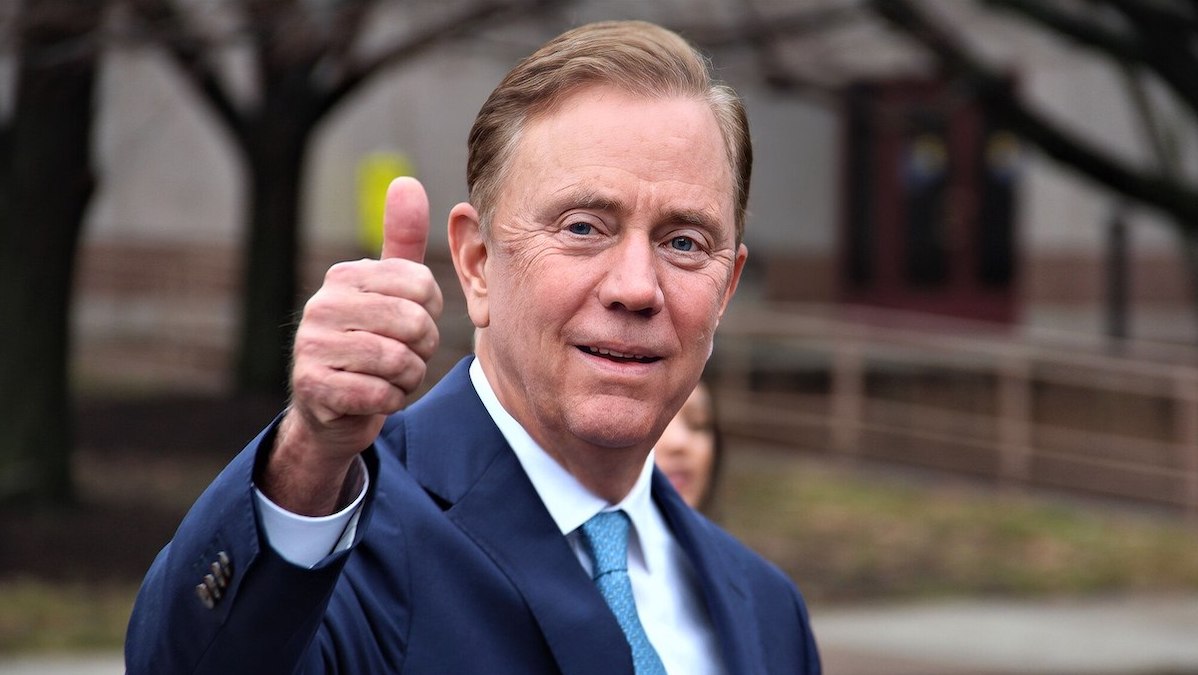
Connecticut governor wrong to support bill funding unneeded nuclear
By Stanley Heller
Update: Since this article first appeared in the CT Mirror, Connecticut governor, Ned Lamont, has signed the bill that contains funding for nuclear power. It is republished here to deliver the arguments against this legislation being enacted in Connecticut.
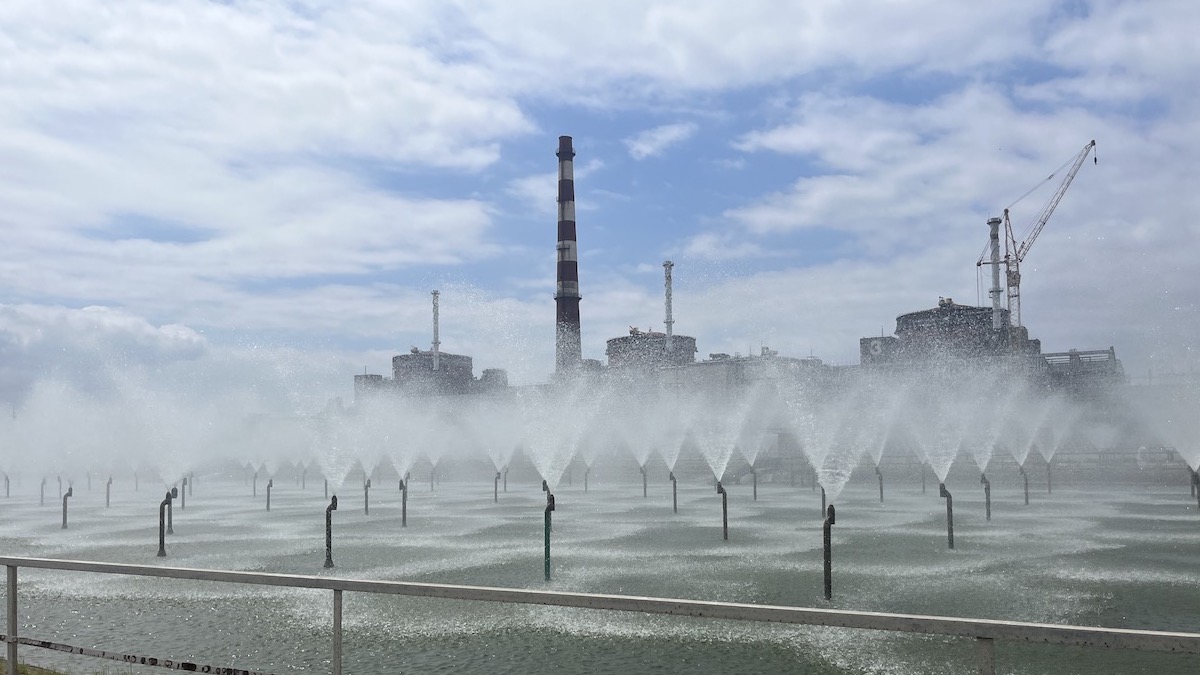
What folly! Just as a dam necessary for cooling nuclear waste at Europe’s biggest nuclear power complex is blown up, members of the Connecticut legislature pass a bill that includes promotion of dangerous outmoded nuclear power.
Senate Bill 7 creates a “Council for Advancing Nuclear Energy Development” specifically packed with six positions for people who work in the nuclear energy industry. Their mission will be to discuss “advancements that are occurring in nuclear energy development.” They’ll study “small modular reactors, advanced nuclear reactors, [and] fusion energy facilities.”
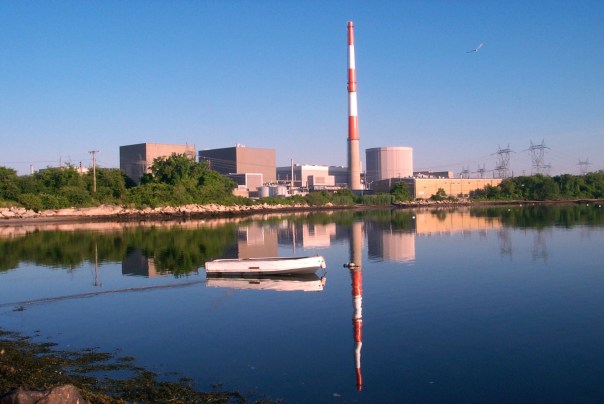
Rather than seek “advancement,” we should be figuring out how to phase out this technology. We see by the Ukraine example that parties at war do not respect what one would think would be totally obvious, the need to do nothing to harm the safety of nuclear power plants. Not that we expect warfare to break out in the U.S., but this country should lead in best practices so that countries where war is a lot more likely won’t go down the nuclear path and risk huge releases of nuclear contamination that spread world-wide.
Read MoreAn inherent potential for catastrophe
Nuclear energy should not be an “inalienable right” and isn’t
“peaceful”
This excerpt on nuclear power is taken from Reaching Critical Will’s 2023 NPT Briefing Book. The handbook is being released in advance of the first session of the Preparatory Committee for the 2026 Review Conference of the Parties to the Treaty on the Non-Proliferation of Nuclear Weapons (NPT), which will meet from July 31 to August 11 2023 at the Vienna International Centre in Vienna, Austria.
Nuclear weapons are not the only nuclear risk. Nuclear energy also has inherent risks and the capacity to unleash uniquely horrifying forms of devastation upon human bodies, the environment, and our socioeconomic infrastructure.
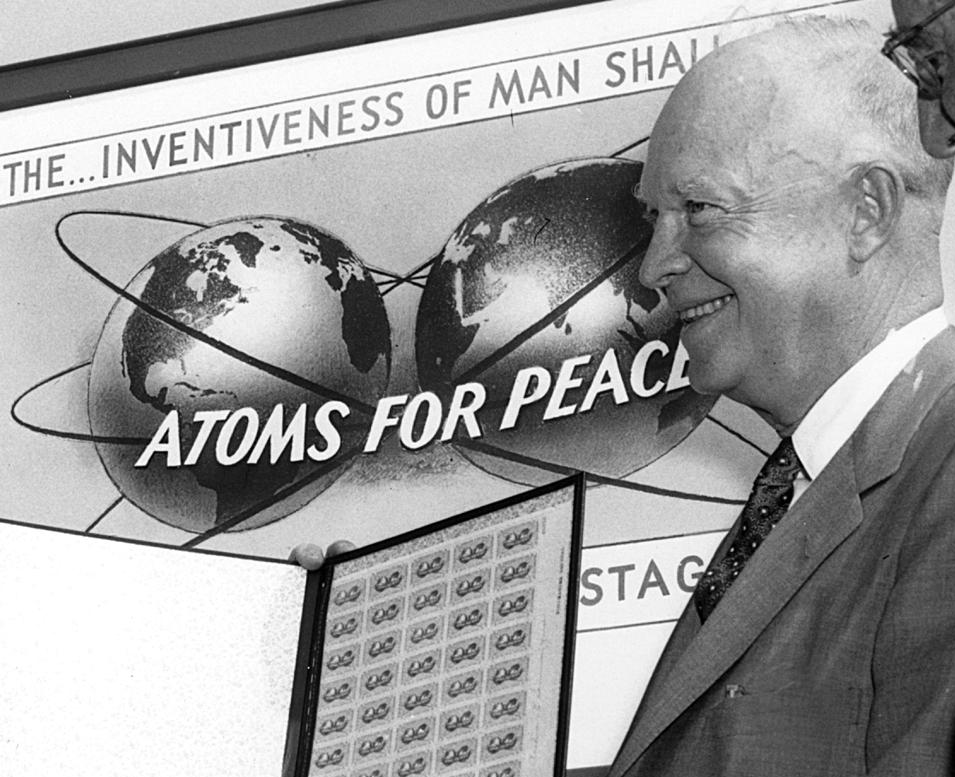
In 1953, just a few years after the United States used two nuclear weapons against Japan, US President Eisenhower launched his Atoms for Peace program at the United Nations.
It resulted in the spread of nuclear technology and materials around the world for so-called peaceful uses—energy, medicinal uses, and research. In reality, nuclear technology is anything but peaceful.
Nuclear power is the most expensive and dangerous way to boil water to turn a turbine. It contains the inherent potential for catastrophe. There is no such thing as a safe nuclear reactor. All aspects of the nuclear fuel chain, from mining uranium to storing radioactive waste, are devastating for the earth and all species living upon it. Radiation is long lasting and has inter-generational effects.
Nuclear energy is not a solution to the climate crisis. It not only is not carbon-neutral, but its other environmental impacts and risks of contamination through accidents and attacks pose grave risks to the world’s ecosystems and living beings. As hundreds of civil society groups said to the UN Climate Conference (COP26), nuclear power is “a dangerous distraction from the real movement on the climate policies and actions that we urgently need.”
Yet the nuclear industry and certain governments continue to promote nuclear energy as clean, safe, and reliable. This has everything to do with capitalism and nothing to do with protecting the planet or its people.
Read MoreBlack mist memories
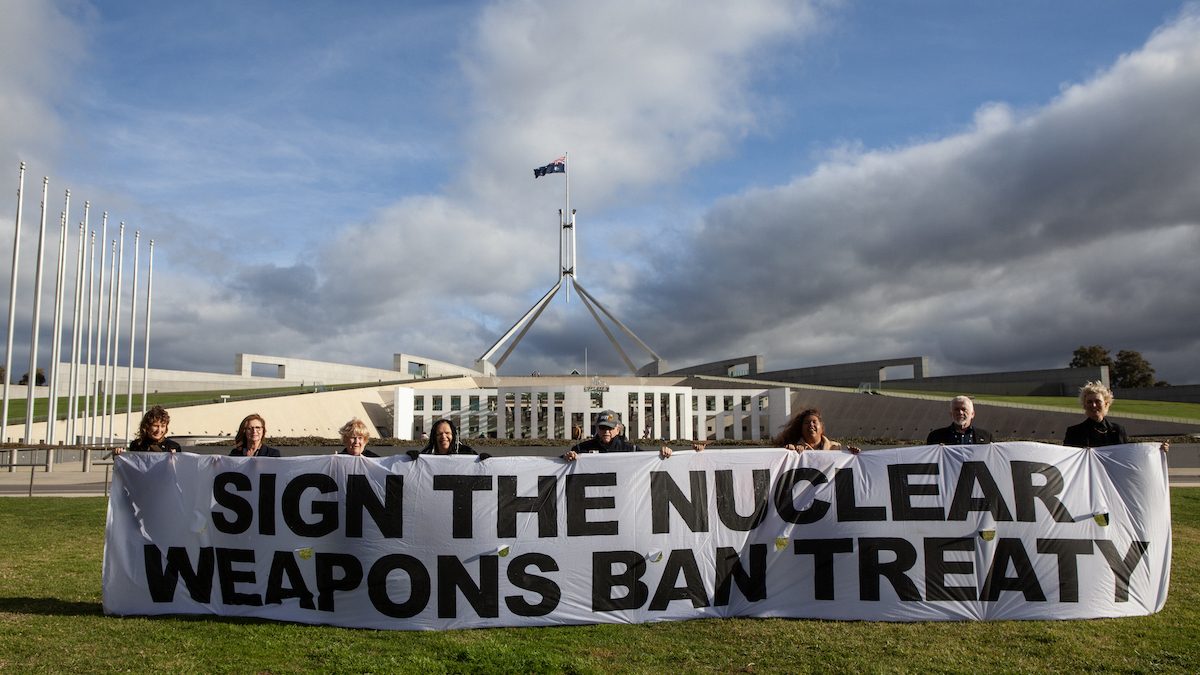
Aboriginal and veteran delegates tell Australian parliament the horrors of nuclear testing
By Gem Romuld, International Campaign to Abolish Nuclear Weapons, Australia
In mid-June, four special people who know intimately the personal impacts of nuclear weapons testing, on physical health, mental health, and on the land, travelled to Parliament House in Canberra, Australia’s capital city.
The four were:
Karina Lester: Yankunytjatjara Anangu woman, senior Aboriginal language worker, ICAN Ambassador. Karina’s late father was blinded by the Totem 1 nuclear test at Emu Field.
June Lennon: Yankunytjatjara, Antikarinya and Pitjantjatjara woman who survived the Totem 1 nuclear test as a baby. Her mother, Lallie, and brother Bruce, were recipients of compensation due to their ill-health, caused by radioactive contamination.
Douglas Brooks: was stationed at Monte Bello Islands as a serving member of the Royal Australian Navy in 1956. He was aboard HMS Alert when a 98 kiloton nuclear bomb was detonated just ten miles away, exposing him and the rest of the crew to the full blast of the explosion.
Maxine Goodwin: is the daughter of an Australian nuclear veteran, who became ill as a result of his involvement in the first atomic test in Western Australia. He passed away at 49, leading Maxine to a lifelong search for the truth on how the tests have affected veterans and their families.
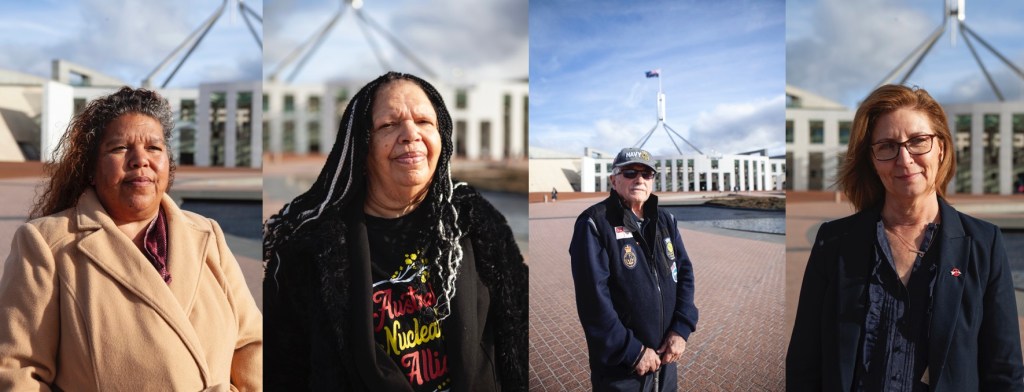
The delegates brought their expertise and personal testimonies to speak with parliamentarians about recognition, respect, and repair, and to urge Australia to sign and ratify the Treaty on the Prohibition of Nuclear Weapons.
Read MoreOppenheimer’s tragedy — and ours
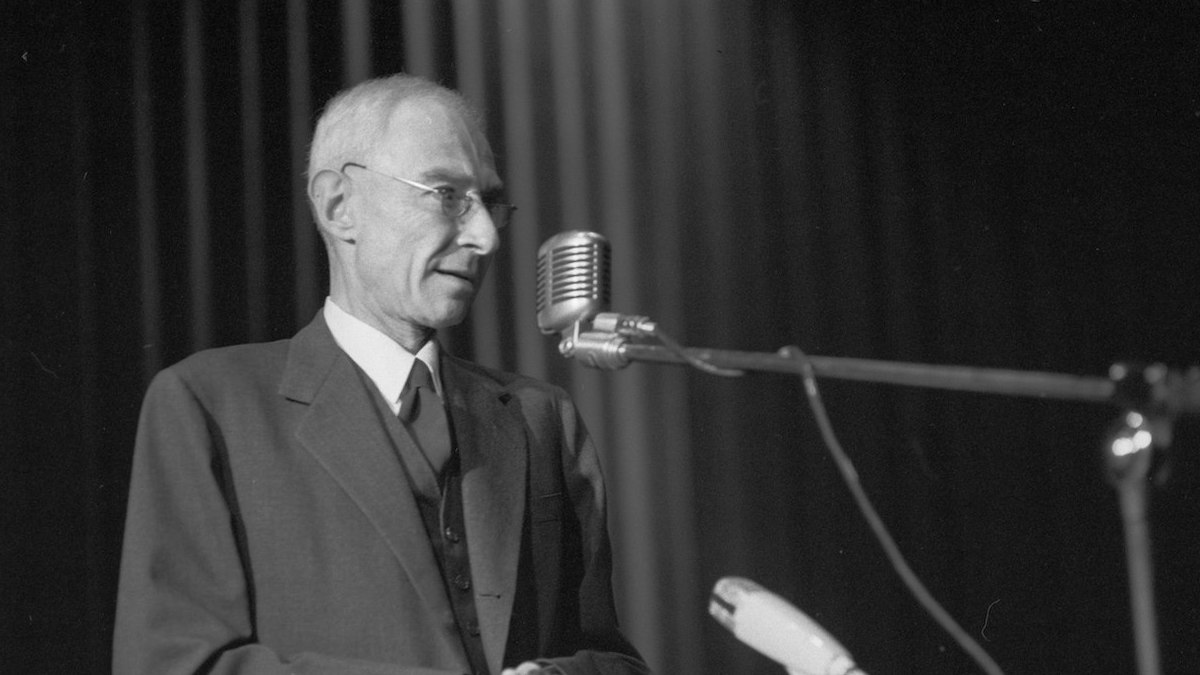
“Father of atomic bomb” paid price for renouncing his “child”
By Lawrence S. Wittner
The July 21, 2023 theatrical release of the film Oppenheimer, focused on the life of a prominent American nuclear physicist, should help to remind us of how badly the development of modern weapons has played out for individuals and for all of humanity.
Based on the Pulitzer Prize-winning biography, American Prometheus, written by Kai Bird and the late Martin Sherwin, the film tells the story of the rise and fall of young J. Robert Oppenheimer, recruited by the U.S. government during World War II to direct the construction and testing of the world’s first atomic bomb at Los Alamos, New Mexico. His success in these ventures was followed shortly thereafter by President Truman’s ordering the use of nuclear weapons to destroy Hiroshima and Nagasaki.
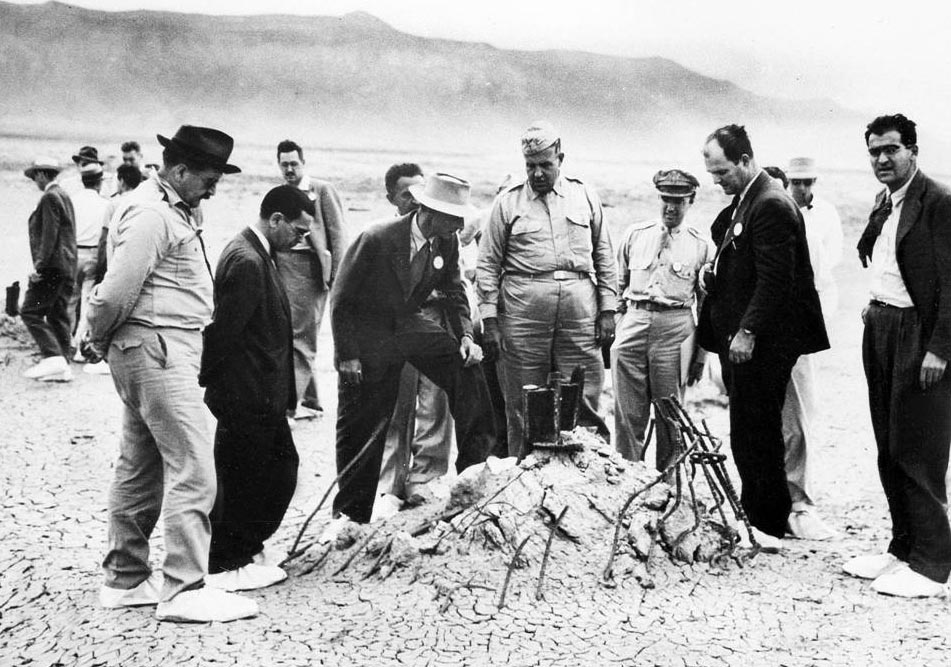
During the immediate postwar years, Oppenheimer, widely lauded as “the father of the atomic bomb,” attained extraordinary power for a scientist within U.S. government ranks, including as chair of the General Advisory Committee of the new Atomic Energy Commission (AEC).
But his influence ebbed as his ambivalence about nuclear weapons grew. In the fall of 1945, during a meeting at the White House with Truman, Oppenheimer said: “Mr. President, I feel I have blood on my hands.” Incensed, Truman later told Assistant Secretary of State Dean Acheson that Oppenheimer had become “a crybaby” and that he didn’t want “to see that son of a bitch in this office ever again.”
Oppenheimer was also disturbed by the emerging nuclear arms race and, like many atomic scientists, championed the international control of atomic energy. Indeed, in late 1949, the entire General Advisory Committee of the AEC came out in opposition to the U.S. development of the H-bomb―although the president, ignoring this recommendation, approved developing the new weapon and adding it to the rapidly growing U.S. nuclear arsenal.
Read More Beyond Nuclear International