 Beyond Nuclear International
What a turkey
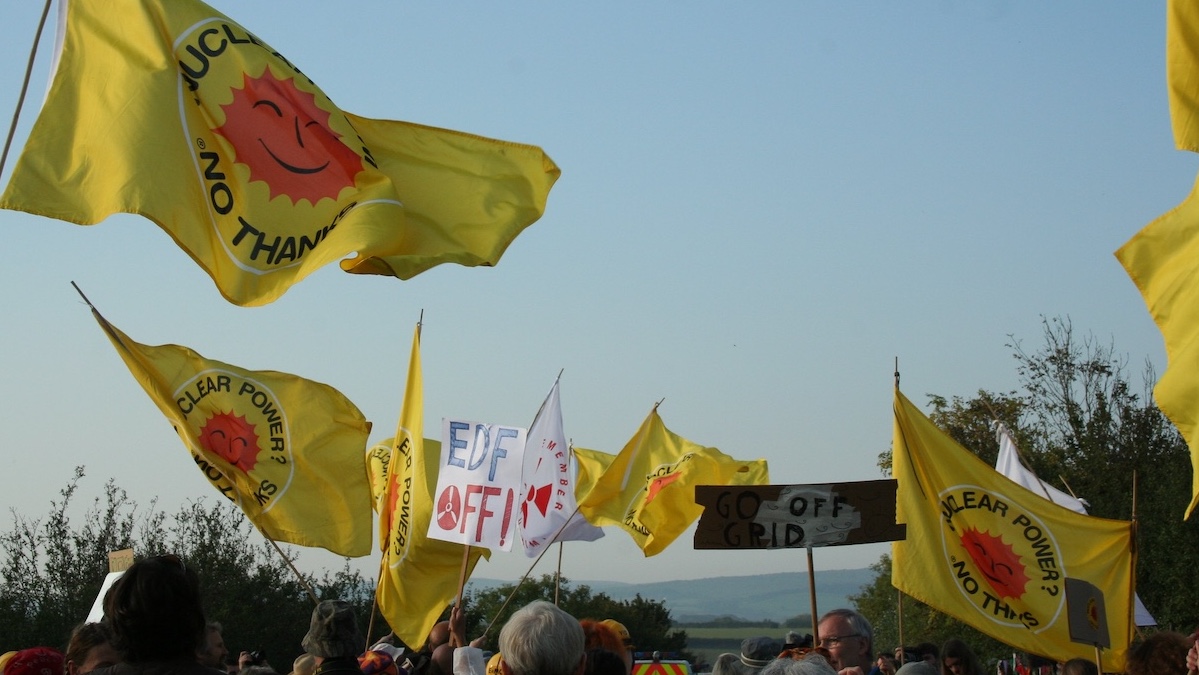
Hinkley Point C costs hit a new high but nuclear plant still isn’t roasting Christmas turkeys
By Linda Pentz Gunter
The Great Mosque of Mecca is considered the most expensive building in the world at $115.2 billion. Right behind it comes….a nuclear power plant! The two-reactor 3,260MW Hinkley Point C nuclear site still under construction in the UK will now cost at least £46 billion ($59 billion) according to the latest figures released by its developer, the French energy giant, EDF.
As such, Hinkley Point C has now earned the dubious honor of becoming the second most expensive building in the world. And it’s not even finished. The price could soar still higher.
EDF originally bragged that Britons would be baking their Christmas turkeys powered by Hinkley Point C by 2017. The completion date has now been pushed to “after 2029”.
The nuclear power industry is very good at tripling things. Perhaps not global nuclear installations by 2050 as it bragged would happen during an announcement at the COP28 climate summit last December. But the price tag for a new reactor? Timelines for new reactor construction? Straight A grades all around!

That’s almost what’s happening at Hinkley Point C where the new price is more than double the original estimated cost of £18 billion ($23 billion). Getting to triple the cost still seems eminently achievable given the new completion date.
This not-so-shocking news, given nuclear power’s track record, comes after the recent, overblown announcement by Rishi Sunak’s Conservative government that Britain would launch its “biggest expansion of nuclear power for 70 years to create jobs, reduce bills and strengthen Britain’s energy security.” The plan will of course achieve none of these things.
Read MoreTime stands still
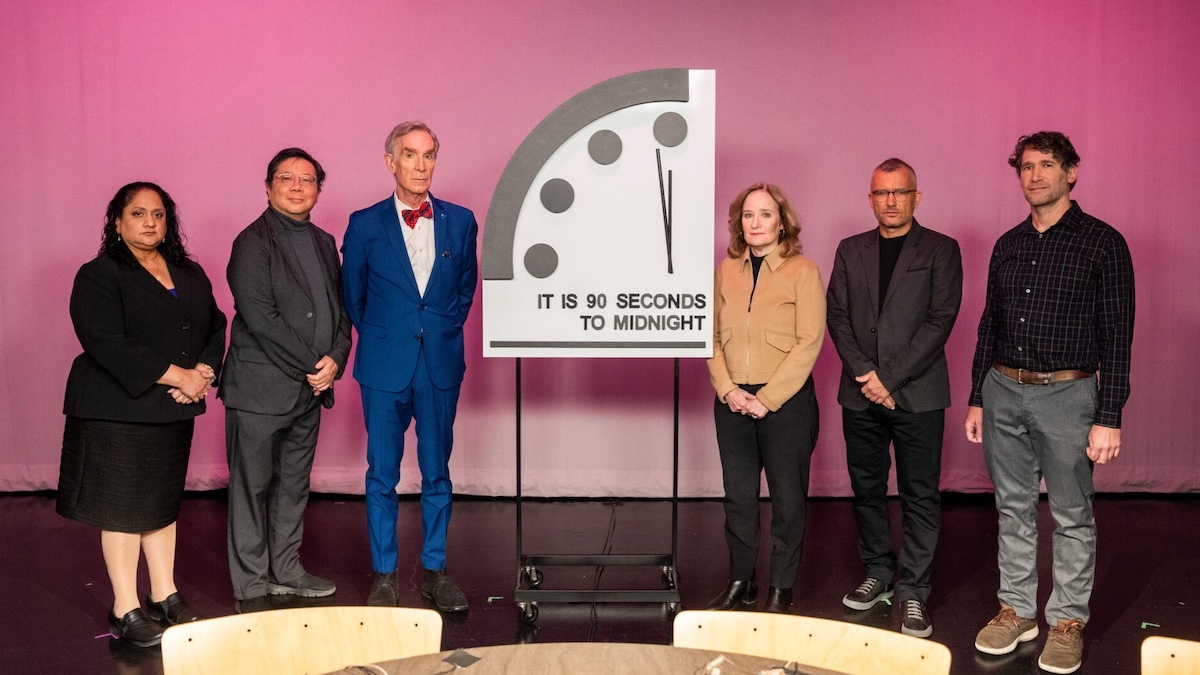
Hands of the Doomsday Clock remain at 90 seconds to midnight
By Linda Pentz Gunter
Recently an American colleague in the nuclear disarmament movement wrote in an email that “I’m sorry to say that Marianne Williamson is unlikely to be elected President of the United States, but if she were to be elected, she promised today that she would sign the TPNW.”
The UN Treaty on the Prohibition of Nuclear Weapons (TPNW), is a comprehensive nuclear ban that includes undertakings not to develop, test, produce, acquire, possess, stockpile, use or threaten to use nuclear weapons. It entered into force on January 22, 2021. It has been ratified by 70 countries to date.
Williamson is a Left Democrat making her second bid for the US presidency (she also ran in 2020). “Unlikely” was a considerable underestimate of her prospects in a system stacked against non-establishment candidates. Williamson has as much chance of becoming US president as I do, and I’m not even running.

Signing the US onto the TPNW, as Williamson pledged, would mean a commitment to unilateral disarmament. In reality, the opposite is happening, and this was one of the chief concerns that influenced the position of the hands on the Doomsday Clock, which was re-set on January 23.
The Doomsday Clock, established in 1947 by The Bulletin of the Atomic Scientists, assesses how close humanity stands to the brink of annihilation, largely due to the threat of nuclear war. It is set each year by the Bulletin’s Science and Security Board in consultation with its Board of Sponsors, which includes 11 Nobel laureates.
In 1947 the Clock was at seven minutes to midnight. By 1949 it was at three minutes. In 1991, as the Cold War ended, it went as far back as 17 minutes to midnight. But in 2023, the hands moved ominously to 90 seconds to midnight, the closest we have ever come to doomsday.
Read MoreThe unthinkable looms
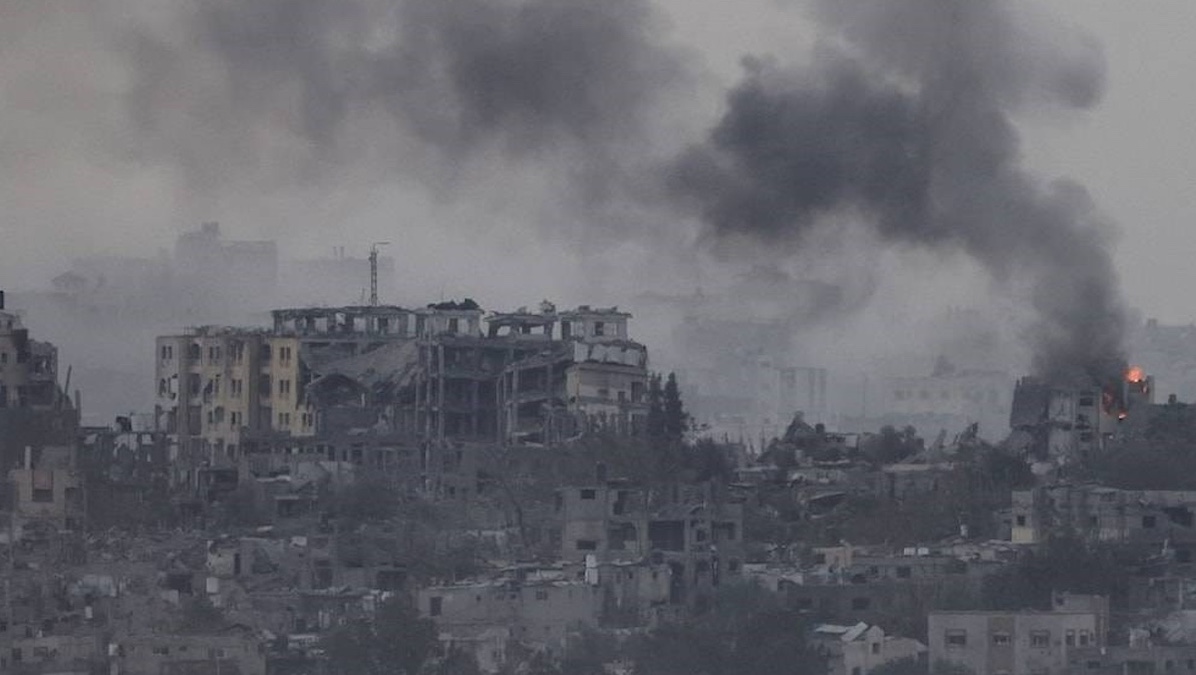
Nuclear-armed Israel is at war. What might this mean?
Editor’s note: Beyond Nuclear encourages constructive dialogue and a full understanding of the nuclear weapons danger. In light of the January 23 announcement that the Doomsday Clock remains at 90 seconds to midnight (the closest ever), in part due to the war in Gaza, we agreed, editorially, that despite the many opinions about the war itself, it was important to present a factual analysis of the specific threat posed by a nuclear-armed country engaged in war — in this case, Israel. (We have similarly evaluated threats to use its nuclear weapons made by Russia during the war in Ukraine and a possible US response.)
Beyond Nuclear’s position, in line with the Treaty on the Prohibition of Nuclear Weapons, is that we are opposed to the development, testing, production, acquisition, possession, stockpiling, use or the threat to use nuclear weapons under any circumstances by any country.
Both Russia in its war in Ukraine, and Israel in its war in Gaza, possess and have threatened to use nuclear weapons. Regardless of the much debated root causes of either war, this reality alone heightens the possibility of a nuclear war.
As with all contributions to our pages, the opinions of the contributors are their own and are not necessarily endorsed by Beyond Nuclear. Please see the disclaimer at the foot of this article.
By Kate Hudson
The attack on Yemen by US, Britain and other forces is a dangerous escalation of the war in the Middle East. The attack is intended to halt the Houthi support for the people of Gaza that has taken the form of attacks on Israel-bound shipping. But as the Houthis have made clear, the attacks will not end their support for the Palestinians.
The only way to stop this unfolding and escalating conflict in the Middle East, is to stop the war on Gaza: to implement an immediate and permanent ceasefire and to ensure freedom and sovereignty for Palestine, as enshrined in UN resolutions and international law.
The alternative to this course of action is the further spread of war, to Yemen, Lebanon, and even to Iran. This is the most dangerous time for more than two decades in the Middle East and it clearly raises the spectre of nuclear weapons use.
Because not only is Israel heavily armed with the most up-to-date conventional weaponry, it is also heavily armed with nuclear weapons. Its nuclear arsenal, which it refuses to formally acknowledge — its policy of “nuclear ambiguity” — comes under no international controls or inspections. Yet it has an enormous killing capacity — and Israel is the only nuclear weapons state in the Middle East.
Recent rhetoric from a number of Israeli politicians suggests a willingness to use their nuclear weapons; if the conflict were to extend to Iran, who can say that Israel would not use its nuclear weapons on non-nuclear Iran?
So what does the Israeli nuclear arsenal look like? Israel’s lack of transparency means that figures are uncertain, but the Stockholm International Peace Research Institute (Sipri) outlines estimates between 90 and 300 nuclear weapons. Sipri also reports that since 2021, according to commercial satellite imagery, there has been significant construction taking place at the Negev Nuclear Research Centre near Dimona, in southern Israel.
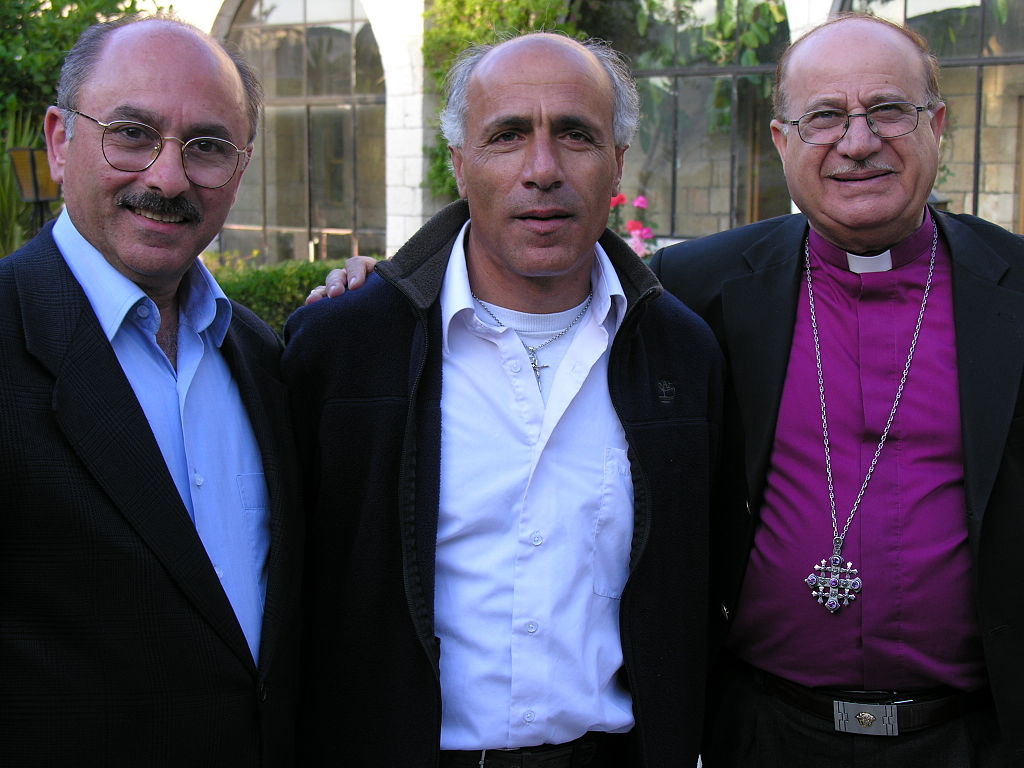
Some may remember that the great Israeli nuclear whistle-blower, Mordechai Vanunu, worked as a technician at Dimona, before revealing details of the secret Israeli nuclear programme to the British press in 1986. The purpose of the recent works isn’t known.
Read MoreBig costs sink flagship nuclear project
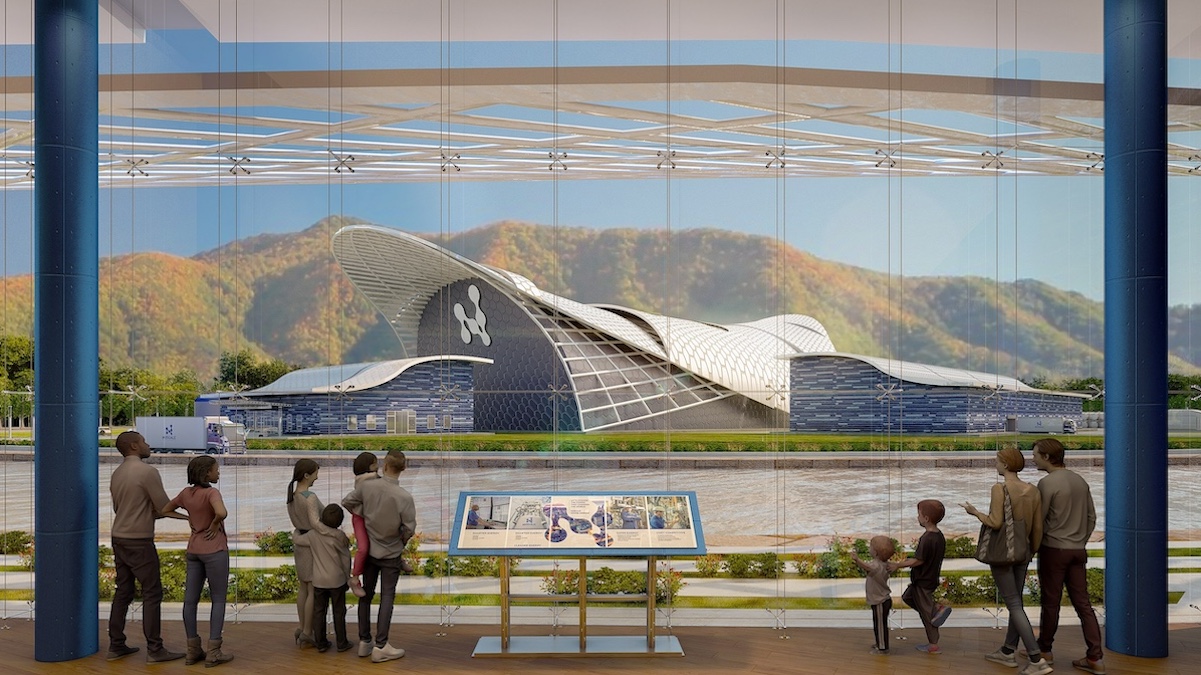
And they’ll sink future small modular reactor projects too
By Susan O’Donnell and M.V. Ramana
The major news in the world of nuclear energy last November was the collapse of the Carbon Free Power Project in the United States. The project was to build six NuScale small modular nuclear reactors (SMRs). Given NuScale’s status as the flagship SMR design not just in the U.S. but even globally, the project’s cancellation should ring alarm bells in Canada. Yet SMRs are touted as a climate action strategy although it is becoming clearer by the day that they will delay a possible transition to net-zero energy and render it more expensive.
The NuScale project failed because there were not enough customers for its expensive electricity. Construction cost estimates for the project had been steadily rising—from USD 4.2 billion for 600 megawatts in 2018 to a staggering USD 9.3 billion (CAD 12.8 billion) for 462 megawatts. Using a combination of government subsidies, potentially up to USD 4.2 billion, and an opaque calculation method, NuScale claimed that it would produce electricity at USD 89 per megawatt-hour. When standard U.S. government subsidies are included, electricity from wind and solar energy projects, including battery storage, could be as cheap as USD 12 to USD 31 per megawatt-hour.
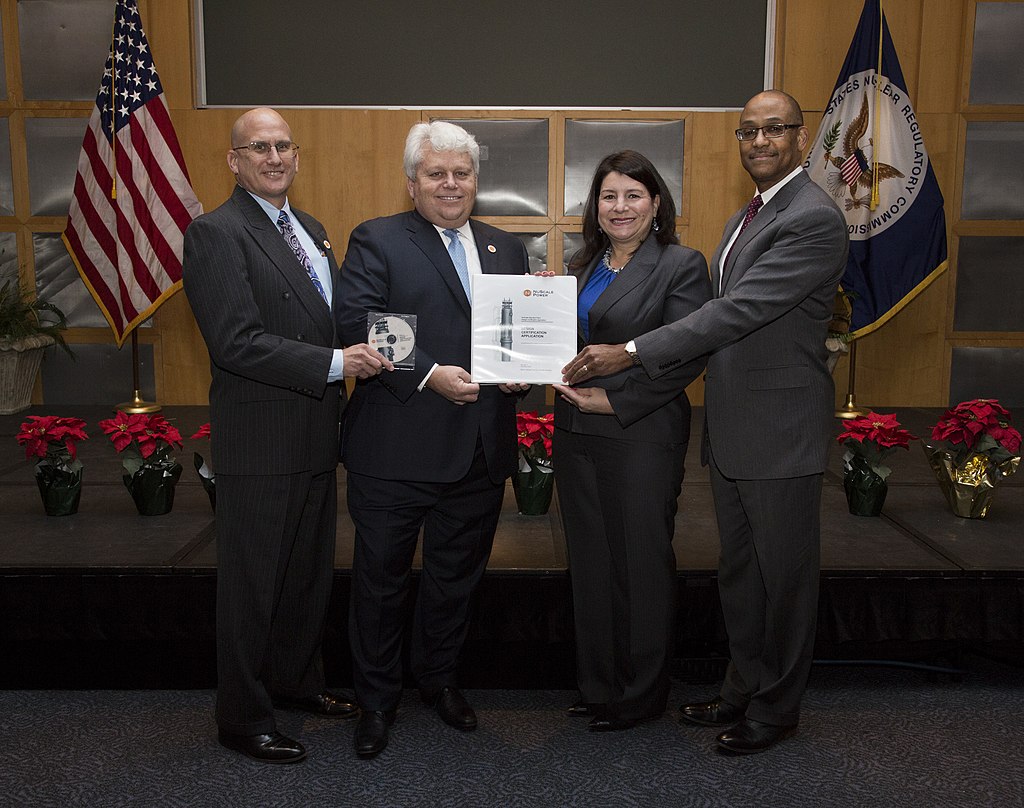
A precursor to the failed NuScale project was mPower, which also received massive funding from the U.S. Department of Energy. Described by The New York Times as the leader in the SMR race, mPower could not find investors or customers. By 2017, the project was essentially dead. Likewise, a small reactor in South Korea proved to be “not practical or economic”.
Ignoring this dire economic reality, provincial governments planning for SMRs – Ontario, New Brunswick, Saskatchewan and Alberta – published a “strategic plan” seemingly designed to convince the federal government to open its funding floodgates. Offering no evidence about the costs of these technologies, the report asserts: “The power companies assessed that SMRs have the potential to be an economically competitive source of energy.”
For its part, the federal government has coughed up grants totalling more than $175 million to five different SMR projects in Ontario, New Brunswick, and Saskatchewan. The Canada Infrastructure Bank loaned $970 million to Ontario Power Generation to develop its Darlington New Nuclear project. And the Canada Energy Regulator’s 2023 Canada’s Energy Future report envisioned a big expansion of nuclear energy based on wishful thinking and unrealistic assumptions about SMRs.
Read MoreA new ‘Cold War’ on a deadly hot planet?
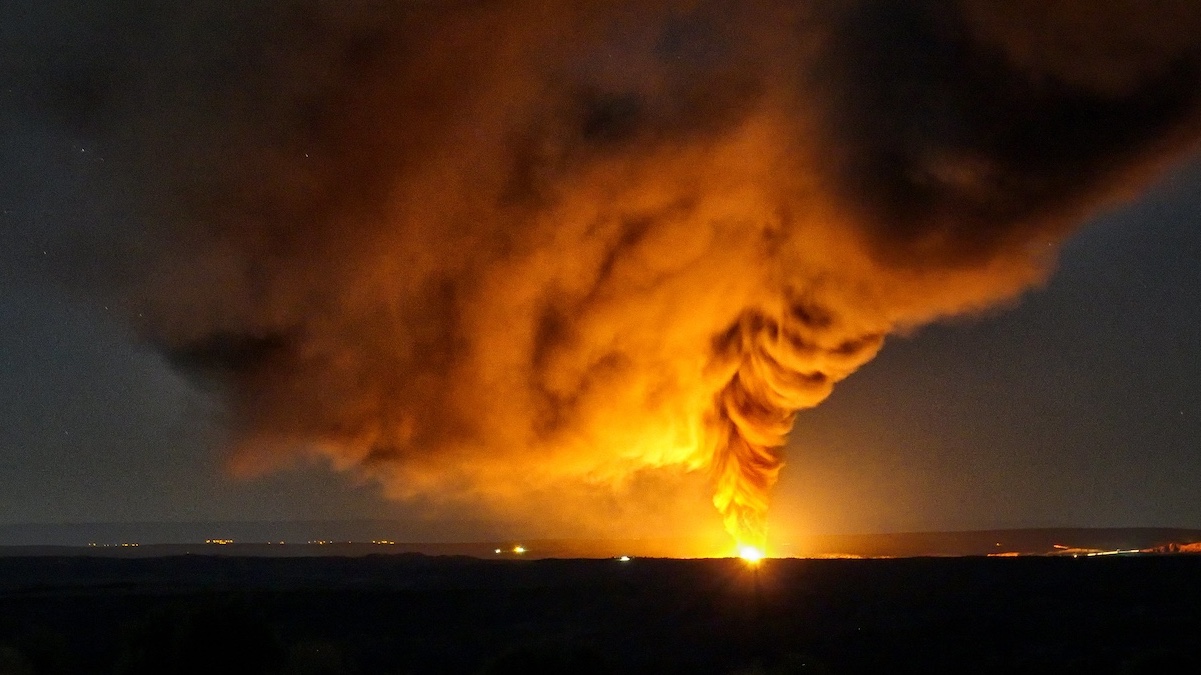
China and the US must cut war-like posturing and face a world in desperate danger
By Tom Engelhardt, Tom Dispatch/Common Dreams
Tell me, what planet are we actually on? All these decades later, are we really involved in a “second” or “new” Cold War? It’s certainly true that, as late as the 1980s, the superpowers (or so they then liked to think of themselves), the United States and the Soviet Union, were still engaged in just such a Cold War, something that might have seemed almost positive at the time. After all, a “hot” one could have involved the use of the planet’s two great nuclear arsenals and the potential obliteration of just about everything.
But today? In case you haven’t noticed, the phrase “new Cold War” or “second Cold War” has indeed crept into our media vocabulary. (Check it out at Wikipedia.) Admittedly, unlike John F. Kennedy, Joe Biden has not actually spoken about bearing “the burden of a long, twilight struggle.” Still, the actions of his foreign policy crew — in spirit, like the president, distinctly old Cold Warriors — have helped make the very idea that we’re in a new version of just such a conflict part of everyday media chatter.
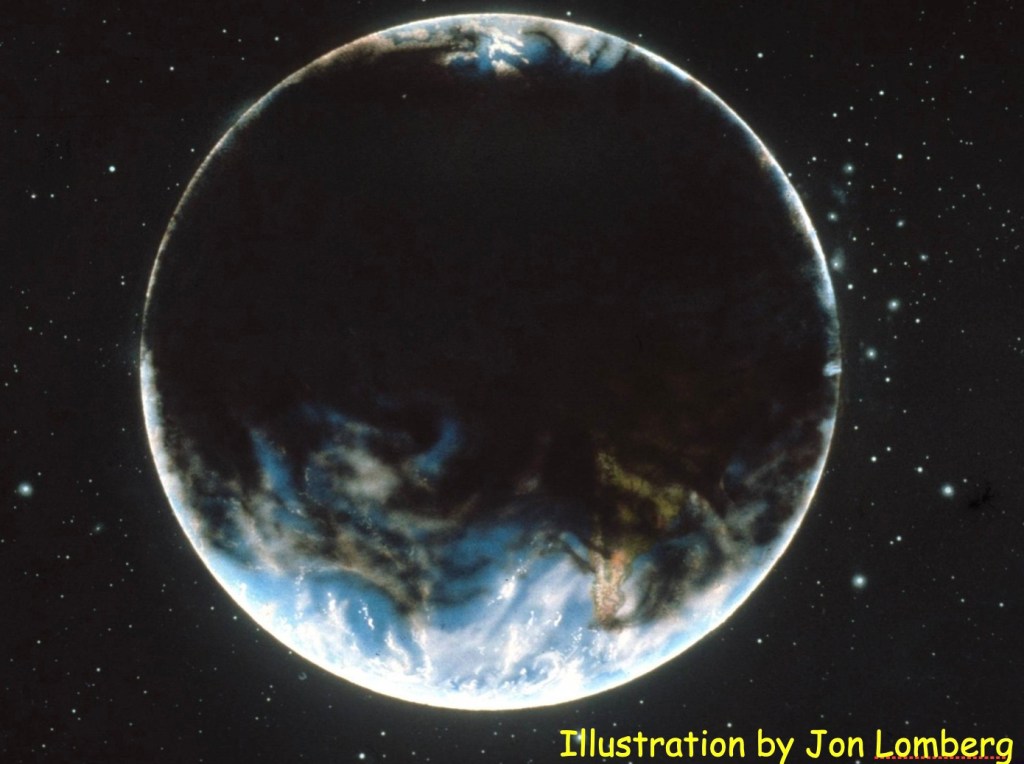
And yet, let’s stop and think about just what planet we’re actually on. In the wake of August 6 and August 9, 1945, when two atomic bombs destroyed the Japanese cities of Hiroshima and Nagasaki, there was little doubt about how “hot” a war between future nuclear-armed powers might get. And today, of course, we know that, if such a word can even be used in this context, a relatively modest nuclear conflict between, say, India and Pakistan might actually obliterate billions of us, in part by creating a — yes, brrr — “nuclear winter,” that would give the very phrase “cold” war a distinctly new meaning.
These days, despite an all too “hot” war in Ukraine in which the U.S. has, at least indirectly, faced off against the crew that replaced those Soviet cold warriors of yore, the new Cold War references are largely aimed at this country’s increasingly tense, ever more militarized relationship with China. Its focus is both the island of Taiwan and much of the rest of Asia. Worse yet, both countries seem driven to intensify that struggle.
In case you hadn’t noticed, Joe Biden made a symbolic and much-publicized stop in Vietnam (yes, Vietnam!) while returning from the September G20 summit meeting in India. There, he insisted that he didn’t “want to contain China” or halt its rise. He also demanded that it play by “the rules of the game” (and you know just whose rules and game that was). In the process, he functionally publicized his administration’s ongoing attempt to create an anti-China coalition extending from Japan and South Korea (only recently absorbed into a far deeper military relationship with this country), all the way to, yes, India itself.
Read More‘Steadfast Noon’ spells doom

US prepares for nuclear war at foreign bases
By John LaForge
On October 16, 2023, during the NATO-supplied, nuclear-armed hot war in Ukraine, the alliance began its annual nuclear attack rehearsal dubbed “Steadfast Noon.” This practice involves air forces from 13 countries, the “exercising” of fighter jets and U.S. B-52s, lasted until October 26, and roared over Italy, Croatia and the eastern Mediterranean — not far from two aircraft carrier battle groups charging toward the war over the Gaza Strip prison break.
A hundred people joined an October 14 protest outside Germany’s Nörvenich Air Base calling for cancellation of the rehearsal, to no avail.
NATO Sec. Gen. Jens Stoltenberg naturally said, “Our exercise will help to ensure the credibility, effectiveness and security of our nuclear deterrent.” This is shrewd, silk tie talk about threatening nuclear attacks, threats barely distinguishable from Russia’s verbal warnings. Mr. Stoltenberg dared to add, “[T]he fundamental purpose of NATO’s nuclear capability is to preserve peace, prevent coercion and deter aggression.”
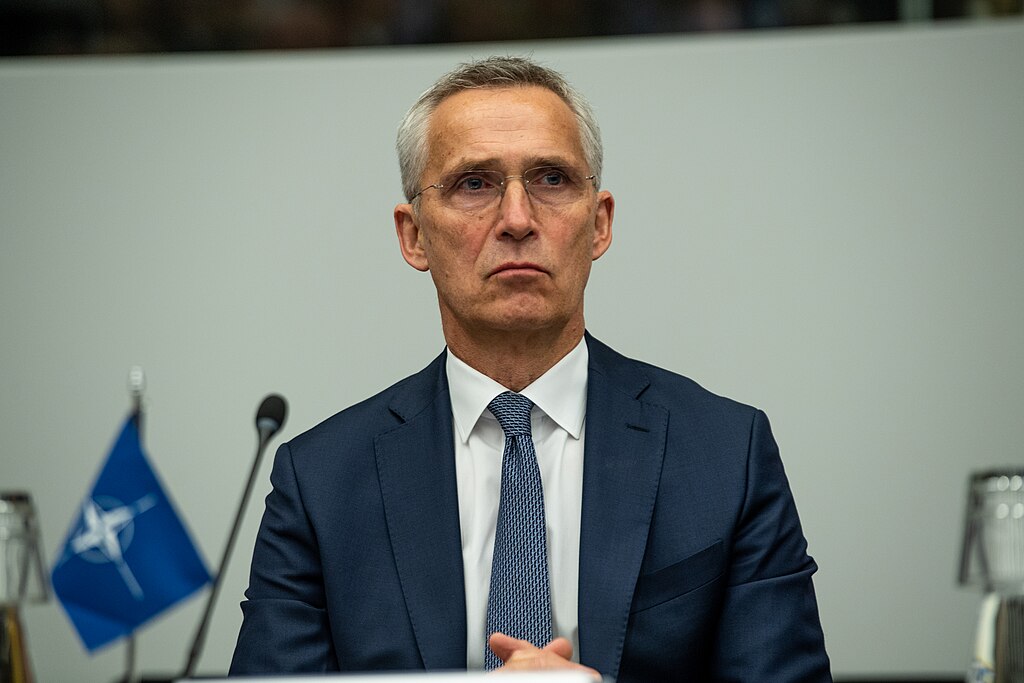
Aware that this fundamental purpose was disproved and vaporized by Russia’s 2022 invasion of Ukraine, NATO practices nuclear attacks. Steadfast Noon is a role-play for pilots, a dry run to test classroom preparations made at the German branch of the U.S. Air Force Nuclear College on Ramstein Air Base. According to the AFNC website, the school “is responsible for delivering, sustaining and supporting air-delivered nuclear weapon systems for our warfighters … every day.” Some such air-delivered nuclear weapons are the U.S. “B61” free-fall gravity bombs stationed in Germany, Italy, the Netherlands, Belgium and Turkey.
Read More
