 Beyond Nuclear International
Senators worry about Saudi nuclear arms plans

US should reconsider helping Saudi Arabia develop domestic nuclear power, they wrote
Editor’s introduction: Brett Wilkins with Common Dreams has reported on an important step taken by a handful of US Senators who pushed back last week on selling commercial nuclear technology to Saudi Arabia as part of a deal to normalize relations between Saudi Arabia and Israel. (Note: this article was originally published before the recent Hamas attacks and Israel’s declaration of war. As always, any views expressed in the article are the writer’s own and do not necessarily reflect those of Beyond Nuclear.) But while the Senators’ letter to President Joe Biden voices concern that the Saudis could use a domestic reactor program to transition to nuclear weapons, it fails to recognize that this is an inevitable outcome of nuclear power technology no matter whose hands it is in.
By Brett Wilkins, Common Dreams
Amid reports that Saudi Arabia is seeking United States support for its nuclear energy program—whose capacities critics fear could be utilized to develop nuclear weapons—a group of 20 U.S. senators on Wednesday urged President Joe Biden to “seriously consider” whether such a move is in the national interest as the administration brokers a possible normalization deal between the kingdom and Israel.
In addition to concerns over the fundamentalist monarchy’s desire for a U.S. security guarantee as a condition for normalizing relations with apartheid Israel, as well as the future of a two-state solution in illegally occupied Palestine, the senators note in a letter to Biden that “the Saudi government is also reportedly seeking U.S. support to develop a civilian nuclear program, and to purchase more advanced U.S. weaponry.”
“While we should seriously consider whether it is in U.S. interests to help Saudi Arabia develop a domestic nuclear program, we should always maintain the high bar of the ‘gold standard’ 123 Agreement and insist on adherence to the Additional Protocol,” the senators wrote, referring to a provision of the Atomic Energy Act of 1954 requiring a country seeking a nuclear cooperation deal with the United States to commit to a set of nine nonproliferation criteria and expanded International Atomic Energy Agency (IAEA) inspections. The U.S. has entered into such agreements with more than two dozen countries, Taiwan, and the IAEA.

Citing “the devastating war in Yemen” waged by a U.S.-backed Saudi-led coalition for nearly eight years at the cost of more than 375,000 lives, the senators added that “the provision of more advanced weaponry to Saudi Arabia should be done with careful deliberation to ensure that such equipment only be used for truly defensive purposes and does not contribute to a regional arms race.”
Read MoreThe solar world we might have had

Nuclear power has long stifled renewables. Now it needs to go extinct
By Linda Pentz Gunter
We needn’t have had Fukushima at all, now 12 years old and still emitting radiation, still not “cleaned up”, still responsible for forbidden zones where no one can live, play, work, grow crops. We needn’t have had Chornobyl either, or Three Mile Island, or Church Rock. We needn’t have almost lost Detroit.
We could have avoided climate change as well. Not just by responding promptly to the early recognition of the damage fossil fuels were doing. But also by heeding one sensible plan that, if it had been acted upon, would have removed the nuclear power elephant from the energy solutions room and possibly also saved us from plunging into the climate catastrophe abyss in which we now find ourselves.
Right from the beginning, nuclear power made a significant contribution to the climate crisis we now face.
And unfortunately, as is often the case, the United States played the starring role.
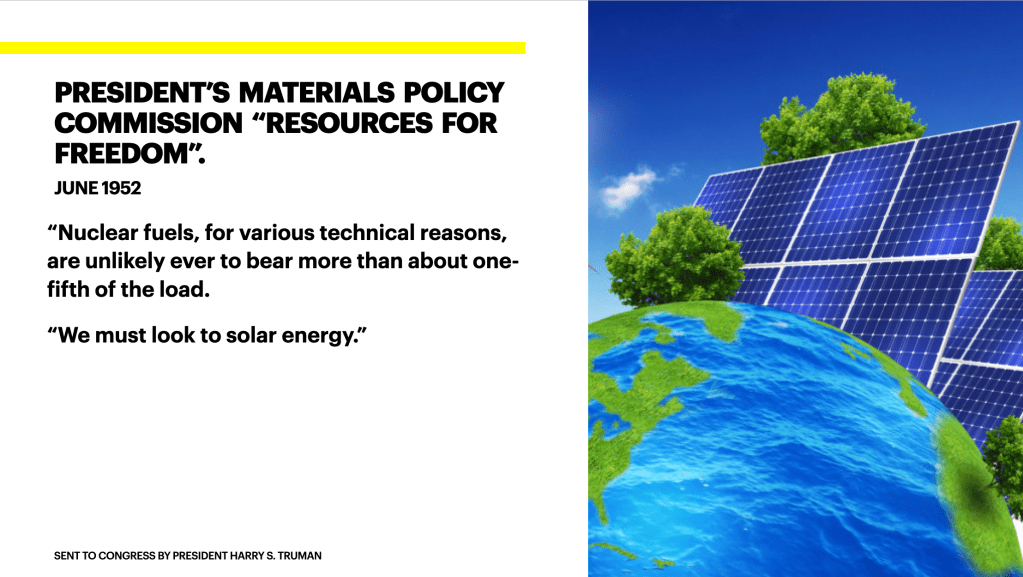
Nuclear power was never the answer to climate change and it’s only pretending to be now as a desperate, last-ditch survival tactic. Renewables were always the answer and we’ve known this for decades.
Read MoreA strategy of concealment
Agencies that promote nuclear power are quietly managing its disaster narrative
By Kolin Kobayashi
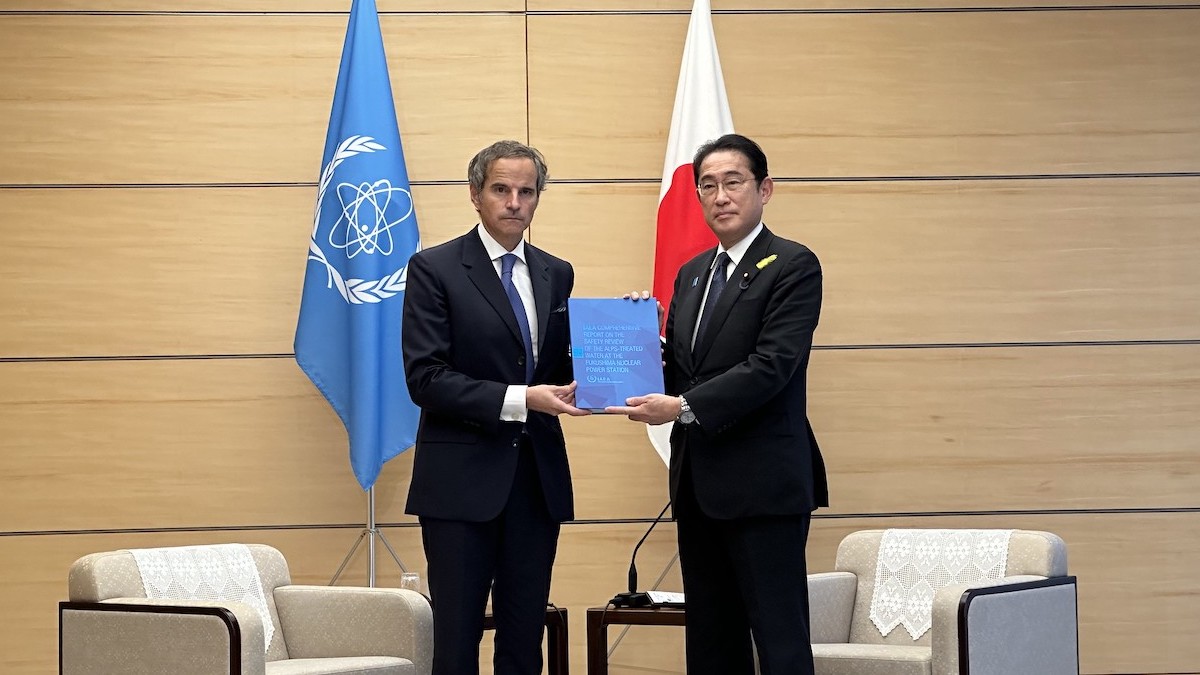
This year marks the 13th year since the Fukushima accident began, yet the path to a conclusion is by no means clear. The declaration of a state of emergency still cannot be lifted because of the various dangers and difficulties that have arisen. Despite this, Prime Minister Kishida’s government is doing more than ever to promote nuclear power as a basic energy source. This approach is similar to that of the French administration, which is also trying to promote nuclear energy as a dual-use nuclear weapon.
The international nuclear lobby, which represents only a minority, has the influence and money to dominate the world’s population with immense power and has now united the world’s minority nuclear community into one big galaxy. Many of the citizens who have experienced the world’s three most serious civil nuclear accidents have clearly realized that nuclear energy is too dangerous. These citizens are so divided and conflicted that they feel like a helpless minority.
The current situation with the Fukushima accident
Let’s start with the total amount of radiation that the Fukushima-Daiichi nuclear power plant still contains today. The spent fuel at the site contains 85 times more cesium-137 than Chornobyl and 50,000 to 100,000 times more than the Hiroshima bomb.
The fuel is still stored in pools on the top floor of the reactor buildings (30 metres above ground), with the exception of Unit 3, the removal of which was completed in 2019.
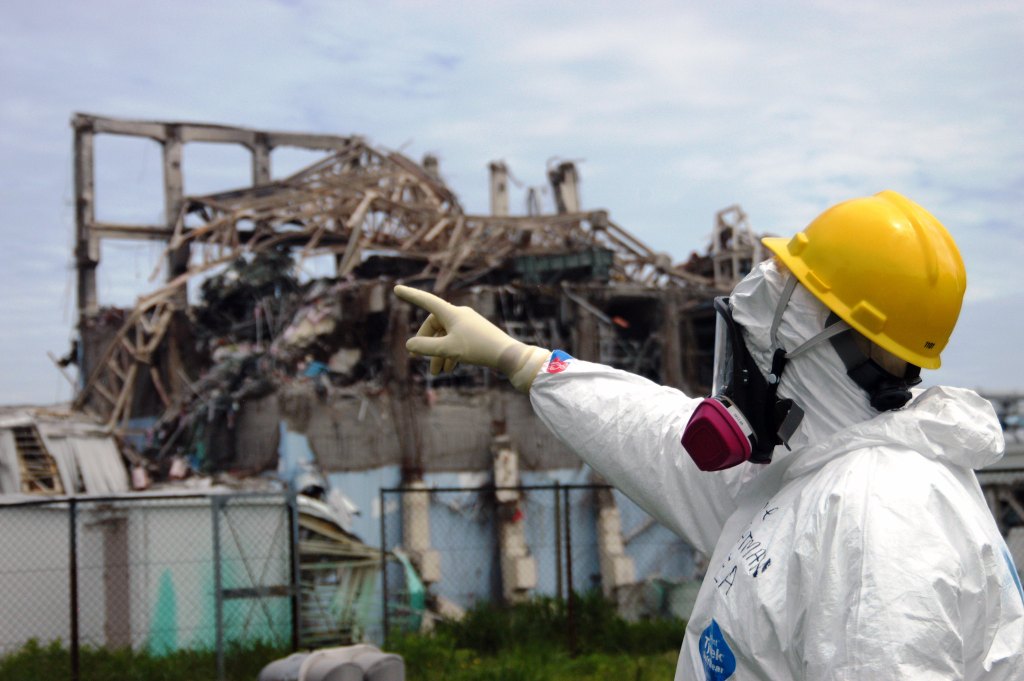
Now, although 12 years have passed, the precise program for future decommissioning is unclear. While the approximate overall radiation levels are known, the buildings and reactors themselves, where the decommissioning and dismantling work will take place, are highly radioactive and cannot be easily penetrated by workers.
The true extent of the accident is not known, nor is the exact state of dispersion of the corium (the molten magma from the nuclear fuel rods in the reactor core). In Unit 1, for example, it is clear from the images taken by a robot that many parts of the circular concrete foundation supporting the pressure vessel have been damaged by the high heat of the corium. There is a significant risk of collapse in the event of a strong earthquake, and if the 440-tonne vessel collapses, it could hit the storage pool next to it. If this pool is damaged, even partially, another major disaster could occur.
Read MoreBartered for a nuclear discount

Forced removal of Chagos islanders gave the US a nuclear base and the UK a deal on nuclear weapons
By Linda Pentz Gunter
In order to “compensate” the government of the United Kingdom for the expense it incurred in forcing a mass deportation of the Indigenous people of the Chagos Archipelago, the United States gave the UK a discount on the purchase of American nuclear weapons.
This was among one of many horrifying details that emerged from a report issued by Human Rights Watch earlier this year detailing how, “About 60 years ago, the United Kingdom government secretly planned, with the United States, to force an entire Indigenous people, the Chagossians” into exile.
The purpose of the deportation was a secret deal struck between the UK and the US to create a US military base on Diego Garcia, the largest of the Chagos islands. The Chagos Archipelago consists of a series of islands and atolls in the Indian Ocean. But first, the inhabitants of those islands had to be removed.
To carry out what was effectively a racially-motivated deportation, the UK split the Chagos Archipelago from Mauritius, a UK colony, created a new colony, the British Indian Ocean Territory, and then lied to the United Nations that there were no permanent residents on the Chagos Islands.
“The reality was that a community had lived on Chagos for centuries,” said the Human Rights Watch report, entitled “That’s When the Nightmare Started” UK and US Forced Displacement of the Chagossians and Ongoing Colonial Crime.
The Chagossians are predominately descendants of people enslaved by the British and French, forced from their homelands in Africa and Madagascar and brought to the then uninhabited Chagos Islands to work coconut plantations. In time, they created their own cultural identity, becoming a distinct peoples.
But between 1965 and 1973, the entire population of the Chagos Archipelago was deported to Mauritius and the Seychelles where, according to the report, they lived in squalid conditions of abject poverty, with all promises of housing and jobs broken. There was nothing there for them and they were offered neither choice nor compensation.
Meanwhile, the UK received a $14 million discount from the US for its purchase of American Polaris nuclear-armed submarine-launched ballistic missiles.
This was among the details revealed as more documents come to light exposing what the HRW report described as “not only the plans, but the blatant racism of UK officials toward the Chagossians that highlights the discriminatory nature of their treatment.”
Read MoreA new French fairy tale

Nuclear wolf can’t fool us in grandma’s clothing
By Axel Mayer
“Bread and games”(Panem et circenses) were the enforcement strategies in the Roman Empire to maintain power. “Cheap petrol, cheap electricity and football” are popular campaign strategies under a democracy, says Axel Mayer, Vice-President of the Trinational Nuclear Protection Association (TRAS).
In France, the nuclear industry is in decline and the nuclear company EDF is heavily in debt. At the same time, President Macron is once again promising cheap nuclear power and wants to have new small nuclear power plants built. A small part of the French nuclear industry’s financial problems is to be solved with EU money.
In this context, the fairy tale of cheap French nuclear power is happily spread in France and also in Germany and the use of nuclear energy is praised as the miracle weapon in the losing war against nature and the environment. However, the price of electricity in France is only apparently cheap.
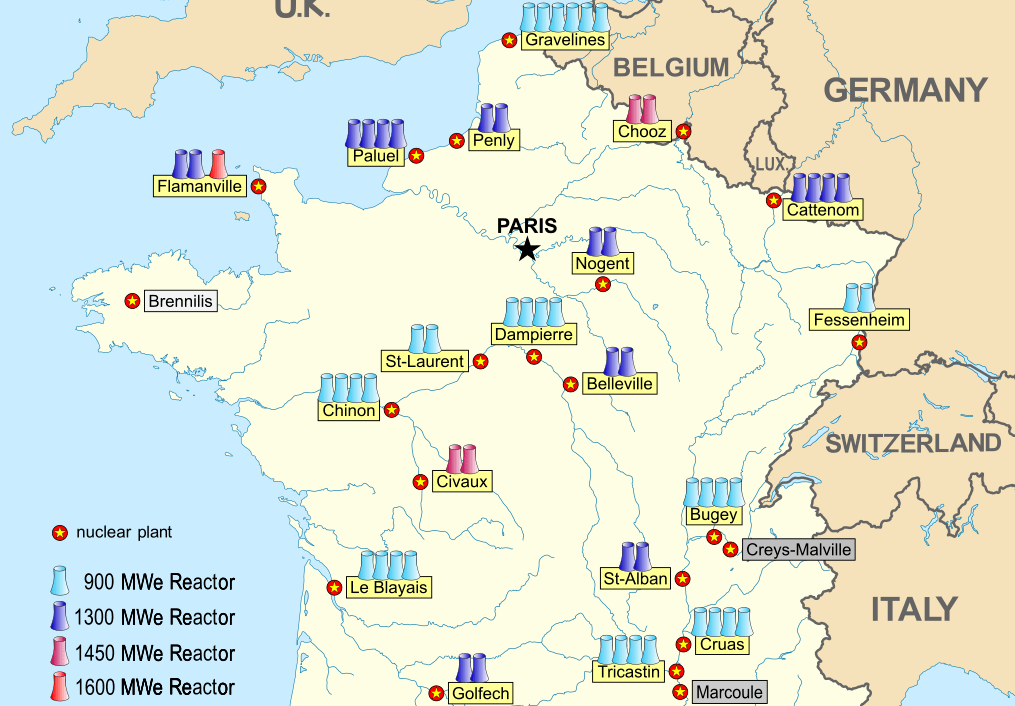
According to a report of the supreme audit court in France, the research and development, as well as the construction of the French nuclear power plants, cost a total of 188 billion euros. Since in France the “civilian” and the military use of nuclear power cannot be separated, the sum is probably much higher. Retrofitting France’s outdated reactors will cost over 55 billion euros. Liberation magazine reports retrofitting costs of nearly 100 billion euros by 2030.
Read MorePeace boat’s message is clear
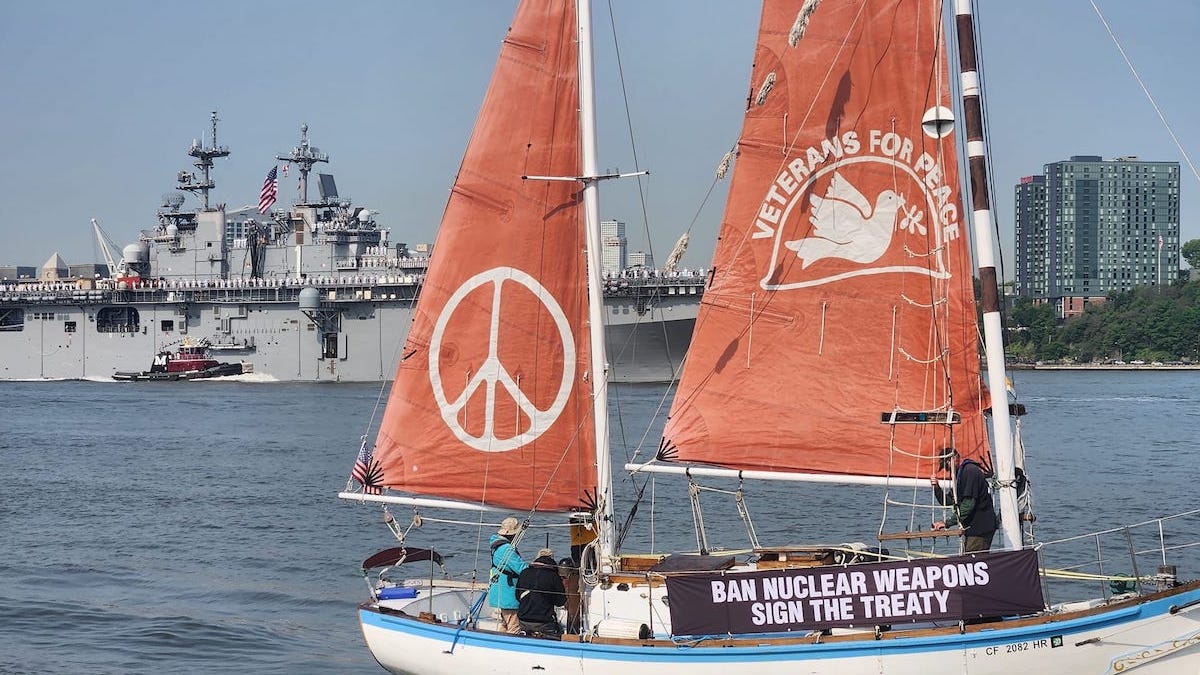
Golden Rule mission urges support for nuclear ban treaty
By Gerry Condon
Editor’s note: The Golden Rule is making a historic voyage for peace around the US currently. This article, by the president of the Veterans For Peace Golden Rule Project, Gerry Condon, from May 2023, is reflective of the stops and activities carried out by the boat’s crew during this epic journey.
The Golden Rule anti-nuclear sailboat and her intrepid crew arrived to Chelsea Piers in New York City on May 17 to a wonderful reception, followed by ten days full of amazing events. Emotional meetings featured family members of the original crew who sailed toward the Marshall Islands in 1958 to interfere with US nuclear bomb tests. A lunch meeting was hosted by Amalgamated Bank, the only US bank that refuses to invest in nuclear weapons. And the historic peace boat made an (uninvited) guest appearance in New York City’s Fleet Week “Parade of (war) Ships.” With its ruddy tan bark sails emblazoned with a peace sign and the logo of Veterans For Peace, the Golden Rule was a jaunty counterpoint to the Navy’s grey display of weapons of mass destruction.
Multiple events were organized daily by Veterans For Peace, the Friends House (Quakers), the War Resisters League, the Catholic Workers (Maryhouse), Pax Christi, the Peoples’ Forum and others. The City Council issued a welcoming proclamation. The Golden Rule also crossed the Hudson River several times to New Jersey for events with environmental activists and Indigenous leaders.
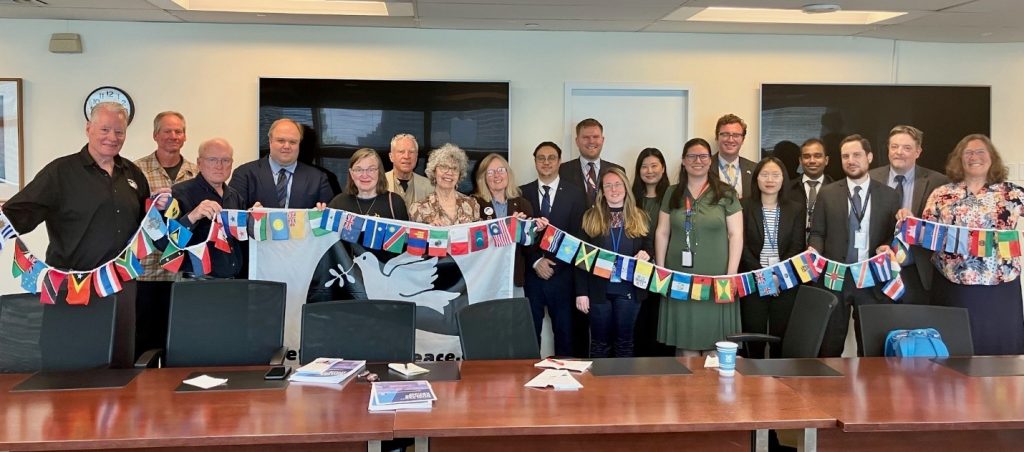
Perhaps most exciting of all were our meetings with United Nations missions from around the world. Mexico’s mission hosted a meeting where Veterans For Peace and the Golden Rule team met with 12 U.N. missions, including New Zealand, Malaysia, Vietnam, Cuba, South Africa, Austria, Indonesia, Ireland, Costa Rica, Kiribati, and the Holy See.
The U.N. representatives responded enthusiastically to a 10-minute version of Making Waves, the Rebirth of the Golden Rule, and made frequent references to the award-winning film during a very positive exchange with the Golden Rule delegation, led by Veterans For Peace’s president Susan Schnall, and Representative to the U.N. Ellen Barfield.
We are used to speaking ‘state-to-state,” said the First Committee representative from South Africa, the one country that actually eliminated its nuclear weapons. “It is a breath of fresh air to be talking with citizen activists.” He continued, “I was struck by the images of you sailing by the warships. It really is David and Goliath. We are doing diplomatic work but you are the ones doing the heavy lifting. You are out there doing it. We thank you very much.”
This point was echoed by the Mexican representative: “Yes, people do not know about the treaty. What you are doing, education, educating is key and very helpful for us.”
“I really appreciate how you bring in the environment,” the representative from Indonesia noted. “Environmental concerns are an important area not discussed enough when we are talking about nuclear weapons.”
All but one of the nations represented had signed the U.N. Treaty on the Prohibition of Nuclear Weapons (TPNW), which is a primary focus of the Golden Rule’s educational mission. The meeting ended with pledges to stay in touch and to work together toward the goal of abolishing nuclear weapons, including the upcoming Second States Meeting in New York Nov. 27 through Dec. 1.
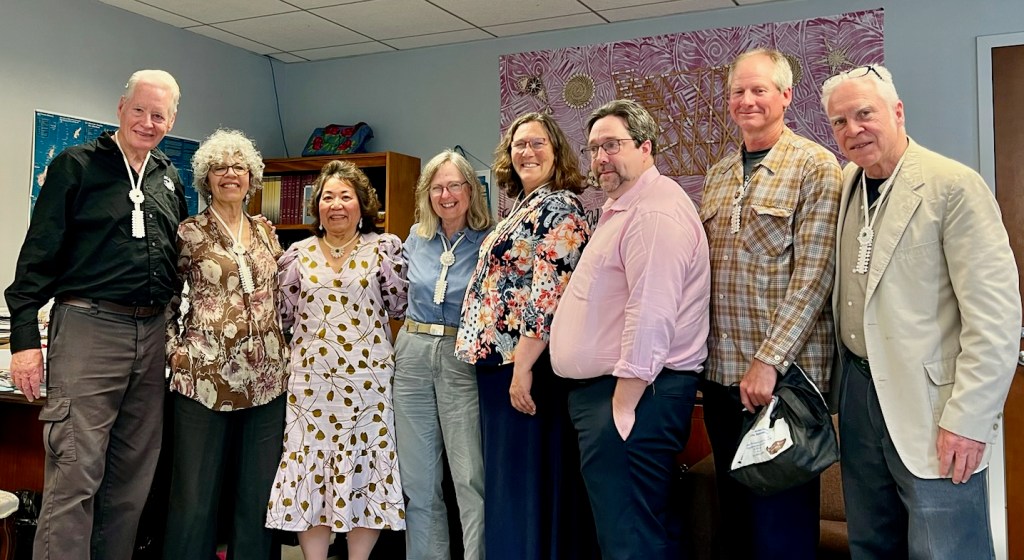
Later the same day, the Veterans For Peace delegation visited with the Permanent U.N. Representative from the Republic of the Marshall Islands. Ambassador Amatlain Elizabeth Kabua gave a very warm welcome in her cozy U.N. office and spoke with the group for over two hours.
The veterans were most concerned when they learned that, despite the very high rate of cancer in the Marshall Islands – the legacy of 67 US nuclear explosions from 1945 to 1958 – there is no chemotherapy available in the Marshall Islands. Nor is there a Veterans Administration clinic for the many Marshallese veterans of the US military. This is a concern that will be raised within Veterans For Peace and beyond. Coincidentally, the very next day, the New York Times ran an article about the lack of a VA clinic in the Marshall Islands. Ambassador Kabua gifted her six visitors with beautiful necklaces that were handmade by Marshallese women from coconut and sea shells. The meeting ended with a warm farewell and promises to keep in touch.
But the international diplomacy had not ended. Three days later, Cuba’s Permanent U.N. Representative and Deputy Permanent Representative came down to Chelsea Piers to visit the Golden Rule. Ambassadors Gerardo Penalver Portal and Yuri A. Gala Lopez thanked the Golden Rule crew for sailing to Cuba in January and for calling for an end to the 61-year old U.S. economic blockade of Cuba. In my capacity as VFP board member and president of the Golden Rule Committee, I thanked the Cuban diplomats for the warm welcome the Golden Rule had received in Cuba.
As president of the Veterans For Peace Golden Rule Project, I was honored to receive the Cuban ambassadors on the historic anti-nuclear ketch. I told them that Veterans For Peace was reminding people that the world almost had a nuclear war in 1962 during the so-called ‘Cuban Missile Crisis.
If it were not for US imperial hostility to Cuba’s freedom and independence, this would not have happened. Why, after more than 60 years, is the United States still making the Cuban people suffer? Veterans For Peace has long opposed the US embargo, and once again we demand that it be ended once and for all.
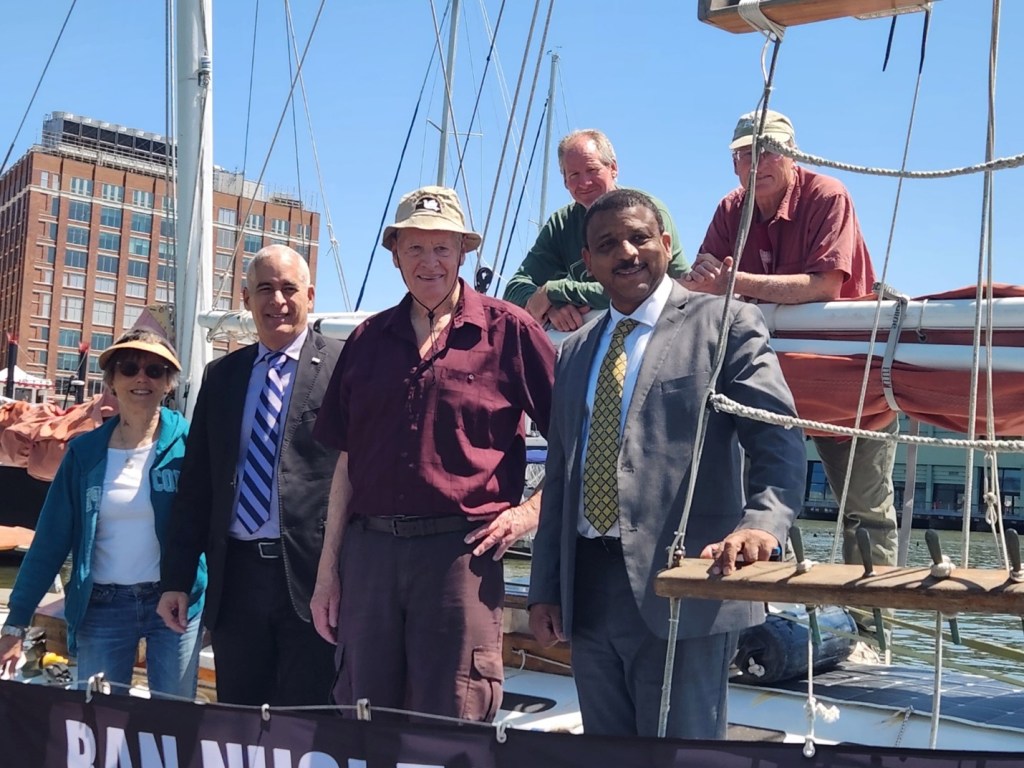
The Cuban diplomats responded that the embargo had been further tightened under President Trump, who had imposed many new sanctions on Cuba and declared it a “state sponsor of terrorism,” making it even harder for Cuba to engage in normal international trade. President Biden has not reversed the Trump sanctions or the “state sponsor of terrorism” designation. We must push him to do so.
Most people in the US, when they hear about this mean-spirited policy toward Cuba, think it is outdated and unfair. Unfortunately, however, very few people in the US know that our government is economically strangling Cuba and causing great suffering to the Cuban people. It is our job to let them know, and to build political pressure to end the long era of US hostility to Cuba. We love the Cuban people and we want to be friends.
For eight years the Golden Rule peace boat has been an inspiring vehicle for educating people about the importance of abolishing nuclear weapons. She is now proving to be an effective tool for international solidarity as well. The historic 34-ft. wooden ketch sailed by the United Nations building on its way out of New York City, heading for Long Island, Connecticut and up the New England Coast all the way to Portland, Maine, where Veterans For Peace was founded in 1985.
At the time of writing, the Golden Rule was two-thirds of the way through its epic 13-month, 11,000 mile “Great Loop” voyage throughout the eastern half of the United States. To see its upcoming schedule of port stops and events, and how you can participate, go to www.vfpgoldenrule.org.
Special thanks to Anthony Donovan of New York City Veterans For Peace for coordinating many events for the Golden Rule in New York and New Jersey, and for the great photos in this article.
This article first appeared on Peace and Planet and is republished with permission of the author.
Headline photo: The Golden Rule upstaged an aircraft carrier at the “Parade of Ships” that kicked off “Fleet Week” in New York City. (Photo: VFP Golden Rule Project/Facebook)
The opinions expressed in articles by outside contributors and published on the Beyond Nuclear International website, are their own, and do not necessarily reflect the views or positions of Beyond Nuclear. However, we try to offer a broad variety of viewpoints and perspectives as part of our mission “to educate and activate the public about the connections between nuclear power and nuclear weapons and the need to abandon both to safeguard our future”.

