 Beyond Nuclear International
All casked up with nowhere to go
Why we shouldn’t be talking about nuclear waste “disposal”
By Linda Pentz Gunter
(Note: Please join a webinar on nuclear waste hosted by the Heinrich-Böll-Stiftung Washington, DC, and moderated by Beyond Nuclear, to discuss the World Nuclear Waste Report with its editor, Arne Jungjohann, and US chapter author and former Nuclear Regulatory Commission chair, Allison Macfarlane, on December 3 from 1pm-2:30pm Eastern US time. Click here to register.)
Let’s get one thing clear right off the bat. You don’t “dispose” of nuclear waste.
The ill-suited, now canceled, but never quite dead radioactive waste repository at Yucca Mountain was not a “disposal” site.
The radioactive mud being dredged from the sea bed at the Hinkley C nuclear site in the UK, is not going to get “disposed of” in Cardiff Grounds (a mile off the Welsh coast).
When Germany dumped radioactive waste in drums into the salt mines of Asse, it wasn’t “disposed” of.
Taking nuclear waste to Texas and New Mexico border towns and parking it there indefinitely is not “disposal”.
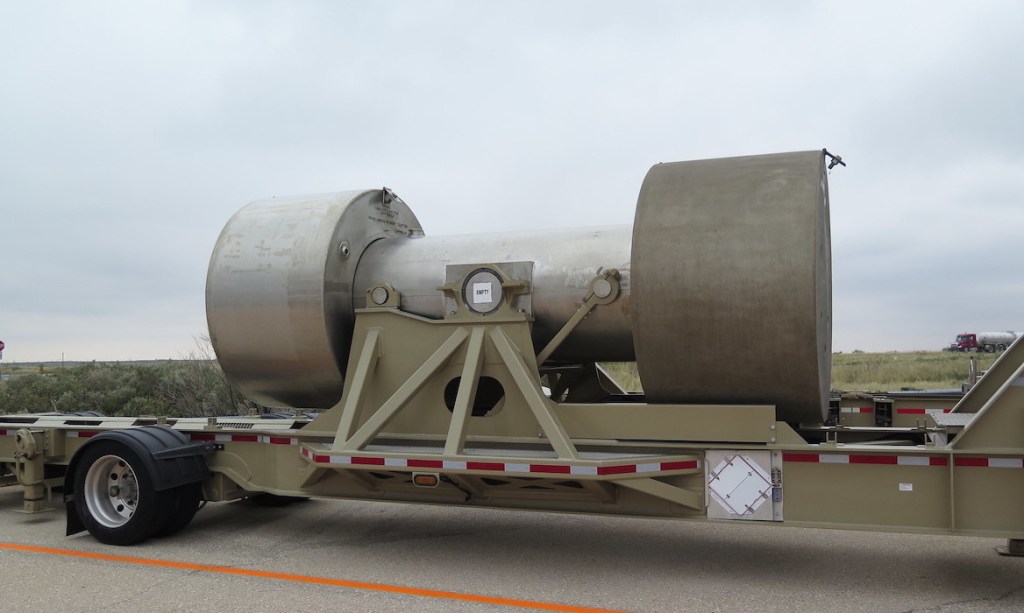
To talk about radioactive waste “disposal” is simply dishonest. It’s disingenuous at best and deliberately misleading at worst.
In Cardiff Bay, that radioactive waste will get “dispersed.” At Asse, the waste leaked out of the barrels and “dispersed” into water that has flooded the site.
At Yucca Mountain, were it to get a renewed green light, water will eventually carry off those radioactive particles, sending them into groundwater and drinking water downstream of the dump.
Read MorePowering down — and out
Closing Indian Point will speed action on climate change, not hamper it
By Marilyn Elie and Linda Pentz Gunter
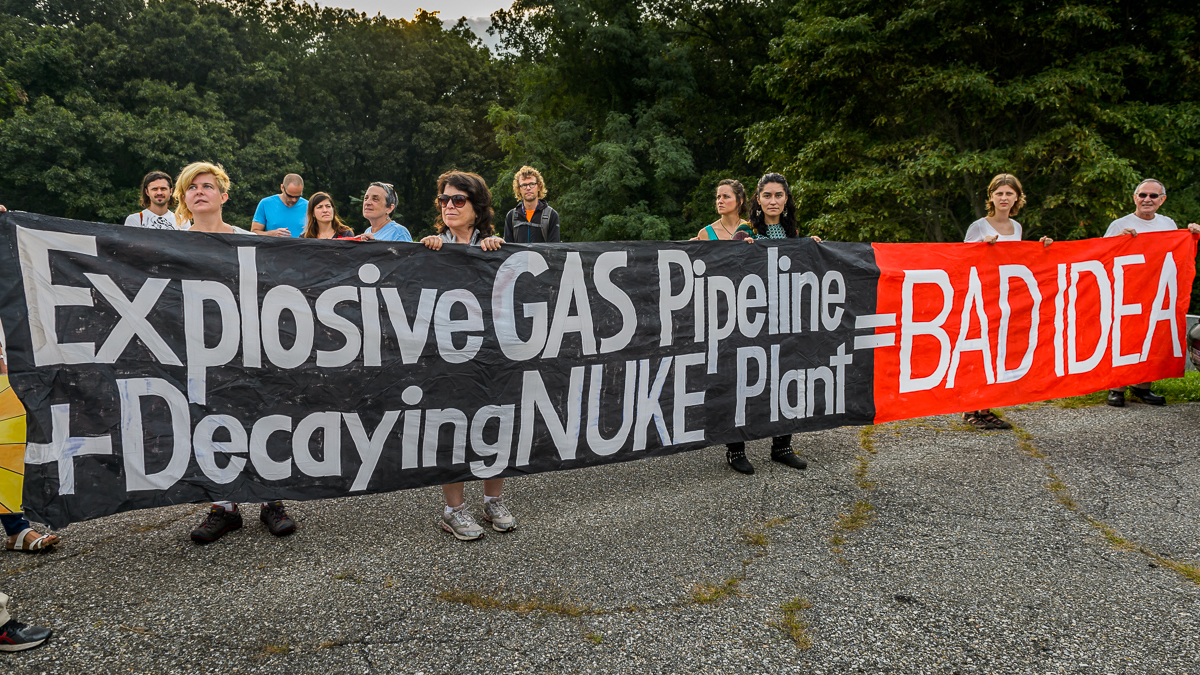
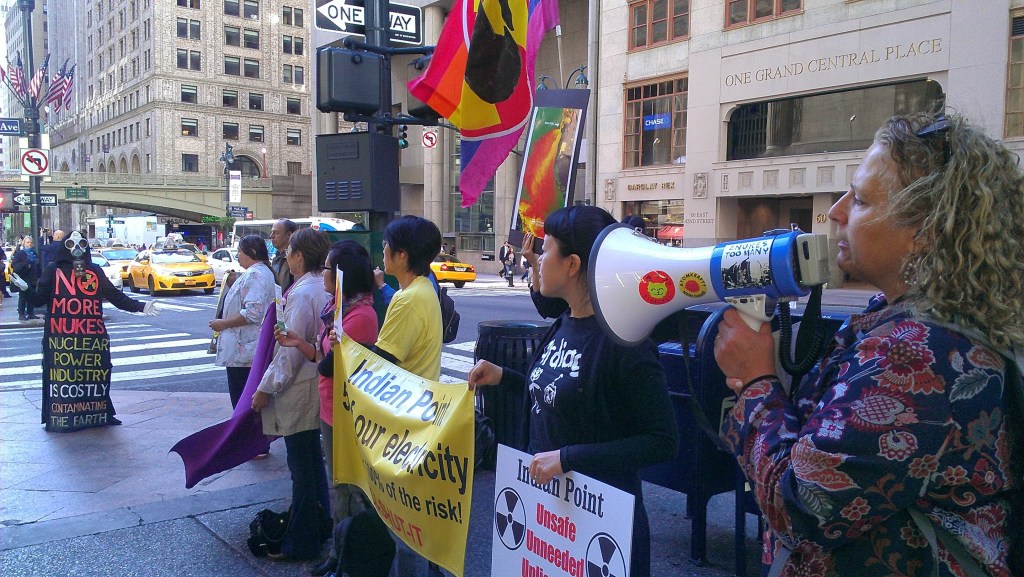
Next spring, the last working nuclear reactor at the Indian Point Energy Center on the Hudson River, 30 miles from Manhattan, will power down. At least 20 million people in the 50-mile radius of the 40-year-old nuclear generator can sleep more soundly. Future generations will thank us for no longer producing high-level radioactive waste that will bedevil the country and our community for years to come.
But, as that April 30, 2021 Unit 3 closing date approaches, some have called for New York governor, Andrew Cuomo, to keep Indian Point open. (Unit 2 closed permanently on April 30, 2020. Unit 1 closed on October 31, 1974 due to serious technical failures.)
The first thing to note is that the governor has no legal authority to either close or open a nuclear reactor. And while the U.S. Nuclear Regulatory Commission (NRC) can order a reactor closed in case of danger, it cannot order the license holder to keep a reactor running. That’s a decision taken by the reactor owner, in this case, by Entergy, which owns the Indian Point plant.
In New York’s deregulated energy market, corporations close down generators that are not making a profit — and that is exactly what Entergy has done with all six of its nuclear reactors in the northeast. The company is retreating south, where they have a monopoly and do not have to worry about competition.
The chief — and really only — argument made in favor of keeping Indian Point running is the false notion that its output will automatically be replaced by natural gas, which is of course counterproductive to addressing the urgency of climate change.
Read MoreNo radioactive water dump!
Japan has other choices for Fukushima water
From GENSUIKIN
Update: Thank you very much to those who have already sent comments opposing Japan’s plan to dump radioactive water into the Pacific Ocean. Due to the overwhelming response from concerned citizens and groups across the globe, GENSUIKIN is extending the comment period until January 31, 2021. Please email your comments to: gensuikin.online@gmail.com.
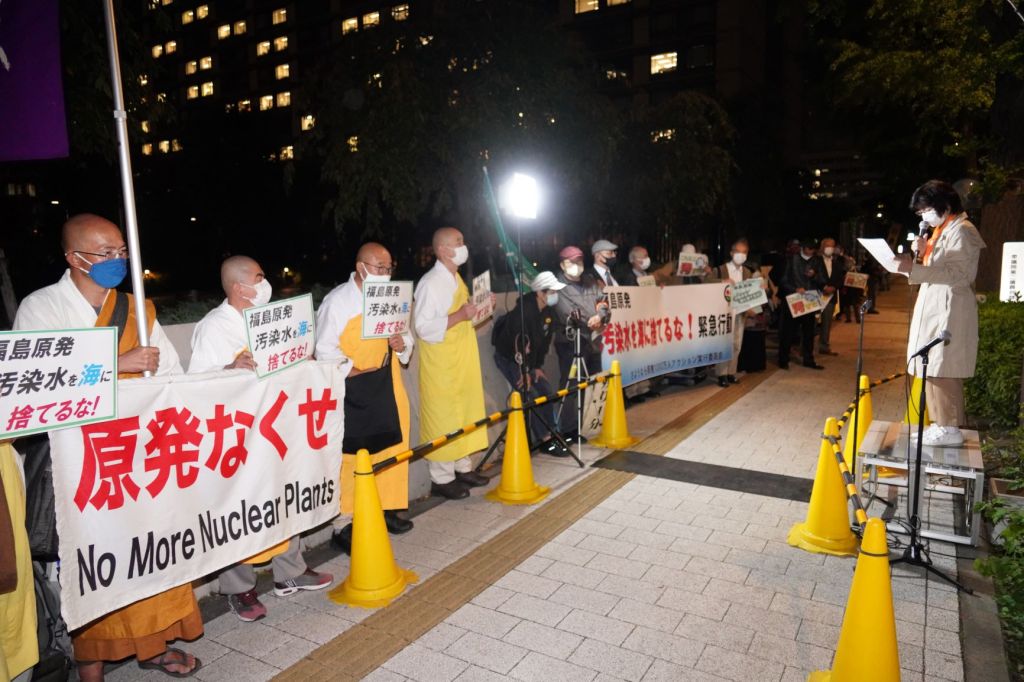
The Japanese government appears ready to dispose of radioactive water contaminated by tritium and other radioactive materials from the crippled Fukushima Daiichi nuclear power plant into the Pacific Ocean. GENSUIKIN is asking for your support to prevent this reckless attempt by the government. Please see the end of the article for action steps.
At GENSUIKIN, we have campaigned against any uses of nuclear technology by any country, including the commercial use of nuclear energy such as nuclear power plants, on the basis that “nuclear and humanity cannot coexist”.
On March 11, 2011, during the Great East Japan Earthquake, four of six nuclear reactors operated by Tokyo Electric Power Company (TEPCO) had core meltdowns caused by loss of cooling power. Due to the high radiation dose at the facility – 42 Sv in the containment vessel and 5150 mSv in the buildings — it is impossible to know the true extent of damage to the core while cooling water continues to be injected to prevent criticality.
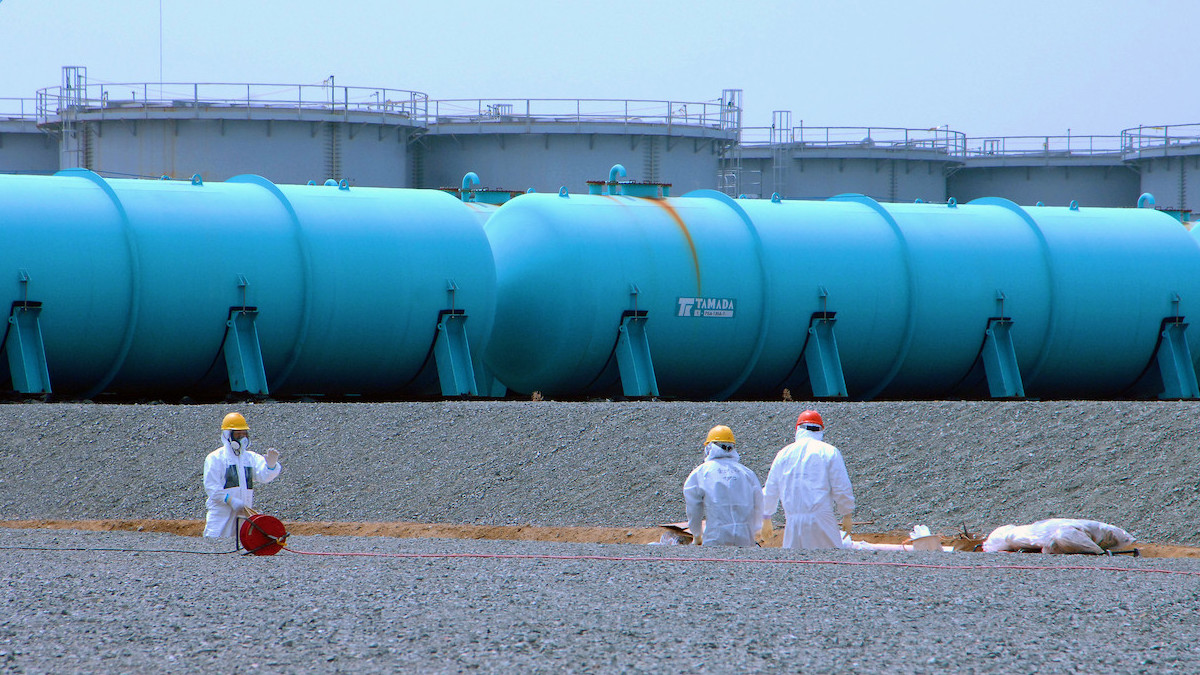
In such a situation, it is extremely dangerous for cooling water to be contaminated by high level radioactive materials, to accumulate to as much as 1.23 million cubic meters and then, potentially, to leak into the groundwater.
At present, after decontamination by an Advanced Liquid Processing System (ALPS), the contaminated water is stored in tanks at the nuclear site. There are currently 1,044 tanks at the site. Astonishingly, to remove the contaminated water, the Japanese government and TEPCO plan to dispose of it by dumping it into the Pacific Ocean. There are a number of problems with this, around which we are organizing opposition movements in solidarity with residents in Fukushima.
Read MoreWill Trump attack Iran’s nuclear center?
Advisors warn against aggression, but will Trump listen?
By Linda Pentz Gunter
What do embattled political leaders do to try to build a surge in their popularity? Sometimes, they start a war (Thatcher-Falklands anyone? Bush-Iraq?)
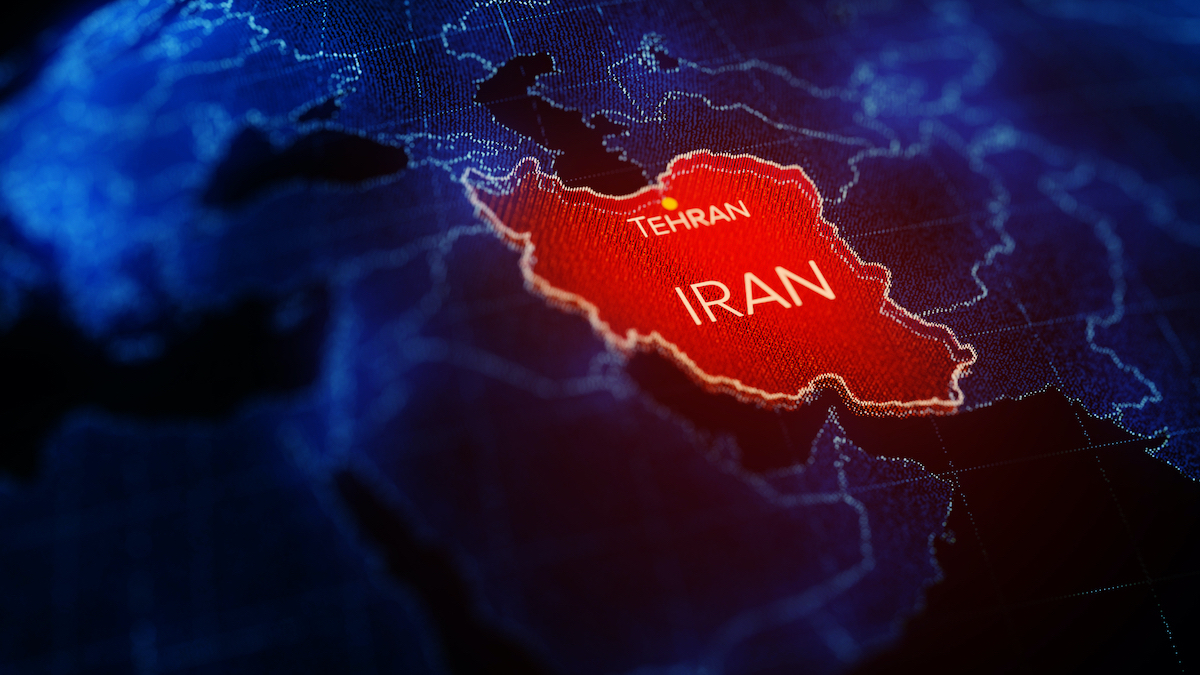
Defeated US president, Donald Trump, perhaps in an effort to create further mayhem as the reins of power are prized from his grasp and handed to Joe Biden, reportedly inquired last week about options to exercise a military strike on Iran’s uranium enrichment facility at Natanz.
Iran is a signatory to the nuclear Non-Proliferation Treaty and, as such, claims it is exercising its right under Article IV to engage in what the treaty misguidedly describes as the “inalienable right of all the Parties to the Treaty to develop research, production and use of nuclear energy for peaceful purposes.”
It’s a problematic clause, shooting itself in its non-proliferation foot by providing the roadmap to nuclear weapons development and encouraging countries to follow it. But Iran, if it stays within uranium enrichment limits, isn’t violating it.
The U.S. meanwhile, also a party to the treaty, IS violating it by not abiding by Article VI which asks signatories “to pursue negotiations in good faith on effective measures relating to cessation of the nuclear arms race at an early date and to nuclear disarmament, and on a treaty on general and complete disarmament under strict and effective international control.”
There is no cessation of the nuclear arms race “at an early date” or even, recently, at all. A treaty on “complete disarmament” has now arrived in the form of the Treaty on the Prohibition of Nuclear Weapons, which the Trump administration has not only refused to sign or ratify but has threatened other countries for doing so.
Trump, who seems to believe that he will remain president, is perhaps seeking to look tough to his blindly obedient followers. He won’t concede the presidential election, because he’s not a “loser”. And he can start a war, because that would be tough and macho, the only likeness of leadership he understands.
Read MoreScience, or nuclear fiction?
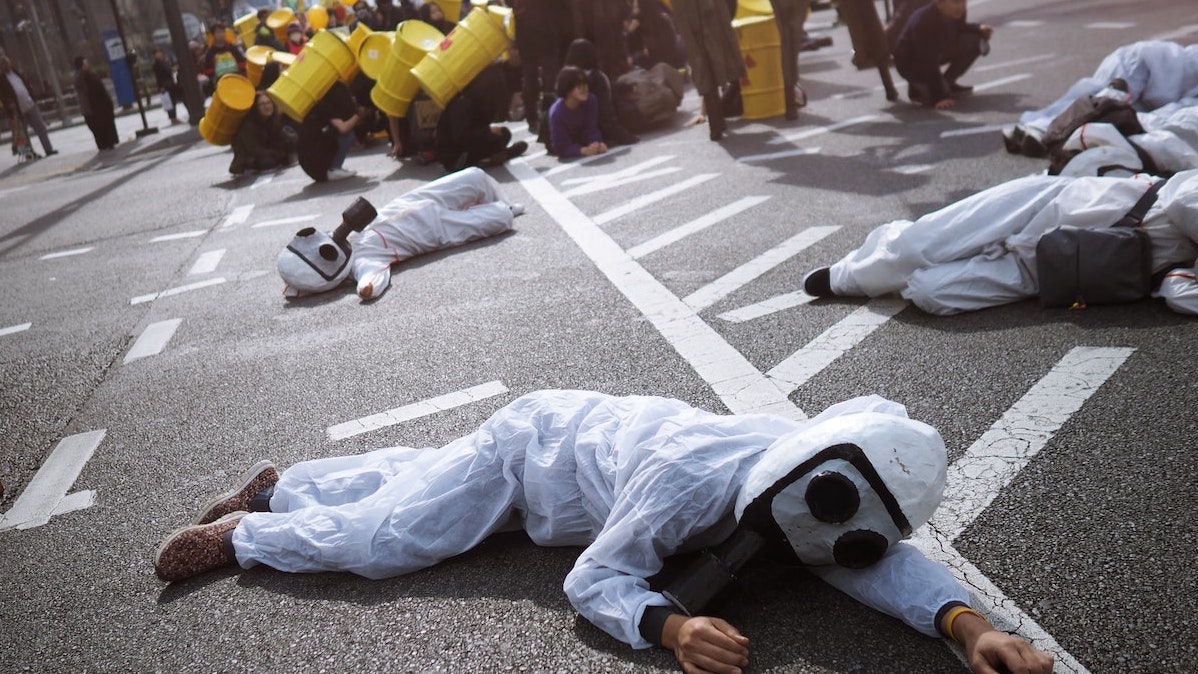
Biden-Harris must reject the nuclear path
By Linda Pentz Gunter
Although possibly a sad comment on his predecessors, incoming U.S. president, Joe Biden, is offering the most progressive climate policy so far of any who have previously held his position.
As Paul Gipe points out in his recent blog, the Democratic Party platform — and now the Biden-Harris climate plan — use the word “revolution” right in the headline — a bit of a departure from the usual cautious rhetoric of the centrist-controlled Democratic Party.
But ‘revolution’ is proceeded by two words which let us know we are still lingering in conservative ‘safe’ territory. They call it a “clean energy revolution”, which Gipe rightly refers to as “focus-group shopped terminology.” He goes on:
”Clean energy is a term forged by Madison Avenue advertising mavens in the crucible of focus groups. It ‘polls well,’ as they say. It means one thing to one interest group, something else to another. So it’s perfect for politics in America.
“To environmentalists, it means wind and solar energy, often only those two forms of renewable energy, and sometimes only solar. It also means good times to the coal and nuclear industry. (Ever hear of ‘clean coal’?)
“So clean energy is one of those misleading words that party leaders and, importantly, fundraisers can use to elicit money from donors of all stripes. Why say renewable energy, when you want to raise money from the coal and nuclear industries?”
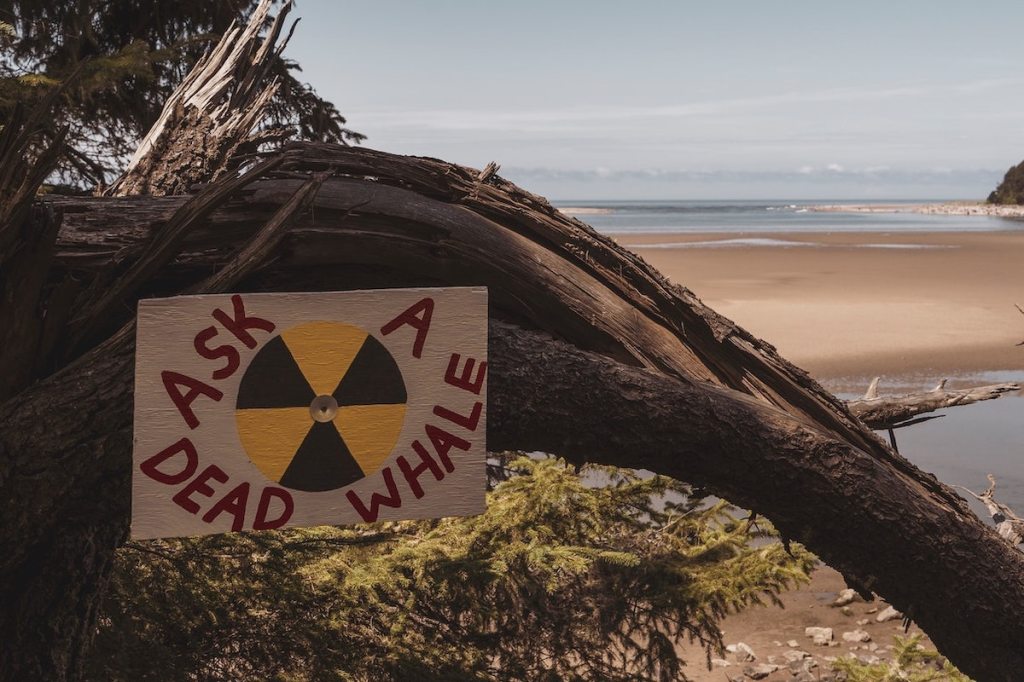
Schools of mass destruction
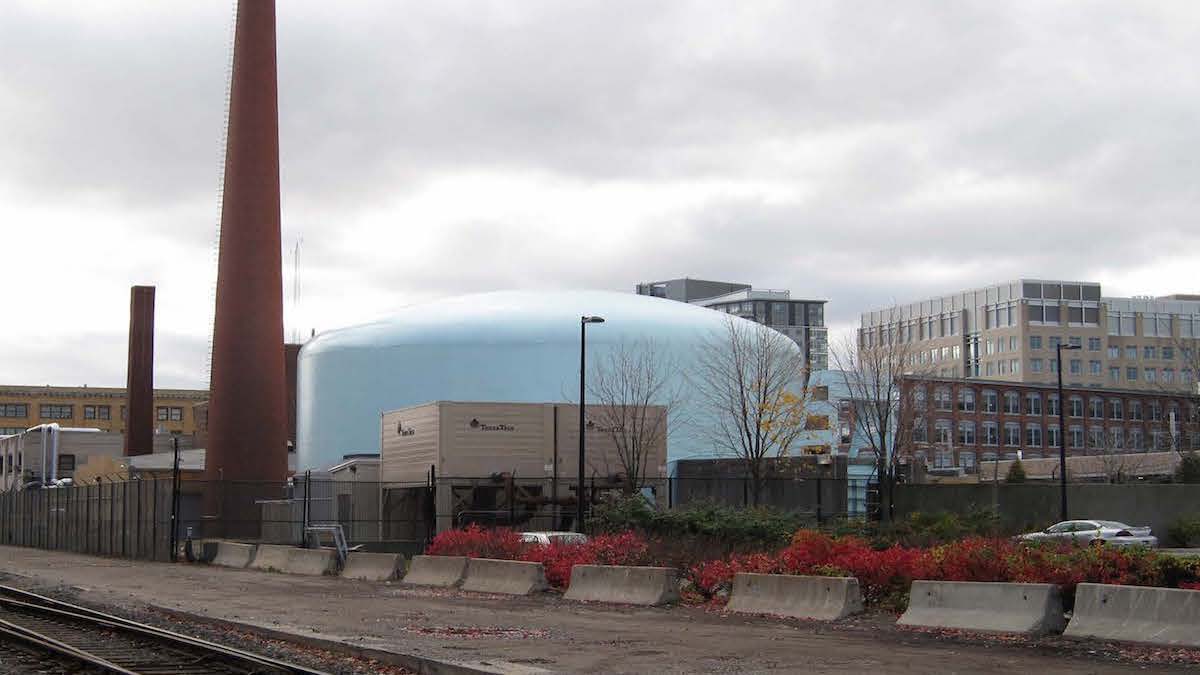
American universities in the US nuclear weapons complex
An ICAN report
Universities across the United States are identified in this report for activities ranging from directly managing laboratories that design nuclear weapons to recruiting and training the next generation of nuclear weapons scientists. Much of universities’ nuclear weapons work is kept secret from students and faculty by classified research policies and undisclosed contracts with the Defense Department and the Energy Department. The following is the executive summary from ICAN’s report: Schools of Mass Destruction, with some changes made for timeliness.
Over the next ten years, the Congressional Budget Office estimates U.S. taxpayers will pay nearly $500 billion to maintain and modernize their country’s nuclear weapons arsenal, or almost $100,000 per minute. A separate estimate brings the total over the next 30 years to an estimated $1.7 trillion. In a July 2019 report, National Nuclear Security Administrator Lisa Gordon-Haggerty wrote, “The nuclear security enterprise is at its busiest since the demands of the Cold War era.”
In addition to large amounts of funding, enacting these upgrades requires significant amounts of scientific, technical and human capital. To a large extent, the U.S. government and its contractors have turned to the nation’s universities to provide this capital.
At the same time, the United States is shirking its previous commitments to nuclear arms control and reducing nuclear risks despite its obligation under Article VI of the Nuclear Non-Proliferation Treaty to pursue good-faith measures towards nuclear disarmament.


