 Beyond Nuclear International
A new nuclear arms race
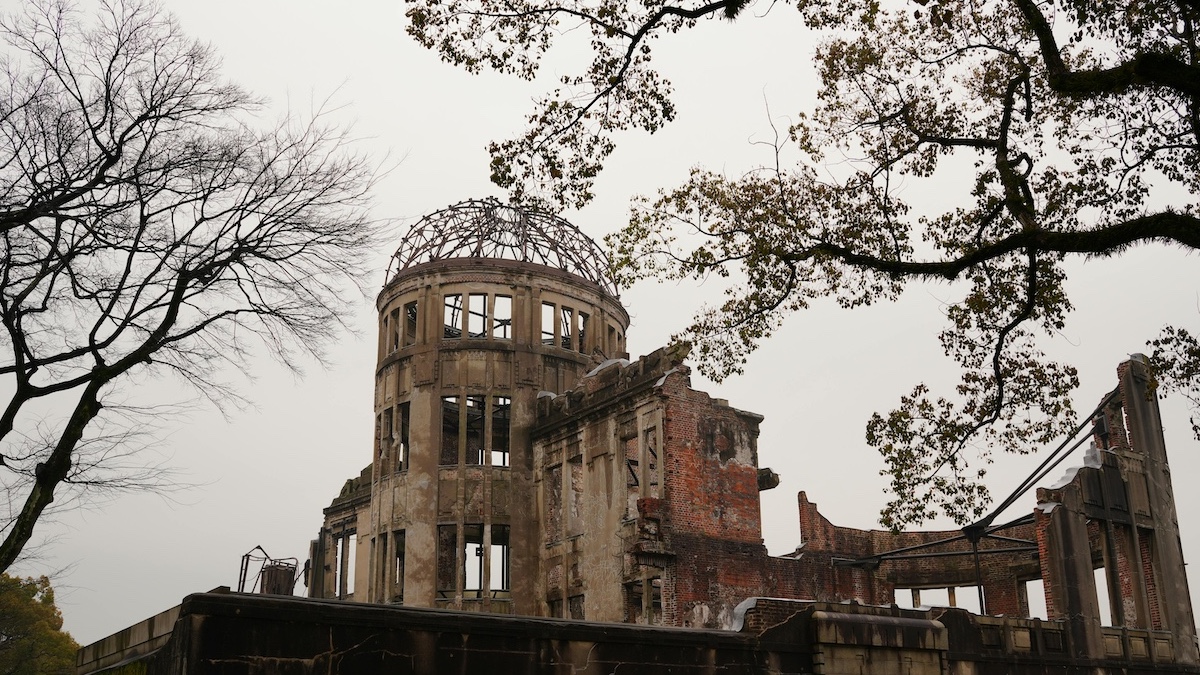
Are we headed towards one, or already in it, asks Lawrence Wittner
Amid growing international chaos, it should come as no surprise that nuclear dangers are increasing.
The latest indication is a rising interest among U.S. allies in enhancing their nuclear weapons capability. For many decades, remarkably few of them had been willing to build nuclear weapons―a result of popular opposition to nuclear weapons and nuclear war, progress on nuclear arms control and disarmament, and a belief that they remained secure under the U.S. nuclear umbrella. But, as revealed by a recent article in London’s Financial Times, Donald Trump’s public scorn for NATO allies and embrace of Vladimir Putin have raised fears of U.S. unreliability, thereby tipping the balance toward developing an expanded nuclear weapons capability.
This growing interest in nuclear weapons is especially noticeable in Europe, where Trump’s berating of NATO and Putin’s threats of nuclear attack are particularly unsettling. Although Friedrich Merz, Germany’s chancellor, dismissed any notion of Germany developing its own nuclear weapons, he has stated that it must explore “whether nuclear sharing, or at least nuclear security from the UK and France, could also apply to us.” Furthermore, several German think tank experts have floated the idea of building the infrastructure that, if necessary, could produce German nuclear weapons.
In Poland, too, a nuclear weapons capacity has become increasingly appealing. Prime Minister Donald Tusk recently raised the idea of pursuing nuclear weapons or, at least, seeking an agreement for sharing France’s nuclear arsenal. A board director of PGZ, Poland’s state-controlled military manufacturer, remarked: “There are suddenly a lot of words and different opinions about what to do, but they all show Poland believes in stronger nuclear deterrence against Russia.”
Read More“Return to Fukushima”

Cindy Folkers reviews Thomas Bass’s excellent new book that is both a personal journey and a stark warning
Thomas A. Bass’s “Return to Fukushima” is a poignant blend of investigative journalism, environmental critique, and personal reflection that revisits the 2011 Fukushima Daiichi nuclear power disaster. Bass brings poetic prose, incisive analysis, and a deeply ethical lens to a subject often buried under technical jargon and political spin. This book is not just a recounting of catastrophe, but a stark reminder that, even in the face of individual and community resilience, science and policy fall short for those haunted by the permanence of radioactive contamination.
At the heart of the book lies a powerful question: What does it mean to live in a nuclear exclusion zone? Bass uses this inquiry to explore the “slow violence of radiation,” the enduring trauma of environmental contamination, the cultural amnesia that allows such disasters to fade from global consciousness, and the political and corporate machinery that enables this erasure. Rather than focusing on abstract debates, he humanizes the crisis by highlighting the lived experiences of those navigating the radioactive ruins of northeastern Japan. He remarks, “The process [of decontamination] is more about managing people’s perception of radiation than it is a solution.”

Rooting the book in personal and historical context, Bass recalls the surreal normalcy of growing up in a home adorned with photographs of mushroom clouds, reflecting his father’s involvement in fabricating both hydrogen (tritium) bombs and atomic bombs. Starting from this context, Bass links Fukushima to other sites of radioactive trauma—Chernobyl, Hanford, Bikini Atoll—framing them as part of a global pattern of technological arrogance, and recognizing the long-standing connection between civilian energy and military power.
Read MoreWhat is an EMP?
A nuclear electromagnetic pulse from a nuclear detonation could affect billions explains Carlos Umaña in an interview
As a companion piece to Umaña’s article about the April 2025 blackout in Europe and his first fears that nuclear war had begun, we republish this interview from Tendencia in 2019.
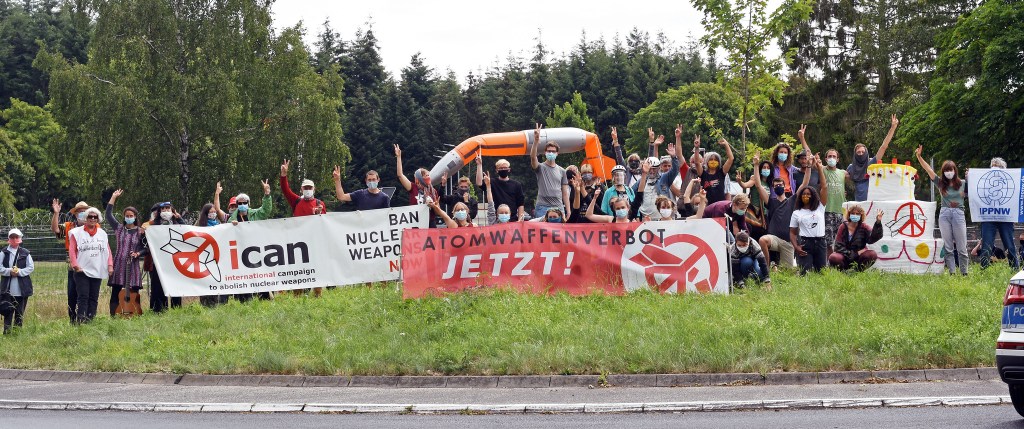
In 2017, the International Campaign to Abolish Nuclear Weapons (ICAN) won the Nobel Peace Prize in recognition of its decade-long work to ban the atomic bomb.
ICAN is a global alliance whose goal is to raise awareness among people in all countries to pressure their governments to sign a treaty to ban nuclear weapons. The campaign was launched in 2007 and is now active in more than 60 countries.
Carlos Umaña, from Costa Rica, is a member of the International Physicians for the Prevention of Nuclear War (IPPNW), and a member of the International Campaign to Abolish Nuclear Weapons (ICAN).
What is a nuclear electromagnetic pulse?
A nuclear electromagnetic pulse (EMP) is a brief, intense pulse of radio wave that is produced by a nuclear detonation.
Its radius is much greater than the destruction caused by the heat and shock wave of the nuclear weapon. For example, the pulse from an explosion about 100 km high would cover an area of 4 million km2. An explosion about 350 km high could, for example, cover most of North America, with a voltage of a power that is a million times greater than that of a lightning bolt from a thunderstorm. That is, if the detonation of a nuclear bomb is made from a sufficient height, even if there is no such great physical destruction, it could affect the lives of the inhabitants of an entire country or of several countries.
Read MoreLessons from a blackout
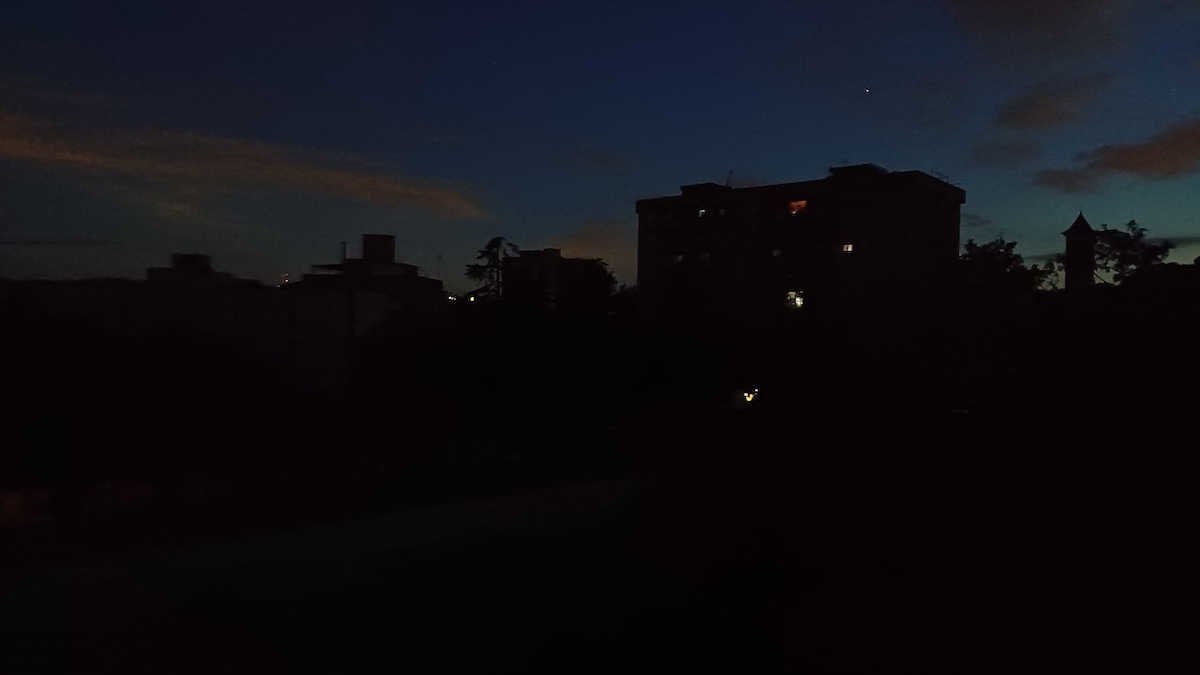
When parts of Europe suddenly when dark, a nuclear exchange was an early fear, writes Carlos Umaña
On Monday, April 28, a massive blackout engulfed the entirety of peninsular Spain, Portugal, and parts of Southern France. Nothing worked—no cell phones, no trains.
I was in the subway station when everything suddenly went dark.
My first thought: the shit has hit the fan. A nuclear exchange must have taken place somewhere, and we’ve been affected by an electromagnetic pulse (EMP)—not an implausible scenario. A nuclear detonation, beyond the destruction, injuries, and contamination caused by the immense heat, blast wave, and radiation, also generates an EMP capable of frying all electronic devices within its radius. The reach of an EMP can extend far beyond the blast site, depending on the altitude of the detonation—the higher it is, the broader its effect.
Emerging from the darkness of the subway station, I felt a wave of relief upon seeing that cars appeared to be functioning—most modern vehicles would be rendered useless by an EMP. I boarded a bus, noting that its GPS was operational—further evidence against a nuclear EMP. Yet, I remained uneasy. A nuclear EMP could still have destabilized the power grid at the country’s periphery without directly affecting Madrid. So, while an EMP was becoming less and less likely, it was still not entirely out of the question, especially given the current geopolitical climate.
Passengers on the bus were talking. No one’s phone was working, and nobody around us had any news. No one had a radio, but one person’s phone had managed to receive a message from a friend minutes after the blackout began: the outage wasn’t just nationwide—it had also hit France and Portugal, and who knew where else. This was big.
As the bus moved through the streets, crowds continued to swell. Spain boasts an extensive train network, and public transportation—especially the subway system—is affordable and efficient, meaning many people rely on it. Like ants fleeing a disturbed nest, people poured out of subway stations, flooding the streets. The sheer number of people was staggering. Traffic jams were everywhere. Uncertainty reigned.
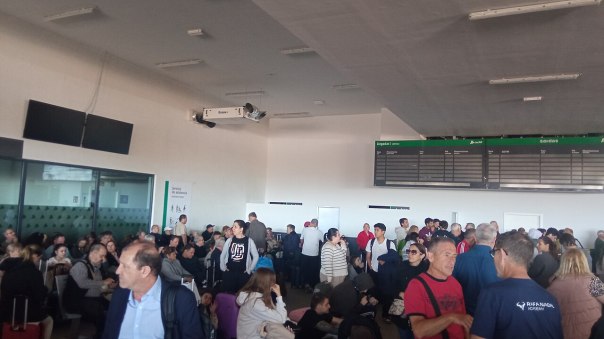
I was anxious but kept to myself. On one hand, I didn’t want to be the voice of panic. On the other, amid the chaos, I found myself strangely enjoying the slow bus ride. While people in small towns or cities tend to be friendlier and more outgoing, residents of major cities -like Madrid or Barcelona- often keep to themselves, barely acknowledging others on public transport. But now, people were talking, sharing information, reassuring each other, even cracking jokes. There was a palpable sense that we were all in this together.
Read MoreLecciones de un apagón
“Un pulso electromagnético nuclear podría destruir la sociedad que conocemos”, escribe Carlos Umaña
El lunes 28 de abril, un apagón masivo envolvió a toda la España peninsular, Portugal y partes del sur de Francia. Nada funcionaba: ni los teléfonos móviles, ni los trenes.
Yo estaba en la estación del metro cuando, de repente, todo oscureció.
Lo primero que pensé: Se armó la gorda. Debió haber ocurrido un intercambio nuclear en algún lugar, y hemos sido afectados por un pulso electromagnético (EMP)—una hipótesis nada descabellada dado nuestro contexto. Una detonación nuclear, además de la destrucción, las lesiones y la contaminación provocadas por el calor extremo, la onda expansiva y la radiación, también genera un EMP capaz de inhabilitar todos los dispositivos electrónicos dentro de su radio de alcance. Su efecto puede extenderse mucho más allá del sitio de la explosión, dependiendo de la altitud de la detonación—cuanto más alta, mayor será su alcance.
Al salir de la oscuridad de la estación de metro, me alivió ver que los autos parecían estar funcionando—la mayoría de los vehículos modernos dejarían de funcionar tras un EMP. Subí a un autobús y noté que el GPS (avisando cuáles paradas seguían) continuaba operando —otra prueba en contra de la teoría de un EMP nuclear. Aun así, seguía intranquilo. Un EMP nuclear podría haber afectado el borde del país, sin afectar directamente a Madrid, y aun así haber desestabilizado la red eléctrica nacional. Así que, aunque la posibilidad de un EMP se volvía cada vez menos probable, no podía descartarse por completo, especialmente en el clima geopolítico actual.
Los pasajeros en el autobús conversaban. Ningún teléfono funcionaba, y nadie tenía noticias. Nadie tenía una radio, pero el móvil de un señor había logrado recibir un mensaje de un amigo minutos después de que comenzara el apagón: el apagón no solo era nacional, sino que también había afectado a Francia y Portugal, y quién sabía cuántos otros lugares. Esto era serio.
Mientras el autobús avanzaba por las calles, la multitud crecía. España cuenta con una extensa red ferroviaria, y el transporte público—especialmente el metro—es asequible y eficiente, por lo que muchas personas dependen de él. Como hormigas saliendo de un hormiguero alborotado, la gente emergía de las estaciones de metro, inundando las calles. La cantidad de personas era abrumadora. El tráfico estaba paralizado. Reinaba la incertidumbre.
Yo seguía algo ansioso, pero me contuve. Por un lado, no quería esparcir el pánico. Por otro, en medio del caos, sorprendentemente, me vi disfrutando del lento recorrido del autobús. Mientras que en los pueblos pequeños o ciudades más chicas la gente suele ser más amigable y abierta, en las grandes ciudades —como Madrid y Barcelona— cada quien está en lo suyo y apenas reconocen la presencia de los otros en el transporte público. Pero ahora, la gente hablaba y compartía información. Se tranquilizaban unos a otros y hasta bromeaban juntos. Había cierta sensación de compañerismo, de que todos estábamos en esto juntos.reassuring each other, even cracking jokes. There was a palpable sense that we were all in this together.
Read MoreNuclear peril
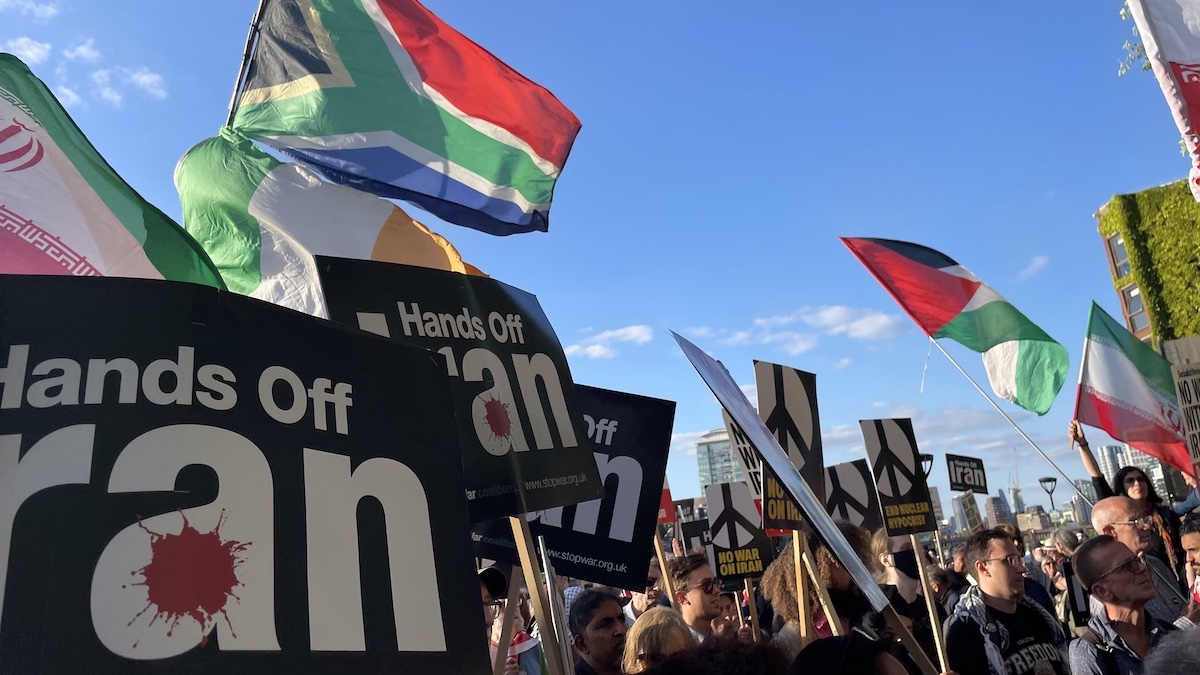
US and Israeli bombing of Iran’s nuclear facilities set the stage for disaster, writes Linda Pentz Gunter from London
Note: This is a constantly evolving story. The article below was posted on Monday morning. Since then, there has been considerable debate about whether — or how much of — Iran’s nuclear facilities were destroyed, whether key components and supplies were moved in advance and whether Iran can and will rebuild its nuclear power program. There is also a strongly-held view that the attacks by the US and Israel will now definitively push Iran into building nuclear weapons, something that could have a ripple effect across the region.
However, a glaring reality is that the mere possession of a civil nuclear power program sets up that nation as a target, even when it is a country that is abiding by the terms of the now more obviously flawed than ever nuclear Non-Proliferation Treaty (NPT). Article IV of that treaty allows for the “inalienable right” to develop a civil nuclear power program provided the signatory also agrees never to develop nuclear weapons. This of course leaves the door wide open to do precisely that, which is why there is so much suspicion surrounding Iran’s activities. However, as some of the views below express, there is also a line of argument that the stated concerns about Iran’s nuclear weapons intentions — which authorities including the IAEA say Iran was not pursuing — simply provided a golden opportunity to use Iran’s nuclear power program as a pretext to attack the country in order to destabilize it and force a regime change.
Beyond Nuclear will continue to track and monitor the situation. Please visit our website and watch this space for more.
There was widespread if not quite universal condemnation on Sunday after President Trump’s decision to bomb Iran’s nuclear facilities and an immediate call for protests in cities across the United States and other countries. The US attack was launched to support Israel’s determination not to let Iran develop nuclear weapons at its civil nuclear facilities, although presently there is little to no indication that Iran is planning to do so.
“Military action against Iran is not the way to resolve concerns over Tehran’s nuclear programme,” said Melissa Parke, executive director of the Nobel Peace Prize-winning International Campaign to Abolish Nuclear Weapons. “Given that US intelligence agencies assess Iran is not pursuing nuclear weapons, this is a senseless and reckless act that could undermine international efforts to prevent the further proliferation of nuclear weapons.”
Overnight on Saturday and into the early hours of Sunday morning, Trump authorized more than 100 US war planes to bomb Iran and claimed to have “obliterated” Iran’s nuclear program. The Iranians admit damage but not full destruction.
“Operation Midnight Hammer” as it was known, included B-2 bombers that dropped more than a dozen bunker busters on the heavily fortified Fordow uranium enrichment site, believed to be 80 meters below ground. American planes also bombed the Natanz uranium enrichment complex, while Tomahawk missiles were reportedly used to strike the Isfahan uranium conversion facility.
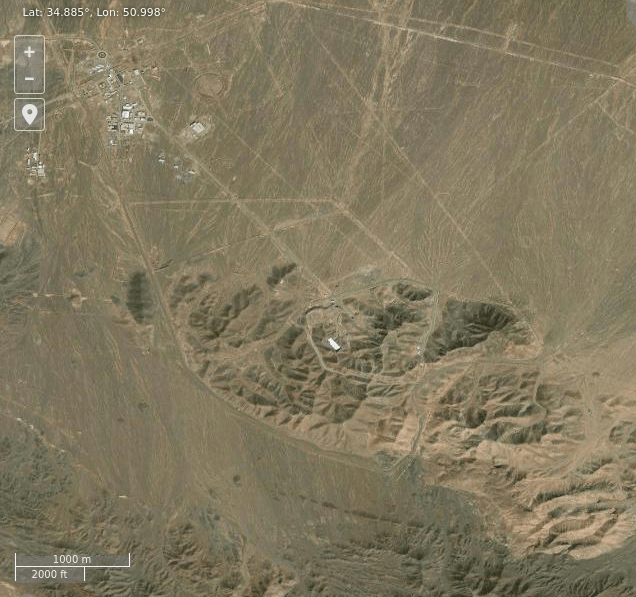
Fordow is believed by western powers to be the location where Iran could be working on producing nuclear weapons. However, the International Atomic Energy Agency had reiterated as recently as a day before this latest attack that “we did not find in Iran elements to indicate that there is an active, systematic plan to build a nuclear weapon,” its general secretary, Rafael Mariano Grossi told Al Jazeera.
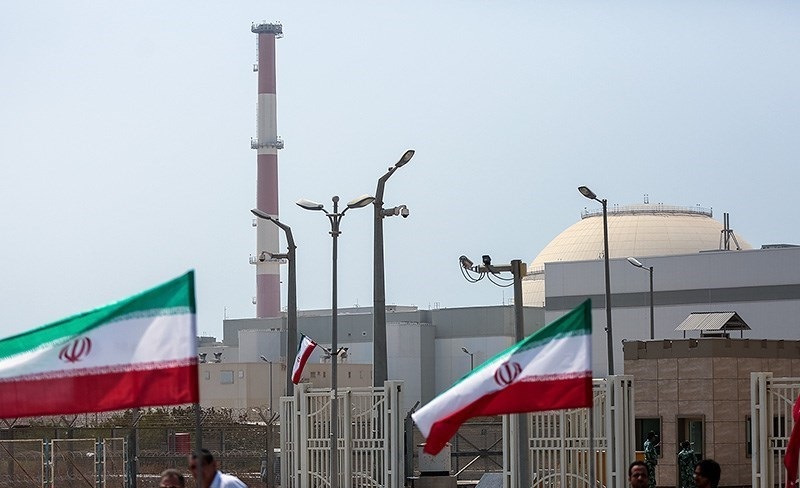
Concerns remain about Iran’s only operating civil reactor at Bushehr. Even before the American incursion, Russia, which built and operates Bushehr, had warned the Israelis of the grave risks of another Chornobyl-style disaster should they strike the reactor. Russia had already begun evacuating some of its personnel but threatened to remove more if they were in danger from Israeli bombs. Alexei Likhachev, the CEO of state nuclear company Rosatom said “We are prepared for any scenario, including the rapid evacuation of all our employees.”
But a reactor, even if shut down, cannot be left unattended, raising other grave concerns about its longterm safety during the current war.
A day after the American bombing raid, Israel launched more attacks on Iran, including in Bushehr province. This now means there are two countries actively under attack where civil nuclear power plants are located — Ukraine and Iran. The consequences of a successful bombing raid on a civil nuclear plant could include widespread release of highly harmful and persistent radiation, forcing mass and permanent evacuations and sickening and killing thousands or more in both the near- and long-term.
Even greater concerns have been mounting that US involvement could trigger a wider conflict in the region. As many have pointed out consistently, Israel is a nuclear-armed state, albeit absurdly an undeclared one even though the country likely possesses as many as 200 warheads. Israel refuses UN inspections and has never signed the nuclear Non-Proliferation Treaty. Iran on the other hand is a signatory to the NPT and has long claimed it is exercising its “inalienable right” under that treaty to pursue a civil nuclear weapons program.
Those concerns were further heightened when Christian Zionist US Ambassador to Israel Mike Huckabee urged Trump to consider using a nuclear bomb on Iran, advice Trump fortunately ignored for now. But Trump remains an unpredictable tinder box, illustrating once again the peril of countries continuing to possess nuclear weapons that an unhinged leader might launch on an impulse.
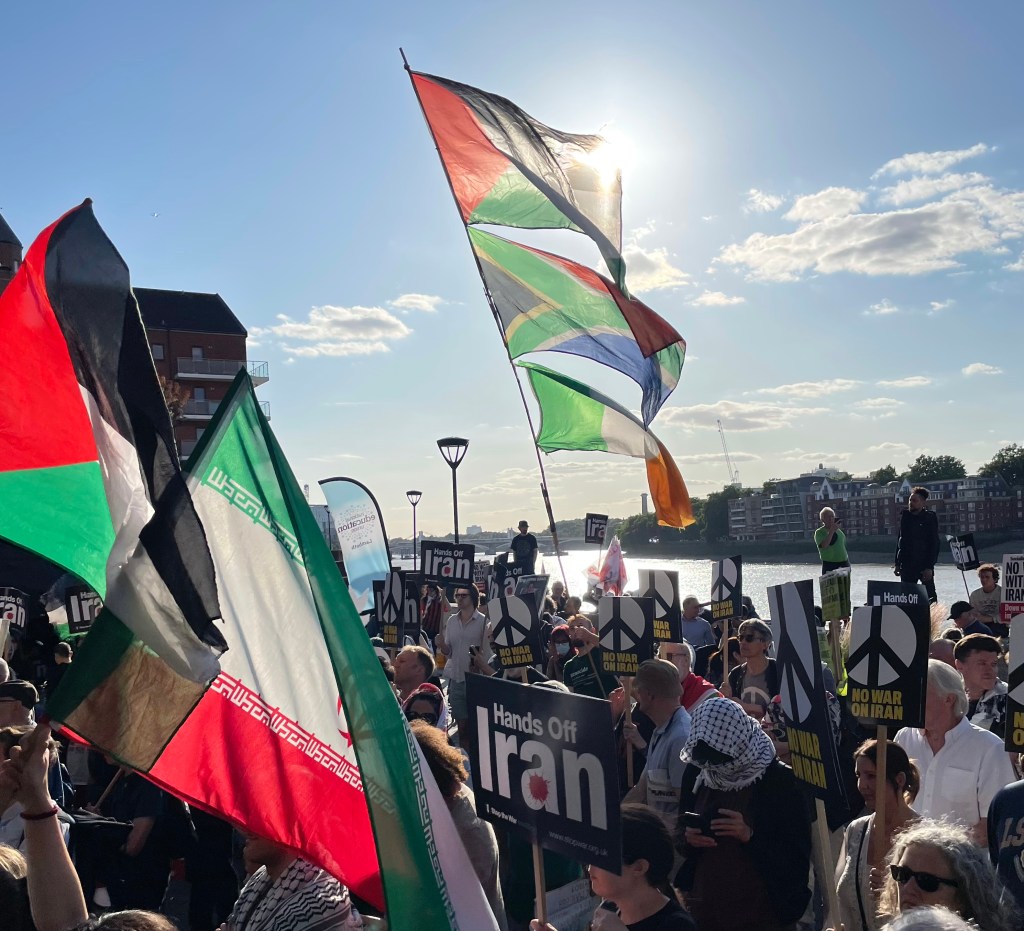
Protests erupted immediately in US cities and elsewhere across the world on the news of the US attack on Iran, which came hours after 350,000 people had marched through London in the latest monthly demonstration against Israel’s attack on Palestine, but this time also calling for halt to its bombing of Iran.
At that rally, there was skepticism that Israel’s attacks on Iran were really just about stopping Iran developing nuclear weapons. Somaye Bagher Zadeh, with Iranians For Palestine UK, said Israel’s actions were potentially about “getting rid of the Iranian regime, but to be frank, regime change by any foreign power is not in the interests of the Iranian people. And it’s entirely up to the Iranian people to decide who rules them.”
“Since they destroyed Iraq, we have known that it was inevitable that they would eventually come for us,” said prominent British-Iranian trade union leader, Maryam Eslamdoust. “We Iranians feel like we have been waiting our whole lives for the US or Israel to attack us.”
Saturday’s mass march in London to Whitehall was followed by an emergency protest called for Monday outside the US Embassy in London by Stop the War Coalition and Campaign for Nuclear Disarmament, alongside other rallies across the country. So far, the UK government has continued to politically support and materially aid and abet Israel’s attacks on Gaza as well as its starvation of the Palestinian population there. A rally was also called by American groups in front of the White House.
British activists are concerned that their government may be drawn back into another disastrous war, similar to the UK’s support of the US in the war in Iraq. That war cost countless lives on all sides and failed to stabilize the Middle East region, instead giving birth to further radicalization.
“Trump’s attack on Iran is brutal, illegal and unjustified,” said a statement from Stop the War Coalition on Sunday. The group said it condemned the US attack on Iran “unequivocally and urges every possible mobilization against British military or political support for the aggression.”
In the US, Senator Chris Van Hollen, a Maryland Democrat, was quick to criticize the bombing raids. “While we all agree that Iran must not have a nuclear weapon, Trump abandoned diplomatic efforts to achieve that goal and instead chose to unnecessarily endanger American lives, further threaten our armed forces in the region, and risk pulling America into another long conflict in the Middle East,” said Van Hollen, who has also spoken out consistently against Israel’s attacks on Gaza. “The U.S. intelligence community has repeatedly assessed that Iran is not building a nuclear weapon. There was more time for diplomacy to work.”
The diplomacy Van Hollen referred to was a resumption of negotiations for a nuclear agreement with Iran that would either limit or eliminate its civil uranium enrichment program. Such an agreement — the Joint Comprehensive Plan of Action, limiting enrichment and allowing for stringent inspections in exchange for a lifting of sanctions — had already been in place until Trump withdrew the US during his previous administration. New talks had been progressing poorly, with Israel chomping at the bit to use military force instead, which it did then initiate with US prior knowledge.
Independent Vermont senator, Bernie Sanders, said “We cannot allow ourselves to be dragged into another Middle East war based on lies,” reflecting on previous such ventures in Vietnam and Iraq based on similar falsehoods.
While most Republicans have lined up behind Trump’s warmongering, one Republican, Representative Thomas Massie of Kentucky, called the attack “not Constitutional.” Earlier in the week, Massie and California Democrat Ro Khanna had introduced a resolution that would have blocked US participation in Israel’s attacks on Iran without Congressional approval.
“This is an extremely dangerous situation,” said a statement from the grassroots movement, Our Revolution, which promotes the campaigning of Sanders on a number of domestic and foreign issues, including Gaza and now Iran. “Trump has immediately threatened even more attacks, and U.S. service members are now directly in harm’s way,” the group said. “We are on the cusp of a catastrophic conflict that could cost countless American and Iranian lives.”
Linda Pentz Gunter is the international specialist at Beyond Nuclear and writes for and edits Beyond Nuclear International. She is currently reporting from London, England.
Headline photo by the author shows an emergency rally outside the US Embassy in London on June 23.
 Beyond Nuclear International