 Beyond Nuclear International
Understanding Iran
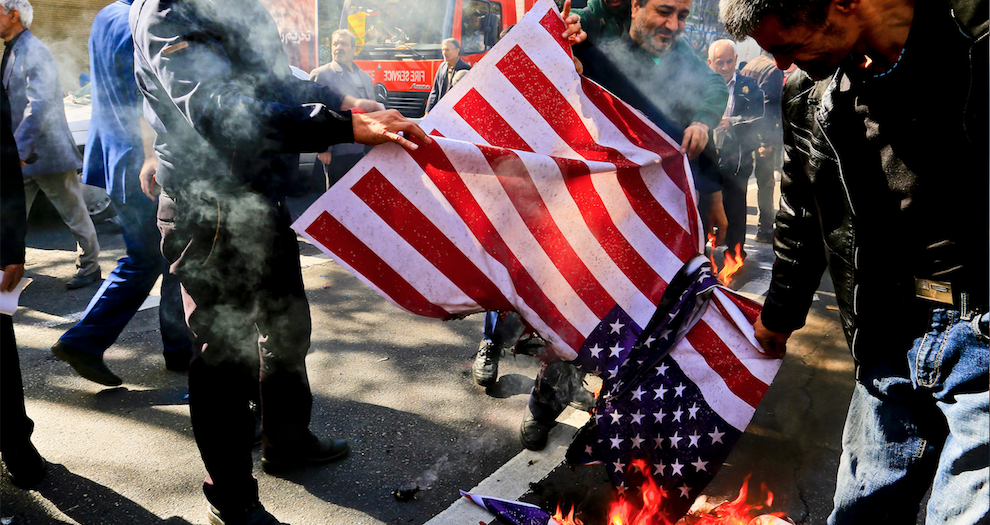
Why did US president, Donald Trump, withdraw the US from the Iran nuclear deal? And will he still go to war against Iran? To better understand the implications of where we are now, we provide Vijay Prashad’s illuminating history of US-Iran relations.
When will winter come to an end?
Bu Vijay Prashad
On 17 January, Iran’s Supreme Leader, Ayatollah Ali Khamenei, led the Friday prayers for the first time in eight years. He mocked the ‘American clowns’ who threatened Iran and said that Iran’s response to the US assassination of Major General Qassem Soleimani was a ‘slap in the face’ of US power.
Tensions between Washington, DC, and Tehran seem to have gone from a boil to a simmer, but they nonetheless remain. There is reason to believe that US President Donald Trump – reckless by nature – will launch an attack on Iran in the next few months. He might do so to distract from the impeachment trial he faces in the US Senate or to hasten his chances of re-election in November 2020.
In 2015, Iran, China, France, Germany, the United Kingdom, and the United States signed the Joint Comprehensive Plan of Action (JCPOA), the nuclear deal that seemed to stop the imperialist rush to war against Iran. At that time, Iranians took to the streets and to twitter to say, ‘winter is over’.
They quoted from an old protest song – Sar Umad Zemestoon, or ‘Winter Has Come to An End’. The song is based on the Armenian love song Sari Siroun Yar and was then re-written in the early 1970s by Saeed Soltanpour, a Marxist radical of the Cherikha-ye-Fadaee Khalq (People’s Devoted Guerrilla). When Iranians take to the streets in anticipation of a new period, this song seems to follow them: it was sung on the streets during the Iranian Revolution of 1979 and it was sung at campaign rallies of the Green Movement in 2009. It became the catchphrase for a new beginning in 2015. But winter never really ended.
Grand Canyon under “nuclear” attack
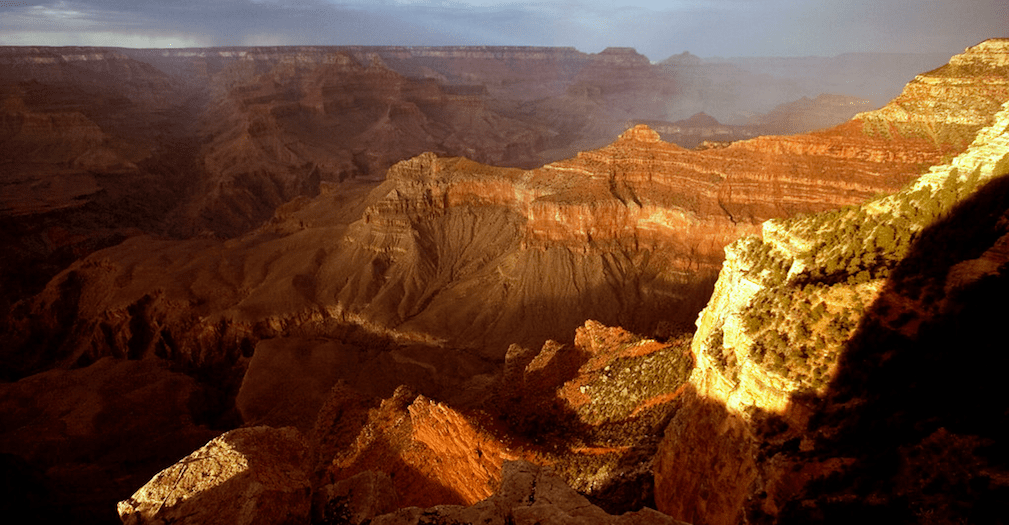
Water is life. Uranium will poison both
By Patricia J. Kelly and Robert Arnberger
Arizonans know that water is life; it is vital to us all and sustains our livelihoods. We cannot afford to let powerful industry interests sacrifice our water to pollution or depletion. We also cannot let those same interests destroy a landscape that supports an unparalleled regional economy and the livelihood of citizens who depend on it. But our water and our Grand Canyon is under attack by these very interests that see profit in the ground and downplay the risk of negative health impacts for generations to come.
In Arizona, we are concerned by the increasing number of calls to open areas around the Grand Canyon to uranium mining, a dangerous practice that risks destruction of groundwater, seeps and springs, and could impact the Colorado River — the drinking water supply for nearly 40 million people. Local government and tribal leadership have opposed the reckless potential destruction of our internationally cherished monument. But now, corporate polluters have a powerful ally on their side: President Trump.

The Colorado River supplies drinking water for 40 million people. (Photo: Jeff Hollett, Creative Commons/Flickr)
The Trump administration has taken steps that could lead to destruction around and within one of the world’s most iconic landscapes, including newly prioritizing uranium as a “critical mineral” and exploring ways to boost its production domestically. An administration working group is contemplating calls to lift a temporary, but important ban on mining around the Grand Canyon and taxpayer subsidies to make uranium mining profitable. These threats ignore health risks and put our communities and sacred sites at risk. They merge the need to protect not only our iconic natural landscapes but also our citizen’s health.
Our apocalypse now
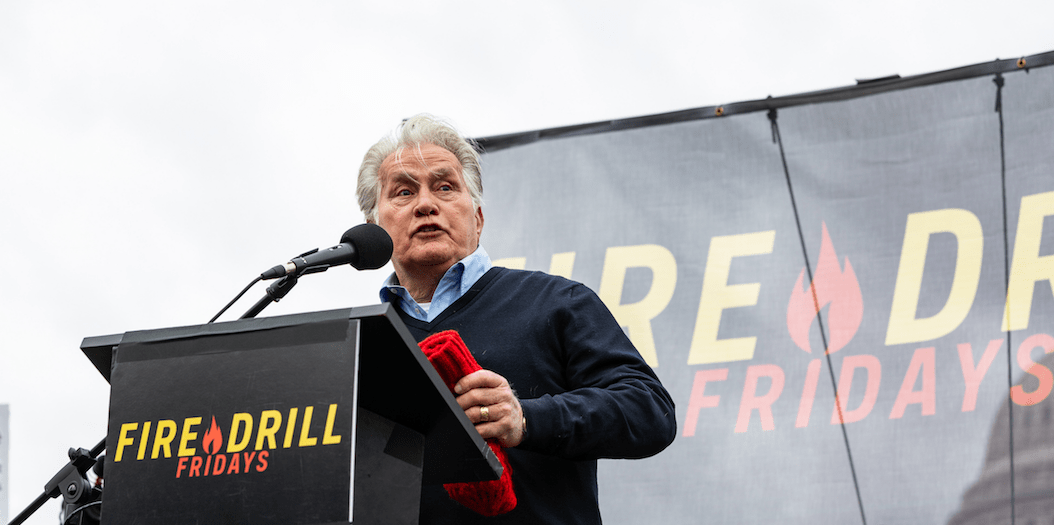
The horror of climate change brings Martin Sheen to Washington
By Linda Pentz Gunter
Martin Sheen has seen the apocalypse at close range and has been president of the United States. But all of that was in his theatrical career.
On Friday, Sheen, 79, showed up in Washington, DC to protest the most apocalyptical event of our times — the climate crisis.
Sheen is best known for his lead role in the 1979 Francis Ford Coppola Vietnam War epic, Apocalypse Now, and for playing the US president in the popular television series, The West Wing, which ran from 1999-2006.
On Friday, he joined fellow actors Joaquin Phoenix and Susan Sarandon in handcuffs on the steps of the US Capitol where they were arrested on the last of Jane Fonda’s weekly climate protests in DC. Sheen co-stars in Fonda’s Netflix series, Grace and Frankie.
As we walked together to the rally, Sheen, spoke quietly of his commitment to non-violence and civil disobedience that has included more than 80 arrests, mainly in opposition to nuclear weapons and war, although he has embraced numerous causes, including the rights of farm workers, saving the oceans, youth empowerment and immigration.
But he’s unsure if those decades of protest really make a difference.
“I don’t have any illusions about changing anyone’s mind one way or another, in Congress or anywhere else,” he said. “I do it for myself because I cannot not do it and know myself. If anyone else is affected by it, why then that’s a residual effect, but it’s not going to happen here today at this time with this group. It’s a worldwide organized effort that has to demand leadership that first of all recognizes the situation and then resolves to attend to it.”
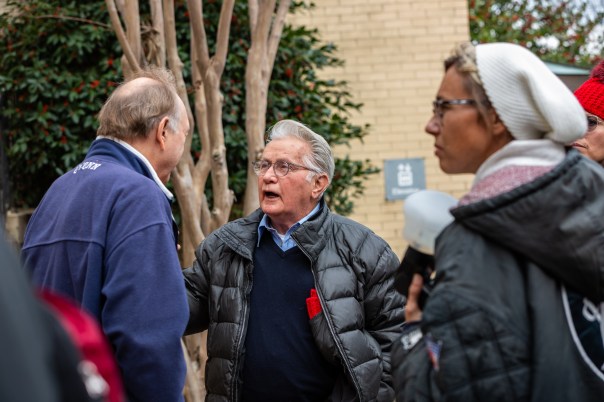
Martin Sheen (center) talks to Art Laffin of DC’s Dorothy Day House before the climate rally. (Photo courtesy of Fire Drill Fridays.)
Things just got worse, again

Trump’s reckless acts make a nuclear Iran more likely
By Linda Pentz Gunter
If one was to sum up 2019 in a phrase, it would probably be “just when you thought things couldn’t get any worse.”
On second thoughts, it’s probably been a daily refrain ever since Donald Trump took office as President of the United States. In those early days we still held out hope that his tenure could not last. It seemed incredible then that such an incompetent and unqualified man could enter, let alone remain, in the White House.
Now here we are at the start of 2020, Trump is still in the White House, and with sickening predictability, things just got worse once again.
This time it’s the tense situation with Iran, a story that is by no means over, whether or not violent reprisals cease or resume. The Pandora’s Box got opened by Trump with his rash and reckless decision to assassinate Iran’s top general. One might call the act ill-advised, except it’s likely no one advised him. Or if they did, he didn’t listen. Trump is an oligarch basking in autocracy. Like the petulant child he is, he shall do as he pleases. And the rest of us will pay the price.
Although, lest we forget, we have been here before. On February 4, 2012, under the Obama administration, a rally was held at the White House — simultaneously with others around the world — to call for “No War on Iran, No Sanctions, No Intervention, No Assassinations.” Instead, all of these things have continued to happen.
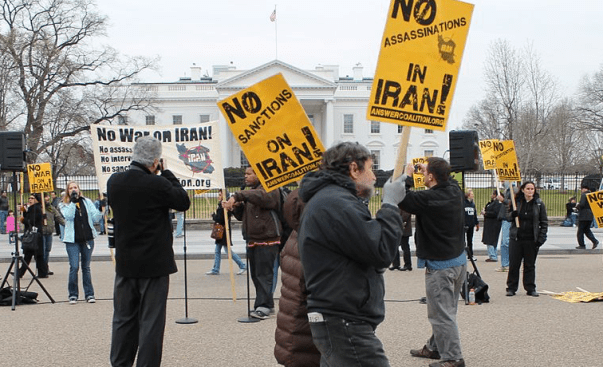
National Day of Action ANSWER Coalition NO WAR ON IRAN Protest in front of the White House, February 4, 2012. (Photo: Elvert Barnes Protest Photography/Wikimedia Commons)
At the time of the 2012 protests, the Answer coalition stated:
“The U.S.-led campaign to bring about regime change is escalating. The European Union has announced a complete embargo of Iranian oil. Taken together with the other economic sanctions imposed by the U.S. and its allies, this is a campaign meant to impose maximum suffering on the people of Iran by destabilizing and destroying the country’s economy. At the same time, covert action inside the country, including assassinations, sabotage and drone over flights, is intensifying. U.S. military bases surround Iran, while nuclear-armed U.S. aircraft carriers and Trident submarines sit right off its cost.”
No lessons learned, then.
The human cost of nuclear weapons
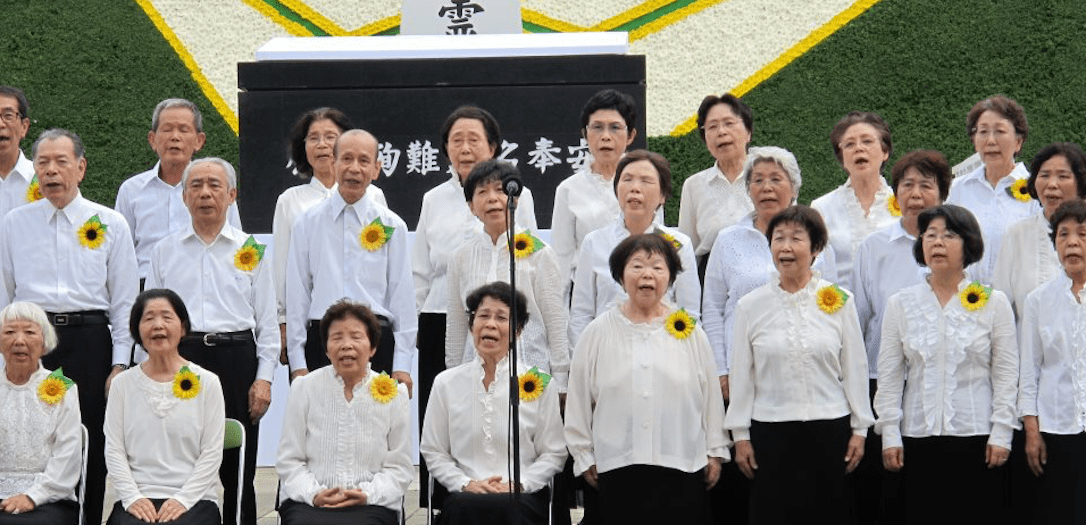
More than a “feminine” concern
By Lilly Adams
The nuclear weapons world is full of subtle and not-so-subtle misogyny, and I’ve had my share of experiences: Fighting my way onto an otherwise all-male panel, only to have my speaking time cut short. Meeting a male colleague at a conference for the first time, where he immediately told me that he liked the red dress I was wearing in my Facebook profile photo and that I should dress like that more. Having a male superior tell me he saw no problem with the all-male, all-white panel he was organizing and scoffing at the idea that we had a “gender problem.”
It would be easy to dwell in frustration on experiences like these, or similar ones I have seen my colleagues face. Instead, I’m inspired by the women who excel in this field despite these challenges. What’s more, I’m glad that these experiences led me to start poking holes in the received nuclear weapons wisdom and to seek new approaches. One such approach, which is often overlooked but increasingly gaining prominence, is to examine nuclear issues through a social justice lens. As with many social justice issues, women, indigenous communities, communities of color, and low-income and rural communities have often been those hit hardest by nuclear weapons production and testing.
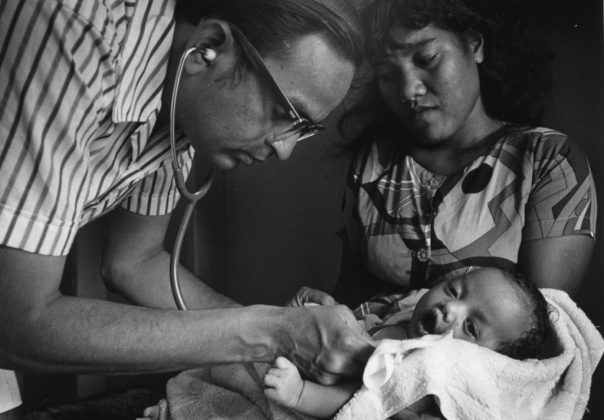
A medical team conducting annual medical examinations of Marshallese people who were exposed to radioactive fallout from an atmospheric nuclear weapons test in 1954. (Photo: US Dept. of Energy.)
An assassination, uranium and the fate of a country
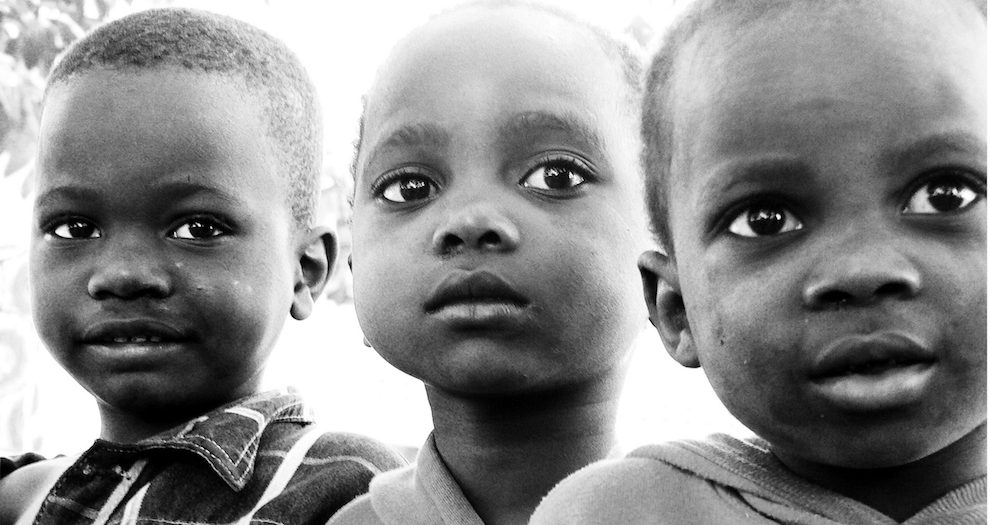
The Democratic Republic of Congo and America’s nuclear weapons
By Jasmine Owens and Tara Drozdenko
Eighty percent of the uranium used in the Hiroshima and Nagasaki bombs originated from the Shinkolobwe mine in the Belgian Congo, now known as the Democratic Republic of the Congo (DRC). Throughout the 1940s and 1950s, the Congo was the number one supplier of uranium to the U.S., and the people of the DRC paid a heavy price.
Forced Labor and Exploitation
In 1885, without the support of his government, King Leopold of Belgium created his own personal colony in what is now the DRC. Leopold’s private army terrorized the indigenous population and basically turned the entire area into a forced labor camp for resource extraction. The human rights violations were so extreme that there was intense diplomatic pressure on the Belgian government to take official control of the colony, which it did by creating the Belgian Congo in 1908. Things improved slightly when the Belgian government took over, but not much.
Article 3 of the new Colonial Charter stated that: “Nobody can be forced to work on behalf of and for the profit of companies or privates”. But, this was not enforced, and the Belgian government continued to impose forced labor on the population through less obvious methods.
When Germany occupied Belgium in June of 1940, the U.S. convinced the Belgian company that managed Shinkolobwe to move all of its mined supplies of uranium to the United States for safekeeping. Twelve hundred tons of ore was shipped from the Congo to Staten Island, NY, and stored there.

The Shinkolobwe mine in the 1940s. (Public domain)

