 Beyond Nuclear International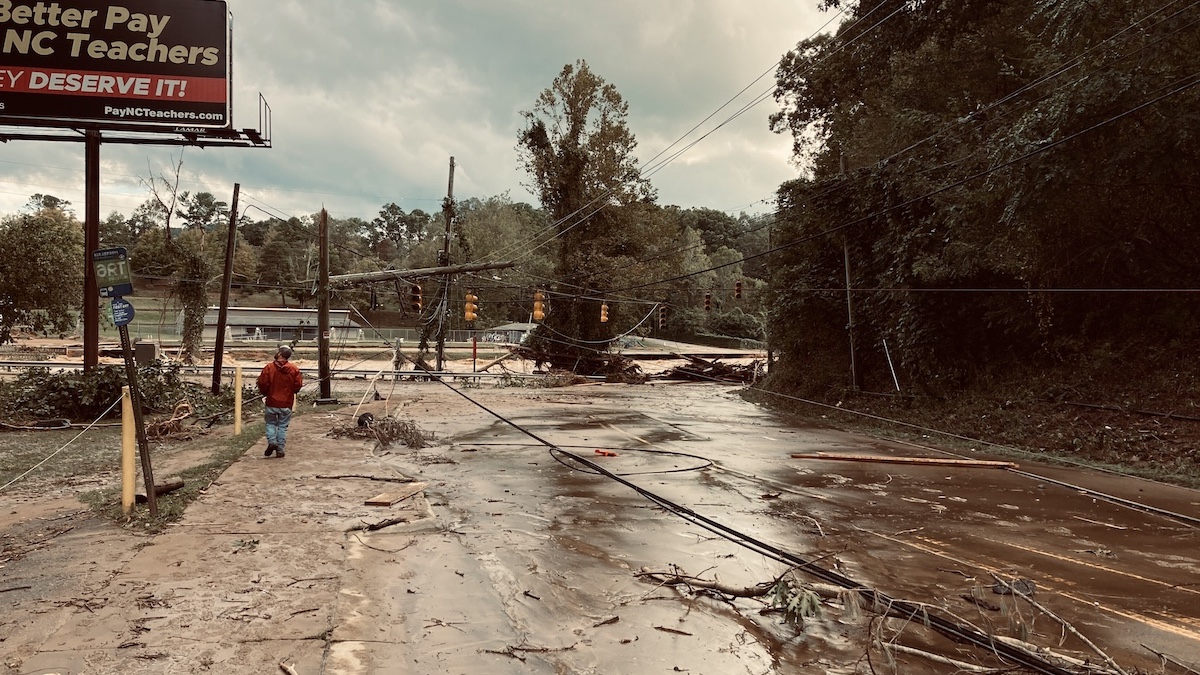
Environmental laws should be adhered to not abolished, says Diane Curran
For 45 years, I have represented environmental organizations and state and local governments in US Nuclear Regulatory Commission (NRC) licensing and enforcement proceedings, as well as in federal court. Today, more than ever, we need to talk about climate change.
I currently represent Beyond Nuclear and the Sierra Club in a case challenging the NRC’s refusal to consider how climate change may affect the safety and environmental integrity of nuclear reactors in initial licensing and license-renewal proceedings. The case has been briefed and argued in the D.C. Circuit, and we are awaiting a decision.
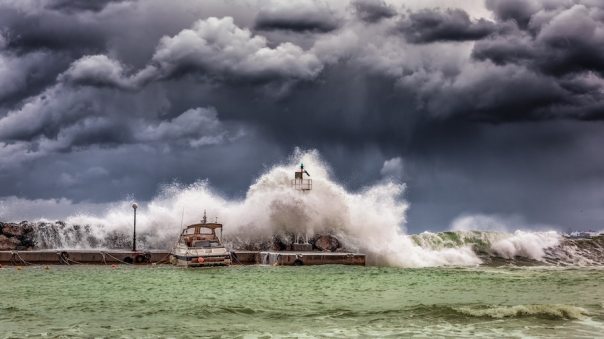
Climate change must be accounted for in reactor licensing because it challenges the NRC’s ability to ensure safe operation over the decades of a reactor’s operating license term. Weather-related hazards—including floods, hurricanes, tornadoes, derechos, wildfires, drought, and extreme heat and cold—are becoming more severe and more frequent. Assessing how those risks are likely to evolve over the operating life of a reactor is difficult, but it is essential to protecting public safety and environmental integrity. It is also essential to ensure reliability of the electricity supply.
Unfortunately, even before the Trump administration took office, the NRC has consistently declined to take a systematic approach to how climate change could affect the future safety of new and existing reactors undergoing licensing review. Instead, the agency has generally looked backward—preparing for the worst weather events in the historical record rather than assessing how climate-related risks may change over time. With respect to those prospectively changing risks, the NRC simply says that its safety oversight includes “large margins of error” and “defense-in-depth.”
We need look no farther than Hurricane Helene to see how quickly the lessons of the past and generalizations about safety margins can evaporate in the face of the unique and severe challenges posed by extreme weather events. No hurricane with such record-breaking rainfall had passed through the Appalachian Mountains before Helene. Flooding and landslides resulted in 250 deaths and between $80 and $250 billion in damages. Two years later, the region is still recovering.
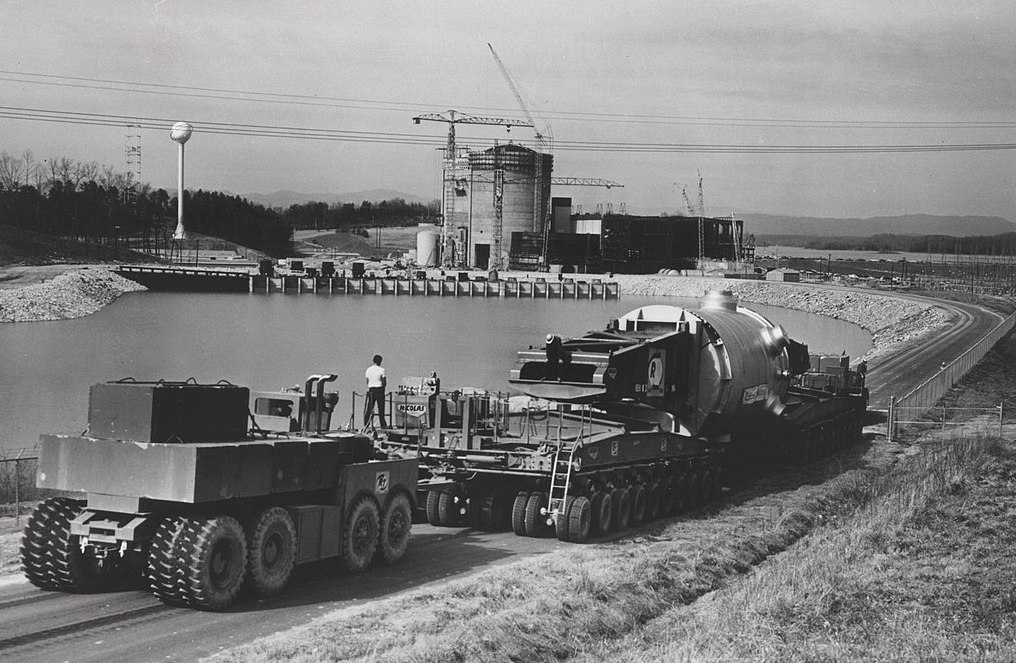
Consider how much worse the effects of Hurricane Helene might have been had it passed about 25 miles west over of the three-reactor Oconee nuclear plant in the mountains of South Carolina. Oconee is a pump-storage plant, built into the side of an earthen dam beneath two lakes totaling about 2 million acre-feet of water. At the time the plant was built, dam failure was not viewed as a credible event warranting design features to protect safety equipment from inundation and failure. What if the effects of Hurricane Helene had included a radiological accident caused by failure of the dams above the Oconee nuclear plant? The devastation to human health and the environment would be almost unimaginable. But the NRC recently re-licensed Oconee to operate for a second license renewal term, refusing demands to consider climate change in its decision.
What can be done to close this dangerous and expensive gap in the NRC’s regulatory process? If the Atomic Energy Act were the NRC’s only governing statute, the public would have little chance of challenging the NRC’s refusal to consider climate-related risks on the ground that it posed an unacceptable risk to public health and safety. Because the NRC is the principal agency charged with carrying out the Act’s requirements, courts generally afford it broad discretion in how and when it does so.
But the NRC is also governed by the National Environmental Policy Act (NEPA). Although NEPA and its implementing regulations have been narrowed in recent years by Congress and the NRC, its core requirement remains intact: when an NRC licensing decision could significantly affect the human environment, the NRC must evaluate the risk and consider alternatives to avoid or mitigate it. NEPA does not dictate a particular outcome, but it does require the NRC to disclose and assess relevant information. And while courts still give the NRC some discretion in identifying and evaluating significant impacts, that discretion is more constrained than under the Atomic Energy Act.
We are hopeful that the D.C. Circuit will compel the NRC to address the safety and environmental implications of climate change in reactor licensing and license-renewal proceedings. But given the Trump administration’s public position on climate change and its policy of minimizing costs to the nuclear industry, we should not assume the NRC will produce a strong environmental analysis if we prevail.
Even so, a court victory would be significant in three important respects:
- It would establish the principle that climate change is real and must be addressed in reactor licensing. Members of the public could then invoke that principle with legislators, state regulators, and potential investors on specific nuclear projects.
- A favorable ruling would push future NRC leadership to incorporate climate change into licensing decisions.
- Even if the NRC’s analysis of climate-related accident risk were weak or flawed, state and local governments would be able to independently evaluate the NRC’s claims and decide for themselves whether to support a new reactor or a license-renewal project.
The Trump administration’s tenure is a discouraging time for anyone concerned about nuclear reactor safety and climate change. But Mother Nature does not read executive orders, and she will have the last word. In the meantime, NEPA remains a meaningful tool for forcing the NRC to reckon with the reality of climate change before great harm occurs.
Diane Curran is an attorney who litigates against the US Nuclear Regulatory Commission. This article is drawn from a presentation Curran made duriong a June 2nd briefing on Capitol Hill.
Headline photo of Hurricane Helene aftermath in North Carolina by Bill McMannis/Wikimedia Commons.
The opinions expressed in articles by outside contributors and published on the Beyond Nuclear International website, are their own, and do not necessarily reflect the views or positions of Beyond Nuclear. However, we try to offer a broad variety of viewpoints and perspectives as part of our mission “to educate and activate the public about the connections between nuclear power and nuclear weapons and the need to abandon both to safeguard our future”.
 Beyond Nuclear International
Pingback: Climate change matters – Stop the Diablo Canyon Swindle
Pingback: Nuclear news – NOT from the Military-Industrial-Nuclear-Media complex « Antinuclear
Pingback: Climate change matters « nuclear-news