 Beyond Nuclear International
New nukes not a plus for unions

Trades unions should oppose nuclear power as there would be far more jobs in renewables and related industries, argue activists
UK union leaders Mike Clancy of Prospect and Gary Smith of GMB recently appealed to British prime minister Sir Keir Starmer to commit to finalising financial arrangements for the Sizewell C nuclear project in order to ‘help the UK meet its net-zero targets, deliver sustainable energy, and strengthen the economy’.
In response, the activist group Together Against Sizewell C (TASC) has written to the unions’ general secretaries setting out why they need to think again regarding their support for Sizewell C.
What follows is the text of their letter, edited for context and clarity, which also debunks the myths that new nuclear power plants will provide long-term sustainable jobs for union workers. (Note: UK spellings in the original have been retained.)
We write in response to your recent appeals to Sir Keir Starmer to commit to finalising financial arrangements for the Sizewell C nuclear project in order to ‘help the UK meet its net-zero targets, deliver sustainable energy, and strengthen the economy.’
In the first instance, we refer you to two important documents. The first, written by Professors Andrew Blowers, OBE, a social scientist of impeccable pedigree and lecturer at the Open University, and Steve Thomas, Emeritus Professor of Energy Policy at the University of Greenwich, is entitled: It is time to expose the Great British Nuclear Fantasy once and for all.
The second document we are sending you — an open letter to the Labour Party on energy policy — submitted in June 2024 before the election, was written by members of this organisation, which has been fighting Sizewell C for more than a decade.
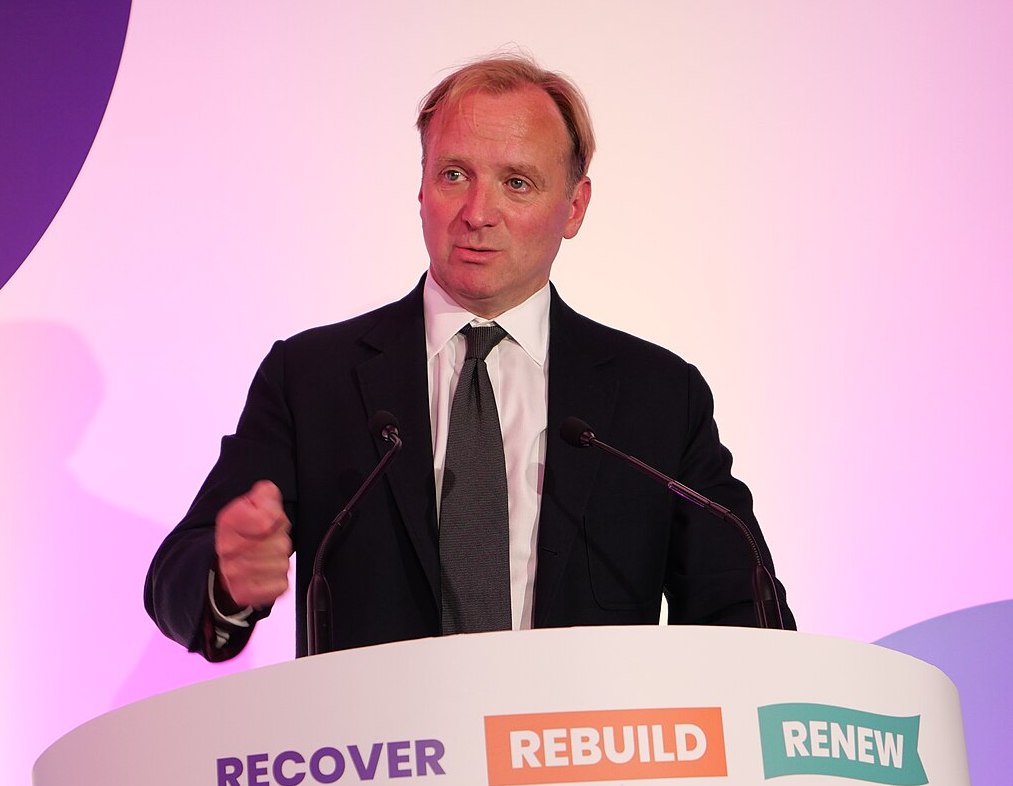
The truth is that the government nuclear energy policy which is most brazenly and shamelessly represented by Sizewell C is unattainable and a recipe for financial and environmental calamity. Keir Starmer, an apparent subscriber to the ‘duty of candour’, will, at some stage, be required to agree. It is noticeable that in all public statements since the election of the Labour administration, ‘nuclear’ is a word which has been studiously avoided. We don’t believe that’s coincidental.
Read MoreRemembering Randy Kehler
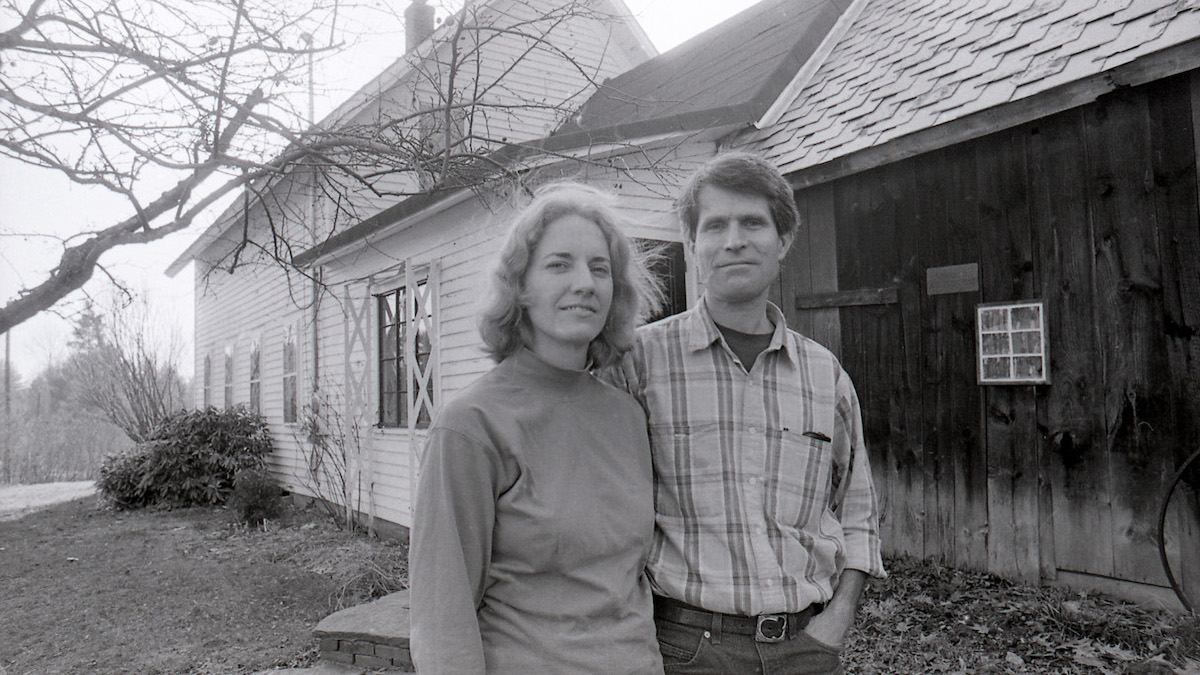
The activist, who died on July 21, 2024, was a humble humanitarian who was widely respected, writes Aaron Falbel
Randy Kehler was one of the most compassionate, kind, caring, and decent human beings I have ever known. Even those who disagreed with his politics — and there were many — could not help but like him personally. He was a person who radiated goodness, honesty, respectfulness, and integrity.
Some might say that he achieved few concrete results during his long career as an organizer and activist. We still live in a militaristic society that too frequently sees war as the answer, and we continue to be the world’s largest arms merchant. We still are armed to the teeth with nuclear weapons, and the Doomsday Clock ticks ever closer to midnight. We still do not have clean and fair elections, and things got worse after the infamous Citizens United decision. At times, Randy described himself as a Don Quixote figure, tilting at windmills and dreaming the impossible dream.
But that is not the whole story. Randy might not have achieved the concrete results he was after, but his actions had enormous ripple effects that penetrated far and wide. More than once, those ripples changed the course of history. Whistleblower Daniel Ellsberg once said point blank: “No Randy Kehler, no Pentagon Papers.”
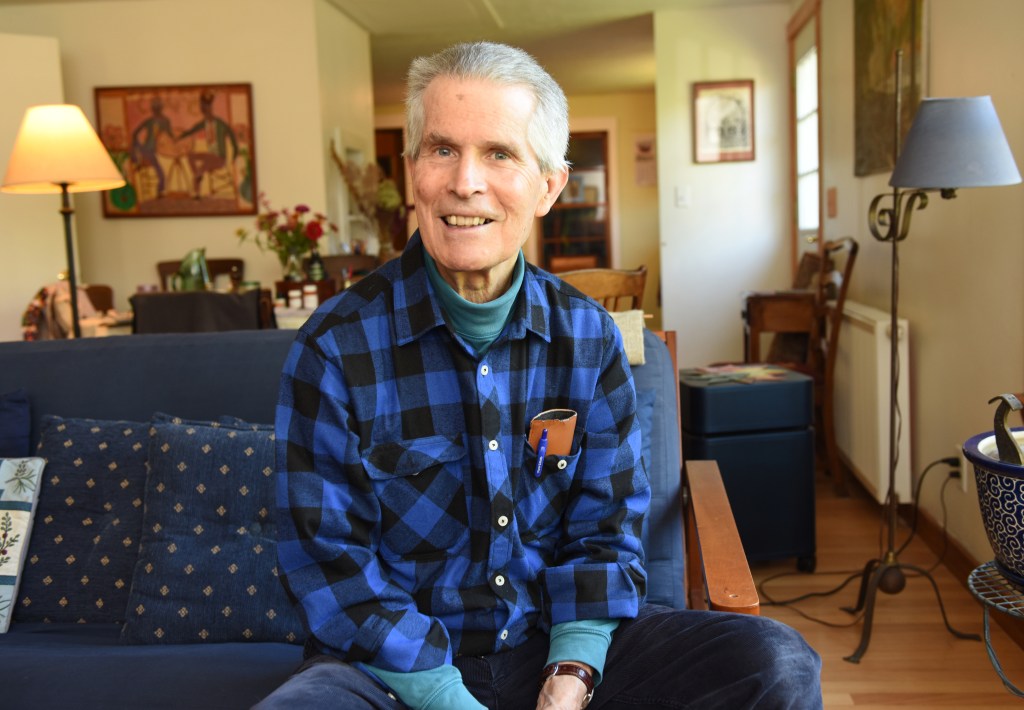
His organizing around the nuclear weapons freeze, which included the largest political demonstration in this country’s history, on June 12, 1982, had ripple effects that penetrated the Reagan White House, and Reagan’s nuclear saber-rattling noticeably softened during his second term — a major shift. This paved the way for several landmark nuclear arms reduction agreements with the Soviets. It is not out of place to say, “No Randy Kehler, no INF or START treaties.” We were brought back from the brink.
Randy would have been the first one to admit that his life was not about achieving results. It was about taking a stand. He derived much comfort from this quote by Thomas Merton: “Do not depend on the hope of results. You may have to face the fact that your work will be apparently worthless and even achieve no result at all, if not perhaps results opposite to what you expect. As you get used to this idea, you start more and more to concentrate not on the results, but on the value, the rightness, the truth of the work itself. You gradually struggle less and less for an idea and more and more for specific people. In the end, it is the reality of personal relationships that saves everything.”
Read MoreNuclear weapons and children
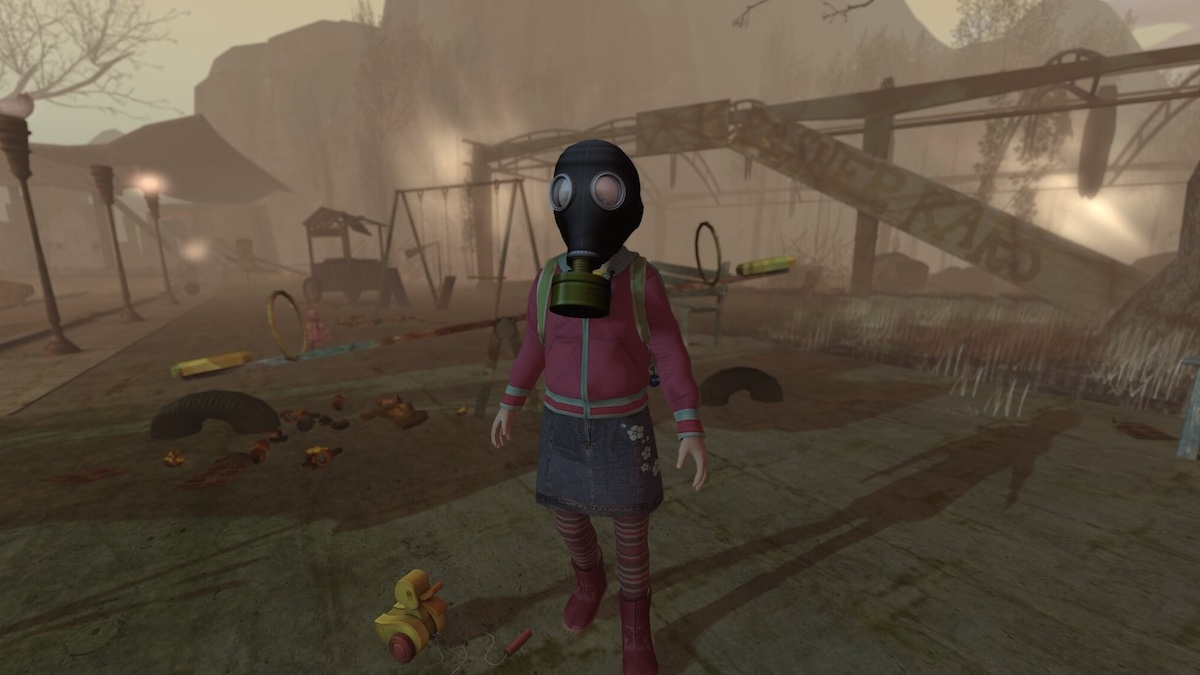
The main perpetrators of violence against children are states armed with nuclear weapons, writes Tim Wright.
Nuclear weapons are designed to destroy cities; to kill and maim whole populations, children among them.
In a nuclear attack, children are more likely than adults to die or suffer severe injuries, given their greater vulnerability to the effects of nuclear weapons: heat, blast and radiation. The fact that children depend on adults for their survival also places them at higher risk of death and hardship in the aftermath of a nuclear attack, with support systems destroyed.
Tens of thousands of children were killed when the United States detonated two relatively small nuclear weapons (by today’s standard) over the Japanese cities of Hiroshima and Nagasaki in 1945.
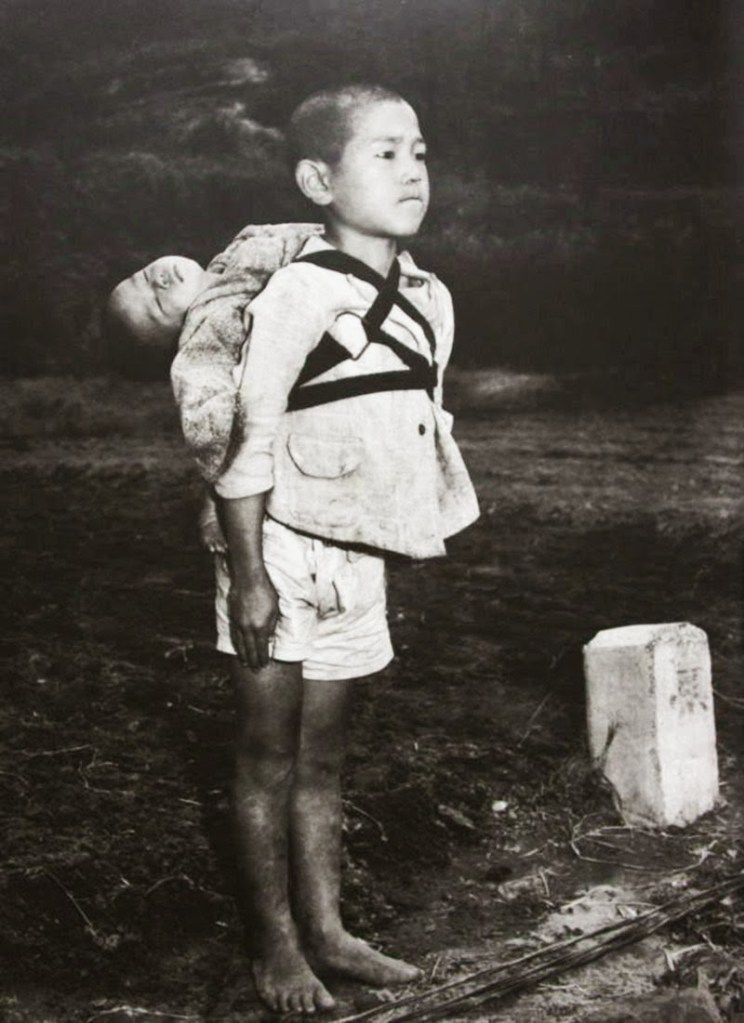
Many were instantly reduced to ash and vapour. Others died in agony minutes, hours, days or weeks after the attacks from burn and blast injuries or acute radiation sickness. Countless more died years or even decades later from radiation-related cancers and other illnesses. Leukaemia – cancer of the blood – was especially prevalent among the young.
In Hiroshima and Nagasaki, the scenes of devastation were apocalyptic: Playgrounds scattered with the dead bodies of young girls and boys. Mothers cradling their lifeless babies. Children with their intestines hanging out of their bellies and strips of skin dangling from their limbs.
At some of the schools close to ground zero, the entire student population of several hundred perished in an instant. At others, there were but a few survivors. In Hiroshima, thousands of school students were working outside to create firebreaks on the morning of the attack. Approximately 6,300 of them were killed.
Read MoreStaging change
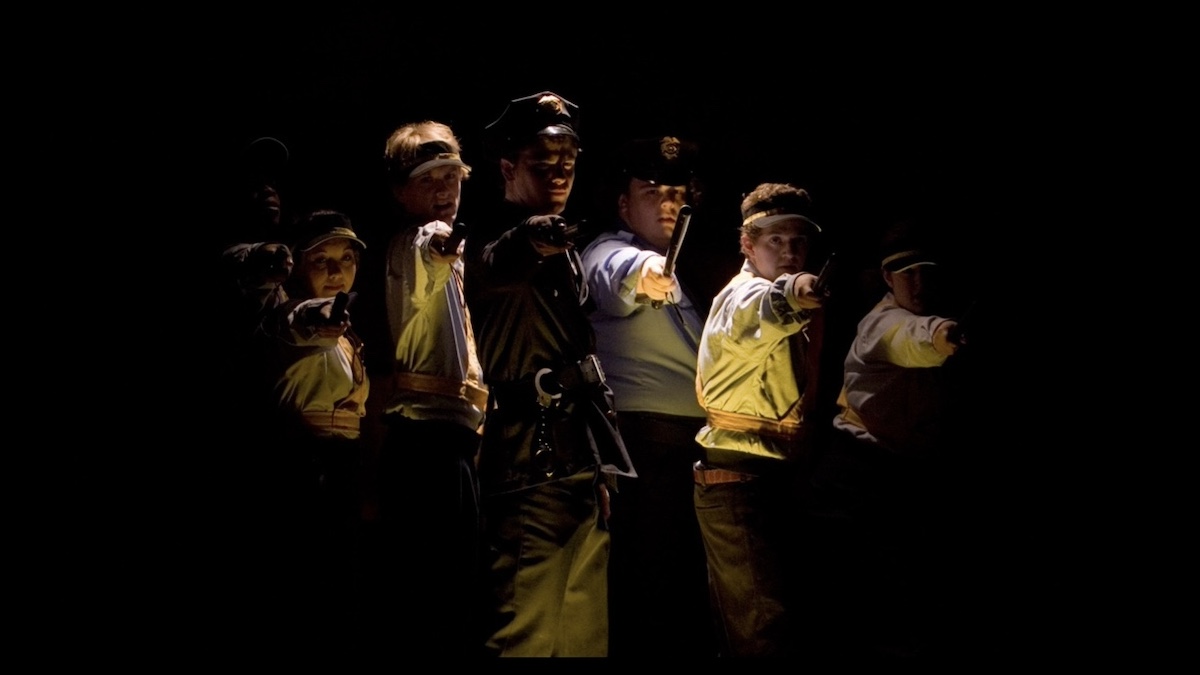
Theater can be effective in delivering important environmental messages, writes Jack Sanitate
Growing up performing in plays and musicals, I’ve been aware of how theater can convey powerful messages by immersing audiences in stories that create empathy and understanding. Through live performances, theater transforms complex issues into relatable experiences, prompting audiences to reflect on social and political themes. This powerful art form can create awareness and a call to action. One critical topic that has been adeptly addressed in contemporary (21st Century) theater is environmental awareness.
Although there has been a notable increase in recent years, environmental issues have been present in theater since at least the early modern period. In Henrik Ibsen’s An Enemy of the People (premiered in 1882-1883), Ibsen addresses the clash between economic interests and public health, as the idealistic character, Dr. Stockmann, naively exposes the contamination of a town’s water supply that feeds its spa and faces backlash from the community and the Mayor, his own brother.
One prime example of twenty-first century environmental drama is The Children by Lucy Kirkwood. It explores environmental justice through the aftermath of a nuclear disaster caused by an earthquake and flooding. The play features three retired nuclear scientists who grapple with the consequences of their past actions. The disaster serves as a metaphor for global environmental crises, emphasizing the need for long-term sustainability, while subtly encouraging moral responsibility toward future generations.
But what particularly interests me (and what I love to perform in) are musicals. Arguably more mainstream than plays are nowadays, musicals keep the audience engaged (and attract an audience to come see the show), by telling a clear story through song and acting. As I think about environmental justice in musicals, a few post-2000s offerings immediately come to mind. Foremost is Urinetown.
Although highly comedic and full of many potty jokes referencing the title, Urinetown is actually a satire commenting on the themes of water scarcity and corporate greed. It depicts a dystopian future where water is strictly rationed and everyone has to pay even to use the bathroom. As a result, it is the poor who suffer under the control of a monopolistic corporation. The musical works so well because behind the silly name and premise that draws in an audience, there is a scary truth. If we proceed along our current path of constant consumption and failure to take care of our bodies of water, or delay in addressing climate change, Urinetown’s dystopian scenes could actually become our reality.
Hurricane Helene sends a warning
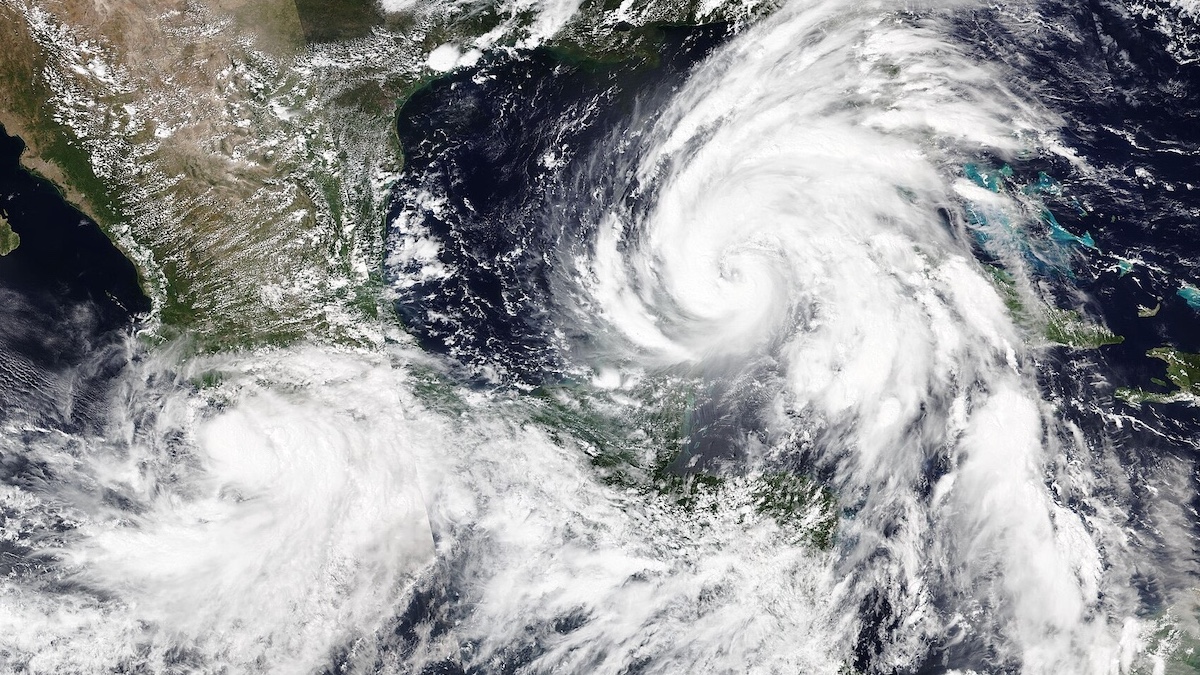
A nuclear plant, fortunately closed, was inundated, but we may not get so lucky next time, writes Linda Pentz Gunter
As no one can have failed to notice, our country has been ravaged once again by violent weather extremes, most recently by Hurricane Helene, which left areas in the south submerged and destroyed, and led to a significant number of deaths.
The press has routinely been describing the extreme flooding, especially in places such as North Carolina, as “Biblical. But, as my partner and colleague at Beyond Nuclear Paul Gunter points out, it is nothing of the sort. As should be obvious by now, our ever more frequent climatic disasters are entirely human-caused.
Acts of God, whether you are a believer or not, have absolutely nothing to do with it.
Try telling that to our political leaders. No matter who wins in November, we are looking at drilling (Trump) or fracking (Harris) or possibly both. And, of course, more nuclear power!
The fact that all of these will obviously make the climate crisis far worse far faster does not pass these people by. They know it. But they push both fossil and fissile energy anyway, submitting willingly to the bidding of their corporate paymasters who would rather celebrate near-term greed and gain than leave a livable world to their children and grandchildren.

This means we are led by climate criminals who go not only unpunished, but who are routinely re-elected.
The push for license extensions for our aging reactor fleet is particularly heinous. The lapdog nuclear regulator, the US Nuclear Regulatory Commission, has been exposed by the Government Accountability Office in a damning report as entirely uninterested in how the ravages of the climate crisis might jeopardize the safety of nuclear power plants.
“NRC doesn’t fully consider potential increases in risk from climate change,” wrote the GAO. “For example, NRC mostly uses historical data to identify and assess safety risks, rather than data from future climate projections.”
Instead, the NRC is intent on colluding with the nuclear industry to sell us nuclear power as some sort of answer to the climate crisis.
Apart from the fact that nuclear power is too expensive and too slow, as we have argued here countless times, it is actually a hazard under climate chaos conditions. And we got the perfect demonstration of this from Hurricane Helene.
First of all, because of the extreme radiological risks, some nuclear power plants in the path of the hurricane were shut down as a preemptive precaution including Hatch in Georgia. This makes them completely useless in the wake of the storm’s onslaught when people are desperate for electricity.
Then take the case of the Crystal River nuclear power plant on Florida’s Gulf Coast. Floodwaters swamped the site. Fortunately the plant has been shuttered since 2013 but all of the high-level irradiated radioactive fuel waste is still stored there.
“The whole site was flooded, including buildings, sumps, and lift stations. Industrial Wastewater Pond #5 was observed overflowing to the ground due to the surge,” read a report filed by plant owner, Duke Energy.
Given the present enthusiasm for extending the licenses of the still operating US nuclear reactor fleet — and they are talking about out to 80 or even 100 years for reactors that were never designed or intended to run that long — Crystal River might easily still have been operating.
Under today’s rush to relicense — and even reopen the country’s most dangerously degraded reactors including Palisades in Michigan — it probably would be.
Did nuclear waste escape as a result of the Crystal River nuclear site flood?
“We are still in the process of obtaining access and assessing the damage, but due to the nature of this event we anticipate difficulty with estimating the total discharge amount of wastewater, and impacts are unknown at this time,” wrote Duke in its report.
In other words, we may never know.
The implication of a nuclear plant inundated by a massive storm surge does not have to be imagined. We saw it at the Fukushima Daiichi nuclear plant in Japan on March 11, 2011, when a 50-foot tsunami swept over the inadequate sea wall and knocked out the backup onsite power after the earlier earthquake had already severed the offsite power connection.
Meanwhile, Crystal River owner Duke is the very same company that is trying to secure a license extension for its three Oconee reactors in South Carolina that sit downstream from not one but two dams!
The three reactors are sited 300 feet below the water level in Lake Jocassee behind Jocassee Dam and five feet below the water level in the immediately adjacent Lake Keowee.

What could possibly go wrong? Nothing, argues Duke, for whom the idea of a dam overtopping or breaking, sending a wall of water directly at the plant — effectively an inland tsunami — just isn’t a credible possibility.
Out of our scope, declares the NRC, which contends it cannot include an assessment of likely climate change impacts on Oconee operations within its environmental review for license renewal.
Beyond Nuclear and the South Carolina chapter of the Sierra Club have been fighting this through legal channels and will continue to do so.
After last week, you might expect such a blinkered view of current — never mind future — climatic conditions to change. But it won’t.
Retrofitting an old nuclear plant to adequately protect it against the impacts of a climate crisis never prepared for, costs money.
Gambling with hundreds of thousands of lives by doing nothing and keeping it running, doesn’t.
Until something goes wrong. But then, of course, thanks to the Price-Anderson Act, the hundreds of billions of dollars in costs that could be the consequence of such a risk, will be paid mostly by us, the taxpayers.
Linda Pentz Gunter is the international specialist at Beyond Nuclear and writes for and edits Beyond Nuclear International. Look for her forthcoming book, Hot Stories. Reflections from a Radioactive World.
Headline photo of Hurricane Helene and Tropical Storm John together by NASA.
Nuclear Weapons and the U.S. Presidential Elections

Whoever becomes the next US president, we’ll need to redouble our efforts for nuclear abolition, writes Jackie Cabasso
Nuclear weapons policy is not an issue in the presidential election. In fact, U.S. foreign policy, with the exception of some controversy over ongoing U.S. arms provisions to Israel, is barely an issue. Even though nuclear weapons are in the media more than they have been for many years—due mainly to the Russian government’s nuclear threats, and to some extent, North Korea’s, there is basically no public discussion or political debate about nuclear weapons in the United States.
The political situation in the U.S. is more volatile and uncertain than at any time in my life. Predicting who is going to be elected president in November is impossible. In the short weeks since President Biden withdrew from the campaign and threw his support behind his vice president Kamala Harris, there has been an extraordinary outpouring of enthusiasm for her campaign, especially among young people and people of color, and a massive surge of financial support from a wide range of constituencies. But at this point, the outcome of the presidential election is too close to call.
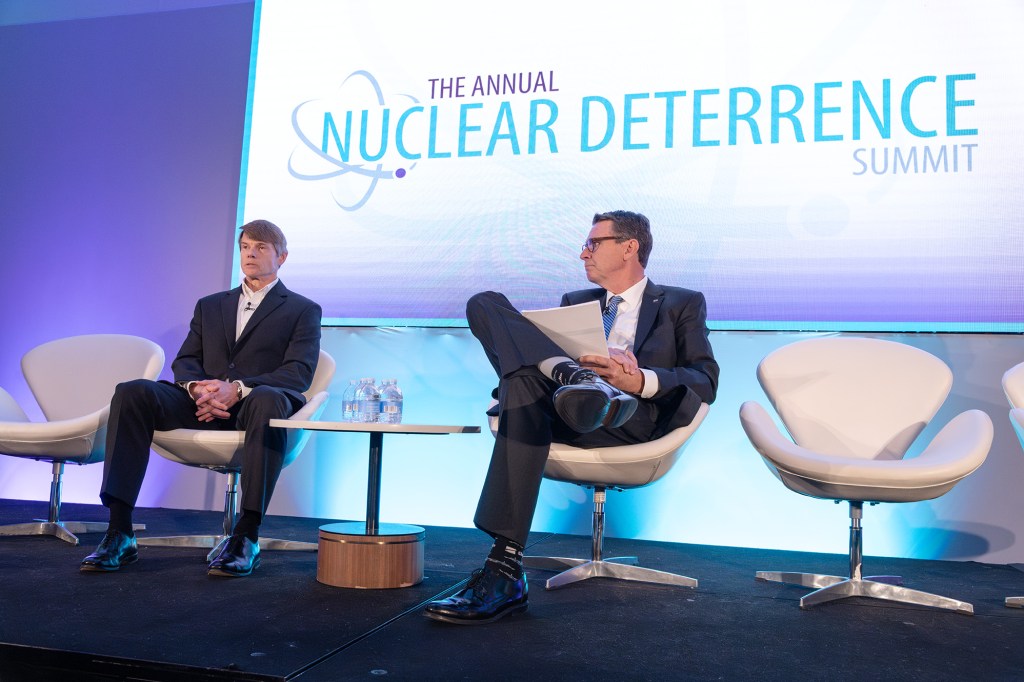
What I can say is that U.S. national security policy has been remarkably consistent in the post-World War II and post-Cold War eras. “Deterrence” – the threatened use of nuclear weapons – has been reaffirmed as the “cornerstone” of U.S. national security policy by every president, Republican or Democrat, since 1945, when President Harry Truman, a Democrat, oversaw the atomic bombings of Hiroshima and Nagasaki.
If Kamala Harris is elected in 2024, we can expect more of the same. As confirmed in an August 20, 2024, New York Times story that attracted some notice, an initiative is quietly underway by the Biden administration to beef up the U.S. nuclear arsenal. As reported by the Times, in March, President Biden approved a highly classified “Nuclear Employment Guidance” plan that seeks to prepare the United States for possible coordinated nuclear challenges from China, Russia and North Korea. This comes as the Pentagon believes China’s nuclear arsenal will rival the size and diversity of the U.S.’ and Russia’s over the next decade.
Read More Beyond Nuclear International