 Beyond Nuclear International
The voices of the victims
Firsthand accounts from Fukushima survivors and others afflicted by the nuclear sector
From Nos Voisins Lontains 3.11 (Our Faraway Neighbors 3.11)
Where are the voices of nuclear victims? It is becoming increasingly difficult to hear them. In denial of the harmful consequences of atomic plants, there is an attempt, for example, to downplay and minimize the damage caused by nuclear accidents and more generally the nuclear risk, limiting it merely to the number of deaths.
But there is a far wider web of suffering, especially because nuclear power accidents often do not cause instant, headline-grabbing deaths, but later ones, after a long latency period. This makes them harder to quantify and more easily dismissed.
In the context of the revival of nuclear power in France and Japan, it seems important to return to the field and listen to the voices of the victims. To that end, Nos Voisins Lontains 3.11 has created a new YouTube Channel — Voix des victimes du nucléaire (Voices of the nuclear victims).
In this series, the NGO Nos Voisins Lointains 3.11 (Our Faraway Neighbours 3.11) proposes to broadcast their voices with English subtitles. We are not presenting only the voices of the Fukushima nuclear accident victims, but also more widely the words of the victims of all nuclear uses, military or civil.
We hope that the courage and perseverance of these people will allow the warning voices of so many Cassandras to be heard far and wide, piercing the curse of the powerful nuclear industry and the political powers that support it.
The first video message is from Akiko Morimatsu. You can watch her testimony below. The transcript of her remarks follows.
Not gold mines but money pits
New reactor costs are exploding as delays stretch on indefinitely
By Linda Pentz Gunter
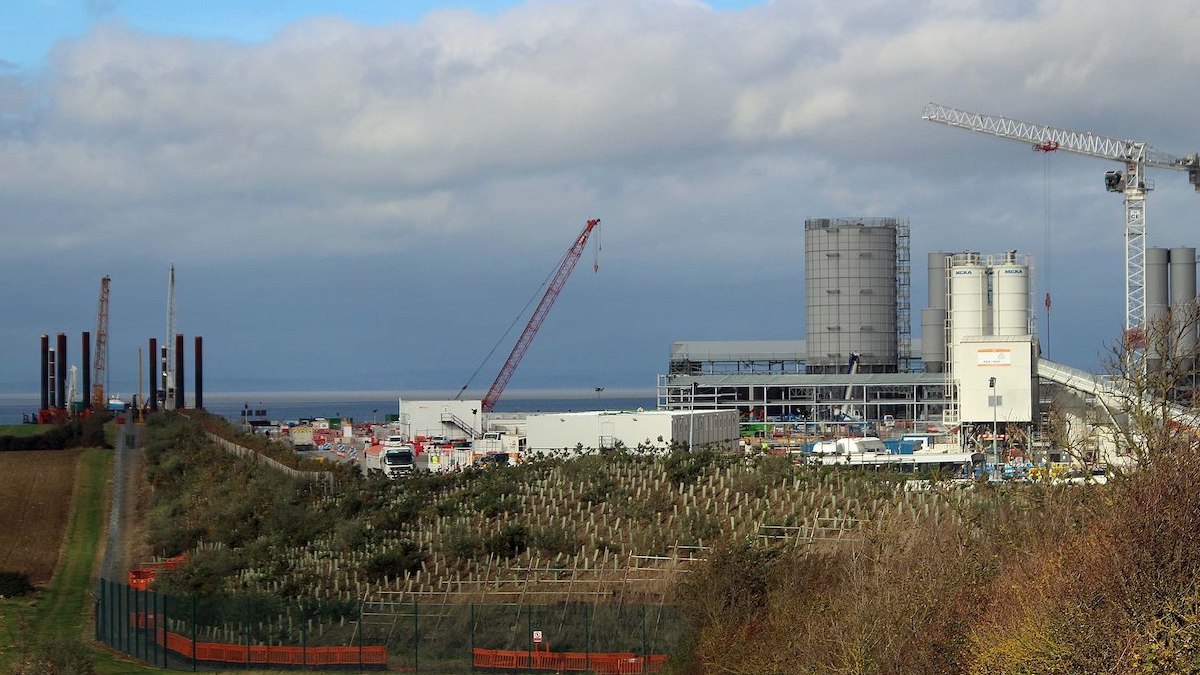
Oops sorry. That two-reactor nuclear power plant at Hinkley Point C you thought would cost $19 billion? It’s going to cost $26 billion now. Actually, make that $35 billion. Wait, sorry, no, the actual number is closer to $40 billion. When will it be ready for operation? Um, well, currently says French contractor, EDF, maybe 2027? Ish?
And those two American Westinghouse reactors in Georgia at the Plant Vogtle 3 and 4 site? $14 billion tops! That prediction came back in the good old days, ten years ago. Today, with neither reactor completed, the cost is at least $34 billion. Just last month, Southern Company said it would be adding another $200 million to the price tag and pushed the start date of the Vogtle-3 unit, the closest to completion, back to “May or June” of this year. And Unit 4? The company says late 2023. Others predict 2024. Or you could just roll some dice or stare into a crystal ball. All options are equally reliable.
Let’s turn to Small Modular Reactors (SMR), which are supposed to solve everything. In 2008, the American company, NuScale, announced that its SMR would be delivering electricity by 2015-2016. It’s 2023 and there’s no reactor. But hey, says NuScale, we do have a design certification! For a 50 MW reactor. But they’re actually planning to build a 77 MW model. And not 12 of them anymore as originally planned. Just six, at a cost of $5.32 billion.
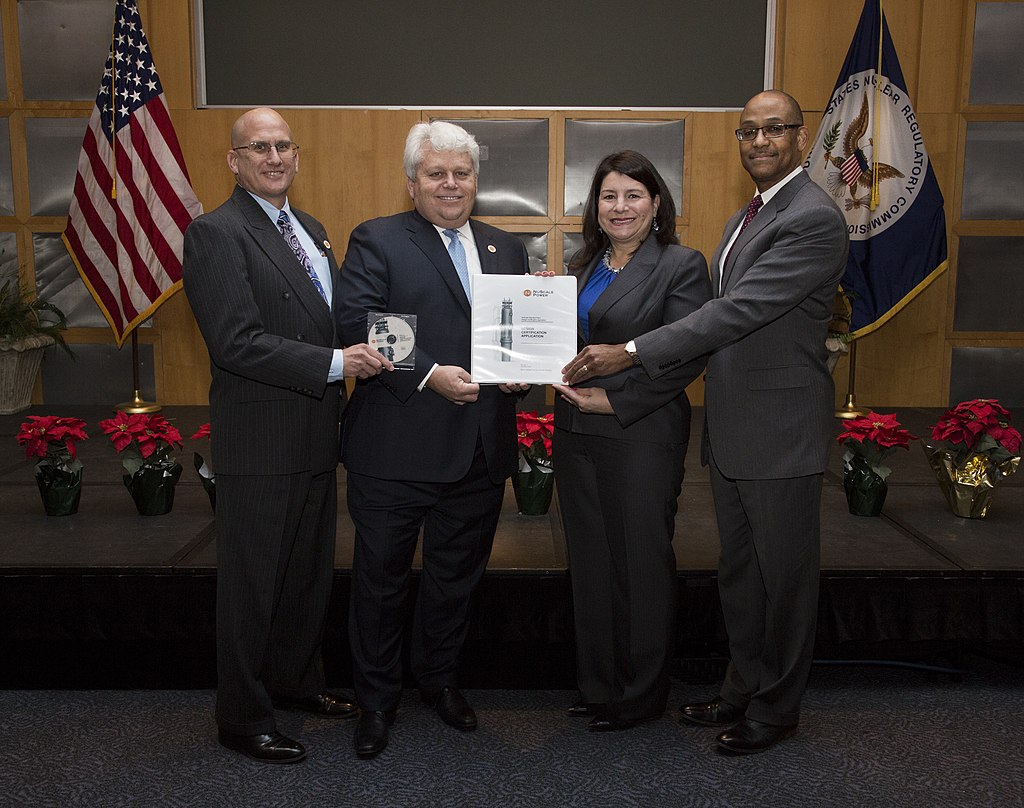
That price tag, in terms of the cost per installed kilowatt, “is around 80 percent higher than the corresponding figure for the Vogtle twin AP1000 project in Georgia—and this is before the Vogtle costs exploded from US$14 billion to over US$30 billion once construction started,” explains M.V. Ramana in the 2022 World Nuclear Industry Status Report (WNISR).
But even those numbers have changed since the WNISR was published back in October 2022. Since then, the cost projections for a NuScale-SMR six-pack have further skyrocketed to $9.3 billion.
Read MoreNew nuclear weapons plan faces scrutiny
DOE wanted to quadruple plutonium pit production. For now, activists have stopped them
From SRS Watch, Tri-Valley CAREs, Nuclear Watch New Mexico and the Gullah/Geechee Sea Island Coalition
In a win for public participation and environmental protection, the United States District Court of South Carolina denied the Department of Energy’s motion to dismiss a 2021 legal action filed by multiple citizen groups.
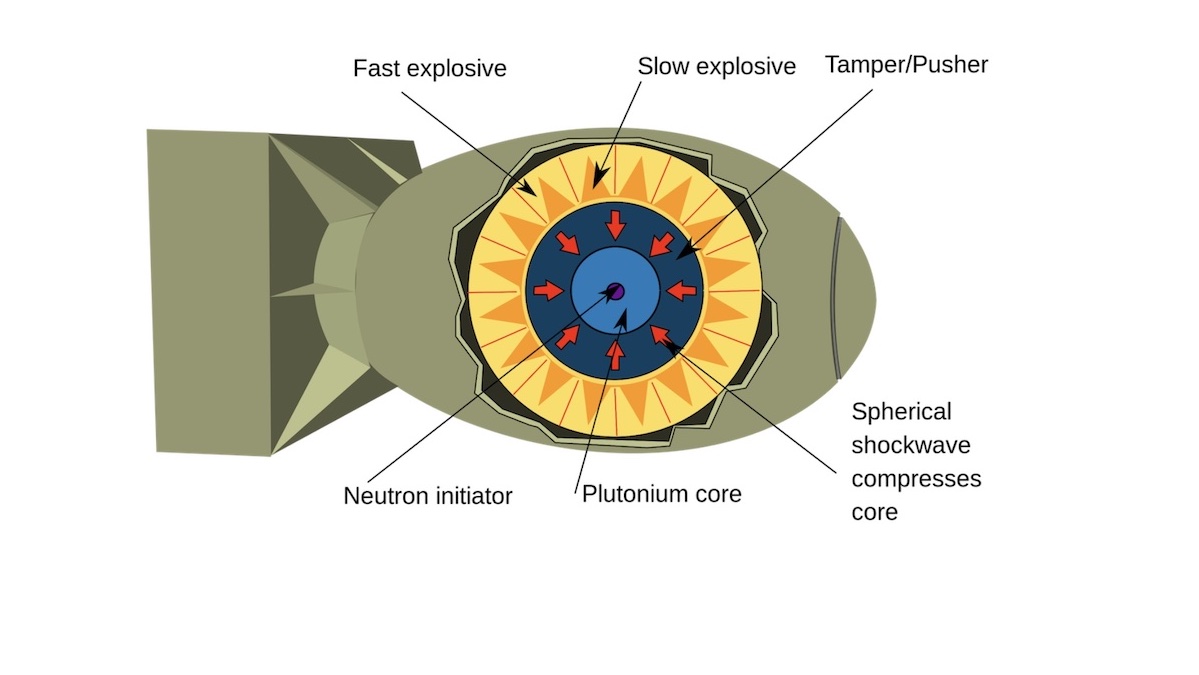
The suit was prompted by the agency’s failure to take the “hard look” required by the National Environmental Policy Act at its plans to more than quadruple the production of plutonium pits for new nuclear weapons and split their production between the Los Alamos National Laboratory and the Savannah River Site.
In her ruling, Judge Mary Geiger Lewis thoroughly rejected the defendants’ arguments that the plaintiffs lacked standing, saying it was “not a close call”.
“We were able to defeat yet another attempt to use standing as a weapon to keep members of the public out of the government’s decision-making process,” said Leslie Lenhardt, Senior Managing Attorney at the South Carolina Environmental Law Project (SCELP).
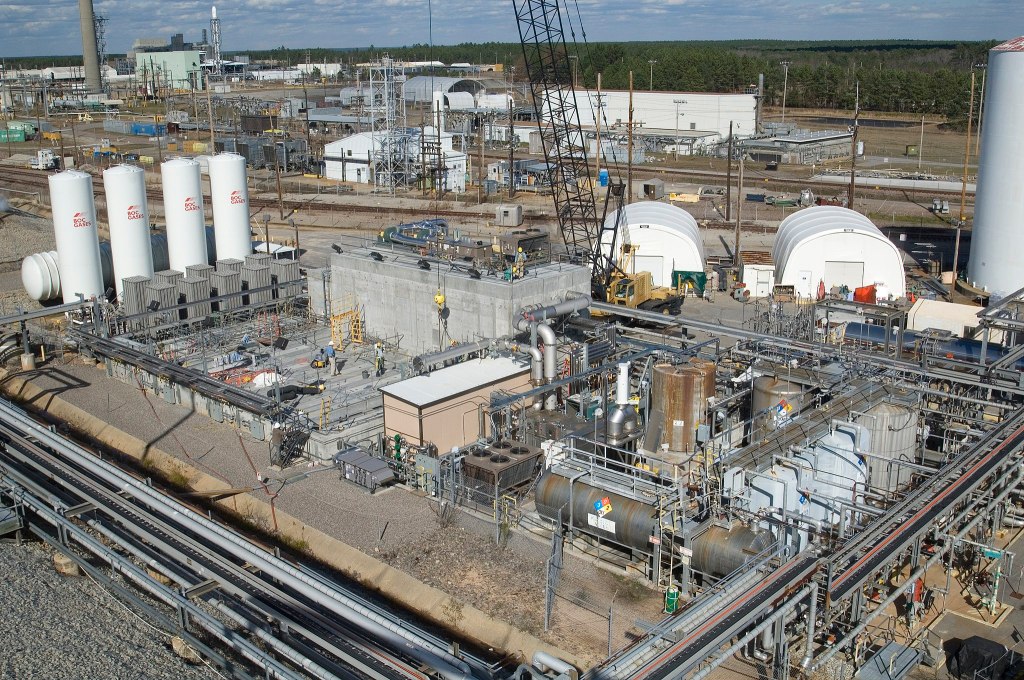
To date, the Department of Energy (DOE) has refused to fully examine the environmental and safety impacts of their cross-country plan, which would create massive quantities of dangerous radioactive materials, put hundreds of billions of taxpayer dollars on the line, risk a new nuclear arms race, and violate the nation’s foundational environmental law.
The Savannah River Site has never produced plutonium pits, the explosive cores of all U.S.nuclear weapons, and currently stores 11.5 metric tons of plutonium, which poses a daunting management and disposal challenge. Pit production will only increase its plutonium burden, along with more waste that needs to be treated, stored and disposed of.
Read MoreStop or START?
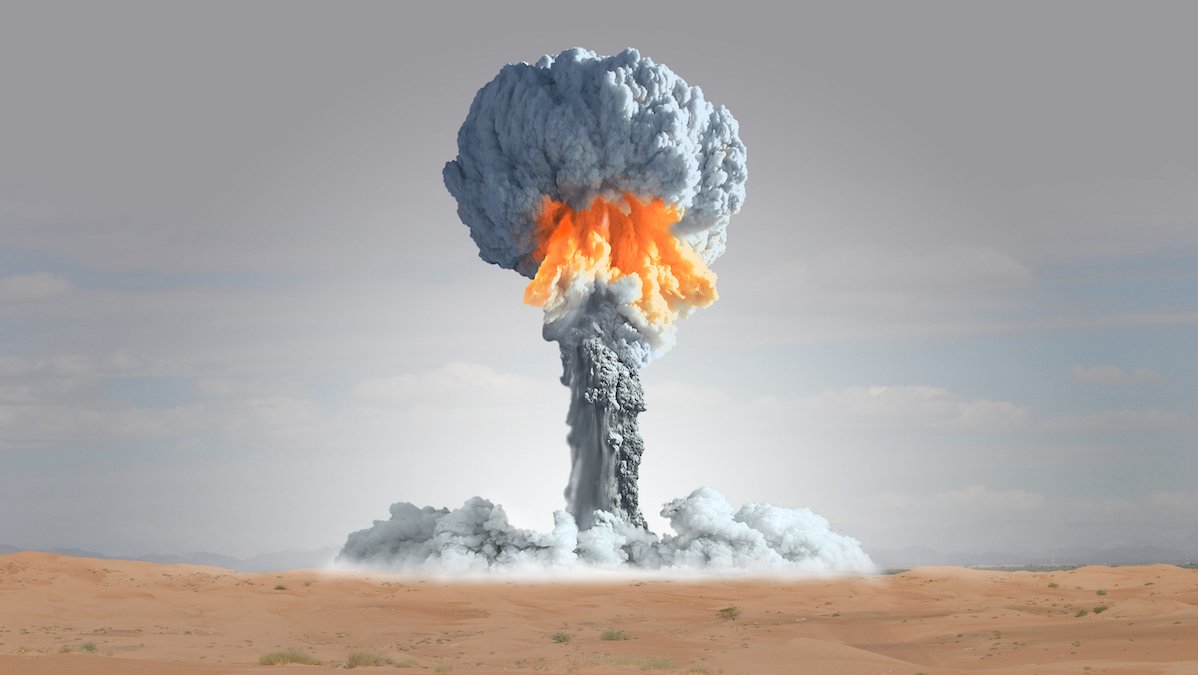
Does an arms reduction treaty matter when zero nuclear weapons is the only safe number?
By Linda Pentz Gunter
After writing an initial quick reaction piece about Russian president Vladimir Putin’s decision to suspend his country’s participation in the New START Treaty, there has been time for some logic to set in. In other words, I have thought more about this and something doesn’t add up.
What doesn’t make sense is the inherent contradiction of, on the one hand, condemning Putin’s decision to step back from the last treaty that limits the US and Russia’s nuclear weapons arsenals, but on the other, espousing a conviction that there can never be few enough nuclear weapons unless that number is zero.
Why does it matter, then, whether the two nuclear super powers agree to cap their arsenals at “only” 3,000 or so lethal nuclear missiles and warheads each? Given the utter destruction of planet Earth that these would cause if used, an escalation (or even a decrease) seems irrelevant.
Dr. Ira Helfand of International Physicians for the Prevention of Nuclear War put this case all too clearly in a February 22 appearance on Democracy Now! when he told host, Amy Goodman: “The New START treaty, while somewhat useful, is a very limited document and a very inadequate treaty. It still allows the United States and Russia to maintain — and they do — 3,100 strategic nuclear weapons, ranging in size from 100 kilotons to 800 kilotons. That is six to 50 times more powerful than the bombs which destroyed Hiroshima.”

It’s a treaty, Helfand said, that “allows both the United States and Russia to maintain arsenals which are capable of destroying modern civilization six times over.”
So is there any point to START, “New” or otherwise? Surely we need to stop the manufacture, possession, siting (including in other people’s countries), and especially the use of nuclear weapons and get rid of them altogether? And the only instrument equipped to do that is the Treaty on the Prohibition of Nuclear Weapons.
Read MoreReckless or rhetoric?
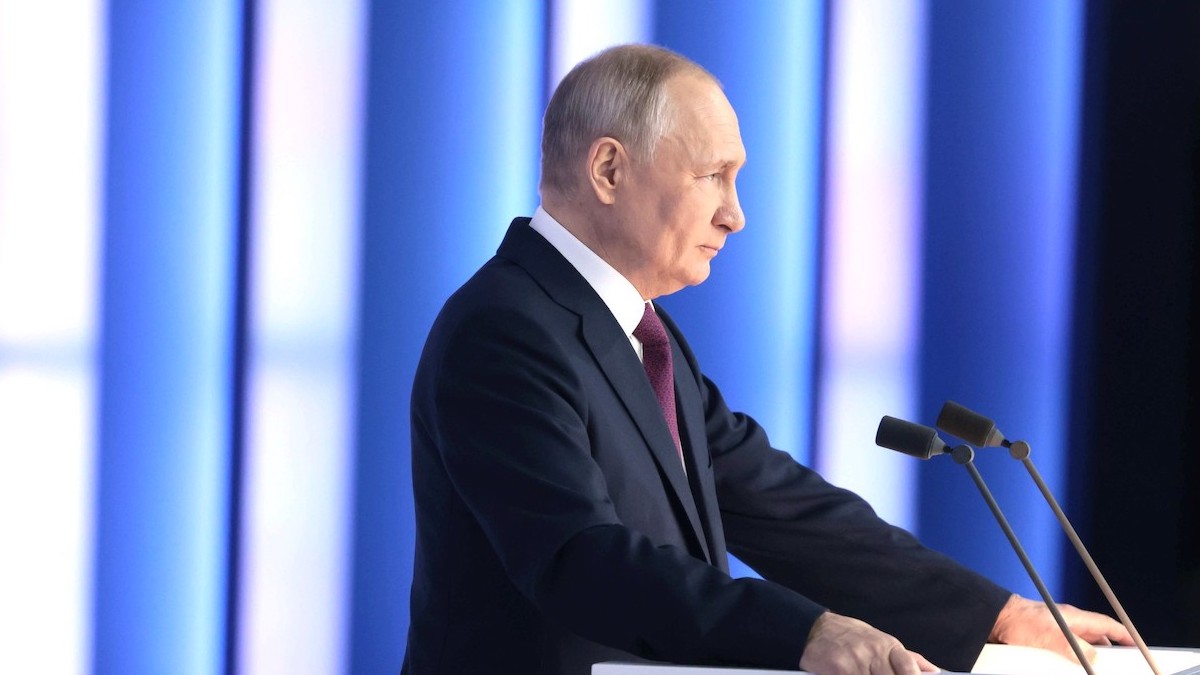
Was Russian premier threatening a new arms race or warning the West off Ukraine?
By Linda Pentz Gunter
In a major state-of-the-union address in Moscow on February 21, Russian president, Vladimir Putin said: “I am forced to announce today that Russia is suspending its participation in the Strategic Arms Reduction Treaty.”
International reaction was swift, most of it condemnatory, but some also cautioning that it may contain more bluster and implicit threat than a true escalation.
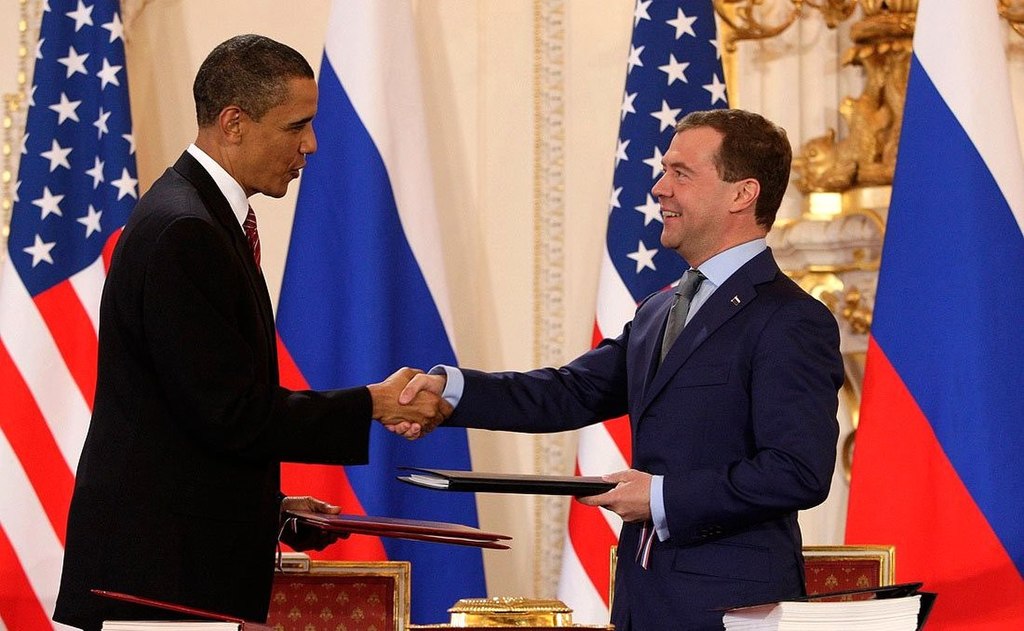
Putin was referring to the New START treaty, first signed by then presidents Obama (US) and Medvedev (Russian Federation) in Prague in 2010. The treaty caps the number of strategic nuclear warheads that the US and Russia may deploy and the deployment of land- and submarine-based missiles and bombers to deliver them. The treaty was renewed in 2021 for another five years.
Specifically, New START sets out limits, which so far both the United States and the Russian Federation have met or remained below. They are:
- 700 deployed intercontinental ballistic missiles (ICBMs), deployed submarine-launched ballistic missiles (SLBMs), and deployed heavy bombers equipped for nuclear armaments;
- 1,550 nuclear warheads on deployed ICBMs, deployed SLBMs, and deployed heavy bombers equipped for nuclear armaments (each such heavy bomber is counted as one warhead toward this limit);
- 800 deployed and non-deployed ICBM launchers, SLBM launchers, and heavy bombers equipped for nuclear armaments.
Suspending participation is in itself a violation of the treaty. Russia has arguably already been out of compliance with the treaty since well before the invasion of Ukraine, by refusing to allow weapons inspections since 2020 and refusing to join arms control talks under the terms of the treaty since 2021.
Read MoreCourting disaster
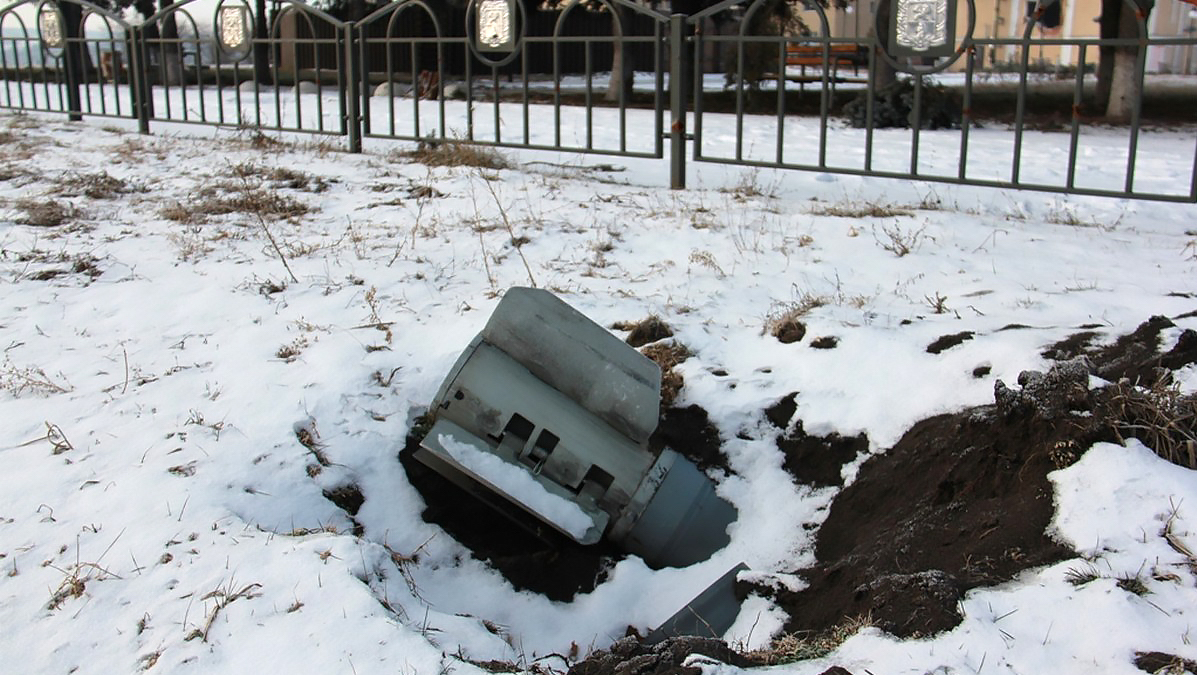
Embroiled in a year-long war, Ukraine’s reactors face new threats
By Linda Pentz Gunter
A year ago, we warned of the significant and unacceptable risks to Ukraine’s 15 nuclear reactors, should they become caught up in a war zone as a consequence of an invasion by Russia. A year later, as we outlined in a Beyond Nuclear press release, those risks have become a reality. And in recent days, the scares and close calls have ramped up again.
Just last week, cruise missiles flew dangerously low over the South Ukraine nuclear power plant in the country’s western region. Then alarms were raised as observers noticed an alarming drop in the water level of the Kakhovka Reservoir, on which the six-reactor Zaporizhzhia nuclear power plant depends for its essential cooling water supply.
A missile strike or loss of cooling water are just two of the many scenarios that could lead to a nuclear power plant disaster in Ukraine. Others include loss of electricity supply, human error or sabotage. The conditions of war just make any and all of these outcomes far more likely.
Indeed, these latest close calls and others prompted a recent statement by the head of Germany’s Federal Office for Radiation Protection, Inge Paulini, who warned that an incident at one of Ukraine’s nuclear power plants would have, “far-reaching consequences as long as the war continues.” And yet, she pointed out, “this danger already seems to be receding into the background of public awareness.”
Indeed, it has been a consistent pattern in the press not to take nuclear power risks seriously. Instead, the media publishes story after story, planted there by a well-orchestrated worldwide nuclear industry campaign, about the benefits of expanding nuclear power.
The Ukrainian energy ministry would seem to agree. Even in the midst of this devastating war, it has just made a deal with the American company, Westinghouse, to purchase two new AP1000 reactors. It is of course unrealistic to envisage these actually being built during a war and, if ever operational, they would simply become additional lethal targets.
In Ukraine, we have seen Russia routinely attack the electric grid, leading to periodic loss of offsite power at all four of Ukraine’s nuclear power plant sites. Zaporizhzhia, in the contested southeastern part of the country, has experienced multiple disconnections from the grid. So far, the diesel generators have functioned until offsite power was restored. But they are reliant on a steady replenishment of fuel, which could be impeded were the plant to come under siege.
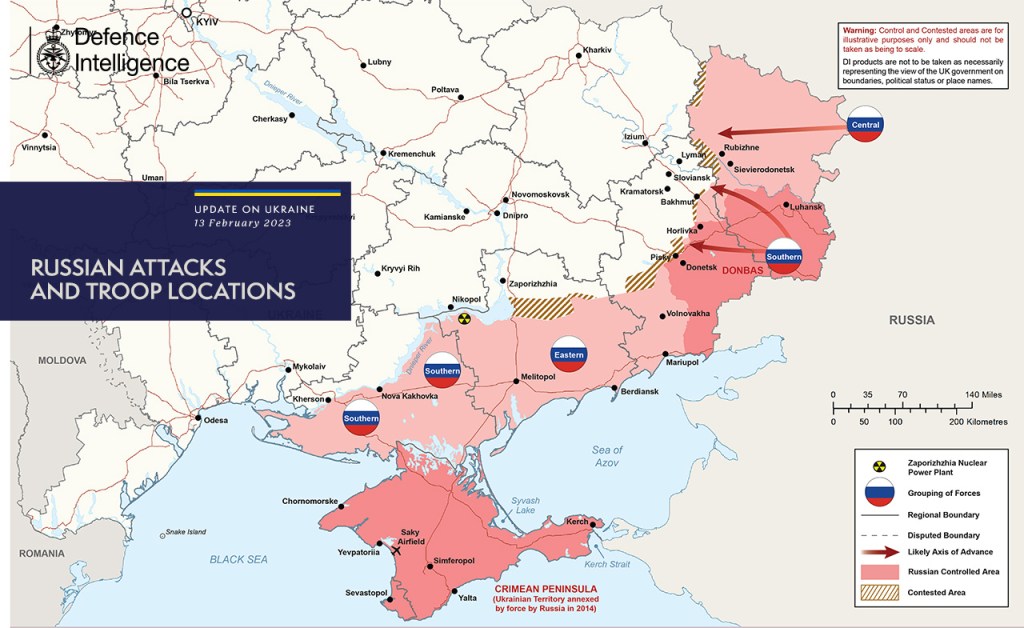
A ready supply of cooling water is also essential so the drain down of the Kakhovka Reservoir is a serious concern. Why this is happening is unclear, but it is thought to be a possible Russian military tactic to flood strategic areas, making them impassable to advancing Ukrainian troops.
Read More Beyond Nuclear International