 Beyond Nuclear International
La grande illusion
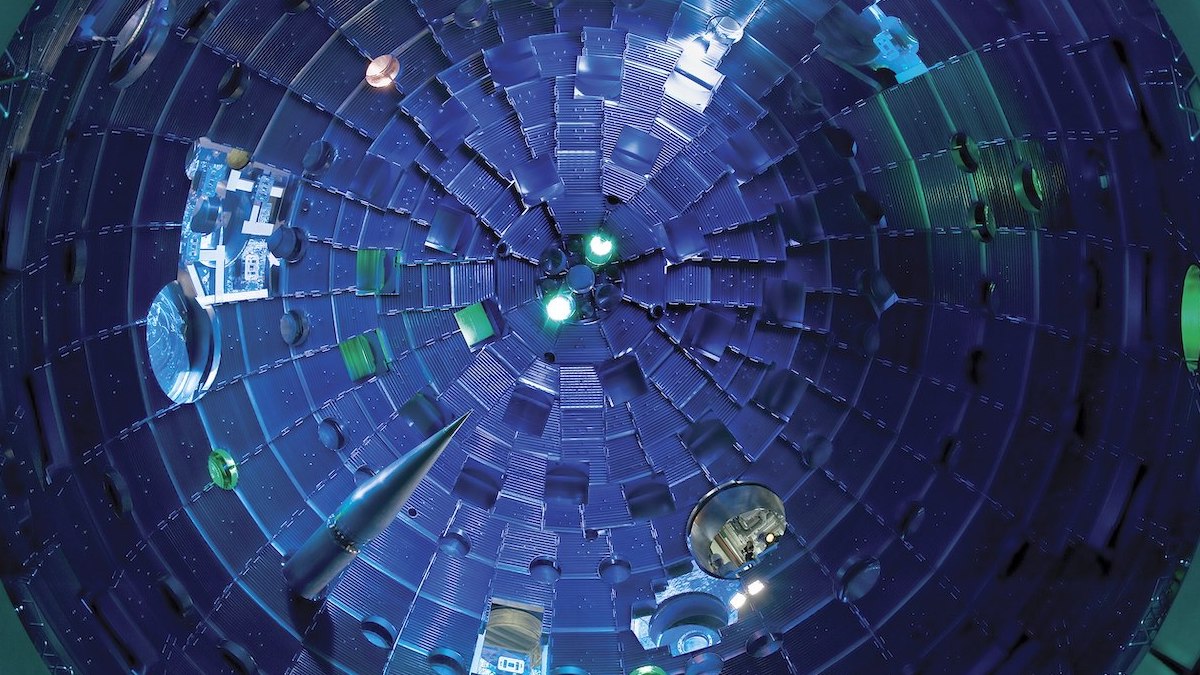
Fusion nucléaire : une énième “avancée décisive” pour abuser les gogos… et décrocher de nouveaux budgets
De Stéphane Lhomme
La concurrence fait rage entre les équipes qui travaillent dans divers pays sur la question de la fusion nucléaire. Cependant, cette rivalité n’a pas lieu sur le terrain scientifique, en jachère, mais sur le seul plan de la communication. Il s’agit en effet d’annoncer une “avancée décisive” au meilleur moment permettant de se faire attribuer d’importants budgets et pouvoir continuer des recherches qui sont assurément passionnantes pour les physiciens, mais en réalité parfaitement vaines.
Le 12 novembre 1991, le quotidien Le Monde titrait “Les Européens franchissent un pas décisif dans la fusion thermonucléaire” avant de rendre compte le 12 décembre 1993 de la “contre-attaque” des USA (toujours sur le terrain de la communication) : “Les Américains effectuent une percée dans la fusion thermonucléaire”.
Trente ans plus tard, les mêmes effets d’annonce sont de mise et le même journal annonce le 13 décembre 2022 “Fusion nucléaire : une « percée scientifique majeure » annoncée par un laboratoire américain”.
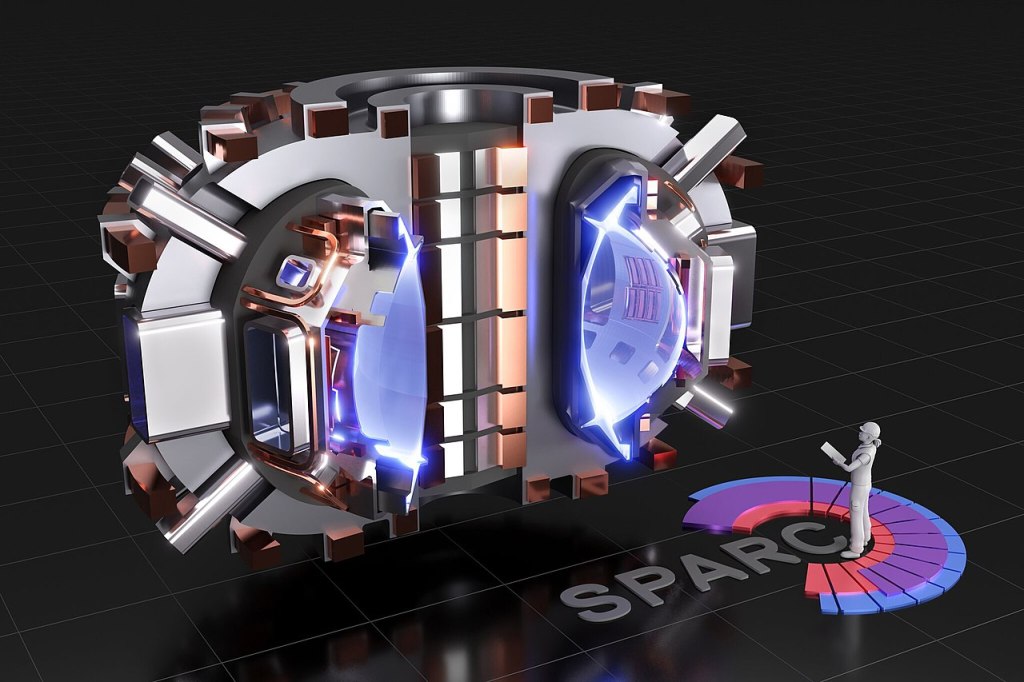
Are the bombs are back in town?
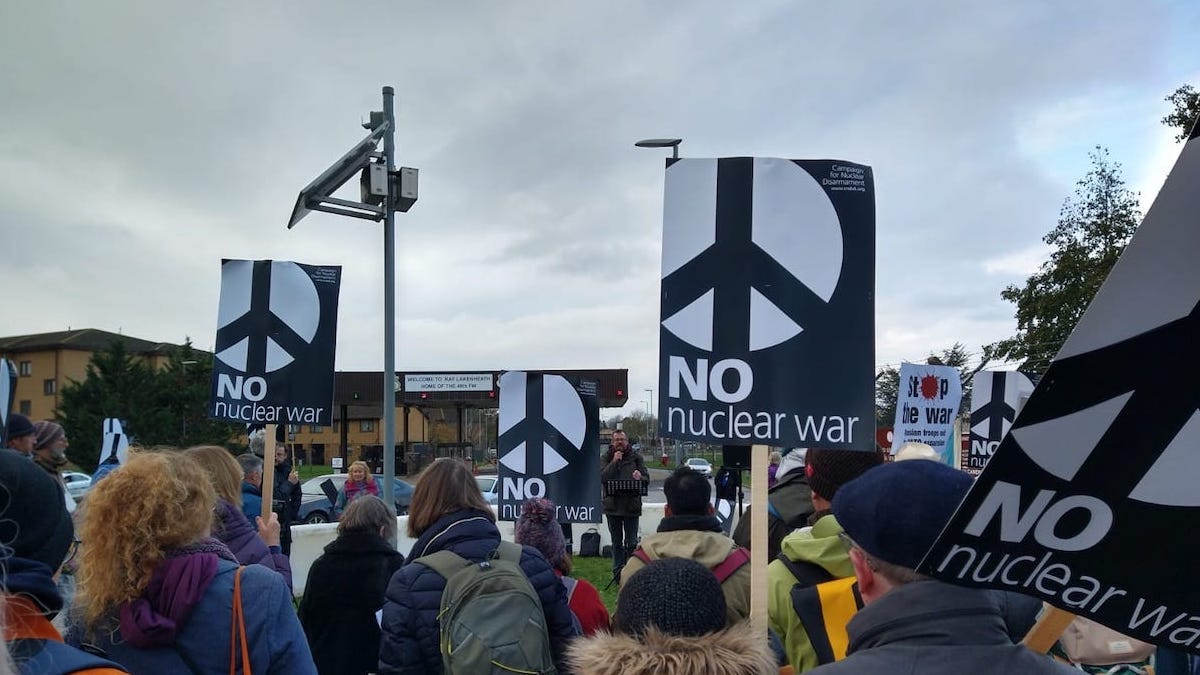
Is the US about to station nuclear weapons in Britain again or are they already here?
From Campaign for Nuclear Disarmament (CND UK)
Editor’s Note: A mass demonstration organized by CND was held at Lakenheath, Suffolk, United Kingdom on November 19. “It’s extraordinary that a foreign power can place weapons of mass destruction on our soil with no oversight from our elected representatives,” said Sue Wright from Norwich CND (Norwich is 40 miles from the base). For more background, see our May 15, 2022 article by CND General Secretary, Kate Hudson, CND’s special page on the Lakenheath campaign, and this article by Hans Kristensen for Federation of American Scientists.
Beyond Nuclear, International Physicians for the Prevention of Nuclear War, Peace Action and Nuclear Resister, sent a joint statement of solidarity that was read out at the November 19 protest.
CND condemns any return of United States nuclear weapons to RAF Lakenheath in Suffolk. 110 nuclear bombs were stored at the airbase until they were removed in 2008 following persistent popular protest, and they must not be allowed back.
Response to war
Tensions are rising across Europe amidst the ongoing war in Ukraine. In response to the Russian invasion, reports are circulating that the US is preparing to store some of its nuclear weapons in the UK. This originated with the fact that the US Department of Defense has added the UK to a list of NATO nuclear weapons storage locations in Europe being upgraded under a multimillion-dollar infrastructure programme. The UK was not on the comparable list for the previous year, so this looks like a very recent decision.
Experts now believe the base in question is RAF Lakenheath, located just 100 km from London.
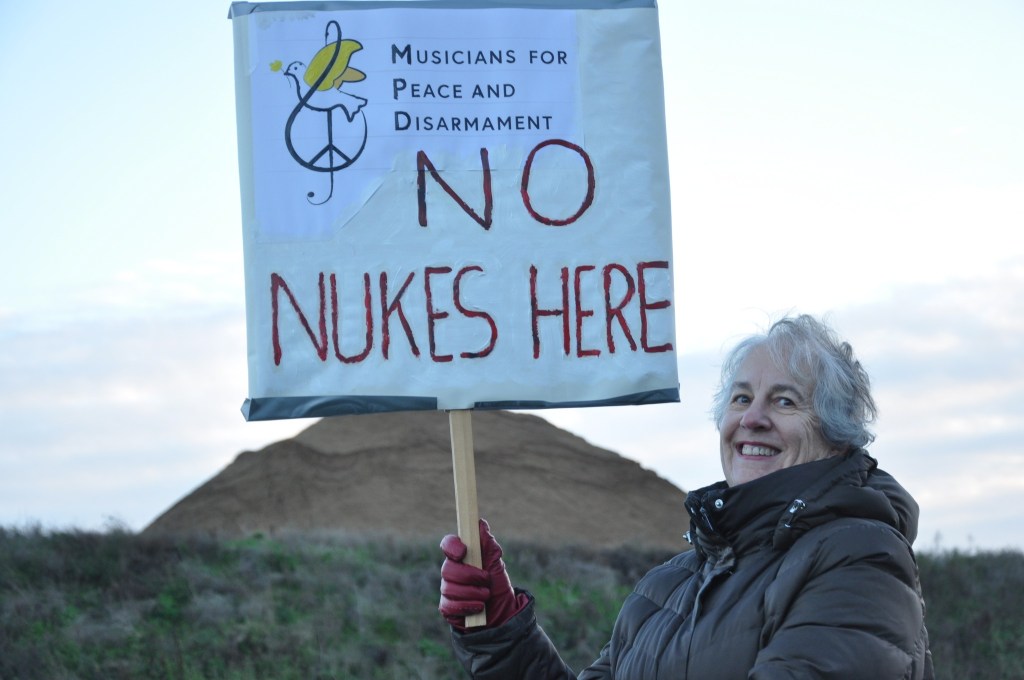
History repeats itself
While it is not yet known if nuclear weapons have already been returned to the base, or if NATO is in the process of preparing the base to be ready to receive them, this development marks a change in the nuclear status of RAF Lakenheath.
RAF Lakenheath hosted US nuclear weapons for more than five decades, first arriving in September 1954. CND arranged protests at the base alongside the Lakenheath Action Group, including days of action where hundreds of people descended on the base. Direct action activists broke into the base and locked on to the gates of the ammunition depot, preventing access for hours.
Messages of support were shared between campaigners at other US bases in Europe, and from Faslane, where Britain’s nuclear weapons are stationed. Plays were presented outside the base, and letters handed in to the Commander.
Following years of protesting, the nuclear weapons were eventually removed in 2008, but not before nuclear accidents endangered the safety of the local community.
Read MorePast time for action

Algerian victims of French atomic tests should be recognized and compensated
By Jean-Marie Collin, Patrice Bouveret and Merzak Remki
Editor’s note: This article (originally in French) was written before the October 9-10 meeting described below, but unfortunately there were no new developments made there. The article explores what needs to happen to deliver restitution and justice to the Algerian victims of French atomic tests.
Last August 27, Presidents Abdelmadjid Tebboune and Emmanuel Macron renewed the partnership between Algeria and France to “embark on a future in the spirit of appeasement and mutual respect.” With the holding of the High Level Intergovernmental Committee in Algiers on October 9 and 10, this intention should translate into new commitments which will reunite the governments of the two states.
Not having been discussed during the meeting of the two presidents, this new encounter must mark a decisive turning point for resolving the issue of the consequences of the nuclear tests that France carried out in Algeria and which still impact the local population today.
Between 1960 and 1966, France carried out a total of 17 atmospheric and underground nuclear tests in the south of Algeria, at Reggane and In Ekker.
Among the 13 underground tests conducted at In-Ekker, two of them (Béryl and Améthyste) resulted in a very large release of rocks and lava from the mountain, which has left the area highly contaminated. In addition to the nuclear tests, there were also approximately 40 explosions conducted at Reggane (Adrar) and at Tan Ataram (Tamanrasset), using small quantities of plutonium, but which did not release nuclear energy (these were subcritical tests).

It is clear that the health and environmental conditions in these areas remain a cause for great concern still today.
Read MoreUne farce digne de Feydeau
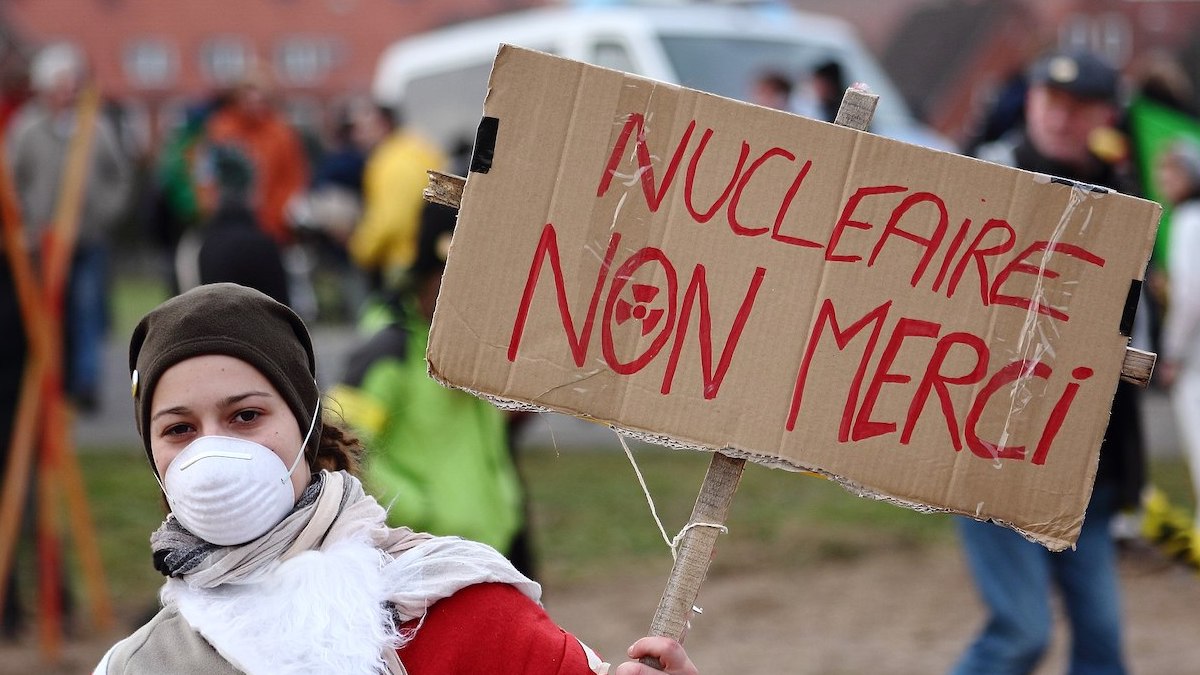
La France essaie toujours de vendre ses réacteurs malgré le fiasco nucléaire chez elle
De Linda Pentz Gunter
J’ai cherché le mot équivalent en français pour « chutzpah », mais jusqu’à présent, « l’insolence » ou « l’audace » ne couvre tout simplement pas tout à fait le discours renouvelé du président Emmanuel Macron pour vendre la technologie nucléaire française aux États-Unis.
Néanmoins, c’était un objectif central de la visite d’État de Macron dans la capitale nationale la semaine dernière. Dans une mise en scène digne d’une farce de Feydeau, il a même amené avec lui tout un entourage atomique comprenant des représentants de l’Autorité de sûreté nucléaire ainsi que des membres du cabinet et de l’industrie nucléaire française (en faillite).
C’est du culot parce que la toile de fond de la tournée promotionnelle nucléaire de Macron est le tas d’épaves le plus époustouflant qu’on puisse imaginer. Sacré bleu ! Si vous vouliez brosser un tableau d’un fiasco industriel complet, il vous suffit de regarder l’industrie nucléaire française d’aujourd’hui.
Et pourtant, voici Macron qui tente toujours allègrement de vendre le réacteur “phare” français, l’EPR, probablement juste derrière le réacteur surgénérateur comme l’échec le plus abject de l’histoire des centrales nucléaires. EPR signifie Evolutionary Power Reactor. Avec elle, la France a réalisé l’inimaginable, envoyer l’évolution en marche arrière.

Macron n’a pas non plus abandonné son surgénérateur bien-aimé, qui a également réussi à renverser la légende de son homonyme – Phénix – en descendant métaphoriquement dans les cendres de l’histoire nucléaire. Et oulàlà, un destin similaire est arrivé au Superphénix, surgénérateur plus gros et un fiasco encore plus gros qui a coûté 10,5 milliards de dollars et produit de l’électricité seulement sporadiquement avant d’être définitivement fermé.
Le politicien français du Parti vert, Dominique Voynet, a qualifié Superphénix de “déchet financier stupide”, ce qui décrit avec précision toutes les nouvelles aspirations nucléaires d’aujourd’hui.
Et pourtant, en février dernier, juste avant les élections qui le voyaient conserver son trône au palais présidentiel, Macron annonçait que le pays irait de l’avant à toute vapeur (radioactive). La France construirait entre 6 et 14 nouveaux réacteurs EPR-2 (oui, le « nouvel EPR amélioré » !) au nom du climat, prolongerait les autorisations d’exploitation de l’ensemble du parc actuel, lancerait des projets de petits réacteurs modulaires, et reprendrait l’exploration de réacteurs dits de Génération IV (lire « rapides » ou « surgénérateurs »).
Macron s’est vanté que la France construirait six des nouveaux réacteurs sur trois sites existants, avec la première date de démarrage vers 2035 et pour un coût estimé à 52 milliards de dollars.
Peu importe ce que Macron fume, ce ne sont pas des Gauloises.
Read MoreA farce that would make Feydeau blush
France still trying to sell its reactors despite nuclear fiasco at home
By Linda Pentz Gunter
I’ve been searching for the equivalent word in French for ‘chutzpah’ but so far ‘insolence’ or ‘audace’ just doesn’t quite cover President Emmanuel Macron’s renewed pitch to sell French nuclear technology to the United States.
Nevertheless, that was a central purpose of Macron’s state visit to the nation’s capital last week. In a mise-en-scène worthy of a Feydeau farce, he even brought a whole atomic entourage with him including representatives from the state regulator (Autorité de sûreté nucléaire) as well as cabinet members and the (bankrupt) French nuclear power industry.
It’s chutzpah because the backdrop to Macron’s nuclear promotional tour is the most breathtaking pile of wreckage imaginable. Sacre bleu! If you wanted to paint a picture of a complete industrial fiasco, you need only look at today’s French nuclear power industry.
And yet, here is Macron still blithely attempting to sell the French “flagship” reactor, the EPR, likely second only to the breeder reactor as the most abject failure in nuclear power plant history. EPR stands for Evolutionary Power Reactor. With it, France has achieved the unimaginable, to send evolution in reverse.
Macron has not abandoned the beloved breeder either, which also managed to reverse the legend of its namesake — Phénix — by descending metaphorically into the ashes of nuclear history. And oulàlà, a similar fate befell the Superphénix, a bigger breeder and an even bigger fiasco that cost $10.5 billion and produced power only sporadically before it was permanently shuttered.
French Green Party politician, Dominique Voynet, called Superphénix “a stupid financial waste,” which accurately describes any and all of today’s new nuclear power aspirations.
And yet, last February, just before the elections that saw him retain his throne in the presidential palace, Macron announced the country would go full (radioactive) steam ahead. France would build between 6 and 14 new EPR-2 reactors (yes, the “new improved” EPR!) in the name of climate, extend the operating licenses of the entire current reactor fleet, initiate projects for small modular reactors, and resume exploration of so-called Generation IV (read “fast” or “breeder”) reactors.
Macron bragged that France would build six of the new reactors on three existing sites, with the first start-up date around 2035 and at an estimated cost of $52 billion.
Whatever Macron’s smoking, they’re not Gauloises.
Read More‘Guinea Pig Nation’

NRC will weaken regulations for new “advanced” reactors says scientist
By Karl Grossman
“Guinea Pig Nation: How the NRC’s new licensing rules could turn communities into test beds for risky, experimental nuclear plants,” is what physicist Dr. Edwin Lyman, Director of Nuclear Power Safety with the Union of Concerned Scientists, titled his presentation last week.
The talk was about how the U.S. Nuclear Regulatory Commission is involved in a major change of its “rules” and “guidance” to reduce government regulations for what the nuclear industry calls “advanced” nuclear power plants.
Already, Lyman said, at a “Night with the Experts” online session organized by the Nuclear Energy Information Service, the NRC has moved to allow nuclear power plants to be built in thickly populated areas. This “change in policy” was approved in a vote by NRC commissioners in July.
For a more than a half-century, the NRC and its predecessor agency, the U.S. Atomic Energy Commission, sought to have nuclear power plants sited in areas of “low population density”—because of the threat of a major nuclear plant accident.
But, said Lyman, who specializes in nuclear power safety, nuclear proliferation and nuclear terrorism, the NRC in a decision titled “Population-Related Siting Considerations for Advanced Reactors,” substantially altered this policy.

The lone NRC vote against the change came from Commissioner Jeffery Baran who in casting his ‘no’ vote wrote “Multiple, independent layers of protection against potential radiological exposure are necessary because we do not have perfect knowledge of new reactor technologies and their unique potential accident scenarios….Unlike light-water reactors, new advanced reactor designs do not have decades of operating experience; in many cases, the new designs have never been built or operated before.”
He noted a NRC “criteria” document which declared that the agency “has a longstanding policy of siting nuclear reactors away from densely populated centers and preferring areas of low population density.”
But, said Baran, under the new policy, a “reactor could be sited within a town of 25,000 people and right next to a large city. For reactor designs that have not been deployed before and do not have operating experience, that approach may be insufficiently protective of public health and safety…And it would not maintain the key defense-in-depth principle of having prudent siting limitations regardless of the features of a particular reactor design—a principle that has been a bedrock of nuclear safety.”
That is just one of the many reductions proposed in safety standards.
Read More
