 Beyond Nuclear International
Vasily Arkhipov saved the world

Sixty years ago the Cuban Missile Crisis erupted and nuclear war came close
On October 14, 1962, a U.S. U-2 spy plane flying over Cuba revealed that the Soviet Union was building ramps for the installation of missiles with nuclear warheads. President Kennedy immediately ordered a naval blockade of Cuba. The most serious crisis since the beginning of the Cold War began: for thirteen, endless, days the Soviet Union and the United States faced off against one another, coming close to war. The whole world waited with bated breath. And indeed, not only did we get close to World War III, but also to nuclear Armageddon! The reason that none of this came to pass was the cool-headedness of a Soviet captain, Vasily Arkhipov (and “perhaps” also, quite independently, of his American counterpart, William Bassett, although we have only a posthumous testimony).
Since the outbreak of the war in Ukraine, comparisons have been made from many quarters with that crisis 60 years ago: indeed there are not only a few commonalities, but also many points of difference. History is a great teacher, in fact it is the only guide we have for the present, but it is necessary to put it in context.
At that time, 15 years after the end of World War II (and the bombs on Hiroshima and Nagasaki), there was no international agreement on arms control, much less on the nuclear arsenals that were becoming the focus of military confrontation between the two blocs. By about 1960, the U.S. had about 30,000 nuclear warheads, the USSR about 5,000, enough for total devastation: intercontinental missiles were in their infancy, and the USSR had only about 20 capable of reaching U.S. territory. Britain built their bomb in 1952; France in 1960 (in collaboration with Israel); China did not reach that point until 1964.
Incidentally, the Doomsday Clock established in 1947, had touched 2 minutes to Midnight (the metaphor for the end of the world) in 1953 with the Korean War (when indeed McArthur wanted to drop nuclear bombs on the North), but by 1960 it had been reset to 7 minutes, and in 1963 to 12 minutes, so it does not record the threat in 1962, which in fact was only known many years later; here is the first difference to the current situation.
Also at that time, in 1959 the United States had deployed missiles with nuclear warheads capable of striking the Soviet Union in Italy, at Gioia del Colle (Apulia, South Italy), and in Turkey in great secrecy. Of course Moscow suspected and it could be argued that it knew, but as there were no spy satellites at the time, and only the U.S. had U-2 spy planes capable of flying high over other countries, it can therefore be argued (certainly not justified) that Khrushchev’s decision in 1962 to secretly deploy nuclear missiles to Cuba was an act of defence, albeit an extremely risky one; and this is where there is, in my view, an analogy to the present, the expansion of NATO (a nuclear alliance) eastward to Russia’s borders, which Moscow perceived as a threat.
However, one might ask how the Cold War situation would have developed if the existence of Soviet missiles in Cuba had only been discovered when it was a done deal, and the nuclear threat had been balanced, between US missiles in Italy and Turkey, and Soviet missiles in Cuba? Even though this is a rhetorical question, history is not made with “ifs”. “Perhaps” the necessary push for nuclear disarmament agreements would have happened much sooner.
Read More60 years of luck
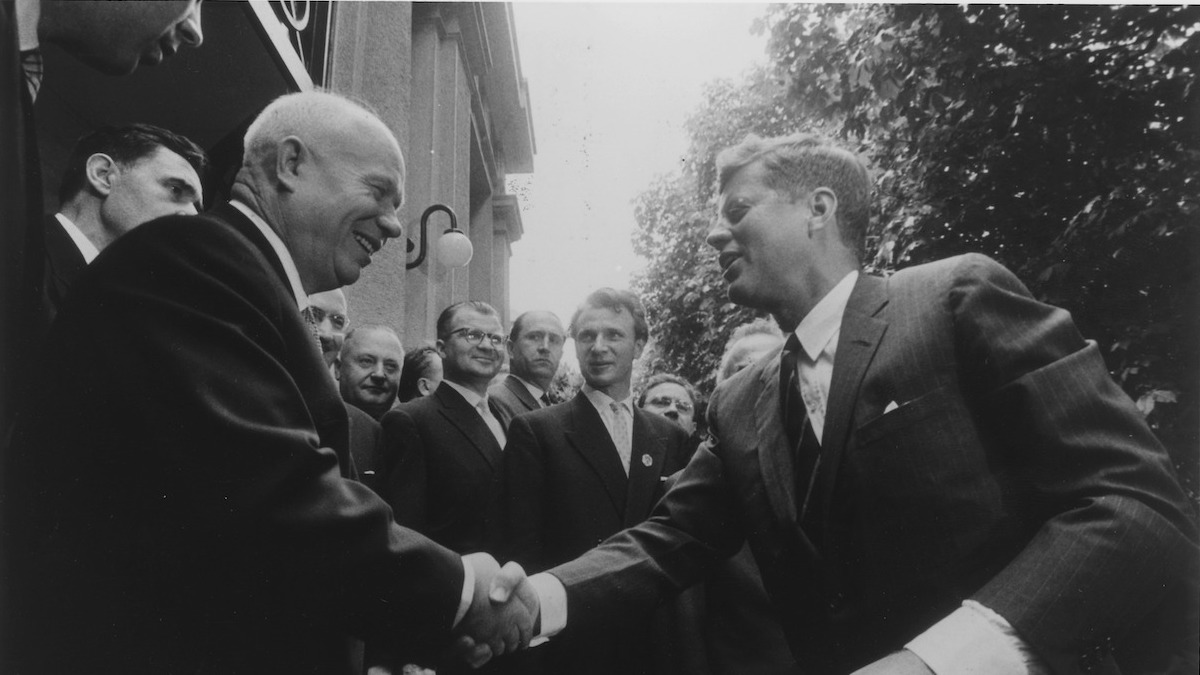
The Cuban Missile Crisis was a warning. So why did the nuclear arms race escalate?
By Linda Pentz Gunter
When you are a medical professional, relying on luck is not the preferred option. But for 87-year old retired radiologist, Dr. Murray Watnick, there are some circumstances when, if luck comes your way, you readily embrace it.
One such moment was the Cuban Missile Crisis, 13 tense days in October 1962, now being remembered 60 years on. Watnick was serving as a medical officer at the time, assigned to the US Strategic Air Command base at High Wycombe in the UK, headquarters base for the 7th Air Division and also home to a “nuclear bunker”.
The Cuban Missile Crisis is still believed, today, to be the closest the world ever came to nuclear war between two superpowers. It lasted from October 16-28, 1962, although officially it was finally resolved on November 20. The phrase, ‘thirteen days in October’, remains synonymous with our narrowest of escapes from a nuclear apocalypse.
“We were on edge for 13 days,” recounted Watnick in a conversation last month as he recalled the rising tension among troops when the base was placed on DEFCON 2, the highest alert level before all-out war.
“Fortunately cooler heads prevailed and war was averted,” he said. “We were very lucky to have Nikita Khrushchev and John Kennedy in charge. Theirs were measured responses and a careful analysis of the situation.”
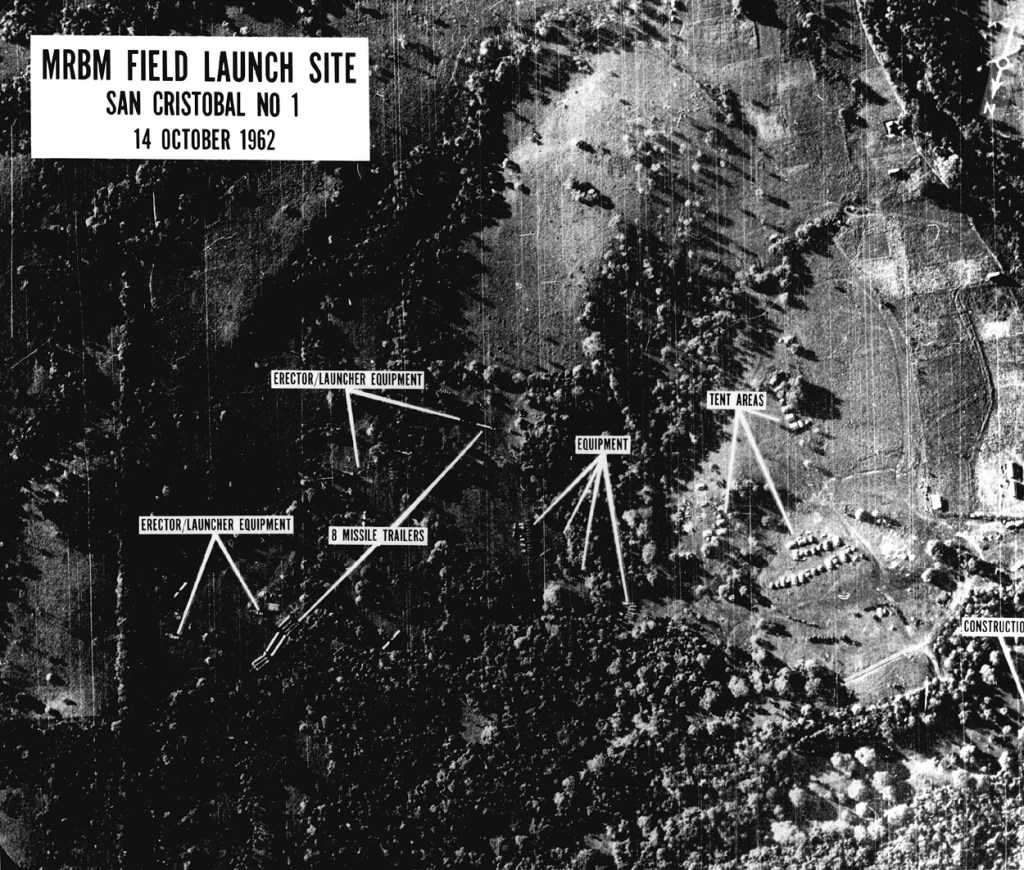
That measured response included a letter written by Khrushchev to President Kennedy on October 26, 1962 that is hard to imagine being replicated today. In part, it said:
“Mr. President, we and you ought not now to pull on the ends of the rope in which you have tied the knot of war, because the more the two of us pull, the tighter that knot will be tied. And a moment may come when that knot will be tied so tight that even he who tied it will not have the strength to untie it, and then it will be necessary to cut that knot, and what that would mean is not for me to explain to you, because you yourself understand perfectly of what terrible forces our countries dispose.
“Consequently, if there is no intention to tighten that knot and thereby to doom the world to the catastrophe of thermonuclear war, then let us not only relax the forces pulling on the ends of the rope, let us take measures to untie that knot. We are ready for this.”
And yet, despite that realization as the bullet of Armageddon was dodged, the Cold War continued and the nuclear arms race between the two super powers escalated to obscene heights. There was a failure to recognize then, and still now, that nuclear weapons are a madness and we need to get rid of them completely. Instead, the world’s collective atomic arsenal ballooned to a high of more than 64,000 by the late 1980s.
Read MoreVasily Arkhipov ha salvato il mondo
Sessanta anni fa scoppiò la crisi dei missili a Cuba, e si sfiorò la guerra nucleare
Il 14 ottobre del 1962 un aereo spia U-2 statunitense (vecchi tempi, altro che satelliti!) che sorvolava Cuba rivela che l’Unione Sovietica stava costruendo rampe per l’istallazione di missili con testata nucleare. Il presidente Kennedy ordina immediatamente il blocco navale a Cuba. Ha inizio la più grave crisi dall’inizio della Guerra Fredda: per tredici lunghi giorni Urss e Usa si fronteggiano, arrivando a un passo dalla guerra. Il mondo intero sta con il fiato sospeso. E in effetti non viene solo sfiorata la Terza Guerra Mondiale, ma l’Armageddon nucleare! E a sventarlo fu il sangue freddo di un capitano sovietico, Vassili Arkhipov (e “forse” anche, in modo del tutto indipendente, di un suo omologo statunitense, William Bassett, ma abbiamo una sola testimonianza postuma).
Questa vicenda l’ho già raccontata in modo molto dettagliato quattro anni fa, ma oggi forse è opportuno sintetizzare gli aspetti principali. Infatti, dopo lo scoppio della guerra in Ucraina da molte parti è stato fatto un accostamento con quella crisi di 60 anni fa: e in effetti non pochi sono i punti comuni, ma molti i punti di differenza, per cui mi sembra opportuno tornare brevemente su quella vicenda. Userò il tempo presente per accentuare l’attualità odierna di quelle vicende.
A quel tempo, 15 anni dopo la fine della Seconda Guerra Mondiale (e delle bombe su Hiroshima e Nagasaki), non vi è nessun accordo internazionale per il controllo degli armamenti, tanto meno sugli arsenali nucleari che stanno diventando il fulcro del confronto militare fra i due blocchi. Verso il 1960 gli USA hanno circa 30.000 testate nucleari, l’URSS circa 5.000, sufficienti per la devastazione totale: i missili intercontinentali sono all’inizio, e l’URSS ne ha solo una ventina in grado di raggiungere il territorio statunitense. La Gran Bretagna ha realizzato la bomba nel 1952; la Francia nel 1960 (ma in collaborazione con Israele, che quindi si presume che pure l’abbia); la Cina vi arriverà solo nel 1964.
Fra l’altro, il Doomsday Clock istituito nel 1947, aveva toccato i 2 minuti dalla Mezzanotte (la metafora della fine del mondo) nel 1953 con la Guerra di Corea (quando effettivamente McArthur avrebbe voluto sganciare sul Nord bombe nucleari), ma nel 1960 era stato riportato a 7 minuti, e nel 1963 a 12 minuti, quindi non registra la minaccia nel 1962, che in effetti si seppe soli molti anni dopo: ecco una prima differenza rispetto alla situazione attuale.
Sempre a quel tempo, nel 1959 gli Stati Uniti hanno in gran segreto schierato missili con testata nucleare capaci di colpire l’Unione Sovietica in Italia, a Gioia del Colle, e in Turchia. Ovviamente Mosca lo sospetta, si può affermare che lo sa, ma appunto non ci sono ancora i satelliti spia, e solo gli Stati Uniti hanno gli aerei spia U-2 che sorvolano ad alta quota i paesi avversari. Si può pertanto sostenere (non certo giustificare) che la decisione di Kruscěv nel 1962 di schierare, segretamente, missili nucleari a Cuba sia un atto di difesa, ancorché estremamente rischioso: e qui c’è a mio avviso un’analogia col presente, l’allagamento della NATO (che è un’alleanza nucleare) verso Est, fino ai confini della Russia, che Mosca ha percepito come una minaccia.
Comunque ci si potrebbe chiedere come si sarebbe sviluppata la situazione della Guerra Fredda qualora l’esistenza dei missili sovietici a Cuba fosse stata scoperta solo a cosa fatta, e la minaccia nucleare fosse stata bilanciata, fra i missili degli USA in Italia e Turchia, e quelli dell’URSS a Cuba: anche se è una domanda retorica, la storia non si fa con i “se”. “Forse” sarebbe avvenuta molto prima la spinta, obbligata, ad accordi di disarmo nucleare.
Read MoreRenewables need minerals
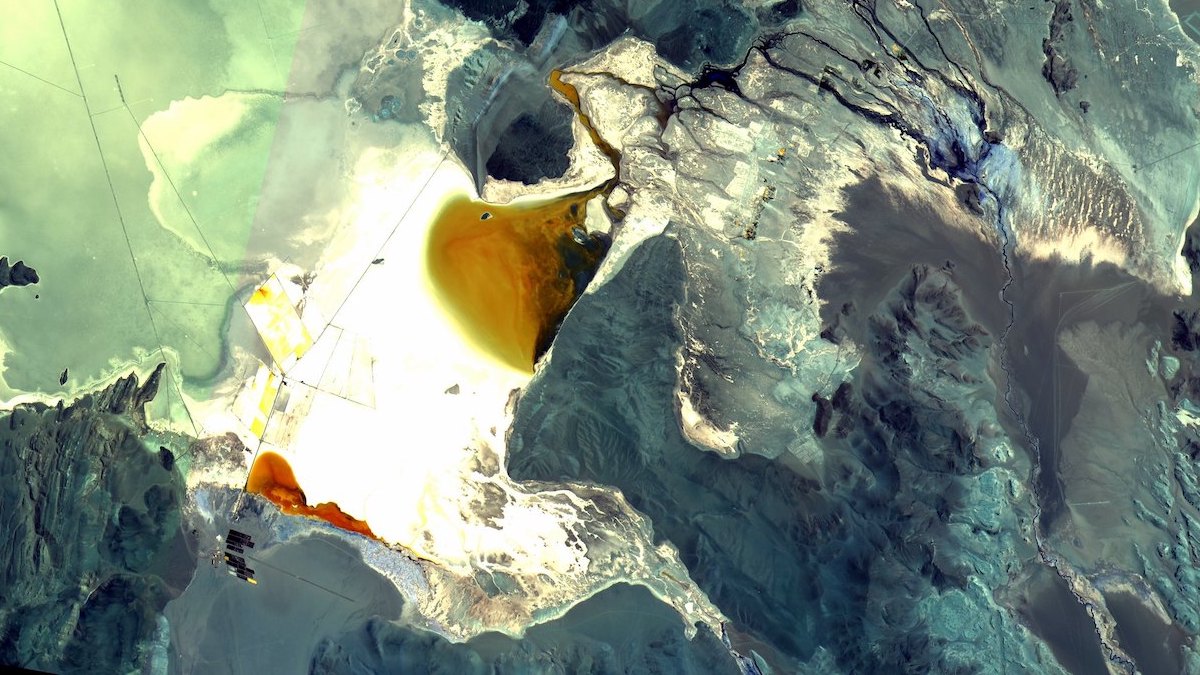
Can their pollution and public health challenges be overcome?
By Linda Pentz Gunter
We are now both on the path to — and amidst the crisis of — resolving our past greed and irresponsibility in the energy and transport sector. But few, if any, human industries are without a carbon footprint. This has made the climb out of our carbon-intensive paradigm all the harder.
Consequently, our first imperative — in order to do as little current or future environmental harm as possible — is to focus on solutions that have the lowest carbon footprint and environmental and human impact. This puts conservation at the pinnacle of our priorities, followed by energy efficiency.
Particularly in developed countries — where we bear almost the entire responsibility for the mess we have made of our planet — we can, and must, consume less, become more energy efficient, live in smaller homes, use public transport routinely, walk and bicycle more and drive and fly less.
Using fossil fuels has to stop. Completely. And ideally now, but, realistically, as soon as possible. Replacement power will still be needed. But nuclear power, which creates long-lived lethal radioactive waste from the beginning to the end of its fuel cycle, and, as a large thermo-electric generator, relies on huge quantities of what will become increasingly scarce water supplies, is not the substitute for fossil fuels. Nuclear power cannot be an environmentally clean and just energy solution. And it has no answers for the transport sector, either.
Yet, as we decry the extraction of uranium — and all its attendant poisoning of the environment and ourselves along with human rights violations — we are met with the legitimate argument that increasing the use of renewables (and electric cars) in order to decarbonize, brings with it the same extractive environmental impacts.
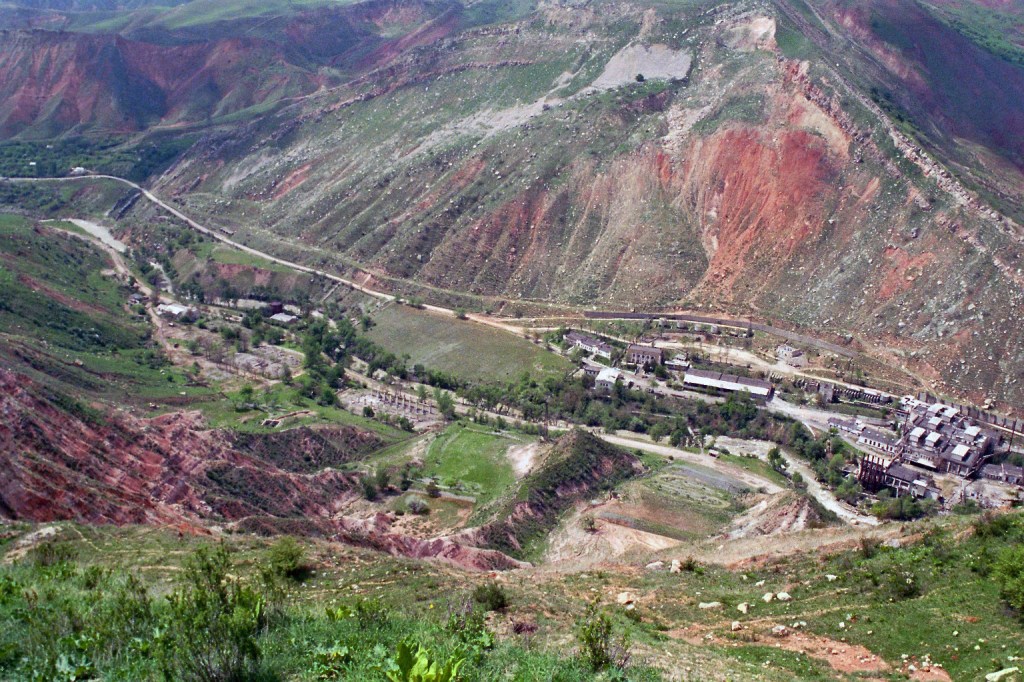
But are they really the same? If we dig deeper, to use an unwelcome metaphor, we find parallels but not necessarily equity between the impacts of renewables and nuclear. This does not excuse or justify worker abuse, human rights violations or extractive contamination in any sector. But it’s an important distinction.
First and foremost, we must look to carbon emissions. It makes sense, even if all the other downsides were equal — which they clearly are not — to at least focus on the lowest carbon emitters. And those are unquestionably renewables. Therefore, our responsibility now is to put things right in the renewable energy industry, even as we must point out, criticize and urge change in those areas that need improvement, including recycling, sustainable sourcing and human rights.
Read MoreThe great ratepayer robbery

How new nuclear rips off its customers
By Linda Clare Rogers
A recent BBC documentary called Big Oil versus the World exposed the excellent job by oil companies in fending off what could have been an existential threat to their future, at the cost of one for the rest of us. The program revealed how the oil industry brought us near to catastrophe while knowingly lying about the role of fossil fuels in creating global warming.
There are vital lessons to be learned from this about the nuclear power industry. As with the oil industry, the nuclear industry continues to mislead us about the need for nuclear power to save the planet, in order to preserve itself. And, like the oil industry, it contributes to the catastrophe of global warming.
Nuclear power stations take too long to build to help mitigate the effects of global warming, and divert money from renewable power and other more immediate means of doing so.
To add insult to injury, we, as taxpayers, are now being asked to contribute to this catastrophe by paying for the building of yet more destructive nuclear power stations. The astronomical cost of nuclear power means that the industry itself can’t and won’t take on the economic risk.
Instead, money taken from our earnings and our benefits (in the U.K, low-income people on Universal Credit are not to be exempted), to set up new nuclear build, is meant to encourage other investors to take the risk in the future. This is before the plants are actually built.
The name of the UK government scheme , or, more accurately, scam, is the Regulated Asset Base model, known as RAB. (Editor’s note: In the U.S., a similar fleecing of ratepayers exists in some states, known as Construction Work In Progress or CWIP.)
In the introduction to RAB — the Ministerial Foreword to the Statement on Procedure and Criteria for Designation — we are told that the government will be taking one nuclear project to Final Investment Decision this parliament and two projects to Final investment Decision in the next parliament, including small modular reactors. The push for this scenario is undermining safety, fleecing the taxpayers at a time of economic crisis, and disregarding the real problems increasingly associated with nuclear power.
The Nuclear Energy Financing Act 2022 implements the nuclear RAB model and is meant to facilitate investment in the design, construction, commissioning and operation of new nuclear energy generation projects.
Read MoreClimate pragmatism or Faustian bargain?
What the new US climate law does—and where it fails
By Liane Schalatek, Heinrich Böll Stiftung
Analysis: U.S. climate policy is currently putting observers through a roller coaster of emotions: just a few weeks ago, the Supreme Court limited the authority of the U.S. Environmental Protection Agency to issue far-reaching climate regulations. Now, after decades of unsuccessful legislative attempts, the U.S. Congress has passed the most comprehensive American climate legislation ever by a razor-thin majority. The $369 billion package is now law with President Biden’s recent signature. The legislation is intended to lead to drastic emissions reductions over the next decade and transform the U.S. energy sector and the U.S. economy. What some see as an expression of goal-oriented climate pragmatism, in which the perfect must not become the enemy of the good, others see as a Faustian bargain that tightens rather than loosens the fossil fuel industry’s stranglehold on the U.S. economy. So what exactly is in the package?
The sweeping climate package, embedded alongside health care and tax reforms in the surprise passage of the more than 700-page Inflation Reduction Act, represents the largest U.S. funding boost to date to reduce greenhouse gases and promote climate-friendly “green” technologies. It is roughly four times what was authorized for climate action under President Biden’s Democratic predecessor Obama in 2009 in what was then the American Recovery and Reinvestment Act. This spending is in addition to the more than $200 billion in clean energy and climate action investments that a majority Democratic Congress already approved last year in a massive infrastructure funding bill.
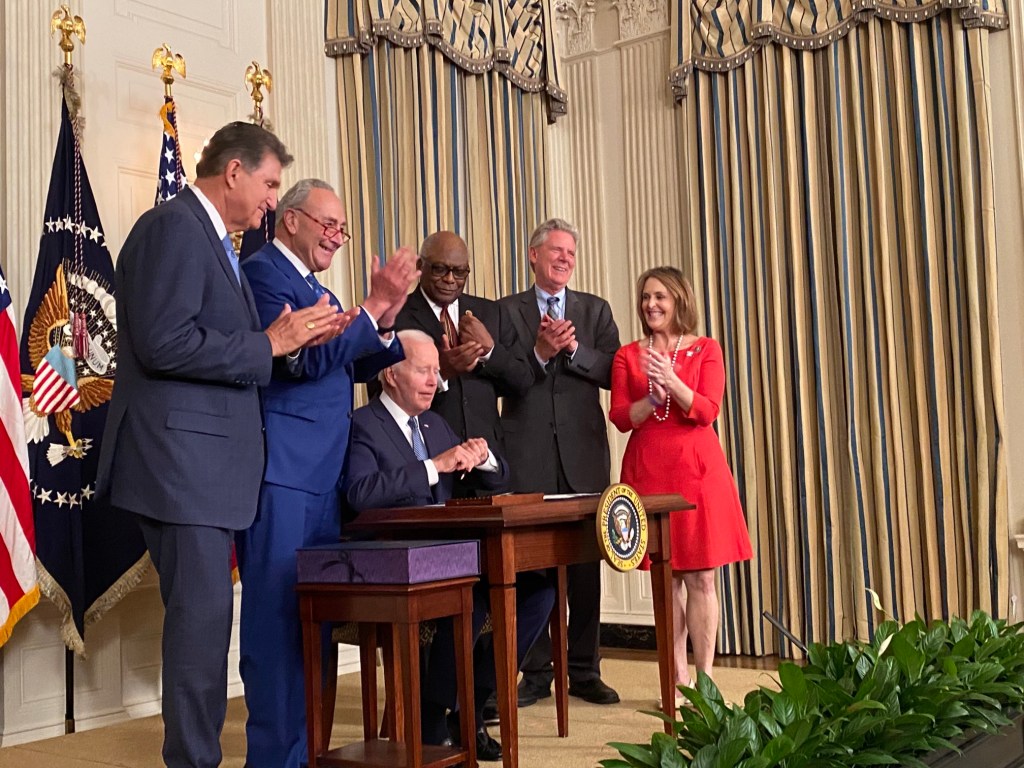
Passage of the bill is a much-needed win for the Biden administration, whose approval ratings are extremely low given the impact of inflation on American households. It comes just months before the November midterm elections, in which Republicans are expected to win.
Carrots instead of sticks: financial incentives instead of bans
The law includes neither a carbon price nor a CO2 cap under a federal emissions trading system. It also fails to radically address the main cause of climate change, namely the extraction and burning of fossil fuels. Thus, the measure clearly relies on carrots rather than sticks, in part because previous attempts to push a climate bill through Congress that relies on carbon taxation have repeatedly failed over the past several decades. Then-Vice President Al Gore’s push in 1993 failed to gain traction, as did the Markey-Waxman emissions trading plan of 2010.
So instead of punitive measures and restrictions, the package prioritizes financial support as an incentive and emphasizes how much the investments will support the American economy, create jobs and benefit consumers. This also secured the almost euphoric support of the U.S. business sector for the proposed legislation, with letters of support from more than 1,000 companies, investors and trade groups, including major oil companies, as well as labor unions. The Biden administration has purposefully pursued this approach, which justifies climate protection with green jobs and economic growth, since the beginning of his term in office as part of his reconstruction strategy to Build Back Better after the pandemic-related economic crisis.
Accordingly, the White House stressed that the Inflation Reduction Act “secures America’s position as a world leader in domestic manufacturing and clean energy supply chains,” creates and sustains “good-paying union jobs in construction and manufacturing, including in rural communities,” and lowers annual energy costs for Americans by an average of up to $1840, according to expert estimates.
Read More
