 Beyond Nuclear International
Keine Lösung ohne radikales Umdenken
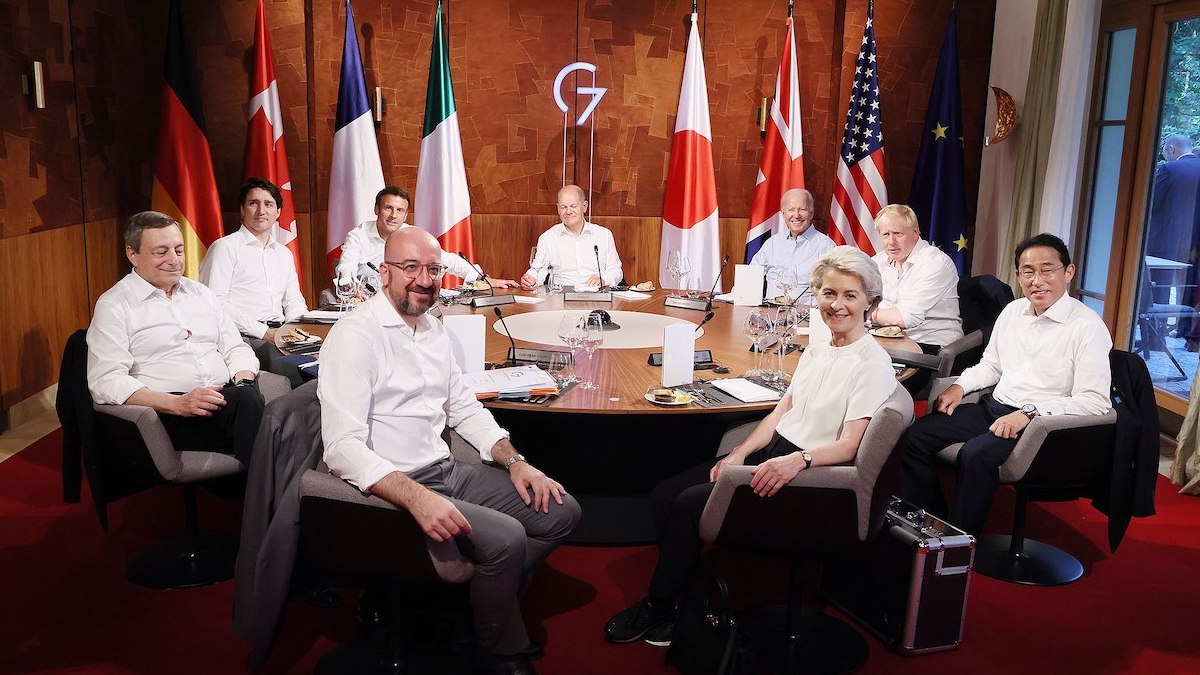
Solange Regierungschef innen noch am alten fossil-atomaren Denk- und Handlungsmuster festhalten, werden die Energieprobleme nicht gelöst
Hans-Josef Fell
EU-Präsidentin von der Leyen, Bundeskanzler Olaf Scholz, Präsident Macron, Taiwans Präsidentin Tsai Ing Wen, wie auch die meisten anderen Regierungschef*innen – sie alle zeichnet aus, dass sie in ihren wichtigen hochrangigen Funktionen die Energiesicherheit fast immer nur aus einer fossil-atomaren Brille betrachtet haben. Priorisiert haben sie immer die Geschäftsinteressen der großen Energiekonzerne, deren Fokus ein fossil-atomarer ist.
Die dadurch erzeugten geopolitischen Spannungen und den Klimaschutz haben sie in ihrer Politik der Beschaffung von Erdöl, Erdgas, Kohle und Uran untergeordnet, obwohl die Konsequenzen seit Jahrzehnten absehbar waren. Heimische Erneuerbare Energien als einzig wirkliche Lösung auch für die Energiesicherheit haben Sie nicht wirksam befördert. Damit verantworten sie zum wesentlichen Teil, dass die EU und andere Regionen heute in großer Abhängigkeit von ausländischen Energielieferungen sind und tragen große Mitschuld an den aktuellen, sich immer weiter verhärtenden Energieproblemen, geopolitischen Spannungen und der Erdaufheizung.
Nun könnte man meinen, dass sie mittlerweile neue Erkenntnisse hätten und erkennen, dass nun Alles daran gesetzt werden muss, den Ausbau der Erneuerbaren Energien mit maximaler Geschwindigkeit zu beschleunigen. Doch weit gefehlt. Es gilt der berühmte Spruch von Hermann Scheer: „Wer ein Problem geschaffen hat, kann es nicht lösen.“
Und man sieht es in ihren Handlungen und öffentlichkeitswirksamen Aktivitäten zur Eindämmung der Energiekrise. Meist besuchen die Regierungschef*innen Brennpunkte der fossilen Energiewirtschaft und suchen dort die Lösungen, wo sie nicht zu finden sind. Statt zu den Verhinderer innen des Ausbaus der Erneuerbaren Energien zu fahren und sie anzumahnen, endlich die Blockaden zu lösen, bedienen sie die Interessen der fossilen und atomaren Wirtschaft.
Bundeskanzler Olaf Scholz
So war auch Bundeskanzler Scholz immer noch nicht in Bayern, dem Land, das seit Jahren der größte Blockierer der Energiewende ist und im kommenden Winter nun besonders großen Energieproblemen gegenübersteht. Wohlgemerkt selbst verschuldet durch eine jahrelange CSU-geführte Anti-Erneuerbare Energien Politik.

Was wäre es für ein Zeichen, wenn Kanzler Scholz nach Bayern käme, sich mit den Bürgergemeinschaften treffen würde, die seit Jahren Windräder oder Freiflächensolaranlagen bauen möchten, und ihm erklären könnten, wie Söder und die CSU sie seit Jahren behindern mit 10H-Regelungen, Genehmigungsschikanen, fehlenden Flächenausweisungen und anderem. Der Druck auf Söder wäre enorm und er könnte die Blockaden nicht noch länger aufrechterhalten.
Stattdessen hat Scholz gerade einen öffentlichkeitswirksamen Termin zur Besichtigung der Siemensgasturbine für die Nordstream 1 Pipeline abgehalten, um zu dokumentieren, dass diese einsatzfähig ist. Wieder ein Einsatz für die fossile Erdgaswirtschaft. Ein Signal an Präsident Putin sollte es wohl sein. Doch der wird darüber sicherlich nur gelacht haben, ob der Zeitverschwendung eines Bundeskanzlers.
Read MoreWrecking ball
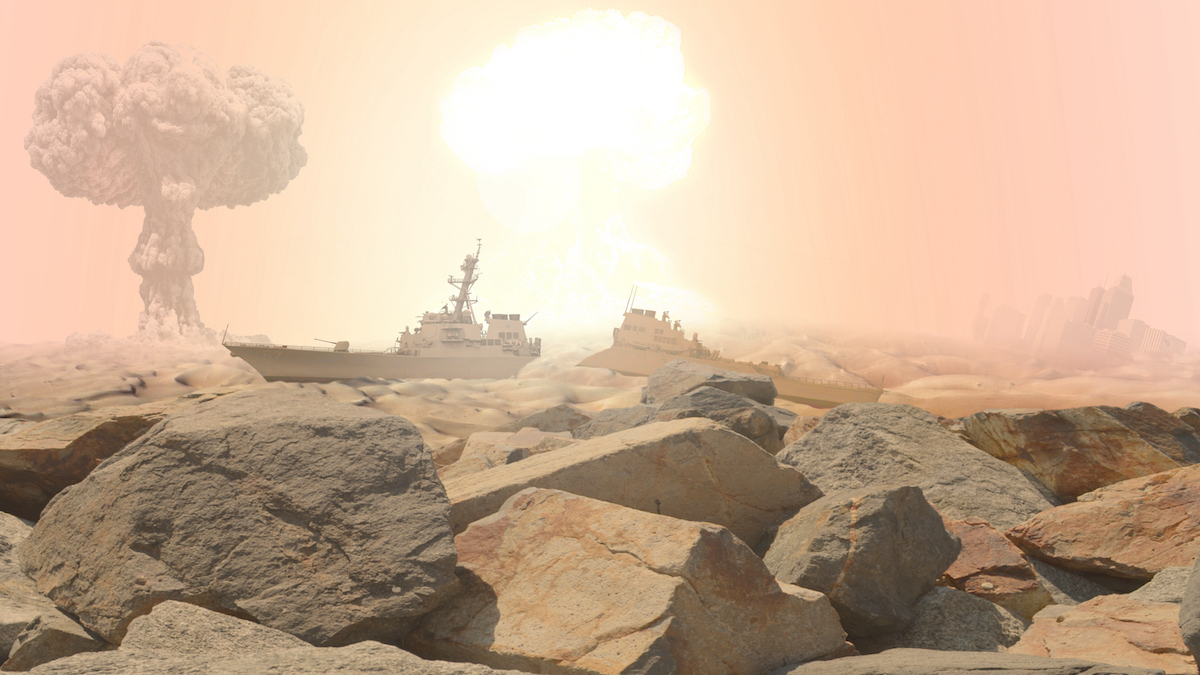
Are Russia and NATO trying to destroy the nuclear Non-Proliferation Treaty?
By Ira Helfand
Since it was adopted more than 50 years ago, the Treaty on the Non-Proliferation of Nuclear Weapons (NPT) has been described as the cornerstone of international efforts to limit the danger of nuclear war, its preservation a key, shared policy objective of the P5, the five permanent members of the United Nations Security Council. In the lead-up to this year’s NPT Review Conference, which opened on August 1 in New York, Russia and NATO are putting the treaty at risk.
The NPT was conceived as a grand bargain between nations who did not have nuclear weapons and promised not to develop them and the P5, who did have them in 1968 and promised, in Article VI of the treaty, to undertake good faith negotiations to eliminate their nuclear arsenals.
In the five decades since, these five nuclear-armed states have continued to insist that other signatories to the treaty honor their commitment not to build nuclear weapons, but they have never seriously considered meeting their obligations to disarm.
Tension over this blatant failure to uphold their end of the bargain has been growing for years and helped fuel the 2017 adoption by 121 non-nuclear-armed states of the Treaty on the Prohibition of Nuclear Weapons, a new treaty consistent with Article VI and intended to pressure the countries that have nuclear weapons to meet their obligations to get rid of them.
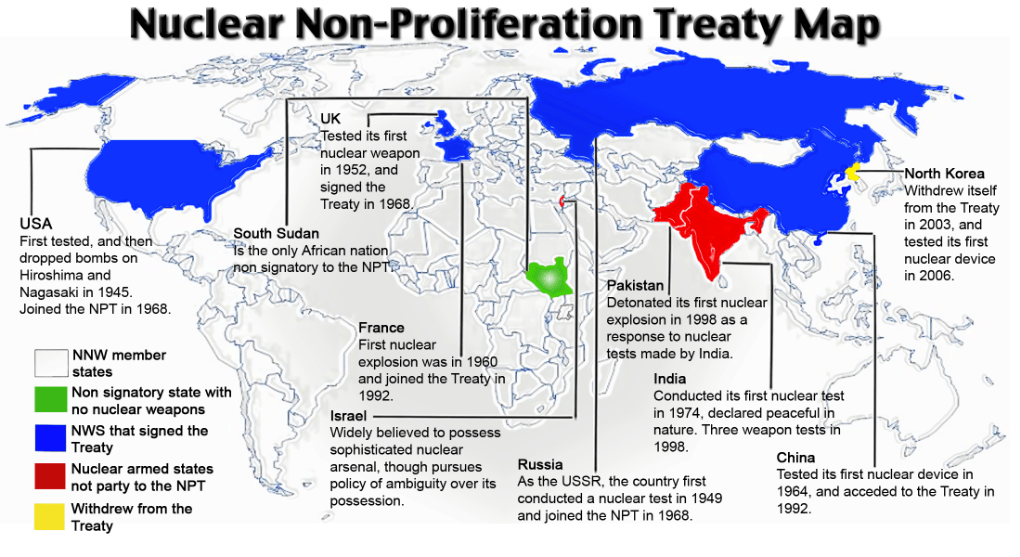
The gap between the promises of the P5 and their behavior has grown into a chasm since the Russian invasion of Ukraine. Russia has made repeated threats to use nuclear weapons and NATO — representing France, the United Kingdom and the United States — has replied with nuclear threats of its own.
Responding to this escalating danger of nuclear war, 18 Nobel Peace Laureates issued a statement in April urging Russia and NATO to pledge publicly that they will not use nuclear weapons under any circumstances in the current war. The statement was endorsed by more than 1 million people after it was posted to the Avaaz website. The response from Russia and NATO was a thunderous silence.
Read MoreThe Saudi path to nuclear weapons

Kingdom’s pursuit of nuclear power development should set off alarm bells
By Henry Sokolski
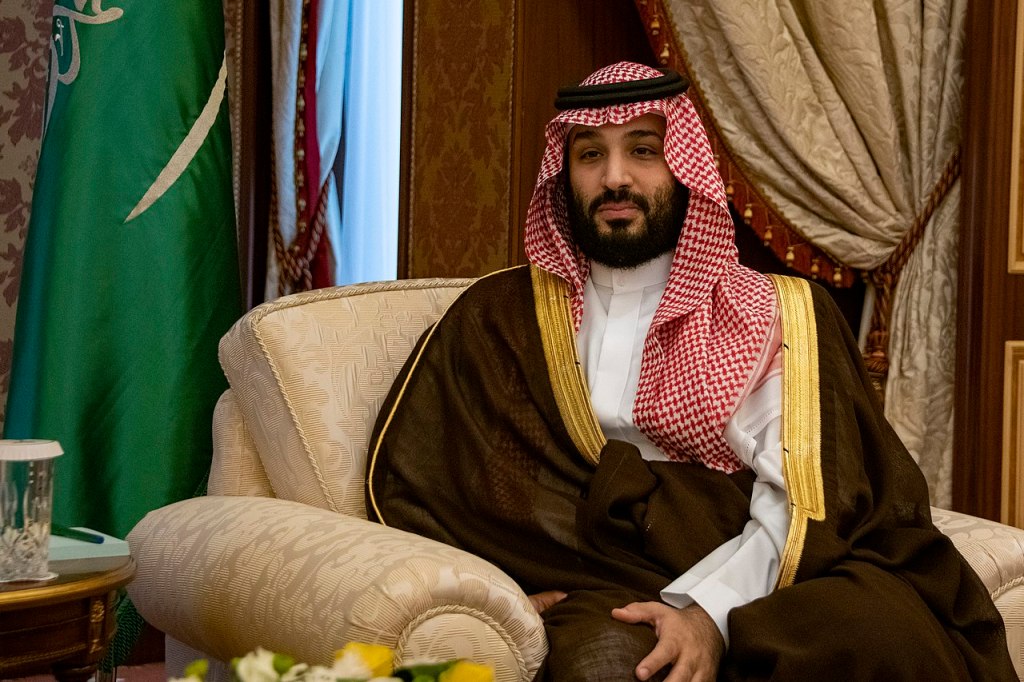
Iran’s nuclear program, oil, and human rights dominated Biden’s much-anticipated first presidential trip to the Middle East earlier this month. But there is one topic President Biden chose not to showcase during his visit with Saudi Crown Prince Mohammed Bin Salman Al Saud—the Kingdom’s most recent interest in nuclear energy—and the nuclear weapons proliferation concerns that come with it.
Only weeks before Biden’s visit, Riyadh invited South Korea, Russia, and China to bid on the construction of two large power reactors. On that bid, Korea Electric Power Company (KEPCO) is the most likely winner. KEPCO has already built four reactors for Riyadh’s neighbor, the United Arab Emirates, and is the only vendor to bring a power reactor of its own design online in the Middle East. South Korea also is the only government to provide reliable, generous financing, free of political strings—something neither Moscow nor Beijing can credibly claim.
And then, there’s this: Any Korean sale would be covered by a generous 2011 South Korean nuclear cooperative agreement with Riyadh that explicitly authorizes the Saudis to enrich any uranium it might receive from Seoul. Under the agreement, Riyadh could enrich this material by up to 20 percent, without having to secure Seoul’s prior consent.
That should set off alarm bells.
Do the Saudis want a bomb?
In 2018, Crown Prince Mohammed Bin Salman announced that “if Iran developed a nuclear bomb, we will follow suit as soon as possible.” As if to prove the point, late in 2020, word leaked that the Saudis have been working secretly with the Chinese to mine and process Saudi uranium ore. These are steps toward enriching uranium—and a possible nuclear weapon program.
Unlike the Emirates, which legally renounced enriching uranium or reprocessing spent fuel to separate plutonium, the Kingdom insists on retaining its “right” to enrich. Also, unlike most members of the International Atomic Energy Agency (IAEA), Saudi Arabia refuses to allow intrusive inspections that might help the IAEA find covert nuclear weapons-related activities, if they exist, under a nuclear inspections addendum known as the Additional Protocol.
Read More«Русский мир» Запорожской АЭС
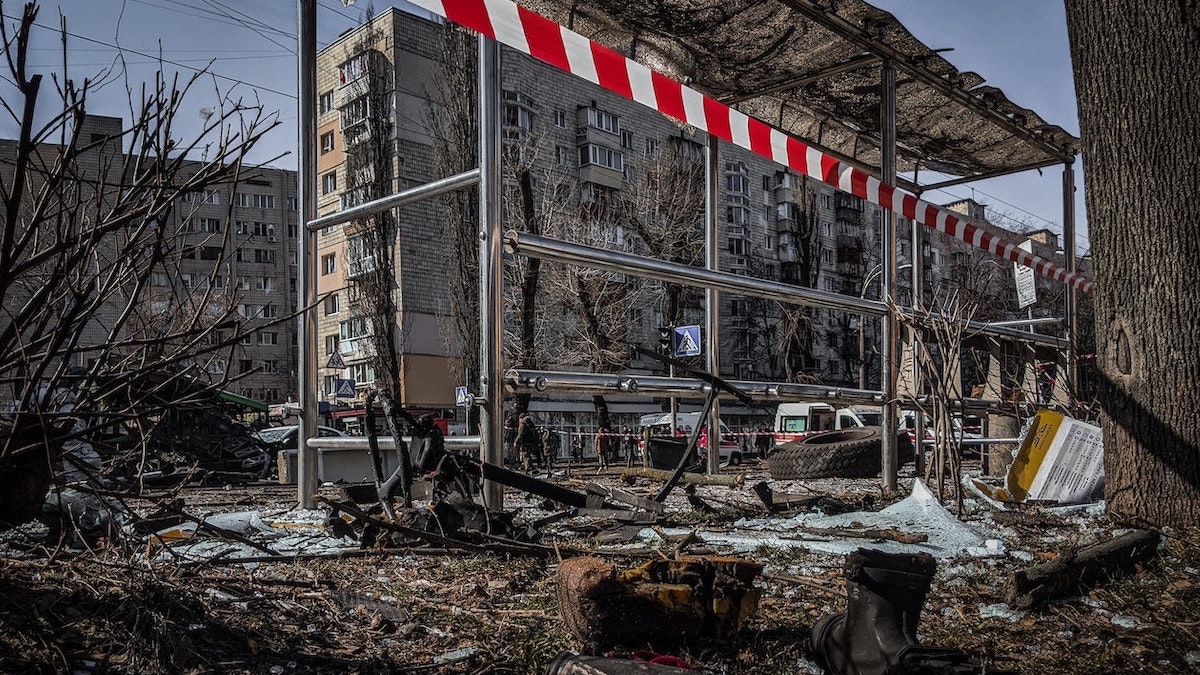
Одна заблудшая ракетаe
Потенциальная ядерная авария мирового масштаба на Запорожской АЭС снова на повестке дня. ООН и МАГАТЭ, не обращаясь к какой-либо из сторон конфликта напрямую, умоляют прекратить обстреливать атомную станцию. По сообщениям международных СМИ, российская армия разместила на территории станции не только войска, но и вооружение.
Насколько ужасна ситуация?
Хуже может быть только сама ядерная катастрофа — вроде Чернобыльской. Напомню, что тогда взорвался один реактор. Радиоактивное облако двигалось таким образом, что загрязненными оказались не только части современных Украины, Беларуси, России, но и многих стран Европы. Часть радиации долетела до Африки и даже до Северной Америки.
На Запорожской АЭС установлено шесть реакторов.
Возможна ли крупная авария? Вполне. Для этого достаточно обесточить АЭС, разрушив линии электропередач, — и вроде как по этим линиям уже стреляют. Аварийные генераторы, конечно, смогут какое-то время снабжать станцию энергией, если только они исправны, но это вопрос часов.
Вспоминается, как одна из российских АЭС оказалась на грани аварии в начале 1990-х годов, когда ураган повалил линии электропередач, а генераторы оказались неисправны. Даже войны не понадобилось.
Реакторы — не единственный источник опасности. На площадке Запорожской АЭС в контейнерах хранится отработавшее ядерное топливо, наиболее опасный вид ядерных отходов. Бомбардировка этой площадки также приведет к одной из крупнейших ядерных аварий в истории. В 1957 году на челябинском предприятии «Маяк», в то время секретном, произошел взрыв в хранилище ядерных отходов — радиоактивное загрязнение распространилось примерно на 20 тыс. кв. км территории СССР.
Read MoreOne errant missile away
But war is not the only risk at besieged nuclear plant
By Vladimir Slivyak
(Note: This text below a Deepl translation from the Russian of an opinion piece in the Moscow Times. The Russian version is also republished on Beyond Nuclear International.)
A potential worldwide nuclear accident at the Zaporizhzhia nuclear power plant is back on the agenda. The UN and the IAEA, without addressing any of the parties to the conflict directly, are pleading for an end to the shelling of the nuclear plant. According to international media reports, the Russian army has deployed not only troops but also weapons on the territory of the plant.
How bad is the situation?
Only a nuclear catastrophe, like the one at Chernobyl, can be worse. Let me remind you that one reactor exploded then. The radioactive cloud moved in such a way that not only parts of the present-day Ukraine, Belarus, and Russia, but also many countries in Europe became contaminated. Part of the radiation reached Africa and even North America.
There are six reactors at the Zaporizhzhia nuclear power plant.
Is a major accident possible? Quite possible. It is enough to de-energize the plant by destroying the power lines — and these lines are already being shot at. The emergency generators, of course, will be able to supply power to the plant for some time, as long as they are in good order, but it’s a matter of hours.
I recall a Russian nuclear power plant on the verge of an accident in the early 1990s, when a hurricane brought down power lines and the generators were out of order. Not even a war was needed.

Reactors are not the only source of danger. At the Zaporizhzhia nuclear power plant site, spent nuclear fuel, the most dangerous type of nuclear waste, is stored in containers. Bombing this site would also lead to one of the biggest nuclear accidents in history. In 1957, there was an explosion at the then-secret Chelyabinsk-based Mayak nuclear waste storage facility — radioactive contamination spread to some 20,000 square kilometers of Soviet territory.
Read MoreWoolly sweaters aren’t so bad

Dialing down consumption is the answer to replacing Russian oil and gas
By Paul Hockenos
This is the way energy efficiency works, say the experts: skimp here and there, shave a degree off heating processes, reduce speed limits by 10 km/h, insulate doors and windows. Bit-piece skrimping adds up quickly – very quickly – and could help the West immensely in dealing with a stop to Russian energy imports.
Of course, renovating old buildings and outfitting new ones with state-of-the-art energy efficiency and generation capacities is the long-term strategy that experts say is a game changer. Industries have to get energy smart, too, and revamp technology in ways that will, among other things, save them money.
But the low-hanging fruit is much easier to pick – and will be the go-to measures should energy from Russia be cut off abruptly. According to the International Energy Agency, for example, households and buildings turning down the thermostat by 1 degree Celsius in Europe would save about 10bn cubic metres of gas within a year, a useful saving on total Russian gas imports of 155bn cubic metres, if implemented alongside other such measures. German experts say double the impact by dialing back by 2 degrees – and taking short showers, turning off the lights, and shutting doors at home. This could cut back gas consumption in Germany by as much as 10 percent.
Can’t we all wear extra thick sweaters in solidarity with the people of Ukraine? It’s not too much to ask, I think.

The Belgian think tank Bruegel argues that energy conservation in residences can be promoted with either regulation or economic incentives. Public and private buildings can be required to reduce heating or encouraged to do so through “saving-bonuses” paid on the basis of energy saved.
Read More Beyond Nuclear International