 Beyond Nuclear International
Nuclear baloney
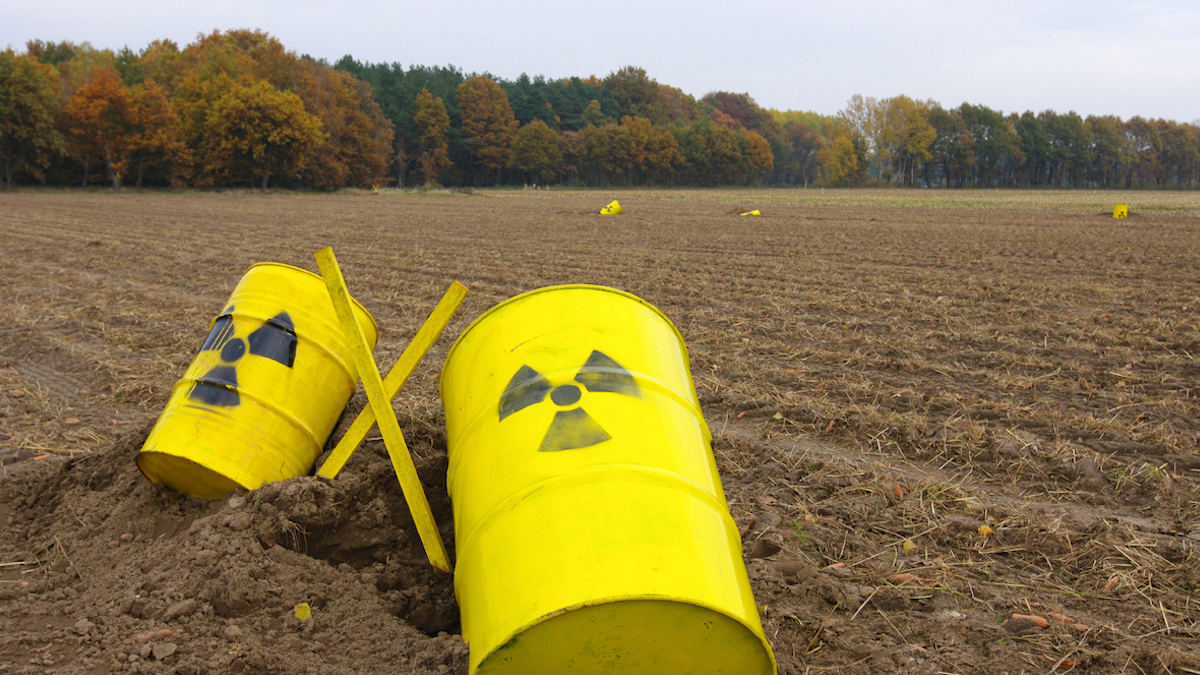
AP story on states’ nuclear choice fails to point out key realities
By Linda Pentz Gunter
There are geniuses amongst us. We just didn’t know it. They are the supporters of nuclear power, who, according to the Associated Press, “say the risks can be minimized” when it comes to the perpetual and unsolved problem of long-lived, high-level radioactive waste — the main by-product of generating electricity using nuclear power.
This observation comes within an AP story headlined: “Majority of US states pursue nuclear power for emission cuts”, and which has garnered significant pickup in numerous media outlets. (However, we never do learn the secret to precisely how nuclear waste risks can be “minimized”.)
The agency surveyed “the energy policies in all 50 states and the District of Columbia,” finding that “about two-thirds” plan to use nuclear power to replace fossil fuels.
The mantra about solving the nuclear waste problem has been repeated since the dawn of the Nuclear Age, coming up on 80 years this December. That was when, on December 2, 1942, the first cupful of radioactive waste was generated, a result of the first self-sustaining nuclear chain reaction achieved at the Chicago Pile-1 by Enrico Fermi and his team.

At that time, scientists knew that radioactive waste was a problem, but assumed it would be solved later. Well, here we are at “later” and it’s still unsolved. Now, “minimizing” rather than solving the problem is apparently justification enough to keep using this dangerous technology.
Read MoreA big pile of PU
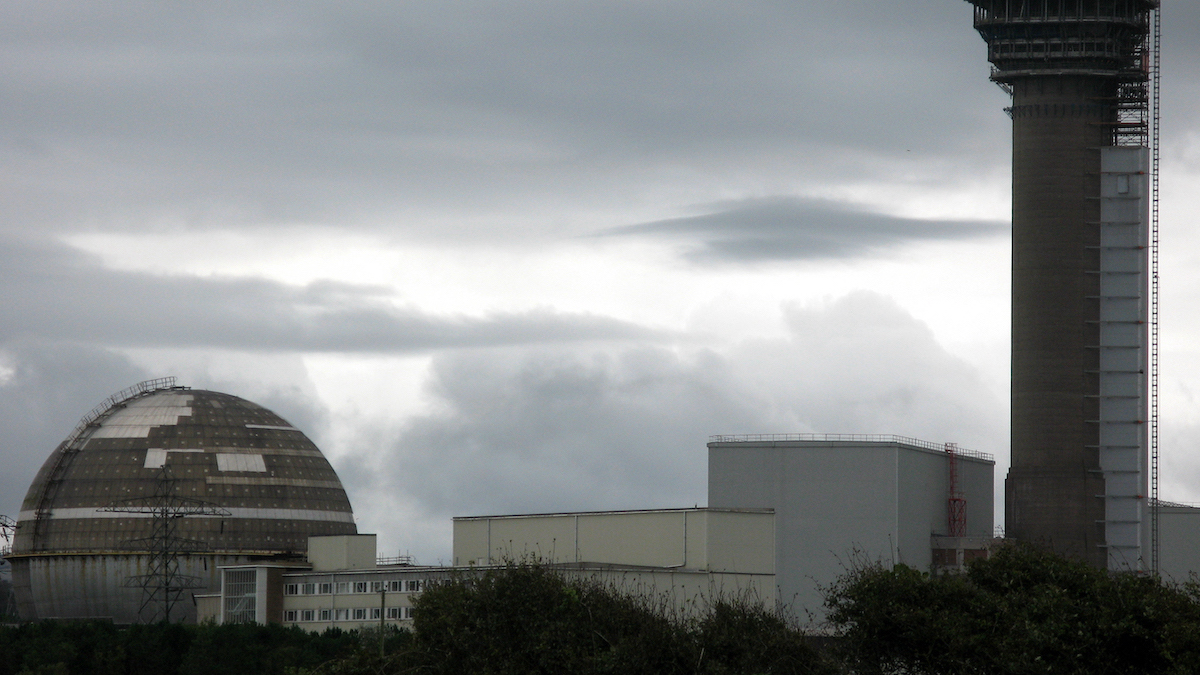
120 tons of plutonium is legacy of Britain’s dirty decades of reprocessing
By Paul Brown, The Energy Mix
Seventy years after the United Kingdom first began extracting plutonium from spent uranium fuel to make nuclear weapons, the industry is finally calling a halt to reprocessing, leaving the country with 120 tons of the metal, the biggest stockpile in the world. However, the government has no idea what to do with it.
Having spent hundreds of billions of pounds producing plutonium in a series of plants at Sellafield in the Lake District, the UK policy is to store it indefinitely—or until it can come up with a better idea. There is also 90,000 tons of less dangerous depleted uranium in warehouses in the UK, also without an end use.
Plans to use plutonium in fast breeder reactors and then mixed with uranium as a fuel for existing fission reactors have long ago been abandoned as too expensive, unworkable, or sometimes both. Even burning plutonium as a fuel, while technically possible, is very costly.
The closing of the last reprocessing plant, as with all nuclear endeavours, does not mean the end of the industry, in fact it will take at least another century to dismantle the many buildings and clean up the waste. In the meantime, it is costing £3 billion a year to keep the site safe.
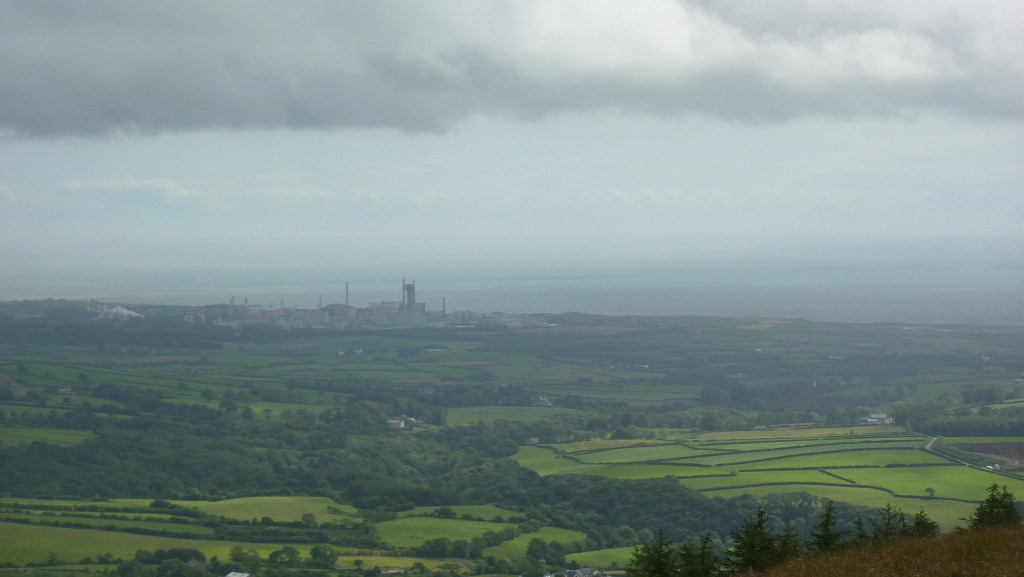
Perhaps one of the strangest aspects of this story to outside observers is that, apart from a minority of anti-nuclear campaigners, this plutonium factory in one of prettiest parts of England hardly ever gets discussed or mentioned by the UK’s two main political parties. Neither has ever objected to what seems on paper to be a colossal waste of money.
The secret of this silence is that the parliamentary seats in the Lake District are all politically on a knife-edge. No candidate for either Conservative or Labour can afford to be anti-nuclear, otherwise the seat would certainly go to the opposition party.
Read MoreGrim(m) news

Europe writes its own fairly tale on nuclear power and fossil gas
By Linda Pentz Gunter
The brothers Grimm are alive and well and they just wrote a new fairy tale. It doesn’t have a very alluring title — The Taxonomy Complementary Climate Delegated Act (Act)— but it is packed full of fantasy.
The February 2nd European Commission (EC) document of that name is the culmination of a whole masterwork of myths that preceded it to establish what is known as the EU Taxonomy. It lays out the Commission opinion “that there is a role for private investment in gas and nuclear activities in the transition” to European climate neutrality.
The EU Taxonomy “is a classification system, establishing a list of environmentally sustainable economic activities” and “would provide companies, investors and policymakers with appropriate definitions for which economic activities can be considered environmentally sustainable.”
This kiss to turn nuclear “green” was not unexpected. France, famous for its fairy tales and who we’ll try not to refer to as the Frog Prince, had been lobbying hard for the inclusion of nuclear power for months. To mix magic metaphors, the EC happily ate the poisoned apple.
If you feel like you are disappearing down a labyrinth as we begin to untangle this here, you are not alone.
The February 2 announcement amended the earlier Taxonomy Climate Delegated Act. Feeding into all this was the Joint Research Center’s report — Technical assessment of nuclear energy with respect to the ‘do no significant harm’ criteria of Regulation (EU) 2020/852 (‘Taxonomy Regulation’) (also thankfully known as ‘The JRC Report’).
The JRC Report was reviewed in an “Opinion” by the Group of Experts referred to in Article 31 of the Euratom Treaty (yes, that’s the group’s actual name).
It was also assessed by “experts” from the Scientific Committee on Health, Environmental and Emerging Risks, known as the “SCHEER” group. (I am sure the late great Hermann Scheer, who founded the International Renewable Energy Agency and wrote that “Nuclear energy belongs in a museum” must be rolling in his grave.)
There was also a more critical view published on January 21, 2022, by the EU’s Technical Expert Group (TEG) from the Platform on Sustainable Finance, which called out the Act’s acceptance of nuclear power and fossil gas in the Taxonomy as “greenwashing.”

Who are all these “experts”? Good luck sorting that out. Christiana Maria Mauro, a legal advocate who also works with Nuclear Transparency Watch, had a go at getting the names — and declarations of interest — of the Euratom 31 group under freedom of information laws and got stonewalled for months until the Euratom Supply Agency finally coughed up the list.
Read MoreCaught between nostalgia and science fiction
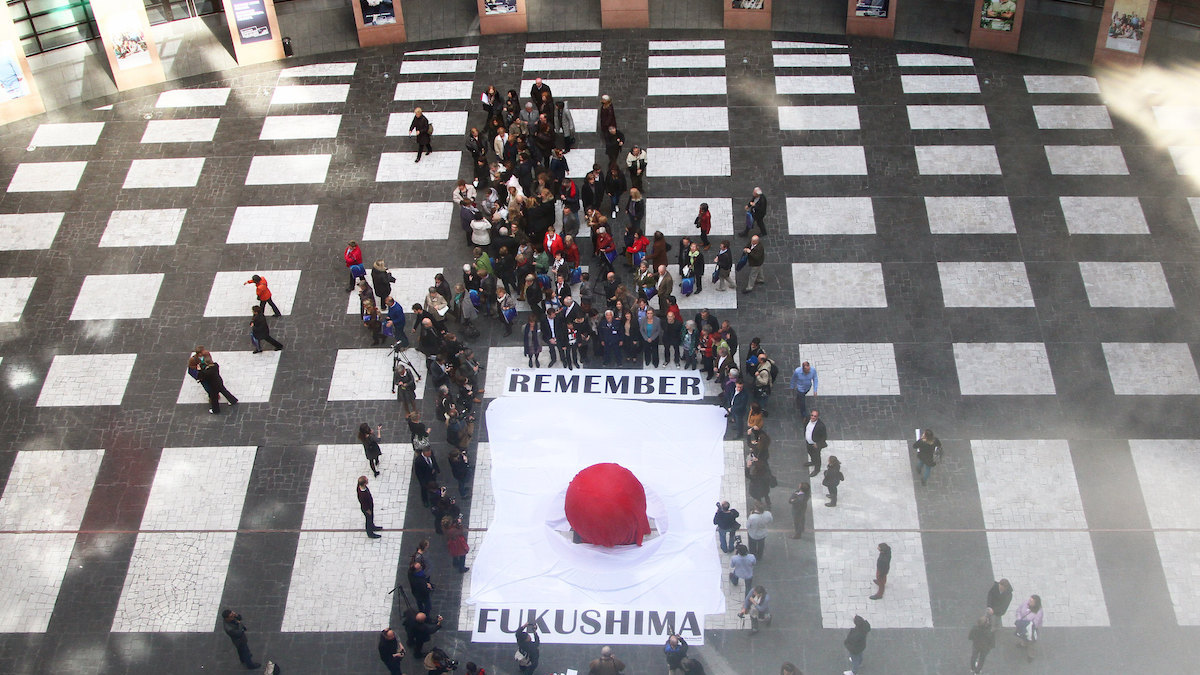
Swapping one dangerous technology for another isn’t progress
By Linda Pentz Gunter
It’s starting to sound a lot like a Christmas carol as a growing chorus of voices clamors to stop the European Union from including nuclear power in its “green taxonomy.”
Six countries, five former Japanese prime ministers, four former nuclear regulators, a bunch of French hens (at least 20 protesters), and two heads of Italy’s major energy behemoth, have all spoken out in recent weeks against rebranding dangerous, expensive nuclear power as “sustainable” energy or even a bridge to an all renewable future.
The youth climate movement, Fridays for the Future, have also condemned the potential inclusion of nuclear power in the EU Taxonomy as “greenwashing”, with spokesperson Luisa Neubauer telling Euractiv that Germany “can phase out both coal and nuclear power and enter the renewable age.” Why, she asked, would you “swap one high risk technology, coal, for another high risk technology? And maybe those risks aren’t quite the same, but the risks attached to nuclear energy, people have experienced that.” In addition, the costs for nuclear power, she said are “in a different galaxy” compared to renewables.
Francesco Starace, a nuclear engineer by training and the head of Enel, the Italian multinational energy company, said of nuclear power, “we can’t stay halfway between nostalgia for the past and hope in science fiction”. Enel Green Power head, Salvatore Bernabei, said “we don’t intend to invest in nuclear, obviously.”
Said Starace: “We must act now because the red alert for humanity has gone off and the next ten years will be crucial. There is only one road and it is already marked: electrification, renewables and batteries”.
Read More“Nuclear warfare without bombs”
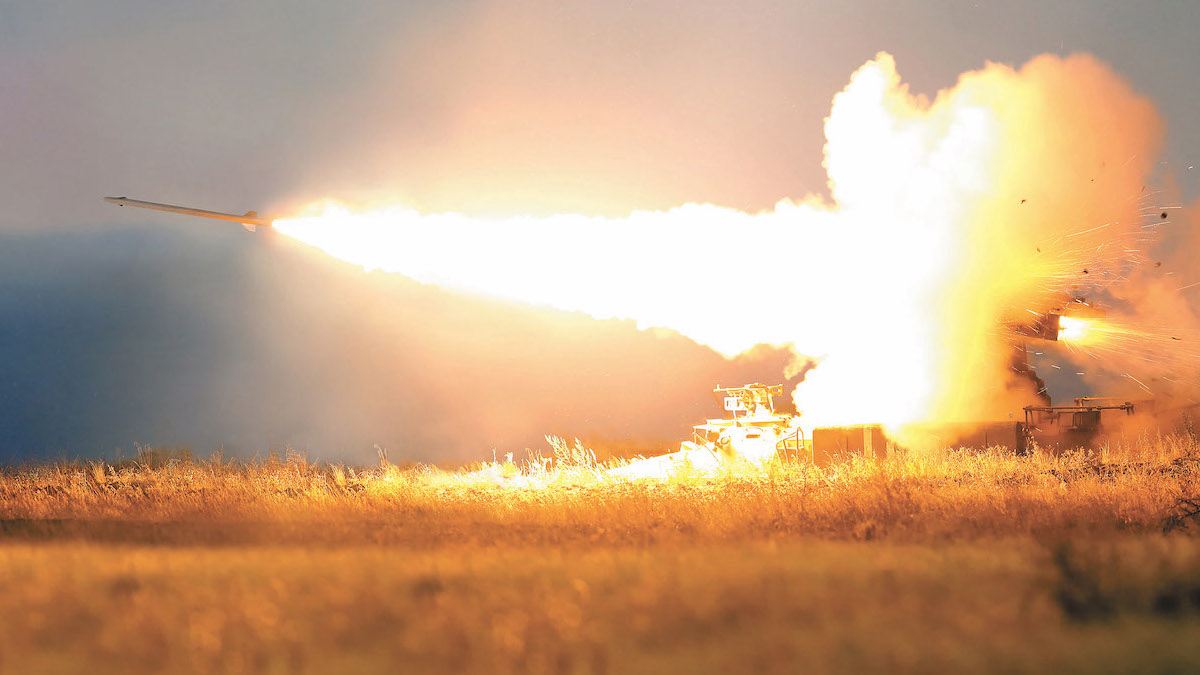
Ukraine’s reactors could be in the line of fire
By Linda Pentz Gunter
As Craig Hooper so chillingly warned us in his December 28, 2021 article for Forbes, a Russian invasion of Ukraine, “could put nuclear reactors on the front line of military conflict.” The result, he said, depending on the tactics deployed by the Russians, could be equivalent to “nuclear warfare without bombs.”
It’s yet one more reminder of just how much an already perilous situation can become orders of magnitude worse, once you introduce the risk of major radioactive releases into the equation.
There are 15 reactors in Ukraine providing about 50% of the country’s electricity. Hooper’s article speculates not only on what could happen if any one of these nuclear sites — such as the six-reactor VVER-1000 complex at Zaporizhzhia — should find itself in the midst of armed conflict or bombardment. He also postulates intentional sabotage by Russia as a strategic measure — “allowing reactors to deliberately melt down and potentially contaminate wide portions of Europe.”
This may sound far-fetched, or, at least, we hope it does. And the Forbes article roundly condemns Russia without factoring in the bristling U.S.-led buildup of NATO armaments on the border, none of which is easing tensions, and which only worsens the likelihood that Ukraine’s nuclear plants could find themselves literally in the line of fire. (For an interesting assortment of perspectives from all sides, endeavoring to unravel the complexities of this situation, Better World Info provides a useful resource.)
Either way, the vulnerability of operating reactors in Ukraine is a danger that is not taken nearly seriously enough. As far as I can tell, Hooper’s is the only article on the still unfolding tension between Russia and Ukraine that has even mentioned the risks posed by those 15 reactors. (A wind farm in a war zone comes with no such hazards.)
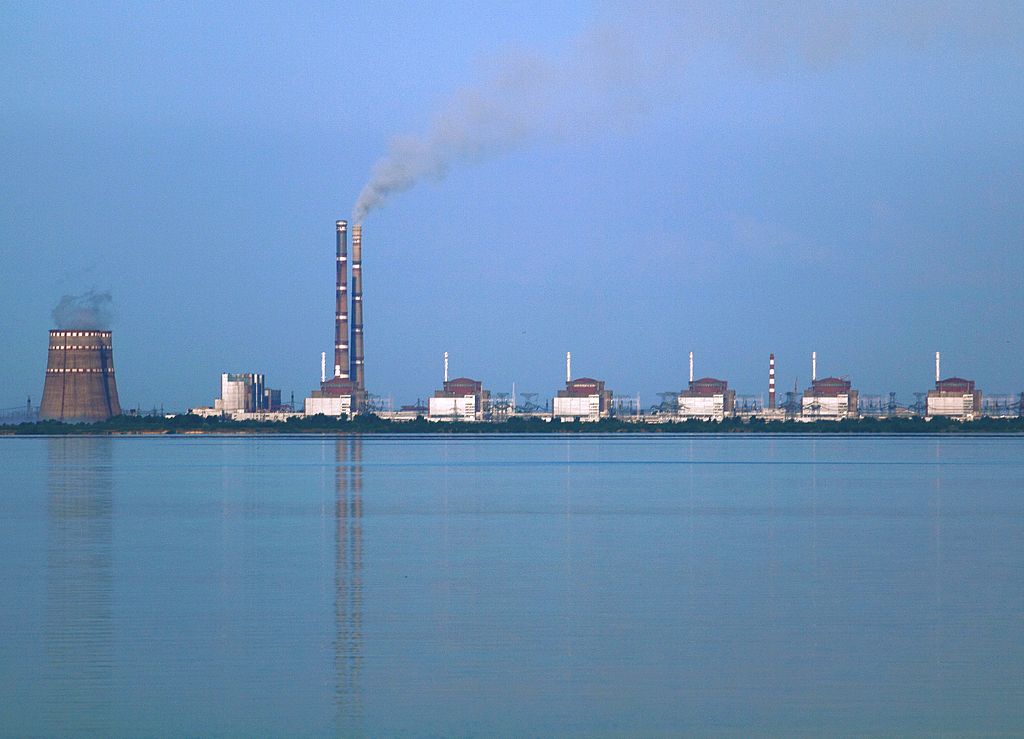
Instead, the implications of a radiological disaster ensuing should Russia indeed invade Ukraine, have been largely ignored in favor of panic over a potential energy crisis in Europe, should Russia cut off gas supplies in an effort to dampen European support for Ukraine in the on-going dispute.
This is in itself is a reminder that Europe could have avoided such dependence on imported fossil fuels — while at the same time contributing to a meaningful reduction in greenhouse gas emissions — by developing home-grown renewable energy decades ago, when climate change was already recognized as a threat.
Read MoreA (too) well kept secret
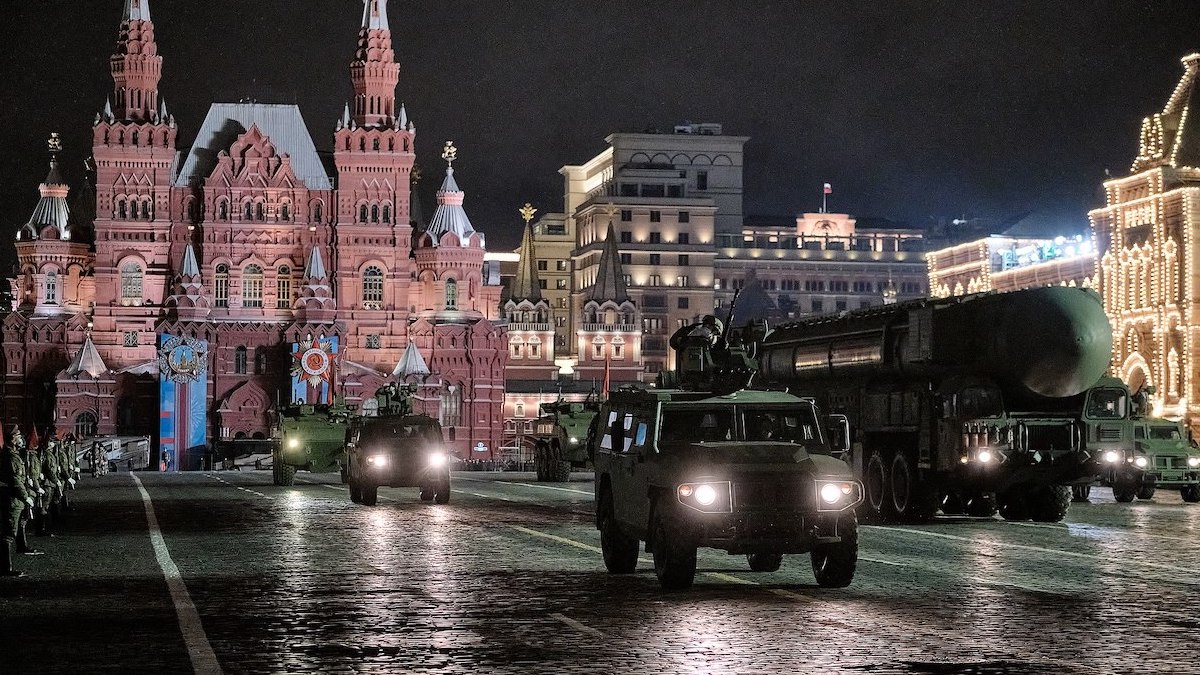
People the world over love the ban treaty. In the US, almost no one’s heard of it
By Lawrence Wittner
Late January of this year will mark the first anniversary of the entry into force of the UN Treaty on the Prohibition of Nuclear Weapons. This momentous international agreement, the result of a lengthy struggle by the International Campaign to Abolish Nuclear Weapons (ICAN) and by many non-nuclear nations, bans developing, testing, producing, acquiring, possessing, stockpiling, and threatening to use nuclear weapons. Adopted by an overwhelming vote of the official representatives of the world’s nations at a UN conference in July 2017, the treaty was subsequently signed by 86 nations. It received the required 50 national ratifications by late October 2020, and, on January 22, 2021, became international law.
Right from the start, the world’s nine nuclear powers—the United States, Russia, China, Britain, France, Israel, India, Pakistan, and North Korea—expressed their opposition to such a treaty. They pressed other nations to boycott the crucial 2017 UN conference and refused to attend it when it occurred. Indeed, three of them (the United States, Britain, and France) issued a statement declaring that they would never ratify the treaty. Not surprisingly, then, none of the nuclear powers has signed the agreement or indicated any sympathy for it.
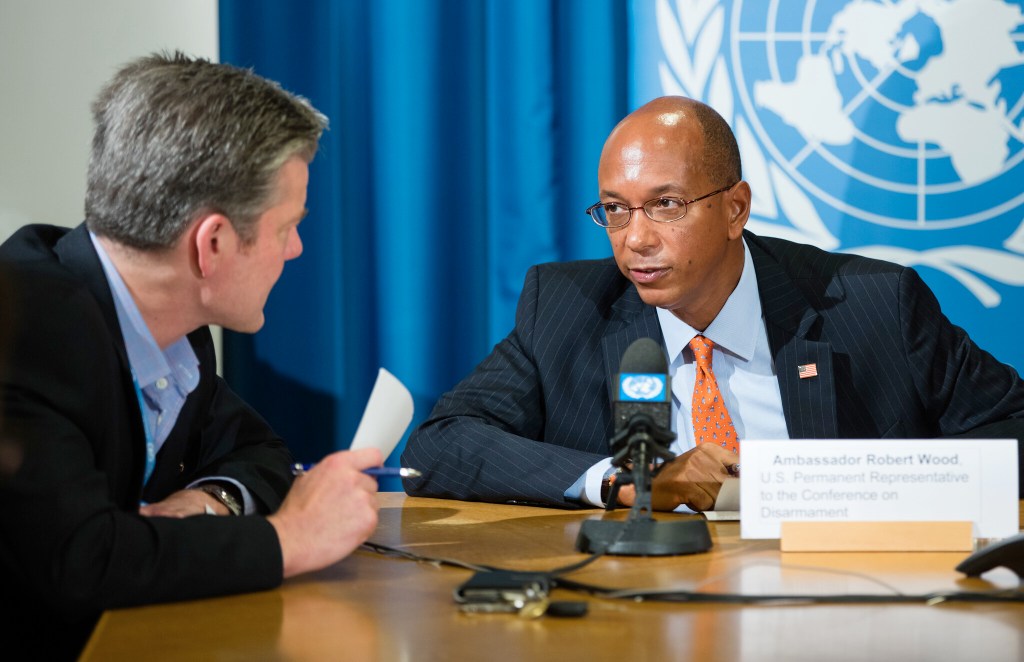
Even so, the Treaty on the Prohibition of Nuclear Weapons has acquired considerable momentum over the past year. During that time, an additional nine nations ratified it, thus becoming parties to the treaty. And dozens more, having signed it, are expected to ratify it in the near future. Furthermore, the governments of two NATO nations, Norway and Germany, have broken free from the U.S. government’s oppositional stance to the treaty and agreed to attend the first meeting of the countries that are parties to it.
In nations where public opinion on the treaty has been examined, the international agreement enjoys considerable support. YouGov opinion polls in five NATO countries in Europe show overwhelming backing and very little opposition, with the same true in Iceland, another NATO participant. Polling has also revealed large majorities in favor of the treaty in Japan, Canada, and Australia.
In the United States, where most of the mainstream communications media have not deigned to mention the treaty, it remains a well-kept secret. Even so, although a 2019 YouGov poll about it drew a large “Don’t Know” response, treaty support still outweighed opposition by 49 to 32 percent. Moreover, when the U.S. Conference of Mayors, representing 1,400 U.S. cities, met in August 2021, the gathering unanimously approved a resolution praising the Treaty on the Prohibition of Nuclear Weapons.
Read More Beyond Nuclear International