 Beyond Nuclear International
Time for a course correction?

M.V. Ramana warns that the nuclear threat does not hold the power to mobilize people as it once did
Ever since the world learnt of nuclear weapons in 1945 following the destruction of Hiroshima and Nagasaki, the necessity of abolishing them has been widely recognized, starting with the very first resolution of the United Nations. People around the world have worked to eliminate the nuclear threat since then.
The capacity for mass destruction has grown manifold since 1945 and is possessed by many more countries. Between them, nuclear weapon states possess close to 10,000 nuclear weapons and have invested in efforts to assure that these weapons remain destructive and usable. Threats to use nuclear weapons have been bandied about with regularity, including by Russian officials and Israeli officials. U.S. President Donald Trump has called for resuming nuclear weapons testing. Countries are also trying to expand nuclear energy, which would increase the capacity of countries to make nuclear weapons.
Nuclear weapons are not the only way states can kill people. These weapons, as peace activist Ray Acheson has argued, “are part of the spectrum of institutionalized violence” and operate “at the intersection of patriarchal, racist, colonial, and capitalist oppressions”. To indulge in a pun, we should not confine nuclear disarmament to its own silo.
On this spectrum of state violence are militaries and the weapons they wield. States are continuously expanding the capacity to engage in militarized violence. According to the Stockholm International Peace Research Institute, global military expenditure in 2024 reached US$2.7 trillion, “completing a full decade of consecutive annual rises” with “more than 100 countries” increasing their military expenditures.

Even as one might trace these increased expenditures to specific events—Russia’s invasion of Ukraine or Israel’s genocidal assault on Gaza, are examples—there is also continuity. As the historian E. P. Thompson argued in response to the military buildup under U.S. President Reagan: “The long waves of the armourers do not move in phase with the waves of diplomatic confrontation. Each international crisis legitimates the process, and strengthens the upswing”.
Read MoreTrump regulators ripped

Rushed approval of Bill Gates’ reactor comes with risks, writes Brett Wilkins with Common Dreams
A leading nuclear safety expert has sounded the alarm over the Trump administration’s expedited safety review of an experimental nuclear reactor in Wyoming designed by a company co-founded by tech billionaire Bill Gates and derided as a “Cowboy Chernobyl.”
On December 1, the US Nuclear Regulatory Commission (NRC) announced that it has “completed its final safety evaluation” for Power Station Unit 1 of TerraPower’s Natrium reactor in Kemmerer, Wyoming, adding that it found “no safety aspects that would preclude issuing the construction permit.”
Co-founded by Microsoft’s Gates, TerraPower received a 50-50 cost-share grant for up to $2 billion from the US Department of Energy’s Advanced Reactor Demonstration Program. The 345-megawatt sodium-cooled small modular reactor (SMR) relies upon so-called passive safety features that experts argue could potentially make nuclear accidents worse.

However, federal regulators “are loosening safety and security requirements for SMRs in ways which could cancel out any safety benefits from passive features,” according to Union of Concerned Scientists nuclear power safety director Edwin Lyman.
The reactor’s construction permit application—which was submitted in March 2024—was originally scheduled for August 2026 completion but was expedited amid political pressure from the Trump administration and Congress in order to comply with an 18-month timeline established in President Donald Trump’s Executive Order 14300.
Read MoreThe SMR boom will soon go bust

Excessively hyped small modular reactors are living on borrowed time, writes Ben Kritz in The Manila Times
One sign that the excessively hyped concept of small modular reactors (SMRs) is now living on borrowed time is the lack of enthusiasm in the outlook from energy market analysts, whether they are individuals such as Leonard Hyman, William Tilles, and Vaclav Smil, or big firms such as JP Morgan and Jones Lang LaSalle. None of them are optimistic that the sector will be productive before the middle of next decade, and the more critical ones are already predicting that it will never be, and that the “SMR bubble” will burst before the end of this one. My frequent readers will already know that I stand firmly with the latter view; basic market logic, in fact, makes any other view impossible.

In a recent commentary for Oil Price.com, one of the rather large number of online energy market news and analysis outlets, Hyman and Tilles predicted that the SMR bubble will burst in 2029. They based this on the reasonable observation that power supply forecasts are typically done on a three- to five-year timeframe. The fleet of SMRs that are currently expected to be in service between 2030 and 2035 simply will not be there, so energy planners will at a minimum omit them from the next planning window, and might decide to forget about them entirely. Deals will dry up, investors will dump their stocks or stop putting venture capital into SMR developers, and those developers will find themselves bankrupt.
That is an entirely plausible and perhaps even likely scenario, but the SMR bubble may burst much sooner than that, perhaps even as soon as next year, because of the existence of the other tech bubble, artificial intelligence, or AI, an acronym that in my mind sounds like “as if.”
Read MoreDoes Britain really need nuclear power?
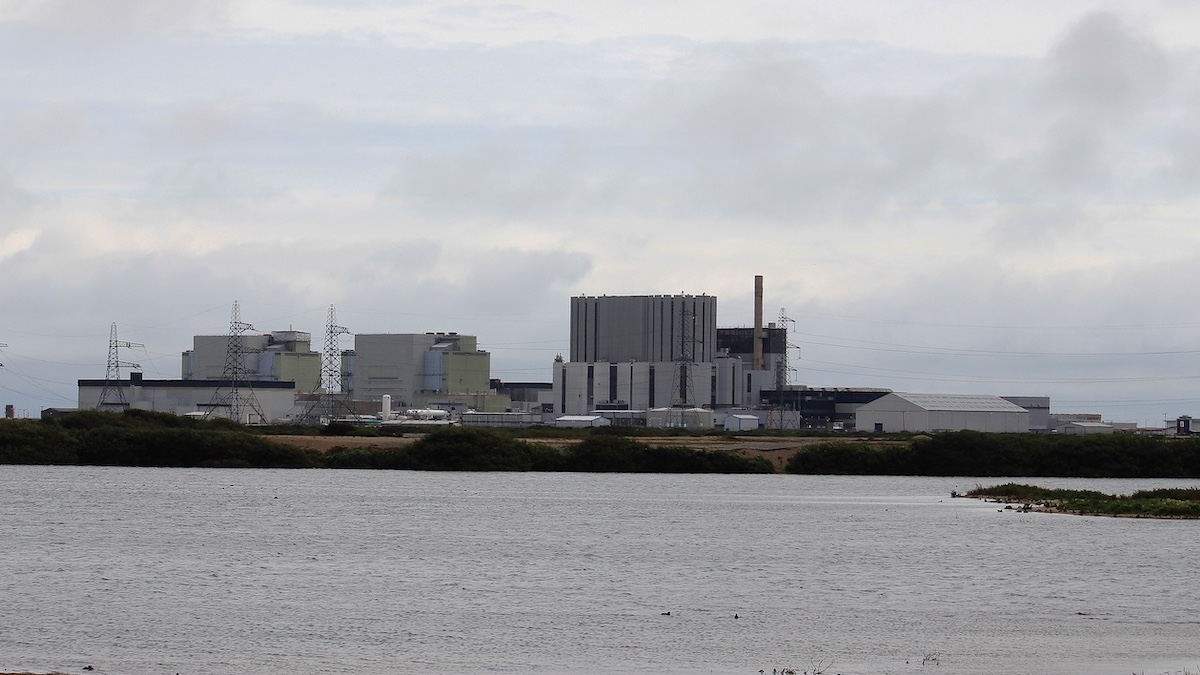
It doesn’t, but the link to nuclear weapons is the key driver, writes Ian Fairlie
In recent months, the government has continued to promote nuclear reactors. For example, the Energy Secretary is now asking GB Energy to assess sites to be used to host new nuclear reactors. And the Prime Minister continues to push for so-called Small Modular Reactors and has backed the US President’s wishful thinking of ‘a golden age of nuclear’.
But these announcements and proposals are mostly pie-in-the-sky statements and should be treated with a pinch (or more) of salt, as the reality is otherwise.
Let’s look at what is happening in the rest of the world. Last year, a record 582 GW of renewable energy generation capacity was added to the world’s supplies: almost no new nuclear was added.
Indeed, each year, new renewables add about 200 times more global electricity than new nuclear does.
Of course, there are powerful economic arguments for this. The main one is that the marginal (i.e. fuel) costs of renewable energy are close to zero, whereas nuclear fuel is extremely expensive. Nuclear costs – for both construction and generation – are very high and rising, and long delays are the norm. For example, the proposed Sizewell C nuclear station is now predicted to cost £47 billion, with the government and independent experts acknowledging even this estimate may rise significantly. The upshot is that new nuclear power means massive costs, a poisoned legacy to future generations, and whopping radioactive pollution.
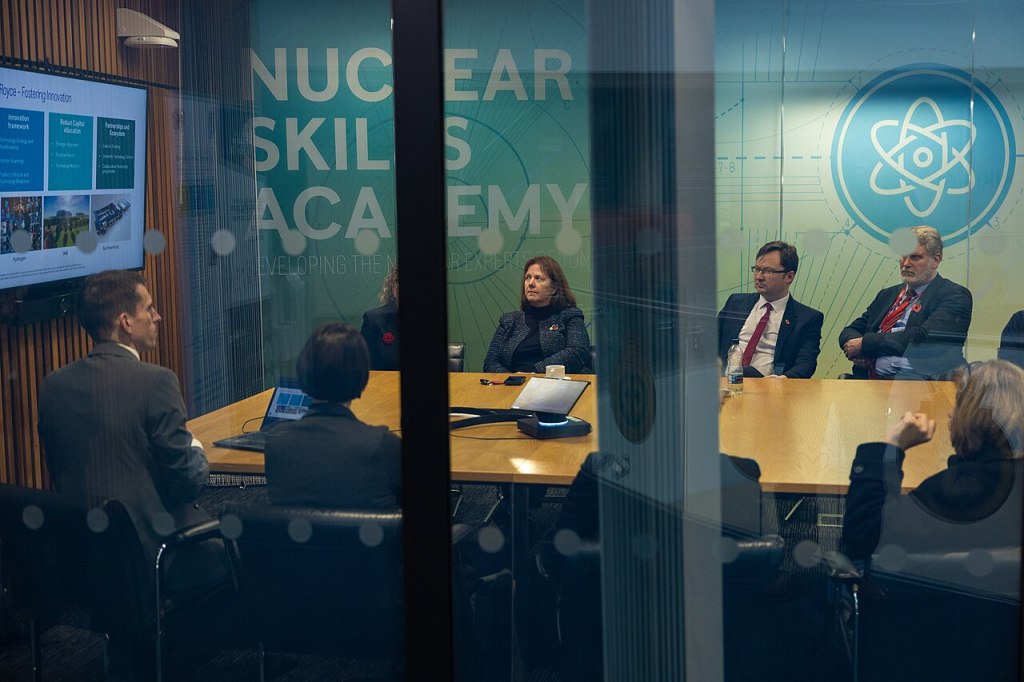
Ministry of Housing, Communities and Local Government/Wikimedia Commons)
Given these manifest disadvantages, independent commentators have questioned the government’s seeming obsession with nuclear power. It is not that nuclear provides a good solution to global warming: it doesn’t. The United Nations’ Intergovernmental Panel on Climate Change (IPCC) reports that renewables are now 10 times more efficient than new nuclear at CO2 mitigation.
Read MoreNuclear power will never be “beneficial”

Abandoning radiation protection will further endanger vulnerable populations, writes Cindy Folkers
As its name suggests, the Nuclear Regulatory Commission (NRC) was created to regulate the nuclear power industry in order to protect people and the environment from the inherent dangers of that technology. As much as the NRC is currently failing to fully meet this mission, recent political maneuvers to curtail its influence threaten public health and safety even further.
A May 23 executive order from President Trump will now transform the stated mission of NRC from safety regulator to industry enabler, and in fact, NRC mission wording has been changed to say that nuclear power “benefits” society, despite the evidence to the contrary given the often serious health impacts of all nuclear power-related operations. This mission shift has sparked alarm among experts and safety advocates who argue that abandoning core principles of radiation protection will further endanger communities, sacrifice vulnerable populations, and increase the nuclear industry’s grip on energy policy.
The slate of executive orders issued by President Trump on May 23 are designed to “fast-track everything nuclear.” Beyond Nuclear has already highlighted the many concerns posed by these orders. For example, EO 14300 – titled Ordering the Reform of the Nuclear Regulatory Commission – will weaken radiation exposure standards, posing grave risks to public health from nuclear technology.
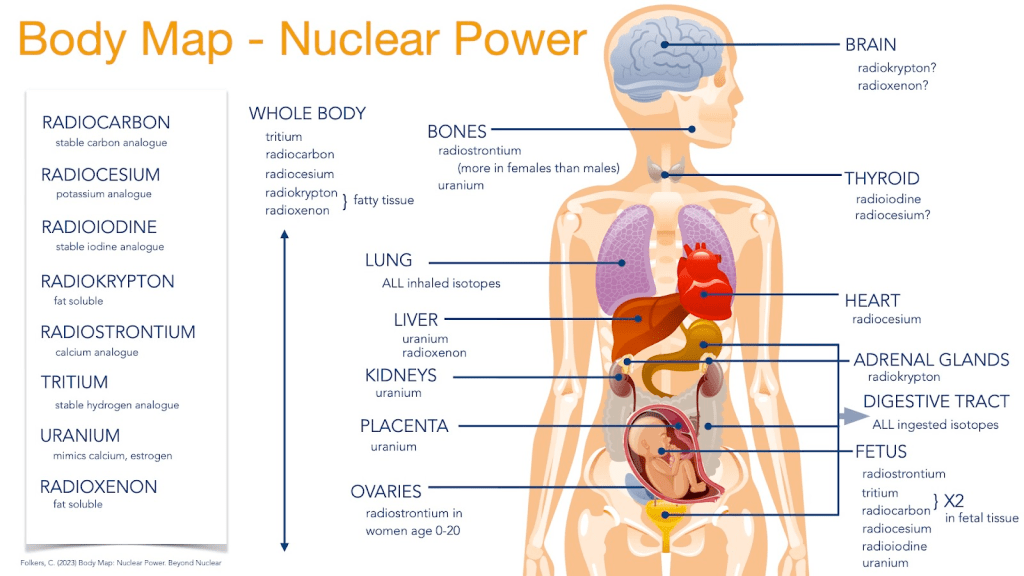
Among the decades of hard-won protections this executive order undermines is the scientifically supported foundation that there is no safe level of radiation exposure. The changes threaten not just U.S. regulatory integrity but global public health and environmental safety.
Section 5(b) of EO 14300 is particularly alarming. It calls on the NRC to adopt “science-based radiation limits” and demands the NRC reconsider its longstanding reliance on the Linear No Threshold (LNT) model. But in effect, this request contradicts itself.
Read MoreBritain’s “borrowed bombs”
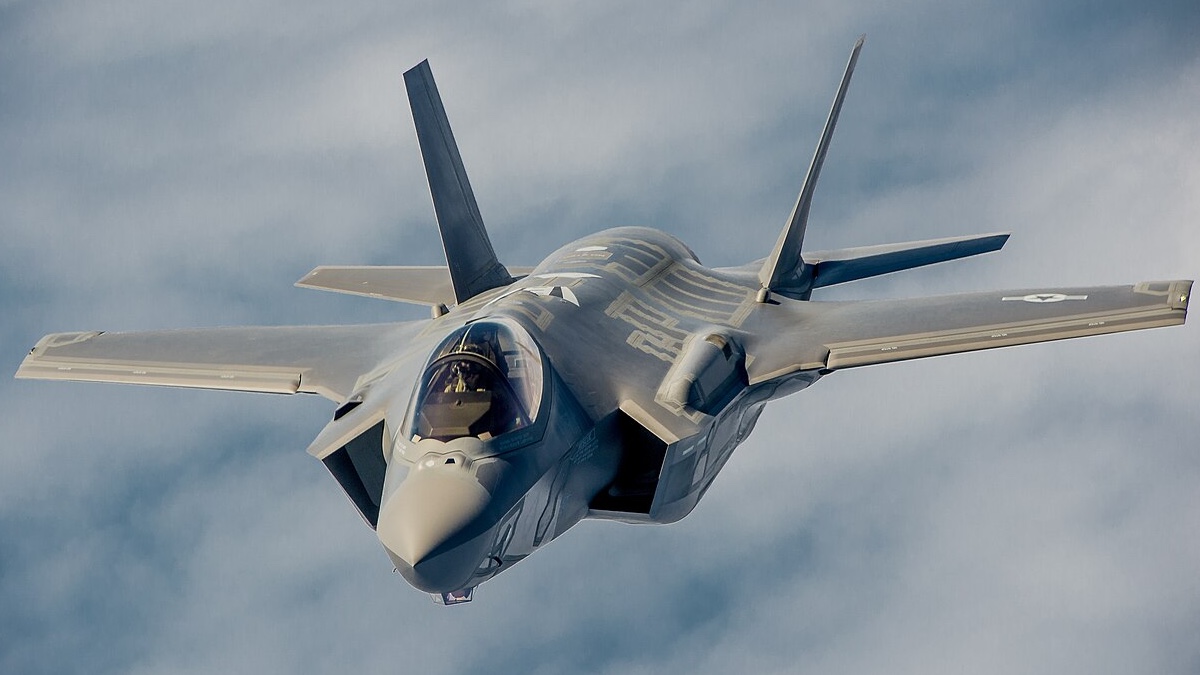
New reports shows UK purchase of US nuclear-capable aircraft is political grandstanding with little practical application, writes Linda Pentz Gunter
When the UK government announced its intention last June to purchase 12 F-35A nuclear capable Lightning II Joint Strike Fighter aircraft from the US by 2033 and join NATO’s ‘dual capable aircraft nuclear mission’, it described the decision as the “biggest strengthening of the UK’s nuclear posture in a generation”.
But a new study released on November 11 by two British watchdog groups, Nukewatch UK and Nuclear Information Service, argues that the purchase of the planes will incur massive costs to the British taxpayer while not actually being militarily necessary or advantageous.
The report, “Smoke andMirrors”, concludes that “the government’s decision is based principally on providing political ‘smoke and mirrors’ to distract attention from questions relating to the US-Europe relationship within NATO rather than developing a must-have military capability.”
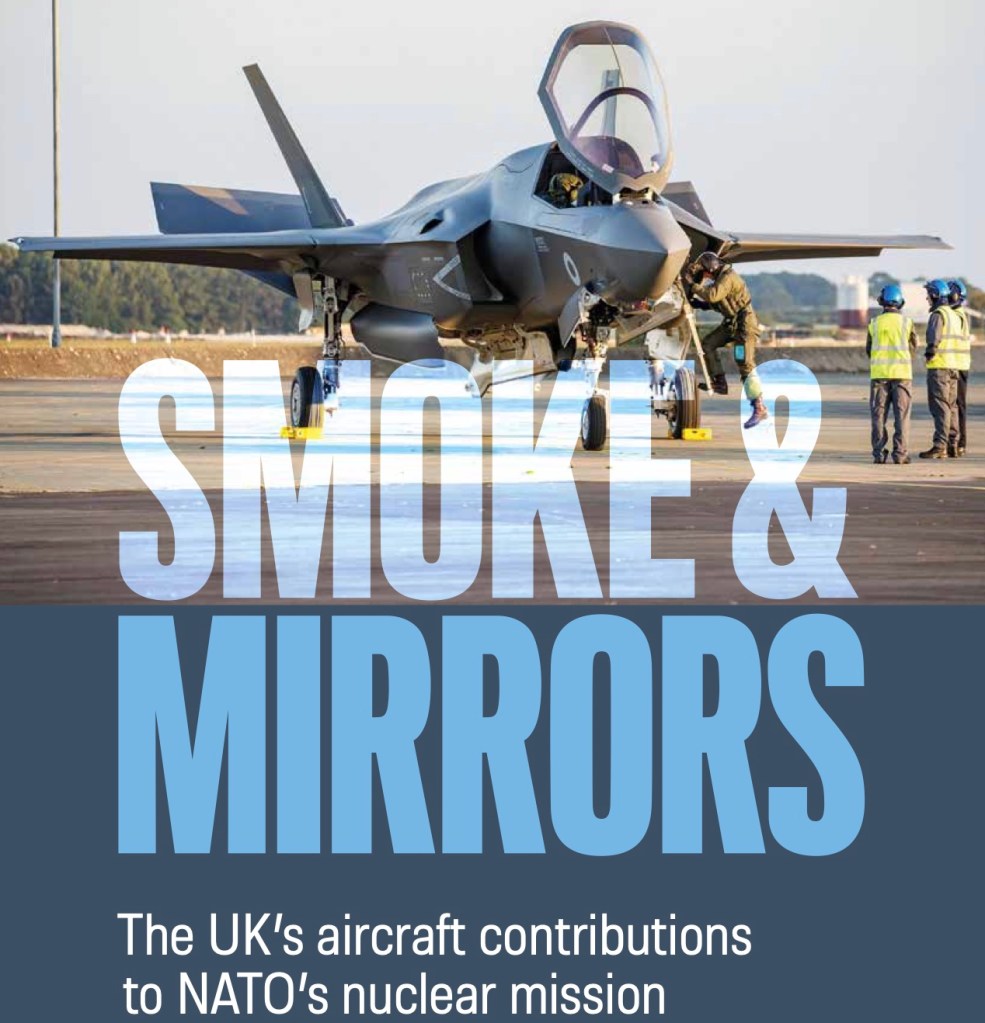
The purchase of the F35As “serves more as a diplomatic gesture than a military imperative,” the study said, designed to placate US president Donald Trump’s gripes about a perceived lack of financial commitment from NATO partners.
The UK decision to participate in the NATO nuclear sharing mission “is being driven forward by the nuclear lobby within government itself, and raises questions about whether the decision was driven by strategic necessity or political expediency,” the study authors wrote.
Read More Beyond Nuclear International