 Beyond Nuclear International
Unfounded promises

Small Modular Reactors epitomize culture that embraces exaggeration
By M.V. Ramana
In 2006, Elizabeth Holmes, founder of a Silicon Valley startup company called Theranos, was featured in Inc magazine’s annual list of 30 under 30 entrepreneurs. Her entrepreneurship involved blood, or more precisely, testing blood. Instead of the usual vials of blood, Holmes claimed to be able to obtain precise results about the health of patients using a very small sample of blood drawn from just a pinprick.
The promise was enticing and Holmes had a great run for a decade. She was supported by a bevy of celebrities and powerful individuals, including former U.S. secretaries of state Henry Kissinger and George Shultz, James Mattis, who later served as U.S. secretary of defense, and media mogul Rupert Murdoch. Not that any of them would be expected to know much about medical science or blood testing. But all that public endorsement helped. As did savvy marketing by Holmes. Theranos raised over $700 million from investors, and receive a market valuation of nearly $9 billion by 2014.
The downfall started the following year, when the Wall Street Journal exposed that Theranos was actually using standard blood tests behind the scenes because its technology did not really work. In January 2022, Holmes was found guilty of defrauding investors.
The second part of the Theranos story is an exception. In a culture which praises a strategy of routine exaggeration, encapsulated by the slogan “fake it till you make it”, it is rare for a tech CEO being found guilty of making false promises. But the first part of Theranos story—hype, advertisement, and belief in impossible promises—is very much the norm, and not just in the case of companies involved in the health care industry.
Small Modular Nuclear Reactors
Nuclear power offers a great example. In 2003, an important study produced by nuclear advocates at the Massachusetts Institute of Technology identified costs, safety, proliferation and waste as the four “unresolved problems” with nuclear power. Not surprisingly, then, companies trying to sell new reactor designs claim that their product will be cheaper, will produce less—or no—radioactive waste, be immune to accidents, and not contribute to nuclear proliferation. These tantalizing promises are the equivalent of testing blood with a pin prick.
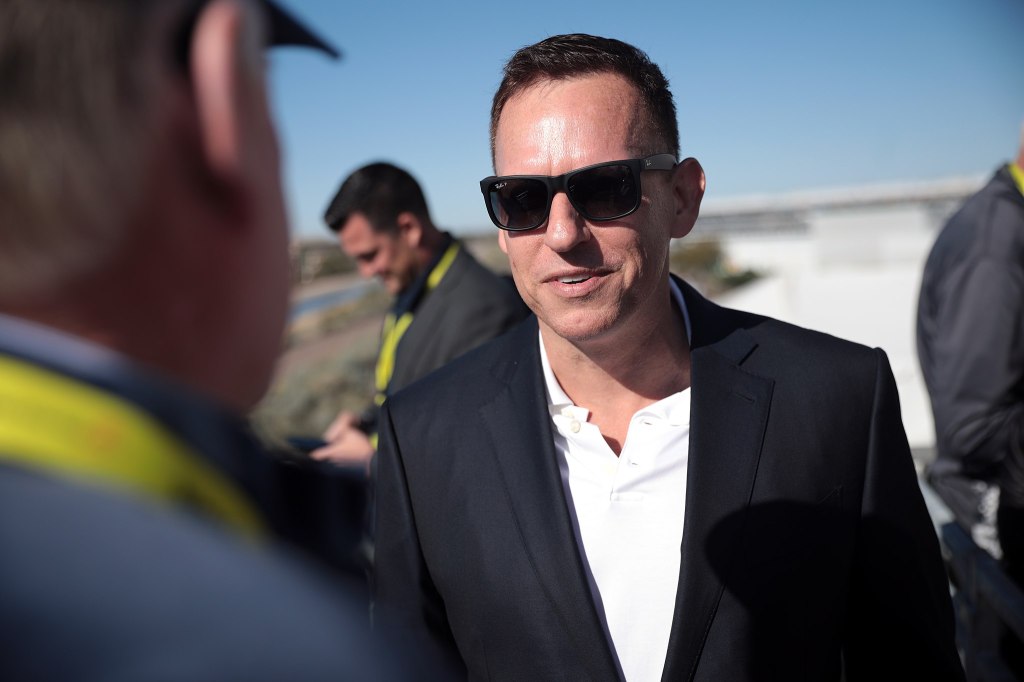
And, as was the case with Theranos, many such companies have been backed up by wealthy investors and influential spokespeople, who have typically had as much to do with nuclear power as Kissinger had to with testing blood. Examples include Peter Thiel, the Silicon Valley investor; Stephen Harper, the former Prime Minister of Canada; and Richard Branson, the founder of the Virgin group. But just as the Theranos product did not do what Elizabeth Holmes and her backers were claiming, new nuclear reactor designs will not solve the multiple challenges faced by nuclear power.
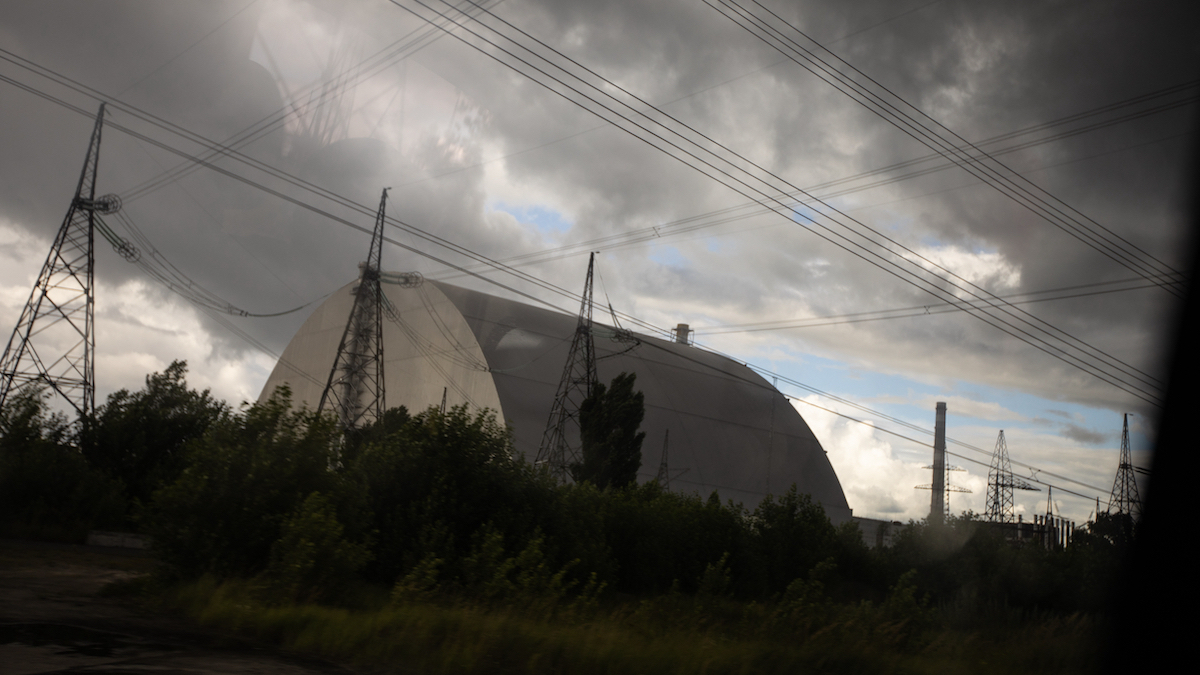
High risks at Chornobyl
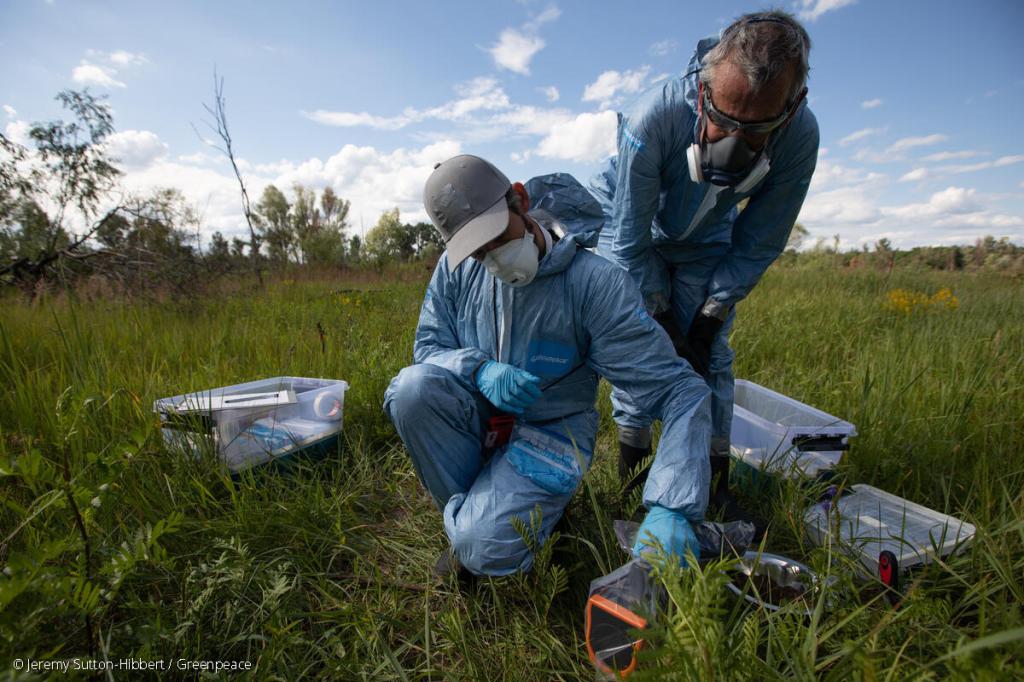
Greenpeace radiation readings show IAEA downplayed dangers
Adapted from Ukraine Crisis Media Center and Greenpeace International press release. See the full report.
The Russian military occupation at Chornobyl resulted in crimes against the environment and global scientific understanding of radiation risks, said Greenpeace experts during a press conference at the Ukraine Crisis Media Center on July 20.
With the approval and cooperation of the State Agency of Ukraine on Exclusion Zone Management (SAUEZM) and the Ukraine Foreign Ministry, the Greenpeace team was able conduct a limited radiation survey inside the highly contaminated 30km exclusion zone of Chornobyl. It was limited by the fact that most of the 2600km2 zone has not been checked and cleared of Russian landmines.
The Greenpeace investigation team found radiation in areas where Russian military operations occurred at levels at least three times higher than the estimation by the International Atomic Energy Agency (IAEA), and which classifies it as nuclear waste. In April 2022, the IAEA provided very limited data with assurances that radiation levels were ‘normal” and not a major environmental or public safety issue.
The Greenpeace team also documented with Ukrainian scientists at Chornobyl that due to the Russian military actions against essential laboratories, databases and radiation monitoring systems, severe damage has been done to the unique scientific infrastructure developed in cooperation with the global science community, including lab equipment needed to study the impact of radiation on people and the environment, thereby threatening the safety of this and future generations.
Greenpeace released the results of its investigation at a press conference in Kyiv, also attended by Yevhen Kramarenko, Head of SAUEZM and Serhiy Kireev, General Director of the State Specialized Enterprise “EcoCenter” in Chornobyl.
Building security on nuclear deterrence is not sustainable

An open, meaningful disarmament debate must include all those affected
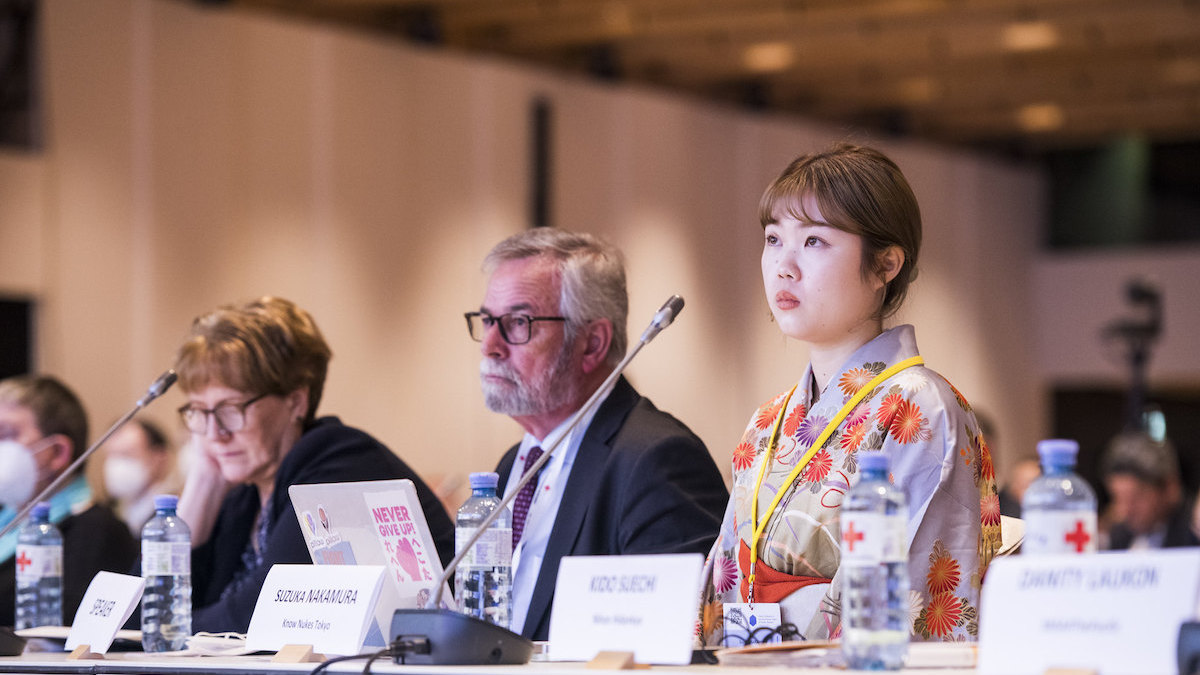
The following is the closing statement given by the Austrian Foreign Ministry on June 20th, 2022 at the Vienna Conference on the Humanitarian Impacts of Nuclear Weapons. Via Pressenza.
Dear Colleagues, Ladies and Gentlemen,
We have heard today highly informative presentations and discussions. Now is the time to reflect on some key points. All of us will draw our own conclusions. Let me present what Austria takes away from today in this Chair’s Summary (which is presented in a purely national capacity).
The Vienna Conference on the Humanitarian Impact of Nuclear Weapons addressed the humanitarian consequences of nuclear weapons, including effects on human health, the environment, agriculture and food security, migration and the economy, as well as the risks and likelihood of authorized, unauthorized or accidental detonations of nuclear weapons, international response capabilities and the applicable normative framework and identified areas where further research and investigation appears necessary.

More than 800 delegates representing 80 States, the United Nations, the International Committee of the Red Cross, the International Red Cross and Red Crescent Movement and other relevant international organisations, civil society organisations and academia participated in the Conference.
The following key points can be summarised from the presentations and discussions:
- It is impossible to appropriately address the immediate humanitarian emergency and long-term consequences of nuclear weapon detonations. What we cannot prepare for, what we cannot respond to, we must therefore prevent.
- Nuclear winter would likely affect the entire globe even after a limited regional nuclear exchange and result in dramatic temperature drops and blocked out sunlight for years leading to food shortages and deadly starvation in many parts of the world.
- As we progress in researching the impact of nuclear weapons, we learn that nuclear weapons detonations have vaster, truly global and longer persisting consequences than we thought before.
- Atmospheric nuclear tests, although conducted decades ago, are responsible for serious health effects and long lasting environmental degradation. New analysis and techniques allow improved mapping of global radioactive contamination, exposed communities, and impacted ecosystems due to fallout from nuclear weapon testing with important implications for affected communities.
What happened in Vienna
Conference Declaration reiterates humanitarian basis of the ban treaty and its moral, ethical and security imperatives.
From the International Campaign to Abolish Nuclear Weapons (ICAN)
The historic first Meeting of States Parties to the Treaty on the Prohibition of Nuclear Weapons concluded in Vienna on June 23 with the adoption of a political declaration and practical action plan that set the course for the implementation of the Treaty and progress towards its goal of the total elimination of nuclear weapons.
States parties met amid heightened tension and growing risks of the use of nuclear weapons, following Russia’s invasion of Ukraine and its threats to use nuclear weapons. Addressing the opening session of the meeting, United Nations Secretary-General Antonio Guterres said, “The once unthinkable prospect of nuclear conflict is now back within the realm of possibility. More than 13,000 nuclear weapons are being held in arsenals across the globe. In a world rife with geopolitical tensions and mistrust, this is a recipe for annihilation.”
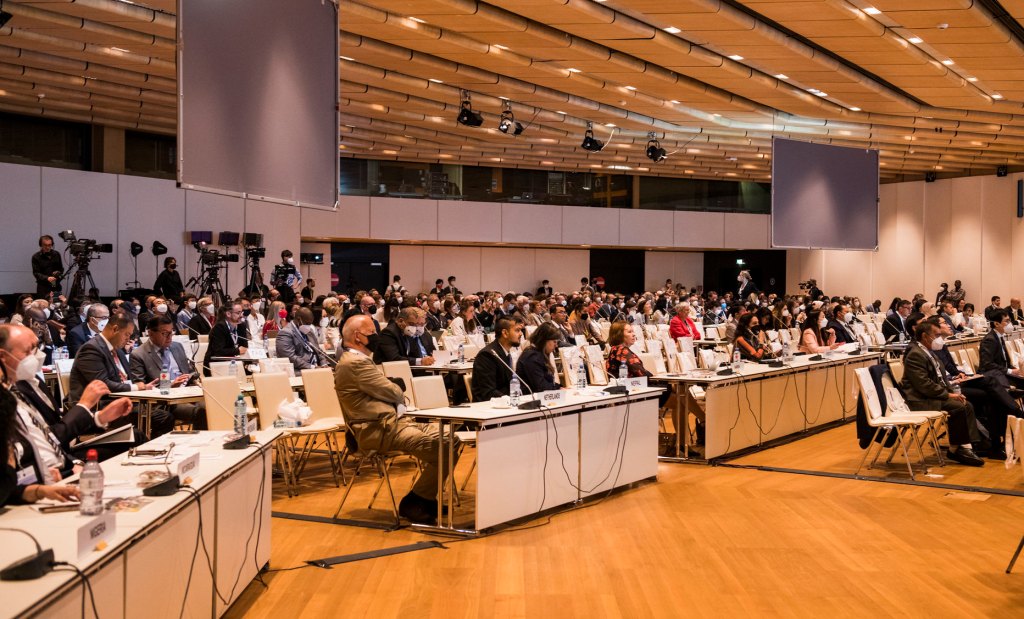
During the meeting, many states parties condemned Russia’s actions, expressing their determination to move ahead with implementing the TPNW and eliminating nuclear weapons, based on the catastrophic humanitarian consequences of their use and the growing risks that such use could occur. These discussions were supported by harrowing testimony from survivors of use of nuclear weapons in Hiroshima and Nagasaki (Hibakusha) and representatives of communities harmed by testing of nuclear weapons in the Pacific, Kazakhstan and elsewhere, which illustrated the grim reality of nuclear weapons and highlighted the importance and urgency of the meeting’s work.
Nagasaki survivor Masao Tomonaga said “This political declaration is a very strong document, despite many difficulties we face. With this powerful document we can go forward, and all Hibakusha support this, it is a great document to make my city, Nagasaki, the last city ever to suffer from an atomic bombing”.
Representatives of youth groups emphasized the need to engage young people in universalizing and implementing the treaty, and the role that they could play in helping to achieve the treaty’s aims. A delegation of parliamentarians from 16 countries (including nine NATO members) highlighted the work of parliamentarians in building support for the TPNW domestically, persuading governments to join, and speeding the processes of ratification.
Read MoreNuclear power is racist, sexist and ageist

So why do some progressives support it?
By Linda Pentz Gunter
I am sure that certain Democratic senators such as Cory Booker and Sheldon Whitehouse, who are reasonably progressive on a host of social issues, would not considers themselves racist, sexist or ageist.
Nuclear power is all three of these things, yet Booker, Whitehouse and a number of others on the Democratic left, support nuclear power with almost fervent evangelism.
Let’s start with racism. The fuel for nuclear power plants comes from uranium, which must be mined. The majority of those who have mined it in this country — and would again under new bills such as the ‘International Nuclear Energy Act of 2022’ forwarded by not-so-progressive “Democrat”, Senator Joe Manchin (D-WV) — are Native Americans.
As such, they have taken the brunt of the negative health impacts as well as the environmental degradation both created and then left behind by uranium mines when they cease to operate, as most in the U.S. now have.
Studies conducted among members of the Navajo Nation have shown increases in a number of diseases and lingering internal contamination from uranium mine waste among newborns and children. Chronic ailments including kidney disease and hypertension found in these populations are medically linked with living near –and contact with — uranium mine waste.

At the other end of the nuclear power chain comes the lethal, long-lived and highly radioactive waste as well as the so-called low-level radioactive waste stream of detritus, including from decommissioned nuclear power plants. Again, Indigenous peoples and poor communities of color are routinely the target.
The first and only high-level radioactive waste repository identified for the U.S. was to have been at Yucca Mountain, Nevada, against the strong wishes of the Western Shoshone Nation of Indians, on whose land the now canceled site is located. The Western Shoshone had already suffered the worst of the atomic testing program, with the Nevada atomic test site also on their land, making them “the most bombed nation on Earth,” as Western Shoshone Principal Man, Ian Zabarte, describes it.
An attempt to site a “low-level” radioactive waste dump in the largely Hispanic community of Sierra Blanca, TX was defeated, as was an allegedly temporary high-level radioactive waste site targeted for the Skull Valley Goshute Indian reservation in Utah.
Read MoreUranium, conflict and Indigenous lives

Nuclear power, uranium and the war in Ukraine
By Günter Wippel, for the uranium network
Although little known to the public, the European Union obtains about 20% of the uranium it needs for nuclear power plants from Russia, and another 20% from Kazakhstan, which is considered a close ally to Russia.
While for Germany the issue of nuclear power will be settled by the end of this year in regard to demand for uranium, the EU will have to continue importing almost 100% of the required nuclear fuel.
If sanctions against Russia are to be taken seriously, uranium supplies will have to be sourced from countries not belonging to, or not close to, the Russian Federation.
The number of (potential) suppliers is manageably small: eight countries worldwide produce more than 90% of the uranium supply, led by Kazakhstan, followed by Australia, Namibia and Canada, Uzbekistan and Niger. Eight companies provide about 85% of the supply, with Kazakhstan’s KAZATOMPROM alone delivering 25%.

Thus, Australia or Canada, for example, might be considered as alternative sources of supply.
Read More Beyond Nuclear International