 Beyond Nuclear International
Extreme torture

Irish Sea to be site of seismic blasting at cost of sea life
By Linda Pentz Gunter
Imagine being subjected to ear-shattering blasts every ten seconds, twenty four hours a day for four straight weeks? By any metric, that would qualify as the most appalling form of torture.
But that is exactly what is about to be inflicted on whales, dolphins, seals and other marine creatures in the Irish Sea if a new wave of opposition cannot stop it.
The Irish Sea is already the most radioactive sea in the world, in large part a result of decades of radioactive discharges from the Sellafield reprocessing facility on the Cumbrian shoreline.
Now, Nuclear Waste Services (NWS) has contracted a company called Shearwater Geosciences to blast its undersea seismic airguns off the Cumbria coast this summer, calling it “scientific research”.
NWS, a division of the Nuclear Decommissioning Authority, is tasked with finding a Geological Disposal Facility (GDF) to accommodate the millions of tons of radioactive waste left over from Britain’s commercial nuclear power program.
Estimates put the cost of the project — paid by taxpayers of course — at between 20 billion to 53 billion pounds.
NWS has been exploring sites exclusively in Cumbria, either close to the coast or extending up to the 22km outer limit of UK territorial waters. The seismic blasting is designed to test the geology beneath the seabed for suitability for an undersea nuclear waste dump.
Read MoreProfit in a time of war?
Westinghouse lands in Ukraine to ink new nuclear deal
By Linda Pentz Gunter
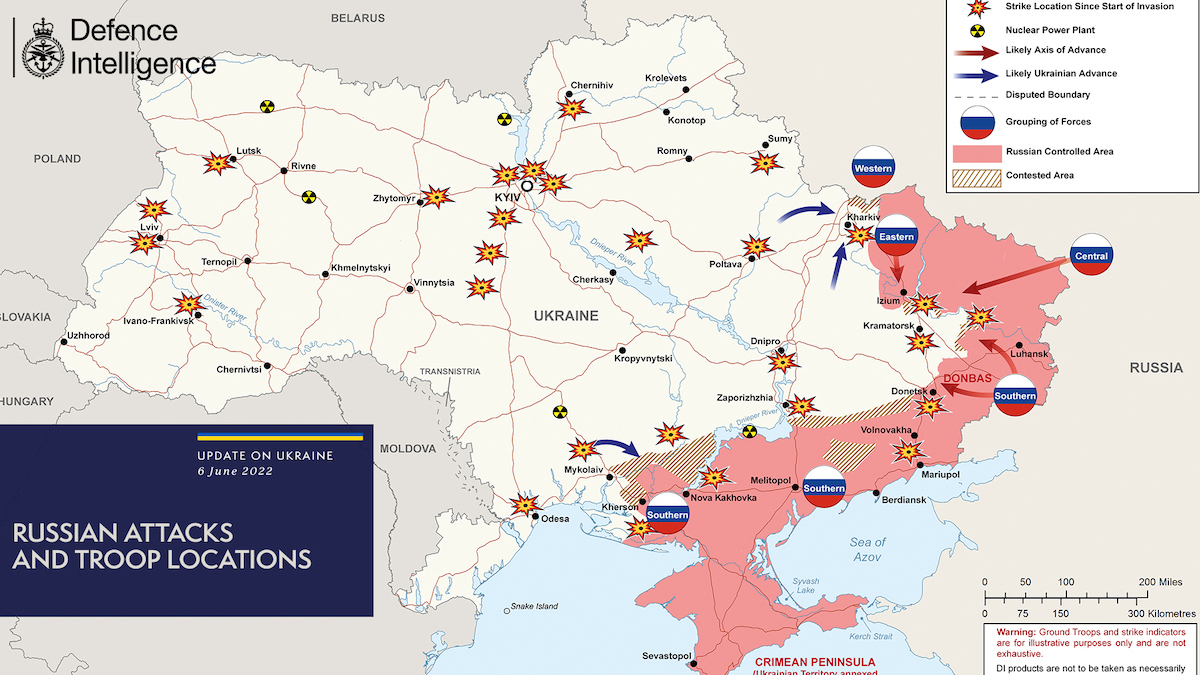
You might think that being in the middle of a war, the last thing you would be contemplating is building more nuclear power plants. But that hasn’t stopped Energoatom, the Ukrainian state nuclear operator.
Earlier this month, Energoatom inked a new agreement with Westinghouse of all companies, the American corporation that went bankrupt trying to build four of its AP1000 reactors in South Carolina and Georgia. The two in South Carolina were canceled mid-construction, while the pair in Georgia are years behind schedule and billions of dollars over-budget.
But like a good corporate vulture, Westinghouse has swooped into Ukraine, to grab a golden opportunity. Already the supplier of nuclear fuel to almost half of Ukraine’s reactors, the company now plans to increase that commitment to all 15, replacing Russia’s Rosatom; to establish a Westinghouse Engineering and Technical Center; and, craziest of all, build nine new AP1000 reactors there.
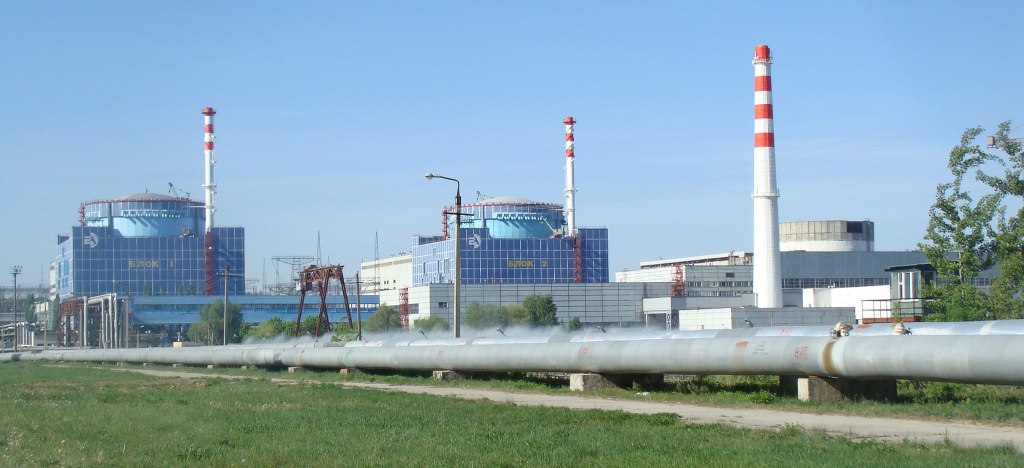
Westinghouse already has the contract to build more reactors at the 2-reactor Khmelnytsky nuclear power plant, which remain partially complete. Under the deal, Westinghouse will work first on Khmelnitsky 3, which is 75% complete, before taking on the 25% complete unit 4. Talks this month also evaluated Westinghouse building two more reactors at the site.
Fifteen operational reactors in a war zone — seven of them are apparently still running in Ukraine — is already risk enough. If even one of those reactors were fully breached, or its fuel pool caught fire or suffered an explosion — whether from an attack, accident, or meltdown due to gird failure — the amount of radioactivity released would dwarf the 1986 Chornobyl disaster.
Read MoreIn the name of Indigenous rights

Time to take nuclear power out of the ban treaty
What follows is a policy paper written by Mari Inoue with the Manhattan Project for a Nuclear-Free World, with input from members of the Affected Communities and Allies Working Group, including Adrian Monty, Eileen O’Shaughnessy, Linda Modica, Kathleen Sullivan, Michel Lee, and Yukiyo Kawano. It calls for the references to nuclear power in the Treaty on the Prohibition of Nuclear Weapons (TPNW) to be deleted. Endorsed by more than 45 US organizations, the paper, reproduced below, calls for equity and justice and due consideration for Indigenous Peoples, none of which can be achieved as long as nuclear power operations remain endorsed by the TPNW. Specifically, wording in the treaty states: “Emphasizing that nothing in this Treaty shall be interpreted as affecting the inalienable right of its States Parties to develop research, production and use of nuclear energy for peaceful purposes without discrimination”.
Introduction
These policy recommendations are endorsed by 45 civil society groups from across the United States. As groups that are active in the United States where the original Manhattan Project unleashed the violent atom, we believe that we have a social responsibility to raise our deep concerns and provide recommendations to reduce the extreme dangers associated with the use and testing of nuclear weapons as well as the development, production, and storage of nuclear weapons and radioactive waste.
Expected Policy Outcomes
We recommend that states parties adopt a declaration and an action plan with specific commitments to implement the articles of the Treaty as outcome documents based on the following key messages and policy commitments, with the intention to fulfill their legal obligations under the Treaty.
We recognize the groundbreaking nature of the Treaty that declares that “any use of nuclear weapons [would be] abhorrent to the principles of humanity and the dictates of public conscience” and “would be contrary to the rules of international law applicable in armed conflict, in particular the principles and rules of international humanitarian law.” We are immensely grateful for the novel recognition of the disproportionate impact of radioactive violence on Indigenous Peoples, women and girls, for naming and recognizing the suffering of hibakusha and nuclear test survivors. We also commend the Treaty’s fundamental shift from a Cold War narrative of the doctrine of deterrence to humanitarian and environmental consequences of nuclear weapons where the development, testing, production, possession, deployment, use, and threat of use is outlawed for the first time since the dawn of the Atomic Age.
Read More‘Unacceptable, deplorable and criminal’
Bringing nuclear weapons into any war should be unthinkable, not a present danger
By Ray Acheson
At the outset of his invasion of Ukraine, Russian President Vladimir Putin declared that other countries “will face consequences greater than any you have faced in history” if they intervened.
A few days later, he ordered Russian nuclear forces to be put on a heightened alert status. Former Russian President Dmitry Medvedev later outlined possible scenarios for the use of nuclear weapons and Russian Defence Minister Sergei Shoigu said that maintaining “readiness of strategic nuclear forces” remains a priority. A Russian government spokesperson has since said that Russia would only consider the use of nuclear weapons if there was an “existential threat” to Russia.
The words and actions of Putin and other Russian officials have elevated the risks and dangers of nuclear war back into mainstream consciousness. But the threat of nuclear weapons is not limited to the Russian government. Eight other governments—those of China, Democratic People’s Republic of Korea, France, India, Israel, Pakistan, the United Kingdom, and the United Kingdom and the United States—also possess nuclear weapons, and US nuclear bombs are stored on the territory of five other North Atlantic Treaty Organisation (NATO) members—Belgium, Germany, Italy, Netherlands, and Turkey.
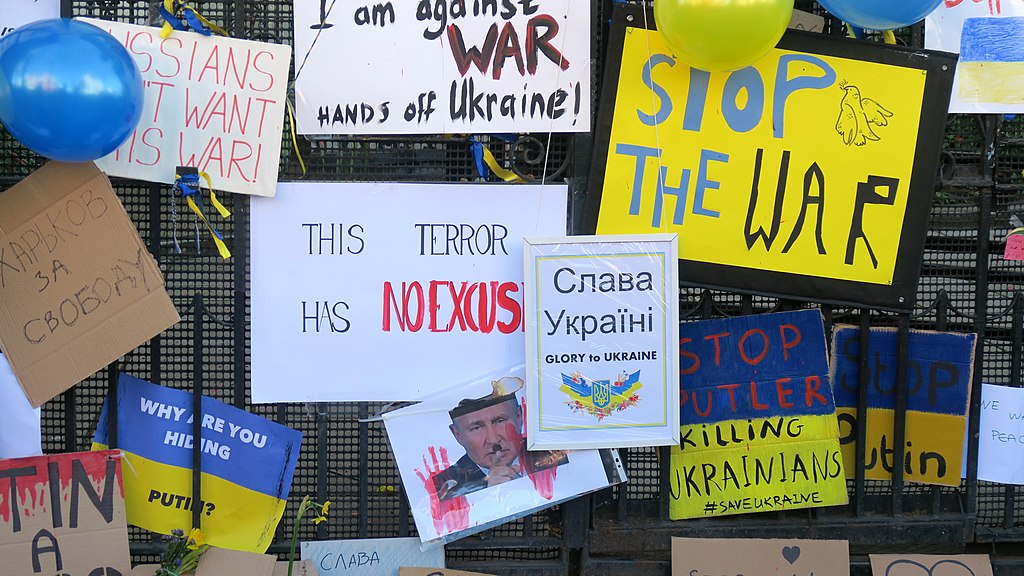
Each and every one of these bombs is a threat to peace and security. Nuclear weapons are not abstract “tools” that maintain global peace and security. They are weapons of mass destruction. They create instability, enable horrific violence, and risk life on the planet. As the Human Rights Committee declared in 2018, nuclear weapons “are of a nature to cause destruction of human life on a catastrophic scale that is incompatible with respect for the right to life.”
Yet it seems as if mainstream media and so-called experts from nuclear-armed countries are trying to normalise this threat, suggesting that yes, Putin might use nuclear weapons, and maybe the consequences wouldn’t be as bad as some suggest.
The technostrategic-speak of “tactical nuclear weapons”
There have been many demands for NATO to impose a “no-fly zone” over Ukraine to end Russia’s airstrikes against Ukrainian cities, with little regard for the fact that this could very well lead to the use of nuclear weapons by Russia or all-out nuclear war. Instead, some politicians and commentators are suggesting that a no-fly zone is worth the risk of Russia using what are misleadingly called “tactical” nuclear weapons. Others are escalating the rhetoric of potential nuclear war, arguing that Putin is “irrational” and likely to use them, or that the Russian government sees a nuclear exchange as a “viable strategy”.
Read MoreThe devilish dangers of Diablo Canyon
Nuclear plant sits on fault lines and needs to close as planned
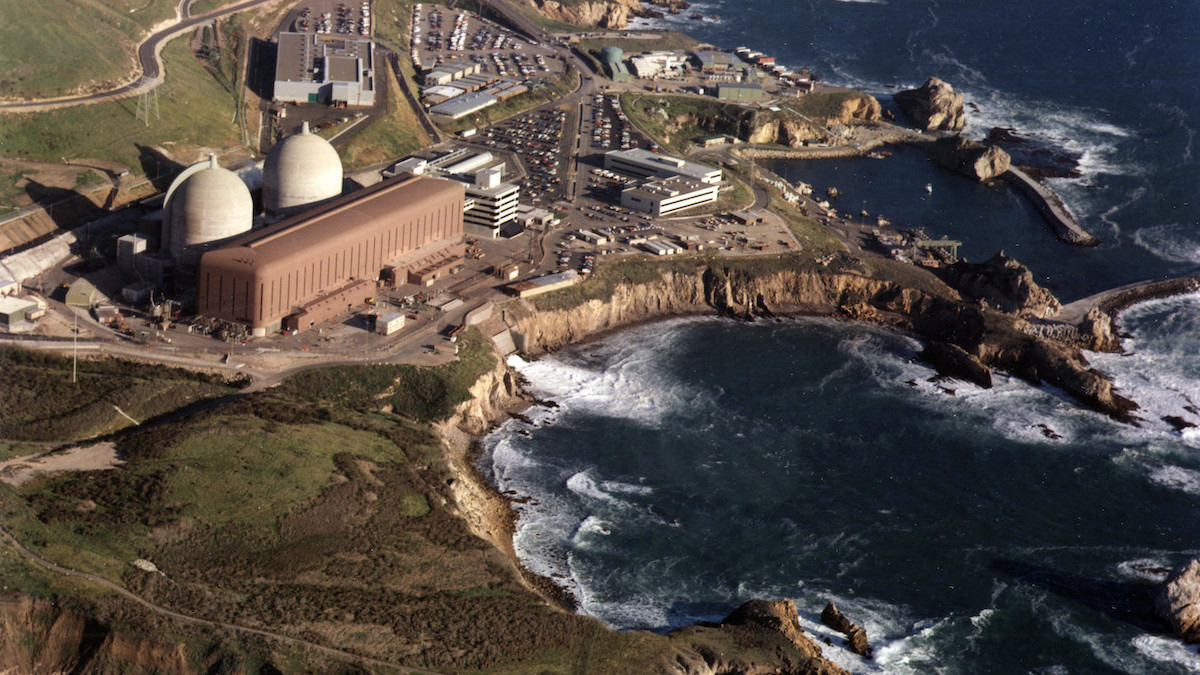
The Diablo Canyon Nuclear Power Plant, sitting on the California coast near San Luis Obispo, first came on line in 1985. It was protested then, given its location on several active fault lines.
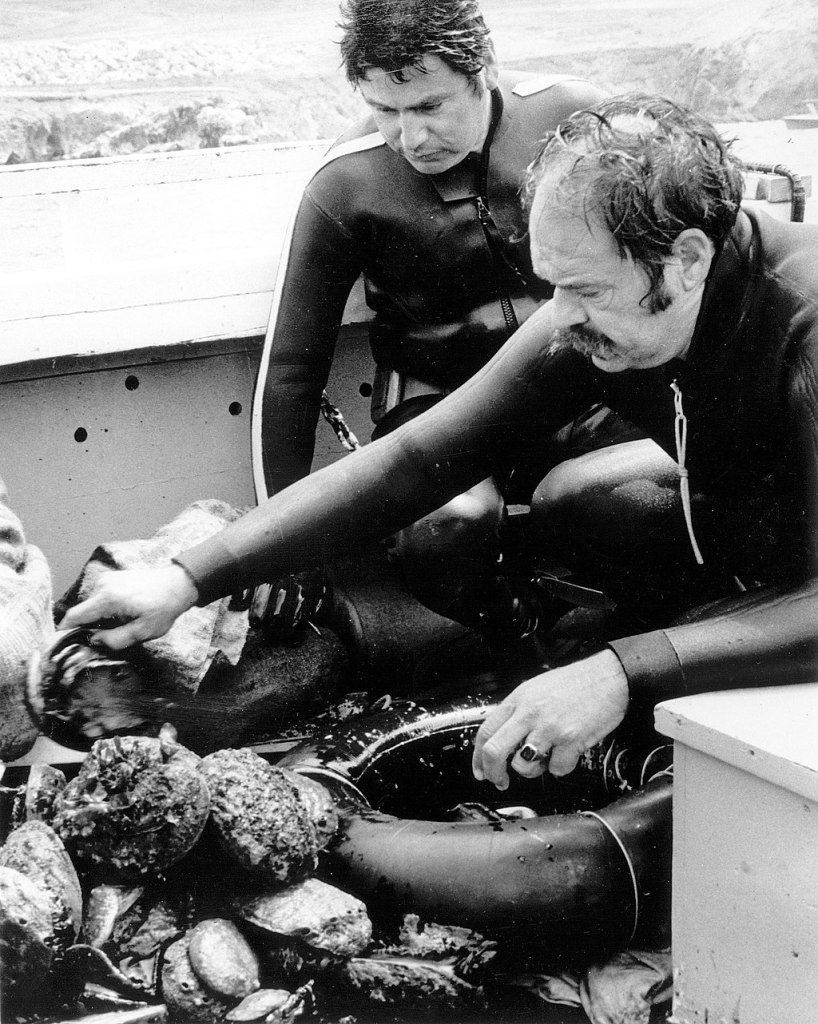
As a “once-through cooling system” design, the two reactors at Diablo Canyon draw in millions of gallons of sea water a day from Diablo Cove for cooling, then discharge it at heat back into the cove. This has resulted in a massive destruction of marine species and habitat, wiping out the bull kelp, causing withering syndrome among black abalone, and driving away indigenous marine species.
Diablo Canyon’s owners, Pacific Gas & Electric (PG&E), have long been planning to close the plant by 2025, given the high cost of making the necessary repairs and safety upgrades needed to shore up the plant against earthquake risk. The danger of this latter runs beyond meltdown to the large inventory of highly radioactive waste stored at the precarious site.
But recently, California governor, Gavin Newsom, publicly pondered the idea of seeking part of the Biden administration’s $6 billion bailout to keep old nuclear plants running, using the funds to delay Diablo Canyon’s closure.
It’s not actually Newsom’s decision, as PG&E would have to apply for the funds and, so far, the utility has signaled little enthusiasm. Given the billions of dollars needed to refurbish and upgrade the plant to reduce its marine impacts and protect against earthquakes, it makes more economic sense for PG&E to invest in renewable energy alternatives. And, as NRDC’s Ralph Cavanaugh pointed out to the LA Times, “solar, storage and other clean energy sources could replace Diablo cheaply and reliably.”
The Times article itself pointed out “Rescuing Diablo Canyon is far from California’s only option for averting blackouts.” Some of those options, the Times, said, were “adding batteries to the grid, paying homes to use less energy and coordinating electricity supplies more closely with Western states. Longer-term options include investing in geothermal energy and offshore wind.”
In the meantime, Diablo Canyon keeps operating and the seismic risks persist. Just how great are they? California activist, Harvey Sherback, has studied them for years. Here is his assessment:
By Harvey Sherback
California’s Central Growing Valley is America’s most productive agricultural region providing more than half of the fruits, nuts and vegetables grown in the United States. Sadly, Diablo Canyon’s two nuclear reactors sit on our state’s central coastline and because coastal winds have a tendency to blow inland, there’s the frightening prospect that a megathrust earthquake, “The Big One”, could trigger a nuclear meltdown sending radioactive clouds into the Central Valley which would irradiate and poison much of the Central Valley’s produce.
Furthermore, Diablo’s radioactive plumes could contaminate the drinking water that flows from the Sierra Mountains through the Central Valley and into cities like San Francisco and Los Angeles, which would lead to a mass migration out of California.
Read MoreMeltdown at Palisades averted
Political leaders must now do the right thing and secure lethal radioactive waste
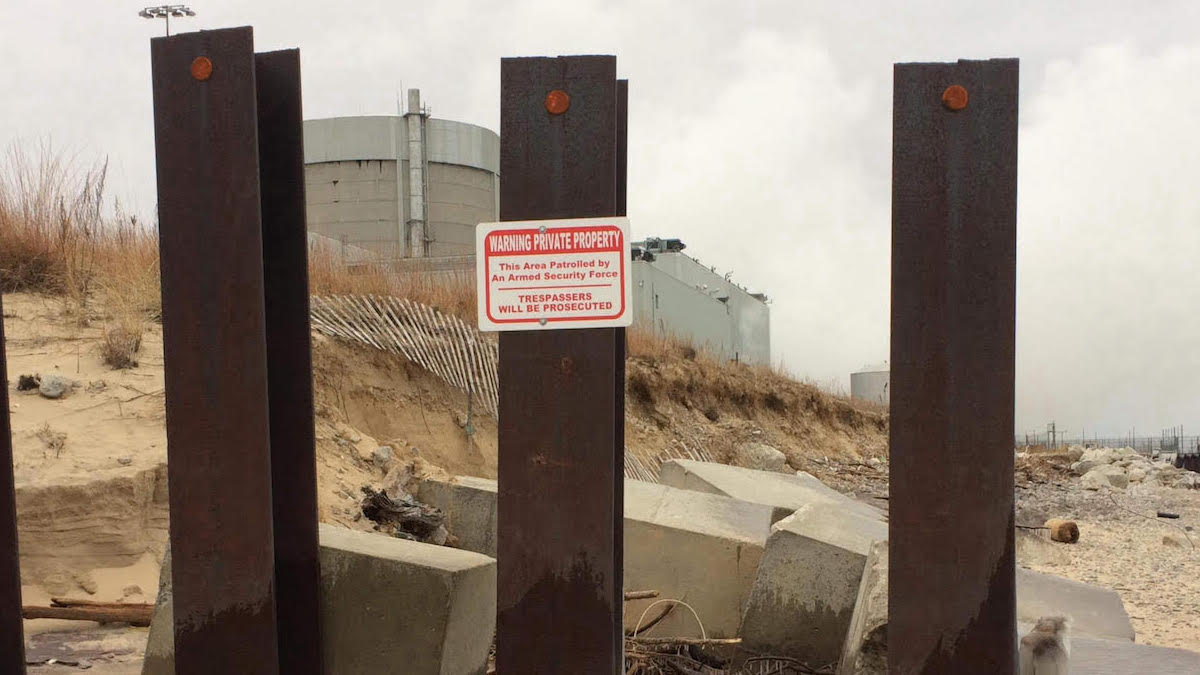
The May 20 announcement that one of the country’s most dangerous nuclear power plants, long scheduled to close, had shut down 11 days early, was welcome news. But even though the closure means a meltdown cannot now happen — putting in danger the Great Lakes drinking water supply — grave risks remain at the site. Political moves are also afoot to cut short the closure and apply for a portion of the Biden administration’s $6 billion bailout fund to keep struggling reactors open. But the plant should not start back up. The following is the statement by Beyond Nuclear’s radioactive waste specialist, Kevin Kamps, following the shutdown announcement.
By Kevin Kamps
We are thankful that Palisades shut down before it melted down. The 51-year old atomic reactor has the worst embrittled reactor pressure vessel in the U.S., which was at increasing risk of catastrophic failure due to pressurized thermal shock.
To accommodate Palisades’ operation, the Nuclear Regulatory Commission (NRC) simply weakened and rolled back the safety standards, multiple times over decades.
Palisades also has a severely degraded reactor lid, and worn out steam generators that needed replacement for the second time in the reactor’s history.
All three were major pathways to core meltdown, which an NRC commissioned report, CRAC-2 (short for Calculation of Reactor Accident Consequences, also known as the 1982 Sandia Siting Study or as NUREG/CR-2239) estimated would have caused a thousand peak early fatalities (acute radiation poisoning deaths), 7,000 peak early radiation injuries,10,000 peak cancer deaths (latent cancer fatalities), and $52.6 billion in property damage.
When adjusted for inflation alone, property damages would have surmounted $150 billion in Year 2021 dollar figures.
And as Associated Press investigative reporter Jeff Donn wrote in his four-part series “Aging Nukes,” shortly after the Fukushima Daiichi nuclear catastrophe began in Japan in 2011, populations have soared around U.S. atomic reactors, so casualties would now be even higher.

Donn cited reactor pressure vessel embrittlement and pressurized thermal shock risk as the top example of NRC regulatory retreat. Thank goodness no such nuclear nightmare unfolded at Palisades during its operations, but Consumers Energy (from 1971 to 2007) and Entergy (from 2007 to 2022) were willing to take those risks on the shoreline of the Great Lakes, drinking water supply for more than 40 million people in eight U.S. states, two Canadian provinces, and a very large number of Native American First Nations downstream and downwind, as well as up the food chain.
Read More Beyond Nuclear International