 Beyond Nuclear International
Vogtle delayed again
And customers will pay for ballooning costs
By Stanley Dunlap, Georgia Recorder
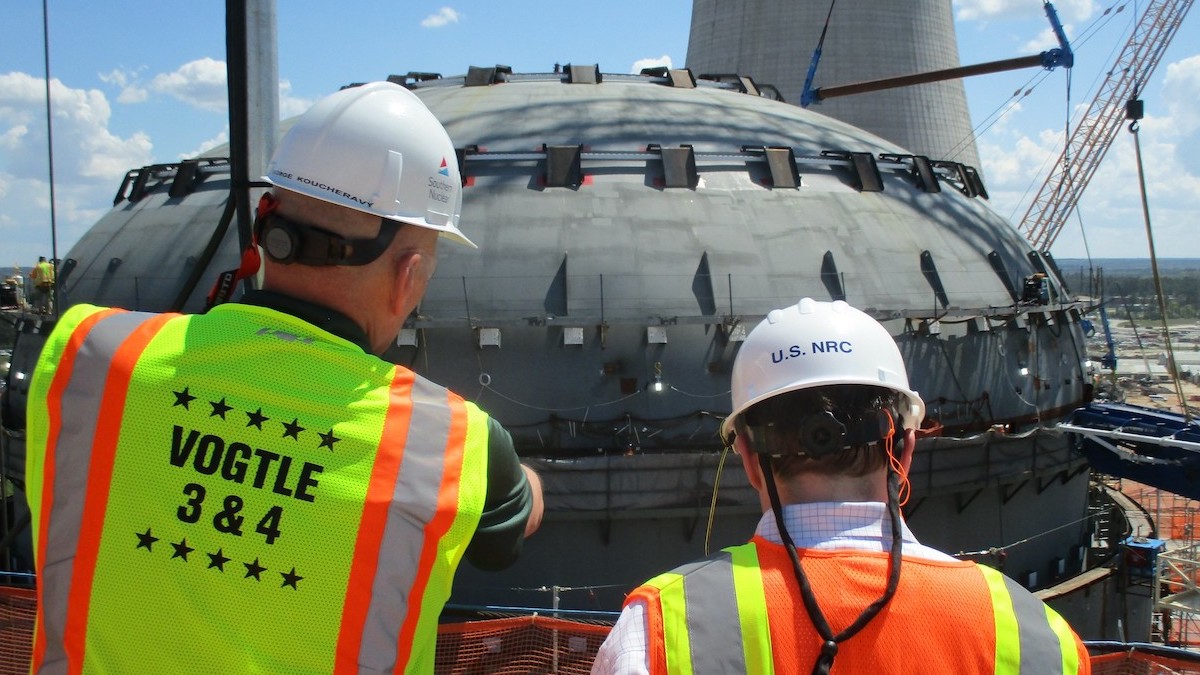
Georgia Power’s parent company Southern Co. announced Thursday that the Plant Vogtle nuclear expansion project has hit another roadblock, delaying completion of the final reactor into 2023. Vogtle’s expenses ballooned to $30 billion after it was originally projected to cost $14 billion.
Further setbacks at the snakebit Plant Vogtle nuclear expansion are reportedly expected to result in delays lasting up to six months while the operator added a $920 million charge at the end of last year.
Thomas Fanning, president and CEO of Southern Co., said during Thursday’s earnings call that the parent company of Georgia Power took past repeated disruptions and challenges into account when it revised this timeline for completing the plant’s two final units, with the latest mishap caused by incomplete and missing inspection records that resulted in a backlog of more than 10,000 records.
The completion of the third and fourth reactors at Plant Vogtle, chiefly owned by Southern and its subsidiary Georgia Power, is now projected to be delayed three-to-six months, with the third unit coming on line in March 2023 and the final reactor ready by the end of the year, according to Southern’s report.

“Over the last year a number of challenges including shortcomings, and construction and documentation quality have continued to emerge, adding to project timelines and costs,” Fanning said. “In recognition of the possibility for new challenges to emerge, we further risk adjusted our current forecast by establishing a range of three to six additional months for each unit, and we’ve reserved for the maximum amount.”
Vogtle’s expansion construction costs are expected to rise to more than $30 billion, up from an initial estimate of $14 billion in 2012. As part of an agreement with Georgia Power, which owns 46% of the plant outside of Augusta, the $920 million charge includes $440 million from other utilities involved in the project.
Last year, Georgia Power exceeded a limit of $7.3 billion on how much its 2.6 million customers must pay in capital costs. However, once the expansion is complete, the company can request that the five-member Public Service Commission add other costs to customers’ bills instead of further cutting into its profits or passing them along to shareholders.
Read MoreStranded in Vladivostok
Freighter with nuclear supplies shrouded in mystery
From KIMO and NFLA*
Update: Since the story below appeared, according to the Barents Observer, on February 9, 2002, the ice-breaker Arktika has rescued the stranded ships and started a several thousand kilometre long escort operation across the Northern Sea Route. In the convoy are two cargo ships, the diesel-engined icebreaker Kapitan Dranitsyn and the nuclear-powered container ship Sevmorput. However, concerns remain about any nuclear leaks that may have occurred during the stranding. Several shipping companies expressed criticism of ROSATOM’s handling of the situation saying it was not adequately prepared for the conditions.
KIMO International and the UK/Ireland Nuclear Free Local Authorities, two organisations campaigning for pollution-free oceans have expressed their concerns at the possible danger posed to the marine environment by a Russian nuclear-powered freighter stranded in the Russian Far East.
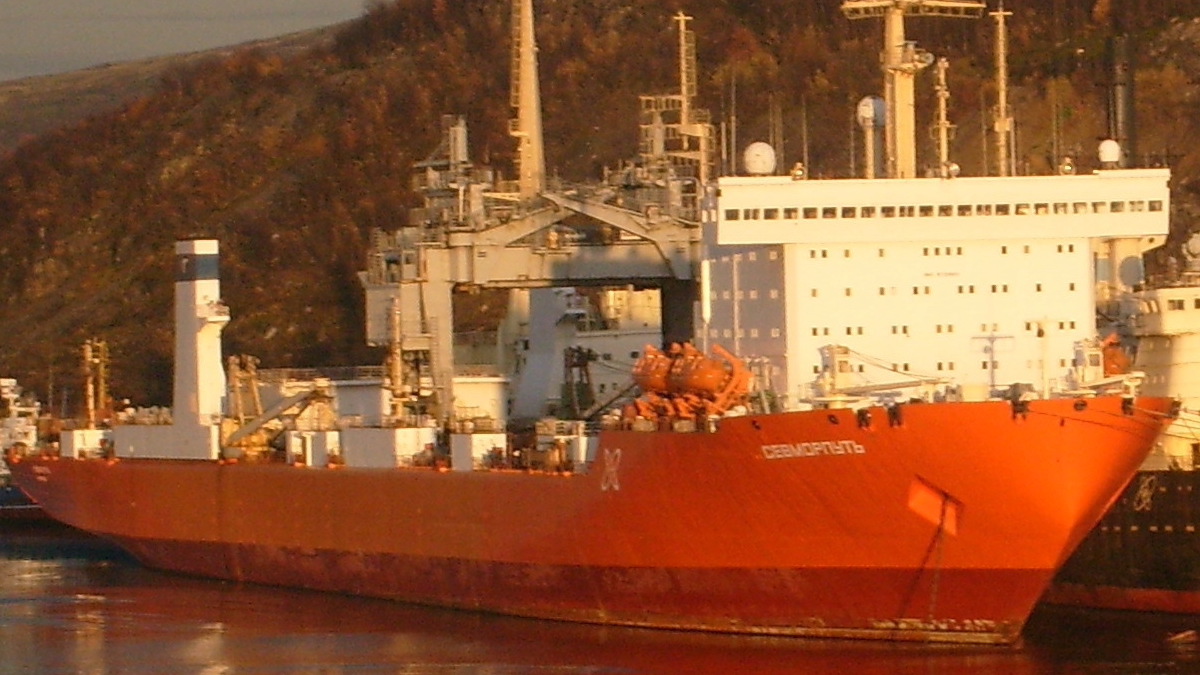
The Sevmorput (or Northern Sea Route) is the sole survivor of Russia’s original fleet of four nuclear powered cargo ships which traversed the Arctic trade routes. Sevmorput has now been operational for over thirty years, and though refitted within the last decade, is showing her age with recent voyages plagued by mechanical breakdowns. Her latest transit of the Northern Sea Route which links North Western Russia to Eastern Siberia ended badly.
The Sevmorput was ordered in 1978 and was completed more than a decade later. With a maximum seasonal displacement of 62,000 tons and 260 metres in length, the ship is powered by a single 135 MWt reactor at a maximum speed of 21 knots. With an ice-breaking capacity, the ship can pass through 1 metre thick ice at a speed of 2 knots.
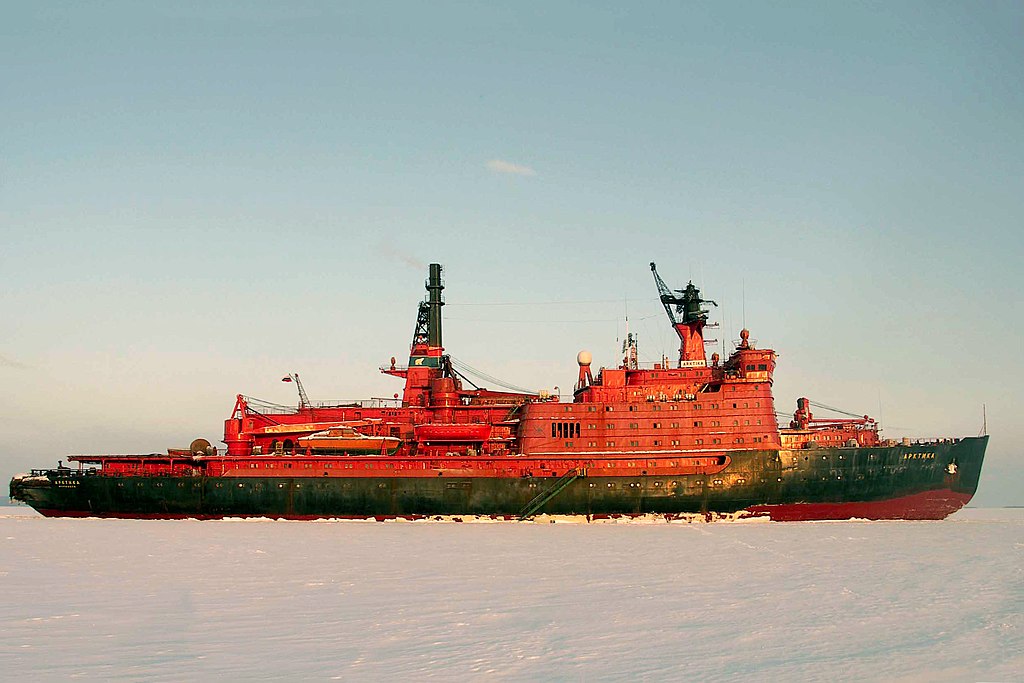
Operated by the Murmansk Shipping Company for her first twenty years of service, the Sevmorput was transferred to ATOMFLOT, the mercantile marine subsidiary of ROSATOM, Russia’s State Atomic Energy Corporation, in 2008.
Read MoreCaptured by climate propaganda

Nuclear power doesn’t belong in the Green New Deal
Note: On February 11, 2022, the U.S. Department of Energy issued a press release full of false rhetoric, claiming that an injection of $6 billion under the Department’s Civil Nuclear Credit Program would end the shutdown of the country’s aging reactors because this has “led to an increase in carbon emissions in those regions, poorer air quality, and the loss of thousands of high-paying jobs“.
Energy Secretary, Jennifer Granholm, compounded that mythology by repeating the nuclear propaganda line, unfounded in empirical data, that “U.S. nuclear power plants are essential to achieving President Biden’s climate goals”. In reality, diverting such sums to shore up old plants will significantly hinder and damage Biden’s climate plans. Last month, we endeavored to set the record straight in an article published by Truthout. It is reproduced below.
We should note that while the statement from the Sunrise Movement reflects an apparent support of the DOE position to keep existing nuclear power plants running, they are on record as being opposed to new nuclear in the Green New Deal. However, efforts to contact the group to clarify their position have received no response. Beyond Nuclear will continue to outreach to the Sunrise Movement on this.
By Linda Pentz Gunter, Truthout
Amid rising public outcry over government inaction toward the climate crisis, the nuclear power industry has attempted to advertise itself as “zero emissions,” “carbon-free” and even “renewable” in order to convince politicians and the public that it is essential to solving this world-historical disaster.
However, nuclear power is none of these things, and it in fact stands in the way of achieving an ecologically just society.
Unfortunately, a persistent and widespread public relations campaign by the nuclear power industry is endeavoring to convince some in the climate movement, as well as prominent Democrats in Congress, that nuclear energy has a role to play.

For example, after we checked in recently with the Sunrise Movement, the leading youth climate lobbying group on Capitol Hill, to see where the group stands on nuclear power, a volunteer signing his name “Josh” wrote to my organization, Beyond Nuclear, in an email that, “We don’t think shutting down existing [nuclear] plants makes much sense.” It’s not clear if this is a shift in Sunrise’s official position, since it contradicts the views on nuclear power in a position paper targeted at U.S. representatives that it signed onto in 2019, but, if so, we’ll be working to shift it.
This mythmaking had apparently infiltrated those backing the Green New Deal (GND) in 2019, when Rep. Alexandra Ocasio-Cortez (AOC) said she was happy to leave “the door open on nuclear.”
What AOC, Sunrise, and others may have overlooked is that nuclear power violates the very cornerstone of the GND: a “Just Transition.” Supporting existing nuclear power operation ignores the fact that currently operating U.S. reactors still have to run on fuel manufactured almost entirely from imported uranium — predominantly from Canada and Kazakhstan — often mined by Indigenous peoples. The radioactive detritus left behind by uranium mining and milling has decimated these and other Indigenous communities around the world. These operations, often conducted by foreign corporations, perpetuate racist colonialism.
Read MoreTime is running out
Coalition is fighting urgent battle to stop latest radioactive mud dump by EdF
By Linda Pentz Gunter
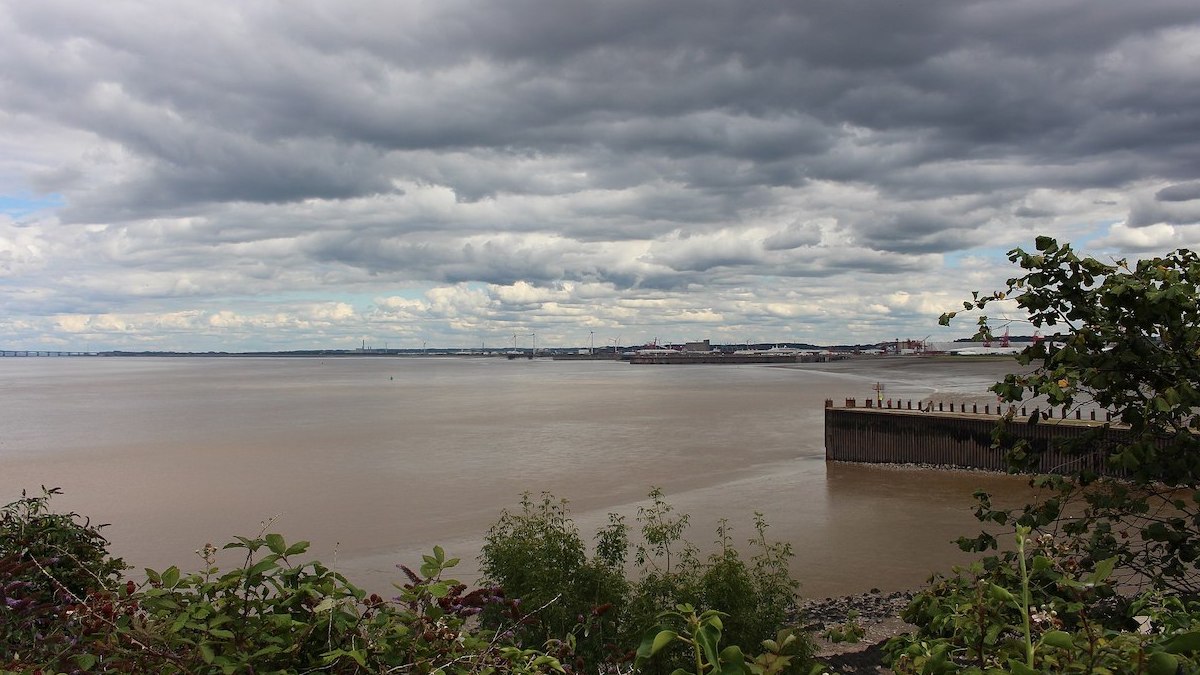
An urgent campaign is underway in the UK to save the Severn Estuary from the prospect of more dredging and dumping of radioactive mud from the Hinkley C two-reactor construction site. The Severn Estuary is a marine protected area that lies between the Somerset coast in England and south Wales.
Hinkley C is a project of the French energy giant, Électricité de France (EdF), which has scored an electricity strike price guarantee from the UK government to get the project done that will gouge British ratepayers at rates three times the current costs.
EdF say the dredge and dump operations are needed in order to make way for a water-cooling system for the two unneeded, expensive and dangerous Hinkley C reactors — the flawed Evolutionary Power Reactor (EPR) design now suffering massive delays and cost-overruns at sites in France and Finland, and dangerous technical flaws that caused the shutdown of an operating EPR in China.
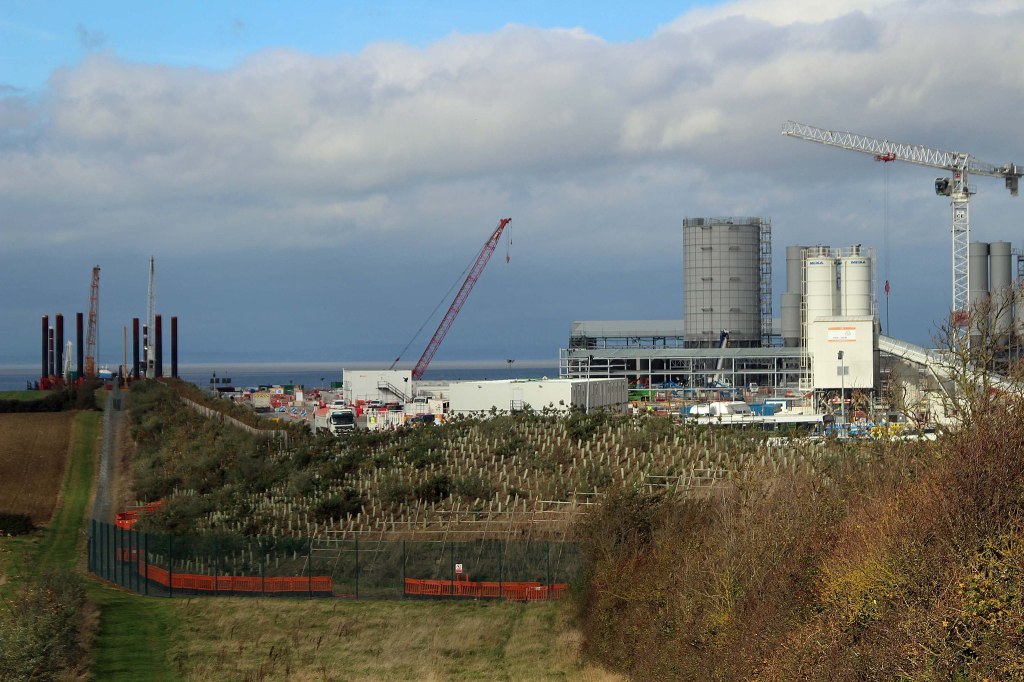
The water-cooling system, already banned in other countries, would draw seawater into a 7-metre diameter tunnel, destroying billions of fish in the process each year. These include eels, for which the Severn is an internationally important breeding ground. The system has already been vigorously opposed by wildlife and marine conservation groups. However, EdF has refused to install a fish deterrent system to reduce these impacts, citing cost issues.
In 2018, EdF dumped radioactively contaminated mud and sediment off the coast of Cardiff in Wales against wide and vigorous objection and a legal challenge in court. The mud was dumped into the “Cardiff Grounds” disposal site less than two miles from the Welsh coast in Cardiff Bay, quickly nicknamed “Geiger Bay” (a play on the old local name, Tiger Bay).
Read MoreSweden takes a chance on Forsmark

Nuclear waste repository site will be near nuclear plant
By Linda Pentz Gunter
“Who is going to take care of it if we’re not going to do it?” asks a Swedish official during the 2013 Swiss documentary, Journey to the Safest Place on Earth.
The councilman was attempting to justify and rationalize his municipality’s willingness to host a deep geologic repository (DGR) for Sweden’s high-level radioactive reactor waste. It was all about a sense of collective responsibility, he said.
Last week, the Swedish government approved a nuclear DGR for the Forsmark community in the municipality of Östhammar, one of two previously identified volunteer communities.
Forsmark is already home to one of Sweden’s three nuclear power plants, as well as a low-level radioactive waste repository. Sweden has accumulated more than 8,000 tons of highly radioactive waste since its six reactors first began operating in the 1970s.
Echoing the earlier sentiment, Sweden’s environment minister, Annika Strandhall, said in a press conference announcing the selection of the repository site: “Our generation must take responsibility for nuclear waste.” But there may be more to the story.
The Forsmark announcement comes on the heels of considerable political pressure to maintain or even expand Sweden’s nuclear power program. A recent story by Bloomberg — Sweden Approves Nuclear Waste Site to Keep Its Reactors Running — gives away right in the headline the likely agenda behind the repository announcement.
Currently, Swedish operators are “only allowed to build a new unit to directly replace an old one”. Meanwhile, operators had warned that they were running out of nuclear waste storage space, forcing closures.
But if a “solution” to the waste problem should suddenly manifest, such as a DGR, the argument for nuclear maintenance and expansion is considerably, if wrongly, strengthened.
Sweden’s decision is based on the same premise, in principle, that Hagen’s film takes; that a DGR is the preferable option for storing the world’s most dangerous and long-lived nuclear waste. But the journey Hagen takes only serves to highlight the near-impossibility, almost everywhere, of finding a technically, ethically and politically acceptable site.
Read MoreComfortably numb

Why are we risking nuclear war instead of saving the planet?
Note: IPPNW will be holding an emergency online briefing on the risks in Ukraine on Saturday. February 19th, 3pm GMT (10am EST). Speakers will explore topics related to conventional war, damage to nuclear power reactors, and escalation to nuclear weapons. Speakers are: Linda Pentz Gunter (Beyond Nuclear), Dr. Ira Helfand (IPPNW & ICAN), and Barry S. Levy, M.D., M.P.H. (Tufts University School of Medicine), with facilitation by Dr. Olga Mironova (IPPNW Russia). Register now.
By Linda Pentz Gunter
“Hello? (Hello? Hello? Hello?)
“Is there anybody in there?
Just nod if you can hear me
Is there anyone home?”
Those echoing opening lines of the Pink Floyd song, “Comfortably Numb” keep wafting through my psyche as I watch the US, Russia, and China, amass ever more sophisticated, deadly and downright evil nuclear weapons capabilities. What are they thinking?
Meanwhile, tensions continue to mount at the Ukraine-Russia border, as Putin moves more armaments and fleets around and the US flies its elite 82nd Airborne Division into standby mode in Poland, part of 3,000 US troops now deployed to the region.
All of this has sent US nuclear hawks, sounding more and more like General ‘Buck’ Turgidson from Dr. Strangelove, chafing at the bit to justify the further escalation and acceleration of the so-called modernization of the entire US nuclear weapons complex.
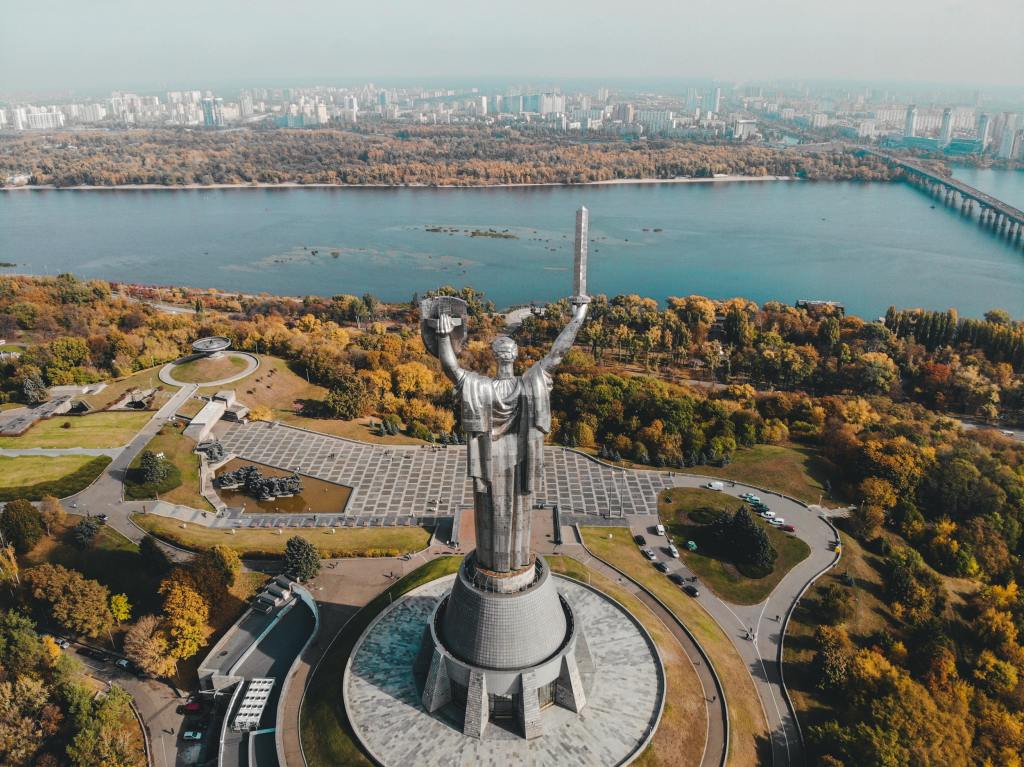
Meanwhile, there is even speculation that maybe Ukraine should not have given up its nuclear weapons at the end of the Cold War as the Soviet Union collapsed. The Russian seizure of Crimea and the seemingly endless conflict on Ukraine’s eastern border has led some to urge a Ukraine nuclear rearmament.
A nuclear-armed Ukraine, goes the logic, would allow it to “deter” a Russian invasion or, at least, any possible use of nuclear weapons by Russia in a grab for Ukraine.
But this thinking further exposes the hollow argument for deterrence. Nuclear weapons in Ukraine would have only one outcome — they would make the prospect of nuclear weapons being used in any current conflict more likely. (Then, of course, there is the ever-present danger of Ukraine’s 15 operating nuclear reactors — addressed in a January 30, 2022 article on these pages.)
Read More Beyond Nuclear International