 Beyond Nuclear International
Overcoming resistance to a nuclear weapons-free world
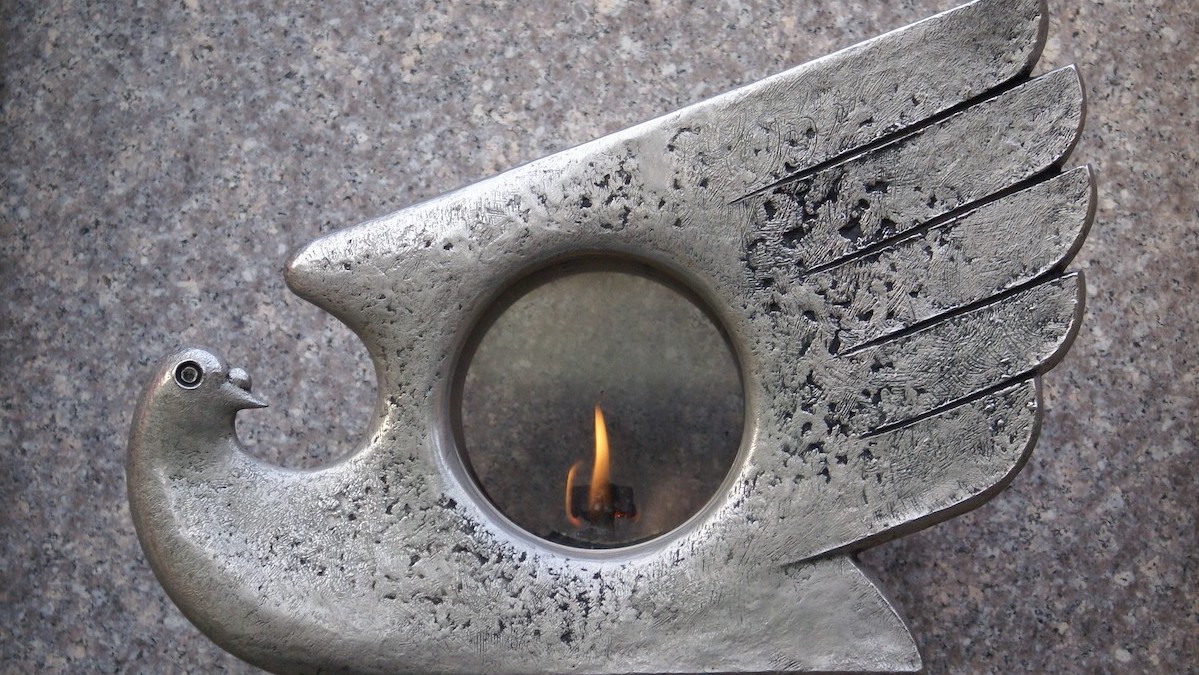
Could giving the UN authority over international security do the job?
By Lawrence S. Wittner
Given the fact that nuclear war means the virtual annihilation of life on earth, it’s remarkable that many people continue to resist building a nuclear weapons-free world. Is the human race suicidal?
Before jumping to that conclusion, let’s remember that considerably more people favor abolishing nuclear weapons than oppose it. Public opinion surveys—ranging from polls in 21 nations worldwide during 2008 to recent polls in Europe, Japan, and Australia—have shown that large majorities of people in nearly all the nations surveyed favor the abolition of nuclear weapons by international agreement. In the United States, where the public was polled in September 2019 about the UN Treaty on the Prohibition of Nuclear Weapons, 49 percent of respondents expressed approval of the treaty, 32 percent expressed disapproval, and 19 percent said they didn’t know.
Nevertheless, surprisingly large numbers of people remain unready to take the step necessary to prevent the launching of a war that would turn the world into a charred, smoking, radioactive wasteland. Why?
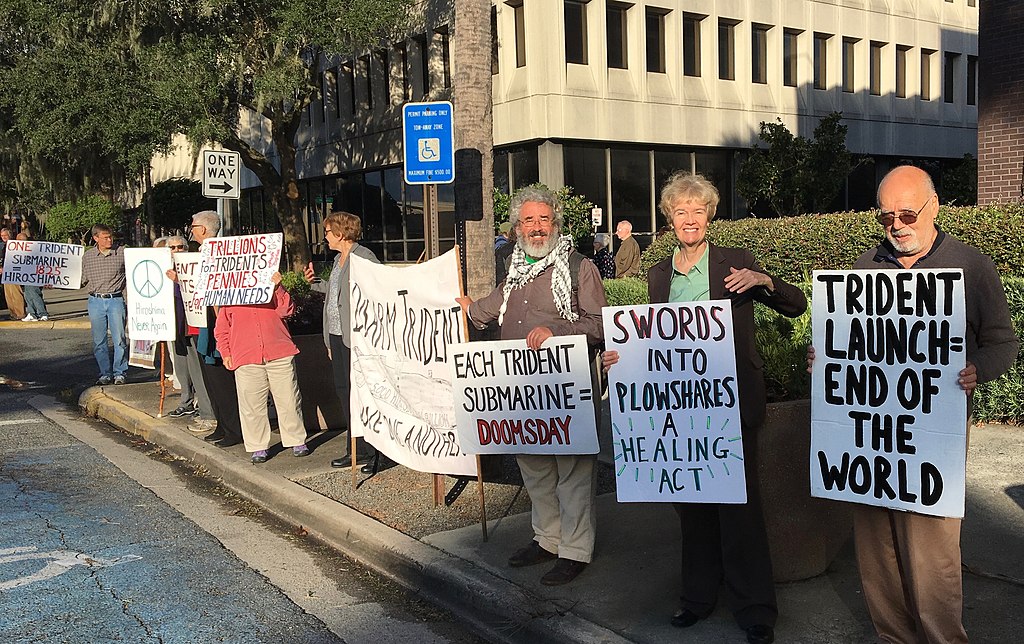
Their reasons vary. Die-hard militarists and nationalists usually view weapons as vital to securing their goals. Others are the employees of the large nuclear weapons industry and have a vested interest in retaining their jobs. In the United States, that enterprise has long been very substantial, and the Trump administration, through massive infusions of federal spending, succeeded in fostering its greatest expansion since the end of the Cold War. According to a December 2020 article in the Los Angeles Times: “Roughly 50,000 Americans are now involved in making nuclear warheads at eight principal sites stretching from California to South Carolina. And the three principal U.S. nuclear weapons laboratories . . . have said they are adding thousands of new workers at a time when the overall federal workforce is shrinking.” Members of these groups are unlikely to change their minds about the importance of retaining nuclear weapons.
Read MoreOne more whack at the SMR mole
Why Small Modular Nuclear Reactors Won’t Help Counter the Climate Crisis
By Arjun Makhijani, Ph.D. and M.V. Ramana, Ph.D.
Small modular nuclear reactors, or SMRs, are designed to generate less than 300 megawatts of electricity – several times less than typical reactors, which have a range of 1,000 to 1,600 MW. While the individual standardized modules would be small, plans typically call for several modules to be installed at a single power generation site.
The nuclear industry and the U. S. Department of Energy are promoting the development of SMRs, supposedly to head off the most severe impacts of climate change. But are SMRs a practical and realistic technology for this purpose?
To answer, two factors are paramount to consider – time and cost. These factors can be used to divide SMRs into two broad categories:
- Light water reactors based on the same general technical and design principles as present-day power reactors in the U.S., which in theory could be certified and licensed with less complexity and difficulty.
- Designs that use a range of different fuel designs, such as solid balls moving through the reactor core like sand, or molten materials flowing through the core; moderators such as graphite; and coolants such as helium, liquid sodium or molten salts.
On both counts, the prospects for SMRs are poor. Here’s why.
Economics and scale
Nuclear reactors are large because of economies of scale. A reactor that produces three times as much power as an SMR does not need three times as much steel or three times as many workers. This economic penalty for small size was one reason for the early shutdown of many small reactors built in the U.S. in the 1950s and 1960s.
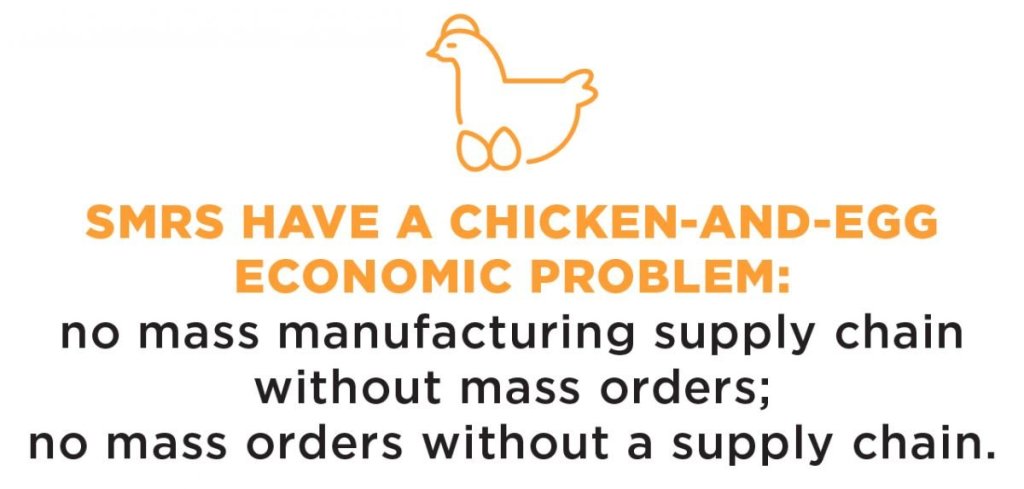
Proponents of SMRs claim that modularity and factory manufacture would compensate for the poorer economics of small reactors. Mass production of reactor components and their manufacture in assembly lines would cut costs. Further, a comparable cost per kilowatt, the argument goes, would mean far lower costs for each small reactor, reducing overall capital requirements for the purchaser.
Read MoreFission folly
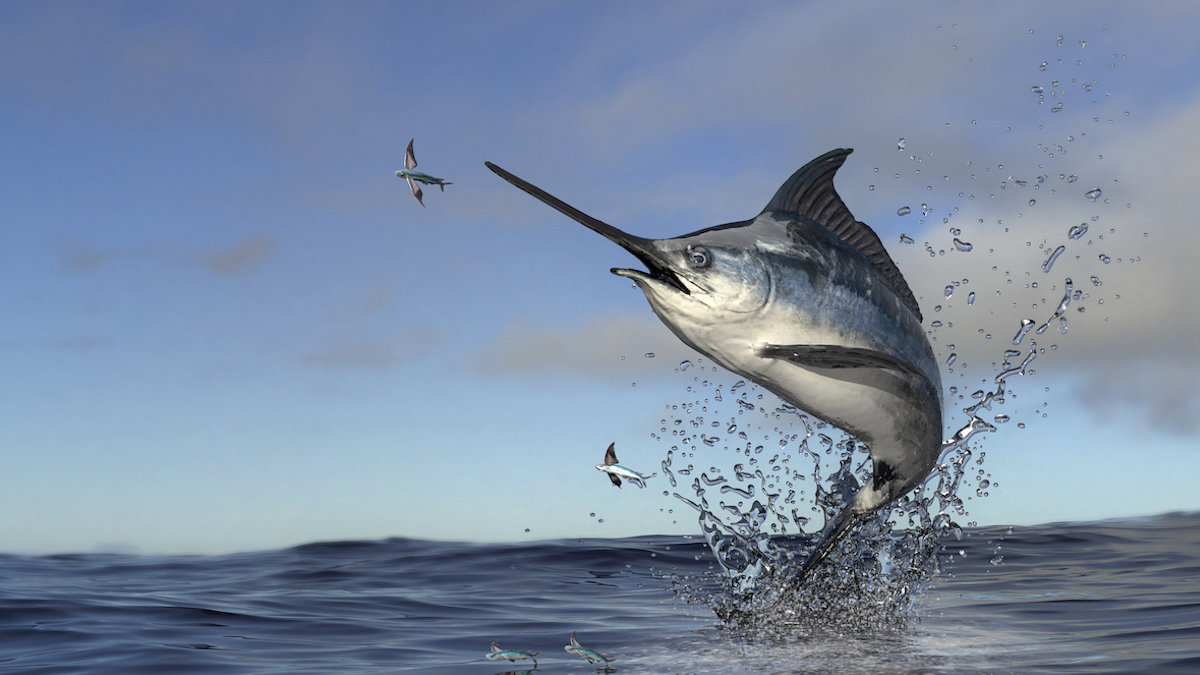
Fukushima radioactive water dump plan disregards lives of marine animals too
By Linda Pentz Gunter
Many years ago, in what seems like another lifetime, I was a reporter on the tennis beat, walking through an airport with Martina Navratilova. The aroma of hot dogs wafted around, the one thing, as vegetarians, we agreed we missed.
But Navratilova was a proper vegetarian. I was still eating fish. “Fish have souls, too,” she admonished me.
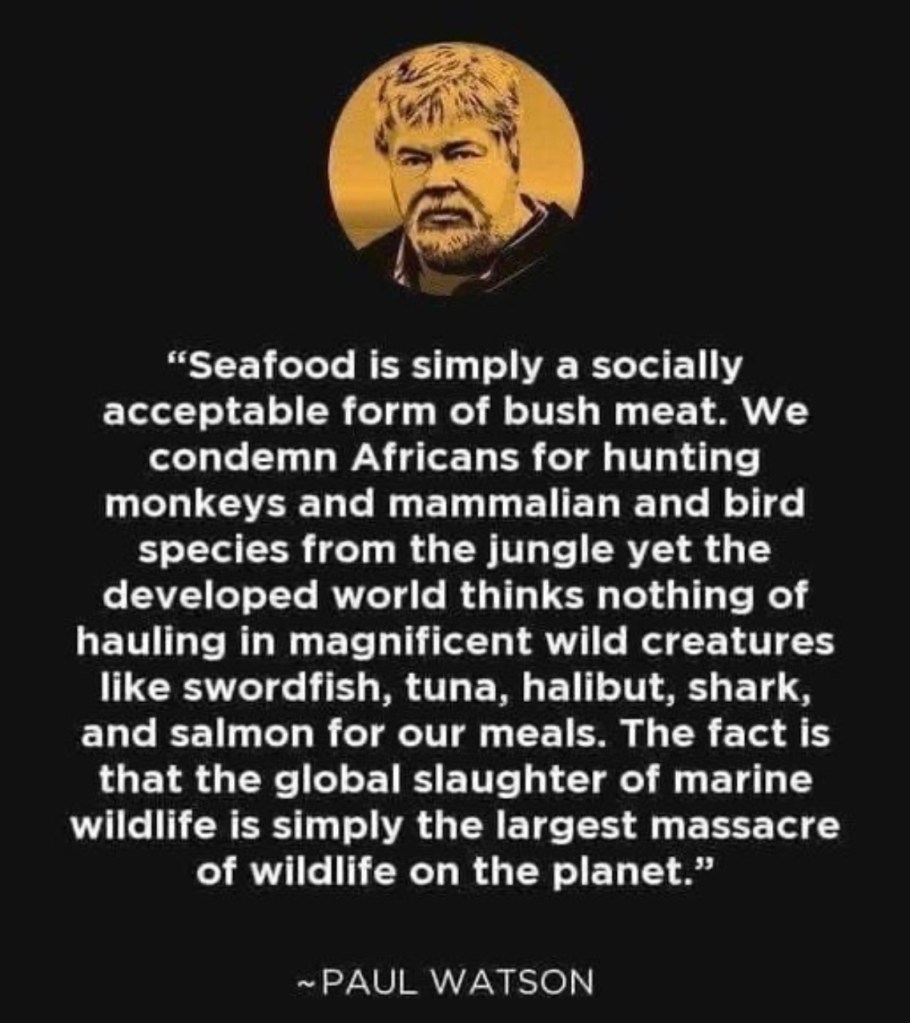
More recently, Paul Watson of Sea Shepherd, and a co-founder of Greenpeace, wrote: “Seafood is simply a socially acceptable form of bush meat.”
Exposing our hypocrisy, he continued: “We condemn Africans for hunting monkeys and mammalian and bird species from the jungle yet the developed world thinks nothing of hauling in magnificent wild creatures like swordfish, tuna, halibut, shark, and salmon for our meals.
“The fact is that the global slaughter of marine wildlife is simply the largest massacre of wildlife on the planet.”
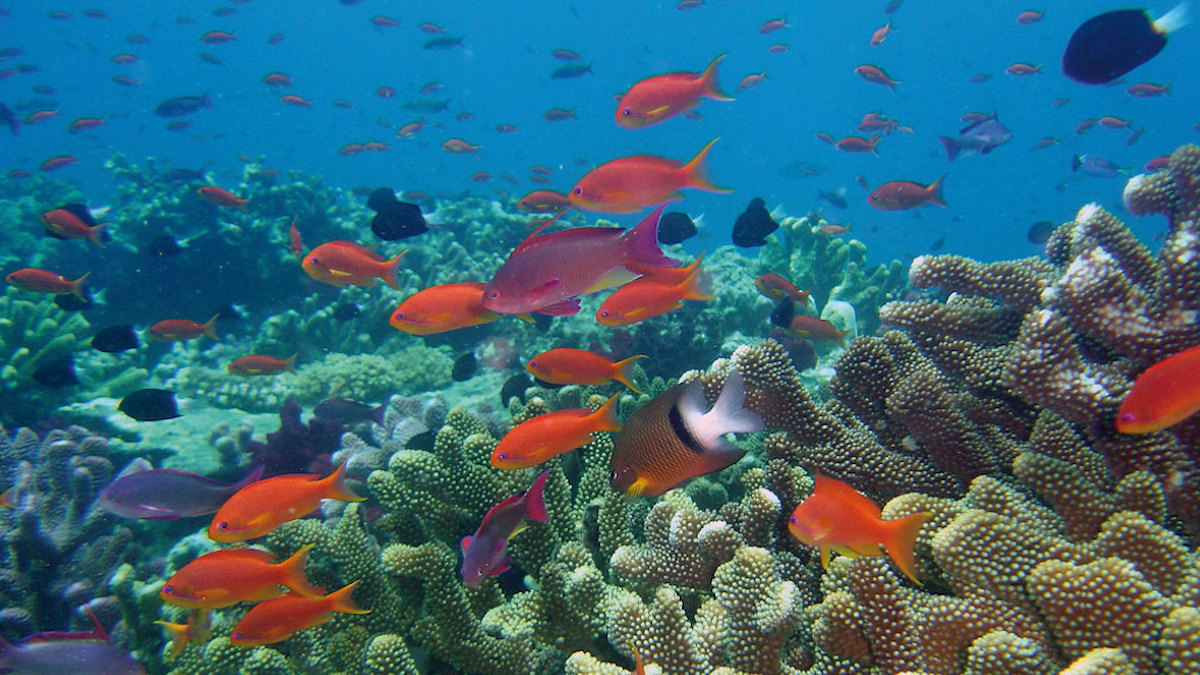
As we heard again in the news recently, Tepco and the Japanese government are once more preparing to “dispose” of 1.25 million tonnes — translating to hundred of millions of gallons — of radioactive water accumulating at the Fukushima Daiichi nuclear power plant site by pouring it into the Pacific Ocean.
I say “accumulating” because this water, needed to constantly cool the stricken reactors that exploded and melted down during and after March 11, 2011 — and that also runs down neighboring hillsides and across the site, picking up radioactive contamination — will continue to accumulate. This is not a one-stop-toss.
Read MoreThe Pacific Ocean is not Japan’s nuclear dumpsite
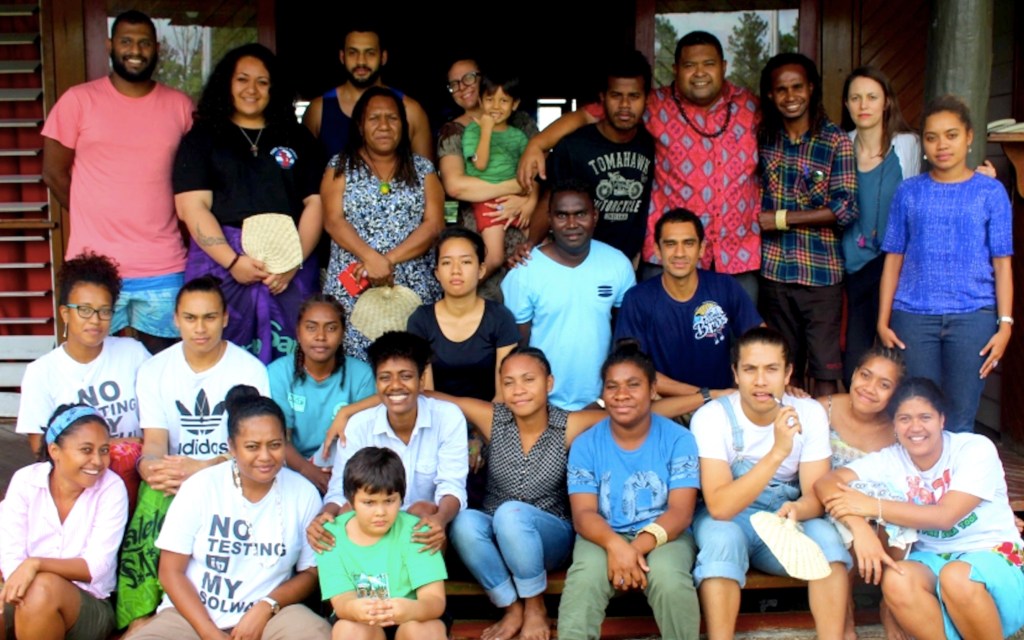
Regional collective of young Pacific activists condemns Japan’s plans
From Youngsolwara Pacific
Youngsolwara Pacific has joined the regional calls against Japan’s plans to discharge one million tons of wastewater from its Advanced Liquid Processing System (ALPS) at the Fukushima Daiichi Nuclear Power Station into the Pacific Ocean.
As a regional collective of young Pacific activists, we condemn Japan’s plans to dump nuclear waste in the Pacific Ocean which is the lifeline of our people. The Pacific Ocean is not Japan’s nuclear dumpsite.
The destructive legacy of nuclear contamination is still strongly felt throughout our region. States like the Marshall Islands, Maohi Nui (French Polynesia), Australia and Kiribati, were sites of 315 nuclear weapons tests. These have not been effectively remedied or addressed by the nuclear-armed nations of the United States, France and the United Kingdom respectively.
The harmful impacts are still being felt today by our people, manifesting in, among other impacts, debilitating health and intergenerational maladies. Moreover, our islands and waterways are still yet to be effectively environmentally remediated from these tests.
We ask, how can the Japanese government, who has experienced the same brutal experiences of nuclear weapons in both Hiroshima and Nagasaki, wish to further pollute our Pacific with nuclear waste? To us, this irresponsible act of transboundary harm is just the same as waging nuclear war on us as Pacific peoples and our islands.
We furthermore condemn the Japanese government’s own extensive history of dumping nuclear waste into the Pacific Ocean. We remember that the Pacific has protested in solidarity with Japanese civil society since 1979 when the Japanese government planned to dump nuclear waste nearby the Northern Marianas.
Read MoreRisques nucléaires: à quand la fin du monopole des experts internationaux?
Par Christine Fassert, Université Paris 1 Panthéon-Sorbonne and Tatiana Kasperski, Universitat Pompeu Fabra (This article is currently only available in French and is republished from The Conversation)
En décembre 2020, vingt ans après la fermeture définitive de la centrale, le ministère de la Culture de l’Ukraine a annoncé son intention de préparer la demande d’inscription de certains objets dans la zone d’exclusion autour de Tchernobyl sur la liste du patrimoine mondial de l’Unesco.
Le ministère prévoyait de soumettre sa demande au printemps 2021, une façon de marquer le 35e anniversaire de l’accident, le 26 avril.
Ce projet permettrait de mettre en place un dispositif de préservation du site, mais surtout de mettre en valeur son importance historique universelle.
Sur la liste de l’Unesco
Deux sites liés au passé sombre du nucléaire figurent déjà sur la liste de l’Unesco : le Mémorial de la paix d’Hiroshima et le Site d’essais nucléaires de l’atoll de Bikini.
Le site de Tchernobyl symboliserait, lui, la longue histoire des accidents qui ont marqué l’âge de l’atome, de Kyshtym à Windscale (1957) et de Three Mile Island (1979) à Fukushima (2011), dont on a marqué le dixième anniversaire cette année.
Qui plus est, l’accident de Tchernobyl marque un moment particulier de cette histoire, à savoir le début de l’institutionnalisation de la gestion internationale des conséquences des accidents nucléaires, dont on a pu pleinement mesurer l’emprise au moment de l’accident de Fukushima.
What do we remember about Chernobyl?
“Ordinary” people suffered “extraordinary” losses which should never be repeated
By Linda Pentz Gunter
“I wanted the baby to be a token of our love…..
“We were expecting our first baby. My husband wanted a boy and I wanted a girl. The doctors urged me to have an abortion. ‘Your husband was in Chernobyl for a long time.’ He’s a truck driver, and he was called up to go there in the early days. He was transporting sand and concrete. I wouldn’t believe them. I didn’t want to. I had read in books that love conquers all. Even death.
“My little baby was stillborn, and lacking two fingers. A girl. I cried. ‘If she could at least have had all her pretty little fingers’. She was a girl after all.”
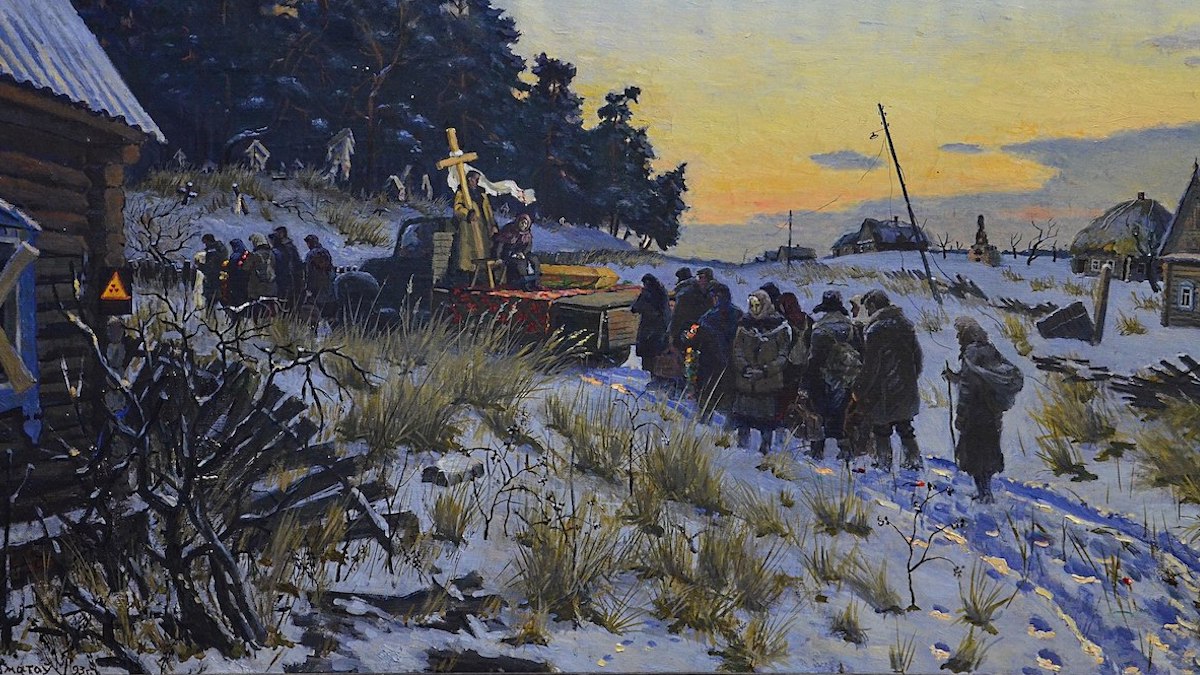
Chernobyl. We remember it now, 35 years later. And it was remembered then, in the 10 years after if happened, by the people to whom it happened. Because tragedies struck several million of what we call “ordinary” people. (In Ukraine alone, 1.8 million people have official status as victims of the Chernobyl disaster.)
But there was nothing “ordinary” about the Chernobyl ordeal or the people who experienced it. And they related those experiences, like the one above, to Belarusian journalist, Svetlana Alexievich, whose book of testimonials, Voices from Chernobyl (called Chernobyl Prayer in the UK), gives the lie to the Chernobyl deniers.
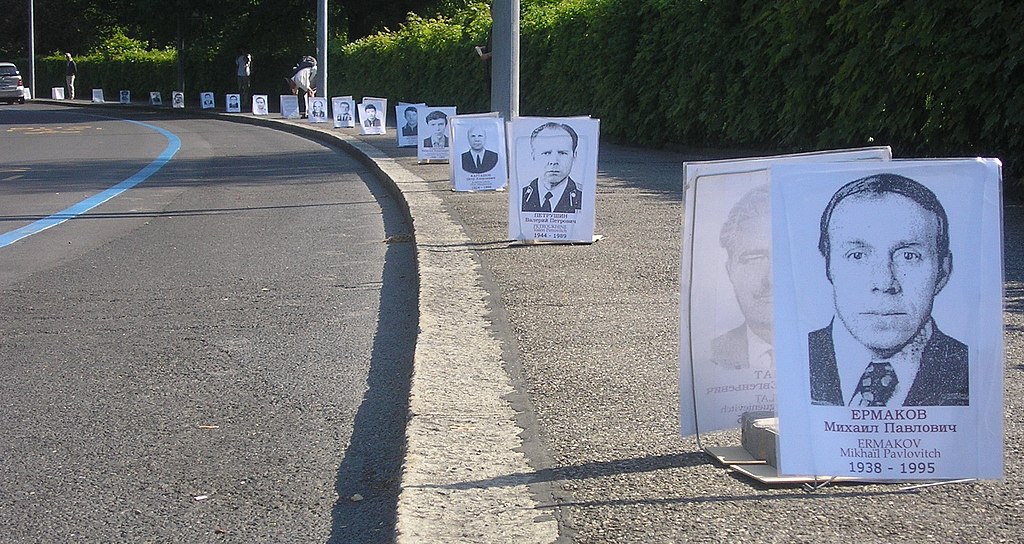
Some of those real people were liquidators, yes. And the problem that caused Chernobyl Unit 4 to explode was a technological one, compounded by human error.
“From up above, you could see everything. The ruined reactor, the mounds of building debris. And a gigantic number of tiny human figures. . . The little soldiers were running around in their rubber suits and rubber gloves. They looked so small seen from the sky.
“I fixed it all in my memory. Thought I’d tell my son. But when I got back: ‘Daddy, what did you see?’ ‘A war.’ I had no other words for it.”
Read More Beyond Nuclear International