 Beyond Nuclear International
The deterrence myth
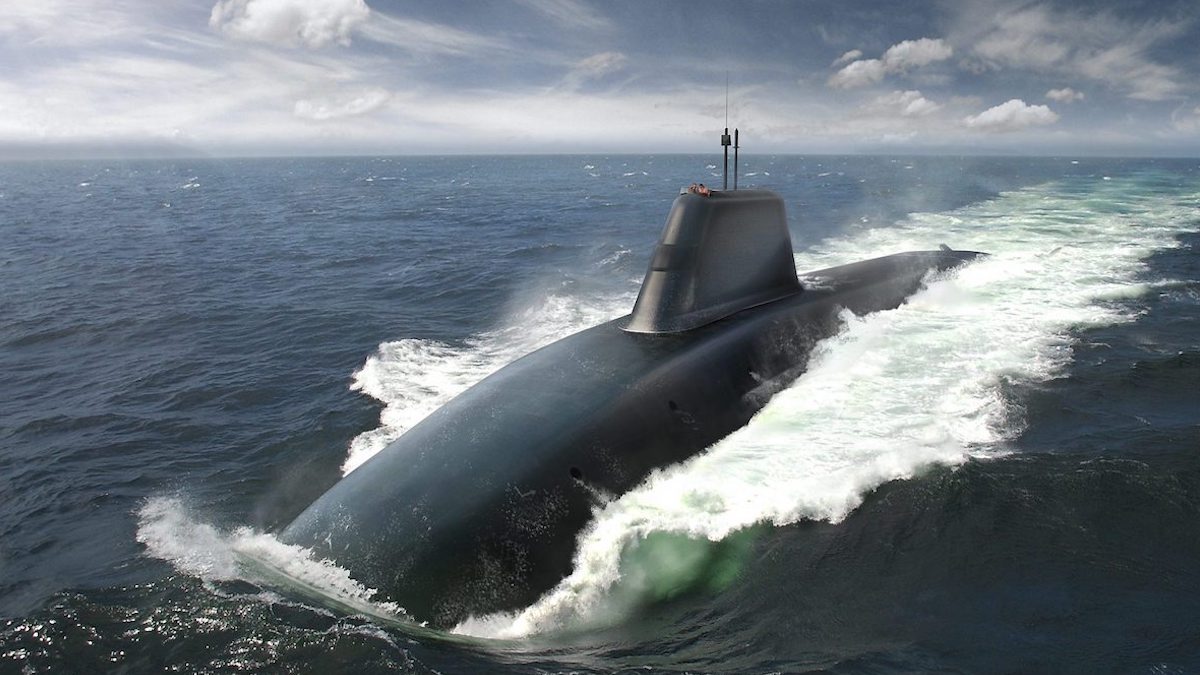
The naked emperor who’s still in power
By David Barash
In his classic The Evolution of Nuclear Strategy (1989), Lawrence Freedman, the dean of British military historians and strategists, concluded: ‘The Emperor Deterrence may have no clothes, but he is still Emperor.’ Despite his nakedness, this emperor continues to strut about, receiving deference he doesn’t deserve, while endangering the entire world. Nuclear deterrence is an idea that became a potentially lethal ideology, one that remains influential despite having been increasingly discredited.
After the United States’ nuclear bombings of Hiroshima and Nagasaki in 1945, war changed. Until then, the overriding purpose of military forces had ostensibly been to win wars. But according to the influential US strategist Bernard Brodie writing in 1978: ‘From now on its chief purpose must be to avert them. It can have almost no other useful purpose.’ Thus, nuclear deterrence was born, a seemingly rational arrangement by which peace and stability were to arise by the threat of mutually assured destruction (MAD, appropriately enough). Winston Churchill described it in 1955 with characteristic vigour: ‘Safety will be the sturdy child of terror, and survival the twin brother of annihilation.’ Importantly, deterrence became not only a purported strategy, but the very grounds on which governments justified nuclear weapons themselves. Every government that now possesses nuclear weapons claims that they deter attacks by their threat of catastrophic retaliation.

Even a brief examination, however, reveals that deterrence is not remotely as compelling a principle as its reputation suggests. In his novel The Ambassadors (1903), Henry James described a certain beauty as ‘a jewel brilliant and hard’, at once twinkling and trembling, adding that ‘what seemed all surface one moment seemed all depth the next’. The public has been bamboozled by the shiny surface appearance of deterrence, with its promise of strength, security and safety. But what has been touted as profound strategic depth crumbles with surprising ease when subjected to critical scrutiny.
Read MoreWhy Bill Gates is wrong

Billionaire’s nuclear ambitions would make climate disaster worse
By Linda Pentz Gunter
In an interview for the Washington Post Magazine during his current book tour, billionaire Bill Gates, whom we are now expected to accept as an authority on climate change, said: “I’ll be happy if TerraPower was a waste of money.” TerraPower is Gates’s nuclear power company pushing so-called “advanced” reactors. His book is called How to Avoid a Climate Disaster.
Well, Bill, I have some good news for you. You can start celebrating! Because, yes, TerraPower is indeed a colossal waste of money. It’s also a waste of precious time. And the idea that nuclear power could “lift billions out of poverty” as the TerraPower website boasts, is on a par with any number of outlandish theories, conspiratorial or otherwise, that are making the all too frequent rounds these days.
So has Gates really drunk the Kool-Aid (OK it wasn’t actually Kool-Aid but Flavor Aid that was consumed at the 1978 Jonestown massacre)? Does he really plan to throw away $1 billion of his own money, plus an equal match from investors and possibly some state funding, too, and then just shrug it off when the whole thing proves redundant? Is that really true stewardship of the climate?
You don’t need to be a mathematician to work out what $2 billion plus would buy in renewables, and how much faster that particular delivery would arrive at the doorsteps of the world’s poor, whom Gates claims he aims to protect.
Here are the prices that the eminent financial house Lazard calculated in 2019 for different ways to generate a megawatt-hour of electricity using new nuclear plants and other energy options, as laid out by Amory Lovins in his landmark Forbes article:
New nuclear power would cost $118–192/MWh (of which $29 is typical operating cost) while utility-scale solar power would cost $32–42/MWh and onshore windpower $28–54/MWh.
As Lovins has consistently pointed out: “To protect the climate, we must save the most carbon at the least cost and in the least time, counting all three variables—carbon and cost and time.”
And, “costly options save less carbon per dollar than cheaper options. Slow options save less carbon per year than faster options. Thus even a low- or no-carbon option that is too costly or too slow will reduce and retard achievable climate protection.”
Read MoreA tempting target
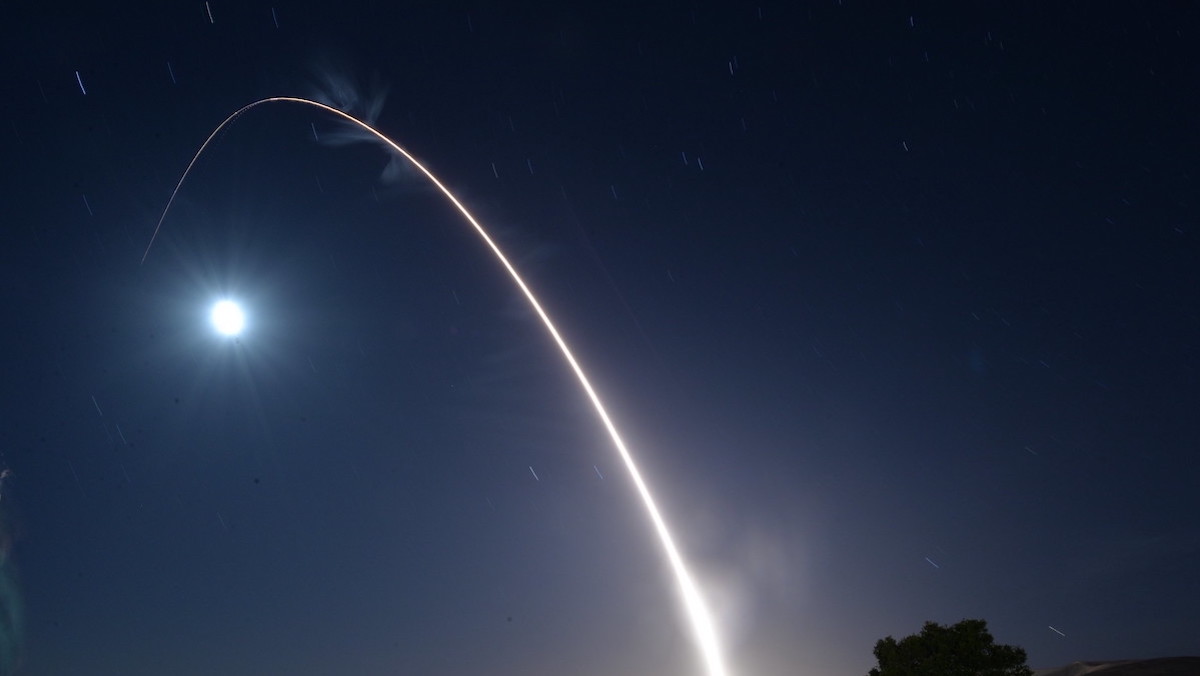
Accurate missiles and drones could knock down critical electrical supply lines to Turkey’s nuclear reactor and destroy its emergency generators, nuclear control rooms, reactor containment buildings, and spent reactor fuel buildings.
By Henry Sokolski and John Spacapan
Although it got little attention from the U.S. media, an explosion late last month at a Turkish nuclear power plant construction site raised eyebrows in Turkey. It should raise eyebrows in America, too. Donald Trump pushed nuclear exports to the region when he was president. His replacement, Joe Biden, should not. The recent Turkish explosion clarifies why: nuclear plants in unstable regions are tempting targets that could explode, and not by accident.
The blast injured at least two people and caused serious damage to homes in the area. The Russian-Turkish nuclear construction firm, Akkuyu Nuclear Inc., claims the explosion took place when a subcontractor carried out “planned drilling and blasting.” So far, Ankara has kept mum on the story.
Angry local officials and opposition party leaders, though, aren’t buying the construction firm’s account. A member of the leading political opposition, the Republican People’s Party, said locals are losing sleep “thinking about the possibility of more blasts that might happen in the future when the nuclear power plant starts to function.” Meanwhile, the local governor has ordered a special police team to investigate the incident and to “hold those responsible to account.”
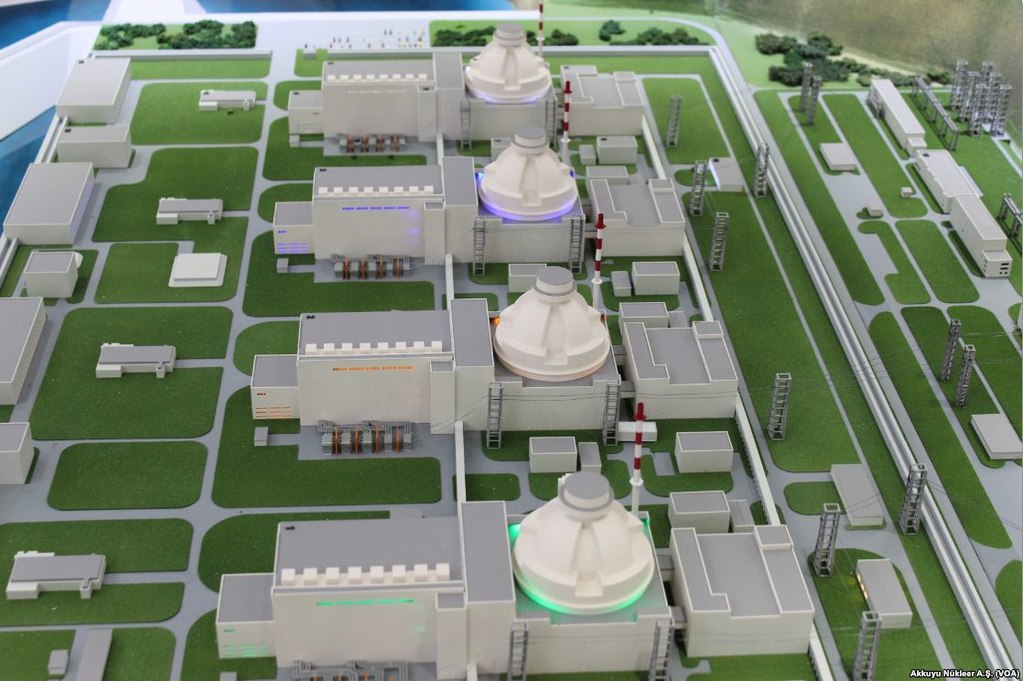
Whether or not the explosion was planned, the Republican People’s Party leaders, Turkish citizens, and local Akkuyu politicians worry about reactor accidents. The Akkuyu plant sits on a major plate tectonic fault line. Besides natural accidents, they should worry about another threat—terrorist and proxy missile and drone attacks. Certainly, if government officials ignore local opposition to the nuclear project, then they will have to worry that the PKK (a Kurdish terrorist group that seeks an autonomous state in southeastern Turkey) might hold the Turkish government hostage by threatening to strike the plant.
Read MoreIsolated and alone

A teenager’s account of the Fukushima ordeal
By Linda Pentz Gunter
Ten years after the March 2011 Fukushima nuclear disaster, how has the Japanese government responded and what is it like for the people affected, still struggling to return their lives to some semblance of normality? Here is how things look:
- Manuals are being distributed in schools explaining that radioactivity exists in nature and is therefore not something to be afraid of.
- The government is considering getting rid of radiation monitoring posts as these send the wrong message at a time of “reconstruction”.
- The Oversight Committee for Fukushima Prefecture Health Management Survey is discussing the possibility of stopping thyroid inspections at schools because they stress children out and overburden teachers and staff.
- Depression and suicide rates among young people from Fukushima are likely to be triggered by being called “germs” and by being seen as “contaminated”.
- Those who speak out about radiation are more stigmatized today than they were 10 years ago.
- Those who “voluntarily” evacuated, recognizing that the so-called protection standards were not adequate for their region, are often ostracized from their new communities. They are seen as selfish for abandoning their homeland, friends and families “just to save themselves” and are bullied as parasites living on compensation funds, even though the “auto-evacuees” as they are known, received none.

- Those forced to evacuate are also bullied if they do not now return, accused of not trusting the government and its assertions that it is safe to do so.
- The taboo against speaking out for proper radiation protection and for compensation has grown worse as the rescheduled Olympics loom for this summer and Japan is determined to prove to the world it has fixed the radiation problem and beaten Covid-19.
- On March 1, 2021, it took three judges all of 30 seconds to dismiss a case brought by 160 parents and children who lived in Fukushima prefecture at the time of the nuclear accident, and known as the Children’s Trial Against Radiation Exposure. The class action suit sought 100,000 yen per person in damages from the government and the prefecture, due to the psychological stress brought on by the lack of measures to avoid radiation exposure after the accident.
Fukushima Daiichi 2011-2021
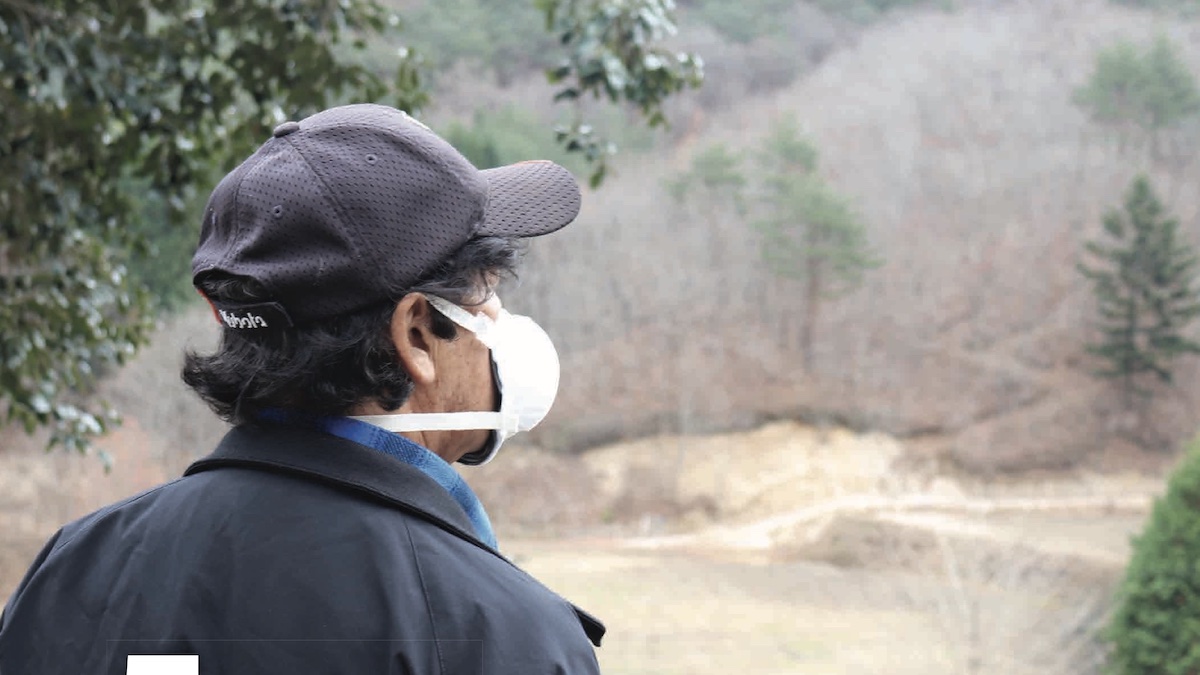
The decontamination myth and a decade of human rights violations
The following is the Executive Summary from the new Greenpeace report. Download the full report.
As a result of a catastrophic triple reactor meltdown at the Fukushima Daiichi nuclear plant on 11 March 2011, several tens of thousands of square kilometres in Fukushima Prefecture and wider Japan were contaminated with significant amounts of radioactive caesium and other radionuclides. The first Greenpeace radiation expert team arrived in Fukushima on 26 March 2011, and Greenpeace experts have since conducted 32 investigations into the radiological consequences of the disaster, the most recent in November 2020.
This report, the latest in a series, chronicles some of our principal findings over recent years, and shows how the government of Japan, largely under prime minister Shinzo Abe, has attempted to deceive the Japanese people by misrepresenting the effectiveness of the decontamination programme as well as the overall radiological risks in Fukushima Prefecture. As the latest Greenpeace surveys demonstrate, the contamination remains and is widespread, and is still a very real threat to long term human health and the environment.
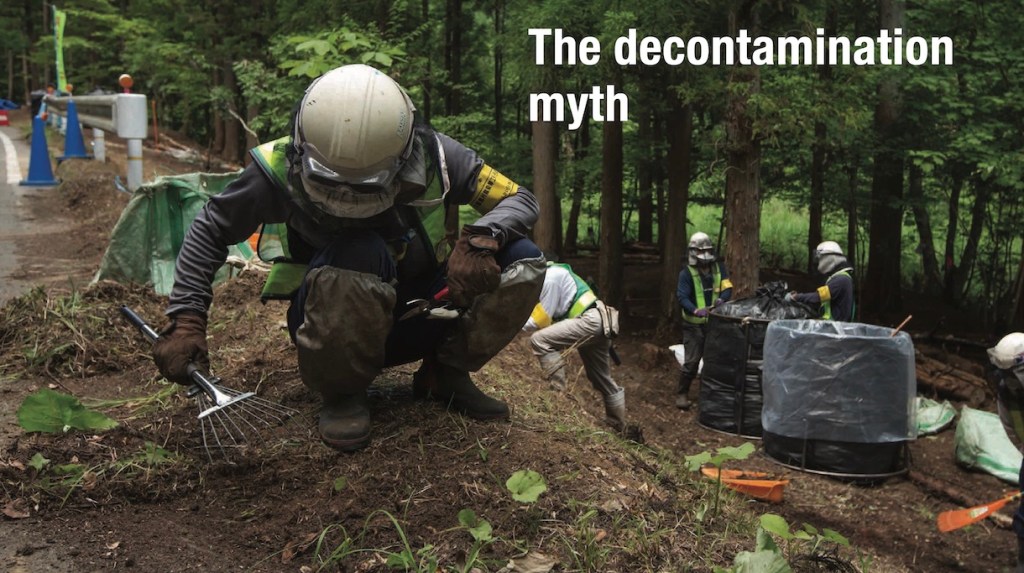
The contaminated areas comprise rice fields and other farmland, as well as a large amount of forest. Many people who lived in these areas were employed as farmers or in forestry. Residents gathered wood, mushrooms, wild fruits and vegetables from the mountain forests, and children were free to play outdoors in the woodlands and streams. Since the disaster, tens of thousands of people have been displaced from their ancestral lands. The harm extends far beyond the immediate threat to health – as well as destroying livelihoods, it has destroyed an entire way of life.
Because of the government’s actions, many thousands of evacuees have been forced to make an impossible choice: to return to their radioactively contaminated homes or to abandon their homes and land and seek to establish a new life elsewhere without adequate compensation. This amounts to economic coercion and may force individuals and families to return against their will due to a lack of financial resources and viable alternatives. Given that these people lost their livelihoods, communities, and property as a result of a nuclear disaster they had no part in creating, this is grossly unjust.
Read More“Non-violent creative tumult”
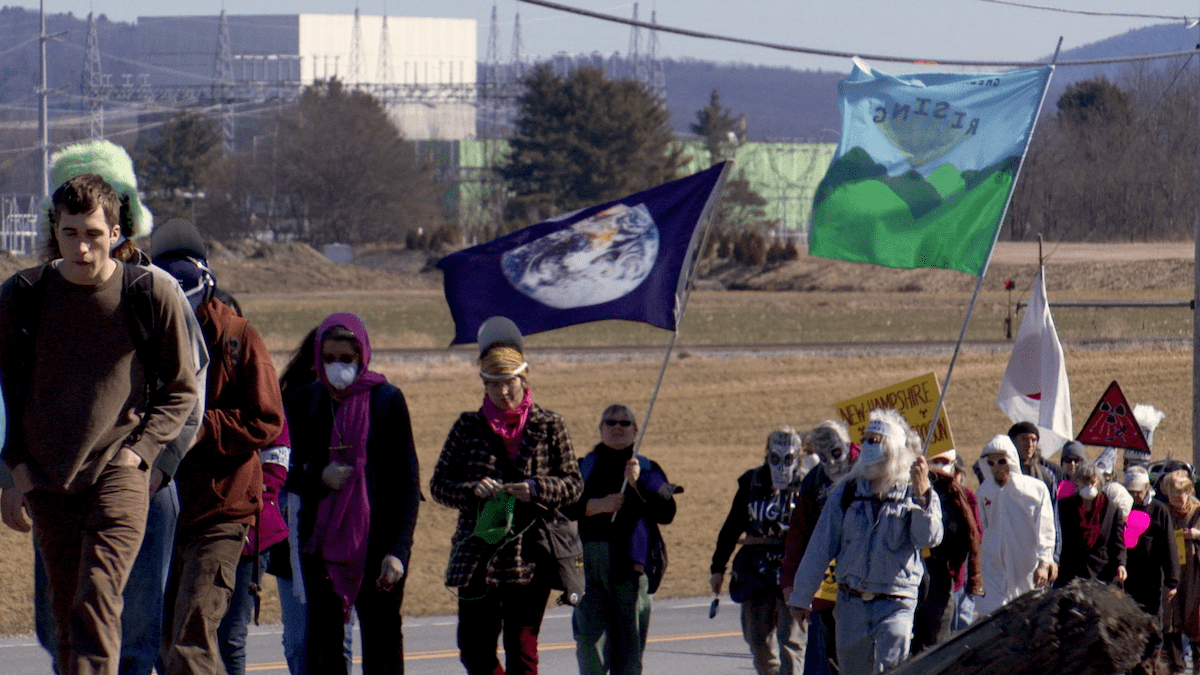
Film documents long campaign to get Vermont Yankee shut down
Power Struggle is available for at home screening for a limited time, March 1-30. A portion of the $12 ticket price benefits Beyond Nuclear. Purchase your ticket here.
By Linda Pentz Gunter
“Our voice as the people of Vermont is what matters,” says Vermont activist, Chad Simmons, early in Robbie Leppzer’s film, Power Struggle. Later, he entreats an official from the Nuclear Regulatory Commission at a public meeting: “Listen to us! Listen to us”.
By the time the film ends, as the struggle to close the Vermont Yankee nuclear power plant —which Leppzer follows for five years — unfolds, Simmons can rejoinder: “People power works.” For once, the saga of an anti-nuclear campaign has a happy ending.
Vermont Yankee, a GE Mark I boiling water reactor identical to those that melted down at Fukushima Daiichi, opened in 1972 in Vernon, Vermont, close to the Massachusetts and New Hampshire borders. Citizen protests began immediately, and went on until the plant finally closed, on December 29, 2014.
Leppzer may have set out to tell that story, but a lot more transpired during filming, both complicating but also validating the narrative. A story ostensibly about the power of protest — by the people of Vermont and its enlightened state government — quickly broadened into a condemnation of the nuclear industry as a whole. This is borne witness to at the start of the film through the observations of nuclear engineer and whistleblower, Arnie Gundersen, when Leppzer’s original narrative is abruptly interrupted by the March 2011 Fukushima nuclear disaster.

 Beyond Nuclear International