 Beyond Nuclear International
Exposed!

Extinction Rebellion fact checks pro-nuclear front groups
The following is a statement from Extinction Rebellion, UK, in light of misrepresentations of their movement by a former team member now working for a pro-nuclear front group. It alleges that Environmental Progress, its new employee, Zion Lights, its founder, Michael Shellenberger, and the group’s predecessor, Breakthrough Institute (still operating as well) have ties to big corporations and to climate denial.
There have been a number of stories in the press in the last few weeks with criticisms about Extinction Rebellion by Zion Lights, UK director of the pro-nuclear lobby group Environmental Progress. It appears that Lights is engaged in a deliberate PR campaign to discredit Extinction Rebellion.
For any editors who might be considering platforming Lights, we would like to make you aware of some information about the organisation she works for and her employer, Michael Shellenberger.
ENVIRONMENTAL PROGRESS & MICHAEL SHELLENBERGER
Environmental Progress is a pro-nuclear energy lobby group. While the group itself was only established in 2016, its backers and affiliates have a long and well-documented history of denying human-caused climate change and/or attempting to delay action on the climate crisis. A quick look at groups currently promoting Zion Lights through their social media channels include climate deniers and industry lobbyists such as The Global Warming Policy Foundation and the Genetic Literacy Project (formerly funded by Monsanto).*
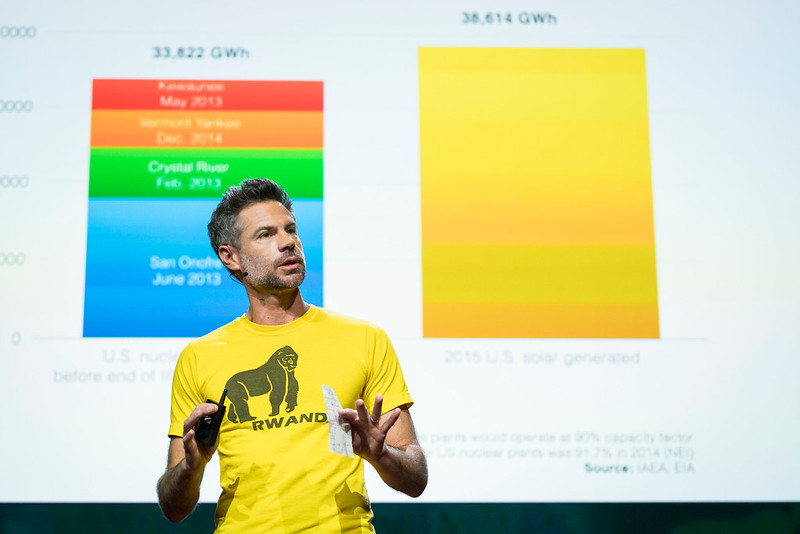
The founder of Environmental Progress, Michael Shellenberger, has a record of spreading misinformation around climate change and using marketing techniques to distort the narrative around climate science. He has a reputation for downplaying the severity of the climate crisis and promoting aggressive economic growth and green technocapitalist solutions.
Shellenberger appeared on the Tucker Carlson Show on Fox News just last week to say that the forest fires currently raging in California are due to “more people and more electrical wires that they’ve failed to maintain because we’ve focused on other things like building renewables” and we’ve been “so focused on renewables, so focused on climate change.”
Read MoreLessons from Lesotho

What a tiny African country can teach Wales and the world
By Dr. Carl Iwan Clowes
March 1985 – a sight to behold as the Lesotho Ambassador and the High Commission staff from London, clad in their national dress of Basotho blanket and traditional hat, climbed the steps of the Welsh Office in Cathays Park.
They were there for a ceremony to mark the launch of the unique link between our two countries. As they stepped into the main hall they were greeted by a choir from Ysgol y Wern followed by a short welcome in Sesotho from Bishop Graham Chadwick.
The scene, full of colour, was already vibrant when the Basotho responded in the traditional rhythm of African song.

The civil servants, who had left their offices to welcome the guests from the balcony, burst into spontaneous applause, an emotional response which rang through the corridors of power. The Welsh Office hadn’t seen anything like this before!
Thirty five years on, many thousands of teaching and health personnel, children, politicians and cultural organisations in both countries have gained from the experience of our link. It was always the ambition to ensure this was an equitable relationship built on understanding and friendship between our peoples.
Challenging as this has been, the aspiration for equity remains and the profound personal experiences gained by both the Basotho and the people of Wales are testimony to that. In 2014 a Memorandum of Understanding between the Governments of Lesotho and Wales was signed reaffirming the importance of the relationship.
Read MoreWomankind arise!
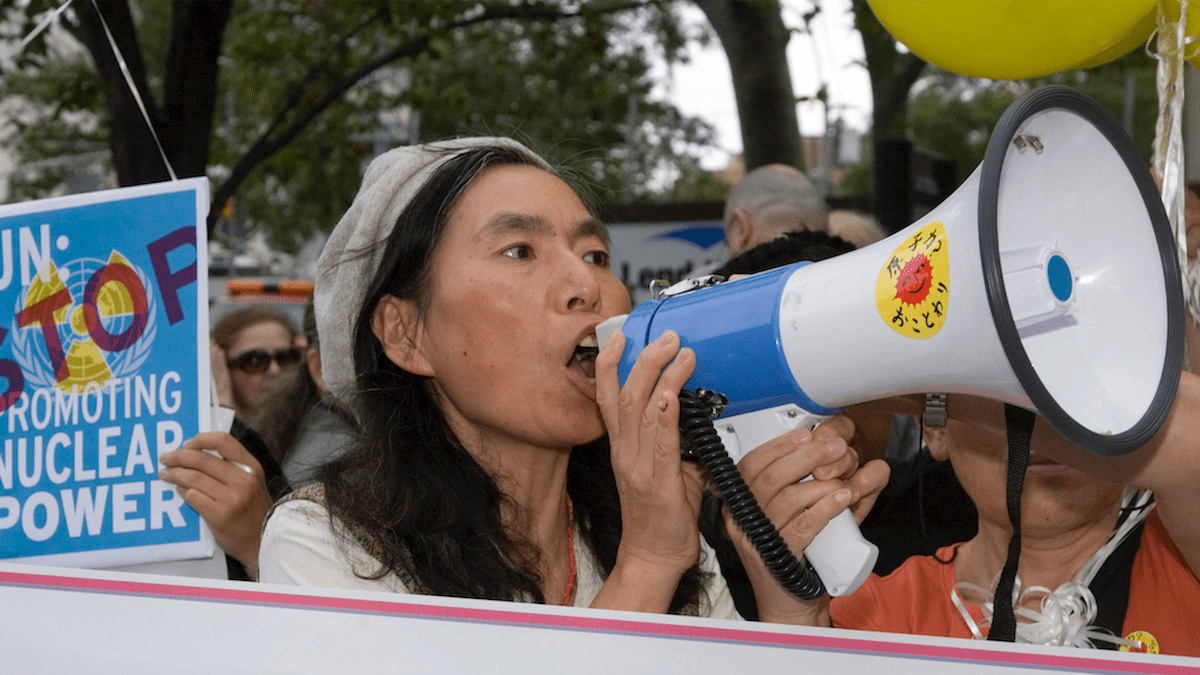
Nuclear exposure standards discriminate on the basis of sex
By Linda Pentz Gunter
As we mourn the passing of Supreme Court justice, Ruth Bader Ginsburg, we look back at her landmark victories against discrimination “on the basis of sex” and wonder how nuclear regulations might have stood up to her legal scrutiny. As things currently stand, the nuclear power industry gets away with “allowable” radiation exposure levels that discriminate against women.
When Elizabeth Warren’s presidential campaign fizzled so dramatically in the primary season, I was asked by many overseas friends why this was. Was it that the United States is still not ready for a woman president? Is that really possible in this day and age and in such a supposedly advanced country? (Trump is president, so “advanced” may be the wrong choice of word here.)
Let’s be clear; discrimination is alive and well in the US as we are seeing played out in almost daily tragedies — against people of color, but also against the poor, the LGBT community, immigrants, the elderly and, yes, women.
It’s completely plausible that Warren’s gender cost her the chance of the Democratic presidential nomination. There may be other worthy arguments — such as that those hoping for radical change preferred the more Left Bernie Sanders, and those looking for the compassionate center saw it in Joe Biden. We may never know, but at age 71 now, we can be fairly sure that Warren will not be able to try again.
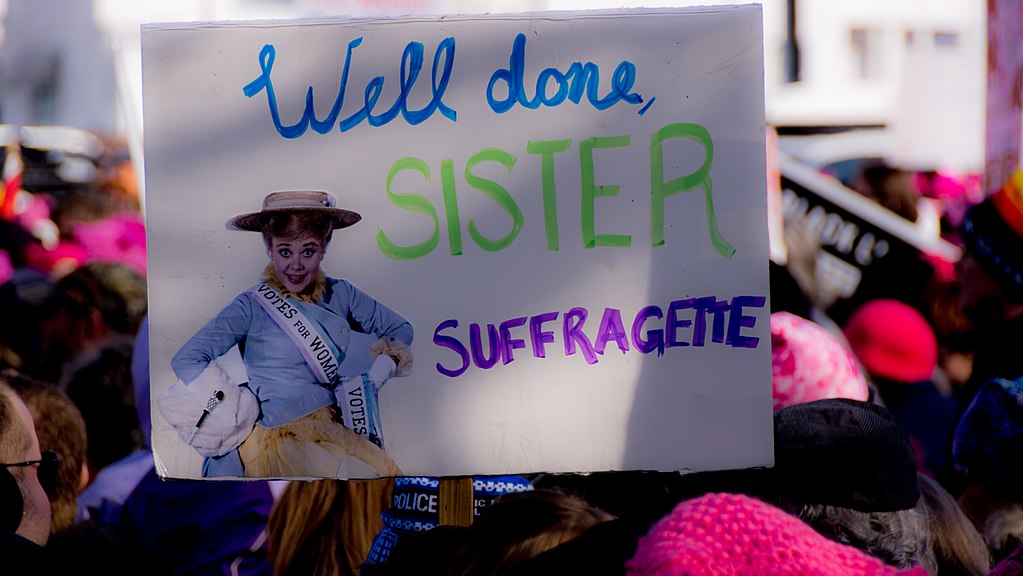
When the 2018 feature film came out about Ruth Bader Ginsburg’s early triumph in making discrimination “on the basis of sex,” (also the film’s title) illegal, it was a glorious reminder of the progress we have made. But now, with her death this past week, we face a potentially ominous shift backwards to the way things were, if the White House and Republican-controlled Senate get away with filling her seat before the November election.
And despite RBG’s immense contribution to our greater wellbeing, as women, we still face discrimination in so many walks of life. That could be about to get worse.
Read MoreDuke Energy’s shell game

New plan touts carbon cuts, adds more gas and nuclear
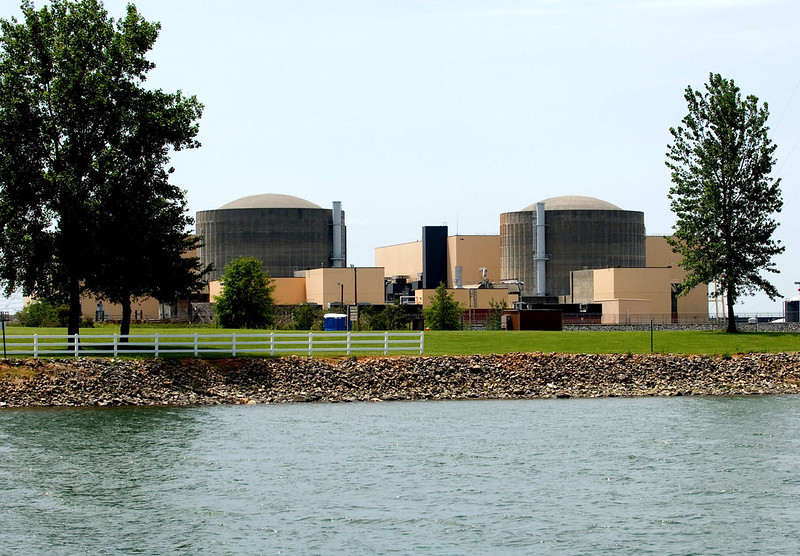
Duke Energy has said that it will submit a blanket request for Second License Extensions for all 11 reactors in its fleet, which would see these already aging, degrading and uneconomical plants operating out to 60 or even 80 years. The following is an analysis from the Environmental Working Group, issued as a September 2, 2020 press release, and an excerpt from their report.
Duke Energy says it will achieve “net zero” carbon pollution by 2050. But its new resource plan for the Carolinas almost certainly means it will continue to rely on fossil fuels and nuclear reactors as its dominant sources of energy.
On September 1, Duke – the largest investor-owned U.S. electric utility, with 7.7 million customers in six states – filed its 2020 Integrated Resource Plan, or IRP, with regulators in North and South Carolina. If in the wake of its recent cancellation of the $8 billion Atlantic Coast Pipeline, Duke-watchers expected a turn away from natural gas, they were wrong.
The plan floated six different scenarios to reach “net zero” carbon, and all but one relies heavily on fracked natural gas. It confirmed that Duke will continue to give short shrift to wind power and is betting on the uncertain development of a new generation of small nuclear reactors.
“If investors and regulators were hoping Duke would put forth a serious plan to reduce emissions and combat climate, this IRP wasn’t for them,” said Grant Smith, EWG’s senior energy policy advisor. “Even the most ambitious scenario would only modestly invest in offshore wind, despite the enormous potential in the Carolinas, make paltry advances in solar, spend billions on more nuclear reactors and jack up customers’ bills by nearly $60 a month.”
Read MoreNuclear reactors make climate change worse
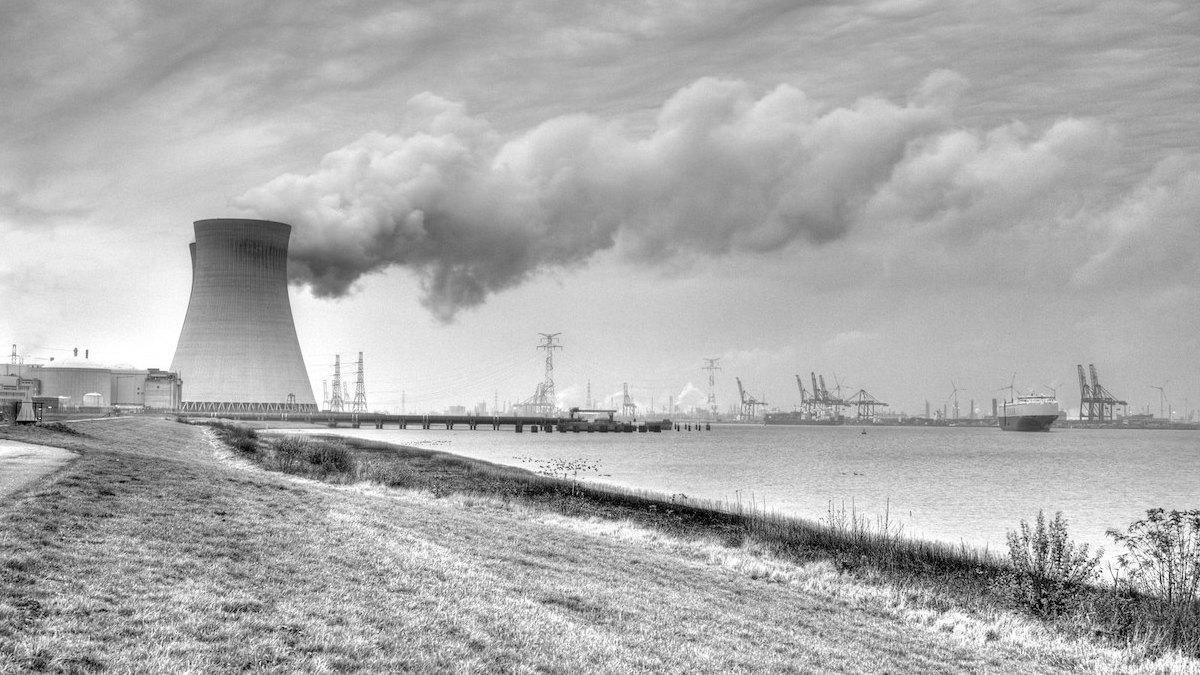
Being carbon-free does not establish climate-effectiveness
By Amory B. Lovins
Most U.S. nuclear power plants cost more to run than they earn. Globally, the World Nuclear Industry Status Report 2019 documents the nuclear enterprise’s slow-motion commercial collapse—dying of an incurable attack of market forces.
Yet in America, strong views are held across the political spectrum on whether nuclear power is essential or merely helpful in protecting the Earth’s climate—and both those views are wrong.
In fact, building new reactors, or operating most existing ones, makes climate change worse compared with spending the same money on more-climate-effective ways to deliver the same energy services. Those who state as fact that rejecting (more precisely, declining to bail out) nuclear energy would make carbon reduction much harder are in good company, but are mistaken.
If you haven’t heard this view before, it’s not because it wasn’t published in reputable venues over several decades, but rather because the nuclear industry, which holds the microphone, is eager that you not hear it.
Many otherwise sensible analysts and journalists have not properly reported this issue. Few political leaders understand it either.
But by the end of this article, I hope you will. For the details and documentation behind this summary, please see pp. 228–256 of the World Nuclear Industry Status Report 2019. A supporting paper provides simple worked examples of how to compare the “climate-effectiveness” of different ways to decarbonize the electricity system.
Read MoreWill we ever be nuclear-free?
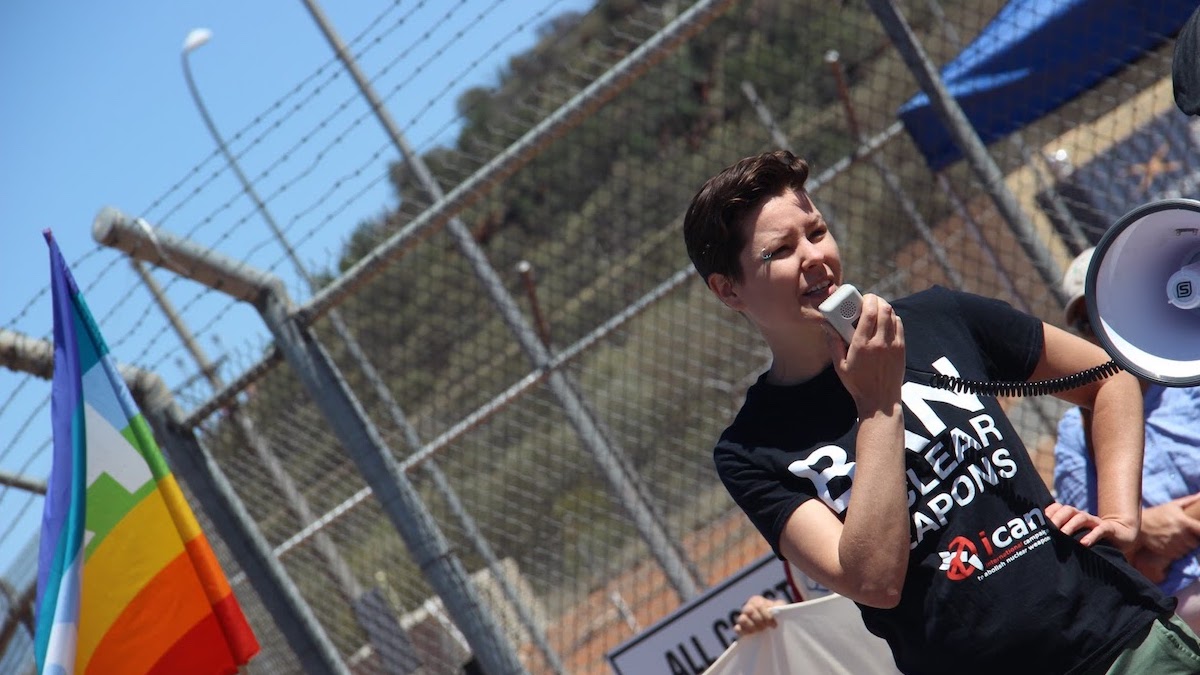
The 2020 winners of the Nuclear Free Future Award dedicate their lives to ensure it
By Linda Pentz Gunter
The recent fate of Russian opposition leader, Alexei Navalny, provides a sharp reminder about the risks also taken by those who oppose Russia’s state-run nuclear power industry.
Like Navalny, these courageous folk have been followed, surveilled, beaten up, their computers seized, and occasionally even homes ransacked. Most of those at the forefront of Russia’s anti-nuclear movement have been tagged as “extremists” or categorized as a “foreign agent.” A few have been forced to flee overseas, choosing exile to protect their personal safety.
We have published two stories on Beyond Nuclear International so far about Russian resistance to Rosatom and the powerful nuclear industrial complex. Most recently it was Standing up to Rosatom, which described the nuclear sector in all its facets and the efforts by citizens to shut down its various components.
Earlier, we ran an article by Oleg Bodrov, himself a victim of violence and persecution brought about by his resolute opposition to nuclear development in Russia (and now, through his Baltic alliance, Finland as well).


In These Russians aren’t going away, Oleg wrote about Fedor Maryasov (above left), “a pioneering journalist”, and Andrey Talevlin (above right), “a campaigning lawyer”. He observed: “anyone who has seen the fate of those who oppose the regime in Russia, knows just what kind of risks both men take to commit to their conscience.”
Read More
