 Beyond Nuclear International
A judge again denies Virginia Uranium Inc.
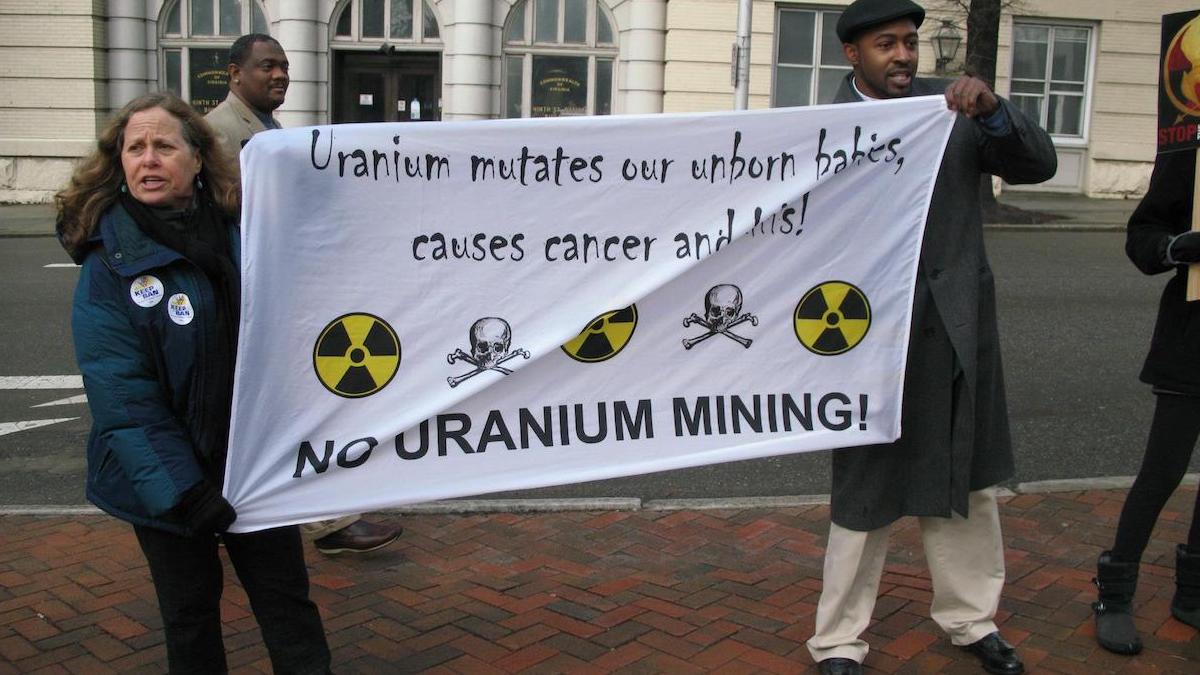
Will the latest court ruling uphold Virginia’s uranium mining ban for good?
By Kay Patrick
On a damp January day earlier this year, I went with two members of a group called Keep the Ban (KTB) on a little tour through the Coles Hill area, just outside the town of Chatham, Virginia.
Coles Hill is the site of this country’s largest uranium deposit — a surprising discovery given most US uranium mines are to be found in the arid climate of the American Southwest.
Keep the Ban is a coalition of environmental groups and Virginia residents organized in 2008 to uphold Virginia’s moratorium on uranium mining and keep the Coles Hill uranium mining threat at bay. With good reason. As we surveyed the sodden terrain, there were so many reminders of why uranium mining is a bad idea anywhere, but especially here.
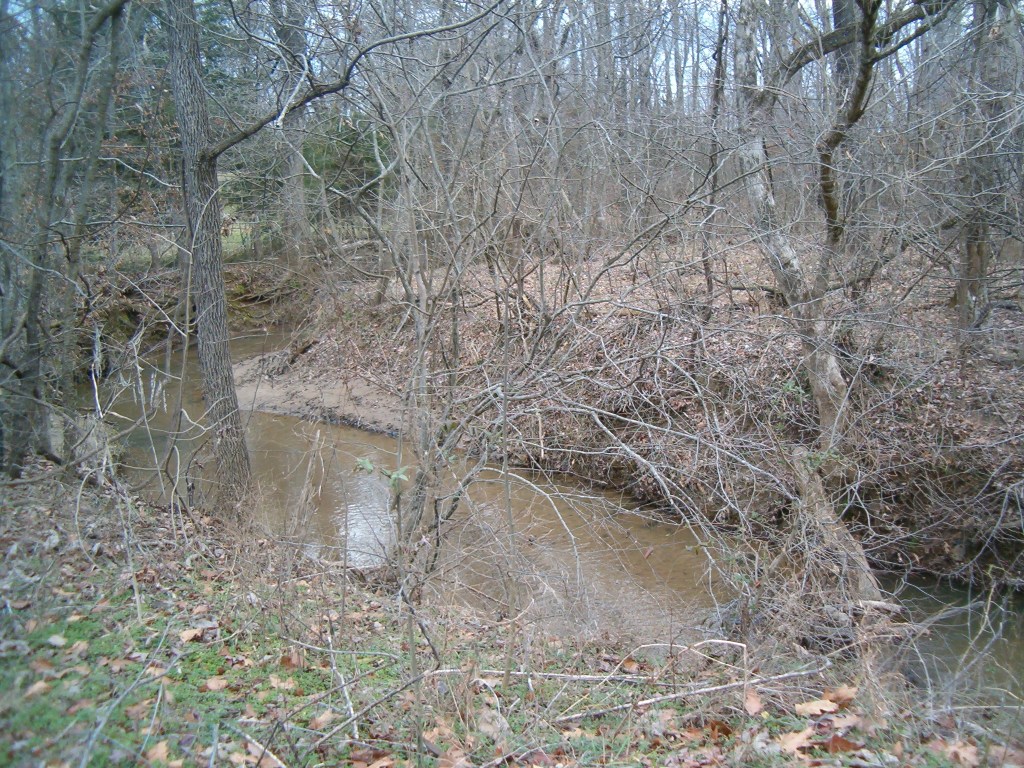
The Coles Hill area is criss-crossed with streams, ponds, springs, creeks and rivers. On that January day, the brown hay fields, flecked with patches of new-growth green, were singing with a chorus of peepers. There was standing water everywhere, while fallen trees decayed quietly on the banks of gurgling streams, all of it testimony to the frequent torrential rains that occur in this area.
The next day, schools were forced to close early and remained closed the day after that due to flooding.
Assurance that uranium mining could be done safely in this environment is a hard sell.
Read MoreFiji’s bold step for peace
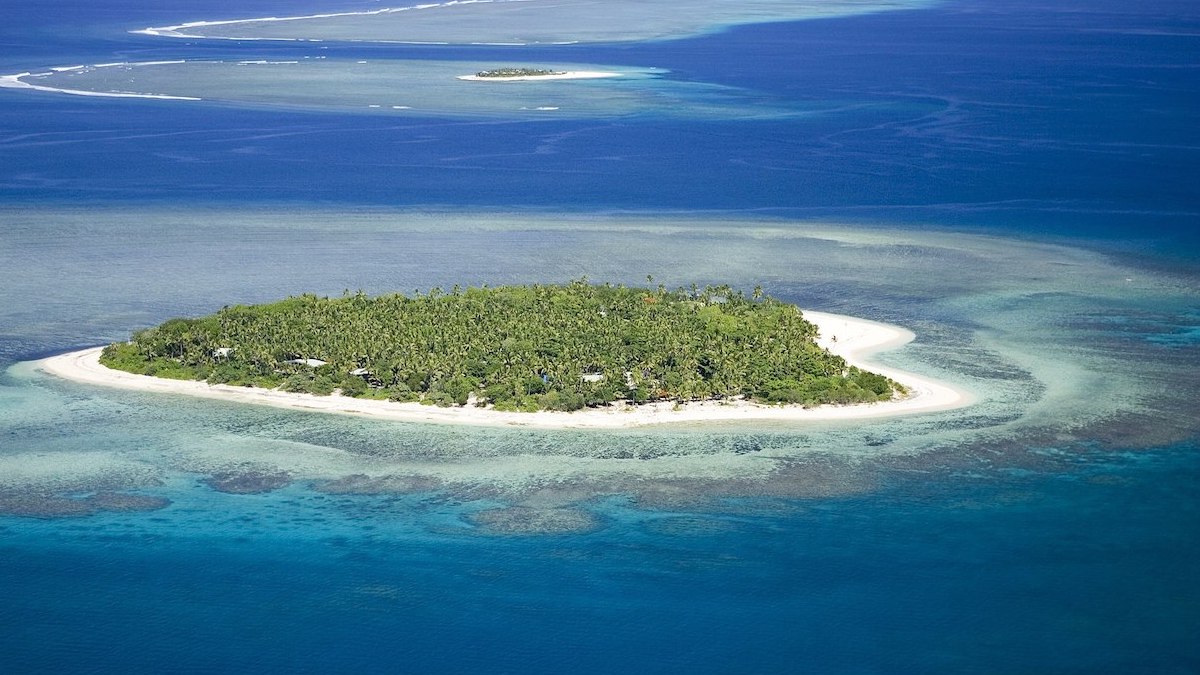
Ratification of United Nations treaty banning atomic weapons honors a half-century of anti-nuclear activism
By Vanessa Griffen and Talei Luscia Mangioni
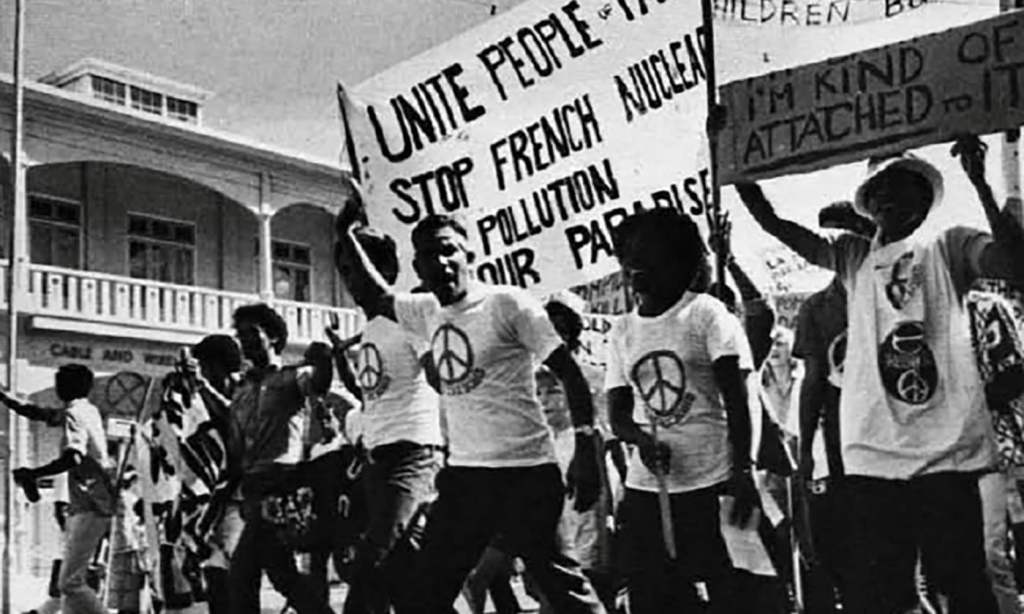
On the streets of Suva in the 1970s it was the young who carried the cause. In afros, headbands and bell-bottom jeans they handed out pamphlets and printed newsletters, performed skits and variety shows, gave lectures, and led rallies on the streets of Fiji’s capital.
Crowds heard firebrand speeches from church leaders, trade unionists, university staff and student leaders.
The Atom (Against Testing on Mururoa) committee, formed in Fiji in 1970, was dedicated to educating, creatively but powerfully, the Fijian public of the dangers of radioactive fallout from French testing and colonialism in the Pacific.
They were resisting what Father Walter Lini, later Vanuatu’s first prime minister, described as “nuclearism” – an amalgamation of “nuclear” and “colonialism” – in the Pacific island territories by the United States, Britain, and France with their nations’ permanently harmful nuclear weapons testing.
The fight has been long. France would continue nuclear testing on atolls in Tahiti until 1996, and Pacific islanders fought too for justice over the radioactive legacy of US and British tests in the 1950s in the Marshall Islands and Kiribati. Their damaging environmental, social and health inheritance remains today.
Read MoreNuclear power goes South in South Carolina
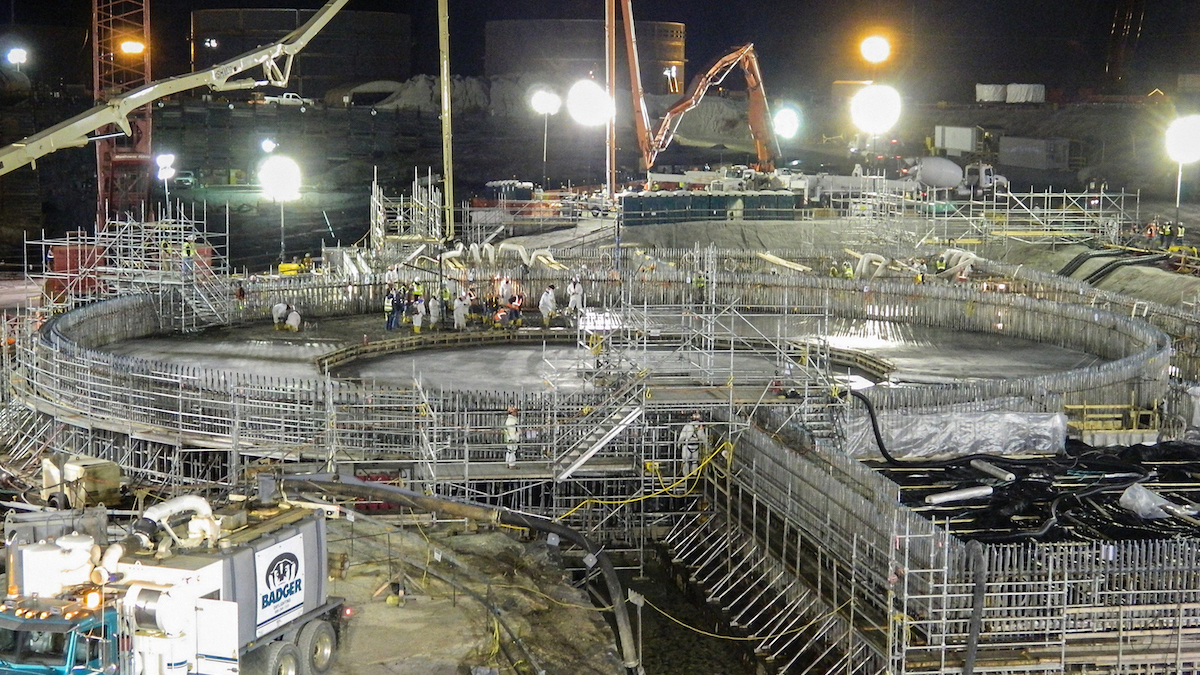
Executive admits fraud in fleecing ratepayers and shareholders
By Linda Pentz Gunter
“It looks like crime might well pay after all.”
That was the weary and only slightly tongue-in-cheek conclusion drawn by longtime anti-nuclear campaigner, Tom Clements recently, after a former South Carolina nuclear utility executive pled guilty to fraud in federal court.
Clements is the director of Savannah River Site Watch, but his activism has, for decades, extended well beyond the perimeter of that vast nuclear site.
For years, Clements and others have followed — and attempted to stand in the way of — the forced march of South Carolina ratepayers toward nuclear fiasco. When it finally unraveled in late July, there was only cautious cause for celebration.
On July 23, Stephen Byrne, the former COO of SCANA, the South Carolina utility originally in charge of the construction of two new nuclear reactors in the state, pled guilty in a massive nuclear conspiracy that defrauded ratepayers, deceived regulators and misled shareholders.
Byrne is charged with lying about progress on two Westinghouse AP 1000 reactors under construction — and since abandoned — at the V.C. Summer site, where costs ballooned to more than $9 billion.
The lies — or “intentional misrepresentations” as court documents described them — were necessary to make the case that the two new reactors would be finished on time, thereby qualifying the company for $1.4 billion in future federal tax credits.
But when Clements did the math, Byrne still came out ahead. “One of the court filings says Byrne earned $6.3 million from 2015-2017,” Clements said. “The project originally started with a filing with the SC Public Service Commission in 2008 and ended in July 2017. His plea agreement says he will pay a $1 million fine, though the judge could make it higher.”
So yes, crime still pays.
Read MoreNuclear blackmail in Illinois
Exelon stranglehold on energy legislation runs long and deep
By David Kraft
Breaking news update: Today, August 10, a putative class of Commonwealth Edison customers filed a civil racketeering lawsuit against Illinois Speaker of the House Michael Madigan, Commonwealth Edison Company (“ComEd”), ComEd’s parent Exelon Corporation, and several other defendants. Read all the details here.
The recent Illinois lobbying corruption scandal involving Exelon Corporation, its subsidiary Commonwealth Edison and Democratic House Speaker, Michael Madigan, demonstrates the extent to which nuclear “power” is about more than electrons.
The FBI arrests of the Ohio House Speaker and five others in a $60 million bribery/corruption scheme; the $10 billion Exelon nuclear bailout in New York; the questionable circumstances surrounding Exelon’s 2016 PepCo merger; and the South Carolina $9 billion SCANA fraud case, suggest that this may be a national pandemic.
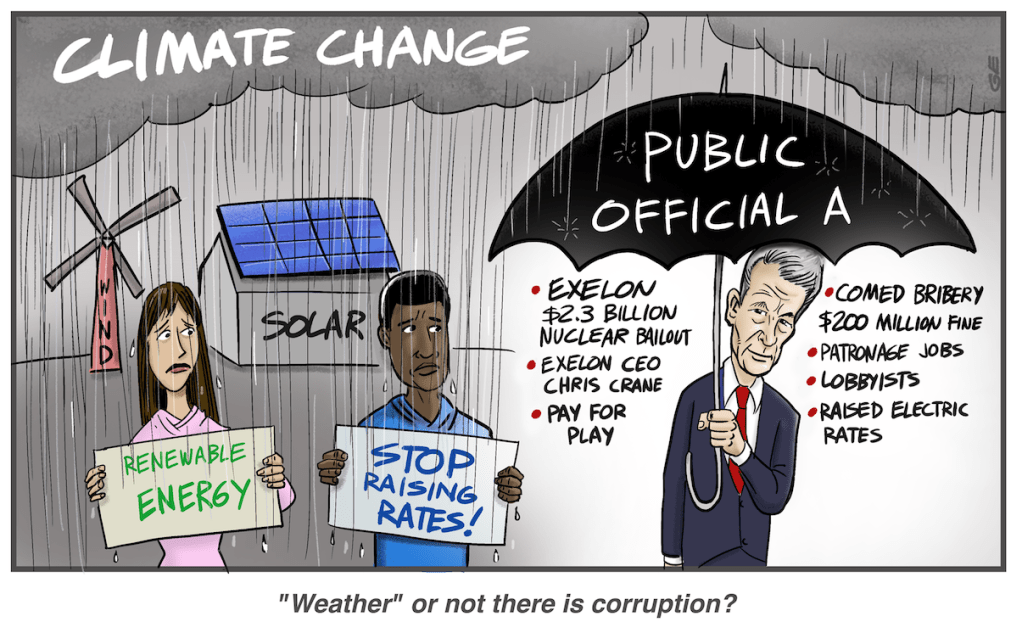
All of this was summarized nicely in a recent New York Times opinion column, “When Utility Money Talks,” (8/2/20).
However, the situation in Illinois with Exelon, and its subsidiary ComEd, has been longstanding and particularly egregious.
Read MoreWhen a Dene lantern shone in Hiroshima

A 1998 Dene delegation to Japan thanked Hibakusha for “holding up a shining light” to peace
By Linda Pentz Gunter
Sometimes the best therapy for trauma, is to return to the scene and make amends. In more academic realms, this is referred to as ‘reparations.’ For the suffering individual, it is a proven antidote to post traumatic stress disorder, commonly known as PTSD.
Thus, American veterans of the war in Vietnam have returned there to engage in works of charity, care and rebuilding, assuaging both the pain of atrocities witnessed but also those they may have participated in. Trauma is also guilt, and guilt can be eased by forgiveness and by actions for good.
Reparations and apologies are built into some cultures, including that of the Indigenous Dene people of Canada, who believe that healing requires circles to be closed in order to allow for reconciliation. And so it came about that, in August 1998, a delegation of 10 Dene went to Hiroshima and Nagasaki, 53 years after the deadly atomic bombings, to attend the annual peace ceremonies there. And to make amends.
Decades after the Hiroshima and Nagasaki bombings, the Dene learned that uranium mined from their land had been used in the atomic bombs dropped on those cities. It was necessary, therefore, to travel there in person.
“It’s a justice issue for them,” explains Dene activist, Cindy Kenny-Gilday. “They have to make amends of some kind. So they have to go to the surviving relatives of the Japanese people and say ‘this is the way it happened.’ And in telling that story, heal themselves.”
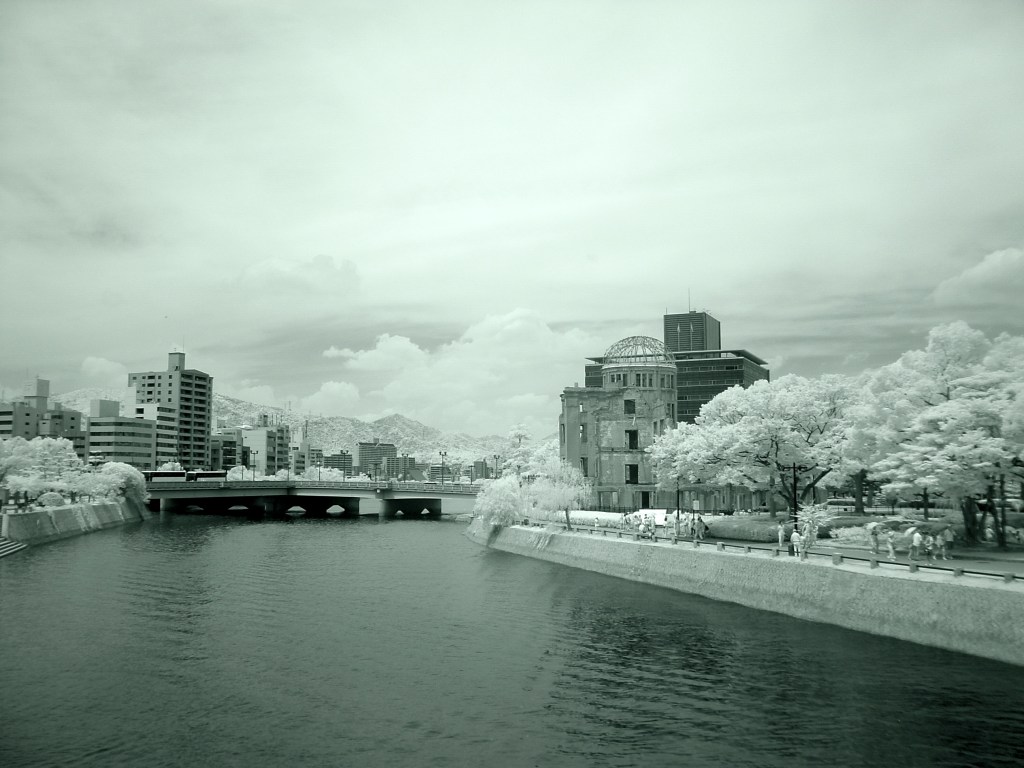
Canada should acknowledge its role in the A bomb
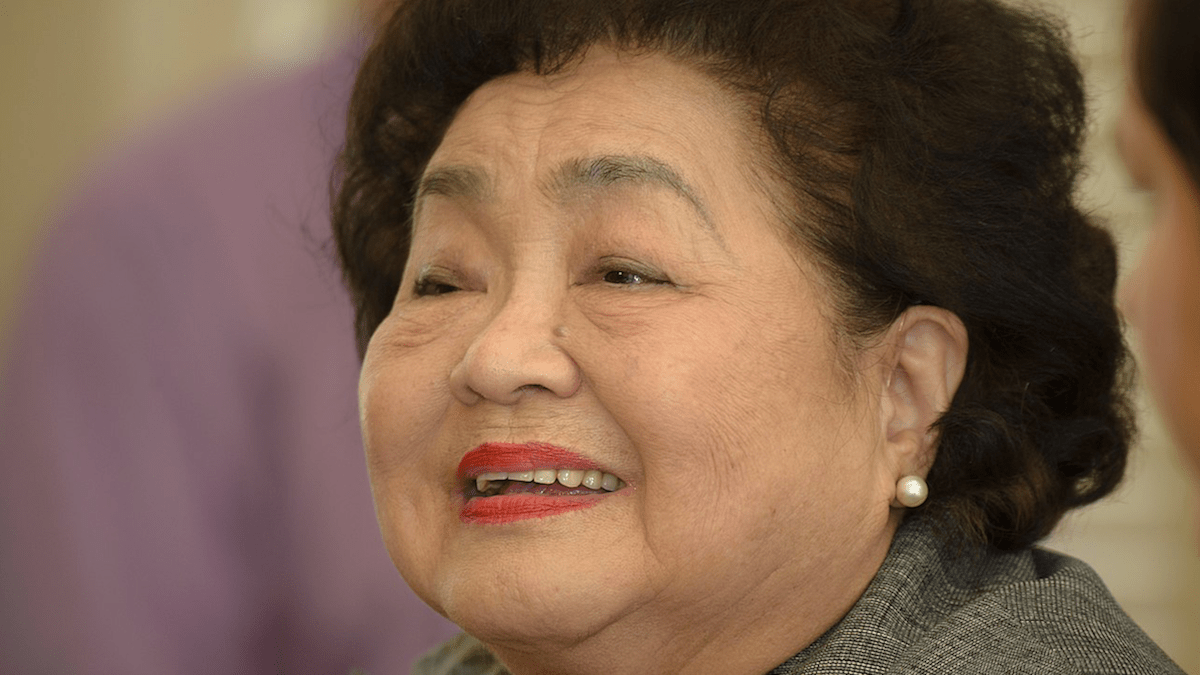
Nobel Laureate, Setsuko Thurlow, asks Trudeau for a “statement of regret”
Toronto’s Setsuko Thurlow—a survivor of the atomic bombing of Hiroshima—has urged Prime Minister Justin Trudeau to acknowledge the extensive Canadian government involvement in the creation of the first atom bombs that destroyed Hiroshima and Nagasaki on August 6 and 9, 1945. She requested that the Prime Minister issue a statement of regret for the immense deaths and suffering inflicted on the two cities and asked that Canada ratify the UN Treaty on the Prohibition of Nuclear Weapons. Her actions and this article come courtesy of Anton Wagner and the Hiroshima Nagasaki Day Coalition.
The full text of Setsuko Thurlow’s appeal to the Prime Minister is posted on the Hiroshima Nagasaki Day Coalition website, with the background brief, “Canada and the Atom Bomb” she submitted to Justin Trudeau along with her letter.
Thurlow submitted her appeal to the prime minister three weeks before the 75th anniversary of the first American test of an atom bomb in the New Mexico desert on July 16, 1945. It was made of plutonium, the same weapon used against Nagasaki three weeks later. Hiroshima was destroyed by an atom bomb made from uranium. By the end of 1945, over 140,000 people had perished in the nuclear strike against Hiroshima, which Thurlow witnessed as a thirteen-year old. Another 70,000 died in the atomic bombing of Nagasaki.
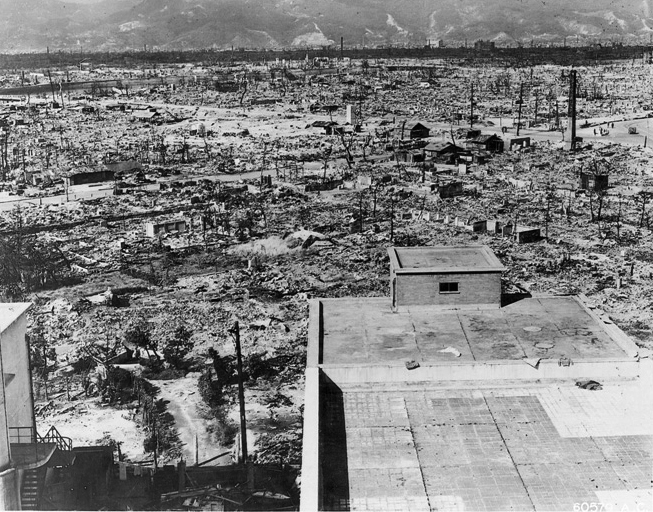
Thurlow jointly accepted the Nobel Peace Prize on behalf of the International Campaign to Abolish Nuclear Weapons in 2017. Thirty-eight countries have ratified the UN Ban Treaty. But it needs twelve more nations to ratify for the treaty to become international law. Canada could break the ratification logjam stopping the Treaty from coming into force.
Read More
