 Beyond Nuclear International
From the fossil fuel frying pan into the fission fire

Another smokescreen that obscures real climate solutions
By Linda Pentz Gunter
They’ve given it a snappy little acronym, one that is perhaps supposed to masquerade as a sort of scientific-sounding calculus — C2N. After the failure of the much-trumpeted “nuclear renaissance” that never was, the nuclear lobby and its federal lackeys have come up with another PR clunker — Coal 2 Nuclear (hence, C2N). In reality, this is less C2N than CPR for an ailing nuclear power industry.
Unfortunately, to arrive at this dangerously out-of-touch scheme, our tax dollars had to be wasted on yet another U.S. Department of Energy (DOE) report. Its conclusion was that, “hundreds of U.S. coal power plant sites could convert to nuclear power plant sites, adding new jobs, increasing economic benefit, and significantly improving environmental conditions.”
Notice the word “could” though. Not “will”. Because it’s more of the same aspirational irrationality that is driving the small modular reactor fantasy in the first place, the version of nuclear power that would supposedly dot the defunct coal plant landscapes.
The DOE study was conducted by Argonne National Laboratory, Idaho National Laboratory, and Oak Ridge National Laboratory. Their self-interested conclusions then, come as no surprise.
C2N is enough to make you despair — or confirm your pre-existing suspicions — that our leadership is blind and deaf to the reality of the climate emergency we are facing. They are truly mired in the mud of outdated thinking, clinging to failed and foolish energy plans that have long been supplanted by demonstrably better, faster, cheaper, safer and more workable options, ergo renewable energy, energy efficiency and conservation.

“More than 3 million of the 7.8 million jobs in the US energy sector are in areas aligned to America’s goal of being carbon neutral by 2050”, reported the World Economic Forum in July 2022. “This means renewable energy jobs in 2021 accounted for around 40% of total energy jobs.”
But no, the DOE would rather spend decades dangling before depressed coal communities the false promise of “new jobs” and “economic benefits” in a phantom new nuclear sector. It’s a con and the worst form of betrayal and guess whose fingerprints are all over this?
With C2N, Senator Joe Manchin of West Virginia (Democrat in name only and with his pockets full of coal money), is throwing his most deprived constituents under a petroleum-powered bus. He is leading those who need work today down a long and winding road to C2N that will deliver little if anything and nothing anytime soon.
All of this is in line with a collective madness that appears to have taken over significant swaths of human society. In November, UN General Secretary, António Guterres, desperate to steer us away from our final precipice, issued his most strident and urgent warning yet:
“We are in the fight of our lives and we are losing … And our planet is fast approaching tipping points that will make climate chaos irreversible,” Guterres said. “We are on a highway to climate hell with our foot on the accelerator.”
He was speaking at the opening of the COP27 UN climate summit in Egypt, or the “COP-out” as some cynics prefer to call it, given the abject failure of these annual meetings to ensure enforcement of the pledges made, albeit most are still woefully inadequate.
Read MoreIt’s all about the bomb
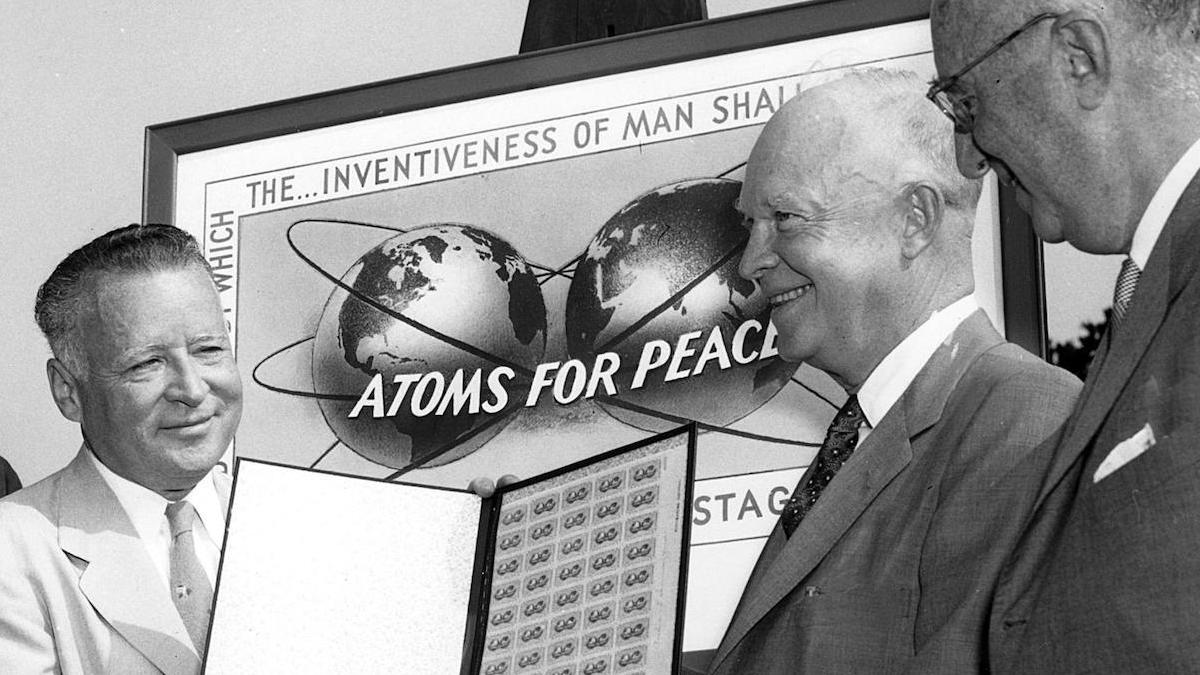
Why civilian nuclear power is merely a cover for producing more nuclear weapons
By Alfred Meyer
The Zaporizhzhia Nuclear Power Station in southeastern Ukraine, Europe’s largest nuclear power plant, has the world’s attention right now, and rightly so. For the first time in history, six nuclear reactors and thirty-seven years’ worth of high-level nuclear waste are in the middle of a battlefield in an active war zone—one artillery shell, on site or off, could interrupt the control and cooling of the operational reactor, or the cooling of the waste in storage, leading to a catastrophic release of radiation that could spread throughout the Northern Hemisphere. How in the world can nuclear power reactors be considered clean and safe sources of electricity?
Russia, a nuclear-armed nation that invaded Ukraine on February 24, 2022, has said that it would use nuclear weapons if needed. And strong allies of Ukraine—the United States, the United Kingdom, and France, all NATO members—are also armed with nuclear weapons.
You likely are aware of what has happened in the weeks since this magazine went to press, and whether or not the world is in the midst of another major radioactive disaster, as happened at Fukushima in Japan in 2011, Chernobyl in northern Ukraine in 1986, and Three Mile Island in the United States in 1979. I assume that if you are reading this, nuclear weapons have not been used in the war in Ukraine. So how has the world ended up in such an existentially threatening situation? Why does the nuclear enterprise have the world’s future so tightly in its grip?
The short answer: nuclear weapons. It is all about the bomb.
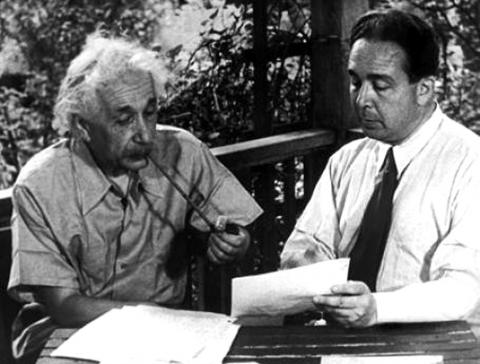
In 1939, Albert Einstein wrote to President Franklin D. Roosevelt urging him to pursue nuclear research in the United States. It was crucial, Einstein wrote, to counter Germany’s efforts to harness the magic of radioactivity and develop a super weapon. A few years later, the Manhattan Project was born in secrecy in 1942. A sprawling and tightly controlled academic, military, industrial, and governmental infrastructure was built to accommodate an entirely new industry equal in size to the American automobile industry at the time. Secrecy was so thorough that when Vice President Harry Truman ascended to the presidency on April 12, 1945, upon Roosevelt’s sudden death, he was unaware that the atomic bomb program even existed, much less that it was on the verge of testing a plutonium weapon in July.
Hot water

Radioactive contamination is creeping into drinking water around the U.S.
By Lynne Peeples, Ensia
When Jeni Knack moved to Simi Valley, California, in 2018, she had no idea that her family’s new home was within 5 miles of a former nuclear and rocket testing laboratory, perched atop a plateau and rife with contamination. Radioactive cesium-137, strontium-90, plutonium-239 and tritium, along with a mix of other toxic chemicals and heavy metals, are known to have been released at the industrial site through various spills, leaks, the use of open-air burn pits and a partial nuclear meltdown.
Once Knack learned about the Santa Susana Field Laboratory and the unusual number of childhood cancer cases in the surrounding community, she couldn’t ignore it. Her family now only drinks water from a 5-gallon (19-liter) jug delivered by Sparkletts water service. In August of 2021, she began sending her then 6-year-old daughter to kindergarten with two bottles of the water and instructions to not refill them at school, which is connected to the same Golden State Water Company that serves her home.
A federal report in 2007 acknowledged that two wells sourced by the water company were at risk of contamination from the site. “The EPA has said we’re at risk,” says Knack. And Golden State, she says, has at times used “possibly a very hefty portion of that well water.” To date, radioactivity above the natural level has not been detected in Golden State’s water.
Concerns across the country
All water contains some level of radiation; the amount and type can vary significantly. Production of nuclear weapons and energy from fissionable material is one potential source. Mining for uranium is another. Radioactive elements can be introduced into water via medical treatments, including radioactive iodine used to treat thyroid disorders. And it can be unearthed during oil and gas drilling, or any industrial activities that involve cracking into bedrock where radioactive elements naturally exist. What’s more, because of their natural presence, these elements can occasionally seep into aquifers even without being provoked.
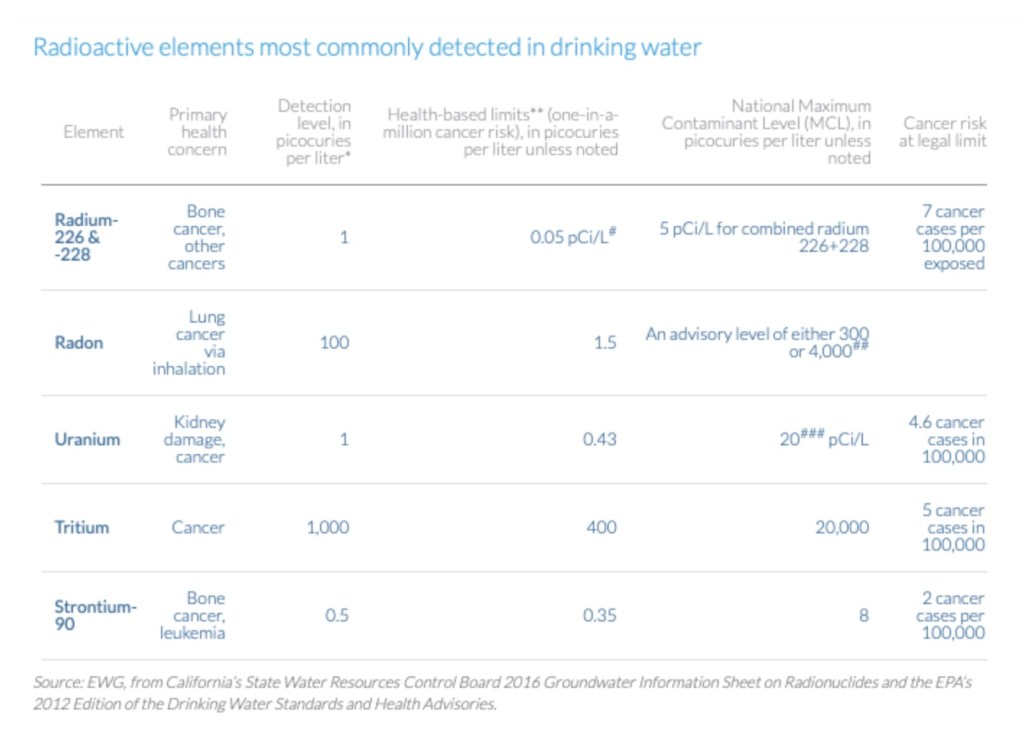
The nonprofit Environmental Working Group (EWG, a partner in this reporting project) estimates that drinking water for more than 170 million Americans in all 50 states “contains radioactive elements at levels that may increase the risk of cancer.” In their analysis of public water system data collected between 2010 and 2015, EWG focused on six radioactive contaminants, including radium, radon and uranium. They found that California has more residents affected by radiation in their drinking water than anywhere else in the U.S. Yet the state is far from alone. About 80% of Texans are served by water utilities reporting detectable levels of radium. And concerns have echoed across the country — from abandoned uranium mines on Navajo Nation lands, to lingering nuclear waste from the Manhattan Project in Missouri, to contaminants leaching from phosphate mines in Florida.
Read MoreGrowing urgency and intensity
Urgent climate action is needed and nuclear power is not the answer
By Antony Froggatt
Just as Russia’s invasion of Ukraine has highlighted Europe’s dangerous dependence on fossil fuels, increasingly frequent and intense climate-driven weather events are highlighting the death and destruction that fossil-fuel dependence has wrought.
Understandably, political and public pressure to reduce greenhouse-gas emissions, move away from insecure primary energy supplies, and develop new, reliable, secure, and affordable energy sources is at an all-time high.
But rather than rushing ahead, we need to consider carefully which options are most realistic, and how they will be deployed and operate in the real world.
Consider nuclear power. With many countries and companies now giving this option a second (or even a third) look, the 2022 World Nuclear Industry Status Report (WNISR) offers valuable insights into how the sector is faring.
While the last 12 months may be remembered as a turning point for the broader energy sector, it won’t be because of the nuclear industry. Nuclear energy’s share of global commercial gross electricity generation in 2021 dropped to 9.8%, which is its first dip below 10% in four decades, barely more than half its peak of 17.5% in 1996.
Meanwhile, wind and solar surpassed nuclear for the first time in 2021, accounting for 10.2% of gross power generation.
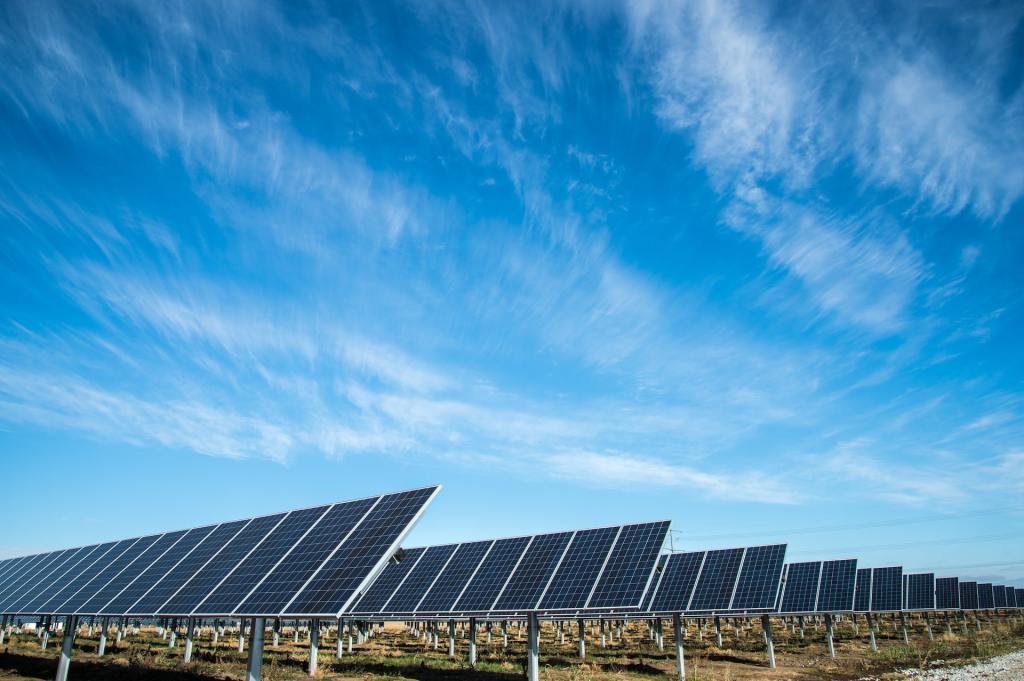
These diverging trajectories can be seen clearly across every indicator of investment, deployment, and output. According to the International Atomic Energy Agency, operating reactors peaked in 2018, both in terms of their number (449) and total capacity (396.5 gigawatts). The IAEA reports that 437 reactors were “in operation” globally at the end of 2021, including 23 reactors that have not generated power for at least nine years, and which may never do so again.
Read MoreChina, Russia and the bomb
Alliance ruffled by dispute over nuclear weapons
By Lawrence S. Wittner
Even international alliances can unravel when nations confront the insanity of a nuclear holocaust.
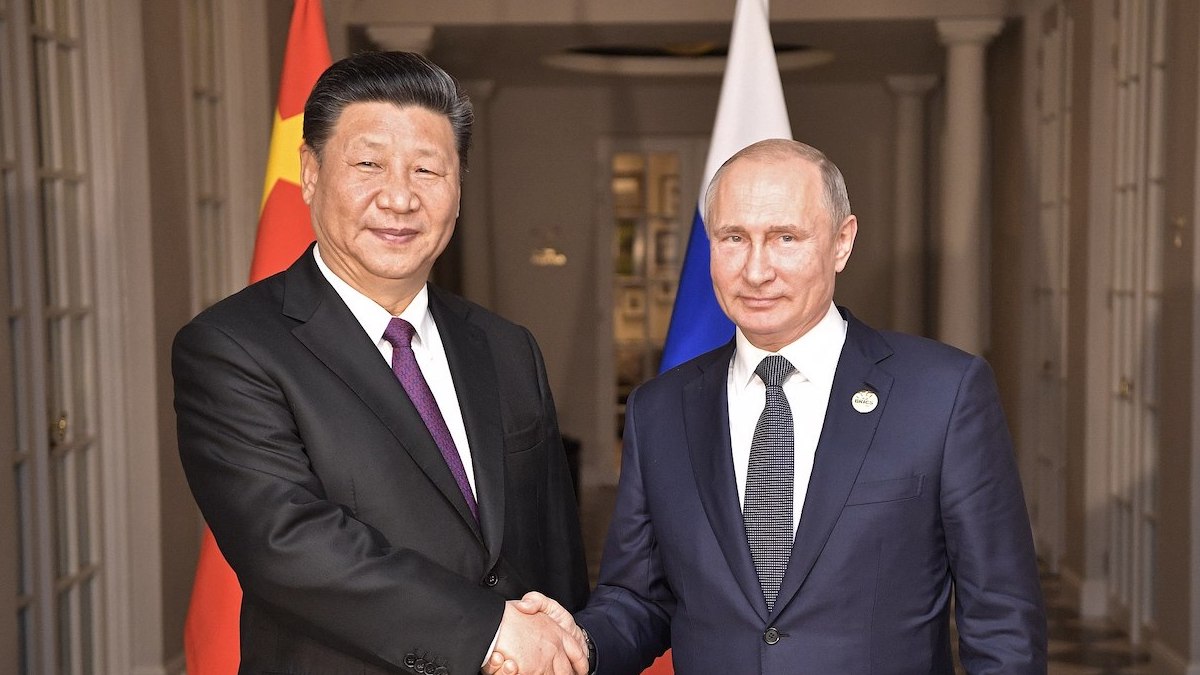
An illustration of this point occurred last September when Vladimir Putin once again threatened Ukraine and other nations with nuclear war.
“To defend Russia and our people, we doubtlessly will use all weapons resources at our disposal,” the Russian president said. “This is not a bluff.”
In response to this statement and to sharp UN condemnation of Russian nuclear threats, Chinese president Xi Jinping issued a public statement in November, assailing “the use of, or threats to use nuclear weapons.” To “prevent a nuclear crisis” in Europe or Asia, he insisted, the world should “advocate that nuclear weapons cannot be used” and “a nuclear war cannot be waged.”
Aren’t these two nuclear-armed nations currently aligned in their resistance to U.S. foreign policy? Yes, they are, and when it came to Putin’s war upon Ukraine, Xi refrained from suggesting a Russian withdrawal. But nuclear war, as the Chinese leader made clear, was simply not acceptable.
This was not the first time a Russian-Chinese alliance was ruffled by a dispute over the use of nuclear weapons. An even deeper conflict occurred during the late 1950s and early 1960s when, ironically, the roles of the two nations were exactly the reverse.
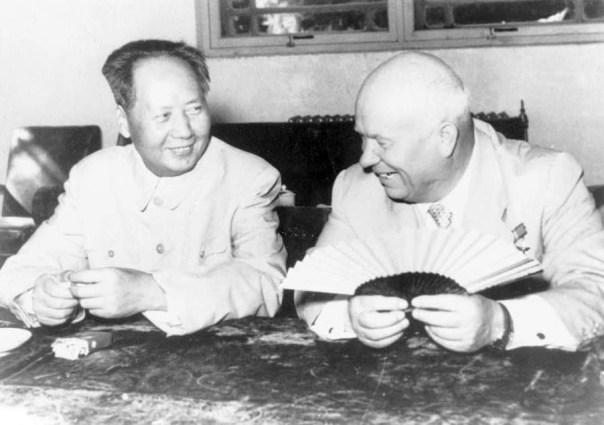
At that time, the Chinese government, led by Mao Zedong, was embarked on a crash program to develop nuclear weapons. In October 1957, China’s weapons program secured a major gain when the Russian and Chinese governments signed the New Defense Technical Accord, in which the Russians agreed to supplementing the nuclear assistance they had already provided to the Chinese by supplying them with a prototype atomic bomb, missiles, and useful technical data.
Read MoreClean energy or weapons?
What the ‘breakthrough’ in nuclear fusion really means
By M.V. Ramana
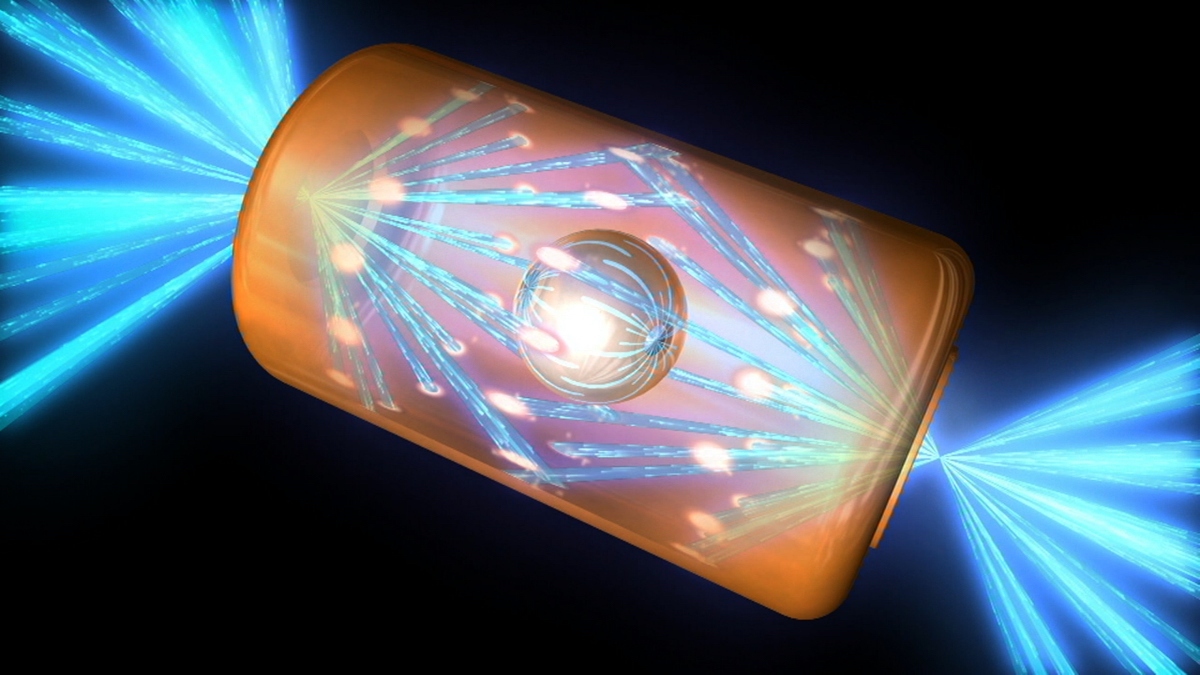
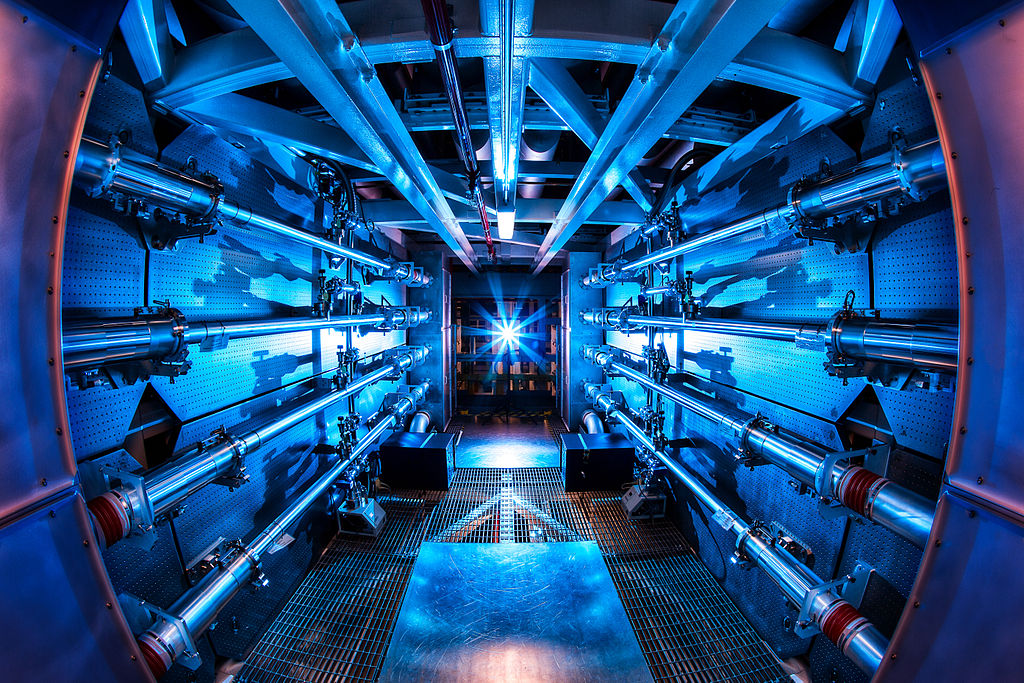
On December 13, the US Department of Energy (DOE) announced that the National Ignition Facility (NIF) at the Lawrence Livermore National Laboratory had reached a “milestone”: the achievement of “ignition” in nuclear fusion earlier in the month. That announcement was hailed by many as a step into a fossil fuel-free energy future. US Senate majority leader Charles Schumer, for example, claimed that we were “on the precipice of a future no longer reliant on fossil fuels but instead powered by new clean fusion energy”.
But in truth, generating electrical power from fusion commercially or at an industrial scale is likely unattainable in any realistic sense, at least within the lifetimes of most readers of this article. At the same time, this experiment will contribute far more to US efforts to further develop its terrifyingly destructive nuclear weapons arsenal.
Over the last decade or so, there have been many similar announcements featuring breathless language about breakthroughs, milestones, and advances. These statements have come with unfailing regularity from NIF (for example, in 2013) and the larger set of laboratories and commercial firms pursuing the idea of nuclear fusion. Apart from the United States, similar announcements have come from Germany, China and the United Kingdom. France is expected to take its turn once the International Thermonuclear Experimental Reactor (ITER) starts operating. The reactor is currently being built in Cadarache, France, at an estimated cost of somewhere between $25 billion to as high as $65 billion, much higher than the original estimate of $5.6 billion.
These incredibly high costs also explain why such announcements are made in the first place: without the excitement created by these hyped-up statements, it would be impossible to get funded for the decades it takes to plan and build these facilities. Conceptual design work on ITER began in 1988.
Of course, that timescale pales in comparison to the time period of the first major announcement about fusion-generated electricity. That took place in 1955 when Homi Bhabha, the architect of India’s nuclear programme, told the first International Conference on Peaceful Uses of Atomic Energy in Geneva:
“I venture to predict that a method will be found for liberating fusion energy in a controlled manner within the next two decades. When that happens the energy problems of the world will have been solved for ever.”
That would not be the last prediction about the imminence of fusion power that would be wrong.
Read More Beyond Nuclear International