 Beyond Nuclear International
NuScale: Not new, not needed
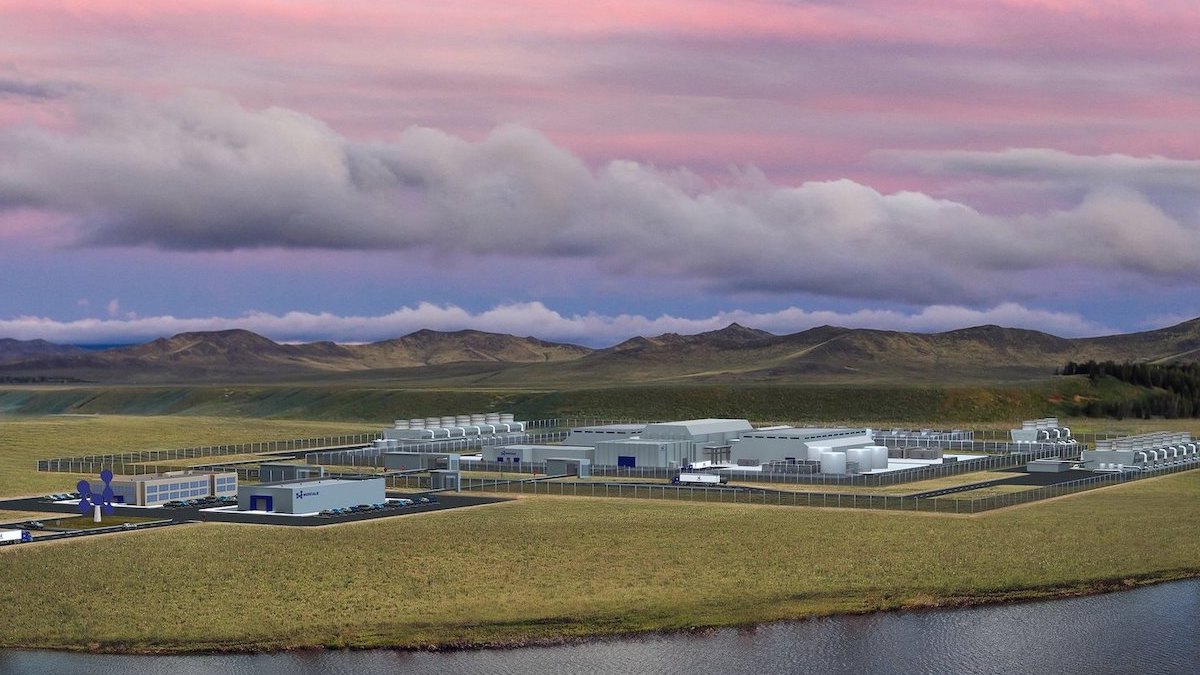
Risks of rising costs, likely delays, and increasing competition cast doubt on long- running development effort
By David Schlissel and Dennis Wamsted
In a new analysis, the Institute for Energy Economics and Financial Analysis looked at NuScale’s proposed Small Modular Reactor, concluding that its costs will be far higher than NuScale predicts and that the reactor is fundamentally not needed. What follows are the Executive Summary and Conclusions sections of the report. The full report can be read and downloaded here.
Executive Summary
Too late, too expensive, too risky and too uncertain. That, in a nutshell, describes NuScale’s planned small modular reactor (SMR) project, which has been in development since 2000 and will not begin commercial operations before 2029, if ever.
As originally sketched out, the SMR was designed to include 12 independent power modules, using common control, cooling and other equipment in a bid to lower costs. But that sketch clearly was only done in pencil, as it has changed repeatedly during the development process, with uncertain implications for the units’ cost, performance and reliability.
For example, the NuScale power modules were initially based on a design capable of generating 35 megawatts (MW), which grew first to 40MW and then to 45MW. When the company submitted its design application to the Nuclear Regulatory Commission in 2016, the modules’ size was listed at 50MW.
Subsequent revisions have pushed the output to 60MW, before settling at the current 77MW. Similarly, the 12-unit grouping has recently been amended, with the company now saying it will develop a 6-module plant with 462MW of power. NuScale projects that the first module, once forecast for 2016, will come online in 2029 with all six modules online by 2030.
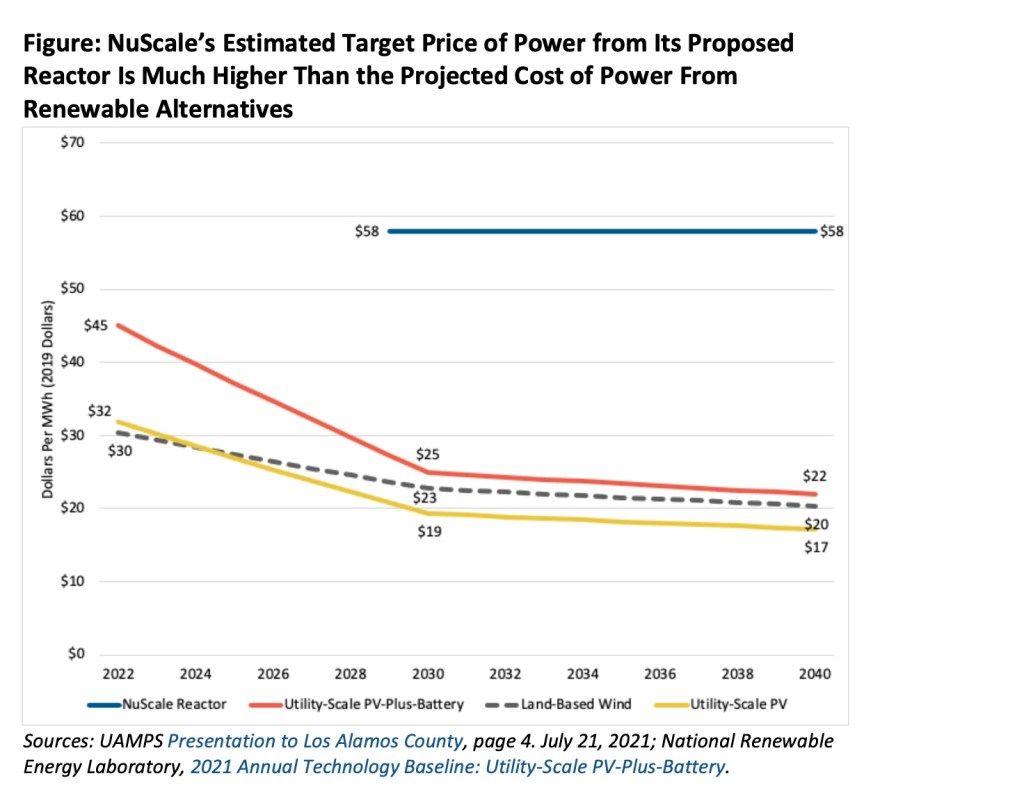
While these basic parameters have changed, the company has insisted its costs are firm, and that the project will be economic.
Based on the track record so far and past trends in nuclear power development, this is highly unlikely. The power from the project will almost certainly cost more than NuScale estimates, making its already tenuous economic claims even less credible.
Read MorePutin’s uranium self-enrichment
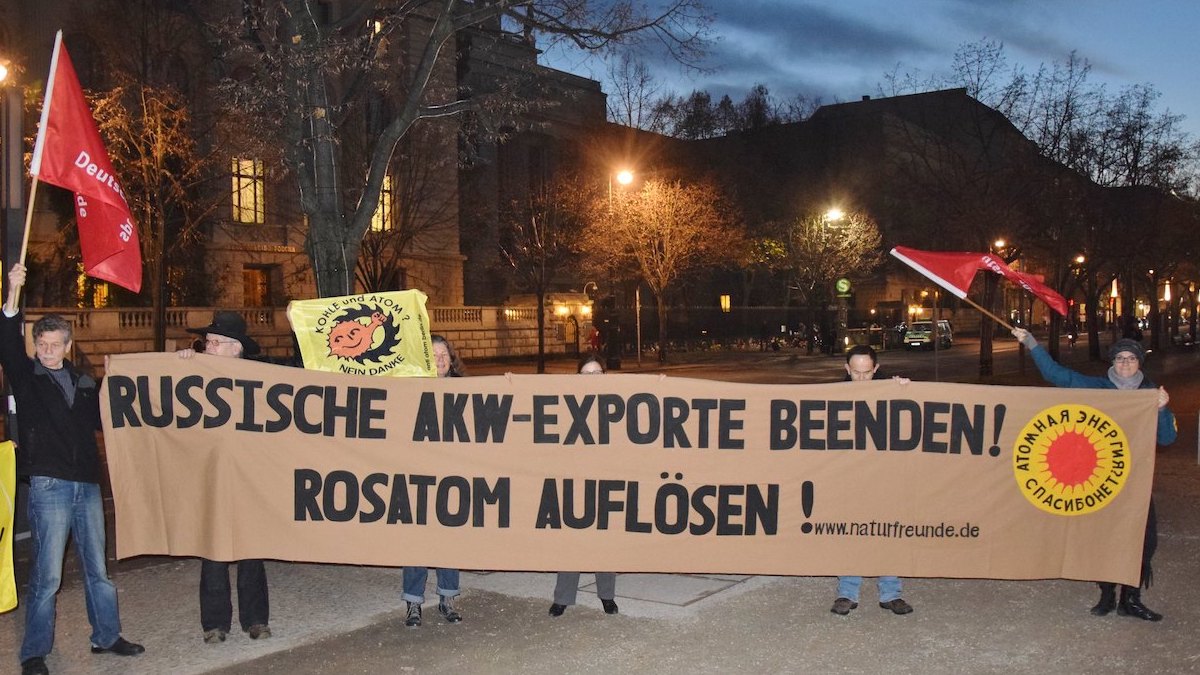
How dependent is Europe on the Russian nuclear sector?
The below is the second half of the Öko-Institut blog entry — “Energy policy in times of the Ukraine war: Nuclear power instead of natural gas?” — looking at Europe’s reliance on the Russian nuclear sector. Read the full blog article.
By Anke Herold, Dr Roman Mendelevitch and Dr Christoph Pistner
Europe is heavily dependent on Russia for nuclear energy as well, perhaps to an even greater extent than for gas. The main sources of uranium imports into the EU in 2020 were Russia (20%), Niger (also 20%), Kazakhstan (19%), Canada (18%), Australia (13%) and Namibia (8%). Just 0.5% of the uranium used in the EU comes from the EU itself.
However, this apparent diversity of sources is deceptive. Russia has a close relationship with Kazakhstan, while the mines in Niger belong to Chinese state-owned companies, as do two of the three largest uranium mines in Namibia. The third Namibian mine is largely Chinese-owned.
In other words, in 2020, only 31% of uranium imports into Europe were supplied by firms that are not owned by totalitarian regimes. It follows that here too, Europe has placed itself in a position of high import dependence.
Around 25% of uranium enrichment and some processes in fuel rod fabrication for the EU take place in Russia. Many Russian-designed reactors source their fuel rods largely from the Russian company TVEL – now part of Rosatom – on the basis of long-term supply contracts that run for 10 years or more.
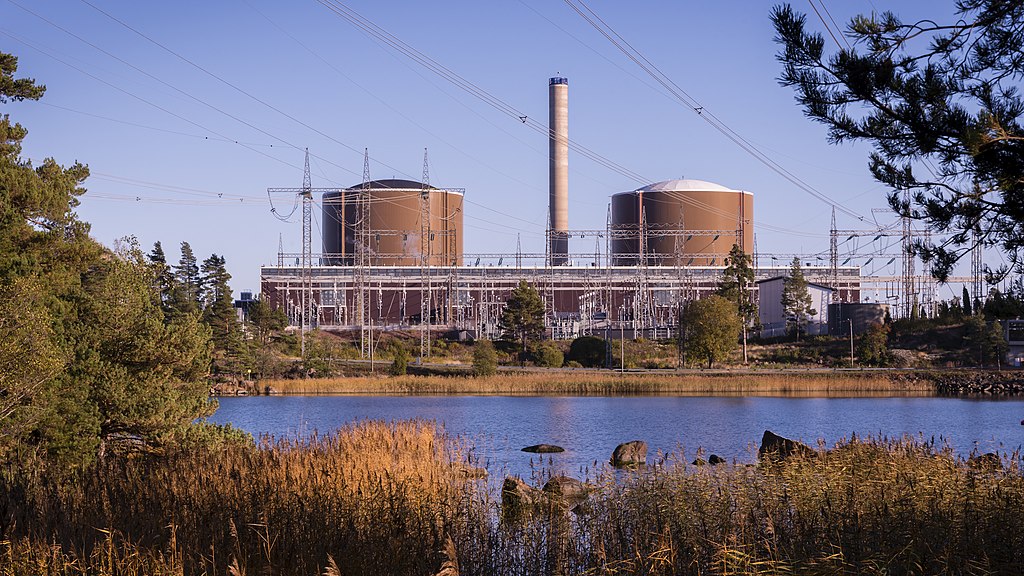
There are Russian-designed nuclear reactors in Bulgaria, the Czech Republic, Finland, Hungary and Slovakia. The 16 older pressurised water reactors, type WWER-440, are totally dependent on TVEL for fuel rod fabrication. These older reactors can be found in Bulgaria, Slovakia, the Czech Republic and Hungary.
Even the Euratom Supply Agency itself identifies this dependence as a significant vulnerability factor. The operators are dependent on imports of Russian technology.
The Western European nuclear power plants are also far from being independent. The French company Areva collaborates with TVEL in order to supply fuel rods for seven reactors in Western Europe, including the Loviisa nuclear power plant in Finland.
As recently as December 2021, the French nuclear company Framatome signed a new strategic cooperation agreement on the development of fuel fabrication and instrumentation and control (I&C) technologies.
Read MoreWhen speaking for peace will get you jailed
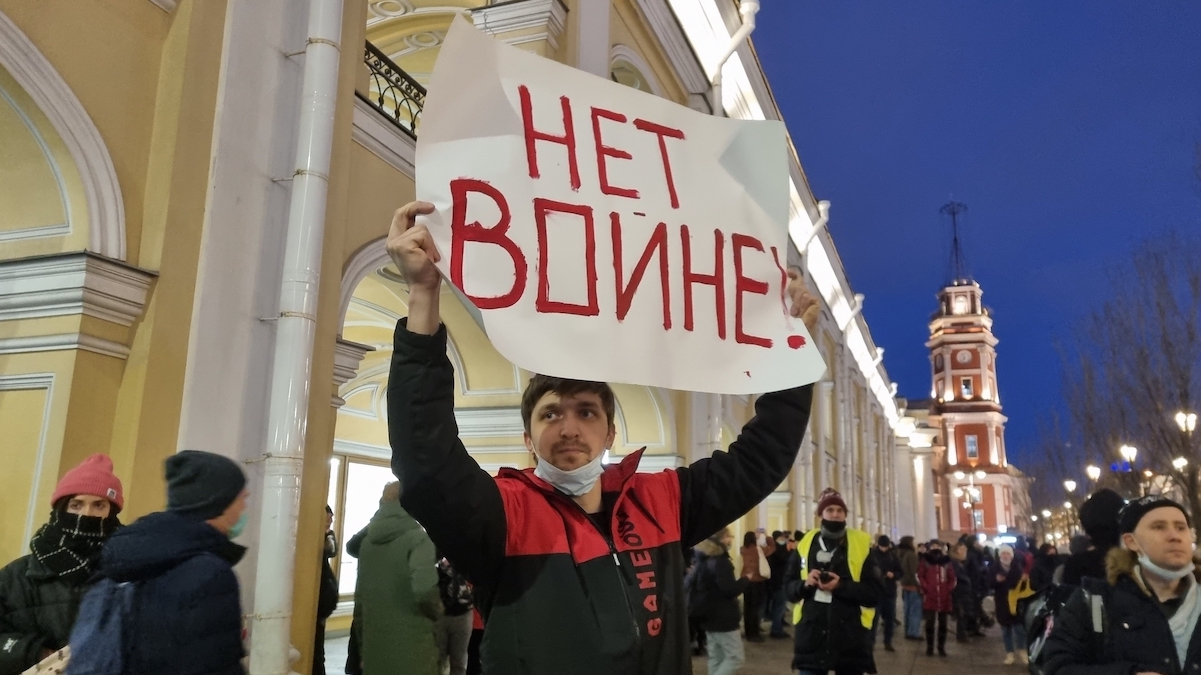
A Russian and a Ukrainian activist describe the challenges ahead in ending Europe’s most dangerous war
An interview with Russian physicist and anti-nuclear activist, Oleg Bodrov, and Ukrainian peace researcher and activist, Yurii Sheliazhenko, conducted online by Reiner Braun, International Peace Bureau.
Note: The opinions expressed by the subjects of this interview are their own and do not necessarily reflect any position taken by Beyond Nuclear. Oleg Bodrov is an anti-nuclear campaigner well known to many of us in the movement, who has already taken a brave stand at considerable harm to his personal safety. Beyond Nuclear is deeply concerned about the nuclear risks (both energy and weapons-related) in war torn Ukraine. These are integrally related to the challenges of achieving peace. How to do this inevitably evokes many differing views. While some of these may seem controversial, we provide those below in the interest of widening awareness, both about the background and buildup to the current conflict, and the events themselves and the implications for future peace. The comments have been translated by IPB and, with one or two exceptions for clarity, have not been modified by us into more idiomatic English.
Can you briefly introduce yourself?
Oleg Bodrov: I am Oleg Bodrov, physicist, ecologist and Chairman of the Public Council of the Southern Shore of the Gulf of Finland, St. Petersburg. Environmental protection, nuclear safety and the promotion of peace have been the main directions of my work for the last 40 years. Today, I feel like a part of Ukraine: my wife is half Ukrainian; her father is from Mariupol. My friends and colleagues are ecologists from Kiev, Kharkiv, Dnipro, Konotop, Lviv. I am a climber, on the ascents I was connected by a safety rope with Anna P. from Kharkov. My father, a participant in the Second World War, was wounded in January 1945 and was treated in a hospital in Dnepropetrovsk.
Yurii Sheliazhenko: My name is Yurii Sheliazhenko, I am a peace researcher, educator and activist from Ukraine. My fields of expertise are conflict management, legal and political theory and history. Furthermore, I am executive secretary of the Ukrainian Pacifist Movement and member of the Board of the European Bureau for Conscientious Objection (EBCO) as well as World BEYOND War (WBW).
Can you please describe how you see the actual situation?
O.B.: The decision on the military operation against Ukraine was made by the President of Russia. At the same time, Russian citizens, judging by independent media reports, believed that war with Ukraine was impossible in principle!
Why did this happen? For the past eight years, anti-Ukrainian propaganda has been broadcast daily on all state channels of Russian television. They talked about the weakness and unpopularity of the presidents of Ukraine, the nationalists blocking rapprochement with Russia, Ukraine’s desire to join the EU and NATO. Ukraine is considered by the President of Russia as a territory historically part of the Russian Empire. The invasion of Ukraine, in addition to the death of thousands of people, has increased global negative risks. Military operations are conducted on the territory with nuclear power plants. The accidental hit of shells into nuclear power plants is more dangerous than the use of atomic weapons.
Y.S.: Illegal invasion of Russia to Ukraine is part of a long history of relations and hostilities between both nations, and also it is part of longstanding global conflict between the West and East. To understand it fully, we should remember colonialism, imperialism, cold war, “neoliberal” hegemony and the rise of wannabe illiberal hegemons.
Talking about Russia versus Ukraine, the crucial thing to understand about this obscene fight between archaic imperialist power and archaic nationalist regime is the outdated character of both political and militarist cultures: both have conscription and a system of military patriotic upbringing instead of civic education. That’s why war mongers on both sides call each other Nazis. Mentally, they still live in the world of USSR’s “Great Patriotic War” or “Ukrainian liberation movement” and believe that people should unite around their supreme commander to crush their existential enemy, these Hitler-ites or no-better Stalinists, in role of which they surprisingly see a neighbour people.
Are there any particularities in this dispute about which the Western public is not or not very well informed?
Y.S.: Yes, certainly. Ukrainian diaspora in America increased significantly after two world wars. U.S. and other Western intelligences during the cold war recruited agents in this diaspora to use nationalist sentiments for inciting separatism in USSR, and some ethnic Ukrainians became rich or made careers in U.S. and Canadian politics and army, in that way powerful Ukrainian lobby emerged with ties to Ukraine and interventionist ambitions. When the USSR fell and Ukraine gained independence, the Western diaspora actively participated in nation-building.
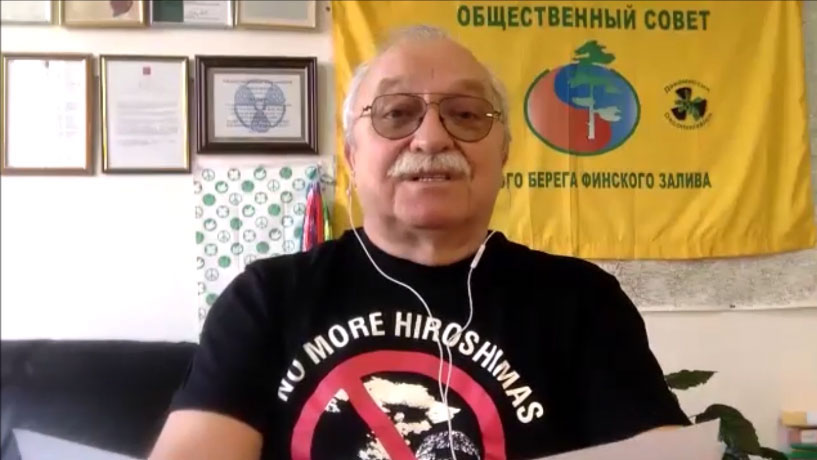

Oleg Bodrov (left) of Russia and Yurii Sheliazhenko of Ukraine speak out for peace regardless of the personal risks. (Photos from their respective Facebook pages.)
Read MoreA $50 billion (bottomless?) pit?
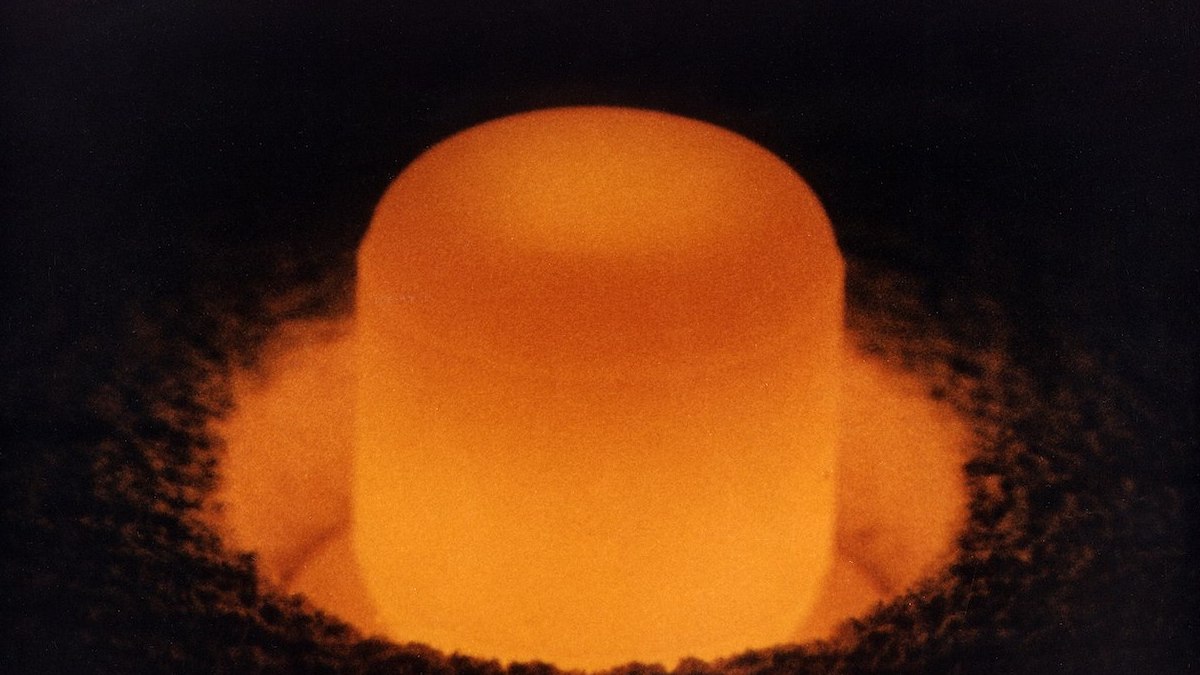
Nuclear weapons monitors demand environmental review of new bomb production plans
By Marilyn Bechtel
Four public interest groups monitoring the nation’s nuclear weapons development sites are demanding the Department of Energy and the National Nuclear Security Agency conduct a thorough environmental review of their plans to produce large quantities of a new type of nuclear bomb core, or plutonium pit, at sites in New Mexico and South Carolina.
The organizations, Tri-Valley Communities Against a Radioactive Environment, Savannah River Site Watch, Nuclear Watch New Mexico, and Gullah/Geechee Sea Island Coalition, filed suit in late June 2021 to compel the agencies to conduct the review as required under the National Environmental Policy Act. They are now fighting an effort by DOE and NNSA to dismiss the suit over the plaintiffs’ alleged lack of standing. The groups are represented by the nonprofit South Carolina Environmental Law Project.
In 2018, during the Trump administration, the federal government called for producing at least 80 of the newly designed pits per year by 2030.
The public interest groups launched their suit after repeated efforts starting in 2019 to assure that DOE and NNSA would carry out their obligations to issue a thorough nationwide programmatic environmental impact statement, or PEIS, to produce the new plutonium pits at the Los Alamos National Laboratory in New Mexico and the Savannah River Site in South Carolina.

The organizations said that in correspondence with NNSA in March, the agency stated that it did not plan to review pit production, relying instead on a decade-old PEIS and a separate review limited to the Savannah River Site.
Read MoreNuking their own
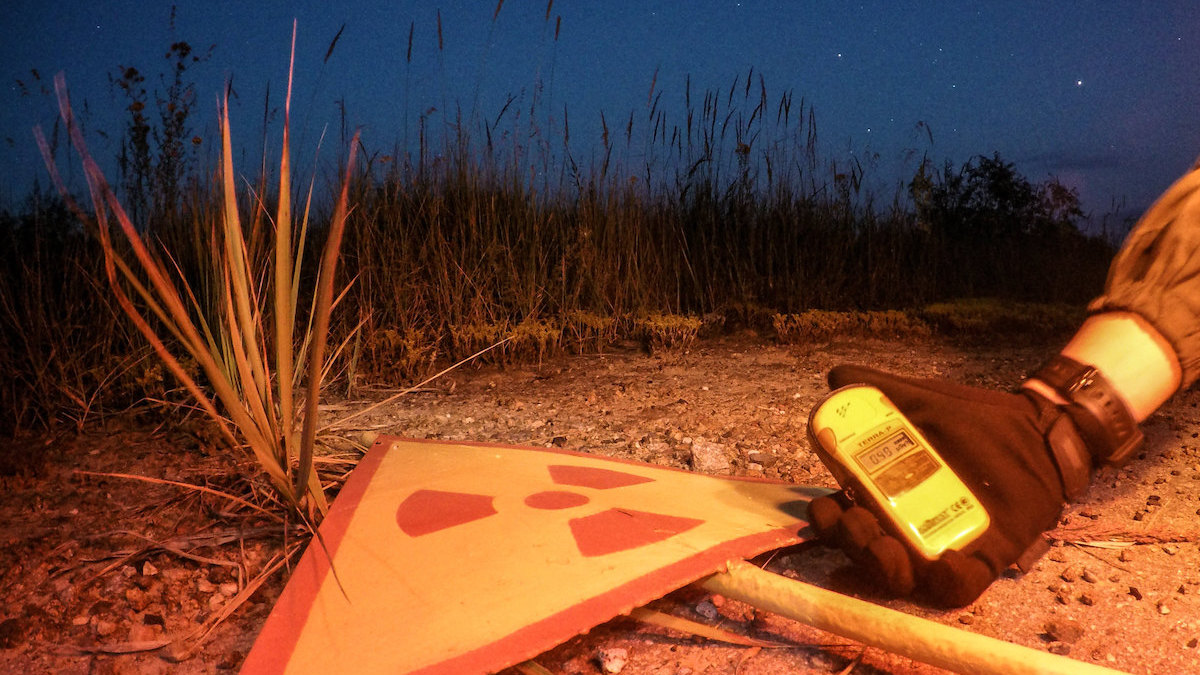
Russian soldiers may be suffering radiation sickness from “Red Forest” exposure
By Julia Conley, Commons Dreams
Editor’s note: There are also wildfires raging in the area that Ukrainian authorities said could not be put out due to the Russian takeover, preventing Ukrainian firefighting teams from doing their work. Wildfires can also dramatically raise radiation levels and redistribute radioactivity. The Russian exodus may also have been connected to this, but getting hard and reliable information out of occupied Ukraine remains challenging. Some news outlets, sourcing Energoatom, are reporting that one Russian soldier may have already died due to his exposure to radiation, after camping in the Red Forest. “Seven busloads of Russian soldiers believed to be suffering from the effects of radiation poisoning later arrived at the Belarusian Radiation Medicine Centre in Gomel, according to the Ukrainian news agency UNIAN,” writes the Daily Express.
The International Atomic Energy Agency said Thursday that Russian forces have almost entirely left the site of the former Chernobyl nuclear power plant in northern Ukraine, where officials said they were exposed to “significant doses” of radiation since taking over the site in late February.
The BBC reported that some soldiers are being treated in Belarus for radiation sickness, which can cause a range of symptoms depending on the level of exposure including nausea, vomiting, skin damage, and seizures or coma in extreme cases.
According to Energoatom, the Ukrainian state nuclear company, the troops “panicked at the first sign of illness,” which “showed up very quickly.”
The agency reported that Russian soldiers dug trenches in the “Red Forest,” which surrounds the former Chernobyl power plant that was the site of the worst nuclear disaster in history in 1986. The forest has the most radioactive contamination of any part of the Chernobyl Exclusion Zone, a 1,000-square-mile area that was closed to the public after the accident, and was called the Red Forest after pine trees in the area turned red due to radiation absorption.
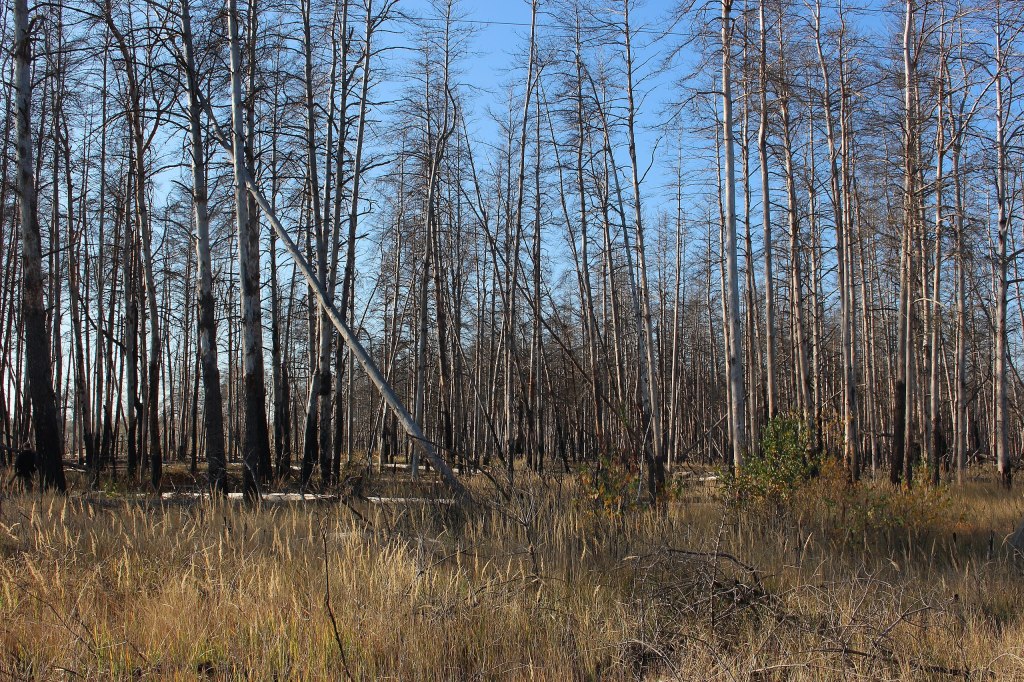
The former power plant is still staffed by workers, some of whom reported to Reuters earlier this week that they have been concerned about the Russians disturbing radioactive material since the troops took over the site.
One employee told the outlet the Russian military’s actions were “suicidal,” referring to troops who drove armored vehicles through the Red Forest and disturbed radioactive dust without radiation protection, likely causing internal radiation exposure as they inhaled the dust.
“The convoy kicked up a big column of dust. Many radiation safety sensors showed exceeded levels,” a worker told Reuters on Tuesday.
Read MoreNo backup plan

Half of Ukraine’s renewable energy facilities threatened with destruction
By Linda Pentz Gunter
“Due to the Russian war against Ukraine, half of the RES (Renewable Energy Source) facilities are threatened with complete or partial destruction,” wrote the Ukraine Association of Renewable Energy on its website earlier last month.
Ukraine was, said the Association, starting to make good inroads on renewable energy, with installed capacity “at 9.5 GW as of the beginning of 2022” and a “total investment in the industry [of] more than $ 12 billion”.
But now, warns the agency, “Ukraine’s renewable energy facilities are also at high risk of total or partial destruction. 47% of the installed capacity of renewable energy power plants is located in the regions where active hostilities are taking place.”
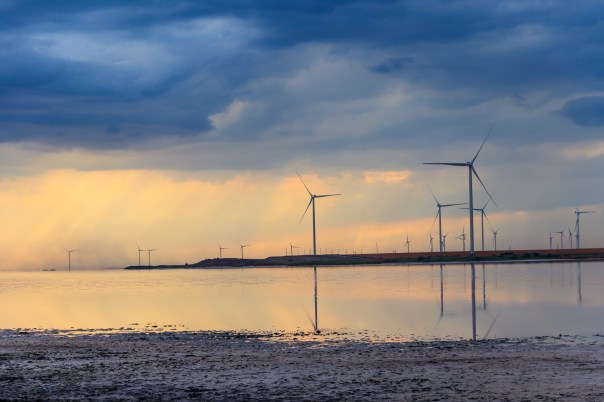
Most notably, at least “89% of the wind farms capacity is located in areas where active hostilities are currently underway,” including around Zaporizhzhia, Kherson, Mykolaiv, and Odesa.
Zaporizhzhia is of course also the site of the country’s largest, six-reactor nuclear power plant that has already been attacked — and is occupied — by Russian forces.
Ukraine’s renewable energy progress could be — literally — pulverized in a matter of weeks.
Meanwhile, countries such as Belgium are using the potential shortage of fossil fuels during the Ukraine crisis, to explore extending the operating life of its last two nuclear reactors until 2035, delaying its nuclear phaseout by 10 more years.
Read More Beyond Nuclear International