 Beyond Nuclear International
Greenpeace France occupies nuclear site
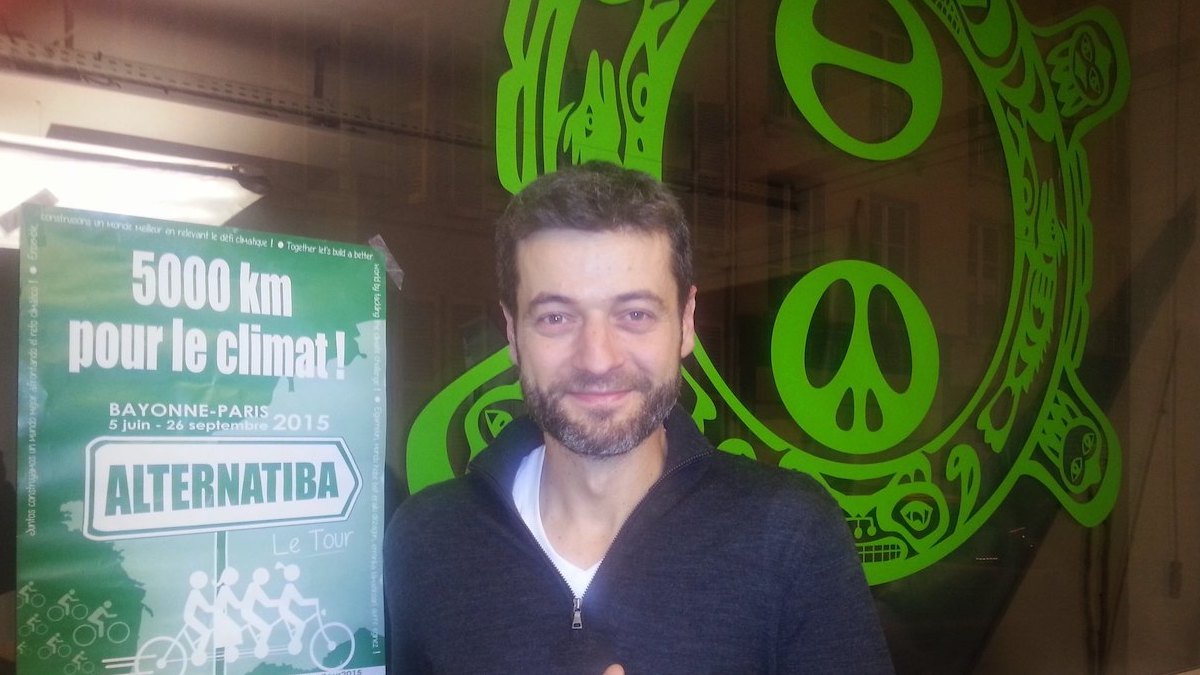
Activists block access to Flamanville in message to Macron
By Jean-François Julliard, director general of Greenpeace France
The following is a statement and call to action from Greenpeace, France, in response to President Macron’s irresponsible decision to support and encourage an expansion of nuclear power in France. National elections are upcoming, so Greenpeace France is calling for additional pressure to be brought to bear on those candidates — listed below — all of whom support increasing the use of nuclear power in France. You can click the links at the end to retweet or email (in French). We are publishing this in the original as Beyond Nuclear has a significant Francophone readership.
A 5h15, d’autres activistes de Greenpeace France et moi sommes passés à l’action et nous nous sommes introduits sur le chantier de l’EPR de Flamanville dans la Manche. D’autres militant-es bloquent toujours l’accès du site pour dénoncer les positions irresponsables que défendent Emmanuel Macron, Marine Le Pen, Valérie Pécresse, Fabien Roussel et Éric Zemmour en misant sur la construction de nouveaux réacteurs nucléaires sous prétexte d’indépendance énergétique. Rien n’est plus faux.

Tout d’abord, la guerre en Ukraine et les menaces qui pèsent actuellement sur les installations nucléaires nous rappellent le risque immense que fait peser cette énergie sur les populations. Par ailleurs, nous avons démontré combien notre industrie nucléaire est fortement dépendante de la Russie.
Aidez-nous à rappeler que l’atome est une voie sans issue en interpellant les principaux candidat·es pronucléaires à l’élection présidentielle, Emmanuel Macron en tête.
Read MorePanic in uranium park
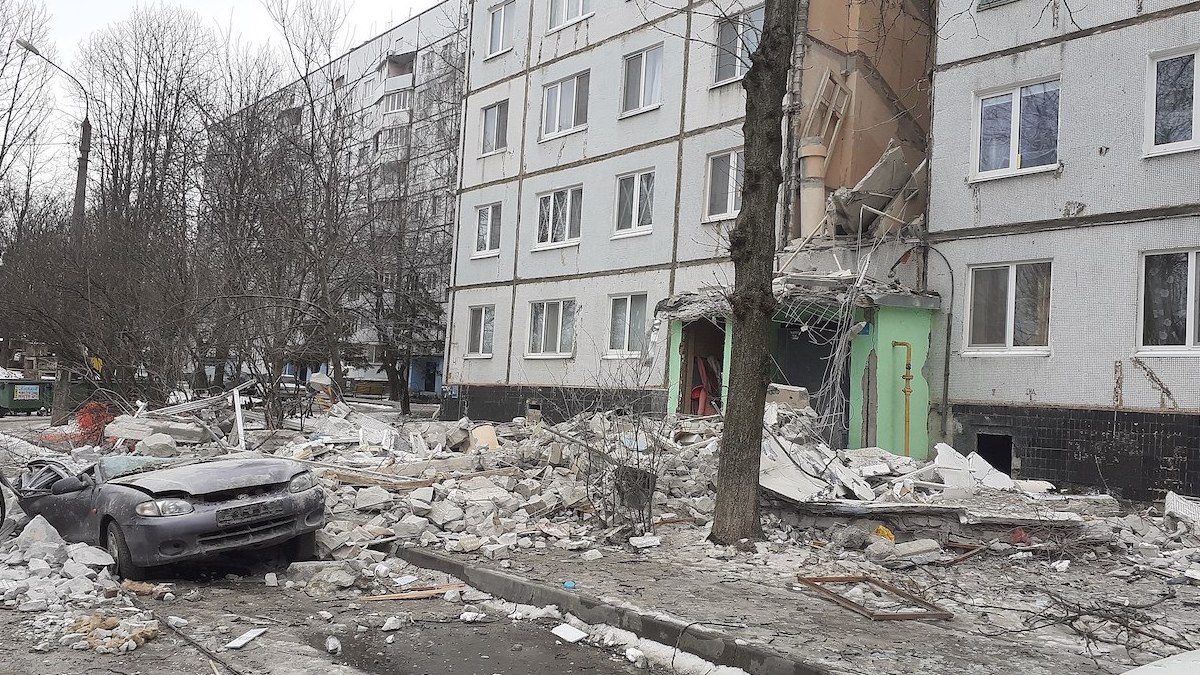
The scramble to ban Russian uranium is the right move. A total ban would be even better
By Linda Pentz Gunter
The Russian invasion of Ukraine, and its ensuing violations of human rights have pulled back the curtain on some uncomfortable realities in the US nuclear energy sector.
When the Biden White House quickly moved to ban imports of Russian crude oil, liquefied natural gas and coal, uranium wasn’t on the list. The move was an attempt, thus far unsuccessful, to squeeze the Russian economy hard enough to prompt submission on the battlefield. But US oil imports from Russia are dwarfed by its reliance on Russian uranium fuel.
Nevertheless, the US nuclear power industry initially lobbied heavily to keep the supply of Russian uranium fuel flowing, knowing the drastic set-back such a ban would mean for both its existing fleet, and its pipe dream for survival — so-called new, advanced and small modular reactors.
Uranium is big business for Russia. Rosatom, Russia’s state energy company, along with its subsidiaries, supplies more than 35% of uranium enrichment to global buyers including, according to Power Magazine, “to 73 of the world’s 440 reactors in 13 countries”.
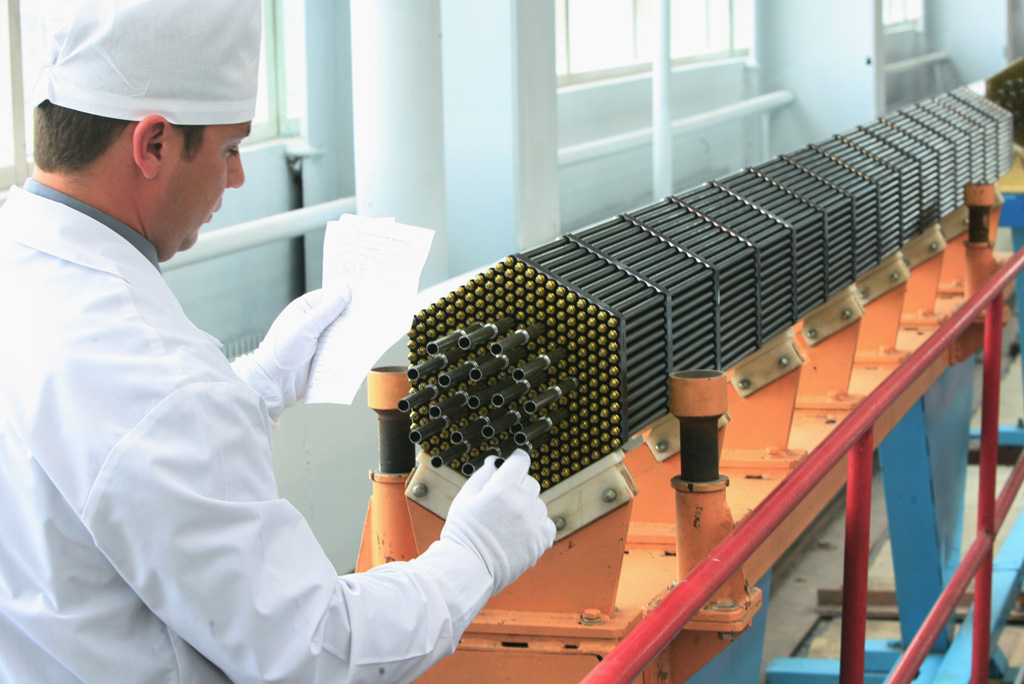
The United States gets almost 50% of the uranium fuel that powers its current reactor fleet either directly from Russia (16%) or from Russian-controlled Kazakhstan (22%) and Uzbekistan (8%).
Already financially struggling US nuclear power plants reportedly have enough fuel supplies for six months but then could start feeling an unwelcome economic pinch from sanctions on Russian imports if these included uranium.
But now, apparently, the US Senate and the American nuclear sector is having a sudden rethink. Or, more accurately, a self-interested epiphany.
Previously undeterred by doing business with a country that locks up political opponents, journalists and LGBTQ activists at will — or worse — the US nuclear industry and its Congressional supporters suddenly found their consciences a little too sharply pricked as Russia invaded Ukraine. A way out had to be found.
Read MoreDeterrence doesn’t work

Ukraine war shows we need disarmament
By Rebecca Johnson
In late February, as his invasion of Ukraine became bogged down, Vladimir Putin announced that Russia’s nuclear forces had been put on ‘special alert’. This posturing is familiar in wargame scenarios. It frequently ends with nuclear weapons being launched.
So, how did we get back to believing that nuclear war is possible? Why didn’t ‘nuclear deterrence’ stop this from happening? And what comes next?
The first thing to understand is that deterrence is a routine part of most defence strategies. Deterrence is a relationship, not some magical property attached to nuclear bombs. Communications are key to the success or failure of any deterrence strategy; no matter what threats or weapons are being brandished, deterrence fails when one or more protagonists miscalculate or misunderstand either the situation, the signals or the intentions of other parties. Relying on nuclear weapons, however, is a gamble that risks destroying the whole world.
Nuclear weapons and threats were embedded in the military policies of Russia and NATO in the 1950s. From ‘mutual assured destruction’ theories to escalatory war-fighting deployments in the 1980s, nuclear-related dangers and fears have driven proliferation and caused insecurity around the world. Back in 1995, when the majority of nations in the Non-Proliferation Treaty made clear that achieving nuclear disarmament was central to preventing further proliferation, Daniel Ellsberg, the former US military analyst responsible for exposing the Pentagon Papers, criticised the nuclear-armed leaders for using atomic weapons like robbers use guns when they enter a bank to steal and hold people hostage. This is the nuclear weapon ‘use’ that underpins nuclear deterrence theories.
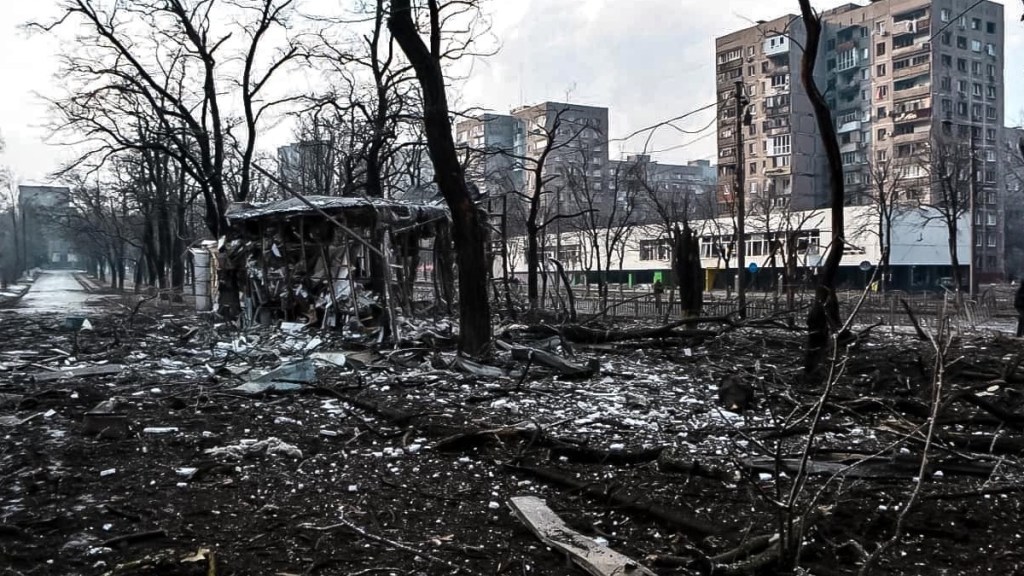
Some 27 years later, claiming defence and deterrence justifications, Putin invaded Ukraine with big guns and missiles. As the invasion began, on 24 February, some 900 of Russia’s 5,900 nuclear weapons – and a similar number of US, British and French nuclear forces assigned to NATO – were on ‘prompt-launch’ (high-alert) status.
Read MoreUkrainians took to the streets to avert a nuclear disaster
Will Americans do the same?
By Paul Gunter and Linda Pentz Gunter
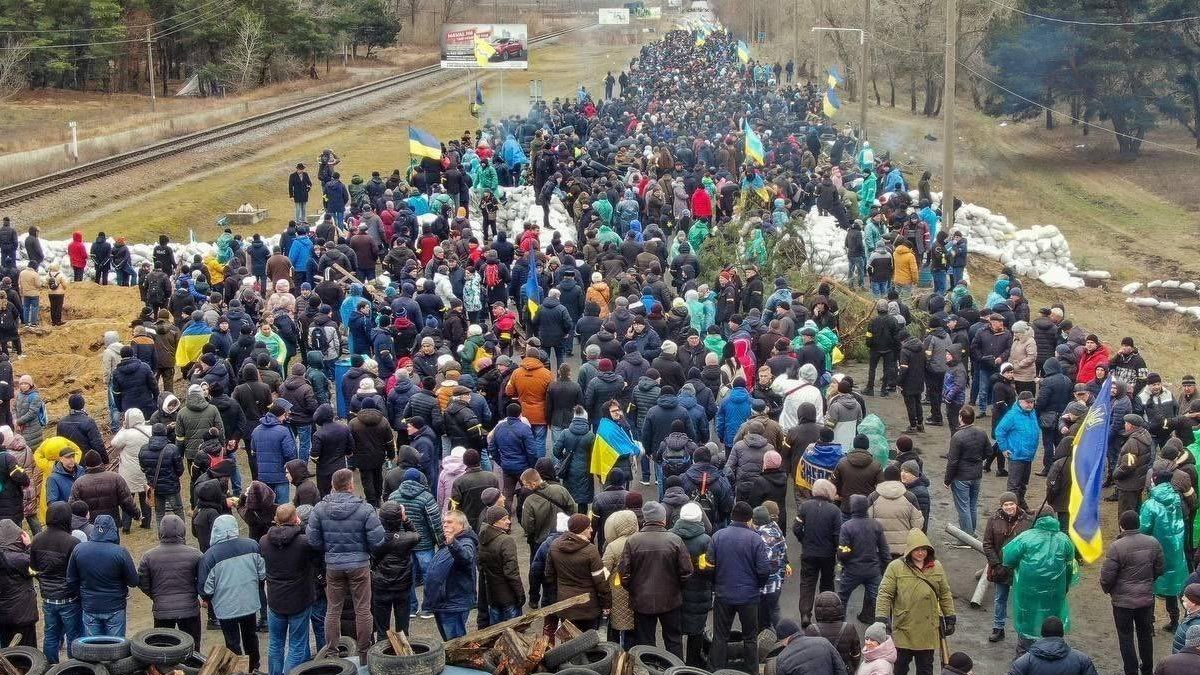
On March 2, a striking news clip found its way onto the internet. It showed nuclear power plant workers and ordinary citizens blockading the access road to the Zaporizhzhia nuclear power plant in Ukraine.
They stood solemnly in the street, waving Ukrainian flags against a backdrop of assorted parked tankers and trucks surrounded by buffers and sandbags — all while the Russian military advanced on the site.
Just over 24 hours later, an auxiliary building at Zaporizhzhia was engulfed in flames, as Russian troops reportedly fired on — and eventually took control of — the plant.
Warnings flashed across Twitter, including from beleaguered Ukrainian President Volodymyr Zelensky, that a nuclear disaster at Zaporizhzhia could be the end of Europe. The country’s foreign minister warned of a nuclear catastrophe 10 times worse than the 1986 accident at Chernobyl, which sent a plume of radioactive fallout across the former Soviet Union and Europe that is still adversely affecting human health today. (Earlier in the invasion, the Russians actually took over the closed — but still radioactive — Chernobyl nuclear site during what was described as a “firefight.”)
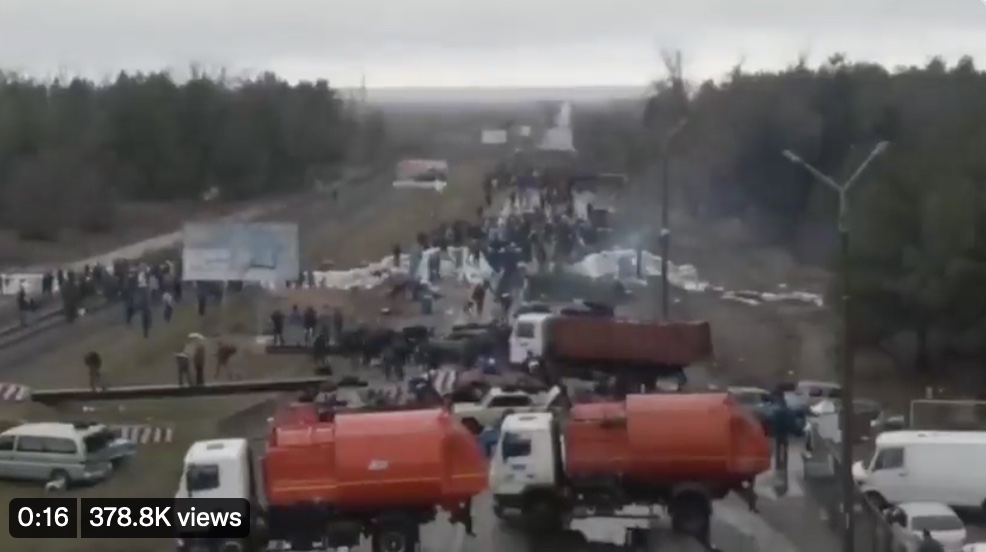
It took courage for ordinary people to stand in defense of the Zaporizhzhia nuclear power plant and in defiance of Russian military might. But the prospect of something as dangerous as a nuclear power plant falling into hostile — and potentially inexperienced — hands was an unacceptable risk.
It’s a risk Ukrainians already know all too well. Even in the hands of experts, human error still set in motion the 1986 Chernobyl disaster. And yet, Ukraine has persisted with nuclear power and now gets half of its electricity supply from 15 commercial nuclear reactors, situated at four sites. Of those locations, Zaporizhzhia is the largest plant — both in Ukraine and Europe — with six reactors. Even if only one reactor were breached, it would release far more radioactivity than Chernobyl in 1986. This is why Ukrainians were so intent on defending it.
Read MoreA “no-fly zone” does not becalm the skies
Humanitarian crisis would be worsened if nuclear plants hit
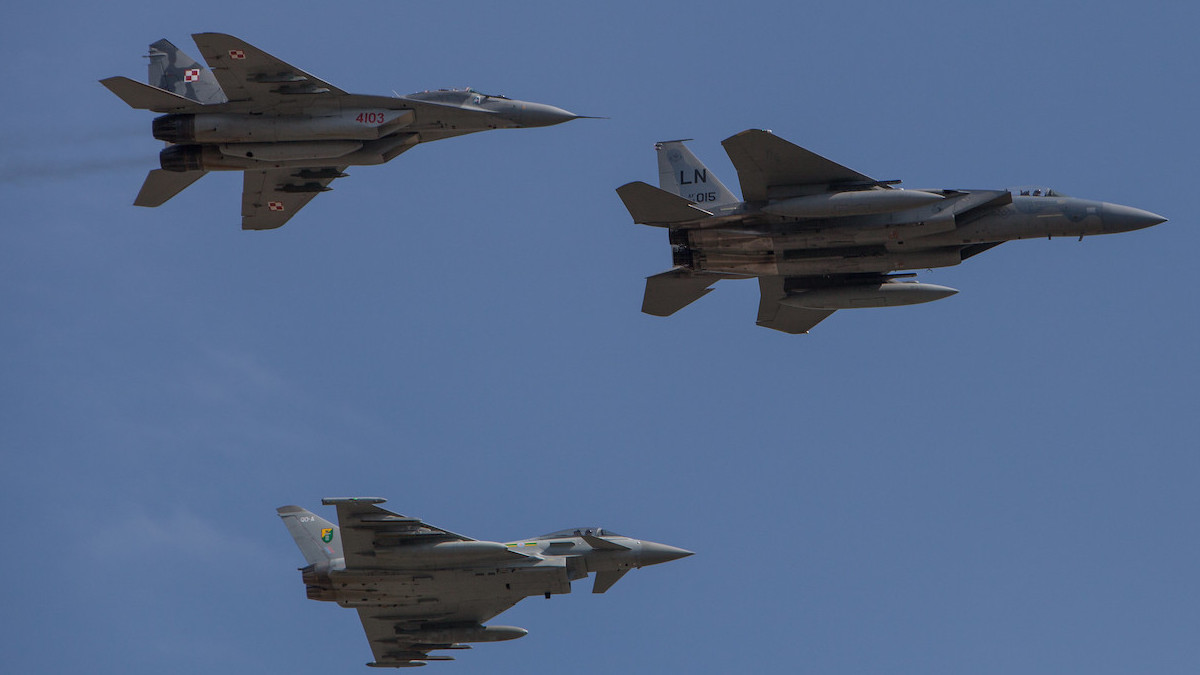
Introduction: There are many views about what the next steps should be to address the ever greater humanitarian tragedy in Ukraine, but virtual unanimity in favor of an immediate end to the war. Ukrainian President, Volodymyr Zelensky, has made frequent pleas for a “no-fly zone.” But what would this mean?
On March 17, US Represenative Ilhan Omar said, “As we support Ukraine in their fight against Russia’s brutal invasion, we must avoid the knee-jerk calls that risk nuclear war. A no-fly zone is not simply declared, it must be militarily enforced. It would mean the beginning of World War III. We must reject this completely.” As Code Pink lays out below, a no-fly zone would likely escalate the war exponentially, with the US and NATO involved directly in aerial combat with Russia. That could rain down damage on nuclear power plants indiscriminately. None of the four nuclear power plants sites in Ukraine was built to withstand protracted bombardment.
While the Code Pink article does not address the specific risks to nuclear power plants should a “no-fly zone” be declared (unlikely at this time), it lays out both a preview of such an escalation and a plea for peace, alongside a perhaps uncomfortable short history lesson about the contribution of the US and NATO to the current crisis. While the solutions offered by Code Pink are their own, neither Code Pink nor Beyond Nuclear exonerates in any way the atrocities currently being committed against civilians in a country under invasion. But the precarious situation, poised for a potential escalation — rather than cessation — of war, points up once again the extreme liabilities of nuclear power plants, whose dangers are unequalled by any other power source.
By Medea Benjamin and Code Pink
Ukrainian President Volodymyr Zelensky just addressed both chambers of Congress. He asked for a no-fly zone — a situation in which U.S. fighter jets would shoot down Russian planes — and for MiG-29 fighter jets to be transferred from Poland to Ukraine (the U.S. has so far declined to be a part of such a transfer as it would be received by Russia as U.S. combat entry into the war).
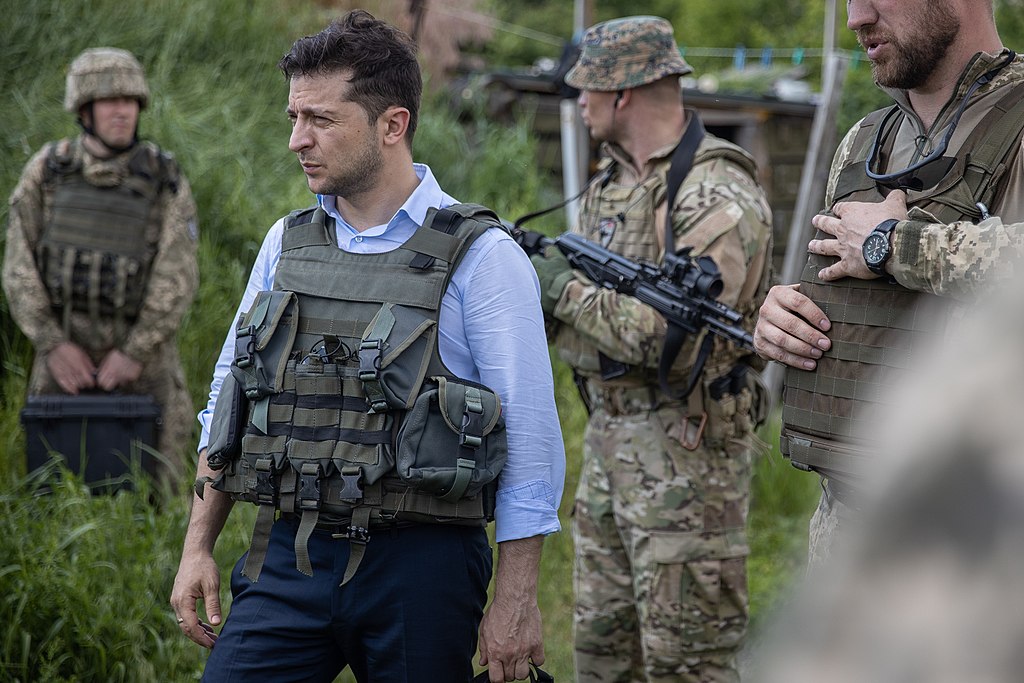
Following Zelensky’s address, President Biden approved $800 million in new aid for Ukraine, bringing the total U.S. assistance to Ukraine to $1 billion in just this past week, and will include Javelin anti-tank and Stinger anti-aircraft missiles.
Standing ovations, such as the one Zelensky just got from Congress, are great, but what Ukraine really needs is vigorous negotiations to reach a ceasefire deal. To this end, we are calling on the U.S. to enter the negotiations by outlining the agreements and compromises the U.S. should support. Add your name.
Read MoreLe tabou de Fukushima
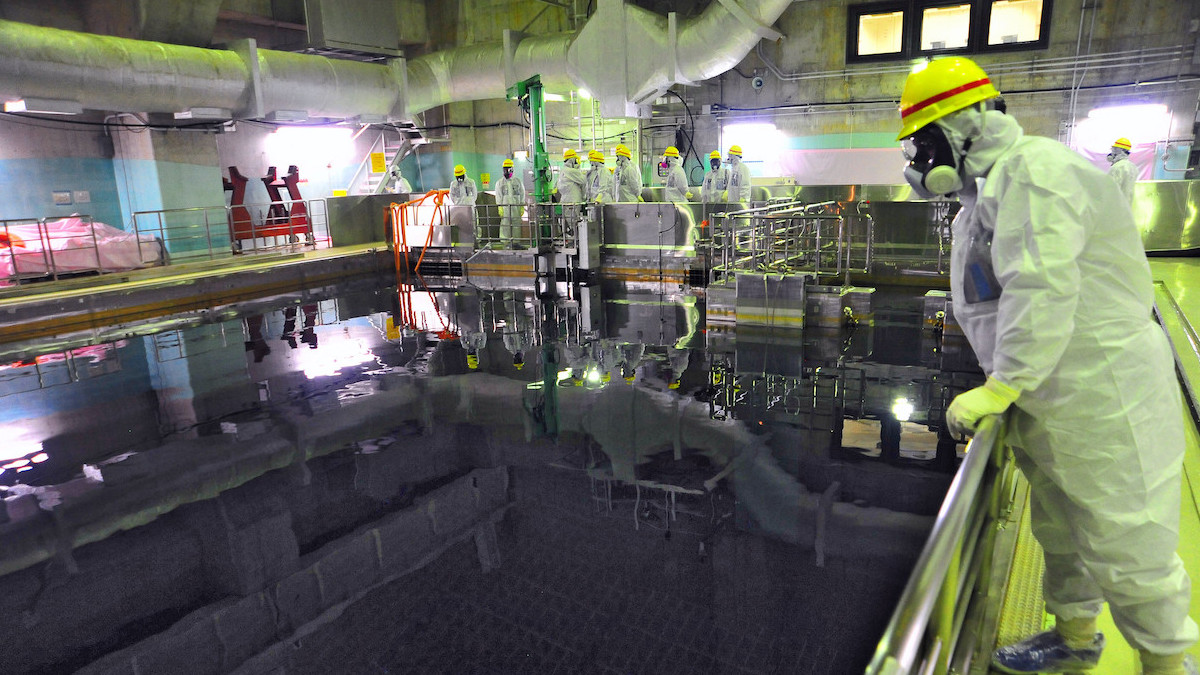
Faire son coming out sur le cancer de la thyroïde de Fukushima est un acte de bravoure dans le Japon d’aujourd’hui
Par Linda Pentz Gunter, traduit par Kurumi Sugita
En plein cœur de l’obscure bataille menée pour savoir s’il faut inclure l’énergie nucléaire dans la taxonomie « verte » de l’Union Européenne, cinq anciens premiers ministres japonais ont fait une déclaration sans précédent. Ils ont fermement condamné toute inclusion de l’énergie nucléaire en tant qu’énergie verte ou durable, même en tant que combustible dit de transition.
Le gouvernement japonais actuel a passé sous silence les arguments climatiques avancés par les anciens premiers ministres, s’emparant rapidement d’une petite phrase concernant les conditions de vie au Japon suite à l’accident de Fukushima : « de nombreux enfants souffrent d’un cancer de la thyroïde ».
Le parti libéral démocrate au pouvoir est même allé jusqu’à approuver une résolution condamnant les cinq anciens premiers ministres, dont l’un, Junichiro Koizumi, est issu de ce parti. La résolution allègue que leur déclaration n’était pas « scientifique » et qu’ils ravivaient les préjugés et encourageaient les gens à considérer les habitants de Fukushima comme des parias.
Le Conseil de recherche politique du parti a déclaré qu’il soumettrait sa résolution à l’actuel premier ministre, Fumio Kishida.
Le même jour – le 27 janvier 2022 – où la lettre ouverte des anciens premiersministres a été soumise à l’UE, six jeunes personnes, qui étaient enfants au moment de la catastrophe nucléaire de Fukushima Daiichi en mars 2011, ont intenté un procès devant le tribunal du district de Tokyo contre TEPCO, propriétaire et exploitant de la centrale nucléaire.
Les six personnes, âgées de 17 à 27 ans, tiennent la firme pour responsable des cancers de la thyroïde que chacune d’entre elles a développés après avoir été exposée aux radiations libérées par la catastrophe nucléaire.
En intentant un procès et en rendant ainsi la question publique, les six personnes ont immédiatement fait l’objet d’un niveau d’abus sans précédent pour s’être exprimées. Dans une vidéo contenant leurs témoignages, elles ont été obligées de dissimuler leur apparence physique, par crainte des représailles.
Le « coming out », les révélations volontaires sur le cancer de la thyroïde ou sur tout autre impact négatif sur la santé résultant de la catastrophe nucléaire de Fukushima, restent des sujets largement tabous au Japon. Les études qui concluent que les impacts médicaux sont importants, voire substantiels, sont accueillies avec autant d’hostilité, de dureté que de mutisme.
Read More Beyond Nuclear International