 Beyond Nuclear International
Promises, promises
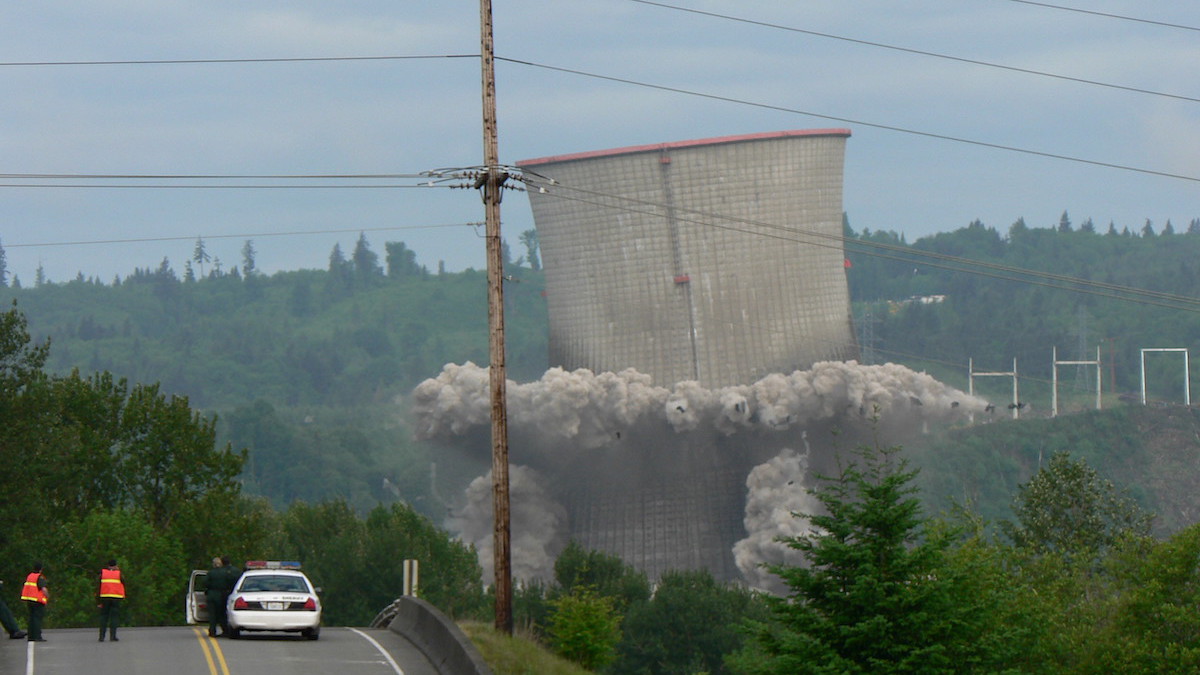
Nuclear power is failing. So why does news coverage suggest the opposite?
By Linda Pentz Gunter
Sometimes it’s “Promises promises”. On other days it’s “Another one bites the dust”.
If, like me, you are a fellow sufferer of a condition known as involuntary musical imagery (having a song stuck constantly in your head), lately you might have found yourself humming one or other of those catchy songs. Over and over again.
They are effectively the theme songs for nuclear power right now. Because if it’s not the false promise of climate-saving jobs, then it’s another premature shutdown, or new nuclear project canceled, the chimera of small mythical reactors, or a reactor failing to deal with the ever more prevalent weather extremes of climate change.

That’s the unavoidable story, no matter what myths the pro-nuclear propagandists try to spin. Reality has an annoying habit of grabbing the headlines. And right now, those read:
“Fresh delays at EDF’s Flamanville 3”
“Scottish nuclear power station to shut down early after reactor problems”
“Hitachi ‘withdraws’ from £20bn Wylfa project”
“Olkiluoto-3 nuclear power plant 11 months behind latest schedule”
“Nuclear reactor in France shut down over drought”
“Exelon vows to shut down Byron, Dresden nuclear plants”
And so on.
Read MoreSleepwalking into a crisis

Former world leaders urge those now in power to support the Treaty on the Prohibition of Nuclear Weapons
The following is an open letter signed by 56 former world leaders and government ministers from 20 NATO countries, plus Japan and South Korea, urging the world’s current leaders to support and join the Treaty on the Prohibition of Nuclear Weapons.
The coronavirus pandemic has starkly demonstrated the urgent need for greater international cooperation to address all major threats to the health and welfare of humankind. Paramount among them is the threat of nuclear war. The risk of a nuclear weapon detonation today — whether by accident, miscalculation or design — appears to be increasing, with the recent deployment of new types of nuclear weapons, the abandonment of longstanding arms control agreements, and the very real danger of cyber-attacks on nuclear infrastructure. Let us heed the warnings of scientists, doctors and other experts. We must not sleepwalk into a crisis of even greater proportions than the one we have experienced this year.
It is not difficult to foresee how the bellicose rhetoric and poor judgment of leaders in nuclear-armed nations might result in a calamity affecting all nations and peoples. As past leaders, foreign ministers and defence ministers of Albania, Belgium, Canada, Croatia, the Czech Republic, Denmark, Germany, Greece, Hungary, Iceland, Italy, Japan, Latvia, the Netherlands, Norway, Poland, Portugal, Slovakia, Slovenia, South Korea, Spain and Turkey — all countries that claim protection from an ally’s nuclear weapons — we appeal to current leaders to advance disarmament before it is too late. An obvious starting point for the leaders of our own countries would be to declare without qualification that nuclear weapons serve no legitimate military or strategic purpose in light of the catastrophic human and environmental consequences of their use. In other words, our countries should reject any role for nuclear weapons in our defence.

By claiming protection from nuclear weapons, we are promoting the dangerous and misguided belief that nuclear weapons enhance security. Rather than enabling progress towards a world free of nuclear weapons, we are impeding it and perpetuating nuclear dangers — all for fear of upsetting our allies who cling to these weapons of mass destruction. But friends can and must speak up when friends engage in reckless behavior that puts their lives and ours in peril.
Read MoreExposed!

Extinction Rebellion fact checks pro-nuclear front groups
The following is a statement from Extinction Rebellion, UK, in light of misrepresentations of their movement by a former team member now working for a pro-nuclear front group. It alleges that Environmental Progress, its new employee, Zion Lights, its founder, Michael Shellenberger, and the group’s predecessor, Breakthrough Institute (still operating as well) have ties to big corporations and to climate denial.
There have been a number of stories in the press in the last few weeks with criticisms about Extinction Rebellion by Zion Lights, UK director of the pro-nuclear lobby group Environmental Progress. It appears that Lights is engaged in a deliberate PR campaign to discredit Extinction Rebellion.
For any editors who might be considering platforming Lights, we would like to make you aware of some information about the organisation she works for and her employer, Michael Shellenberger.
ENVIRONMENTAL PROGRESS & MICHAEL SHELLENBERGER
Environmental Progress is a pro-nuclear energy lobby group. While the group itself was only established in 2016, its backers and affiliates have a long and well-documented history of denying human-caused climate change and/or attempting to delay action on the climate crisis. A quick look at groups currently promoting Zion Lights through their social media channels include climate deniers and industry lobbyists such as The Global Warming Policy Foundation and the Genetic Literacy Project (formerly funded by Monsanto).*
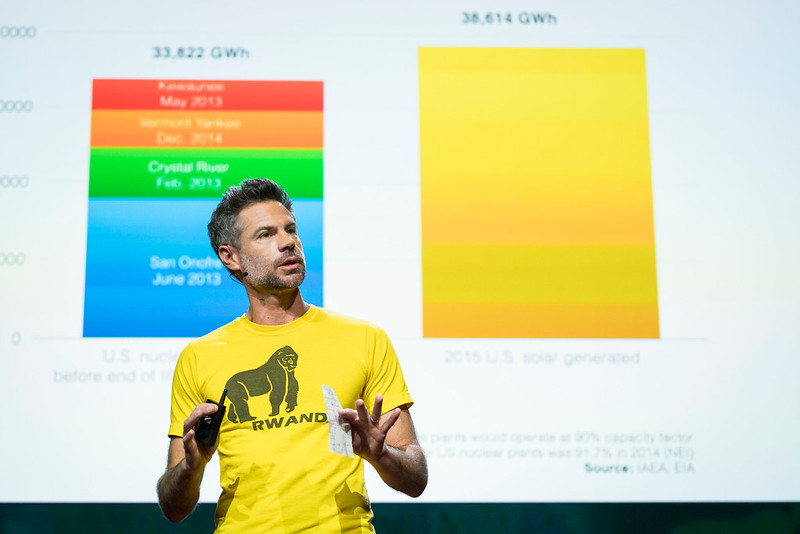
The founder of Environmental Progress, Michael Shellenberger, has a record of spreading misinformation around climate change and using marketing techniques to distort the narrative around climate science. He has a reputation for downplaying the severity of the climate crisis and promoting aggressive economic growth and green technocapitalist solutions.
Shellenberger appeared on the Tucker Carlson Show on Fox News just last week to say that the forest fires currently raging in California are due to “more people and more electrical wires that they’ve failed to maintain because we’ve focused on other things like building renewables” and we’ve been “so focused on renewables, so focused on climate change.”
Read MoreLessons from Lesotho

What a tiny African country can teach Wales and the world
By Dr. Carl Iwan Clowes
March 1985 – a sight to behold as the Lesotho Ambassador and the High Commission staff from London, clad in their national dress of Basotho blanket and traditional hat, climbed the steps of the Welsh Office in Cathays Park.
They were there for a ceremony to mark the launch of the unique link between our two countries. As they stepped into the main hall they were greeted by a choir from Ysgol y Wern followed by a short welcome in Sesotho from Bishop Graham Chadwick.
The scene, full of colour, was already vibrant when the Basotho responded in the traditional rhythm of African song.

The civil servants, who had left their offices to welcome the guests from the balcony, burst into spontaneous applause, an emotional response which rang through the corridors of power. The Welsh Office hadn’t seen anything like this before!
Thirty five years on, many thousands of teaching and health personnel, children, politicians and cultural organisations in both countries have gained from the experience of our link. It was always the ambition to ensure this was an equitable relationship built on understanding and friendship between our peoples.
Challenging as this has been, the aspiration for equity remains and the profound personal experiences gained by both the Basotho and the people of Wales are testimony to that. In 2014 a Memorandum of Understanding between the Governments of Lesotho and Wales was signed reaffirming the importance of the relationship.
Read MoreWomankind arise!
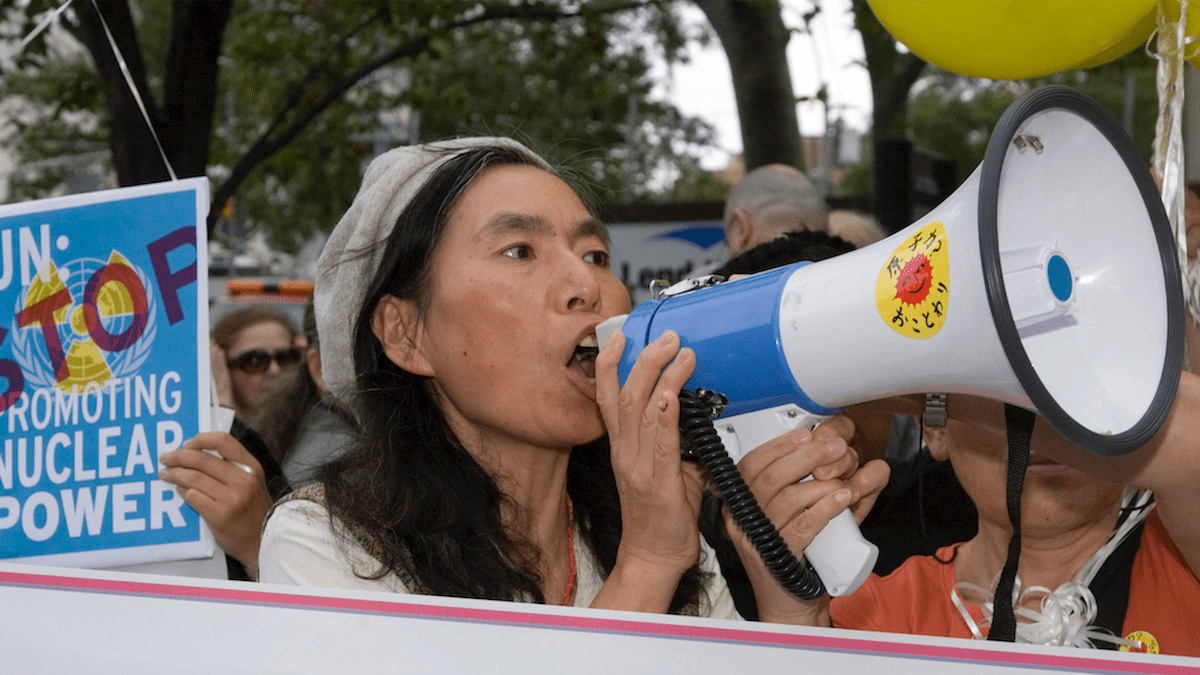
Nuclear exposure standards discriminate on the basis of sex
By Linda Pentz Gunter
As we mourn the passing of Supreme Court justice, Ruth Bader Ginsburg, we look back at her landmark victories against discrimination “on the basis of sex” and wonder how nuclear regulations might have stood up to her legal scrutiny. As things currently stand, the nuclear power industry gets away with “allowable” radiation exposure levels that discriminate against women.
When Elizabeth Warren’s presidential campaign fizzled so dramatically in the primary season, I was asked by many overseas friends why this was. Was it that the United States is still not ready for a woman president? Is that really possible in this day and age and in such a supposedly advanced country? (Trump is president, so “advanced” may be the wrong choice of word here.)
Let’s be clear; discrimination is alive and well in the US as we are seeing played out in almost daily tragedies — against people of color, but also against the poor, the LGBT community, immigrants, the elderly and, yes, women.
It’s completely plausible that Warren’s gender cost her the chance of the Democratic presidential nomination. There may be other worthy arguments — such as that those hoping for radical change preferred the more Left Bernie Sanders, and those looking for the compassionate center saw it in Joe Biden. We may never know, but at age 71 now, we can be fairly sure that Warren will not be able to try again.

When the 2018 feature film came out about Ruth Bader Ginsburg’s early triumph in making discrimination “on the basis of sex,” (also the film’s title) illegal, it was a glorious reminder of the progress we have made. But now, with her death this past week, we face a potentially ominous shift backwards to the way things were, if the White House and Republican-controlled Senate get away with filling her seat before the November election.
And despite RBG’s immense contribution to our greater wellbeing, as women, we still face discrimination in so many walks of life. That could be about to get worse.
Read MoreDuke Energy’s shell game

New plan touts carbon cuts, adds more gas and nuclear
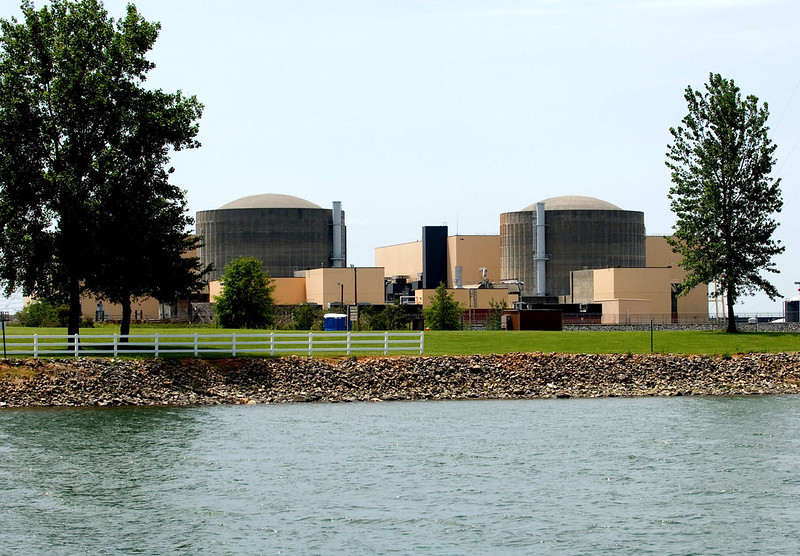
Duke Energy has said that it will submit a blanket request for Second License Extensions for all 11 reactors in its fleet, which would see these already aging, degrading and uneconomical plants operating out to 60 or even 80 years. The following is an analysis from the Environmental Working Group, issued as a September 2, 2020 press release, and an excerpt from their report.
Duke Energy says it will achieve “net zero” carbon pollution by 2050. But its new resource plan for the Carolinas almost certainly means it will continue to rely on fossil fuels and nuclear reactors as its dominant sources of energy.
On September 1, Duke – the largest investor-owned U.S. electric utility, with 7.7 million customers in six states – filed its 2020 Integrated Resource Plan, or IRP, with regulators in North and South Carolina. If in the wake of its recent cancellation of the $8 billion Atlantic Coast Pipeline, Duke-watchers expected a turn away from natural gas, they were wrong.
The plan floated six different scenarios to reach “net zero” carbon, and all but one relies heavily on fracked natural gas. It confirmed that Duke will continue to give short shrift to wind power and is betting on the uncertain development of a new generation of small nuclear reactors.
“If investors and regulators were hoping Duke would put forth a serious plan to reduce emissions and combat climate, this IRP wasn’t for them,” said Grant Smith, EWG’s senior energy policy advisor. “Even the most ambitious scenario would only modestly invest in offshore wind, despite the enormous potential in the Carolinas, make paltry advances in solar, spend billions on more nuclear reactors and jack up customers’ bills by nearly $60 a month.”
Read More Beyond Nuclear International