 Beyond Nuclear International
On the edge of the abyss
Calder Hall was the start of nuclear power. Zaporizhzhia should mark its end
By Linda Pentz Gunter
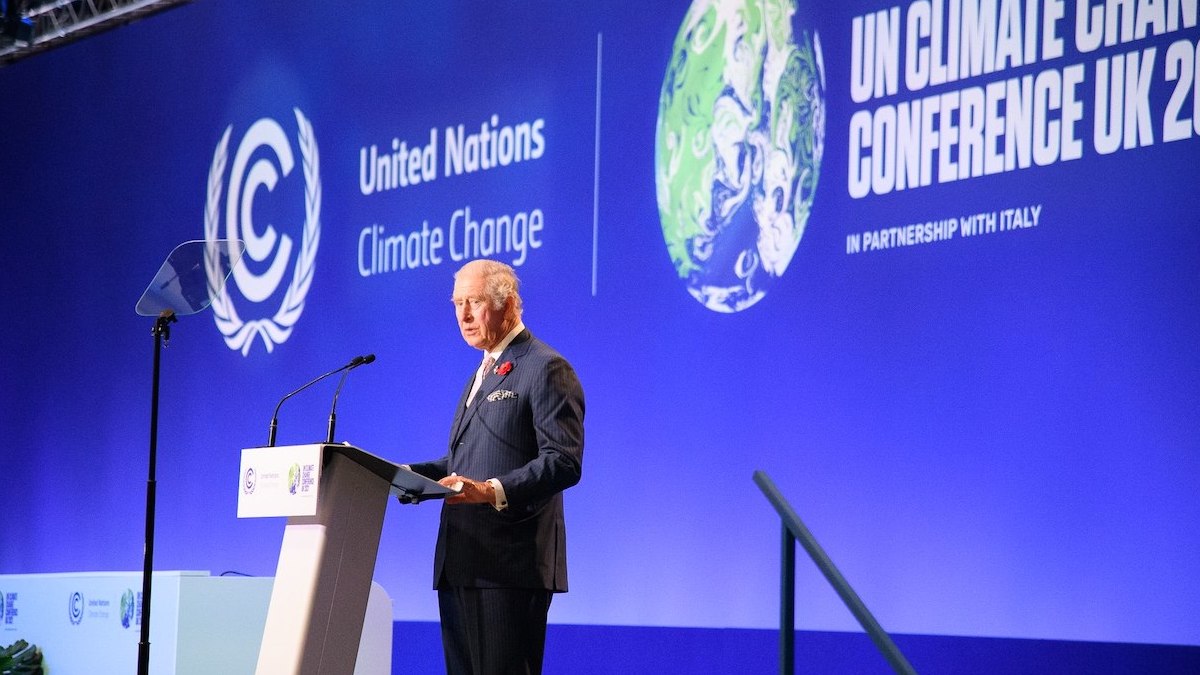
Personally, I am not a royalist Brit. But I’ve lived long enough in the US to understand the fascination — dare I say obsession — of Americans with the British royal family, much of it falsely romanticized and sugar coated, and of course fodder for addictive dramas and documentaries.
Now there is a new monarch — King Charles III — and one who has not been afraid in the past to speak his mind on all things environmental. We don’t know where Charles stands on nuclear power — and now that he’s king, we likely never will, as his views will be muzzled by protocol and tradition.
However, his mother expressed hers early in her reign when she was just 30 years old. Queen Elizabeth II, who died on September 8 at the age of 96, said then:
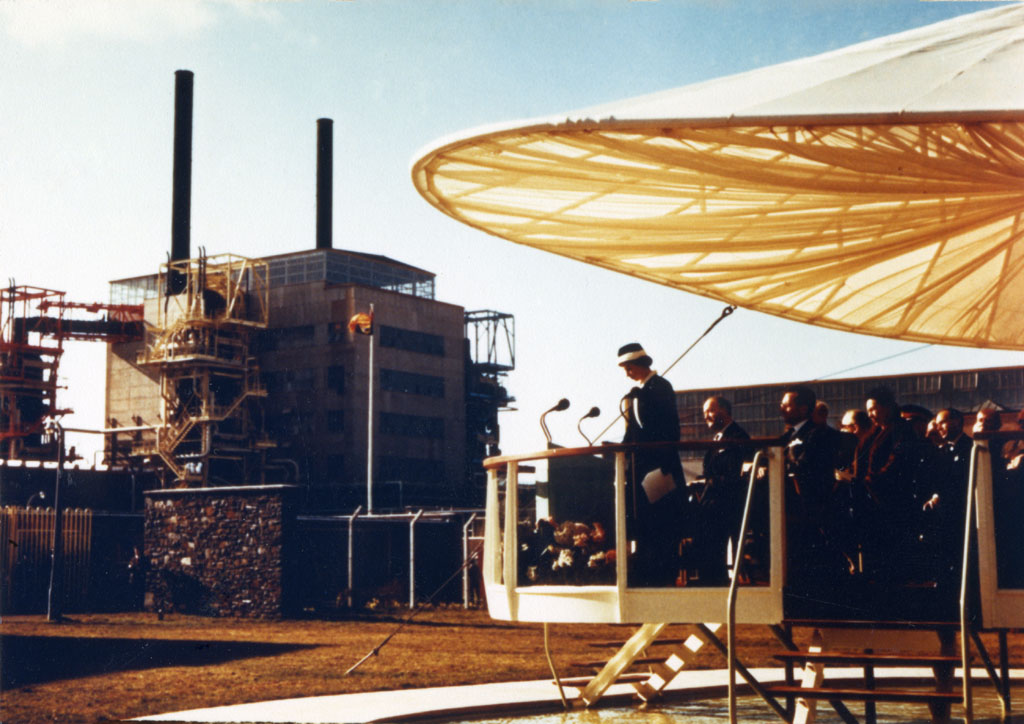
“This new power, which has proved itself to be such a terrifying weapon of destruction is harnessed for the first time for the common good of our community.”
Those doubtlessly scripted words, at once naively hopeful and wildly delusional, were spoken on the occasion of the official opening on October 17, 1956, of Calder Hall, the world’s first full-scale commercial nuclear power station.
This misplaced optimism about the benefits of nuclear power followed on from the immortal and equally mistaken pronouncement in 1954 by then Atomic Energy Commission Chairman, Lewis Strauss, who described the future of nuclear energy as “too cheap to meter.”
Queen Elizabeth lived long enough to see that ‘common good’ brutally shattered by the 1979 Three Mile Island nuclear accident; the explosion of Ukraine’s Chornobyl reactor in 1986; and the Fukushima nuclear disaster in 2011. And nuclear power of course turned out to be one of the most expensive ways to boil water.
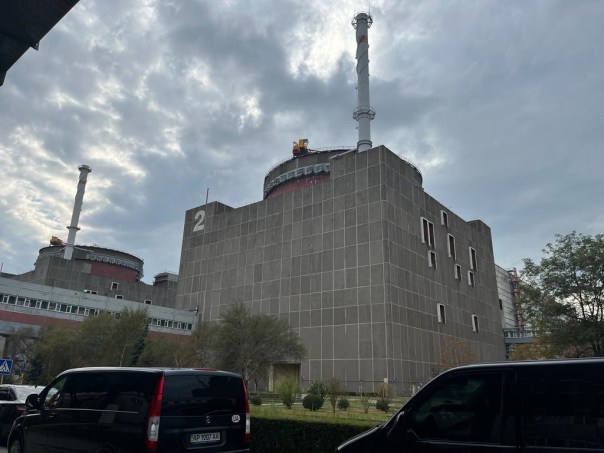
She has now been spared living through what the rest of us currently fear most — a second nuclear tragedy in Ukraine as fighting persists around the 6-reactor Zaporizhzhia nuclear power plant, embroiled in the Russia-Ukraine war.
And yet, such horrors have failed to deter most political leaders from clinging to these often deliberate delusions about nuclear power. With the same blindness — and fealty to fossil fuel corporations — that ignored the obvious warnings of climate peril, those who have the power to make change, instead tout similar false mantras about the utility of nuclear power for our ‘common good’.
Read MoreIs Zaporizhzhia safer now?
Cold shutdown reduces risk of disaster at Zaporizhzhia nuclear plant – but combat around spent fuel still poses a threat
By Najmedin Meshkati, University of Southern California
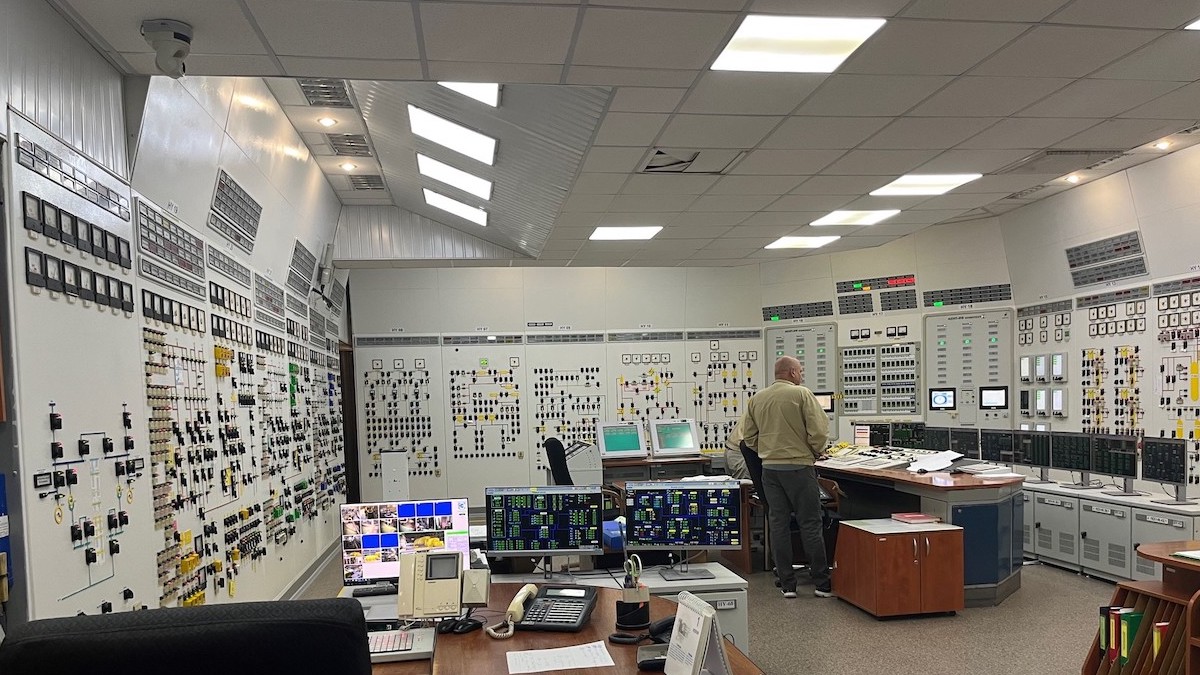
Energoatom, operator of the Zaporizhzhia Nuclear Power Plant in the Ukrainian city of Enerhodar, announced on Sept. 11, 2022, that it was shutting down the last operating reactor of the plant’s six reactors, reactor No. 6. The operators have put the reactor in cold shutdown to minimize the risk of a radiation leak from combat in the area around the nuclear power plant.
The Conversation asked Najmedin Meshkati, a professor and nuclear safety expert at the University of Southern California, to explain cold shutdown, what it means for the safety of the nuclear power plant, and the ongoing risks to the plant’s spent fuel, which is uranium that has been largely but not completely depleted by the fission reaction that drives nuclear power plants.
What does it mean to have a nuclear reactor in cold shutdown?
The fission reaction that generates heat in a nuclear power plant is produced by positioning a number of uranium fuel rods in close proximity. Shutting down a nuclear reactor involves inserting control rods between the fuel rods to stop the fission reaction.
The reactor is then in cooldown mode as the temperature decreases. According to the U.S. Nuclear Regulatory Commission, once the temperature is below 200 degrees Fahrenheit (93 Celsius) and the reactor coolant system is at atmospheric pressure, the reactor is in cold shutdown.
When the reactor is operating, it requires cooling to absorb the heat and keep the fuel rods from melting together, which would set off a catastrophic chain reaction. When a reactor is in cold shutdown, it no longer needs the same level of circulation. The Zaporizhzhia Nuclear Power Plant uses pressurized water reactors.
Death by a thousand red lines
The colossal failure of the 10th NPT Review Conference
By Cesar Jaramillo
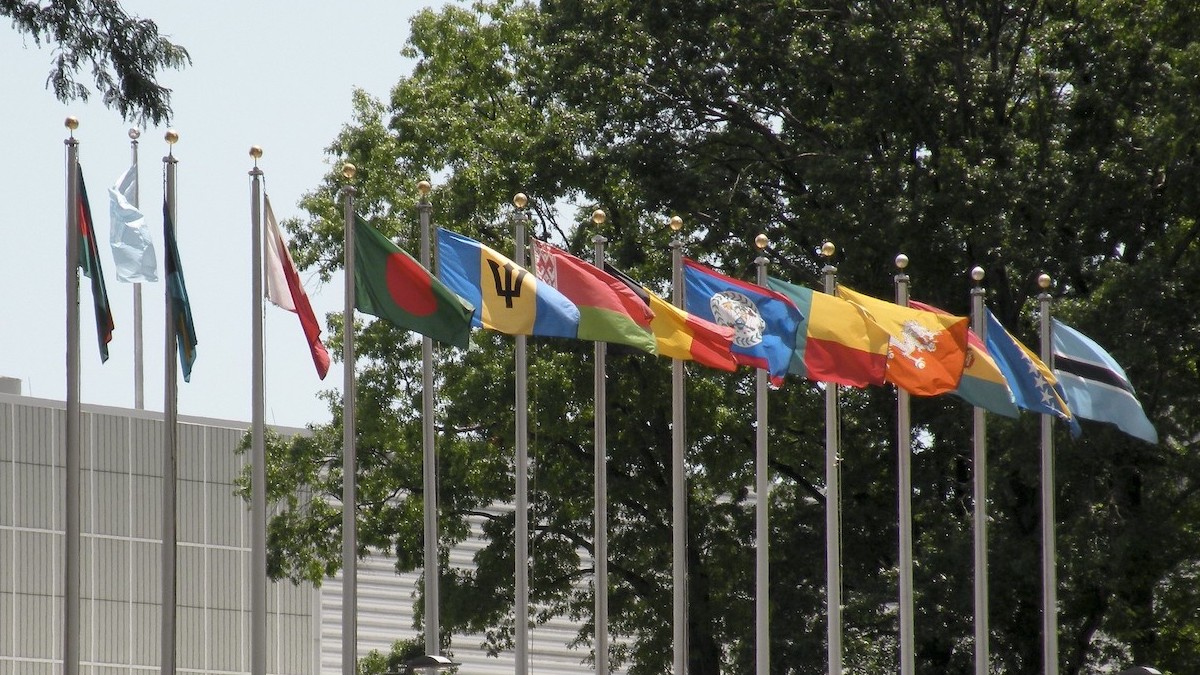
The official record will show that Russia tanked the long-delayed and much-anticipated 10th Review Conference of the Treaty on the Non-Proliferation of Nuclear Weapons (NPT), that it was the sole NPT state party to block consensus on the outcome document, and that the disagreement was ultimately over references in the text relevant to the ongoing conflict in Ukraine. This is all accurate—but only part of the story.
The profound rifts that divided NPT states parties from the beginning and prevented even modest progress ran much deeper than the predictably contentious Ukrainian conflict. Well before the Russian delegation took the floor during the last session to indicate that it would not endorse the text of the final document, it was abundantly clear that the conference would not meet even modest expectations. Its main accomplishment: the further weakening of the NPT’s credibility as a framework for nuclear abolition.
Unmet expectations
Faced with a convoluted and fragile international security environment, the world needed this Review Conference, already delayed for two years, to make progress. To many states and civil society, progress primarily meant that nuclear-weapon states (NWS) that were party to the treaty (China, France, Russia, the United Kingdom, the United States) should commit to implementing concrete disarmament measures and reporting regularly on progress made. Nuclear-armed states, however, had a different purpose.
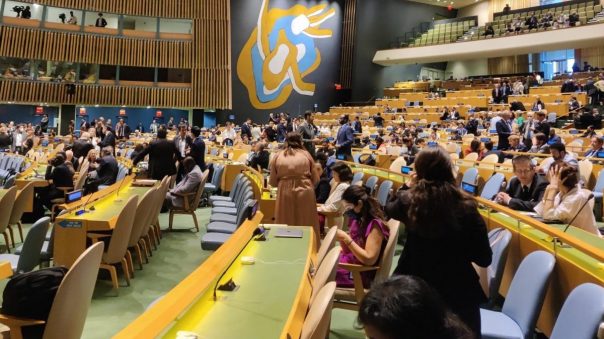
As they had at previous NPT Review Conferences and Preparatory Committees, NWS attempted to justify the indefinite retention of their arsenals while still professing support for the goal of a world without nuclear weapons. They highlighted the centrality of nuclear deterrence in their security policies, spoke at length of the impossibility of committing to any type of nuclear disarmament schedule, and explained how international security conditions hindered implementation of their disarmament obligations. Seventy-seven years after Hiroshima and Nagasaki, more than 50 years after the entry into force of the NPT, and decades after the end of the Cold War, they continued to insist that undertaking disarmament measures was premature. With each statement, they lost credibility.
A cloud of discontent and frustration descended upon the conference as it neared its end. Earlier, several non-nuclear-weapon states (NNWS) had protested that their proposals were largely ignored in successive drafts of the outcome document, while most concerns of NWS were accommodated. As states stepped forward to announce their intention to support the outcome document, most also lamented its lack of ambition, expressed disappointment at the weakness of the commitments, and acknowledged that they were signing on mainly to preserve the NPT regime.
Read MoreLetting the sun shine in
Ex-Fossil Workers Convert Old Oilfields to Solar Farms After ‘Rapid Upskilling’ in Alberta
Primary Author: Mitchell Beer @mitchellbeer, The Energy Mix
A group of 15 trainees will be heading out into the field to begin converting two Alberta oilfield sites into solar farms, after graduating from a rapid upskilling program for fossil industry and Indigenous workers hosted by Iron & Earth and Medicine Hat College.
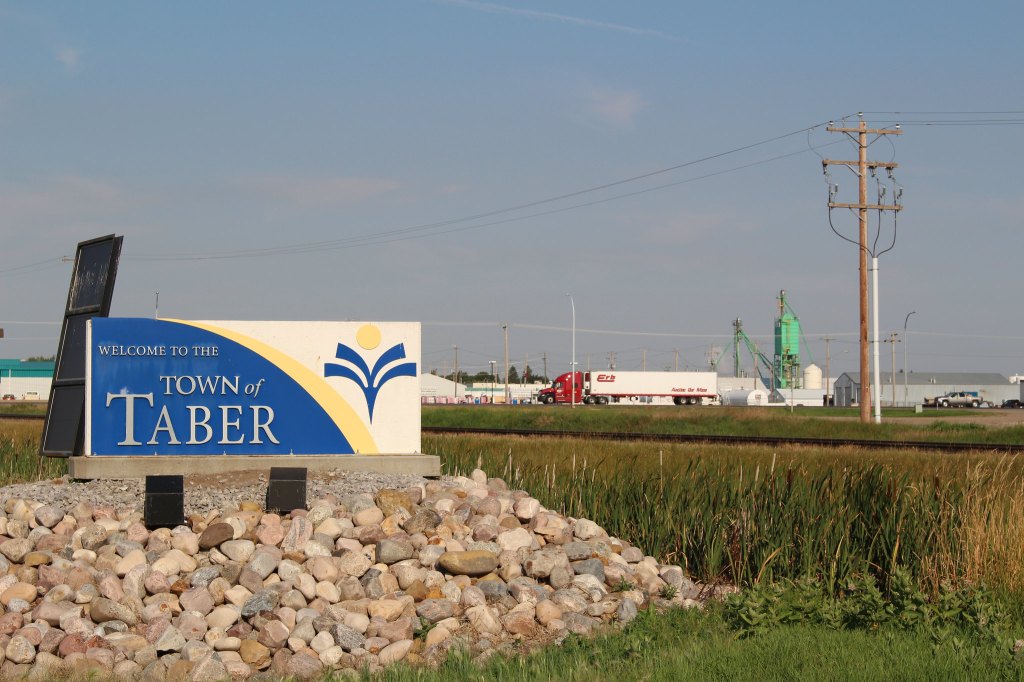
The inaugural training took place June 20-27, and the trainees gathered with funders and partners yesterday for a “celebratory course completion event” in Taber, Alberta, Iron & Earth said in a release.
The program included 24 hours of classroom work and 16 hours of hands-on training, with course modules on oilfield decommissioning and solar design and construction.
The two pilot sites near Taber, Alberta include Barnwell, a 1940s oilfield where past oil spills were never cleaned up, and Fincastle, a natural gas site that was drilled in 2008 and operated until 2014 when its owner went bankrupt, said RenuWell Project founder Keith Hirsche. Once the reclamation work is complete, the two sites will generate just over 2,000 megawatt-hours of electricity per year, enough to power 280 average Alberta homes or irrigate about 4,750 hectares/11,700 acres of farmland in an average year, the release stated.
That adds up to C$200,000 worth of electricity and 1,100 tonnes of carbon dioxide savings per year, for a project with an expected 25-year lifespan.
“It’s a capacity-building program,” said Iron & Earth Executive Director Luisa Da Silva. “We bring fossil fuel workers and Indigenous workers in to provide them with opportunities to gain real-world skills. By participating in the RenuWell program, workers can immediately see how their skills can be used in a real-world scenario. And there’s lots of opportunity.”
About 10% of the province’s estimated 170,000 abandoned wells are suitable for solar development, said Hirsche, a former fossil industry geoscientist who traces his interest in renewable energy to a family visit to Denmark in 2003. That 10% would translate into about 12,500 hectares/31,000 acres of solar installations, 6,200 megawatts of renewable energy capacity, more than 4.5 million tonnes of annual CO2 savings, $650 million in annual revenue, and 55,900 person-years of employment, at a total up-front cost of $11.1 billion.
Read MoreEl engaño del torio
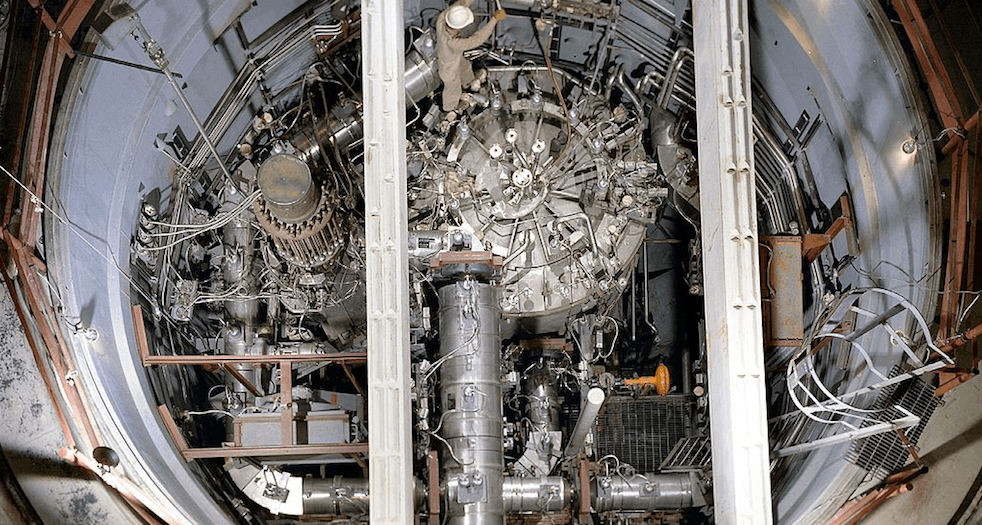
Tras 50 años y cuatro fracasos, los EEUU abandonan la idea de un reactor de torio
Helen Caldicott
Traducción de Raúl Sánchez Saura para El Salto
Los reactores de torio se han convertido en una de las últimas apuestas desesperadas del lobby nuclear. Se dice que cuenta con grandes ventajas con respecto a los convencionales, con uranio como combustible, y se olvida mencionar sus mayores desventajas: es aún más cara y peligrosa. En este artículo lo desgranamos.
Mientras Australia considera introducir energía nuclear en el país, resulta imperativo que la población entienda al detalle esta tecnología para poder tomar una decisión informada al respecto. Los reactores de torio también están siendo considerados a día de hoy.
Durante medio siglo, los EEUU ha intentado crear reactores de torio, sin éxito. Cuatro reactores de torio comerciales han sido construidos. Los cuatro han fracasado. Y dada la complejidad de los problemas que menciono más abajo, los reactores de torio son mucho más caros que los de uranio.
El longevo esfuerzo de producir estos reactores ha costado a los contribuyentes estadounidenses miles de millones de dólares, y otros tantos miles de millones se siguen destinando a la gestión de los residuos producidos con estos fracasos.
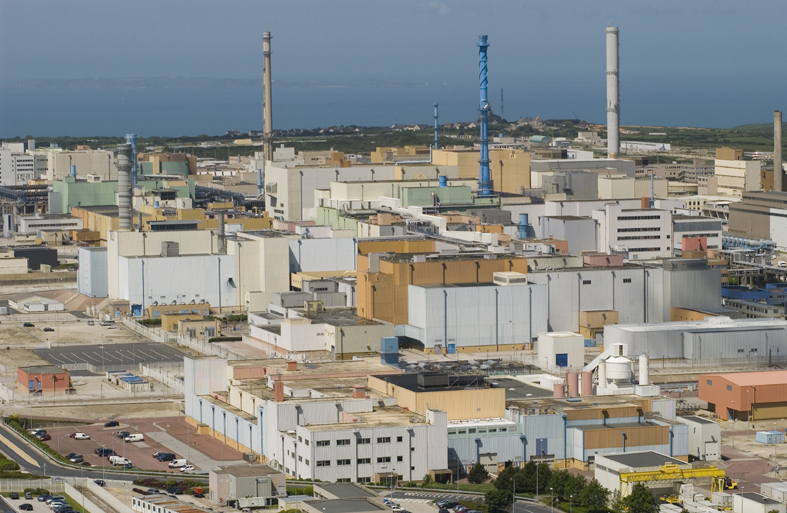
La verdad es que el torio no es un material naturalmente fisionable. Se hace necesario mezclar torio con uranio-235 enriquecido (hasta un 20% de enriquecimiento) o plutonio. Ambos son intrínsecamente fisionables, lo cual inicia todo el proceso.
Mientras que el enriquecimiento de uranio ya es bastante caro, el reprocesamiento de combustible nuclear gastado procedente de reactores de uranio es increíblemente costoso y muy peligroso para los trabajadores, que se exponen a isótopos radioactivos tóxicos durante el proceso. El reprocesamiento de combustible gastado requiere trocear barras de combustible radioactivas por control remoto, después se disuelven en ácido nítrico concentrado. De aquí se precipita el plutonio a través de complejos medios químicos.
A estas alturas se han generado grandes cantidades de residuos líquidos altamente radioactivos y acídicos de las que se tienen que librar. Solo 6 kilogramos de plutonio-239 pueden alimentar un arma nuclear, mienras que un reactor produce 250 kilos de plutonio anuales. La millonésima parte de un gramo de plutonio, de inhalarse, es cancerígena.
Read MoreCollective madness

Zaporizhzhia is the poster child for abandoning the use of nuclear power
By Linda Pentz Gunter
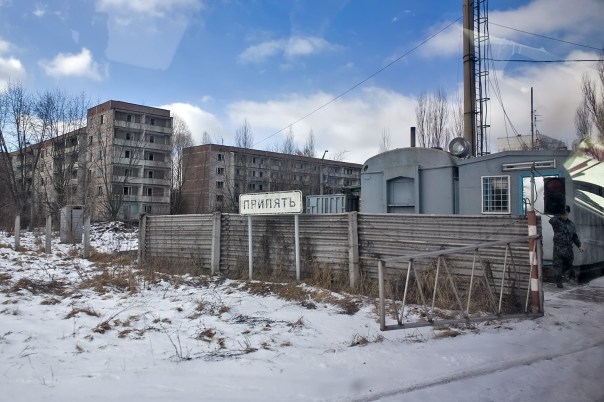
The deadly peril posed by nuclear power plants embroiled in a war zone — something we have been warning about since before the Russian invasion of Ukraine — just came into even sharper focus.
The continued military activity around the Zaporizhzhia nuclear power plant, home to six of Ukraine’s 15 reactors, has raised worldwide concern about the terrible consequences should a missile strike a reactor, or worse, the unprotected irradiated fuel pools or radioactive waste storage casks.
Let’s remember that the 1986 Chornobyl nuclear disaster — the result of the explosion of a single, relatively new unit — has rendered a 1,000 square mile region (the Exlusion Zone) uninhabitable still today and for the foreseeable future. Any one of the Zaporizhzhia reactors contains a far larger radioactive inventory and a more densely packed fuel pool than was the case at Chornobyl. A major breach of any one of the six would release long-lasting radioactive contamination into the environment, forcing permanent evacuations and sickening countless people.
Several obvious conclusions emerge from all this.
- Nuclear reactors cannot be in a war zone.
- The consequences of an attack on a nuclear plant could be catastrophic, long-lasting and far-reaching.
- It is impossible to predict where a war might happen (Lindsey Graham’s recent reckless statements remind us that yes, there could even be (civil) war again here in the US).
- The odds of a catastrophic failure at a nuclear plant must be zero given the unacceptable consequences; an impossibility.
- Nuclear power plants are not only ill-suited to the climate of war, but also to both the present and impending extremes of climate change (major sea-level rise; floods; fires; violent weather events etc).
Therefore, it is senseless and irresponsible to continue using nuclear power as an energy source.
Read More Beyond Nuclear International