 Beyond Nuclear International
Complicit
The countries, companies and think tanks that support the deadly nuclear arms trade
From ICAN
A new report from ICAN — Complicit: 2020 Global Nuclear Weapons spending — names names and produces some horrifying spending numbers, made all the more immoral by the desperate needs around the world due to the COVID-19 pandemic, along with the ever worsening conditions brought on by the climate crisis.
As the report notes, “In 2020, during the worst global pandemic in a century, nine nuclear-armed states spent $72.6 billion on their nuclear weapons, more than $137,000 per minute, an inflation adjusted increase of $1.4 billion from last year.”
It goes on to ask the obvious question: Why? The answer lies in the profits to be made by the world’s nuclear weapons companies, not to mention the funding flowing to a few think tanks, some of which have missions that should make taking this money unacceptable. “Not only does this report reveal the massive spending on nuclear weapons during the worst global pandemic in a century, it also shines a light on the shadowy connection between the private companies building nuclear weapons, lobbyists and think tanks,” wrote ICAN’s Susi Snyder in an email to launch the report.
She also narrates this short video below that explains the findings.
“The exchange of money and influence, from countries to companies to lobbyists and think tanks, sustains and maintains a global arsenal of catastrophically destructive weapons. Each person and organisation in this cycle is complicit in threatening life as we know it and wasting resources desperately needed to address real threats to human health and safety”, says the report’s executive summary. It goes on:
“The $72.6 billion spent on nuclear weapons was split between governmental departments and private companies. Companies in France, the United Kingdom and the United States received $27.7 billion from nuclear-weapon-related contracts in 2020, of which $14.8 billion was new.
Read MoreA hard rain did fall

“Black rain” victims finally win in court
By Linda Pentz Gunter
Just weeks before the 2021 commemoration of the August 6, 1945 US atomic bombing of the city of Hiroshima, a Japanese court ruled that victims of the radioactive “black rain” who were living beyond the officially recognized contamination zone at the time, should be included in the group considered bomb “survivors” or “Hibakusha” and receive the same benefits.
A Hiroshima high court acknowledged in its July 14, 2021 ruling that many more people suffered as a result of exposure to “black rain” than have hitherto been recognized as victims.
“Black rain” was described in a CNN story as a “mixture of fallout particles from the explosion, carbon residue from citywide fires, and other dangerous elements. The black rain fell on peoples’ skin and clothing, was breathed in, contaminated food and water, and caused widespread radiation poisoning.”

When the verdict was first released last month, it appeared that the Japanese government, under Prime Minister Yoshihide Suga, might appeal the decision. Instead, Suga declared his government, the defendants in the case, would not appeal it and even suggested that relief might be extended to other affected people beyond the plaintiffs. According to the Asahi Shimbun, this may even include those exposed to radiation as a result of the 2011 Fukushima nuclear disaster on the Japan coast.
Read MoreA renewable energy boom on Orkney
Small windswept islands will supply other countries with surplus
Editor’s Note: In April, we ran a story about how the people of Orkney rejected plans to mine uranium on the islands. Here is how that wise decision has paid off. The archipelago is rich in renewable energy production, and home-grown Scottish firms and their employees are the beneficiaries of the boom.
By Paul Brown
A surplus of electricity from renewable sources is a luxury that many communities in a world threatened by climate change might wish for. This is the happy situation of Orkney, a wind-swept archipelago 10 miles (16 kms) north of the Scottish mainland on the edge of the Atlantic. Orkney’s renewable energy, a success at home, may soon be supplying consumers further afield.
Using a combination of wind, sun, tides and waves, the islands have been producing more than 100% of the electricity the residents need since 2013, and have now reached 130%.
The islanders are exploiting their renewable riches by developing a variety of pioneering schemes. Many are being installed by Scottish engineering companies that hope they will be scaled up and will benefit the rest of Europe, and the entire world.
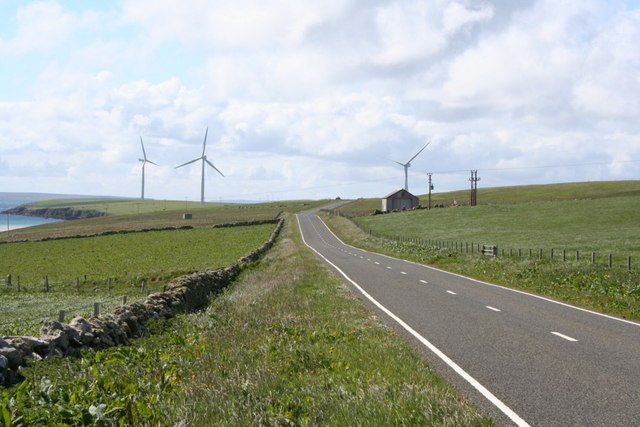
Orkney is home to the European Marine Energy Centre, which is successfully testing wave and tidal machines. But the islands are also pioneering other technologies and putting the surplus electricity to good use.
Spare power is already used to make hydrogen and oxygen. The Orcadians plan to use hydrogen to power the fleet of small boats they need to connect the populations of nine of the largest inhabited islands, and the fleet of larger ferries linking them to mainland Scotland.
Read MoreFollowing the uranium road
Diné student wins uranium essay contest
By Sandra J. Wright
Charisma Black, along with other students from northern Arizona, took on a challenge issued by the 4th World Foundation to research uranium mining effects on Black Mesa.
Each writer was also asked to propose actions to limit exposure to radiation.
Black was named the winner of the contest in April. On May 13, she accepted the $500 scholarship award along with a large hand-woven basket filled with traditional clothing and jewelry.
Tommy Rock, an alumnus of Northern Arizona University’s School of Earth Sciences and Environmental Sustainability, presented the award to Black.

Black’s extended family is from the Pinon, Arizona, area of the Navajo Reservation. But her immediate family moved to Phoenix when she was young.
She returned to northern Arizona about two years ago, and is a graduating student of Flagstaff High School. Only 18 years old, Black has spent a lot of time thinking about uranium.
“My greatest concern was for family members,” Black said. “Uranium has shortened my time with some of them. We have to take care of them. I hope things can change for everyone, not just us Navajo and Hopi people.”
Read MoreReaching net zero without nuclear
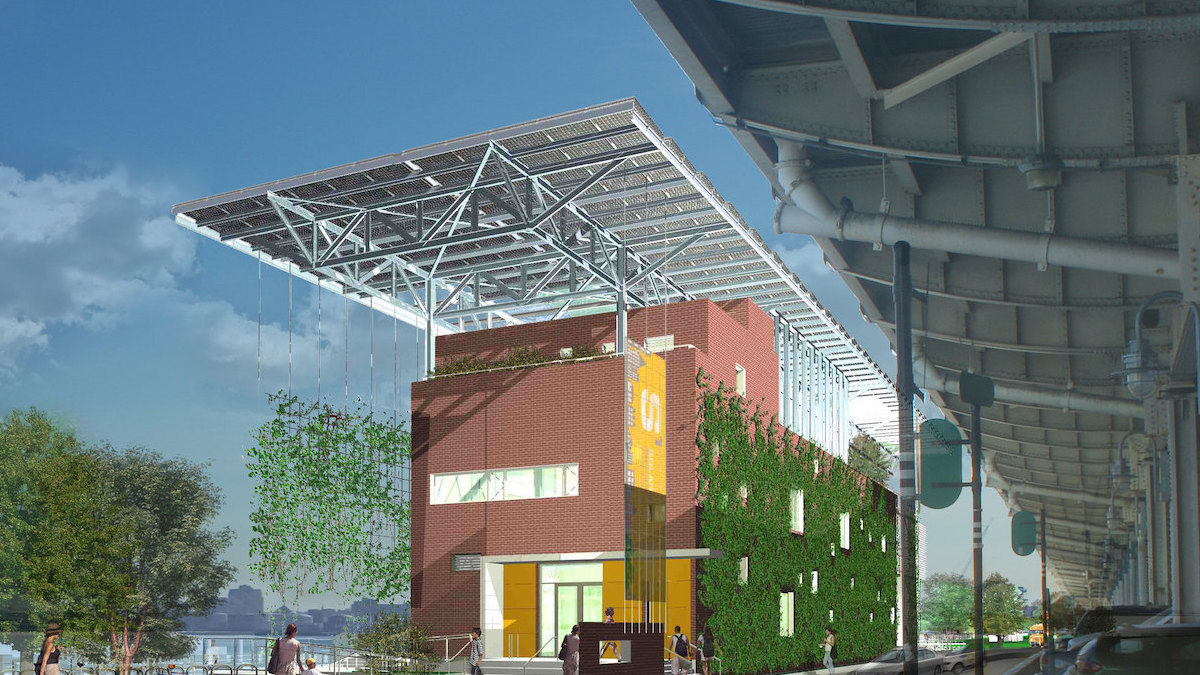
Not only is it possible, it’s essential
The fourth in our series of Talking Points draws on the new report by Jonathon Porritt, New Zero Without Nuclear: The Case Against Nuclear Power. Given the far-off illusory promise of new reactor designs; the enormous costs; the limited capacity for carbon reductions compared to renewables; the unsolved waste problem; and the inflexibility and outdatedness of the “always on” baseload model, nuclear power is in the way of — rather than a contributor to — climate mitigation. You can download the Net Zero Without Nuclear Talking Points here. This is the fourth in our series. You can find all four here.
By Jonathon Porritt
I first took an interest in Greenpeace back in 1973, before I joined Friends of the Earth, CND and the Green Party (then the Ecology Party) a year later. I’d followed the campaigns against the testing of nuclear weapons in Amchitka (one of the Aleutian islands in Alaska), and then in the French nuclear testing area of Moruroa in the Pacific. I was 23 at the time, with zero in-depth knowledge, but it just seemed wrong, on so many different fronts.
That early history of Greenpeace seems much less relevant now, given all its achievements over the last 50 years in so many other areas of critical environmental concern. But it still matters. Greenpeace has been an ‘anti-nuclear organisation’ through all that time, sometimes fiercely engaged in front-line battles, sometimes maintaining more of a watching brief, and nuclear power plays no part in Greenpeace’s modelling of a rapid transition to a Net Zero carbon world. It’s been very supportive of my new report, ‘Net Zero Without Nuclear’.
I wrote this report partly because the nuclear industry itself is in full-on propaganda mode, and partly because that small caucus of pro-nuclear greens (that’s existed for as long as I can remember) seems to be winning new supporters.
And I can see why. The Net Zero journey we’re now starting out on for real (at long last!) is by far the most daunting challenge that humankind has ever faced. Writing in the Los Angeles Review of Books in June 2019, author and Army veteran Roy Scranton put it like this:
‘Climate change is bigger than the New Deal, bigger than the Marshall Plan, bigger than World War II, bigger than racism, sexism, inequality, slavery, the Holocaust, the end of nature, the Sixth Extinction, famine, war, and plague all put together, because the chaos it’s bringing is going to supercharge every other problem. Successfully meeting this crisis would require an abrupt, traumatic revolution in global human society; failing to meet it will be even worse.’
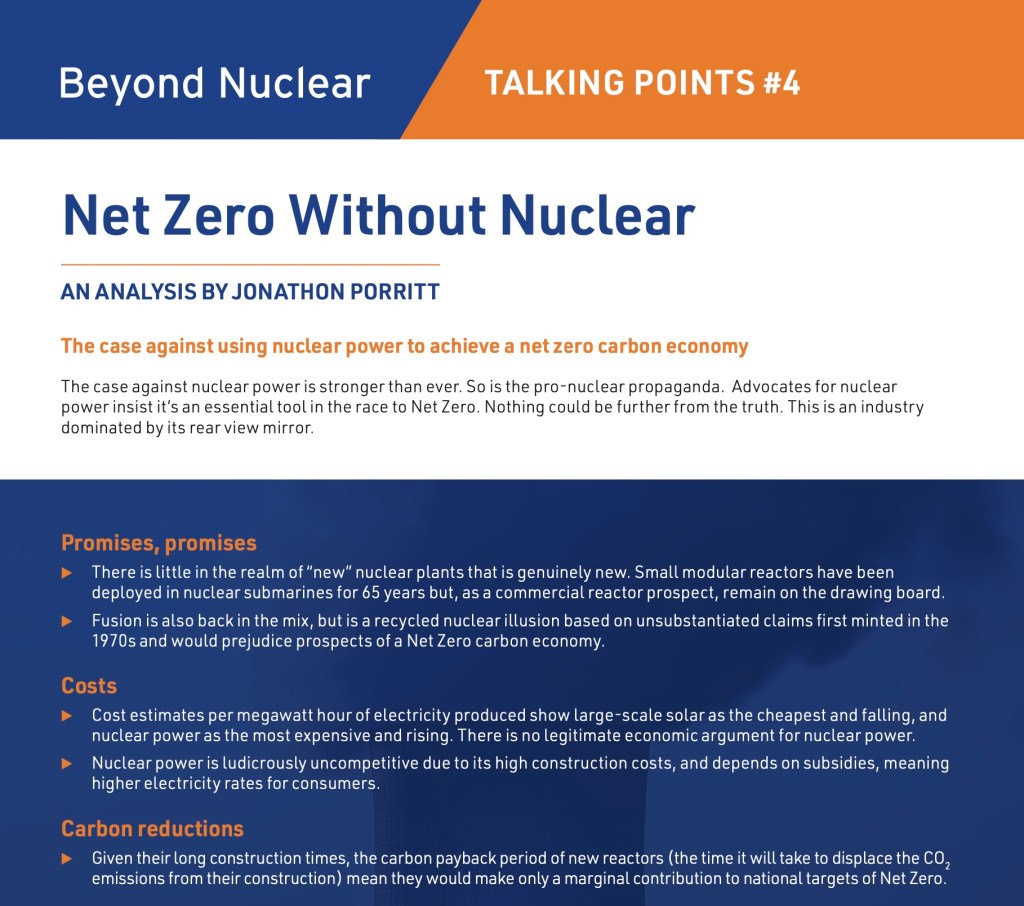
Not many people see it like that – as yet. But more and more will, as signals of that kind of chaos start to multiply. And we already know that the kind of radical decarbonisation on which our future depends is going to be incredibly hard. So why should we reject a potentially powerful contribution to that decarbonisation challenge?
Read MoreEDF launches the “EPR2”
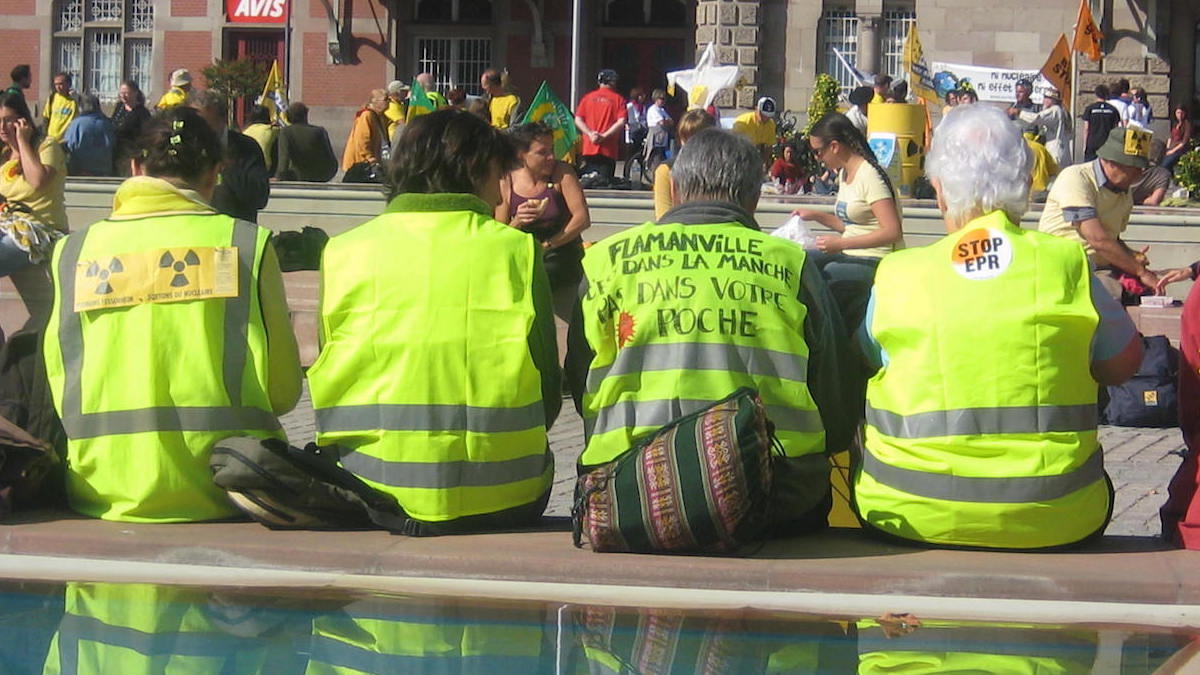
The politics of “fait accompli” will ensure a new industrial and financial disaster
Editor’s note: Despite the latest safety failures at the Taishan EPR in China; the endless delays and cost over-runs at the EPR projects in France and Finland; the technical fiascos and do-overs at the EPR construction sites in France, Finland and the UK; and the ongoing reckless plans for 6 EPRs in India, the French nuclear sector has far from abandoned its hubris. Instead, incredibly, and as Stéphane Lhomme tells us in a recent new blog on the topic, here translated into English, EDF has announced plans to begin construction of the “EPR2”. What could possibly go wrong?
By Stéphane Lhomme
Despite the fact that it has proven incapable of properly carrying out the construction of the EPR reactor at the never-ending Flamanville site underway since 2008, EDF leadership has nevertheless decided — according to the media outlet, Contexte — to allocate hundreds of millions of Euros to launch a construction program for new reactors, called “EPR2”.
Despite being fiercely pro-nuclear, President Macron has declared on several occasions that the EPR at Flamanville would need to be operational before any decision to build other reactors could be made.
However, it’s very likely that Mr. Macron is perfectly well aware of — and complicit in — this decision by EDF management to move forward with a new project.
Just as it has often done in the past, in its contempt for democracy and the interests of the French public, the leadership of EDF intends to use the politics of fait accompli: it proposes to spend hundreds of billions to start one or several “EPR2” reactor construction projects in order to then proclaim that the ship has sailed so the program cannot be stopped…. under threat of wasting hundreds of billions.
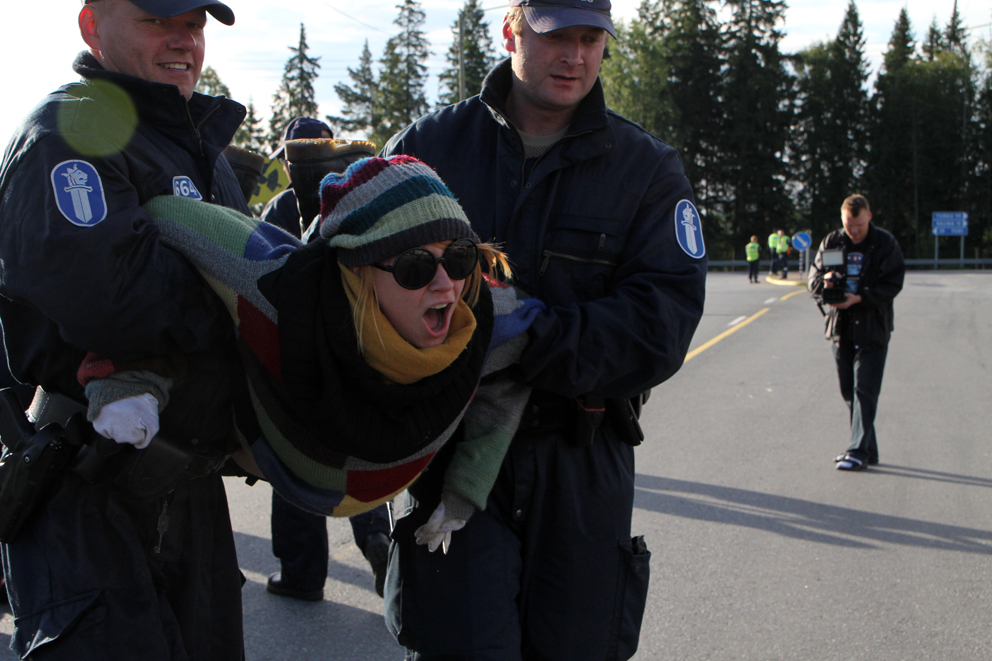
But it’s precisely by building nuclear reactors that EDF is already wasting astronomic sums, just as Areva did before that, going bankrupt due to the disastrous EPR construction project in Finland (which began in 2005, was supposed to come on line in 2009….but is still not complete)!
Read More Beyond Nuclear International